

Rebecca Wojno
Posts by this author

The complete guide to business process modeling in 2026
If you’ve been in business for a while, then you understand the importance of your processes. Your...
Workflow management for photographers: monday.com can help
Any photographer can benefit from the right workflow management software.

Process management vs project management made simple for growing teams
Two very different business techniques with varying goals, objectives, and stages.
Increase efficiency at work in 2026: strategies to work smarter
Uncovering ways to increase efficiency is a great way to increase productivity and reduce waste.
Win more job bids with a free contractor proposal template
As you prepare for an upcoming construction project, you’ll likely need to set yourself apart from...
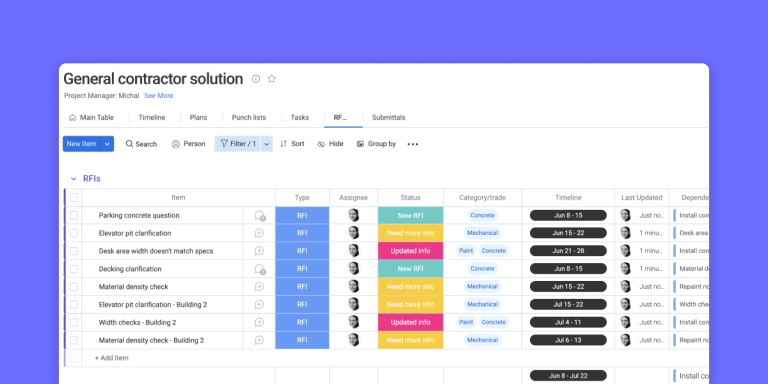
Why any contractor needs an RFI template
Learn how and when to use an RFI template to support workflows in construction projects.

Free 30-60-90 day plan template for your new job
Simplify onboarding and focus solely on setting the groundwork for a successful tenure.

The best organization apps for task management in 2026
The best organization apps can help you stay on track and save time.
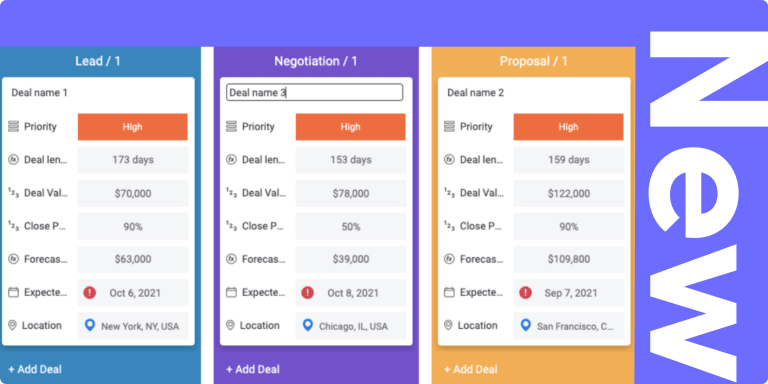
Autofill form suggestions, Kanban enhancements, and more exciting updates!
On Super Bowl Sunday, we proudly cheered on our team—actually, make that teams! From auto form suggestions...

New item and column menus, more automation capabilities, and other exciting improvements!
Happy New Year! To celebrate a new beginning, we’ve rolled out some impactful changes to monday.com....
monday workdocs updates, better column visibility, and other new updates this month
Happy holidays from everyone at monday.com! Our developers have been busy adding festive additions to our...
This November, we’ve added custom applications, sticky headers, monday doc improvements, and...
As we’re nearly through November, we wanted share monday.com’s latest improvements courtesy of...

Our newest building block is here: monday workdocs!
Your Work OS will never be the same; we’ve added the latest building block in our platform and it’s...