


Strategic procurement has become a growth engine that strengthens supplier partnerships and gives leadership real-time visibility into every dollar spent. The right procurement management software makes that transformation possible by replacing scattered spreadsheets and email chains with one streamlined, automated workflow.
This guide covers everything you need to evaluate modern procurement management software. You’ll explore the most important core features, compare 5 leading platforms side by side, and walk through a proven rollout plan so your team can hit the ground running.
Key takeaways
- Strategic shift: procurement is evolving from a cost-cutting function to a strategic engine for growth that requires connecting and automating procurement requests across the entire organization.
- Unified platform value: consolidating all procurement workflows onto a single, visible platform provides real-time spend analytics and transforms convoluted processes into simple, automated steps.
- Focus on service: effective procurement must recognize that every service request (e.g., for a new laptop) is a procurement request in disguise, requiring a unified system to connect service and purchasing workflows.
- AI and automation: modern platforms use AI to intelligently route procurement requests, identify cost-saving opportunities, and automate compliance management, shifting teams from reactive work to proactive strategy.
- Holistic evaluation: choosing the right platform requires matching its capabilities to your specific goals, whether they focus on daily procurement requests or high-level strategic sourcing.
What is procurement management software?
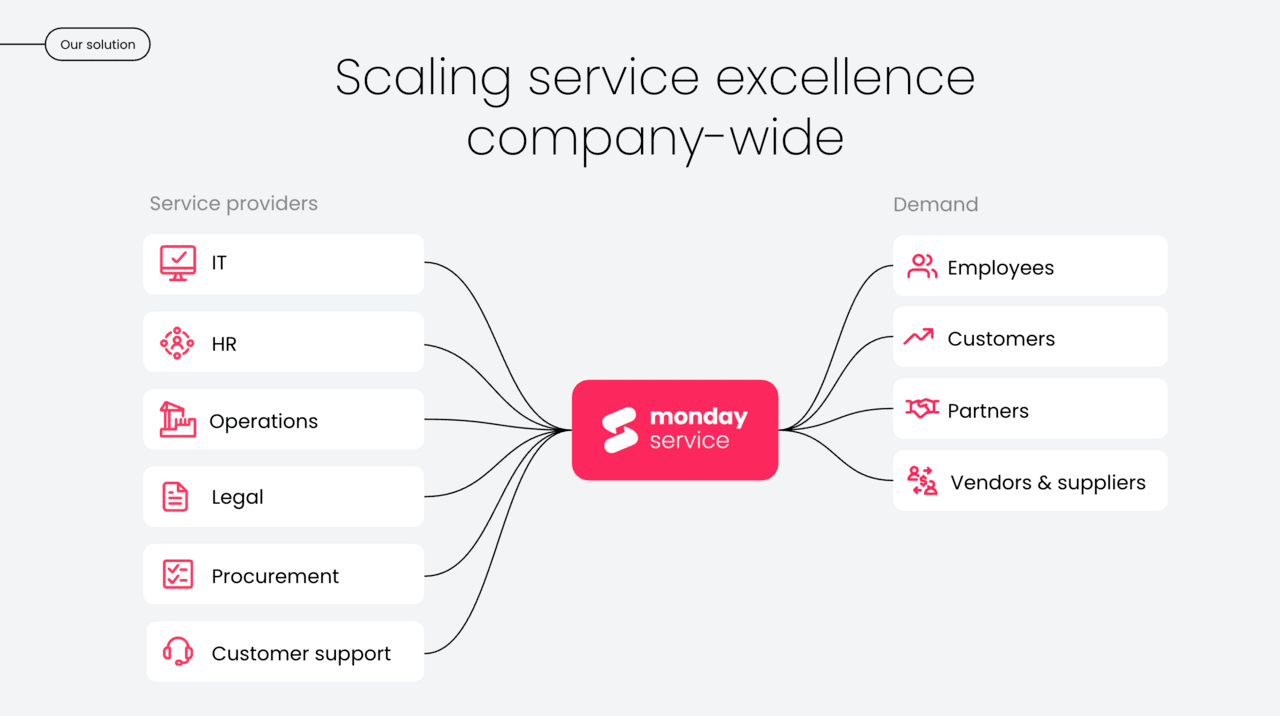
Procurement management software is your team’s single source of truth for every procurement request, from simple office supplies to major vendor contracts. It’s a solution that replaces scattered spreadsheets and email threads by bringing every request, approval, and payment into one streamlined workflow. This gives everyone a clear view of where things stand, turning procurement chaos into calm, controlled progress.
With a unified system, you can easily manage supplier relationships, track contract renewals, and see exactly where your money is going in real time. Built-in automations handle the busywork, routing procurement requests to the right people and ensuring policy adherence is built directly into the workflow. It’s all about empowering your team to get what they need, fast, while giving leadership the visibility to make smarter financial decisions.
Ultimately, great procurement software connects your procurement request process to the rest of your operations. When procurement, finance, and project teams all work from the same platform, you can see how every dollar spent impacts your bigger goals.
Types of procurement software
What are the different types of procurement software? The market includes several categories, each designed for a specific slice of the procurement lifecycle. Understanding where your needs fall helps you avoid paying for capabilities you will never use — or choosing a platform that leaves critical gaps.
- Source-to-pay (S2P): covers the entire procurement lifecycle from sourcing and supplier selection through invoicing and payment reconciliation.
- Procure-to-pay (P2P): focuses on the transactional side — purchase requisitions, purchase orders, invoice matching, and payment processing.
- Spend management: centralizes spend data across departments and vendors, providing analytics that uncover savings opportunities and enforce budget compliance.
- Contract management: handles contract creation, negotiation, approval workflows, renewal alerts, and compliance tracking throughout the contract lifecycle.
- Supplier management: maintains centralized vendor profiles, tracks supplier performance, and manages onboarding and relationship health over time.
- eProcurement: provides digital catalogs and self-service purchasing portals so employees can submit procurement requests within pre-approved guidelines.
- Service procurement: manages the purchasing of services — consultants, maintenance contracts, project-based work — where deliverables are less tangible than physical goods and require different tracking. Cloud-based solutions are the modern standard here, offering faster implementation, lower upfront costs, and greater flexibility for remote and growing teams.
Why your organization needs procurement management software
When all procurement workflows live on one connected platform, teams gain real-time visibility into every dollar spent and can focus on strategic initiatives. A unified system transforms procurement from a back-office function into a strategic advantage, empowering your team to spend their time on the high-impact responsibilities they were hired to accomplish.
By consolidating all procurement request workflows onto a single visual platform, you connect every request, approval, and vendor detail into a shared, transparent space. This provides everyone—from individual teams to the finance department—a real-time view of spending and progress, transforming convoluted processes into simple, automated steps.
This shift is not just about accelerating operations; it’s about enabling smarter decisions that directly enhance the bottom line. Armed with integrated AI and analytics, your team can finally transition from chasing paperwork to uncovering strategic insights and cultivating stronger vendor partnerships.
Essential features to look for in modern procurement management platforms
The most capable procurement management platforms manage the following core functions. Each of these feature categories addresses a specific pain point that procurement teams face daily, from approval bottlenecks to disconnected vendor data.
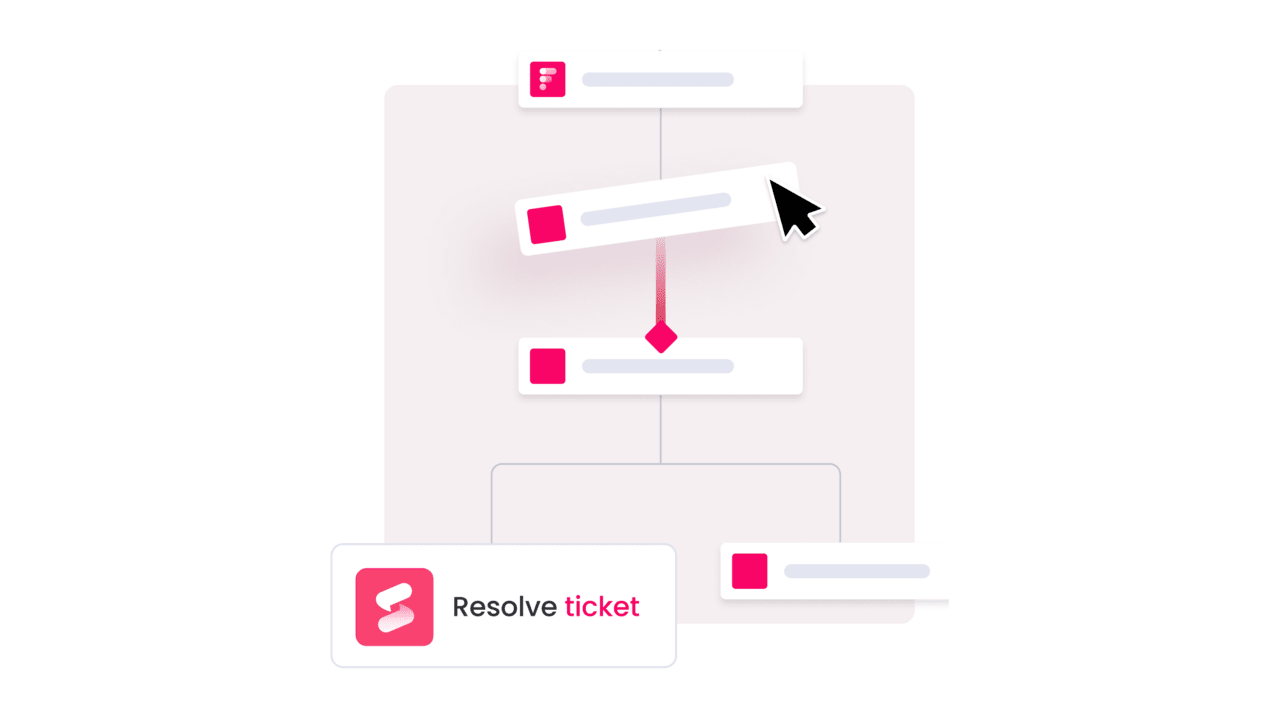
- Automated approval workflows: route requests by dollar threshold, department, or policy rules — eliminating the protracted email chains that delay purchasing decisions and frustrate stakeholders.
- Spend analytics and reporting: real-time dashboards show spend by category, department, and vendor, giving leadership the visibility to spot savings opportunities and enforce budget compliance.
- Supplier and vendor management: centralized vendor profiles, performance tracking, and contract storage create a single source of truth for every supplier relationship.
- Purchase order management: PO creation, tracking, and three-way matching (PO, receipt, invoice) reduce errors and keep procurement requests moving through the pipeline without manual follow-ups.
- Contract lifecycle management: renewal alerts, compliance tracking, and digital signatures ensure contracts stay current and enforceable throughout their term.
- Compliance and audit trails: built-in policy enforcement, approval history, and regulatory documentation protect the organization during audits and reduce risk from unauthorized spending.
- Integration capabilities: native connections to ERP, accounting, and project management platforms ensure procurement data flows into the systems your organization already depends on. When all elements flow together in one cohesive environment, resolution times accelerate, freeing up the team to concentrate on more strategic initiatives.
Centralization delivers strategic outcomes beyond day-to-day efficiency. It elevates procurement from a cost center to a strategic driver for the business, and consolidating supplier information with built-in analytics helps organizations build more resilient partnerships.
How to choose the best procurement software for your team
Picking the right procurement software starts with understanding your own workflows, not adapting your team to a platform’s default settings. The market offers everything from heavyweight enterprise platforms designed for complex global sourcing to focused solutions built for speeding up daily procurement requests and approvals. How do you find the right fit?
- Define your goals first: Is the primary objective to streamline daily procurement requests and gain clear visibility into spending, or is your organization ready to tackle strategic supplier management and complex approval hierarchies? This clarity shapes every decision that follows.
- Assess integration needs: A procurement platform that cannot connect to your existing ERP, accounting, and project management systems will quickly become another data silo.
- Prioritize ease of use and time-to-value: The fastest way to measure this is to run a pilot with your actual workflows and watch how quickly your team becomes self-sufficient. Platforms that require months of consultant-led configuration may have the deepest feature sets, but they also carry the highest risk of stalled adoption.
- Consider service procurement needs: Does your organization buy services, not just physical goods? Service procurement involves consultants, maintenance contracts, and project-based work, and it demands a platform that can handle intangible deliverables alongside traditional purchasing. Connecting procurement requests to project timelines and service workflows on one platform closes the gap that causes most cross-departmental friction.
5 best procurement management software platforms in 2026
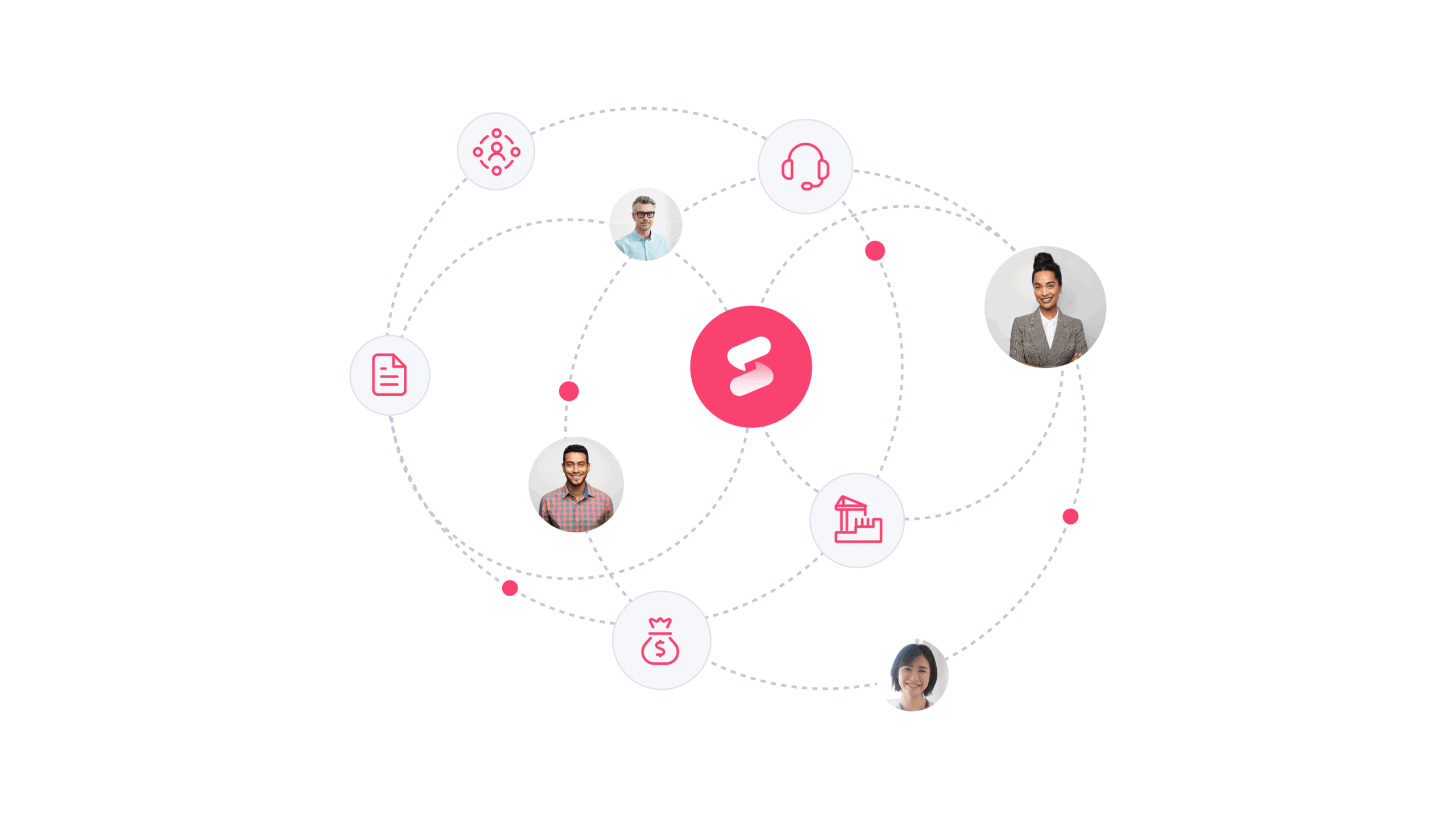
The 5 platforms below represent a range of approaches to procurement management — from unified service-and-procurement platforms to enterprise ITSM suites and customer service systems adapted for internal workflows. We evaluated each one based on team-size flexibility, procurement-specific capabilities, integration depth, and the ability to scale as procurement complexity grows.
| Platform | Best for | Starting price | Key strength |
|---|---|---|---|
| monday service | Unified service + procurement teams | $31/seat/month | AI procurement agents, no-code customization |
| ServiceNow | Large enterprises with complex sourcing | Custom quote | End-to-end source-to-pay orchestration |
| Jira Service Management | Dev-oriented teams in the Atlassian ecosystem | Free (up to 3 agents) | Flexible workflow engine, deep Jira integration |
| Zendesk | Teams extending an existing support platform | $19/agent/month | Omnichannel intake, large app marketplace |
| Freshservice | Mid-market IT teams with asset procurement needs | $29/agent/month | Integrated ITSM + procurement, Freddy AI |
1. monday service
monday service brings a fresh, flexible approach to procurement management by unifying service requests, vendor relationships, and procurement request workflows on one intelligent platform. Built on the monday.com Work OS, the platform empowers teams to streamline operations while maintaining visibility across departments — and its dedicated AI procurement agents handle repetitive procurement work autonomously, from processing purchase requisitions to coordinating supplier evaluations.
Key features
- AI-powered procurement agents: Purchase Request Agent processes requisitions autonomously, Vendor Ops Agent handles supplier onboarding and inquiries, and Sourcing Agent coordinates RFQs through supplier evaluations — all operating within defined guardrails with full auditability.
- Automated approval workflows: Workflow builder routes requests by dollar threshold, department, or custom rules with no-code configuration, eliminating manual handoffs and approval bottlenecks.
- Customer Portal: self-service intake for procurement requests with real-time status tracking, so stakeholders always know where their request stands without sending follow-up emails.
- SLA tracking: SLA column monitors resolution times against procurement turnaround commitments, making it easy to identify and address delays before they escalate.
- 200+ integrations: native connections to ERP, accounting, and business platforms plus API access for custom workflows, ensuring procurement data stays connected to the systems your organization already uses.
Pricing
monday service offers 3 tiers designed to scale with your team. Pricing is per seat per month when billed annually, with a 14-day free trial available across all plans.
- Standard: $31/seat/month (billed annually) — unlimited tickets, AI credits, AI Sidekick (lite), ticket intake via email and WorkForms, AI Ticket Triage for 1 board, Customer Portal (up to 10 users).
- Pro: $45/seat/month (billed annually) — includes Standard plus dynamic auto-responses, AI Ticket Triage for 3 boards, Customer Portal (up to 100 users), dashboards combining 20 boards.
- Contact sales — includes Pro plus AI Sidekick (plus), unlimited AI Ticket Triage, unlimited Customer Portal users, 250,000 automation actions/month, HIPAA compliance, multi-level permissions.
- 14-day free trial available. 18% discount on annual billing.
Standout strengths
monday service stands apart from traditional ITSM platforms by unifying service and procurement on one configurable, AI-powered platform.
- Unified platform approach: consolidates procurement requests, project management, and service requests into one place, providing a single source of truth for organizational spending.
- No-code customization: empowers procurement teams to build and modify procurement request workflows independently, ensuring the platform matches specific departmental needs.
- AI Service Workforce: a team of AI agents that resolve repetitive requests autonomously, with unlimited AI credits on Tickets, CSAT survey, and Incidents boards.
- Cross-departmental visibility: ensures seamless collaboration between procurement, finance, and requesting departments by providing shared, real-time data access.
- Robust integrations: provides native connections to popular business platforms, API access for custom ERP integration, and essential procurement features like customizable forms, budget dashboards, and contract lifecycle management.

"Our team LOVES the monday service platform and we’re already exploring how we could incorporate it for other departments, too. It has streamlined our workflow in a way that both our team and customers appreciate."
Andrew Marshall | VP Operations
״monday service provides clear insights into requests volume and types, response times, and trends - helping us continuously improve operations"
Grant De Waal-Dubla | CIO
"The biggest value for us is speed and flexibility. You can get up and running in days, change anything instantly, and see everything in real time. And you don’t need a dedicated admin to do it."
Clive Camilleri | Head of People Tech & Operations2. ServiceNow
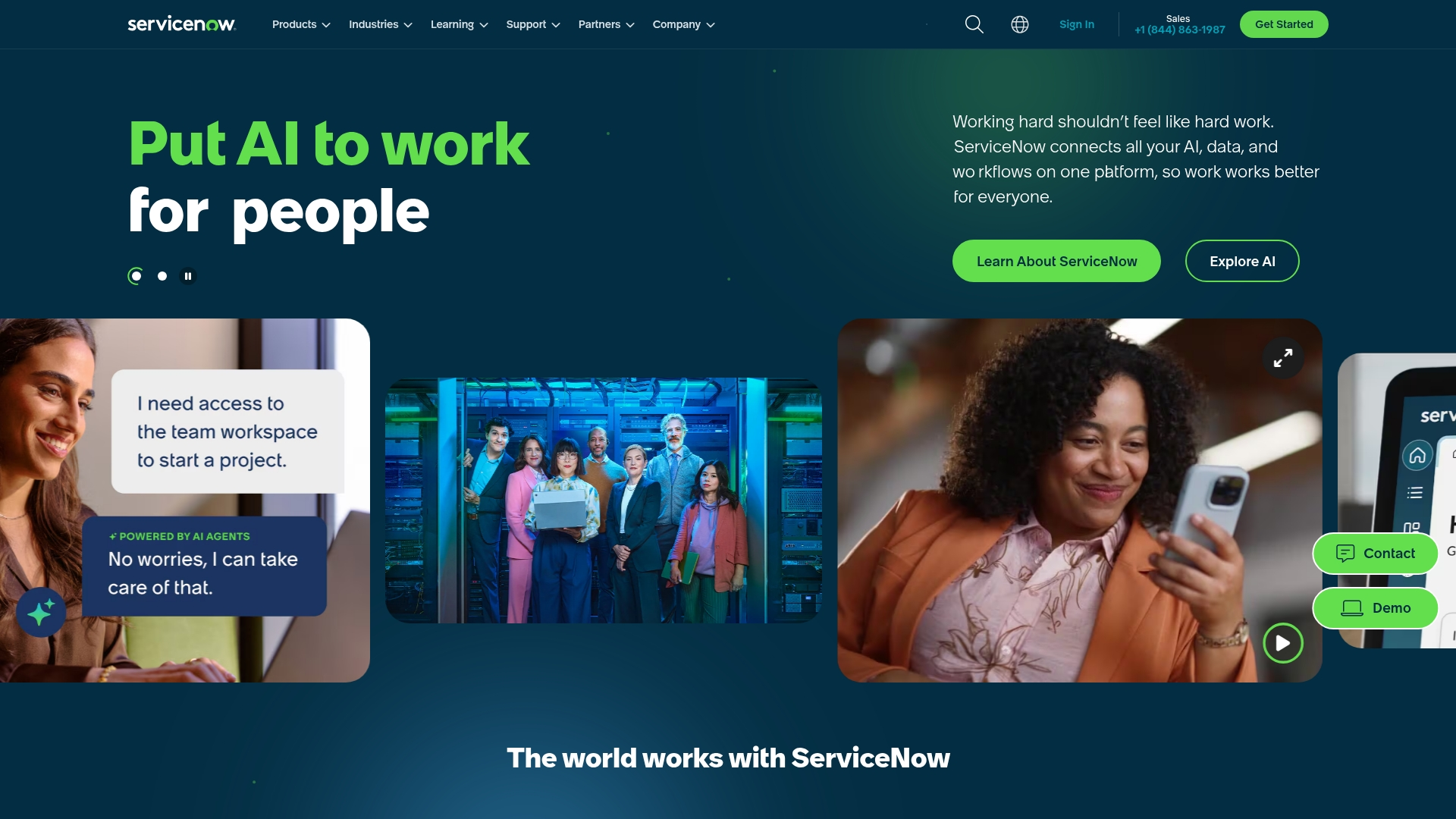
ServiceNow delivers comprehensive procurement management through its unified Source-to-Pay platform, built on the powerful Now Platform architecture. The platform targets large enterprises with complex procurement request needs, offering AI-powered automation and seamless integration across IT, HR, and business operations. For organizations already invested in the ServiceNow ecosystem, it provides deep workflow orchestration and enterprise-wide visibility — though that depth comes with significant implementation complexity.
For organizations already invested in the ServiceNow ecosystem, it provides unmatched workflow orchestration and enterprise-wide visibility.
Key features
- ShoppingHub experience: consumer-like purchasing portal that simplifies employee procurement requests with intuitive navigation and self-service capabilities.
- AI-powered automation: intelligent invoice processing, purchase order matching, and automated approval workflows that reduce manual intervention and accelerate procurement request cycle times.
- Unified platform integration: seamless connection with existing ERP systems and ServiceNow modules for holistic enterprise service management.
Pricing
- Custom pricing: based on organizational needs and requirements.
- Scalable packages: available for different business growth stages.
- Quote and evaluation: contact ServiceNow directly for a detailed quote and evaluation.
Considerations
ServiceNow is purpose-built for large enterprises with dedicated IT administration resources. Keep these fit factors in mind when evaluating it for your team.
- Enterprise-scale investment: best suited for organizations with the budget and team to manage a comprehensive enterprise deployment, including licensing, implementation, and ongoing maintenance.
- Dedicated administration: teams benefit most when they have certified ServiceNow administrators to manage the platform’s depth of customization and upgrade cycles.
3. Jira Service Management
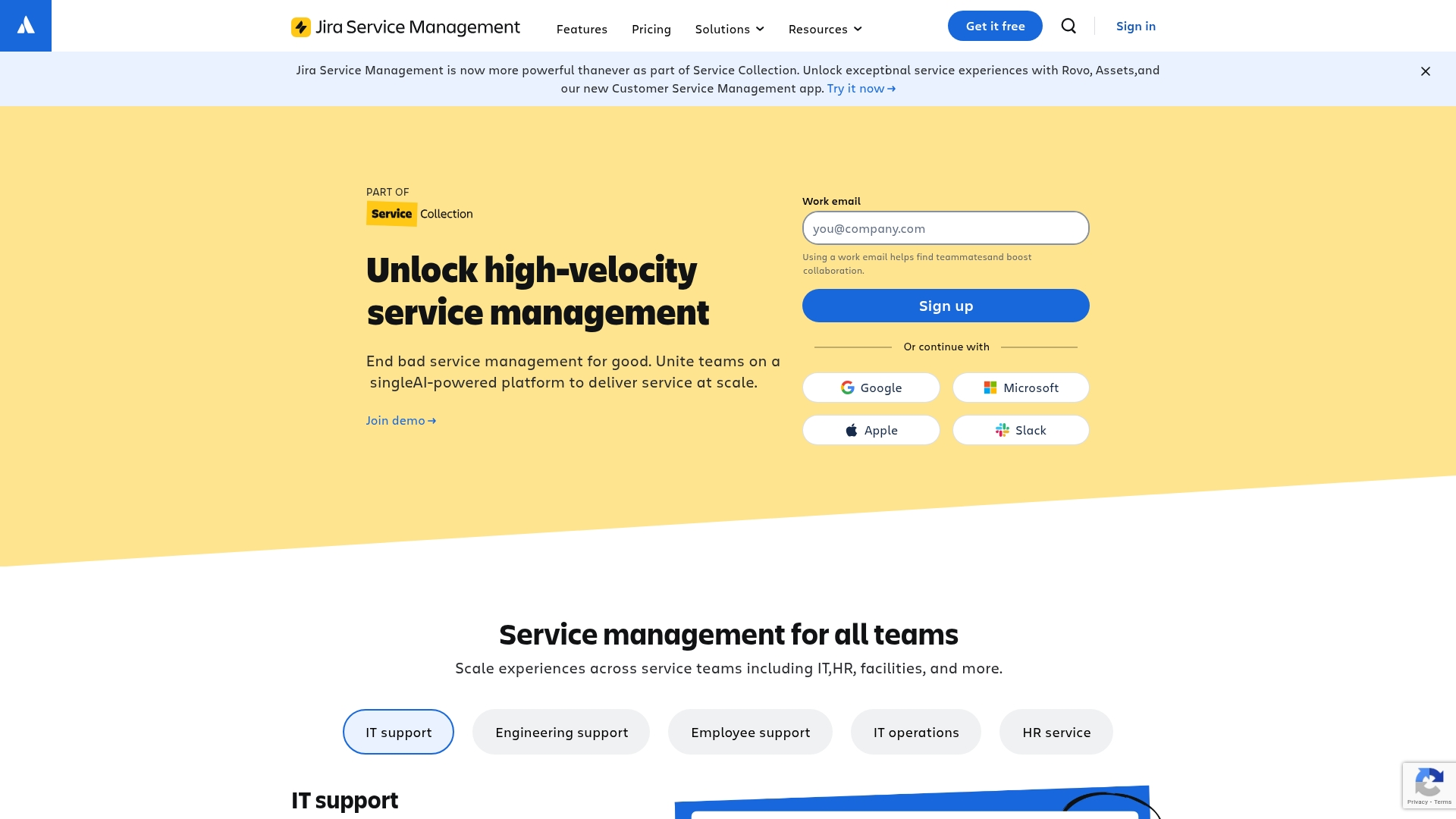
Jira Service Management transforms development-focused teams into service powerhouses by extending Atlassian‘s robust project management capabilities into comprehensive service delivery. The platform bridges the gap between technical teams and business operations, making it a strong fit for organizations already invested in the Atlassian ecosystem who want to unify their development and service workflows. Its powerful workflow engine gives technical teams deep configuration options, though non-technical procurement users may find the learning curve steeper than expected.
Key features
- Customizable procurement workflows: design and automate unique procurement request processes from request creation to final approval and fulfillment using Jira’s powerful workflow engine.
- Self-service procurement portal: enable employees to browse approved item catalogs and submit procurement requests through a user-friendly portal accessible to unlimited users at no extra cost.
- Integrated asset management: track purchased items throughout their entire lifecycle from procurement request to retirement, including hardware, software licenses, and other organizational assets.
Pricing
- Free: $0 forever for up to 10 users with 2 GB storage.
- Standard: $7.91 per user/month with 250 GB storage and up to 100,000 users per site.
- Premium: $14.54 per user/month with unlimited storage and 99.9% uptime SLA.
- Enterprise: contact sales for pricing with 99.95% uptime SLA and advanced analytics.
Considerations
- Procurement request functionality: requires significant configuration and setup since it’s not an out-of-the-box feature, potentially requiring specialized expertise or third-party marketplace apps.
- Implementing complexity: of comprehensive asset management can be challenging without proper planning and may become difficult to manage over time.
4. Zendesk
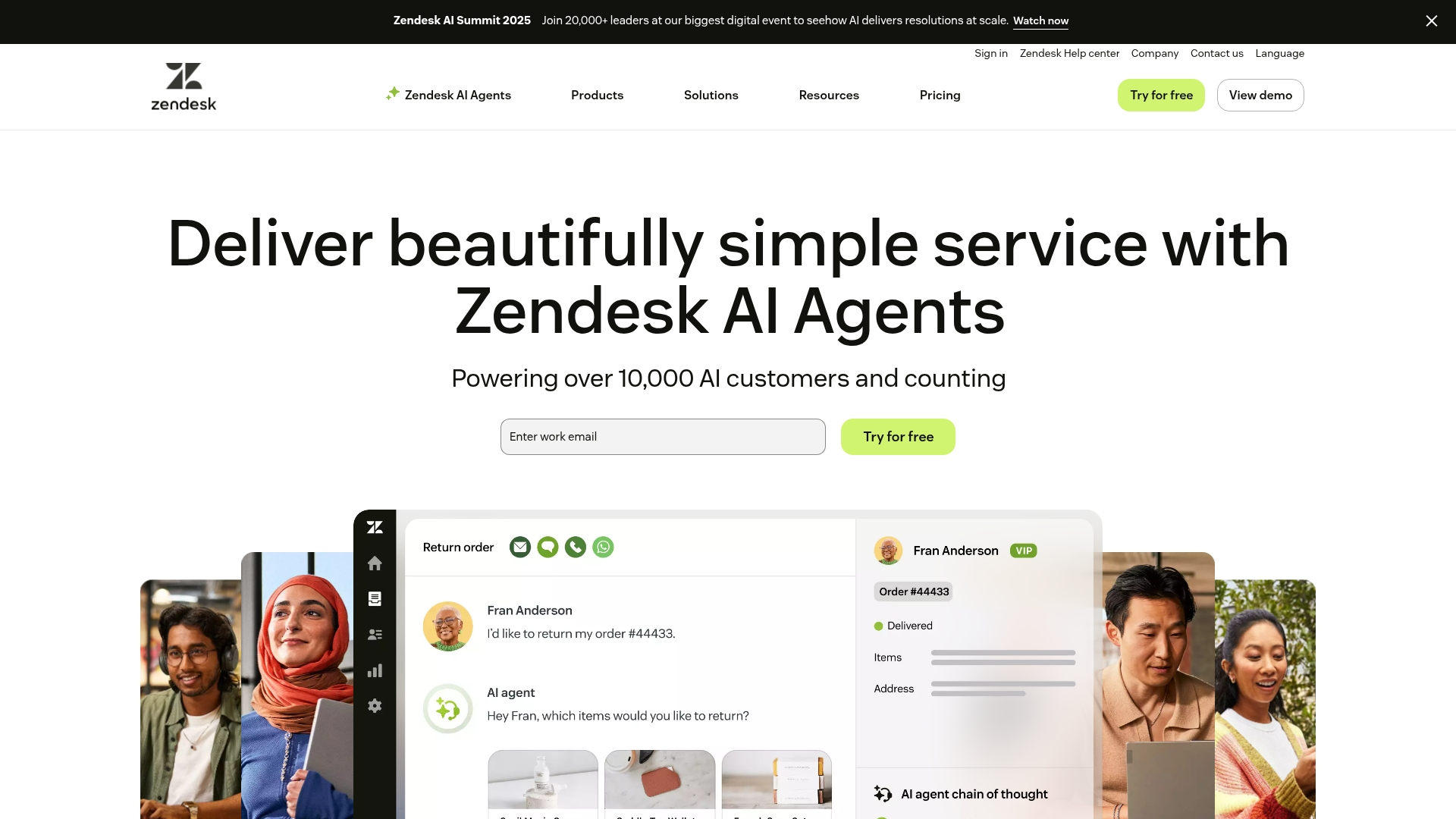
Zendesk transforms customer service platforms into versatile business process hubs that can handle procurement request workflows alongside traditional support functions. The platform’s strength lies in its familiar ticketing system and extensive integration marketplace, making it an accessible option for organizations already using Zendesk for customer or employee support.
Teams that need lightweight procurement request tracking without a full platform migration will find Zendesk’s approach pragmatic, though it requires third-party apps for deeper procurement capabilities.
Key features
- Internal ticketing system: manage procurement requests with customizable fields and approval workflows.
- Knowledge base functionality: house procurement policies and supplier onboarding documentation in a searchable, self-service format.
- Third-party integrations: connect with specialized procurement platforms through the Zendesk Marketplace.
Pricing
Zendesk publishes annual billing rates, with monthly billing available at higher rates. A 14-day free trial provides access to the Suite Professional plan.
- Support Team: $19 per agent/month (billed annually) or $25 per agent/month (monthly).
- Suite Team: $55 per agent/month (billed annually) or $69 per agent/month (monthly) – includes AI features.
- Suite Professional: $115 per agent/month (billed annually) or $149 per agent/month (monthly) – includes AI features.
- Suite Enterprise: $169 per agent/month (billed annually) or $219 per agent/month (monthly) – includes AI features.
- Additional automated resolutions: available at $1.50–$2.00 per resolution depending on commitment level.
Considerations
- Best for lightweight procurement tracking: teams requiring native purchase order management, contract management, or spend analytics will want to integrate third-party apps from the Zendesk marketplace.
- Strength in familiarity: organizations with existing Zendesk deployments get the fastest time-to-value, while teams with advanced procurement request requirements may want a dedicated procurement-first platform.
5. Freshservice
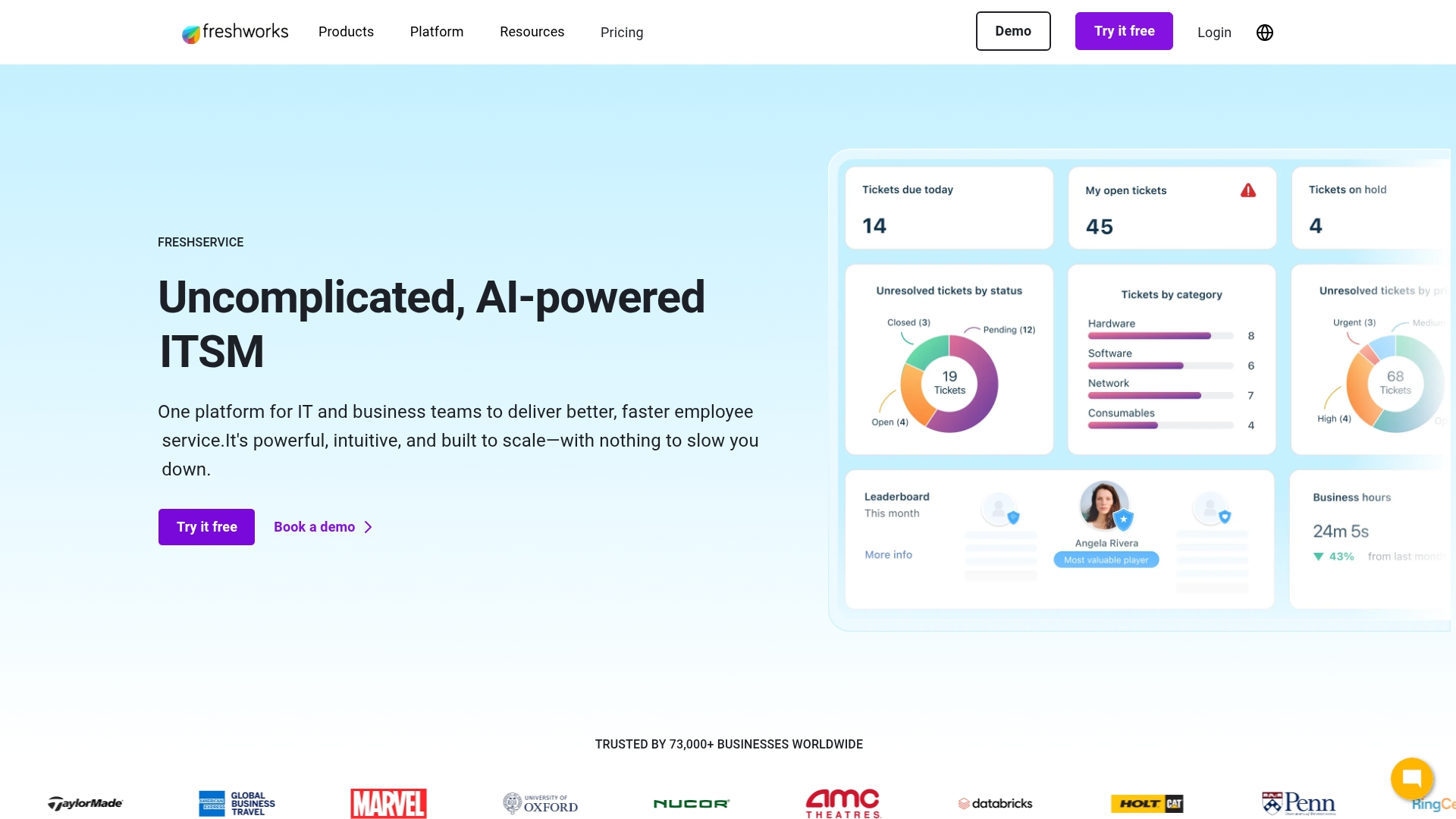
Freshservice delivers comprehensive IT service management with integrated procurement capabilities for mid-market organizations. The platform specializes in unifying asset lifecycle management within a single ITSM solution, making it ideal for teams seeking streamlined procurement requests without the complexity of enterprise-grade systems.
Its Freddy AI engine provides automated ticket classification and response suggestions, and the platform integrates procurement request management directly into its IT Asset Management module for end-to-end asset lifecycle coverage.
Key features
- Purchase order management: create, track, and manage purchase orders with customizable forms and multi-currency support for global vendor operations.
- Automated approval workflows: multi-stage approval processes for procurement requests with email notifications and detailed context for faster decision-making.
- Seamless inventory integration: direct asset addition to inventory from procurement requests, keeping your CMDB automatically updated.
Pricing
Freshservice offers transparent monthly pricing with a 14-day free trial across all tiers. Annual billing provides additional savings.
- Starter: $29/agent/month
- Growth: $59/agent/month
- Pro: $119/agent/month
- Enterprise: custom quote — contact sales
- 14-day free trial available. 3 free Day Passes for occasional agents
Considerations
- IT-asset focus: Freshservice excels at IT asset procurement and service desk workflows, making it ideal for IT teams with defined procurement request categories.
- Right-sized customization: the platform delivers the most value for teams with standard approval hierarchies, while organizations with complex, multi-department procurement workflows may want a platform with deeper no-code configurability.
How AI powers next-generation procurement automation
Artificial intelligence is poised to redefine procurement, shifting it from a manual, reactive function to a strategic, automated powerhouse. This evolution is not about incremental improvements; it’s about fundamentally changing how procurement requests get done, freeing your team to concentrate on high-value strategic initiatives.
With embedded AI, entire workflows can run autonomously. Here are the specific capabilities driving the shift from reactive to proactive procurement operations.
- Autonomous procurement agents: AI agents that process purchase requisitions, manage vendor inquiries, and coordinate sourcing workflows without manual intervention. These agents operate within defined guardrails and escalate to human reviewers when requests fall outside standard parameters.
- Intelligent request routing: AI-powered triage automatically categorizes, prioritizes, and routes procurement requests to the correct approver based on dollar amount, department, request type, and historical patterns — removing the guesswork and delays from manual assignment.
- Predictive spend analysis: machine learning identifies cost-saving opportunities by analyzing historical procurement data, flagging duplicate purchases, and forecasting future procurement needs so teams can negotiate volume discounts proactively.
- Automated compliance checks: AI validates every request against procurement policies before routing for approval, catching policy violations, missing documentation, and budget overruns at the point of submission rather than after the fact.
This technological leap enables a critical transition from reactive problem-solving to proactive strategy. AI can forecast future procurement request needs and automate compliance management, allowing your team to move beyond putting out fires and begin constructing a more resilient, efficient, and forward-thinking procurement operation.
Platforms with built-in AI Service Workforce capabilities — where specialized agents handle procurement work autonomously are leading this shift.
"Our team LOVES the monday service platform and we’re already exploring how we could incorporate it for other departments, too. It has streamlined our workflow in a way that both our team and customers appreciate."
Andrew Marshall | VP Operations
״monday service provides clear insights into requests volume and types, response times, and trends - helping us continuously improve operations"
Grant De Waal-Dubla | CIO
"The biggest value for us is speed and flexibility. You can get up and running in days, change anything instantly, and see everything in real time. And you don’t need a dedicated admin to do it."
Clive Camilleri | Head of People Tech & Operations5 steps to a successful procurement software rollout
Rolling out new procurement software is as much about people as it is about platforms. A structured, phased approach turns what could be a disruptive transition into a series of quick wins that build momentum across the organization.
Step 1. Audit your current procurement workflows
Before selecting a platform, map out every procurement request workflow your team runs today. Identify where approvals stall, where data lives in spreadsheets, and where manual handoffs create errors or delays.
- Document the complete lifecycle of your 3 most common procurement request types.
- Measure current cycle times for each request from submission to fulfillment.
- Pinpoint the specific bottlenecks and manual steps you want the new platform to eliminate.
Step 2. Build your internal champion team
Successful launches require proactive engagement and buy-in. Find enthusiastic teammates who can advocate for the change and build excitement from the inside out.
- Recruit 2-3 champions from procurement, finance, and operations who will test workflows and provide early feedback.
- Communicate the “why” clearly — show everyone exactly how the new system makes their procurement requests simpler.
- Create open channels for questions and feedback. so the implementation feels like a shared effort, not a top-down mandate.
Step 3. Run a focused pilot program
Instead of a full-scale launch, start with a single team or a high-impact procurement request process. Run the pilot for 2-4 weeks — long enough to gather meaningful feedback and score some early wins.
- Pick one workflow that touches multiple departments, such as new vendor onboarding or purchase order approvals.
- Track key metrics during the pilot: cycle time, approval speed, and user satisfaction.
- Use pilot results as proof points for the wider rollout.
Step 4. Roll out role-based training
A one-size-fits-all training plan rarely works. Tailor your approach by role so every team member feels confident from day one. With no-code platforms, you can focus training on smarter procurement request workflows and team collaboration rather than complex technical configuration.
- Provide power users with hands-on sessions covering advanced features and workflow customization.
- Give the broader team quick-start guides focused only on the procurement requests they handle daily.
- Set up office hours and user groups for ongoing support after launch.
Step 5. Measure results and iterate
Set clear benchmarks from the start so you can celebrate real progress. Look at both the hard data — faster procurement request resolution times, user adoption rates, satisfaction scores — and the qualitative feedback from your team about how the new workflows feel.
- Compare cycle times and error rates against your pre-implementation audit.
- Track adoption metrics weekly for the first 90 days.
- Schedule monthly reviews to refine workflows, expand automation, and address any friction points the team identifies.
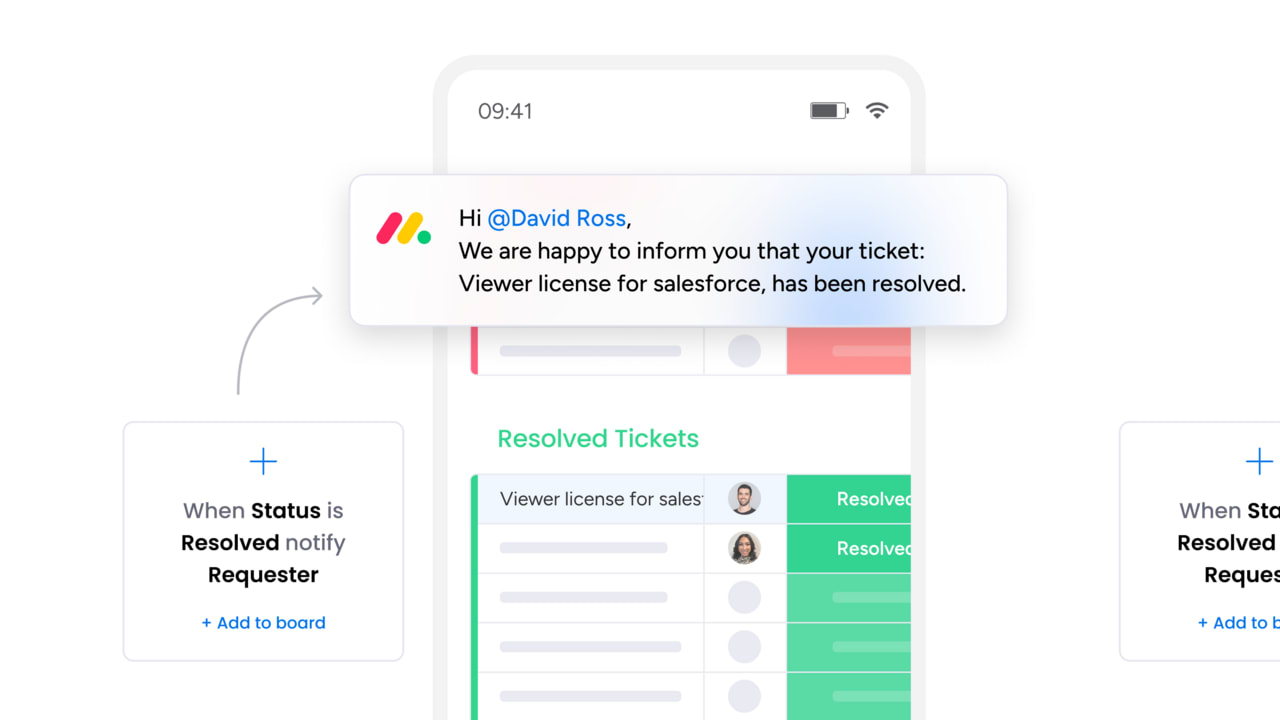
Unite service and procurement requests with monday service
Service tickets and procurement requests often follow the same path, yet they frequently live in separate systems. When a team member requests a new laptop, that single action triggers both a service ticket and a procurement request — and if those workflows live in different platforms, handoffs multiply, approvals slow down, and nobody has a complete picture of progress. What if both workflows ran on the same platform from the start?
This is the problem monday service was built to solve. The platform brings service and procurement workflows together so every request — whether it is a software license renewal, a vendor onboarding task, or an office supply order — follows the same structured intake, approval, and fulfillment process. Here is how it works in practice.
Centralize every request type
Service and procurement requests follow the same structured intake through Customer Portal and custom forms. Every request captures the right details upfront, and automated routing sends each one to the correct approver without back-and-forth communication. Ticket management and procurement approvals live side by side, giving teams a single view of all incoming work.
Automate approvals across departments
Workflow builder routes requests by dollar amount, department, or custom rules — no code required. Multi-stage approval chains run automatically, with real-time notifications keeping every stakeholder informed. This eliminates the scattered email threads and missed approvals that slow down procurement operations.
Deploy AI agents for procurement tasks
The platform’s AI workforce includes dedicated procurement agents: Purchase Request Agent processes requisitions autonomously, Vendor Ops Agent handles supplier onboarding, and Sourcing Agent coordinates RFQs through supplier evaluations. These agents operate within defined guardrails with full auditability, handling repetitive work so your team can focus on strategic decisions.
Track performance with real-time dashboards
The service level agreement column monitors resolution times against procurement turnaround commitments, and analytics dashboards show spend patterns, bottleneck areas, and team performance across every request type. Procurement, finance, and service teams stay aligned with shared, real-time data access — and suppliers can collaborate directly through the platform instead of scattered email threads.
Bringing service and procurement together on one platform creates a faster, clearer, and more dependable way to manage requests across the organization.
The content in this article is provided for informational purposes only and, to the best of monday.com’s knowledge, the information provided in this article is accurate and up-to-date at the time of publication. That said, monday.com encourages readers to verify all information directly.
Frequently asked questions
What is the difference between procurement management software and purchasing software?
The different types of procurement software include source-to-pay, procure-to-pay, spend management, contract management, supplier management, and service procurement platforms. The right type depends on whether your organization needs end-to-end strategic sourcing or focused purchasing automation.
What features should I look for when choosing procurement software?
When choosing procurement software, prioritize automated approval workflows, real-time spend analytics, supplier management, purchase order tracking, and integration with your existing ERP and accounting systems. AI-powered request routing and compliance automation are increasingly essential for growing teams.
What is the difference between procurement management software and purchasing software?
The difference between procurement management software and purchasing software is scope. Procurement management software covers the entire strategic process from sourcing and vendor management to spend analysis, while purchasing software focuses only on the transactional steps of placing and tracking orders.
How does procurement automation software reduce manual errors?
Procurement automation software reduces manual errors by using AI to automatically categorize and route requests, enforce policy compliance before approvals, match invoices to purchase orders, and flag exceptions — removing the human data-entry steps where most mistakes occur.
Can monday service handle procurement request management?
Yes, monday service can handle procurement request management. The platform centralizes procurement requests alongside service workflows on a single platform, with AI-powered ticket triage, automated approval routing, a self-service Customer Portal, and real-time spend dashboards.
How long does procurement management software implementation typically take?
Procurement management software implementation typically takes 1 to 6 months depending on complexity. Cloud-based platforms with no-code configuration can be up and running in weeks, while enterprise deployments with custom integrations may take longer.
How does procurement management software handle multi-location operations?
It centralizes multi-location operations with shared dashboards and consolidated reporting. This allows for location-specific procurement request workflows and approvals, giving teams both global oversight and local control.
Is procurement management software suitable for small businesses?
Yes, many cloud-based platforms are ideal for small businesses, offering affordable pricing and scalable features. These solutions provide the core functionality you need without the complexity of enterprise-level systems.

 Get started