


Some sources report that Microsoft Project Online is expected to retire on September 30, 2026. For decades, MS Project defined how enterprises planned and tracked large-scale initiatives. But project management has shifted toward real-time collaboration, agile methodologies, and cross-functional visibility; areas where the legacy desktop-plus-cloud model struggles to keep pace.
This article breaks down what to look for in a replacement, compares seven strong contenders, and examines how platforms like monday.com’s AI Work Platform can help teams transition without losing momentum. You can also explore our monday.com alternatives comparison to see how 15 platforms handle cross-functional work at scale.
Key takeaways
- Project Online retires on September 30, 2026, so teams that rely on it should start evaluating migration options before the deadline
- Microsoft is moving users toward Planner, but teams that need advanced portfolio management, resource planning, and detailed scheduling may need a more flexible alternative
- Methodology flexibility matters: the strongest Microsoft Project alternatives support waterfall, agile, and hybrid workflows in one workspace
- monday.com’s AI Work Platform gives teams a flexible way to manage complex projects with visual project tracking, Gantt views, dashboards, automations, integrations, and AI-powered capabilities
- Migration takes time. Data export, workflow rebuilding, reporting setup, and team onboarding should happen early to avoid disruption when Project Online goes offline
What is Microsoft Project?
Microsoft Project is a project management application that has served as the enterprise standard for planning, scheduling, and tracking complex initiatives since 1984. It combines desktop software (Project Standard and Project Professional) with cloud-based plans (Project Online) to deliver Gantt chart scheduling, resource allocation, and detailed reporting for waterfall-style project execution.
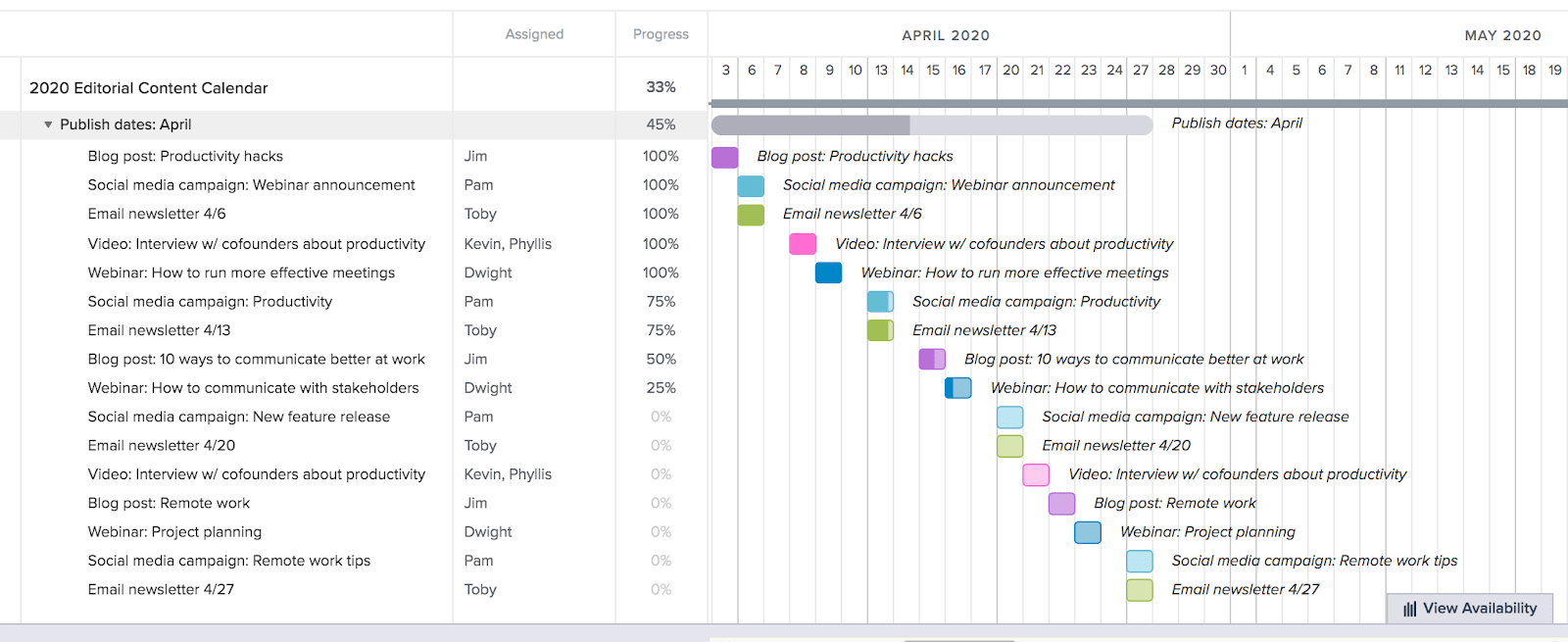
The platform’s core strengths center on detailed scheduling and resource management. Project managers use it to build work breakdown structures, assign resources, set dependencies, calculate critical paths, and generate progress reports. For organizations running large capital projects, construction timelines, or IT deployments with sequential phases, those capabilities remain relevant.
Microsoft currently offers four pricing tiers for cloud-based access. Plan 1 starts at $10 per user per month with basic web-based project management. Plan 3 costs $30 per user per month and adds the desktop client, resource management, and portfolio reporting. Plan 5, at $55 per user per month, includes full portfolio management and demand management. On-premises licenses for Project Server start at $620 per license, plus the cost of SharePoint infrastructure.
Is Microsoft discontinuing MS Project? Not entirely. Microsoft will retire Project Online on September 30, 2026, and is migrating users to Microsoft Planner. The desktop application (Project Professional and Standard) remains available, but the cloud-based collaboration and portfolio features that many teams depend on will move to a substantially different product.
Why look for a Microsoft Project alternative?
The retirement announcement has accelerated a conversation that many organizations were already having. Even before the end-of-life date, project teams were bumping into friction that slowed adoption, inflated budgets, and limited how they could work together. Are the pain points you’ve experienced with MS Project structural limitations, or just growing pains?
Here are five reasons teams are actively evaluating replacements, drawn from recurring feedback across industries and team sizes.
- Steep learning curve: MS Project’s interface demands training, and most team members who need to view or update project data never receive it. The result is a two-tier system in which project managers maintain schedules in isolation, while the rest of the team communicates progress via email and spreadsheets
- High licensing costs: Accessing resource management and portfolio reporting requires Plan 3 ($30/user/month) or Plan 5 ($55/user/month). For a 50-person project team on Plan 3, that’s $18,000 per year, before accounting for SharePoint infrastructure, training, or administration overhead
- Waterfall-only orientation: MS Project was built for sequential, phase-gate project execution. Teams running agile sprints, hybrid methodologies, or iterative processes must force their workflows into a structure that doesn’t match how they actually deliver work
- Poor real-time collaboration: Sharing project files still relies on publishing and syncing through SharePoint or Project Online. Team members can’t co-edit schedules simultaneously, and status updates often lag behind actual progress by days
- Project Online retirement and forced migration: Microsoft is sunsetting Project Online on September 30, 2026, and replacing it with Planner. Organizations that depend on advanced scheduling, resource management, and portfolio-level reporting must transition to a product that doesn’t yet offer feature parity
Five criteria for choosing the right MS Project alternative
These five criteria help you compare alternatives without getting distracted by feature checklists that don’t reflect how your teams actually work.
- Methodology support (waterfall, agile, hybrid): Your replacement should handle sequential schedules, iterative sprints, and hybrid approaches without workarounds. Teams that run waterfall for infrastructure projects and agile for software delivery shouldn’t need two separate platforms
- Ease of adoption: A platform only creates value when people use it. Look for intuitive interfaces that require minimal training, so project managers and cross-functional contributors can engage with the same workspace from day one
- Collaboration and real-time visibility: Status updates, file sharing, and approvals should happen inside the project workspace, not in a parallel chain of emails. Dashboards that display live progress keep stakeholders aligned without the need to schedule recurring status meetings
- Integration ecosystem: Projects don’t live in isolation. Your platform should connect natively with communication apps (Microsoft Teams, Slack), development environments (Jira, GitHub), CRMs (Salesforce), and file storage (Google Drive, OneDrive), so data flows automatically between systems
- Scalability and pricing: Evaluate the total cost of ownership at your current team size and at projected growth. Transparent per-seat pricing without hidden infrastructure costs makes budgeting predictable. Enterprise-grade security, permissions, and governance should be included, not gated behind premium tiers
Top alternatives to Microsoft Project
With the evaluation criteria established, how do the most popular alternatives actually stack up? The following comparison covers seven platforms across methodology support, ideal use cases, and pricing transparency. Each summary focuses on strengths and trade-offs to help you shortlist candidates before running a pilot.
Two important notes before diving in. First, this comparison reflects publicly available feature sets and pricing as of early 2026. Second, the right choice depends on your team’s methodology, scale, and integration requirements, not on any single feature.
| Platform | Best for | Methodology support | Starting price | Key strength |
|---|---|---|---|---|
| monday.com’s AI Work Platform | Cross-functional teams needing flexible project management, dashboards, automations, and AI-powered workflows | Waterfall, agile, hybrid | $9/seat/month | AI-powered workflows, dashboards, automations, and native integrations |
| Jira | Software development teams | Agile (Scrum, Kanban) | Free (up to 10 users) | Deep agile workflow customization |
| Basecamp | Small teams with simple projects | Basic workflow tracking | $15/user/month | Simple, opinionated interface |
| Microsoft Planner | Microsoft 365 organizations | Basic Kanban | Included in Microsoft 365 | Native Microsoft ecosystem integration |
| TeamGantt | Teams centered on Gantt-based scheduling | Waterfall | Free (1 project) | Focused, visual Gantt scheduling |
| OpenProject | Organizations wanting open-source flexibility | Waterfall, agile | Free (Community edition) | Self-hosted, open-source control |
| Zoho Projects | Small to mid-market teams in the Zoho ecosystem | Waterfall, agile | $4/user/month | Low cost with Zoho suite integration |
monday.com’s AI Work Platform
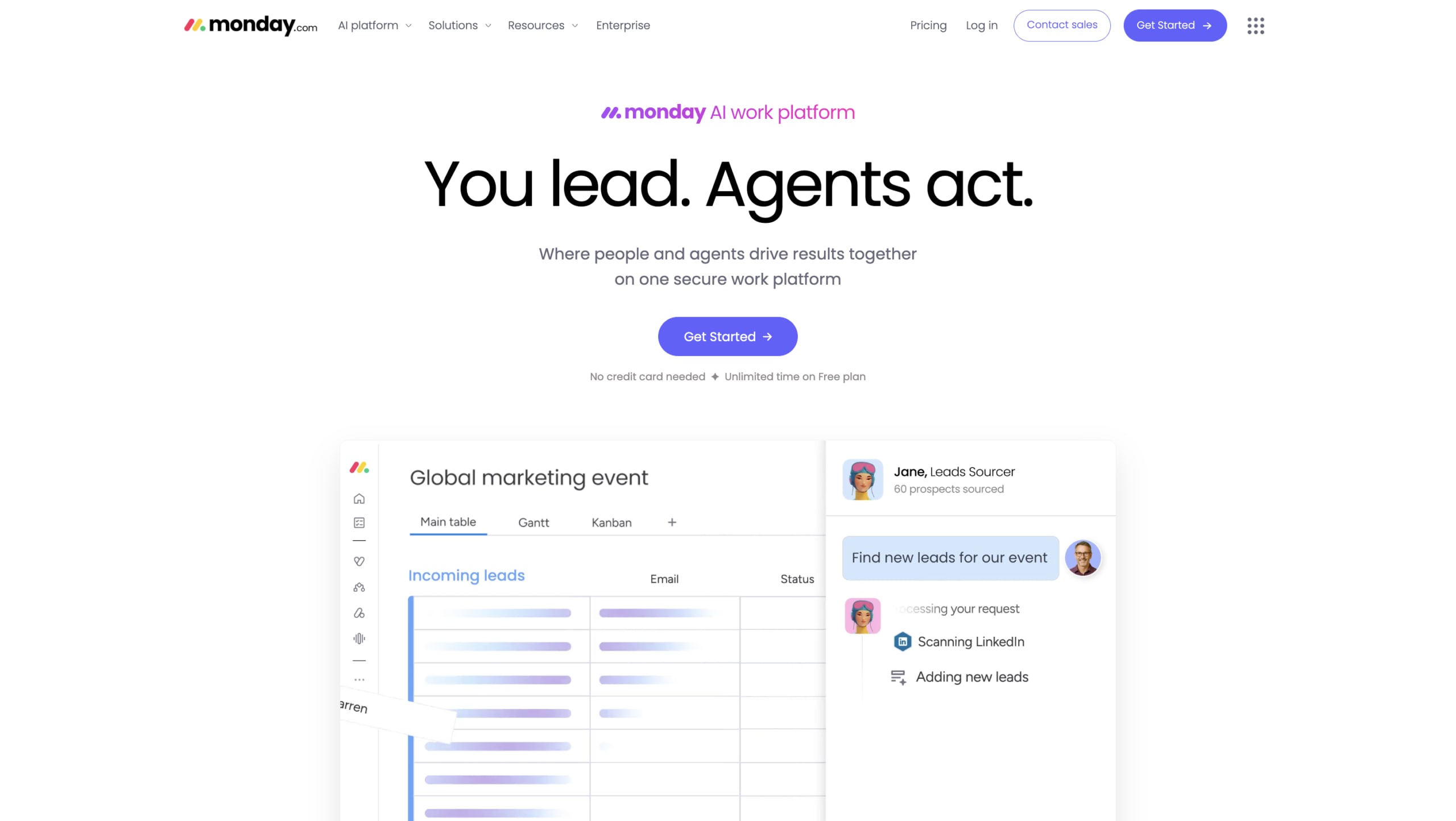
monday.com’s AI Work Platform supports waterfall, agile, and hybrid project methodologies in a single workspace, with visual project views, native integrations, AI-powered capabilities, and drag-and-drop Gantt charts. It’s designed for cross-functional teams that need portfolio visibility, flexible workflows, and strong collaboration without forcing every team into one rigid project structure.
Learn more: AI portfolio management software
Jira
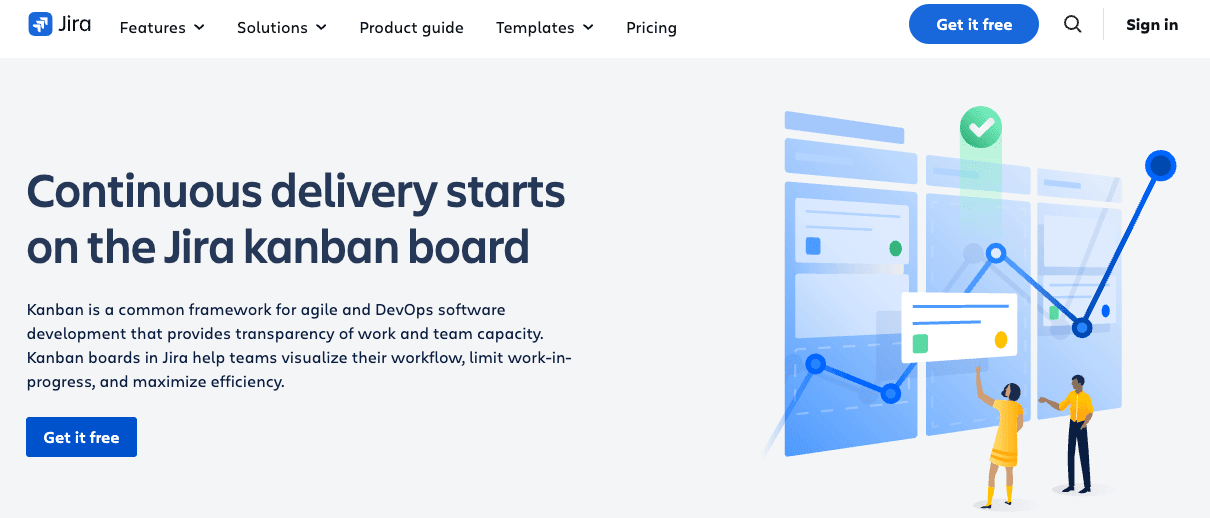
Jira dominates agile software development with deep support for Scrum boards, sprint planning, backlog management, and release tracking. Its strength is configurability; experienced administrators can build highly customized workflows for development teams. However, that power comes at a cost. Non-technical teams often find the interface complex, and using Jira for non-software projects requires significant customization. Portfolio-level visibility and resource management require additional products (Jira Align or third-party add-ons), which increases both cost and complexity.
Basecamp
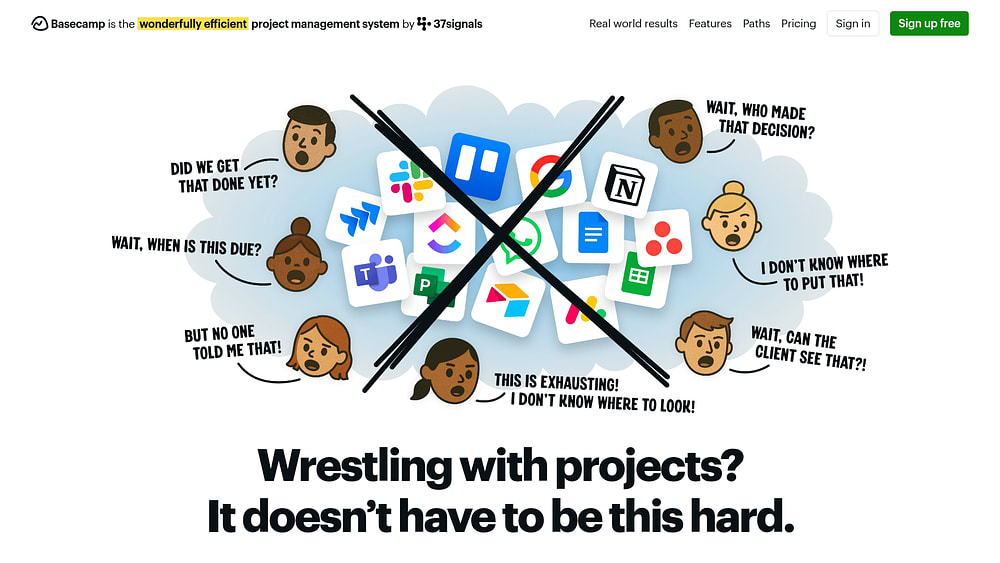
Basecamp takes the opposite approach to complexity. Its deliberately simple interface includes message boards, to-do lists, file sharing, and group chat, all organized by project. For small teams running straightforward projects, that simplicity is a genuine advantage. The trade-off is limited scalability. Basecamp lacks Gantt charts, dependencies, resource management, and portfolio reporting entirely. Teams that need structured scheduling or cross-project visibility will outgrow it quickly.
Microsoft Planner
Microsoft Planner is the official successor to Project Online, and its greatest strength is native integration with Microsoft 365: Teams, Outlook, SharePoint, and Power BI. For organizations already deep in the Microsoft ecosystem, the transition path is straightforward. Does that ecosystem advantage outweigh the feature gaps? Planner currently lacks advanced scheduling (dependencies, critical path), resource management, baseline tracking, and portfolio-level reporting. Teams migrating from Project Online may need third-party solutions to replace capabilities they previously relied on.

TeamGantt
TeamGantt focuses on one thing and does it well: visual, collaborative Gantt charts. Teams that live in waterfall schedules will appreciate the clean drag-and-drop interface, baseline comparisons, and workload views. The limitation is scope. TeamGantt lacks robust agile support, portfolio management, and the depth of integration that larger organizations need. It works best as a scheduling companion rather than a full project management replacement.

OpenProject
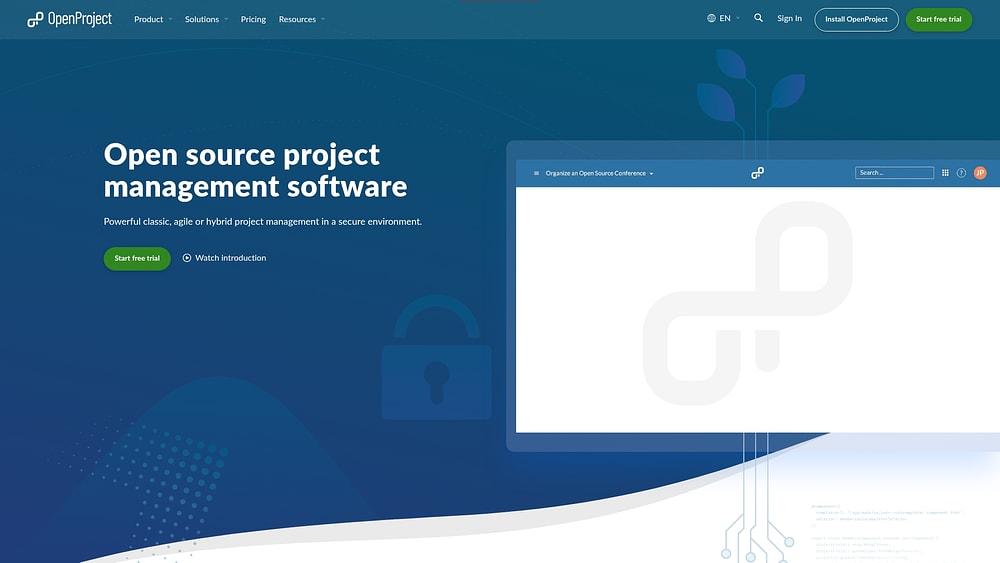
OpenProject is an open-source platform that supports both waterfall and agile methodologies. Organizations that require data sovereignty, self-hosted infrastructure, or full code-level customization will find it appealing. The Community edition is free, while the Enterprise edition adds support, security features, and hosting options. The trade-off is implementation effort. OpenProject requires technical resources for deployment, maintenance, and customization, and its user experience is less polished than that of commercial alternatives.
Zoho Projects
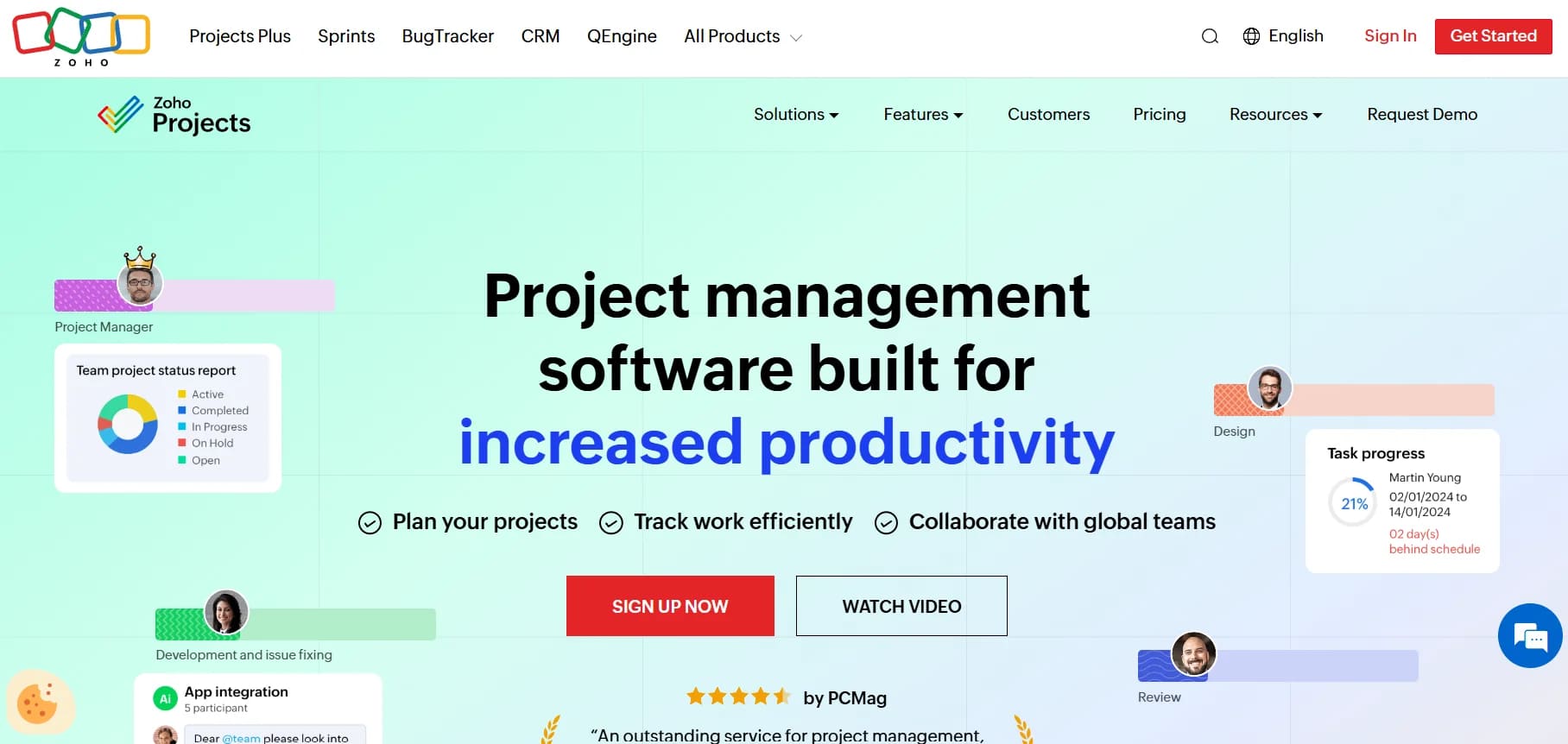
Zoho Projects offers solid project management at one of the lowest price points on this list. It includes Gantt charts, Kanban boards, time tracking, and integrates tightly with the broader Zoho suite (CRM, invoicing, analytics). For small to mid-market teams already using Zoho products, it provides good value. Larger organizations may find the interface less intuitive for complex, multi-project portfolios, and the integration ecosystem outside Zoho is narrower than that of alternatives built on an open API philosophy.
What happens when Microsoft Project Online retires?
What is replacing Microsoft Project? Microsoft Planner is the designated successor to Project Online. Microsoft has confirmed the retirement date of September 30, 2026, and has already stopped accepting new Project Online subscriptions.
The transition timeline is worth understanding in detail. Organizations currently on Project Online can continue using it until the retirement date, but Microsoft is actively encouraging migration to Planner. New features and development investment have shifted entirely to Planner, meaning Project Online will receive only maintenance updates between now and shutdown.
What does Planner offer compared to what Project Online provides? Planner has added Gantt-style timeline views, custom fields, and goal tracking since absorbing elements from Microsoft To Do and Project for the Web. However, several capabilities that project managers relied on in Project Online are either absent or significantly simplified in Planner. These include advanced resource management, portfolio-level reporting, baseline tracking, custom calculated fields, and enterprise-grade scheduling with critical path analysis.
What does migration actually involve? Teams need to plan for three workstreams.
- First, data export – project schedules, resource assignments, and historical data need to be extracted from Project Online before shutdown
- Second, workflow rebuilding – automations, approval flows, and reporting structures built on Project Online won’t transfer automatically
- Third, retraining – team members accustomed to Project Online’s interface will need onboarding to whichever platform replaces it, whether that’s Planner or a third-party alternative
Starting this process 6–12 months before the deadline gives organizations enough runway to pilot, migrate, and validate without rushing.
How monday.com’s AI Work Platform handles project management
How does a platform built for flexibility compare against one designed for structured, waterfall-centric scheduling? The table below maps monday.com’s AI Work Platform against Microsoft Project across the capabilities that matter most when evaluating a replacement.
| Capability | monday.com’s AI Work Platform | Microsoft Project |
|---|---|---|
| Methodology support | Waterfall, agile, hybrid, in one workspace | Primarily waterfall; limited agile support |
| Ease of use | Intuitive drag-and-drop interface designed for fast team adoption | Steep learning curve; requires training |
| Collaboration | Real-time updates, @mentions, workdocs | File-based sharing via SharePoint |
| Gantt charts | Drag-and-drop with dependencies, critical path, baselines, milestones | Full-featured Gantt with dependencies and critical path |
| Resource management | Workload views, capacity planning, resource directory | Resource allocation and leveling (Plan 3+) |
| Portfolio management | Cross-project dashboards, portfolio reporting, OKR tracking | Portfolio management (Plan 5 only, $55/user/mo) |
| AI capabilities | monday agents, monday sidekick, monday vibe, AI columns, and AI workflow builder | Limited (Copilot integration in early stages) |
| Integrations | Native integrations and an open API, including connections with tools like Microsoft Teams, Slack, Jira, and Salesforce | Microsoft 365 ecosystem; limited third-party |
| Pricing | Paid plans start at $9/seat/month | $10–55/user/month (cloud); $620/license (on-premises) |
Project planning and scheduling
monday.com’s AI Work Platform supports Gantt charts with drag-and-drop scheduling, dependencies, milestones, and project timeline visibility. Teams can switch between multiple views, including Kanban, timeline, calendar, Gantt, and workload, without duplicating data or rebuilding project structures.
Resource management
The platform’s workload views display team capacity at a glance, making it straightforward to spot over-allocated team members and redistribute work before bottlenecks form. A centralized resource directory tracks skills, availability, and current assignments across projects. Capacity planning features let managers forecast future resource management needs and adjust staffing before gaps appear.
Portfolio management
Cross-project dashboards pull data from every active initiative into a single view, giving executives real-time visibility into progress, budgets, and risks without manual report compilation. Portfolio reporting connects individual project milestones to organizational OKRs, so leadership can see exactly how execution aligns with strategy.
AI capabilities
monday.com’s AI Work Platform brings AI-powered capabilities into the project lifecycle. Workload views can help managers see team capacity at a glance, spot potential over-allocation, and adjust assignments before bottlenecks form. monday.com’s AI Work Platform brings AI-powered capabilities into the project lifecycle. monday agents can help teams analyze project context, surface risks, summarize updates, and identify work that may need attention. AI-powered workflow capabilities can help teams add intelligent steps to workflows without writing code. monday sidekick can help teams work with context from their workspace, generate summaries, and focus on what needs attention. monday vibe helps teams build apps and workflows from natural language descriptions, making it easier to move from idea to execution.
Collaboration and integrations
Real-time updates, @mentions, and workdocs keep conversations connected to the projects they reference, eliminating the context switching that occurs when communication lives in email and chat while project data sits in a separate system. Native integrations connect monday.com’s AI Work Platform to tools such as Microsoft Teams, Slack, Jira, Salesforce, Google Drive, and more. Data flows automatically between systems, reducing manual entry and keeping every stakeholder’s view up to date.
Ease of adoption
Teams can get started on monday.com quickly with visual workflows, templates, and an intuitive interface. The drag-and-drop interface, templates, and visual workflow builders make it accessible to both technical and non-technical contributors.
How to pick the right path forward
The right Microsoft Project alternative depends on three factors: the methodologies your teams actually use, the scale at which you operate, and the level of real-time collaboration your projects require. No single platform fits every organization, and the best choice often becomes obvious once you map your requirements against the criteria outlined earlier in this article.
Project Online’s retirement makes the timeline concrete. Organizations that start evaluating alternatives now, run pilots, test data migration, and gather team feedback will transition smoothly. Organizations that begin evaluating now give themselves the runway to pilot, migrate, and onboard at a comfortable pace.
The broader shift is worth noting, too. AI-powered platforms are fundamentally changing how teams plan, execute, and adapt. monday.com’s AI Work Platform represents that direction: flexible enough to support different methodologies, intelligent enough to help surface risks and next steps, and intuitive enough to support adoption across teams. Explore a project plan template to see how the platform fits your workflow.
Get started with monday.comFrequently asked questions about Microsoft Project alternatives
Is Microsoft discontinuing MS Project?
Microsoft is not discontinuing the desktop MS Project application, but it is retiring Project Online on September 30, 2026. Users on Project Online will need to migrate to Microsoft Planner or a third-party alternative before that date.
What is replacing Microsoft Project Online?
Microsoft Planner is replacing Project Online as the cloud-based project management offering within the Microsoft 365 suite. Planner combines elements from Project for the Web and Microsoft To Do, but does not yet match Project Online’s advanced scheduling and portfolio features.
Does MS Project offer a free plan?
MS Project does not offer a standalone free plan. Microsoft Planner, which is included in most Microsoft 365 subscriptions, provides basic project management features at no additional cost.
What are the best free alternatives to MS Project?
The best free alternatives to MS Project include OpenProject (open-source Community edition), Jira (free for up to 10 users), and TeamGantt (free for a single project). Each has different strengths depending on whether your team prioritizes agile workflows, Gantt scheduling, or self-hosted control.
Can I migrate my data from MS Project to another platform?
Yes, you can migrate data from MS Project to another platform by exporting project schedules as MPP, XML, or CSV files. Most leading alternatives accept these formats, though workflow automations and custom configurations will need to be rebuilt manually on the new platform.
How does monday.com’s AI Work Platform compare to Microsoft Project?
monday.com’s AI Work Platform supports waterfall, agile, and hybrid work in a single workspace, with dashboards, automations, native integrations, collaboration tools, and AI-powered capabilities. Microsoft Project remains strong for traditional waterfall scheduling, but teams looking for real-time collaboration and more flexible workflows may prefer monday.com.
What should I look for in a Microsoft Project alternative?
You should look for flexibility in methodology (waterfall, agile, hybrid), ease of adoption for both technical and non-technical team members, real-time collaboration features, a broad integration ecosystem, and transparent pricing that scales with your organization.
The content in this article is provided for informational purposes only and, to the best of monday.com’s knowledge, the information provided in this article is accurate and up-to-date at the time of publication. That said, monday.com encourages readers to verify all information directly.
 Get started