


Imagine connecting every marketing campaign directly to a closed deal, without a single spreadsheet in sight. For most teams, that reality feels distant. Campaign data lives in one system, sales outcomes in another, and the path from an email open to actual revenue is lost in the noise. This guide shows you how to build a marketing automation strategy that creates that direct line from effort to impact.
A marketing automation strategy flips this script. It connects your campaigns directly to revenue, using smart systems to deliver personalized experiences without burning out your team. Rather than just automating individual tasks, it creates a unified system where marketing, sales, and customer success work from the same playbook. The difference between having automation platforms and having an automation strategy is execution that actually moves the needle.
This practical post walks through the six essential steps to build a marketing automation strategy that drives real results. You’ll discover how to map customer journeys, design intelligent workflows, and measure what matters. We’ll further explore AI-powered capabilities that take automation beyond basic triggers and show you how to create systems that evolve with your business.
Key takeaways
- Design automation around revenue, not tools: a strong marketing automation strategy starts with shared revenue goals and buyer signals, ensuring every workflow supports pipeline growth, deal velocity, or retention.
- Treat the customer journey as your blueprint: mapping interactions from first touch to expansion reveals where automation should guide, accelerate, or intervene — eliminating gaps that silently kill conversions.
- Build automation as a connected system, not isolated campaigns: the real power comes when marketing, sales, and customer success workflows operate from the same data and logic, creating continuity across the entire lifecycle.
- Prove value fast with repeatable workflows: prioritize automations that run constantly and at scale — onboarding, lead nurturing, re-engagement — before investing in complex cross-channel orchestration.
- Measure impact at both the operational and business level: track efficiency gains like time saved alongside revenue attribution, conversion lift, and deal influence to continuously optimize and defend ROI.
What is marketing automation strategy?
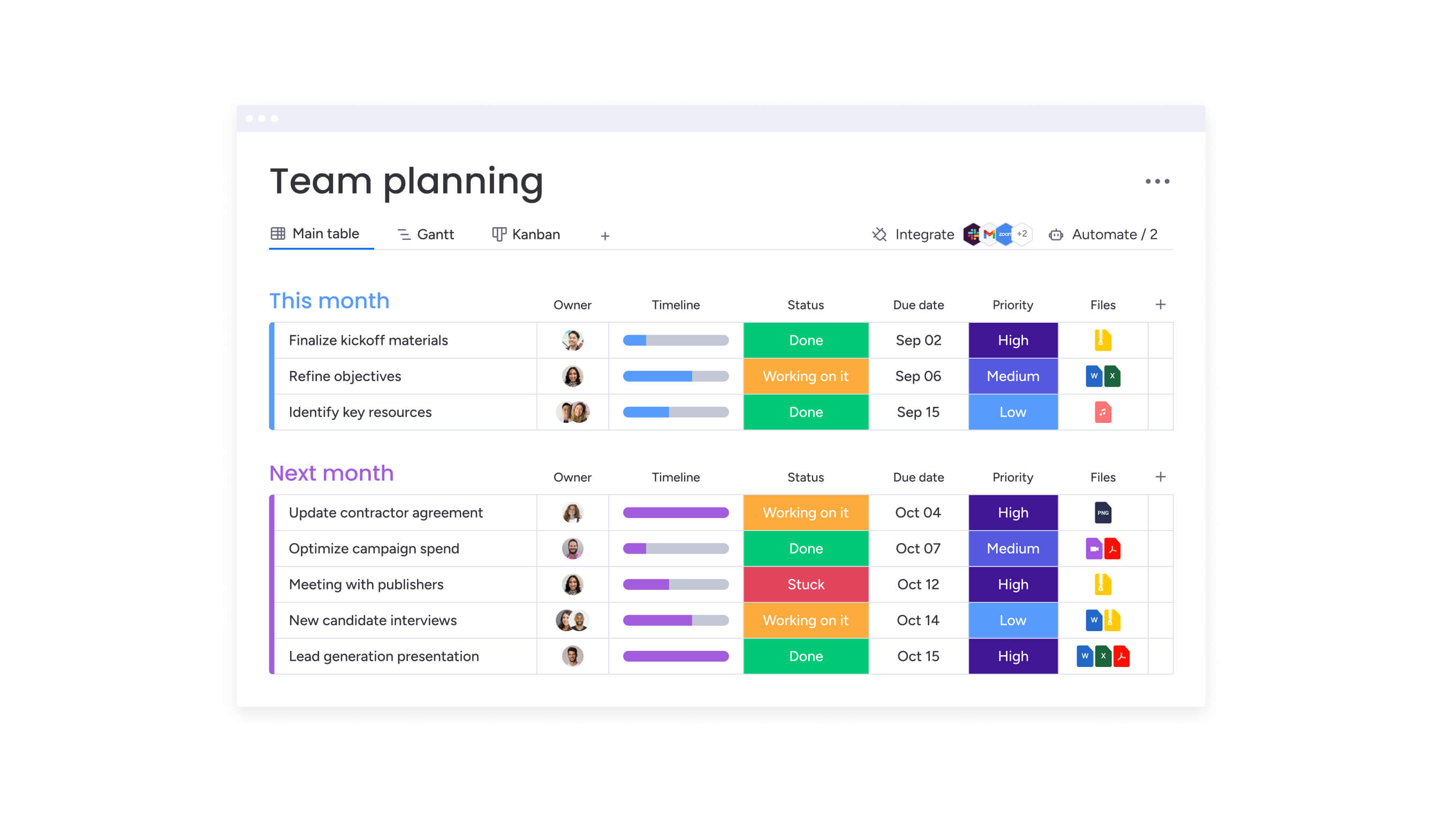
Marketing automation strategy is the systematic approach to using technology, data, and processes to automate repetitive marketing tasks while delivering personalized experiences at scale. It goes beyond simple email campaigns to orchestrate customer interactions across channels, align teams around shared goals, and connect every marketing activity to measurable business outcomes.
It’s helpful to think of it as your playbook for turning scattered marketing tactics into a revenue-generating system. A solid strategy coordinates everything from lead nurturing and content distribution to cross-channel campaigns and performance tracking. When done right, it creates a system where marketing, sales, and operations work from the same playbook.
Platforms without strategy? That’s just expensive software. The magic happens in how you execute. A platform sends emails. Conversely, strategy ensures those emails reach the right person at the right time with the right message, then tracks what happens next. It’s the framework that turns technology into results.
5 key benefits of marketing automation strategy
Done right, marketing automation delivers way more than just saved time. The real power kicks in as you scale, building advantages your competitors can’t easily copy. Knowing these benefits helps you sell the idea internally and set the right expectations about what your investment will actually deliver.
Revenue acceleration through intelligent lead management
Automated lead scoring analyzes engagement patterns, demographic data, and behavioral signals to identify high-intent prospects. Sales teams receive qualified leads with complete context and engagement history, allowing them to focus on prospects showing genuine purchase intent.
Key advantages include:
- Faster qualification: leads move through the funnel based on actions, not arbitrary timelines.
- Higher conversion rates: sales engages with prospects at peak interest moments.
- Reduced waste: teams stop chasing cold leads that aren’t ready to buy.
Cross-departmental alignment through shared visibility
No more departmental blind spots. Marketing automation puts the same customer data in front of every team member. Marketing understands which campaigns generate pipeline. Sales sees real-time engagement before calls. Customer success spots expansion signals early.
When everyone sees the same data, magic happens. Handoffs stop breaking down. Decisions speed up. No more hunting through spreadsheets for that critical insight.
Personalization at scale through dynamic content
You can personalize every customer interaction without hiring an army of marketers. Dynamic email content adapts based on industry, role, and past interactions. Website experiences change based on visitor behavior. Product recommendations reflect actual usage patterns.
Core capabilities include:
- Segment-specific messaging: content matches audience needs automatically.
- Behavioral triggers: actions determine next steps, not predetermined schedules.
- Consistent experiences: every touchpoint reflects the customer’s journey stage.
Data-driven optimization through integrated analytics
Real-time performance tracking connects marketing activities directly to business outcomes. Attribution modeling reveals which channels drive revenue. Campaign analytics show what resonates with different segments. Testing frameworks identify winning approaches systematically.
The right platform allows you to visualize these insights through customizable dashboards that pull data from all marketing initiatives into one view. This unified visibility helps leaders allocate budgets toward proven performers and adjust strategies based on actual impact.
AI-enhanced efficiency through intelligent automation
Machine learning algorithms optimize send times, predict engagement likelihood, and suggest next best actions. AI categorizes leads, summarizes campaign performance, and identifies patterns humans might miss. These capabilities reduce manual analysis while improving accuracy.
6 steps to build your marketing automation strategy
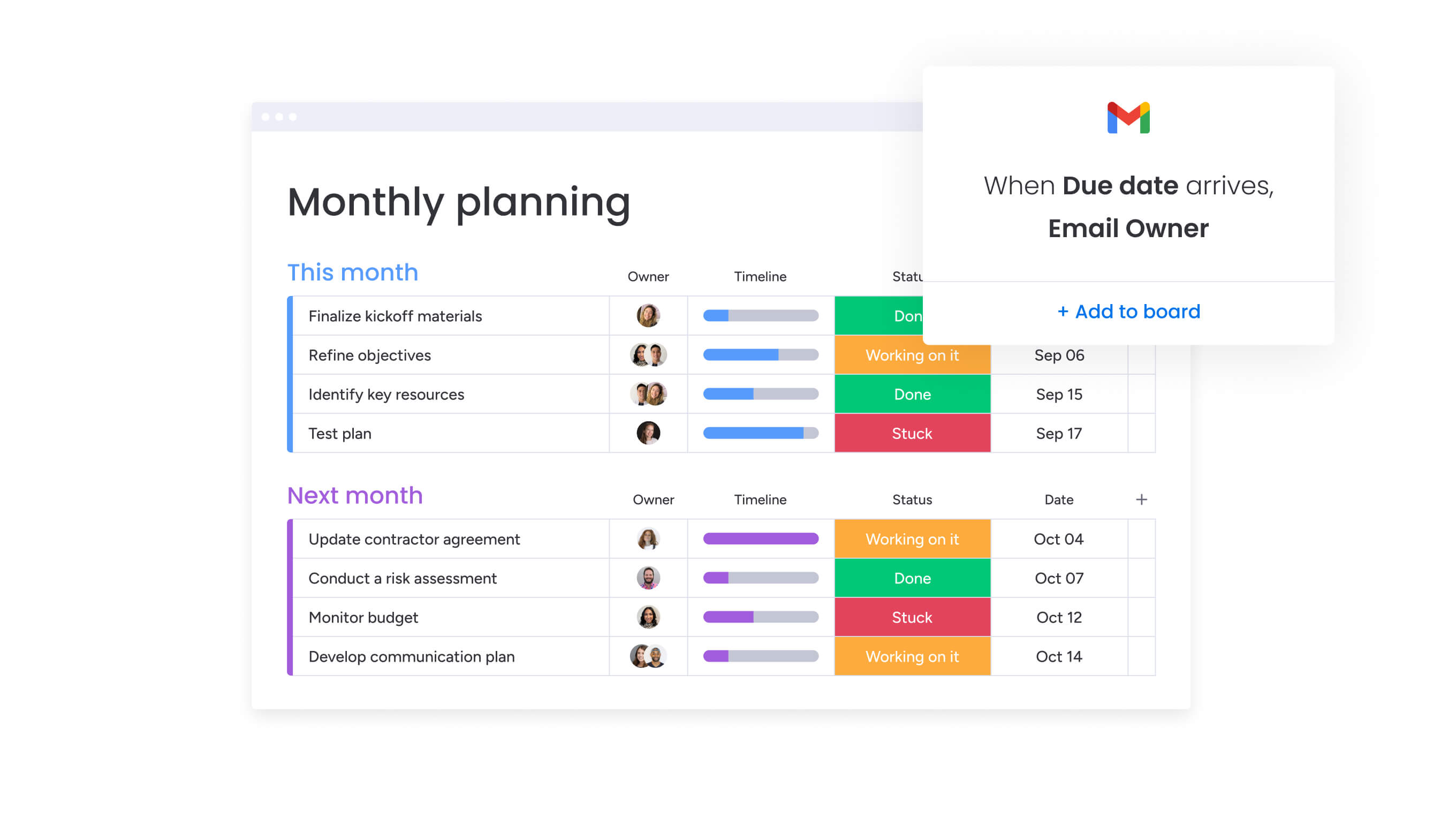
Building your automation strategy doesn’t have to be overwhelming. Follow this framework to move from planning to execution to ongoing improvement. Each step reinforces the last, so you’re building a system that scales with your business, not just fixing today’s problems.
Step 1: define strategic goals and KPIs
Don’t start with marketing metrics — start with business goals. Want revenue growth? Focus on qualified leads and conversion rates. Worried about retention? Track engagement patterns and lifetime value. Each objective needs specific, measurable targets with clear timelines.
Involve stakeholders across departments early:
- Sales leadership defines lead quality requirements.
- Customer success identifies retention opportunities.
- Finance establishes ROI expectations.
This teamwork prevents you from building a shiny automation system that looks great in reports but doesn’t actually drive business.
Step 2: map the complete customer journey
Document every touchpoint from awareness through advocacy. Identify where prospects research solutions, what questions they ask, and which content influences decisions. Note friction points where prospects drop off and opportunities where automation could improve experiences.
Journey mapping reveals automation opportunities you might otherwise miss:
- Demo request gaps: automate follow-up sequences.
- Post-purchase dead zones: fill with helpful onboarding content.
- Support ticket patterns: trigger proactive education.
These small improvements compound into dramatically improved customer experiences.
Step 3: audit your current tech stack
Catalog existing platforms, data sources, and integration points. Identify what’s working, what’s redundant, and what’s missing. Pay special attention to data flow between systems. Can your email platform access CRM data? Do analytics tools capture the full customer journey?
Platform consolidation often delivers quick wins. Organizations using monday work management can replace multiple point solutions with integrated workflows that connect marketing campaigns to sales pipelines and customer success initiatives, all within one platform.
Step 4: design your workflow architecture
Start with high-impact, repeatable processes: Welcome sequences for new subscribers, Lead nurturing for different buyer personas, Re-engagement campaigns for dormant contacts.
Each workflow needs clear triggers, decision logic, and success metrics.
Build complexity gradually. Simple workflows prove value quickly and build team confidence. As comfort grows, layer in sophisticated logic like multi-channel orchestration and predictive routing. Visual workflow builders make this progression manageable without technical expertise.
Step 5: implement governance and quality controls
Establish approval processes, brand guidelines, and compliance checkpoints before launching campaigns. Define who can create workflows, modify templates, and access customer data. Document these policies in detail and make them accessible to all team members.
Quality control prevents costly mistakes:
- Test workflows with small segments before full deployment.
- Review content for accuracy and brand consistency.
- Monitor performance against benchmarks to catch issues early.
Step 6: launch, measure, and optimize
Start with pilot programs that demonstrate value quickly. Monitor performance closely during initial rollouts. Gather feedback from sales, customer success, and customers themselves. Use these insights to refine workflows before scaling.
Optimization never stops:
- A/B test subject lines, content variations, and send times.
- Analyze conversion paths to identify drop-off points.
- Adjust scoring models based on actual sales outcomes.
Teams leveraging monday work management can track all these metrics through unified dashboards that connect marketing performance to business results.
4 types of marketing automation workflows
Your automation toolkit needs different workflows for different jobs. Here’s how to match the right automation type to each stage of your customer’s journey. The table below outlines the key characteristics and optimal use cases for each workflow type.
Workflow type Primary trigger Complexity Best for
Event-based Customer actions Low to medium Welcome series, form responses
Time-based Calendar intervals Low Onboarding, renewals
Behavioral Engagement patterns Medium to high Re-engagement, upsells
Cross-channel Multiple touchpoints High Product launches, ABM
Event-based automation workflows
Event-based workflows respond instantly to specific customer actions. Form submissions trigger welcome sequences. Email opens prompt follow-ups with related content. Pricing page visits alert sales teams to engage.
Success depends on relevance and timing. The faster you respond to customer actions, the more engaged they remain. Personalization based on the triggering event creates meaningful connections. Someone downloading an implementation guide needs different follow-up than someone viewing pricing.
Time-based campaign automation
Time-based workflows execute on predetermined schedules. Onboarding emails arrive at set intervals after signup. Renewal reminders begin 90 days before expiration. Educational content follows a curriculum-style progression.
These workflows excel at maintaining consistent communication. They keep your brand present without requiring constant manual effort. The key is finding the right cadence — frequent enough to stay relevant but not so often that you cause fatigue.
Behavioral trigger automation
Behavioral workflows analyze patterns over time to identify opportunities. Engagement scoring tracks interaction frequency. Usage analytics spot feature adoption gaps. Support ticket patterns reveal training needs.
Common behavioral triggers include:
- Re-engagement triggers: no email opens for 60 days.
- Upsell indicators: hitting usage limits repeatedly.
- Churn signals: declining login frequency.
Organizations can use AI-powered categorization to automatically identify these patterns and trigger appropriate responses, turning reactive support into proactive success management.
Cross-channel orchestration
Cross-channel workflows coordinate experiences across email, web, social, and sales touchpoints. Product launches combine announcement emails with website banners, social campaigns, and sales enablement. Account-based campaigns personalize every interaction for target accounts.
Coordination requires unified data and clear orchestration logic. When someone engages with an email, the website should reflect that interest. When sales has a conversation, marketing should adjust messaging accordingly. This level of coordination demands platforms that connect all customer touchpoints in one system.
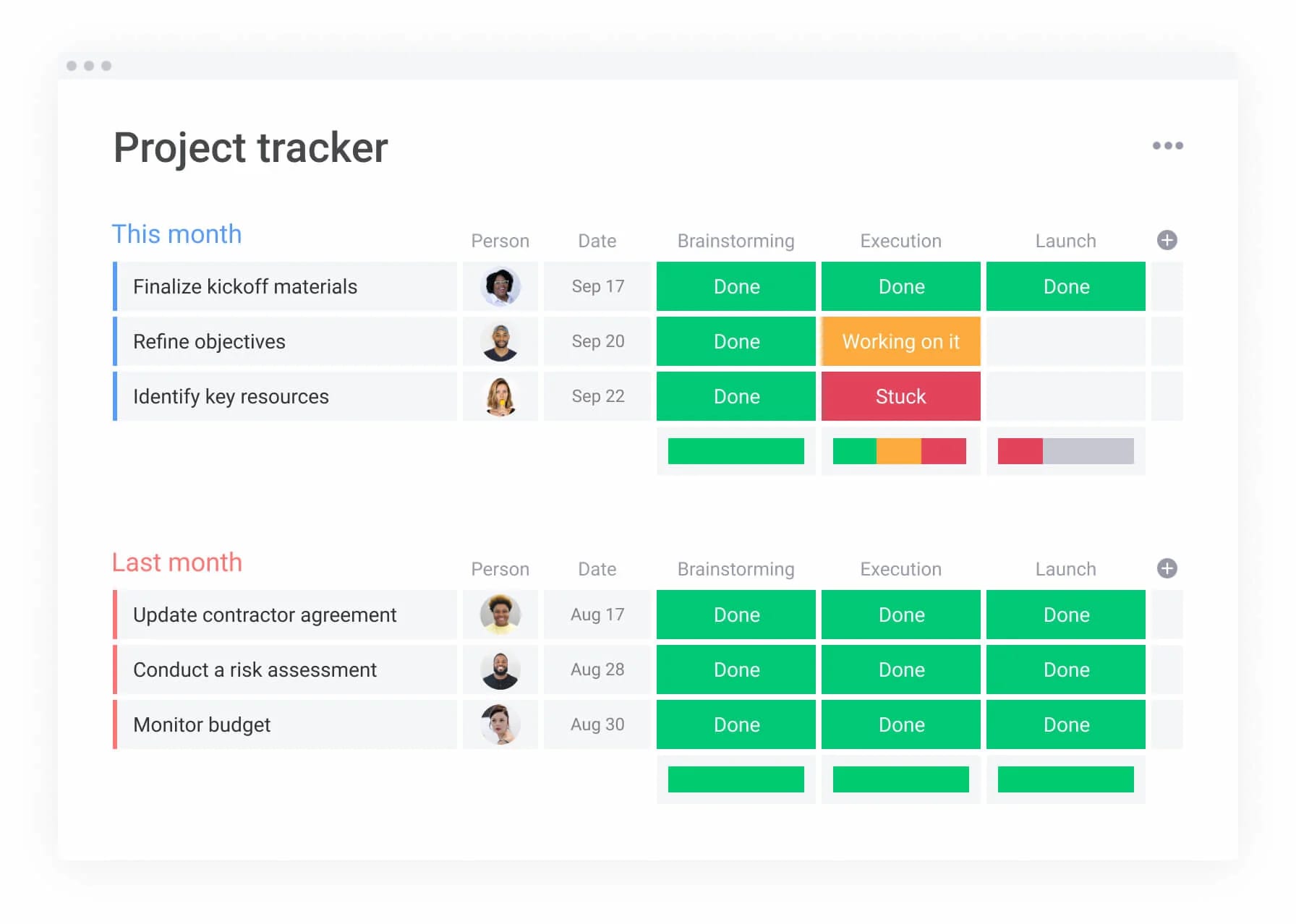
AI-powered marketing automation capabilities
AI takes your automation from ‘if this, then that’ to ‘I noticed this pattern, so here’s what we should do next.’ It’s the difference between following a recipe and having a chef who improvises based on what’s working. This is where automation gets exciting — systems that don’t just react to what happened, but anticipate what will happen next.
Predictive analytics and smart segmentation
Machine learning algorithms analyze historical data to forecast future behaviors. Lead scoring models predict conversion likelihood. Churn algorithms identify at-risk customers. Content recommendations match interests to offerings.
Smart segmentation goes beyond demographics. Marketing AI identifies micro-segments based on behavior patterns, creating groups you wouldn’t manually discover. These dynamic segments update automatically as customer behaviors change, ensuring messaging stays relevant.
AI-powered content optimization
AI analyzes which messages resonate with different audiences, then suggests improvements. Subject line generators create variations optimized for open rates. Content summarization tools distill long-form content into digestible snippets. Sentiment analysis ensures tone matches audience expectations.
Teams using monday work management can leverage AI Blocks to categorize incoming requests, extract key information from documents, and summarize campaign performance — all without manual analysis.
Intelligent workflow orchestration
AI doesn’t just execute workflows; it optimizes them. Send-time optimization ensures messages arrive when recipients are most likely to engage. Channel selection algorithms determine whether email, SMS, or another channel will be most effective. Next-best-action models suggest optimal follow-up based on response patterns.
How to measure marketing automation ROI
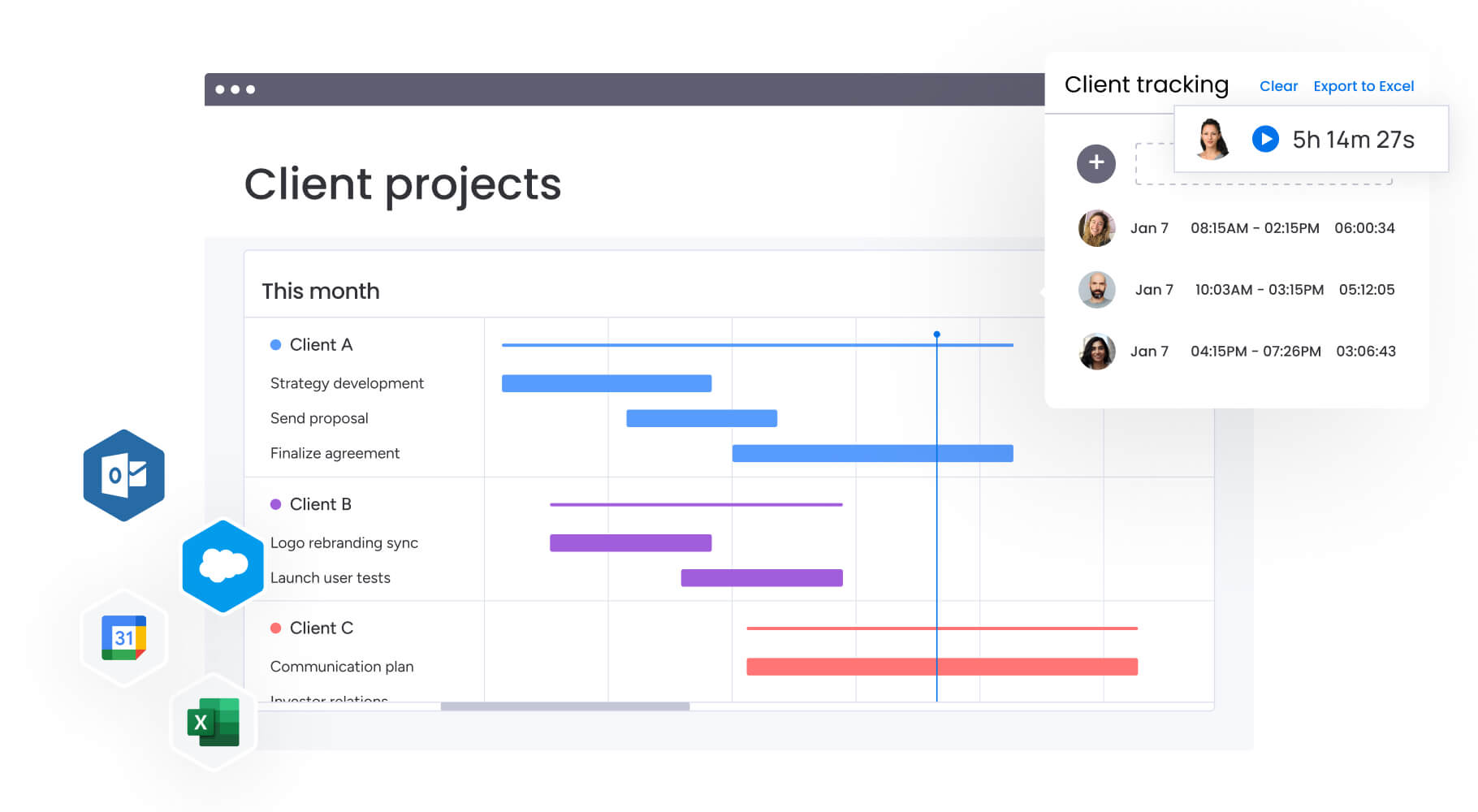
Without measurement, automation is just an expense. With it, you can prove exactly how it’s driving revenue, spot opportunities to improve, and justify every dollar you spend. Effective measurement requires tracking both efficiency gains and business impact across multiple dimensions.
Essential metrics to track
Focus on metrics that connect to business outcomes. Track efficiency gains like time saved on manual tasks and cost per lead. Monitor effectiveness through conversion rates, engagement scores, and customer lifetime value. Measure strategic impact via pipeline contribution and revenue attribution.
Key metric categories include:
- Operational metrics: automation usage, workflow completion rates, error frequency.
- Performance metrics: open rates, click rates, conversion rates by workflow.
- Business metrics: pipeline generated, deals influenced, revenue attributed.
Building attribution models
Attribution modeling connects marketing activities to revenue outcomes. First-touch attribution credits initial awareness. Last-touch focuses on final conversion triggers. Multi-touch models distribute credit across all interactions.
Choose models that reflect your sales cycle. Short cycles might use last-touch. Complex B2B journeys benefit from multi-touch. The key is consistency — use the same model across all measurements to ensure valid comparisons.
Dashboard design for stakeholder alignment
Different audiences need different views. Executives want revenue impact and ROI. Managers need team performance and resource allocation. Practitioners require campaign metrics and optimization opportunities.
Create role-specific dashboards that answer key questions:
- Executive dashboards show marketing’s contribution to pipeline and revenue.
- Team dashboards track workflow performance and identify optimization opportunities.
- Individual views highlight personal metrics and upcoming tasks.
Take control your marketing operations with unified automation
The most successful automation strategies don’t just connect tools — they connect people, processes, and outcomes into one seamless experience. The most effective organizations don’t just automate individual campaigns — they orchestrate entire customer experiences across departments and channels.
Intelligent platforms like monday work management transform marketing automation from isolated campaigns into unified business orchestration. The solution connects marketing workflows to sales pipelines, customer success initiatives, and operational processes — all in one workspace.
Further, visual workflow builders let teams design sophisticated automation without code, while AI capabilities extend beyond basic triggers to intelligent optimization.
Your automation strategy should evolve with your business. Start with high-impact workflows that demonstrate immediate value, then expand into cross-functional orchestration that aligns every team around shared customer outcomes. The organizations that master this approach don’t just run more efficient campaigns — they create competitive advantages that compound over time.
The content in this article is provided for informational purposes only and, to the best of monday.com‘s knowledge, the information provided in this article is accurate and up-to-date at the time of publication. That said, monday.com encourages readers to verify all information directly.
Frequently asked questions
What is the difference between marketing automation and email marketing?
Marketing automation encompasses all automated marketing activities across channels, including email, social media, web personalization, and lead management. Email marketing focuses specifically on email campaigns and represents just one component of comprehensive marketing automation.
How long does marketing automation implementation take?
The time it takes to implement marketing automation depends on complexity; basic workflows can launch within two-four weeks, while comprehensive strategies typically require three-six months for full deployment. Timeline depends on complexity, data readiness, and organizational alignment.
What should you automate first in marketing?
Start with high-frequency, low-complexity processes that deliver immediate value: welcome email sequences, lead scoring based on engagement, and automated follow-ups after form submissions. These quick wins demonstrate value while building team capabilities.
How do you measure marketing automation success?
Track both efficiency metrics (time saved, cost per lead) and effectiveness metrics (conversion rates, revenue attribution). Connect automation performance to business outcomes through dashboards that show pipeline contribution and ROI.
What are the main components of marketing automation?
Core components include lead management, email marketing, campaign management, analytics and reporting, CRM integration, and workflow automation. Advanced capabilities add AI-powered optimization, predictive analytics, and cross-channel orchestration.
When should a company invest in marketing automation?
Companies should consider marketing automation when they have consistent lead flow, defined buyer personas, documented sales processes, and resources to create content. Signs you're ready include manual tasks consuming significant time and difficulty tracking marketing ROI.

 Get started