

Great marketing does not happen by accident. It happens when bold ideas meet sharp execution, when creative instincts are backed by data, and when teams move fast without losing focus.
In 2026, some of the most successful campaigns were not the loudest or the most expensive. They were the most disciplined. Brands that paired strong storytelling with operational precision consistently outperformed competitors who relied on hype alone.
This definitive guide breaks down 15 marketing examples that delivered real business results. From AI-powered personalization and product-led growth to viral social strategies and community-driven advocacy, each example highlights not just what worked, but why it worked — and how structured execution turned smart ideas into repeatable performance.
Key takeaways
- Build systems, not one-off campaigns: Focus on creating structured content and marketing frameworks that generate consistent, measurable results over time.
- Coordinate cross-functional teams: Align marketing, product, sales, and data teams with defined roles and shared timelines to ensure flawless execution.
- Leverage data for personalization: Use behavioral insights and predictive analytics to deliver relevant experiences that increase engagement and conversion.
- Sustain momentum beyond launch: Maintain post-launch campaigns through education, community engagement, and consistent messaging to drive long-term impact.
- Centralize workflows with a single platform: Use a powerful work management solution like monday to consolidate assets, approvals, and performance tracking, ensuring campaigns run efficiently and at scale.
Content marketing examples that generated quality leads
Content marketing builds authority long before a sales conversation begins. When brands consistently educate, solve real problems, and deliver genuine value, they earn trust — and trust converts.
Unlike short-term campaigns, strong content strategies compound over time. A well-built content library continues attracting traffic and generating leads years after publication. As more content connects to core themes and customer pain points, the entire system becomes stronger and more efficient.
The examples below show how leading brands turned content into structured, repeatable growth engines.
HubSpot’s inbound marketing hub
HubSpot grew from startup to a $30 billion company by committing to an education-first content strategy. Instead of chasing quick wins, the team built a scalable framework rooted in search intent and long-term authority.
Its Topic Cluster model organizes content around comprehensive pillar pages, supported by interconnected blog posts that explore related subtopics in depth. This structure strengthens search visibility while guiding readers logically through the buyer journey.
Behind the scenes, the model works because of tight coordination across teams:
- SEO specialists: optimize content architecture for search visibility.
- Subject matter experts: provide authoritative insights and data.
- Product teams: align content with feature launches and capabilities.
Publishing hundreds of posts each month, HubSpot drives millions of organic visits that convert at higher rates than paid channels. The real advantage is operational discipline. Editorial calendars, structured approval workflows, and strategic internal linking allow the strategy to scale without sacrificing quality.
Salesforce’s Trailhead platform
Salesforce took content marketing further by turning education into a growth engine. Trailhead gamifies learning, offering free, structured training that builds product expertise while generating millions of qualified leads.
Participants who complete courses are more likely to influence purchase decisions and remain engaged long term. The platform positions Salesforce not just as a vendor, but as an enabler of career development.
Execution depends on alignment between marketing, product, and education teams. Training content launches alongside new features, reinforcing product adoption and accelerating sales conversations. The lesson is clear: when education solves real industry challenges, it creates both loyalty and pipeline.
Buffer’s transparency reports
Buffer built differentiation through radical transparency. By publishing detailed reports on salaries, revenue, and internal challenges, the company transformed operational data into a trust-building content strategy.
Each transparency report drives traffic spikes and meaningful social engagement, often increasing trial sign-ups by 10% or more. The impact comes from credibility — readers see a brand willing to share both wins and struggles.
Delivering that level of openness requires structured cross-functional collaboration:
- Finance teams: provide accurate revenue and budget data.
- HR departments: share salary and culture metrics.
- Marketing teams: transform raw data into compelling narratives.
- Legal teams: review sensitive information for compliance.
Unlike short-term campaigns, strong content strategies compound over time. A well-built content library continues attracting traffic and generating leads years after publication.
Viral marketing examples that captured global attention
Viral campaigns might look spontaneous from the outside, but the reality is far more intentional. The brands that consistently break through understand timing, platform behavior, and audience psychology. They move fast, trust their teams, and build systems that allow creativity to respond in real time.
Going viral is not about luck. It is about preparation meeting opportunity.
Here are three marketing examples that turned cultural moments into measurable growth.
Wendy’s real-time Twitter strategy
Wendy’s reinvented its brand voice by leaning into humor and sharp, fast-paced replies on X. Instead of polished corporate messaging, the brand embraced speed and personality. Quick-witted responses and playful roasts became shareable moments that fueled follower growth and boosted sales during viral spikes.
The key was operational trust. Social teams were empowered to act within pre-approved guardrails rather than waiting days for layered approvals.
High-performing brands define:
- Voice guidelines: Set clear personality boundaries and tone expectations.
- Crisis protocols: Prepare responses before controversy strikes.
- Autonomy frameworks: Give teams room to act quickly within clear limits.
Speed becomes a competitive advantage when structure supports it.
Spotify Wrapped’s annual user campaign
Every December, Spotify turns listening data into a global social event. Spotify Wrapped transforms personal streaming history into highly shareable, visually compelling stories that dominate feeds across platforms.
The campaign generates billions of impressions and drives waves of downloads and reactivations. But behind the colorful graphics is serious coordination. Data science teams process massive datasets, engineering teams automate millions of personalized outputs, and design teams craft assets built specifically for sharing.
Wrapped proves that personalization at scale can feel emotional, not mechanical. When utility data becomes something people are proud to share, marketing turns customers into distribution channels.
Dove’s Real Beauty campaign evolution
Dove’s Real Beauty campaign shows that viral relevance does not have to fade after one cycle. Since 2004, the brand has consistently revisited its core message, adapting it for new platforms and cultural conversations while staying grounded in its original mission.
By challenging beauty standards and addressing real social tensions, Dove built long-term brand equity and measurable growth. Global teams localize messaging thoughtfully, ensuring relevance across markets while preserving the campaign’s identity.
Longevity requires discipline. When brands commit to a clear value stance and evolve it over time, they create cultural resonance that lasts far beyond just a single trend.
Try monday work management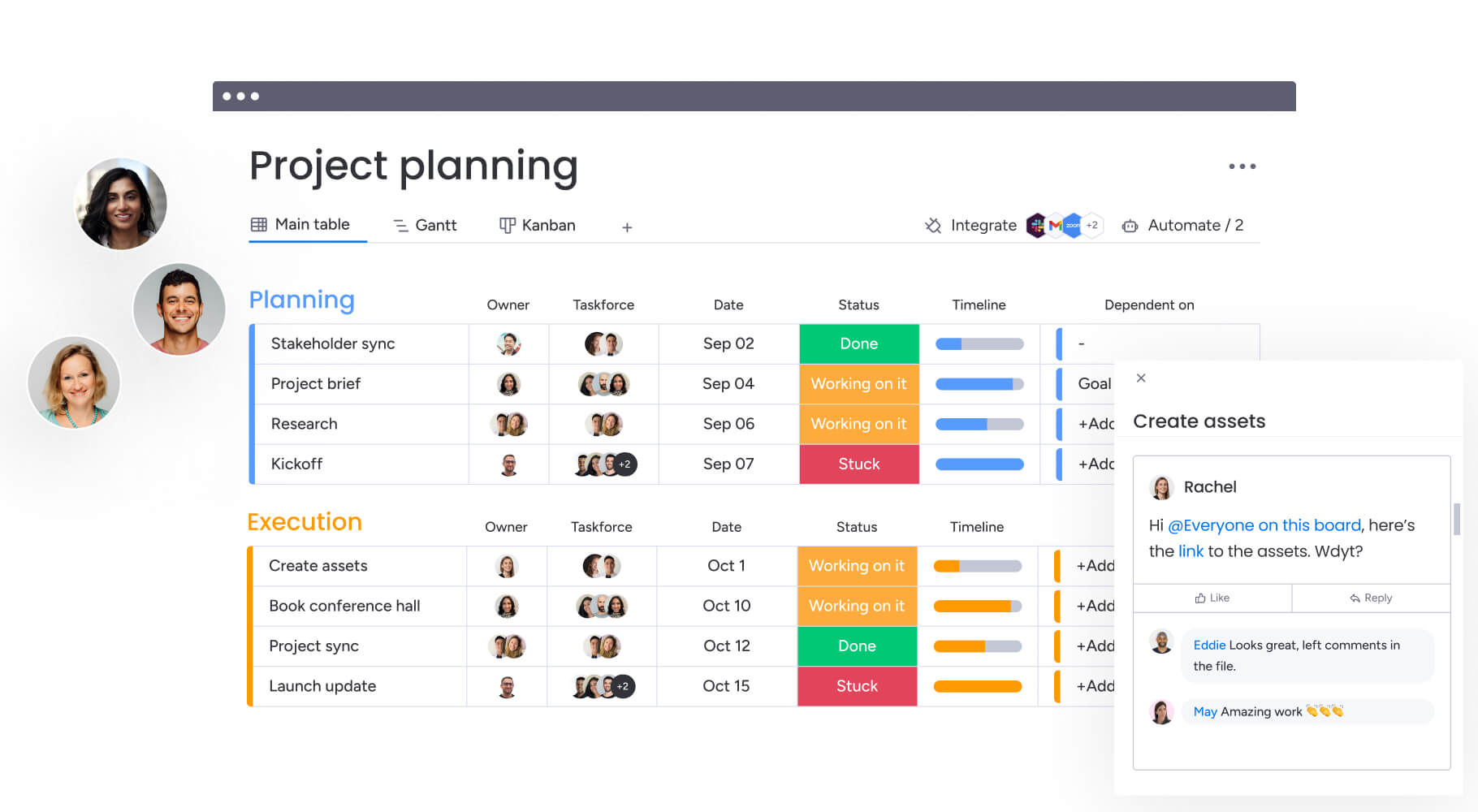
Email marketing examples with proven conversion rates
Email marketing remains one of the most profitable channels in marketing, but only when it moves beyond one-size-fits-all campaigns. The real gains come from precision.
The table below highlights the core strategies driving stronger open rates, higher conversions, and measurable revenue impact — along with the operational requirements behind each approach.
| Strategy | Key metric | Execution requirement |
|---|---|---|
| Advanced segmentation | 2-3x higher open rates | Integration of CRM data with behavioral triggers |
| Behavioral automation | 50%+ recovery of lost revenue | Real-time sync between e-commerce and email platforms |
| Hyper-personalization | 20% increase in sales | Dynamic content blocks based on user history |
Each strategy depends on tight alignment between data, technology, and creative teams. The following examples show what happens when that coordination is done right.
Targeted segmentation driving results
Airbnb uses advanced segmentation to deliver relevant travel recommendations based on search history, location, and past bookings. Instead of generic newsletters, users receive emails featuring properties they have actively explored.
Targeted emails achieve higher click-through and booking conversion rates compared to general broadcasts. Marketing teams work with data analysts to define segment criteria. Automated workflows trigger emails when users display specific behaviors, such as repeated listing views without booking.
Relevance drives conversion: segmentation strategies must go beyond demographics to behavioral insights that indicate intent.
Automation sequences that convert
Grammarly’s weekly writing update exemplifies automation mastery. The insights email gamifies usage by showing words checked and accuracy rankings, re-engaging users and reinforcing product value without hard selling.
These automated sequences increase open rates and reduce churn by reminding users of the product’s benefits. Success requires strong data pipelines to feed metrics into email templates. Marketing and product teams collaborate to determine which metrics deliver the greatest psychological reward.
Remember, effective automation reinforces value, not just sales. The best sequences make users feel like they are winning.
Personalization strategies that work
Amazon sets the standard for email personalization. By analyzing purchase history and browsing behavior, it sends item-to-item recommendations that anticipate customer needs.
These emails generate a significant portion of revenue, reaching shoppers ready to buy. This approach requires tight integration between the recommendation algorithm and email system. Quality checks prevent irrelevant or insensitive suggestions.
B2B marketing examples that accelerated sales cycles
B2B marketing can directly shorten the time from prospect to customer. Successful campaigns (like the ones highlighted below) align marketing messages with sales goals, creating a unified system that accelerates the buying journey.
Slack’s product-led growth approach
Slack emphasizes end-user experience, driving adoption from the bottom up. By making the product intuitive and enjoyable, word-of-mouth within organizations helps bypass traditional IT procurement hurdles.
The company even achieved $100 million ARR faster than any organization before it by lowering acquisition costs and shortening sales cycles through self-service onboarding. Product marketing and sales enablement teams stay aligned: marketing focuses on getting users active, while sales engage only when usage reaches enterprise levels.
Less friction means faster sales: get the product into users’ hands, then let the experience drive expansion.
Gong’s data-driven content strategy
Gong leverages proprietary insights from millions of sales conversations to create content that teaches sales teams effectiveness. This strategy establishes Gong as a thought leader in revenue intelligence.
Articles backed by unique data generate high engagement and qualified inbound leads. Data science teams extract insights, which content teams translate into compelling narratives. Sales teams use this content as collateral to validate expertise during deals.
Proprietary data creates defensible advantages: mine operational data for insights competitors cannot replicate.
AI-powered marketing examples creating personalized experiences
AI marketing moves beyond automation. It gives teams the ability to predict behavior, personalize at scale, and make decisions in real time — all without multiplying manual effort.
The real advantage is not just smarter algorithms. It is coordinated execution. When data science, engineering, operations, and marketing teams align around shared goals, AI becomes embedded into everyday workflows.
The following examples show how leading brands use AI to anticipate customer needs and deliver experiences that would be impossible to manage manually.
Netflix’s recommendation algorithm success
Netflix’s marketing strategy is built entirely on its recommendation algorithm, which drives 80% of viewing choices. The platform personalizes not only movie suggestions but also the artwork displayed for each title based on viewing history.
Recommendation accuracy reduces churn: users feel understood, which enhances perceived subscription value. Maintaining this level of personalization requires continuous feedback loops between:
- Content tagging teams: Categorize and label content attributes.
- Algorithm developers: Refine recommendation models.
- User experience designers: Optimize interface presentation.
A/B testing runs continuously and automatically. Personalization extends to visual presentation, allowing the platform to display the same content differently to individual users and maximize engagement.
Starbucks’ predictive analytics campaign
Starbucks leverages Deep Brew AI to deliver personalized marketing offers through its mobile app: the system considers weather, time of day, and purchase history to suggest drinks and food items.
Personalized offers encourage higher spending per visit and increase return frequency. The app contributes significantly to overall store transactions. This approach integrates inventory data, store locations, and customer profiles. Marketing, operations, and data science teams align to ensure offers are both relevant and operationally feasible.
Context drives relevance: AI enables marketing that is specific not just to the person but to their precise moment and location.
Product launch marketing examples that captured market share
Product launches rarely succeed because of a single announcement. They succeed because momentum is engineered in stages — before, during, and long after release day.
The strongest brands treat launches as structured campaigns with distinct phases: building anticipation, coordinating a synchronized rollout, and sustaining engagement once the initial buzz fades. When those phases align, launches capture attention and convert it into lasting growth.
Here is how leading companies execute each stage.
Build pre-launch anticipation
Apple and Tesla excel at the pre-launch phase by using secrecy and strategic leaks to create anticipation. They control narratives through selective information releases, fueling speculation and media coverage.
Pre-orders and media attention often peak before shipping. Marketing works closely with product and legal teams to prevent leaks while strategically releasing teasers. Influencer outreach begins months in advance under strict embargoes.
The launch begins long before the release: building tension creates a market vacuum that the product fills.
Execute multi-channel launch
Adobe’s Creative Cloud updates demonstrate coordinated multi-channel operations. They manage live keynotes, social media campaigns, influencer tutorials, and email marketing to synchronize every touchpoint.
Attribution models track how each channel contributes to upgrades and new subscriptions. Teams across PR, social, web, and product management work from shared timelines, ensuring every asset is released in harmony.
Being present across channels creates urgency: simultaneous messaging signals a major event to audiences.
Sustain post-launch momentum
Zoom and Canva sustain momentum by shifting focus immediately from launch to education. Post-launch campaigns highlight user success stories, tutorials, and community engagement to reduce typical drop-offs.
Retention and feature adoption are key success metrics. Content teams prepare how-to resources in advance and release them strategically to maintain engagement. Customer success teams provide feedback to marketing to remove adoption barriers.
The launch is only the starting point: consistent education converts trial users into power users.

Community-driven marketing examples: building brand advocates
Community marketing turns attention into belonging. When customers feel heard, represented, and involved, they move from passive buyers to active advocates. That kind of loyalty cannot be bought with ads alone.
The brands that build strong communities do not treat engagement as a side initiative. They embed it into product development, brand positioning, and long-term strategy. When community, marketing, and product teams align, engagement becomes a growth engine.
Glossier’s co-creation model
Glossier treats its community as part of the product development process. They solicit feedback through Instagram and Slack channels, creating guaranteed markets before formulation.
High engagement and user-generated content reduce paid acquisition costs. Community managers collaborate closely with product teams. Feedback drives R&D, not just support.
Listen to customer input and act on it: products co-created with users inspire advocacy and word-of-mouth promotion.
Patagonia’s environmental activism
Patagonia integrates activism into marketing campaigns: initiatives like “Don’t Buy This Jacket” emphasize sustainability, driving loyalty while reinforcing brand values.
Customers demonstrate high lifetime value and actively defend the brand. Marketing, CSR, and executive teams ensure campaigns are backed by genuine corporate action. Avoiding greenwashing requires internal validation of every claim.
The brands that build strong communities do not treat engagement as a side initiative. They embed it into product development, brand positioning, and long-term strategy.
Video marketing examples that maximized engagement
Video blends storytelling with information density. High-performing video marketing requires distribution strategies that match format to platform, ensuring maximum engagement and shareability.
These examples demonstrate how teams coordinate production, distribution, and measurement across multiple channels.
Dollar Shave Club’s launch video
Dollar Shave Club’s debut video succeeded by breaking conventional advertising rules. Low-budget, direct, and humorous, it addressed customer pain points within the first ten seconds.
The video cost $4,500 to produce and contributed to a billion-dollar acquisition five years later. The marketing team coordinated with operations to ensure fulfillment centers could handle the influx of orders. Website infrastructure was reinforced to manage viral traffic surges.
Storytelling outweighs production value — compelling messages resonate more than polished but empty commercials.
GoPro’s user-generated content strategy
GoPro’s marketing engine relies on customer-created content. The brand curates the best user footage to showcase camera capabilities, demonstrating product value through authentic, adrenaline-filled experiences.
GoPro’s YouTube channel has become a top brand destination, driven largely by curated UGC. This approach builds a massive content library at a fraction of professional production costs:
- Legal teams: Manage rights and creator compensation.
- Marketing teams: Curate and distribute content.
- Community managers: Encourage high-quality submissions.
Streamlined submission processes motivate users to upload premium footage. Let customers be the heroes — products serve as tools that enable their stories.
Influencer partnership examples that delivered ROI
Influencer marketing has evolved from vanity metrics to performance-driven channels. Success depends on long-term partnerships and authentic alignment, rather than one-off sponsored posts. These examples highlight how teams coordinate relationship management, content creation, and performance tracking at scale.
Micro-influencer strategies
Daniel Wellington expanded rapidly by gifting products to thousands of micro-influencers instead of paying celebrities. This created surround-sound effects, with brands appearing widely across social feeds simultaneously.
Micro-influencers typically deliver:
- Higher engagement rates: Niche audiences trust specialized voices.
- Better conversion value: Targeted reach drives qualified traffic.
- Scalable relationships: Managing thousands requires robust CRM systems.
Marketing teams track shipments, posting compliance, and affiliate codes at scale.
Long-term brand ambassadors
Nike and Adobe foster multi-year relationships with athletes and creatives. These ambassadors serve as authentic brand faces, integrating products into their daily routines.
Long-term association builds deep trust — audiences perceive endorsements as genuine partnerships rather than paid promotions. Teams manage relationships like key accounts, negotiating contracts, content calendars, and exclusivity clauses with support from legal and marketing partnerships teams.
Consistency breeds credibility — long-term partners gradually embody brand values.
Performance-based partnerships
Modern influencer programs employ performance-based pay models that align incentives. Creators focus on driving conversions rather than likes alone.
Attribution becomes precise — brands pay only for results, safeguarding marketing budgets from underperforming campaigns. Marketing teams collaborate with data analysts to implement tracking pixels and unique promo codes, with dispute resolution processes handling attribution conflicts.
Aligned incentives elevate content quality — when creators succeed only when brands succeed, everyone focuses on outcomes.

“monday.com has been a life-changer. It gives us transparency, accountability, and a centralized place to manage projects across the globe".
Kendra Seier | Project Manager
“monday.com is the link that holds our business together — connecting our support office and stores with the visibility to move fast, stay consistent, and understand the impact on revenue.”
Duncan McHugh | Chief Operations OfficerHow to build an operational backbone for your marketing
Across every example, one theme stands out: execution excellence. Creative ideas matter, but without structure behind them, even the strongest strategy struggles to scale.
That is where an operational backbone makes the difference.
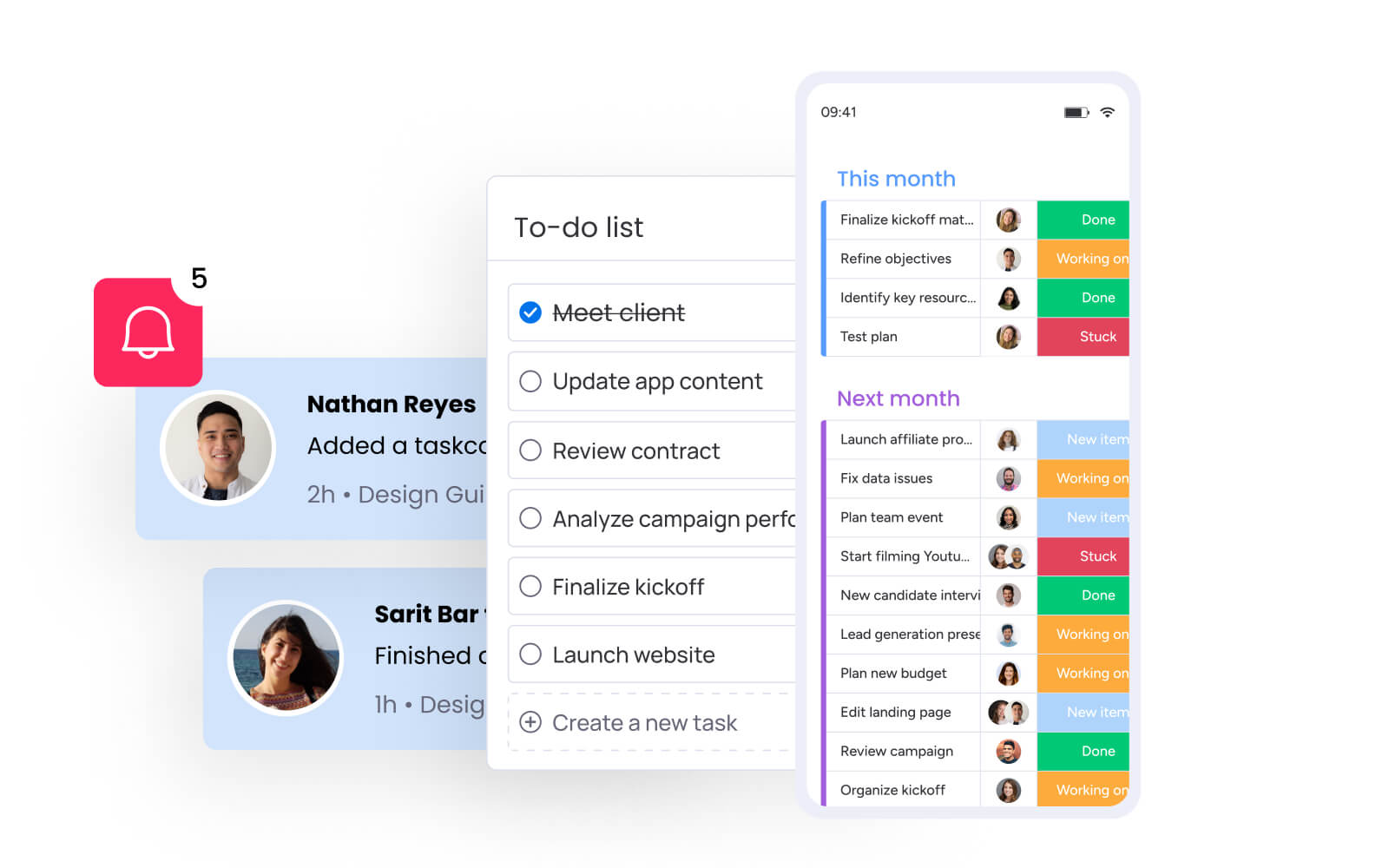
monday work management brings scattered spreadsheets, tools, and conversations into one connected workspace. Campaign timelines become visible from ideation to launch. Roles, deadlines, and dependencies are mapped clearly, so a delay in copy does not derail design or social distribution. Briefs, assets, feedback, and approvals live in one place, creating a true source of truth.
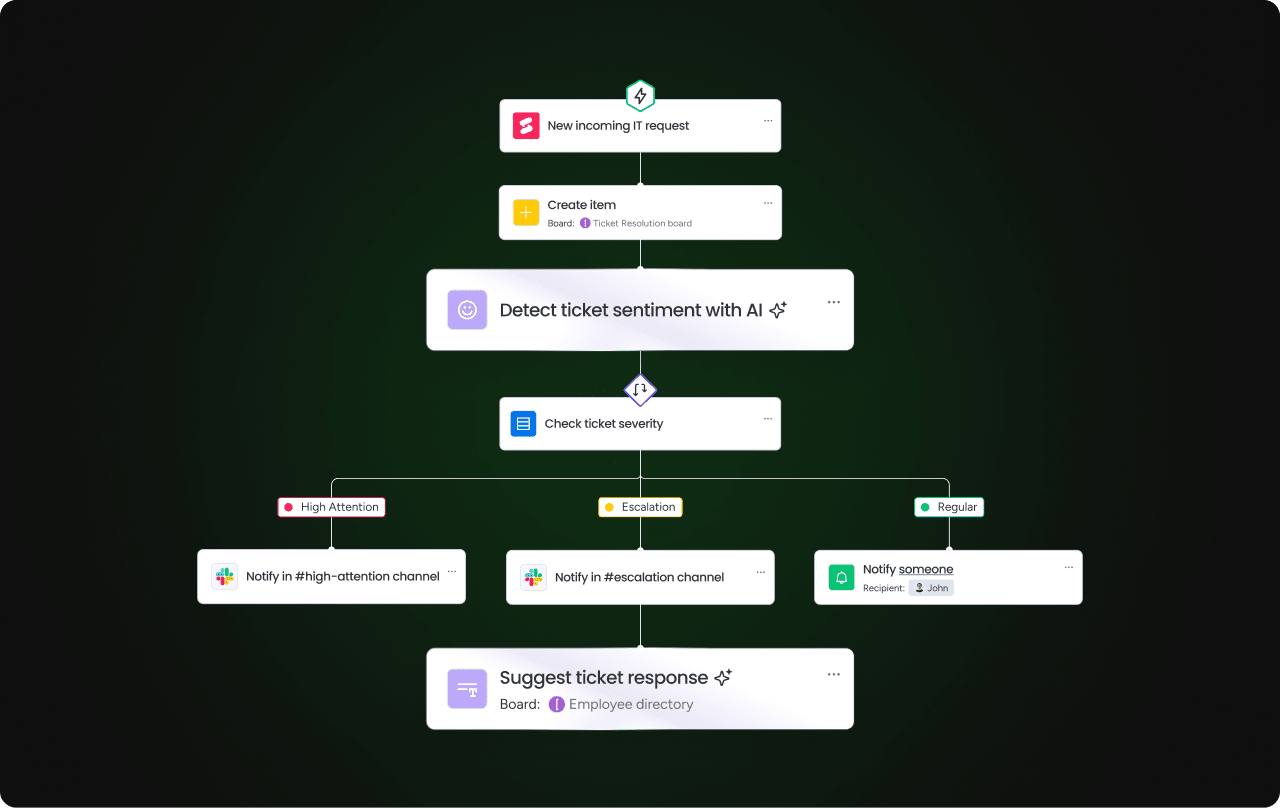
Instead of siloed teams chasing updates across email threads, collaboration happens in context. Feedback stays attached to files. Notifications trigger next steps automatically. Distribution workflows move the moment assets are approved.
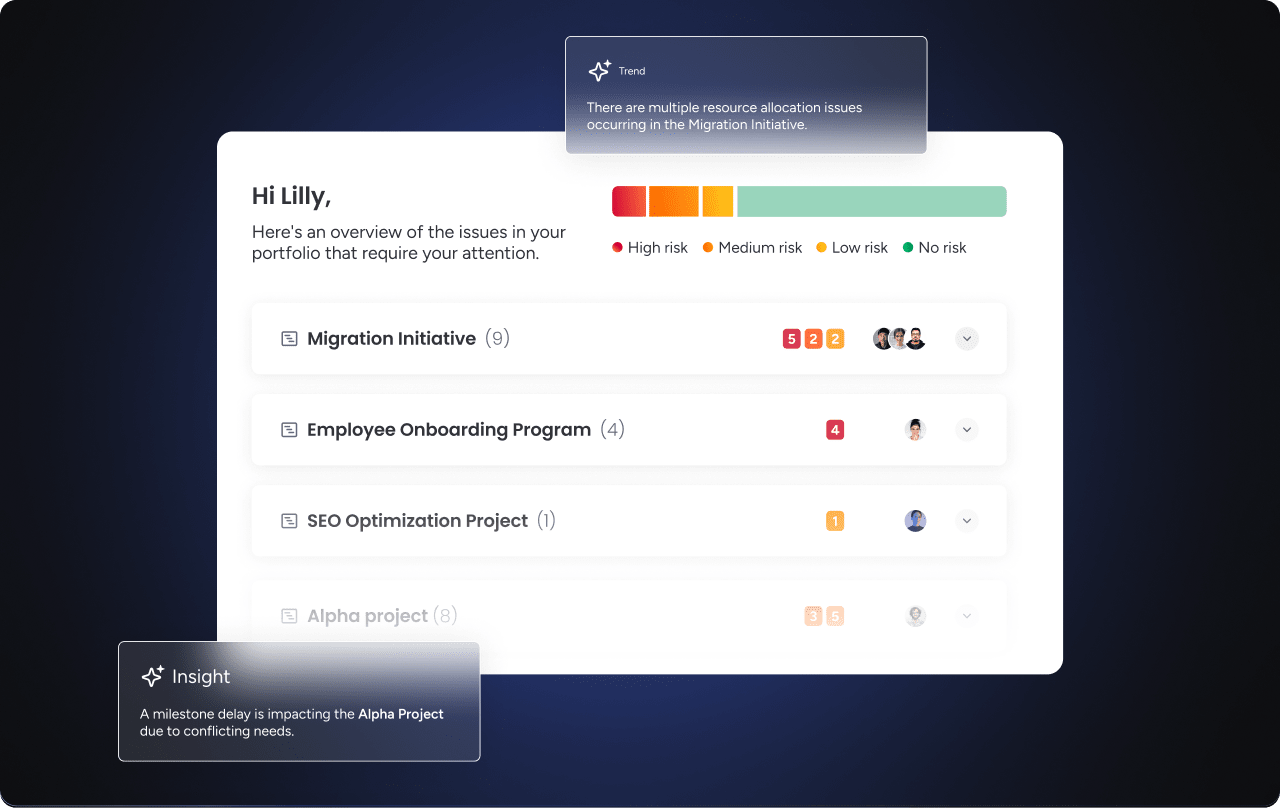
Real-time dashboards connect campaign activity to performance. Budget tracking, lead generation, and progress metrics sit side by side, linking daily work to high-level objectives. Teams can see what is working and adjust quickly.
As processes prove successful, they become templates. Product launches, webinars, and campaigns follow structured workflows that reduce setup time and protect quality. Scaling no longer means adding chaos. It means repeating what works with greater speed and confidence.
Try monday work managementFrequently asked questions
What makes a marketing campaign example worth studying?
A strong example combines creative strategy with measurable business results, offering insights into execution processes and frameworks that teams can adapt to their industries.
How do you measure the success of marketing campaign examples?
Success is measured using KPIs such as conversion rates, customer acquisition cost, brand awareness lift, and revenue attribution, tracked through consistent measurement frameworks.
What role does team coordination play in successful marketing examples?
Team coordination is essential — execution excellence and timing often matter more than creative concepts alone.
How can small marketing teams implement strategies from large company examples?
Small teams can adapt enterprise strategies by focusing on core principles such as segmentation and transparency, applying them through simplified workflows and scalable platforms rather than resource-heavy operations.
What are the key success factors for a high-performing marketing campaign?
Strong cross-functional communication, detailed pre-launch planning, consistent messaging across channels, and real-time performance tracking enable rapid adjustments and measurable results.
How do successful marketing teams coordinate complex multi-channel campaigns?
Teams rely on centralized work management platforms to synchronize timelines, automate handoffs, and maintain single sources of truth across channels and stakeholders.

 Get started