Healthcare organizations face growing patient volumes, complex referral networks, and care teams stretched across systems. With monday CRM, teams get flexible workflows and AI automation that streamline intake, improve coordination, and keep every patient interaction visible. The platform's AI qualifies inbound requests, automates appointment reminders, and surfaces stalled referrals. Manage every patient relationship, referral pipeline, and handoff in one secure platform.

.svg)

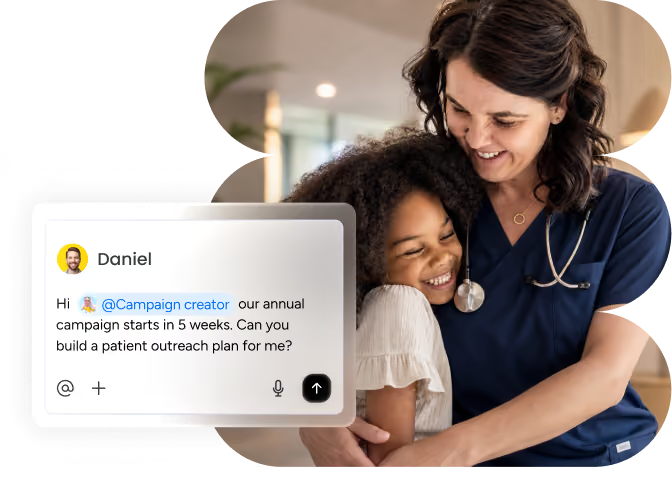
Healthcare teams need a CRM that fits real workflows. monday CRM gives intake coordinators, schedulers, and care teams the flexibility to manage patient relationships, referral pipelines, and handoffs without rigid templates or heavy IT overhead, all in one comprehensive solution.
Built for patient, referral, provider, and care-coordination workflows, monday CRM gives healthcare teams a system that matches how care actually moves.
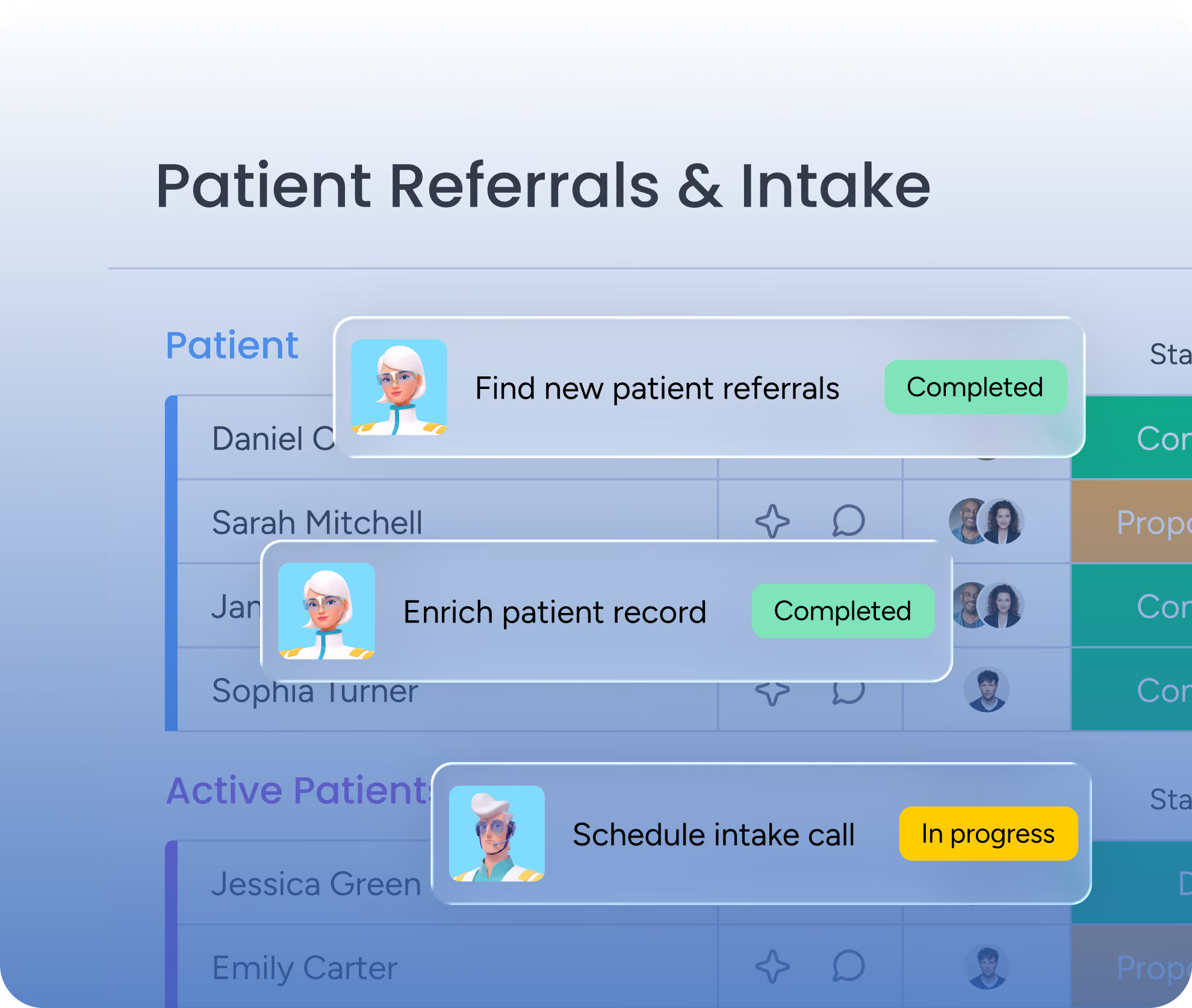
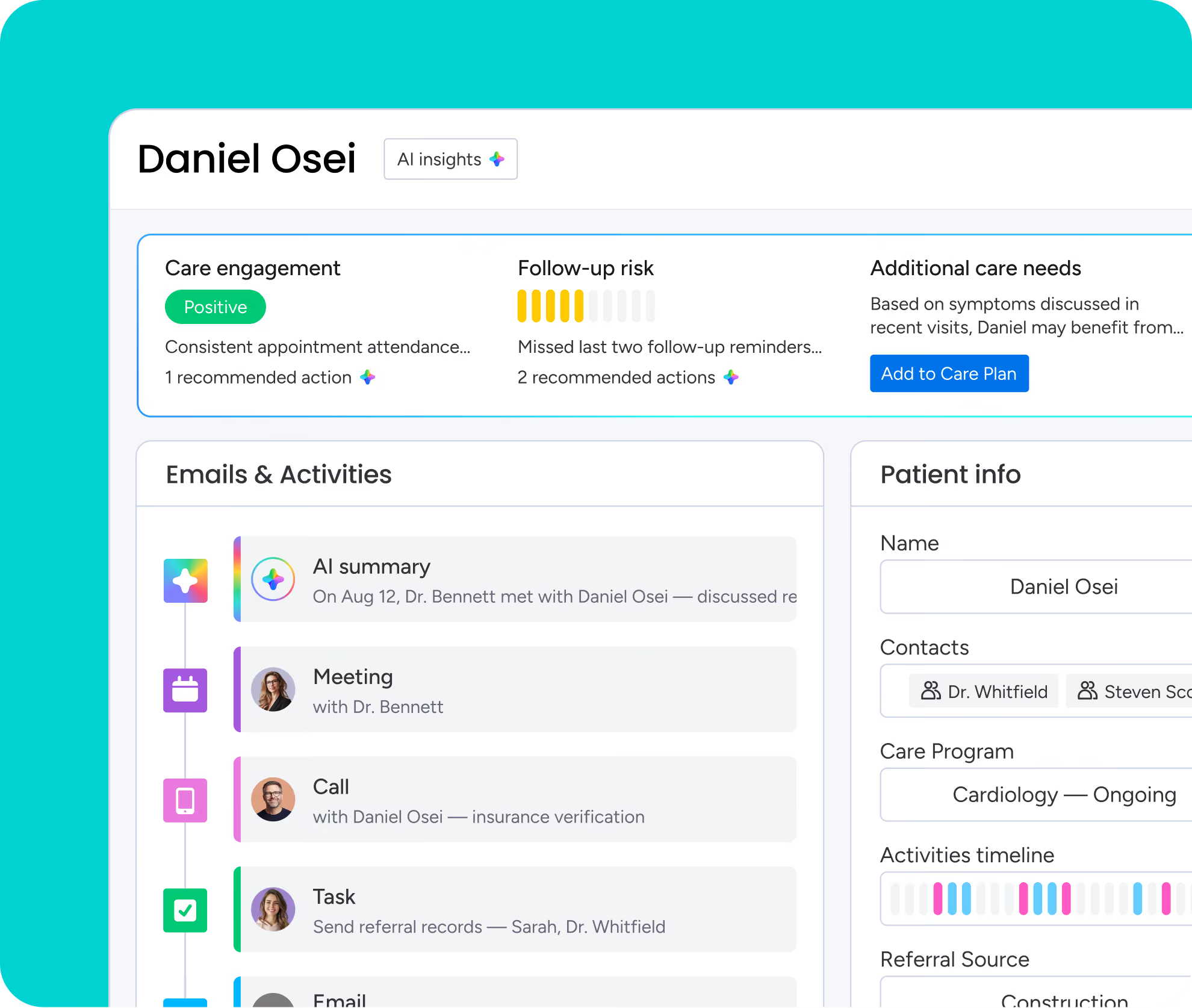
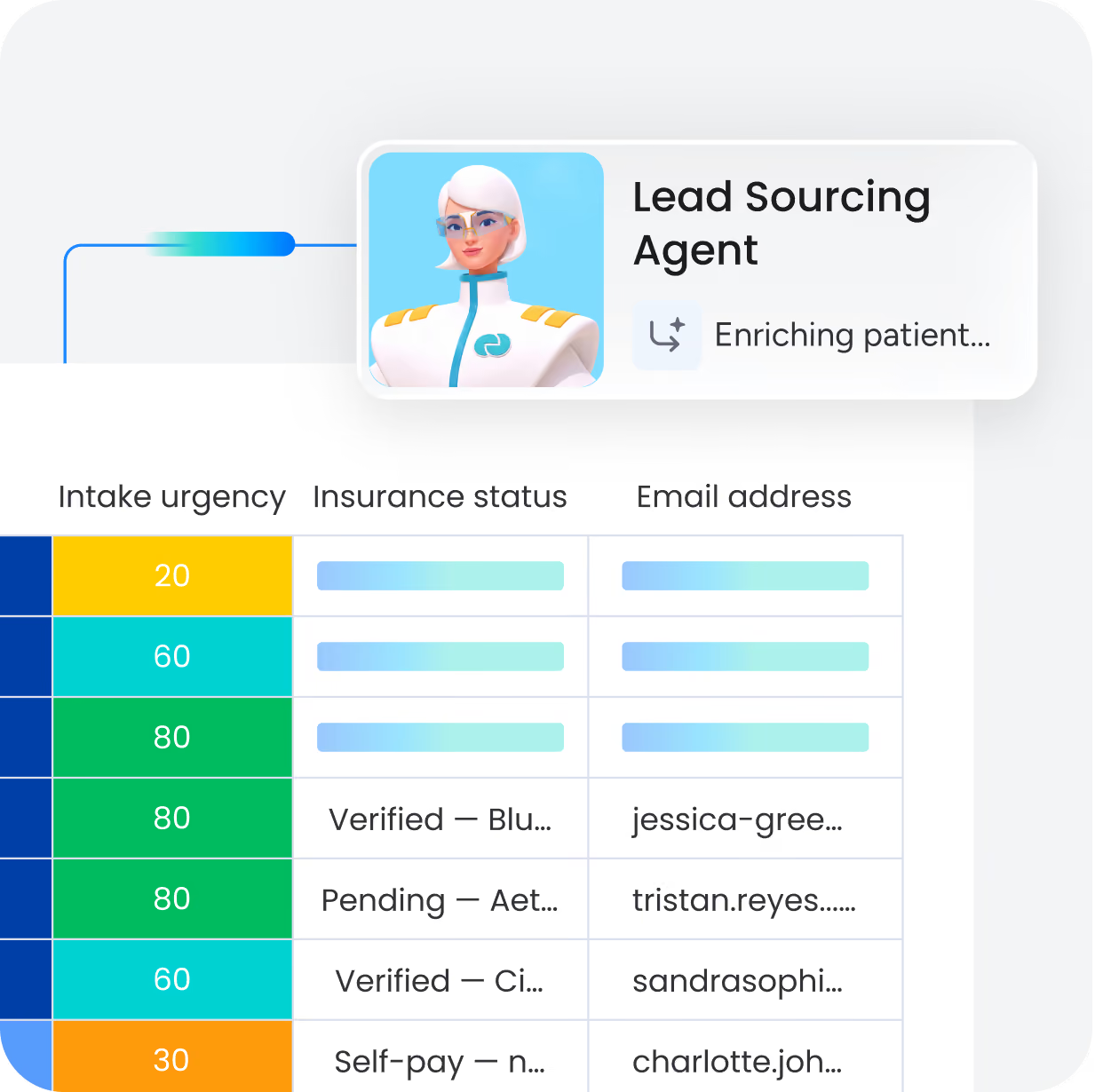
AI lightens the administrative load across every patient and referral workflow in monday CRM, so your team spends less time on paperwork and more time on care.
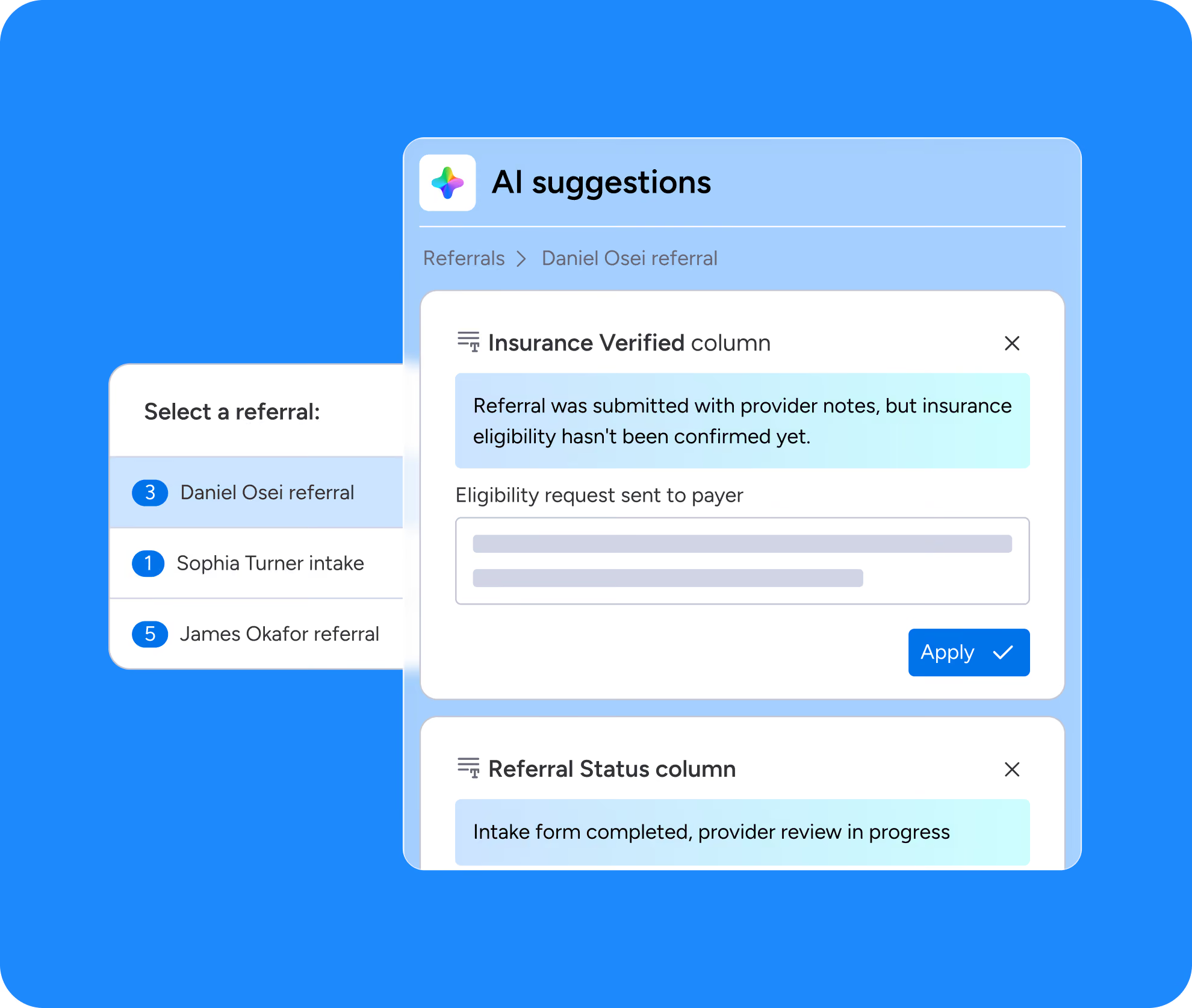
Automation and AI agents reduce manual work across patient engagement and referral workflows in monday CRM, keeping outreach timely and consistent.
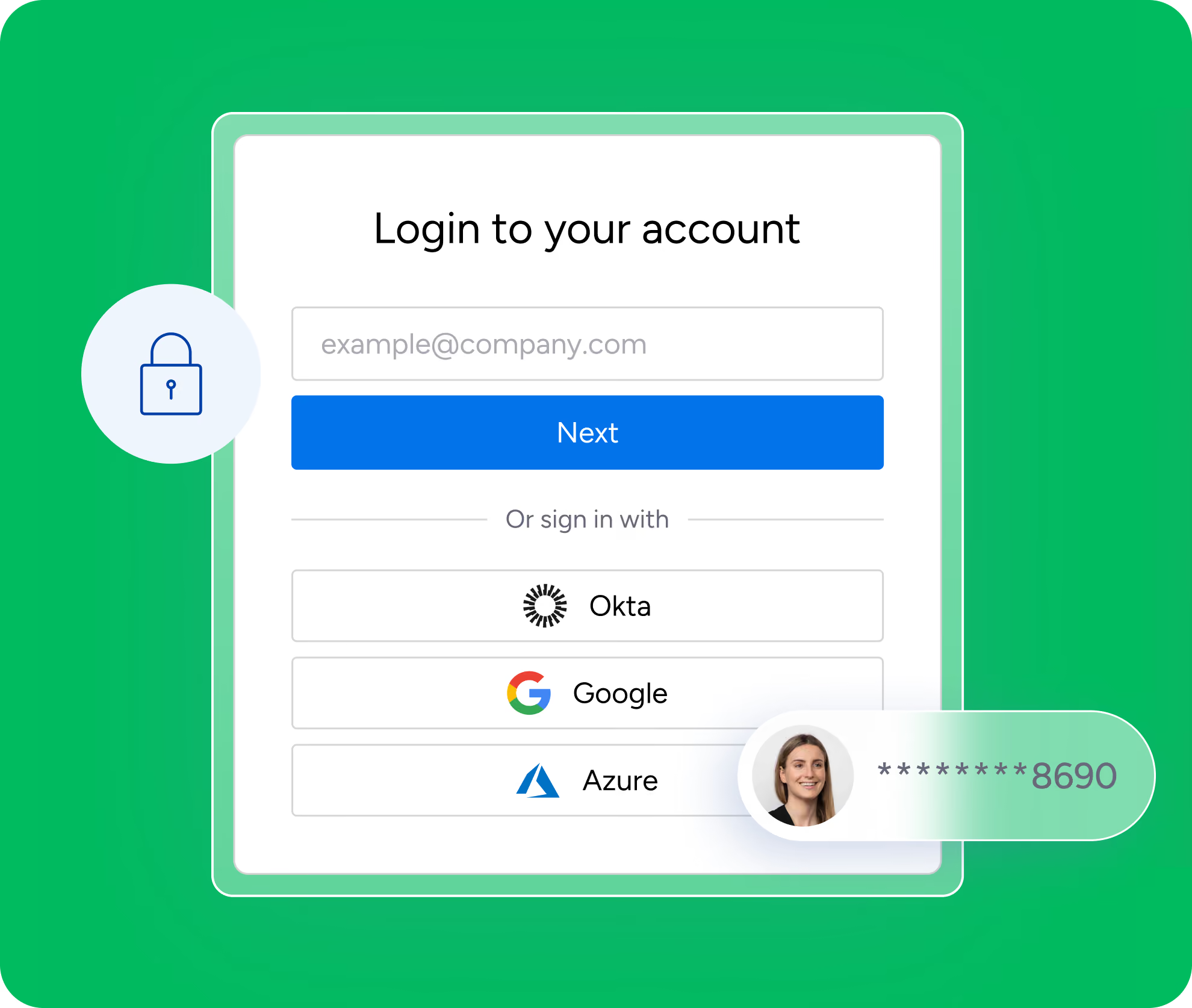
Enterprise-grade security and granular access controls help healthcare teams protect sensitive data and stay compliance-ready.
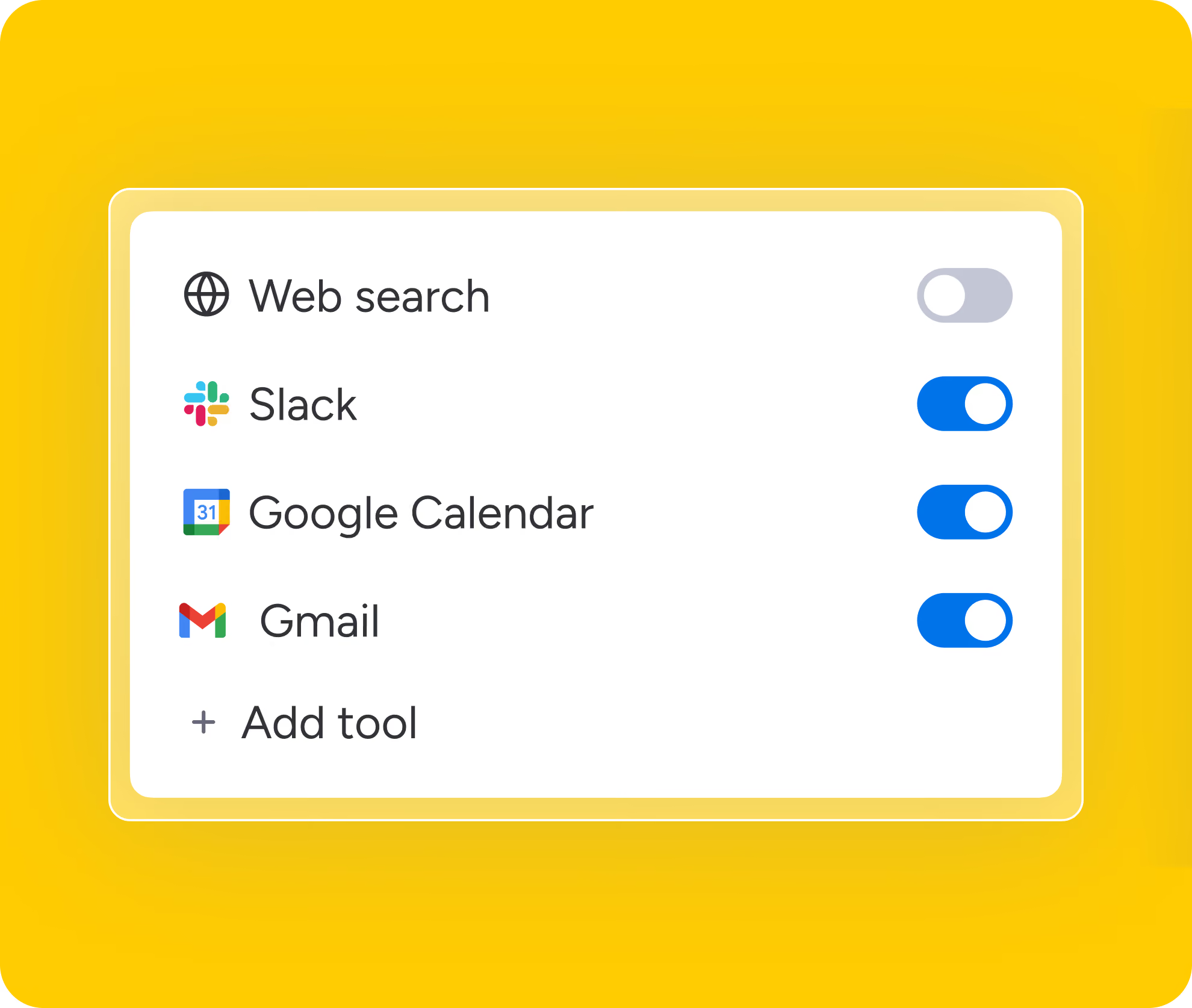
monday CRM fits into your existing healthcare tech stack through native integrations, APIs, and connected workflows that reduce siloed data and manual updates.
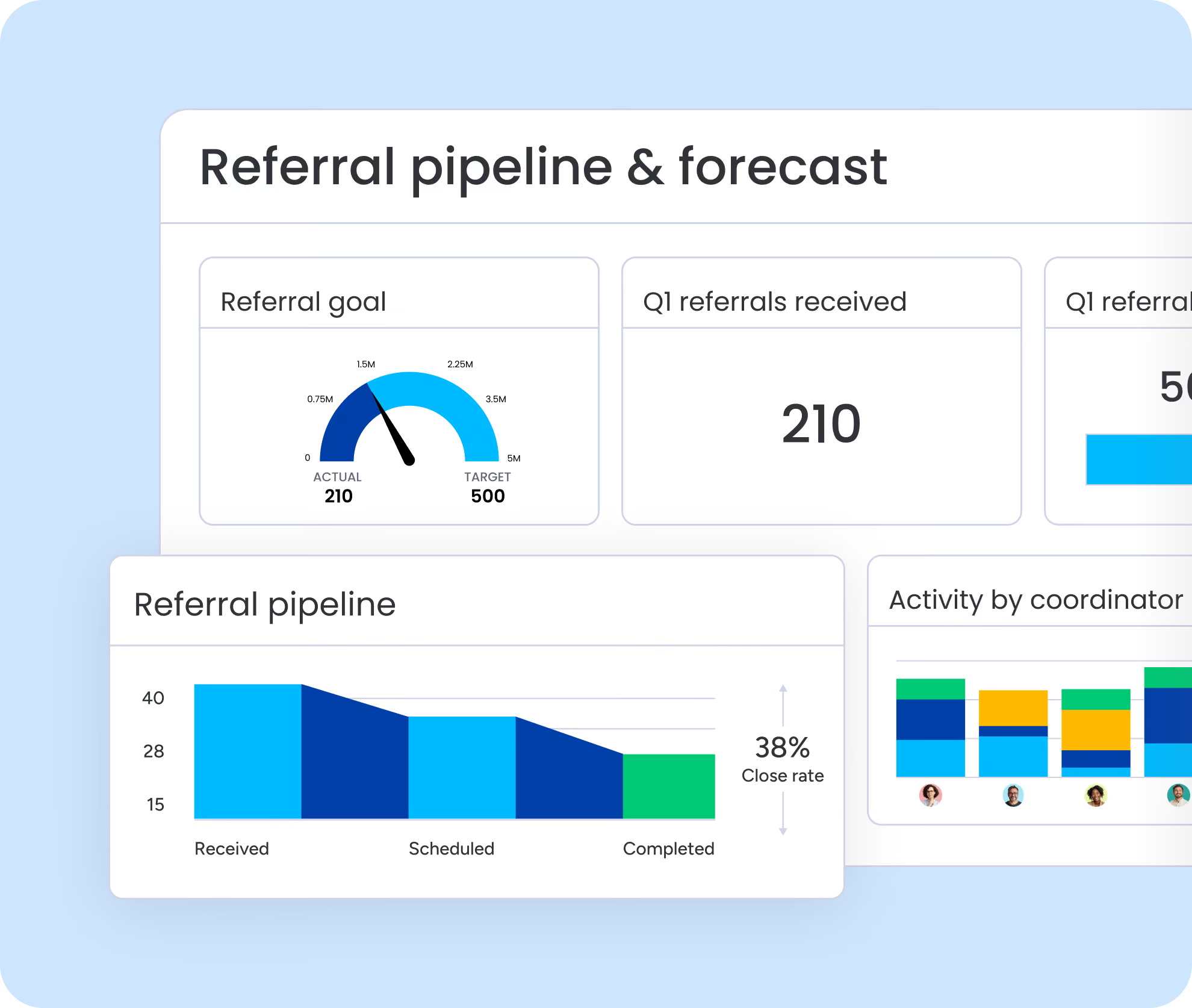
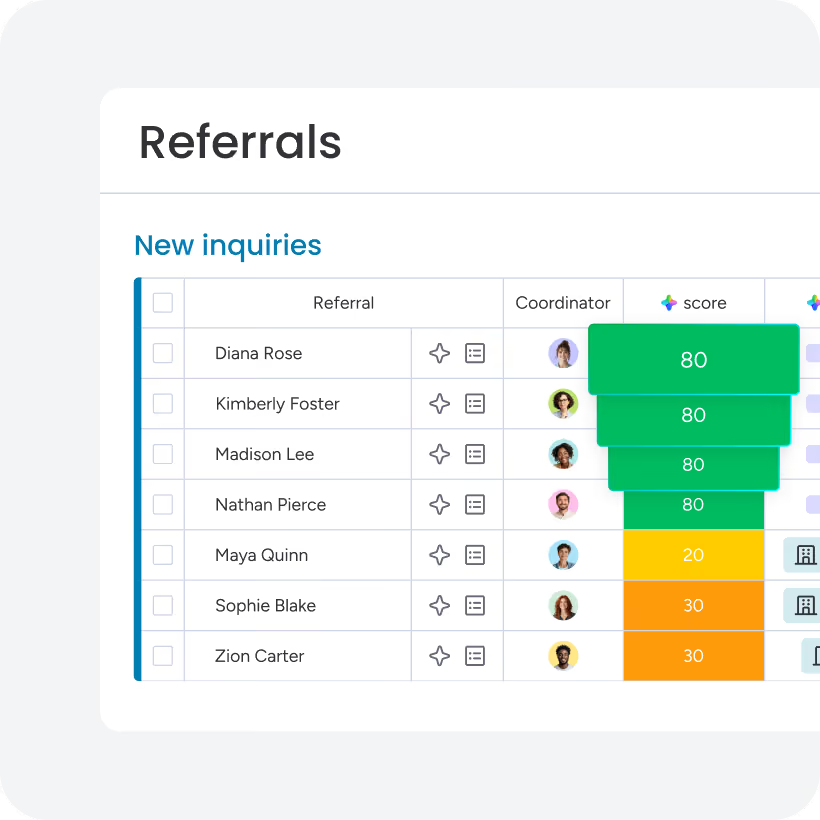
Healthcare leaders get live visibility into referral volume, conversion, and coordinator performance, so decisions aren't based on guesswork or month-end reports.
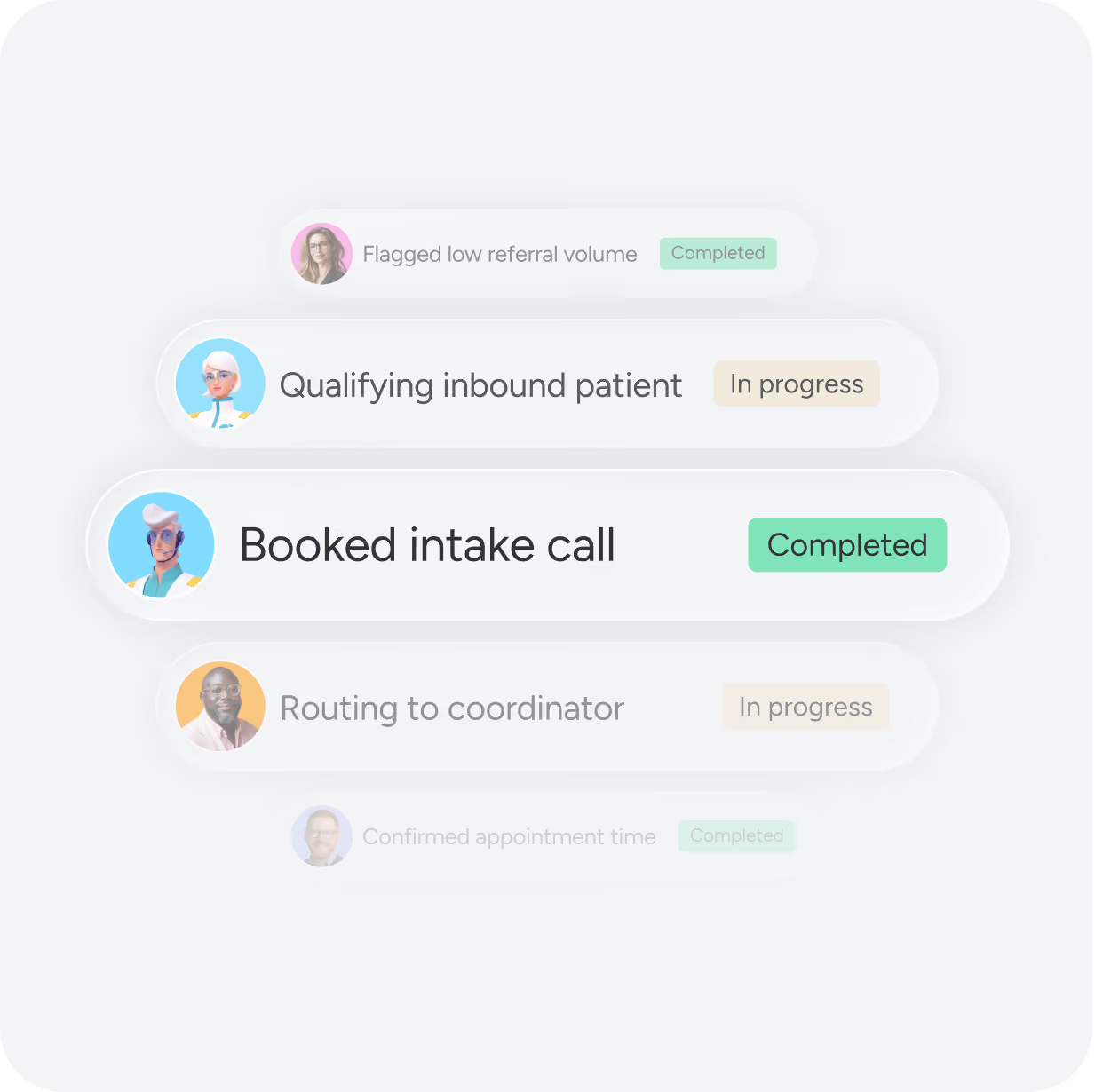
monday CRM's built-in AI agents and workflows work behind the scenes, so no patient interaction gets missed and no follow-up gets forgotten.

.avif)
.svg)
“If I ever dreamed of building a CRM for our needs, it would look like monday CRM.”
.avif)


“We just weren't getting value from our old CRM. With monday.com, it's a thousand times better.”
.avif)
Integrate your tech stack to reduce admin time and boost velocity.





.png)
.png)
.png)
.png)
Get the unfiltered scoop from sales leaders about how to tackle major challenges with care.
Be the first to get the latest on the newest features and updates we’re rolling out on monday CRM.

Sharpen your monday CRM skills and master every stage of the customer journey.

Follow us on LinkedIn for pro sales tips, product updates, hilarious memes, and much more!
In healthcare, CRM stands for Customer Relationship Management, a system used to manage relationships and interactions with patients, referral partners, and provider networks. In monday CRM, teams typically model these relationships using connected Contacts, Accounts, Leads, and Deals so every email, meeting, and note is tracked in one place. This makes it easier to coordinate outreach, follow-ups, and handoffs across intake, scheduling, and care teams.
monday CRM is designed to help healthcare teams stay compliance-ready with enterprise-grade security foundations and strict access controls, and monday CRM supports HIPAA. To reduce exposure of sensitive data, use granular permissions to control who can view or edit specific boards and items, role-based access and restricted sharing, and clear process separation by storing clinical details in an EHR/EMR while tracking relationship and workflow data in the CRM. Always confirm your specific compliance requirements with your internal compliance team.
Pricing for monday CRM depends on your plan tier and the capabilities you need, as certain AI agents and advanced automation features may be limited to specific plans. A practical approach is to map your must-haves like pipeline management, email and calendar sync, automations, AI agents, dashboards, and permission controls to the right plan. For plan-specific pricing and packaging, review the monday CRM pricing page or talk to sales for healthcare-specific requirements.
monday CRM supports healthcare workflows by combining relationship management, activity tracking, automation, AI agents, and reporting in one place. Common features healthcare teams rely on include sales pipeline management often repurposed as referral or intake pipelines, Emails and Activities timeline to log emails and meetings per patient or referral, mass email and tracking for outreach and re-engagement, AI agents like the Sales Agent to qualify leads and book meetings automatically, dashboards with funnel and performance widgets, and client onboarding tracking for new patient intake.
monday CRM helps reduce no-shows by automating consistent reminders and follow-up steps so nothing relies on memory. Set up workflows with triggers like when date arrives to create tasks and send reminder emails, rules that escalate follow-ups when a status changes to needs confirmation or reschedule requested, round robin automations to assign new scheduling requests to available staff quickly, and AI agents that flag at-risk appointments and recommend proactive outreach. This keeps communication timely and improves patient engagement through repeatable processes.
AI agents in monday CRM help teams respond faster and stay consistent across high-volume outreach and follow-ups. Depending on your setup, you can use AI to summarize messages and updates and extract key action items from patient communications, the Sales Agent to qualify inbound inquiries and book appointments and route requests to the right coordinator all automatically, and the Deal Facilitator to keep referral and intake pipelines moving with recommended next steps and alerts for stalled items. This reduces admin burden and helps teams deliver a more reliable, responsive communication experience.
Healthcare teams typically track referrals by creating a dedicated Referrals pipeline and adding a required referral source field like physician group, hospital, payer, or community partner. Use sales pipeline management stages to standardize handoffs from new to eligibility to scheduled to admitted or converted to closed, and keep every interaction logged in the Emails and Activities timeline. For faster routing, pair source-based rules with round robin automations to distribute new referrals across coordinators, and use AI agents to flag high-priority or stalled referrals automatically.
An EMR/EHR is a clinical system of record for medical documentation, orders, and clinical history, while monday CRM is a relationship and workflow system focused on outreach, intake, referrals, and coordination. In monday CRM, you manage Contacts and Accounts, track communication in Emails and Activities, and move referrals through pipelines with automation, AI agents, and reporting. Many healthcare organizations use both together with EMR for clinical care and monday CRM for operational execution and patient or referral engagement.
Start by configuring monday CRM around your real patient and referral workflows, then layer in automation and AI agents to handle repetitive steps. A proven setup is to create boards for patients or contacts, referrals pipeline, and partners or providers accounts, connect email and calendar so activities log automatically then add email tracking and templates for outreach, add automations including round robin automations, enable AI agents like the Sales Agent for inbound qualification, and build dashboards with the deal insights widget to surface stalled or at-risk pipeline items.operational execution and patient or referral engagement.