From sourcing leads to closing deals, monday CRM features keep your pipeline, conversations, and reporting in one place — with AI working alongside your team, not instead of it.



Everything you need to find, enrich, manage, and book time with new leads, directly in monday CRM.
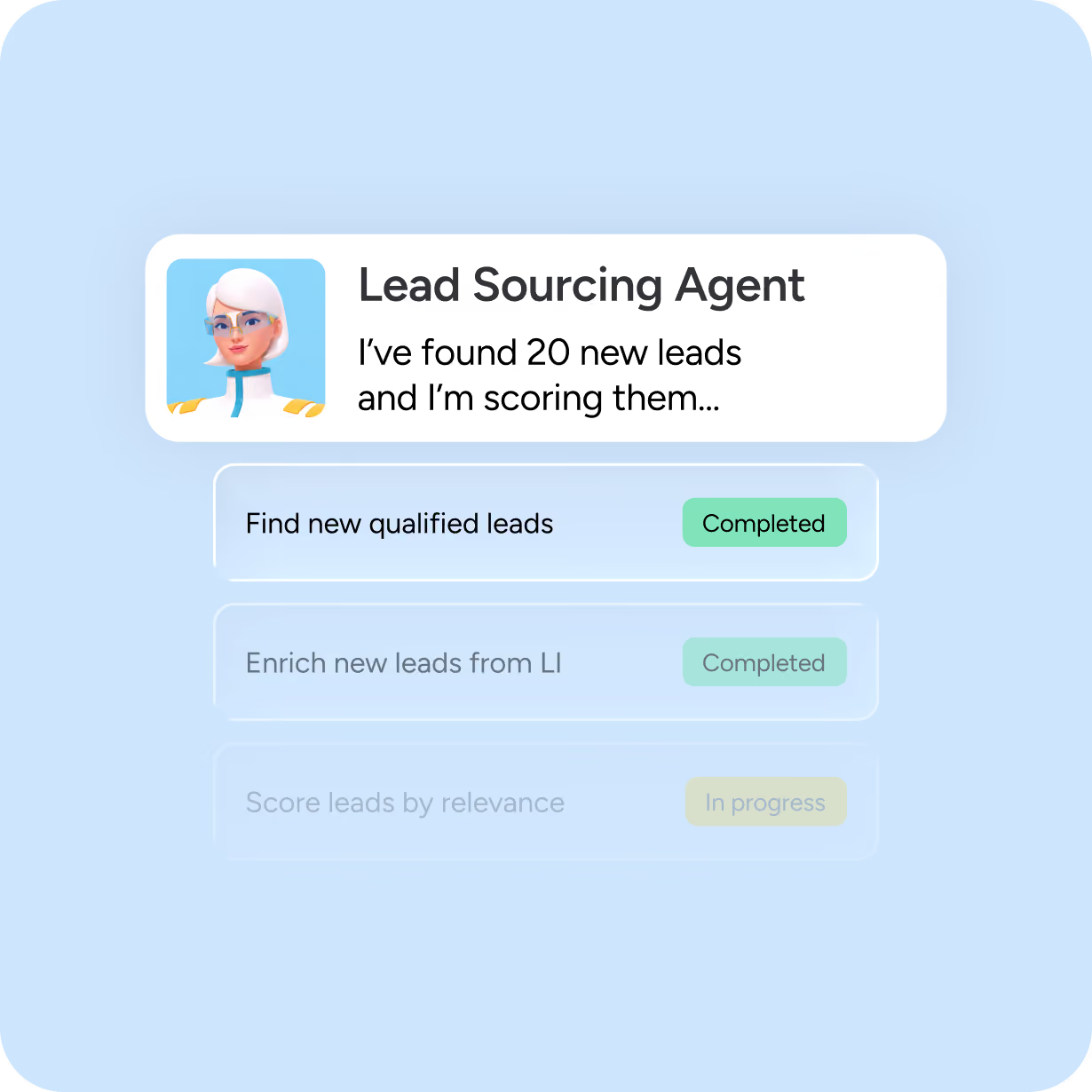
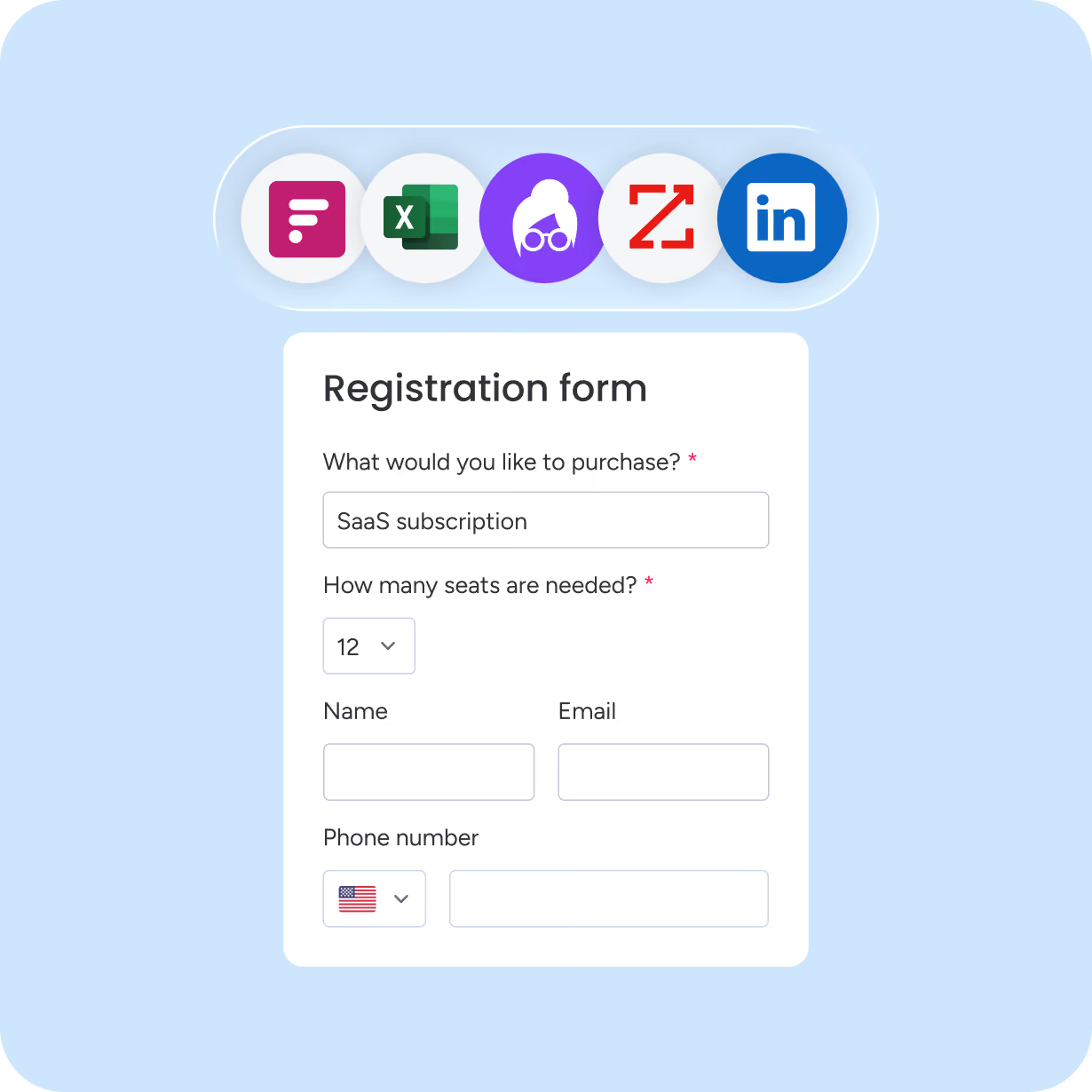
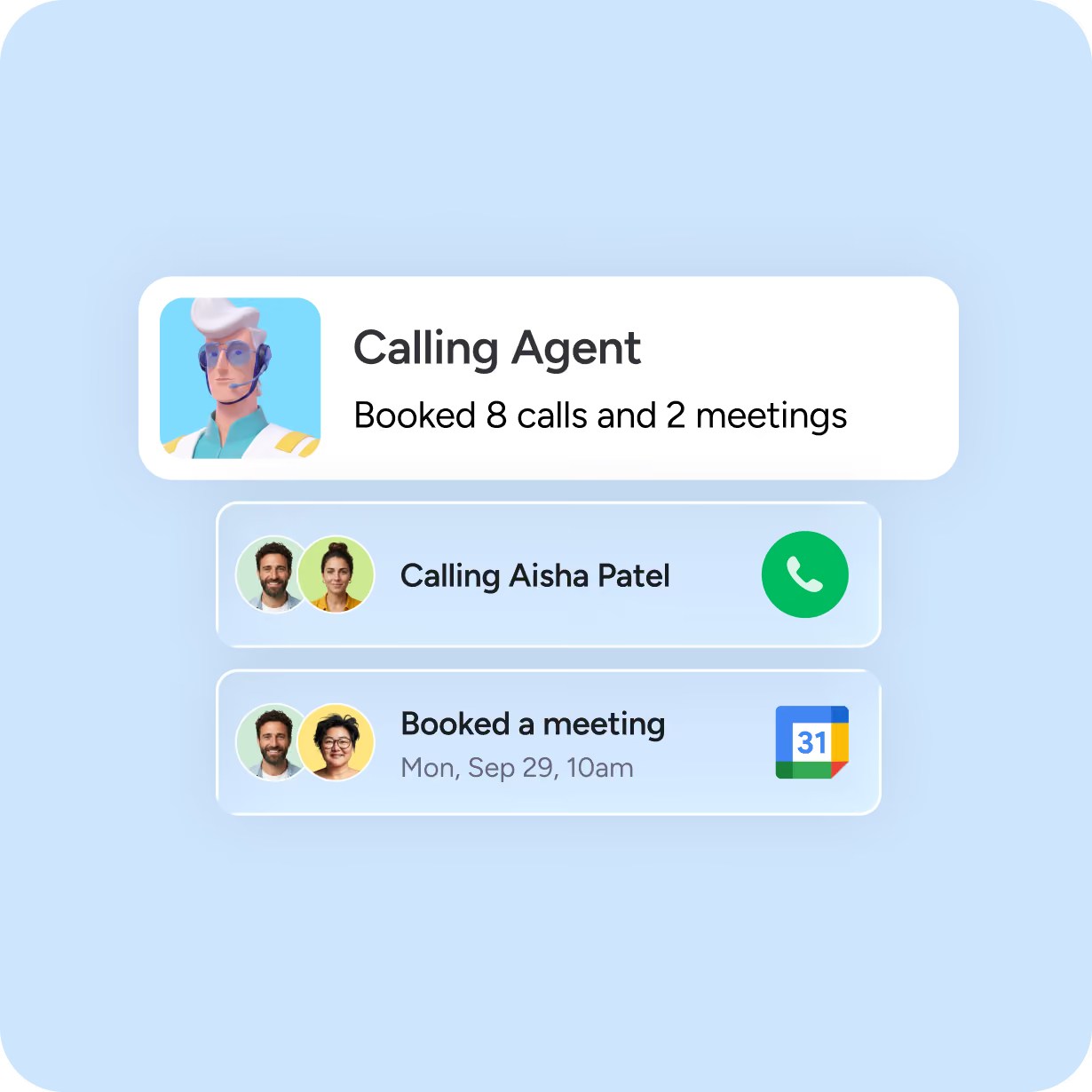
Every touchpoint happens from and is documented in monday CRM, so all of your customer context stays in one place.


Set up automated outreach and activity sequences so you never miss the right moment to reach out. No more manual notes, no memory gaps.
.avif)
Joins, captures, and analyzes every meeting – instantly identifying decisions, action items, and owners, so you can focus on the relationship, not the notepad.
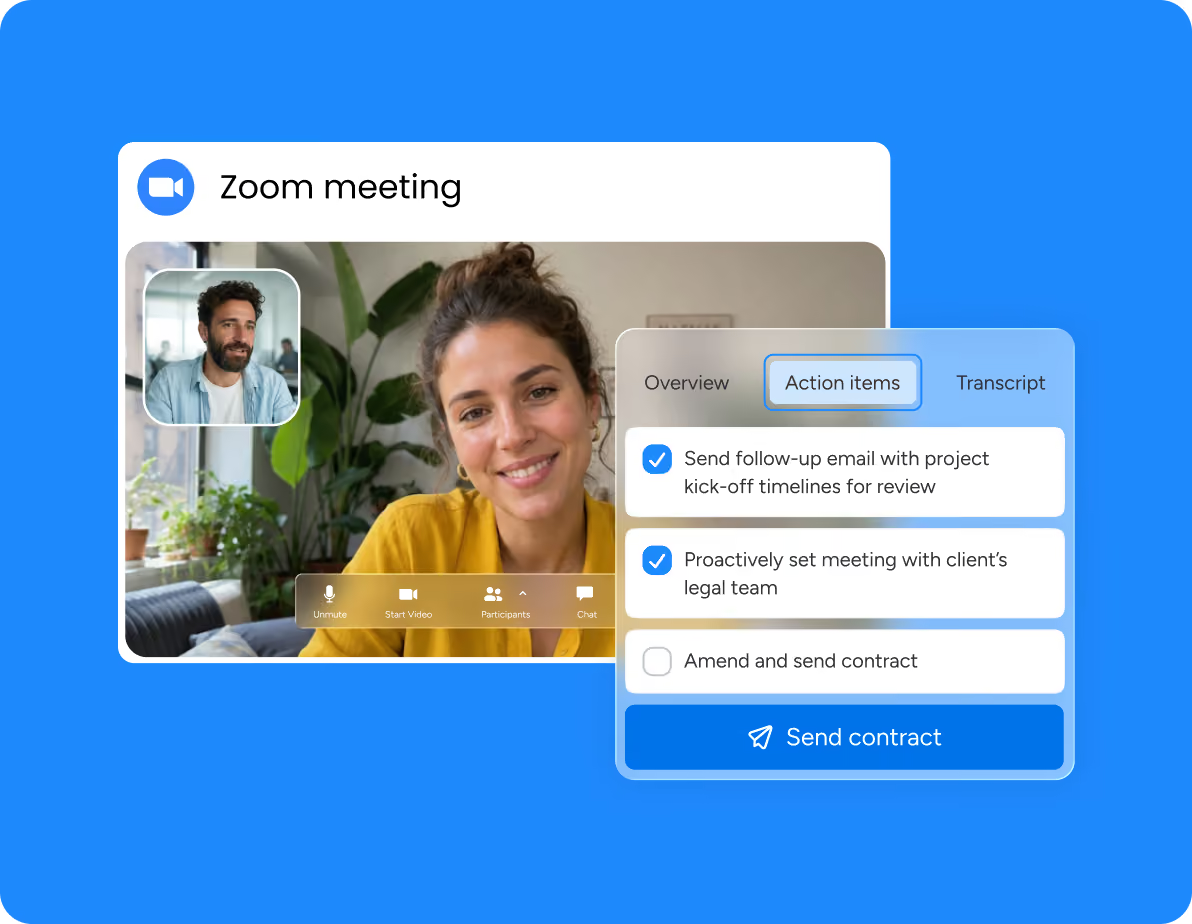
Emails, calls, meetings, messages — every interaction with a contact or account auto-logs to their record, so you always knows where things stand.
.avif)
AI helps plan and create on-brand campaigns and routes qualified leads to your sales team with context, so demand turns into pipeline.
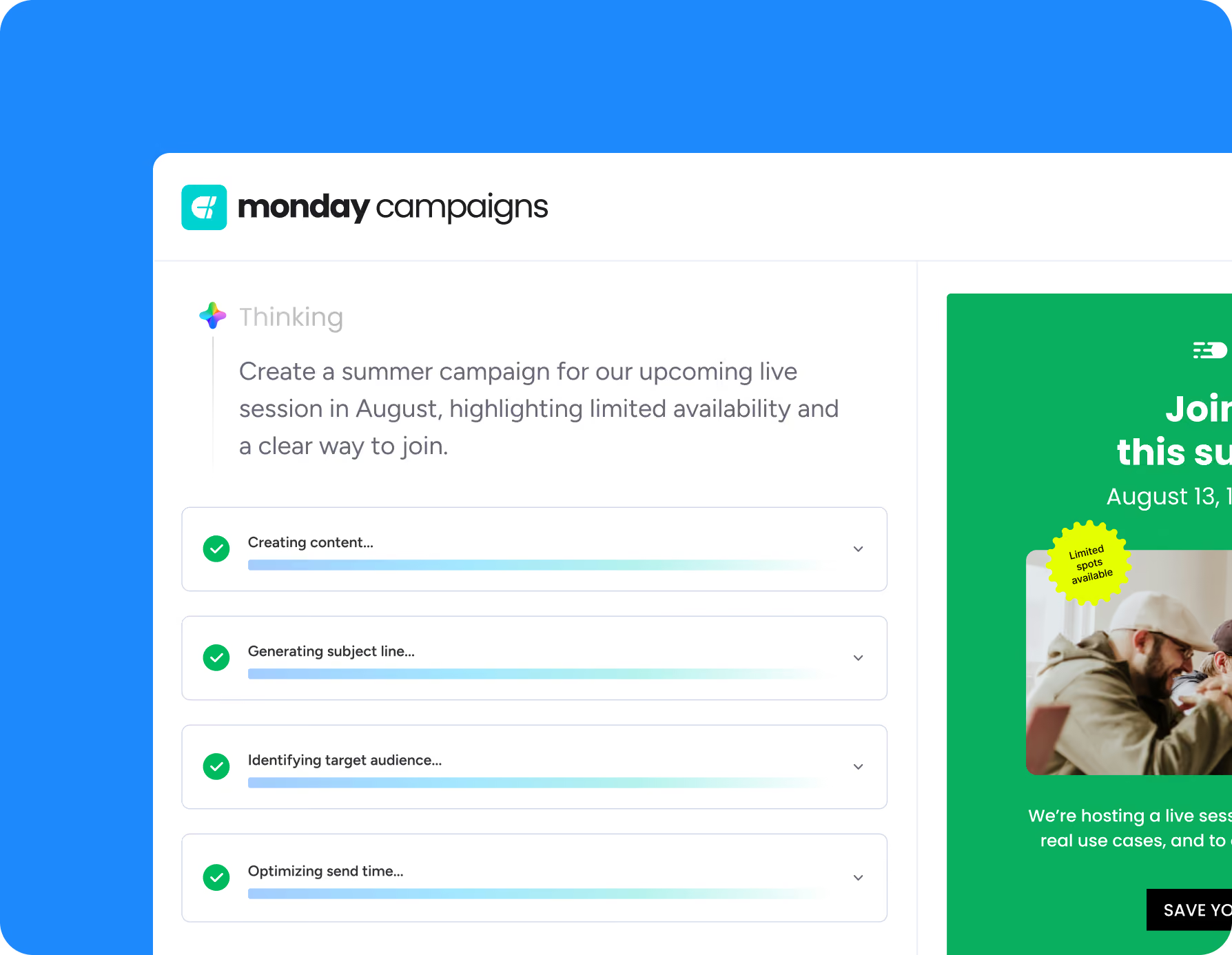
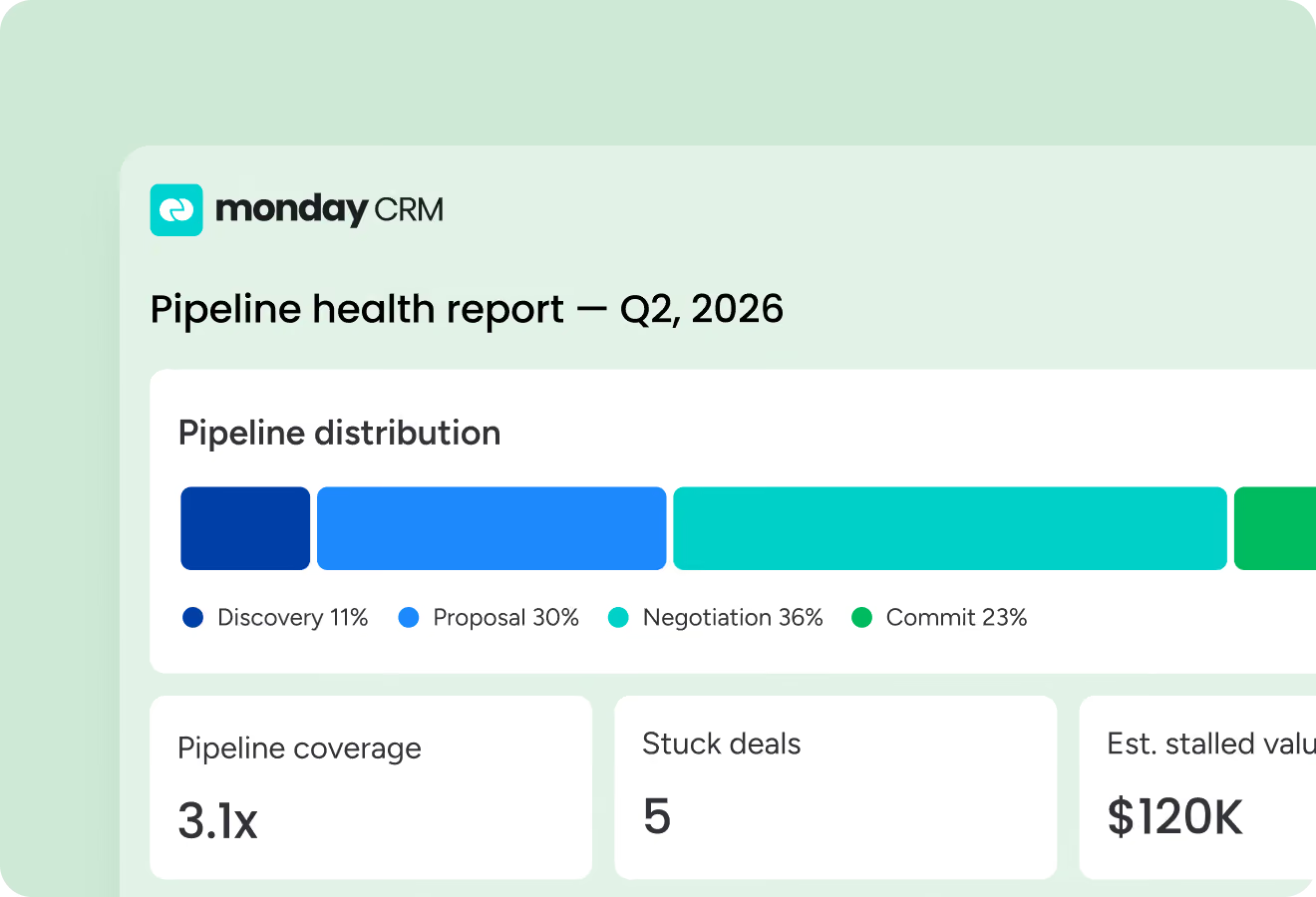
See exactly where every deal stands, spot risk before it costs you the quarter, and forecast with numbers you can actually trust.

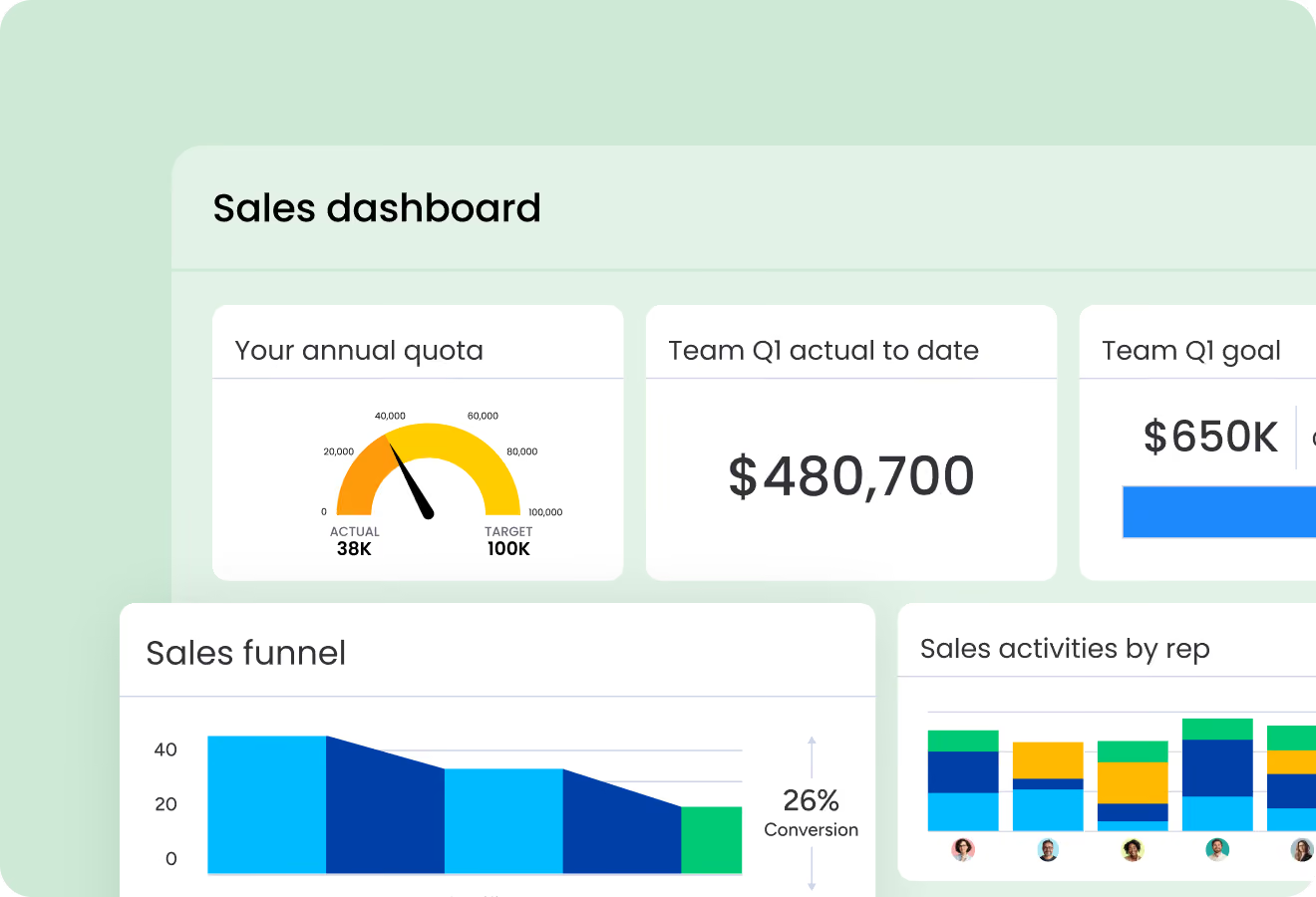
See where each rep stands against target, in dashboards you can customize without waiting on ops, so you know exactly where to step in, and when.
See where reps are spending most of their time, get coaching insights, and understand which behaviors correlate with wins.

Track targets, funnel conversion, and rep activity in one live dashboard that’s built from what's actually happening in each deal, not what's reported after the fact.
.avif)

Lorem ipsum dolor sit amet, consectetur adipiscing elit. Suspendisse varius enim in eros elementum tristique. Duis cursus, mi quis viverra ornare, eros dolor interdum nulla, ut commodo diam libero vitae erat. Aenean faucibus nibh et justo cursus id rutrum lorem imperdiet. Nunc ut sem vitae risus tristique posuere.
Lorem ipsum dolor sit amet, consectetur adipiscing elit. Suspendisse varius enim in eros elementum tristique. Duis cursus, mi quis viverra ornare, eros dolor interdum nulla, ut commodo diam libero vitae erat. Aenean faucibus nibh et justo cursus id rutrum lorem imperdiet. Nunc ut sem vitae risus tristique posuere.
Spend more time selling. monday CRM flags what needs attention and keeps deals moving, so nothing stalls without you knowing.
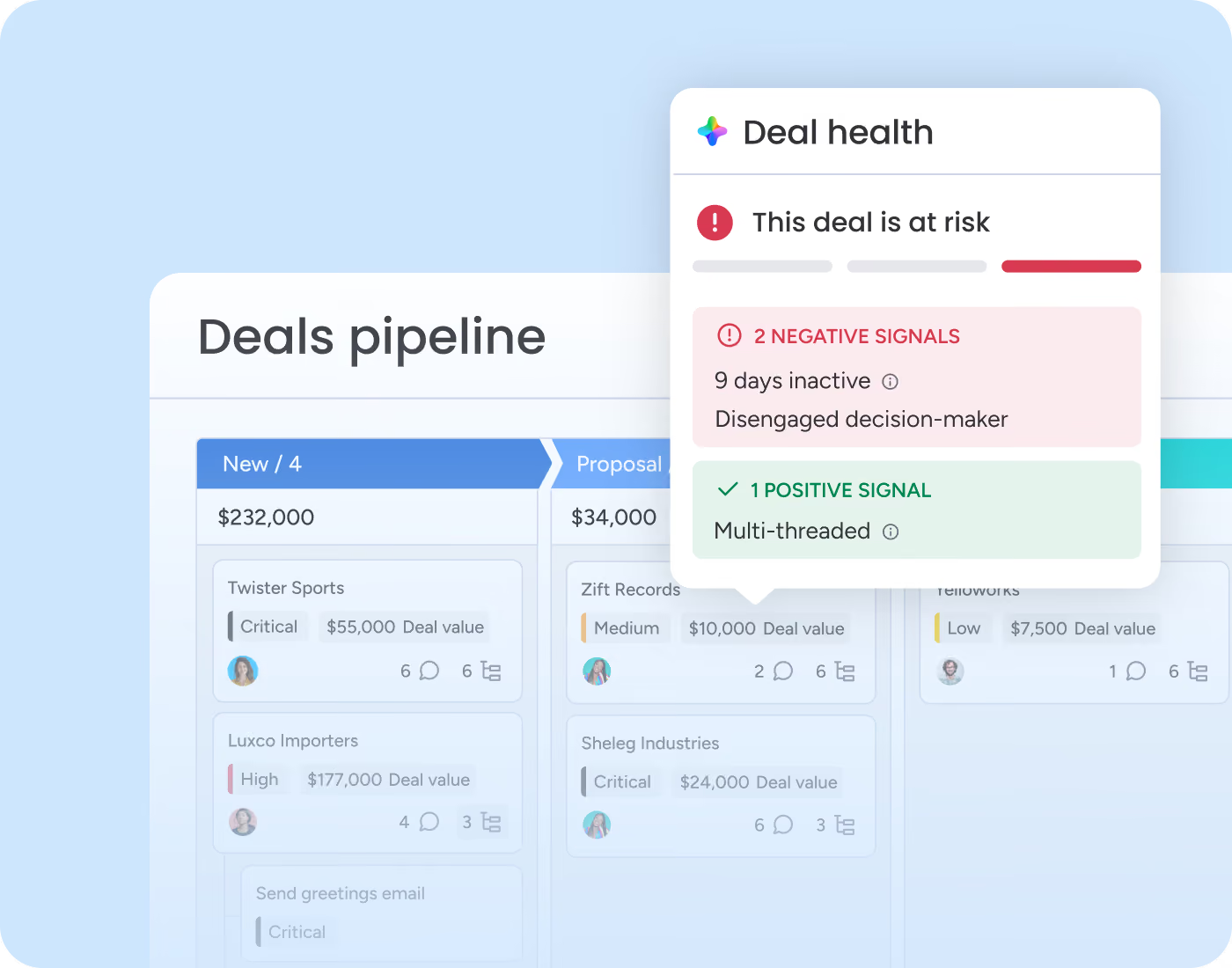
See deal health at a glance: inactivity, disengaged buyers, missed signals. Step in before a deal goes cold, not after.
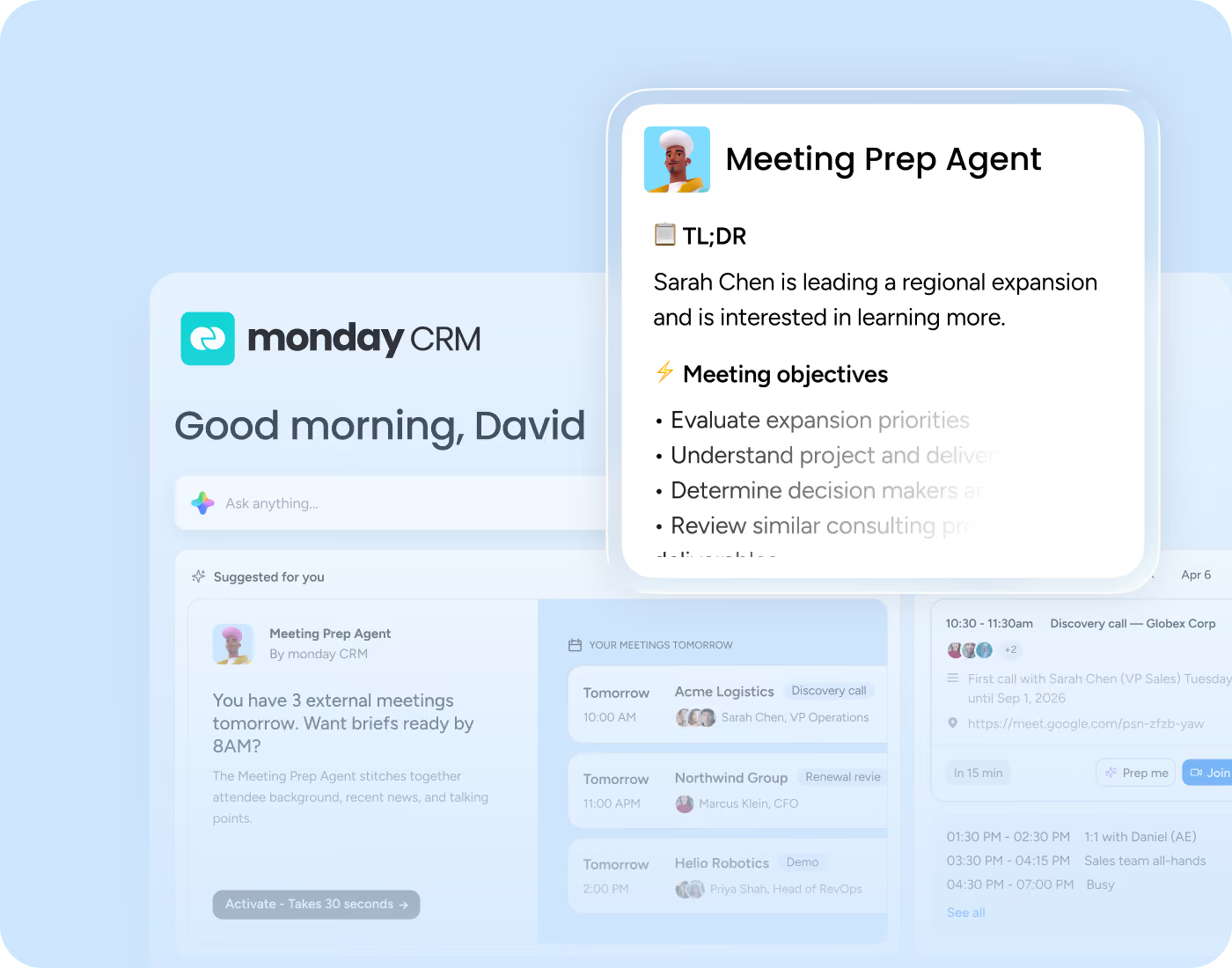
Get a brief before every call. Know the full context of what's happened, what matters, what to ask — prep time drops to zero.
Build the workflow once. When a lead opens an email or a deal changes stage, monday CRM takes the next step automatically.
.avif)
Generate quotes, send invoices, and collect signatures, all from the same record as the deal itself.

Everything you need to find, enrich, manage, and book time with new leads, directly in monday CRM.
.avif)
.avif)
.avif)
Every tool your revenue team uses stays connected, so the whole team works from the same data, not just AI.
Connect, extend, and adapt through powerful APIs, 200+ integrations, and MCP.
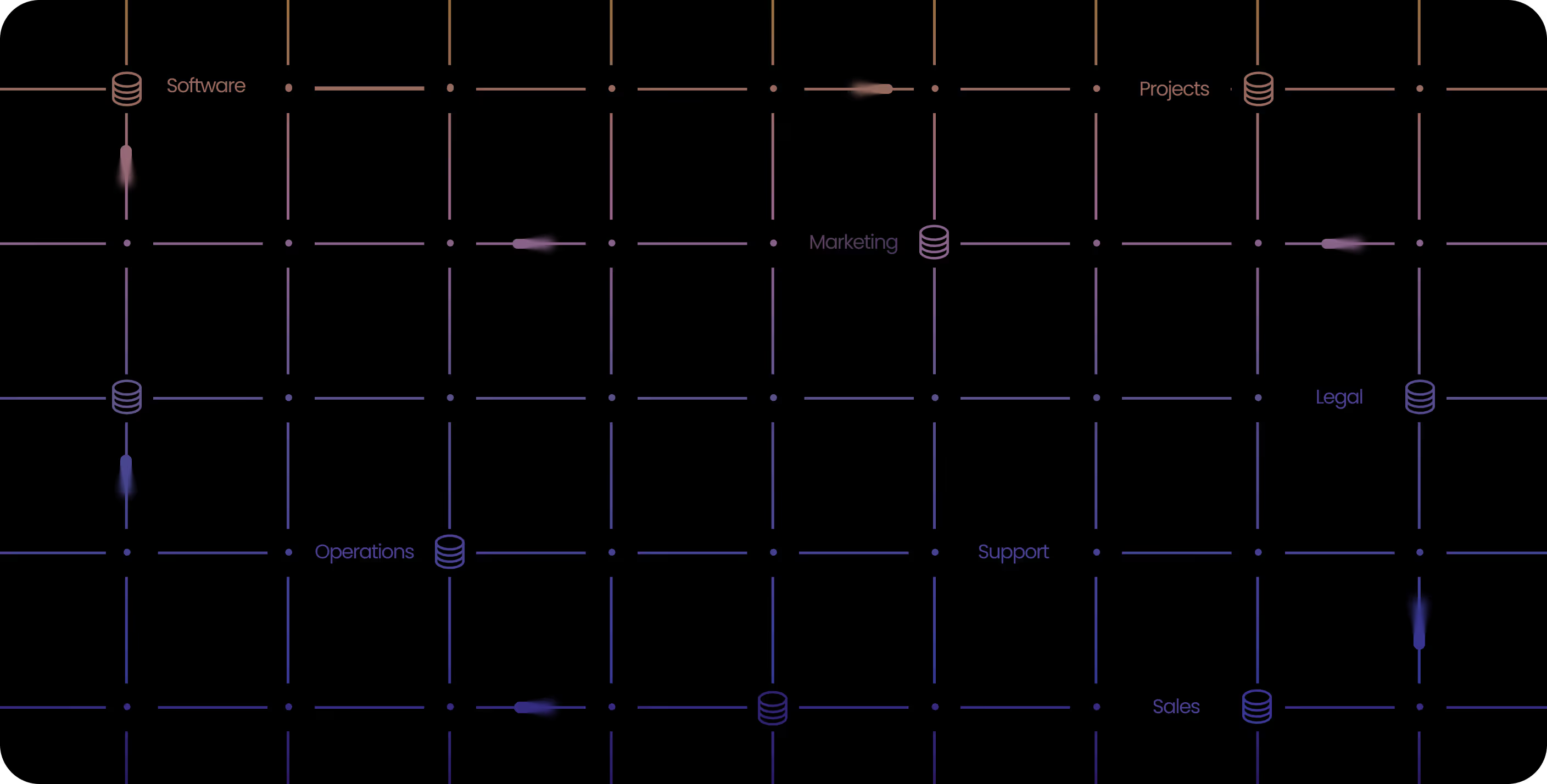
Run high-volume work across departments on one ecosystem for complete visibility and alignment.


AI that learns from your documents, workflows, and historical data.
A sales CRM should cover four things at minimum: contact and deal tracking, pipeline visibility, logged communication (calls, emails, meetings), and reporting you can act on without exporting to another tool. monday CRM brings all four together on one board, so a rep's activity and a manager's dashboard pull from the same live data instead of separate systems.
The non-negotiables are deal stage tracking, a visual pipeline, activity logging tied to each contact, and basic forecasting. Anything beyond that — automation, AI, integrations — adds value, but a CRM that gets these four wrong will cause more manual work than it saves. monday CRM's deal board, activity feed, and forecasting tools are built around exactly this core set.
Demand generation needs a way to capture leads from multiple sources and route them into a working pipeline without manual entry. monday CRM's lead sourcing agent finds and scores contacts against your ICP automatically, while lead capture from web forms, CSV imports, and existing tools feeds every new lead into one dashboard — so demand generation and pipeline management run off the same data from the first touch.
The shift in CRM right now is from tools that store sales data to systems that act on it — agents that source leads, prep reps for meetings, and surface at-risk deals without someone asking. monday CRM's calling agent, meeting prep agent, and pipeline agent are built around this: each one does a specific, previously-manual job inside the CRM itself, rather than requiring a separate AI tool bolted on top.
Look for real-time dashboards you can customize without IT, forecasting based on actual deal activity rather than self-reported updates, and rep-level activity tracking that ties performance to specific behaviors. monday CRM's reporting suite is built around these three, and the platform holds a G2 "Leader" badge in the CRM Software category alongside G2's "Highest User Adoption for Enterprises" award.
An AI-native CRM has AI embedded in the workflow itself — acting on deals, meetings, and leads — rather than added as a chatbot on top of an existing system. The distinguishing feature is a shared data layer: AI functions (notetaking, forecasting, lead scoring) all draw from the same customer context instead of operating in separate silos. monday CRM's agents (lead sourcing, calling, meeting prep, pipeline) all run on this shared layer, so an insight surfaced in one place is available everywhere else in the CRM.
For SMBs, implementation speed and low total cost of ownership matter as much as functionality — a CRM that takes months to configure delays the revenue it's supposed to help generate. monday CRM customer Velv reached 100% team adoption within two weeks of implementation, with a 60% reduction in manual work.
The right question for an SMB isn't which CRM has the most AI features, but which ones work without a dedicated admin to configure them. monday CRM's agents (lead sourcing, calling, meeting prep) are ready to activate without a setup project, which is part of why customers like Velv reached full adoption in two weeks rather than months.
Startups need a CRM that scales with them without renegotiating a contract or rebuilding their setup every time headcount changes. monday CRM customer Backswing scaled their sales process as their team and freelance workforce grew, without additional licensing fees, and saved over $8,000 in implementation costs by avoiding the customization work a rigid CRM would have required.
If "capacity" means the ability to scale with more users, deals, and data over time without a re-platforming project: monday CRM is built on a no-code foundation, so pipelines, automations, and dashboards can be modified in-house as the business grows, rather than requiring a new implementation each time. (Flagged above — worth confirming this is the intended meaning before publishing.)
Marketing automation needs triggered, multi-channel sequences (email, call, task) and a way to hand qualified leads to sales without a manual handoff. monday CRM's sequences feature runs outreach across all three channels automatically, logging every touchpoint, while campaigns built in the CRM route qualified leads directly into the sales pipeline on the same data layer.
Alignment requires marketing and sales working off one shared record for each lead, not two systems that sync periodically. monday CRM's campaigns and sequences run directly inside the CRM rather than a separate marketing tool, so a lead's marketing history and sales activity live on the same record from first touch to close.
Real estate teams need a CRM that handles both transactional sales and longer-term rental relationships without separate systems for each, plus automation for the repetitive admin (document chasing, status updates) that eats into agent time. monday CRM customer Ray White consolidated a complex rental and sales process onto one platform and saw a 70% increase in efficiency on administrative tasks.