


Customer complaints are never just “tickets.” They are moments that test your service, your processes, and sometimes your reputation. Yet many organizations still manage them through scattered emails, spreadsheets, and disconnected systems that make patterns hard to see and resolution harder to scale.
The difference between reactive support and strategic service comes down to structure. When complaints are captured consistently, routed intelligently, and analyzed in real time, they stop being isolated issues and start becoming insight. You can spot recurring bottlenecks, close process gaps, and strengthen customer trust with every resolved case.
That is where complaint management software changes the game. The right platform centralizes feedback, enforces accountability, and gives teams clear visibility from intake to resolution.
This guide compares some of the very best complaint management solutions for 2026, breaking down their strengths, pricing models, and ideal use cases. You will also learn which features matter most, how AI and automation are reshaping complaint workflows, and how to choose a platform that supports long-term service growth.
Key takeaways
- Complaints become operational intelligence: Centralizing feedback helps you uncover patterns, fix root causes, and strengthen service processes over time.
- AI reduces friction at scale: Intelligent routing, categorization, and real-time analytics cut manual work while speeding up resolution across teams.
- Integrations drive real context: Platforms that connect with CRM, communication, and internal systems prevent information gaps and support faster, more informed decisions.
- Usability determines adoption: Intuitive workflows and no-code customization ensure teams actually use the system under pressure, not work around it.
- monday service connects complaints to business outcomes: Visual workflows, automation, and the monday Work OS foundation provide end-to-end visibility and scalable collaboration.
What is complaint management software?
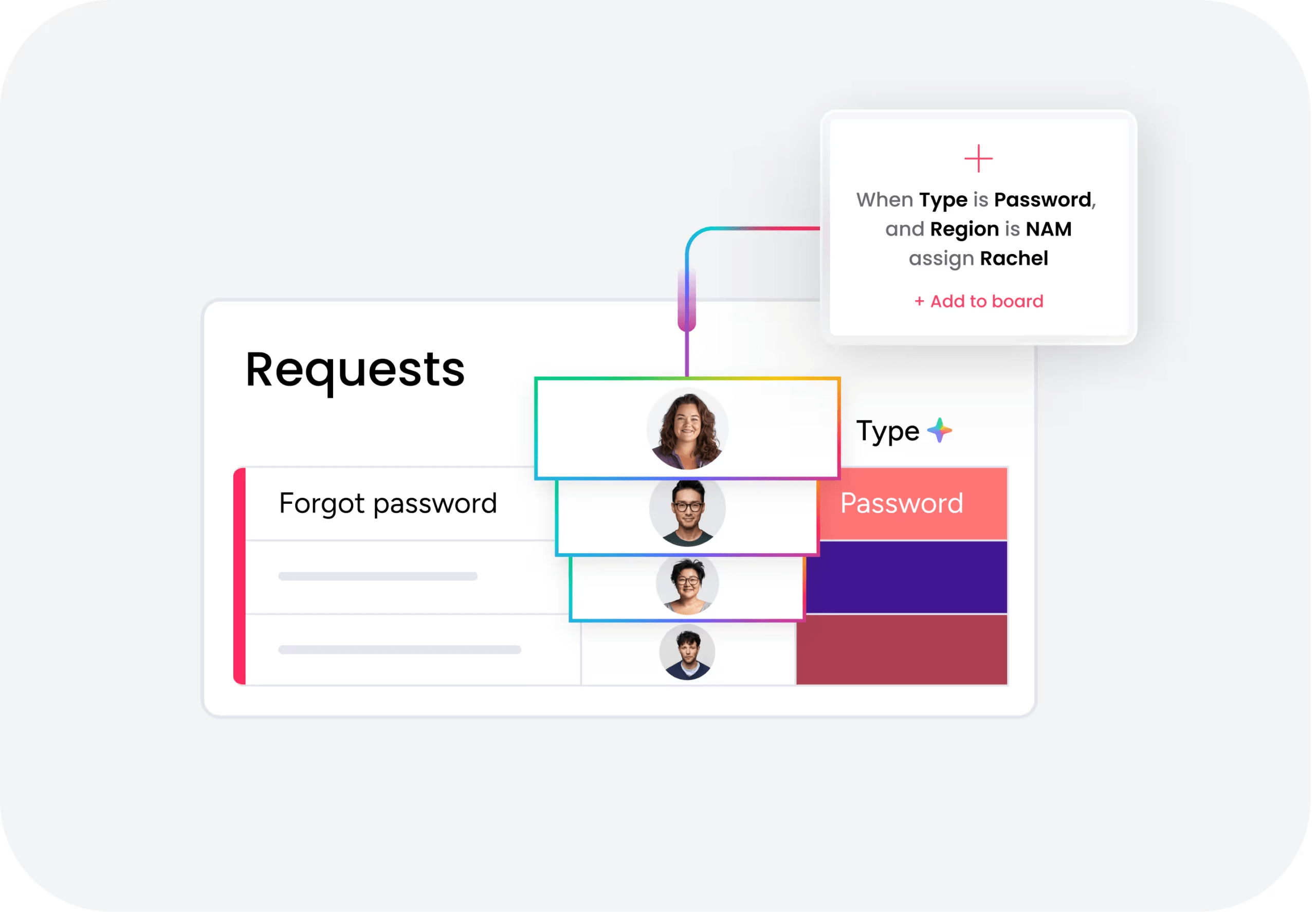
Complaint management software serves as a specialized playbook for handling high-stakes issues. Unlike a standard help desk that resolves everyday questions, these platforms are designed for formal grievances, safety concerns, and other matters requiring a documented, auditable process from start to finish.
The real advantage lies in recognizing that not all issues are equal. These systems automatically route sensitive matters to the right personnel, generate reliable audit trails, and ensure every action aligns with compliance standards.
A unified, streamlined system is the ultimate goal. By replacing scattered email threads and unorganized spreadsheets with a single view of every complaint, the process becomes seamless, improving team efficiency and building customer trust.
Leading complaint management platforms for 2026
Complaint management software shapes how your team handles pressure moments. It determines whether issues bounce between inboxes or move quickly to the right owner with clear accountability. It also decides how much visibility you gain into recurring problems and service gaps.
Some platforms emphasize enterprise governance and compliance. Others focus on fast deployment, collaboration, or AI-driven automation. A few go further by connecting complaint workflows to broader operational processes, so feedback drives real improvement instead of sitting in a queue.
Here are ten leading complaint management solutions for 2026 and a closer look at what sets each one apart.
1. monday service
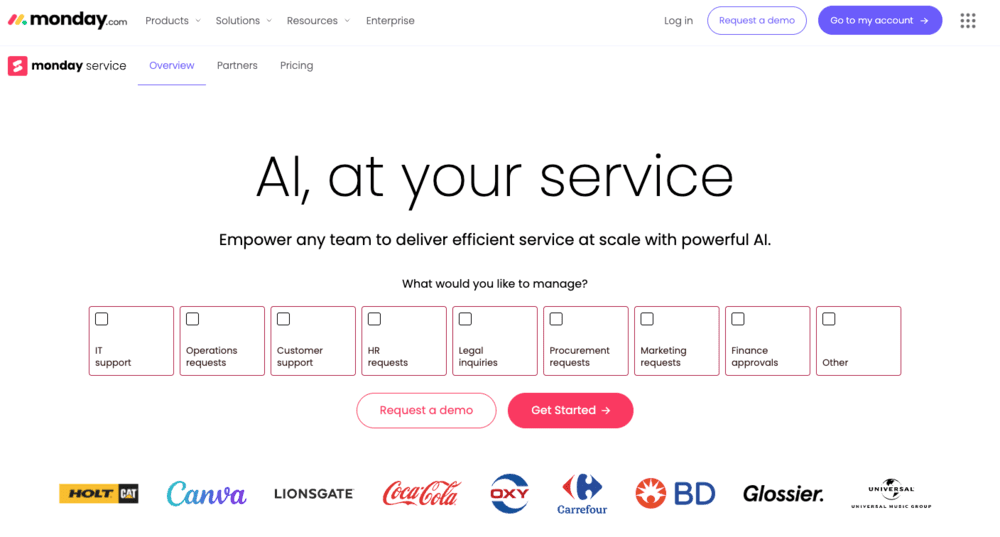
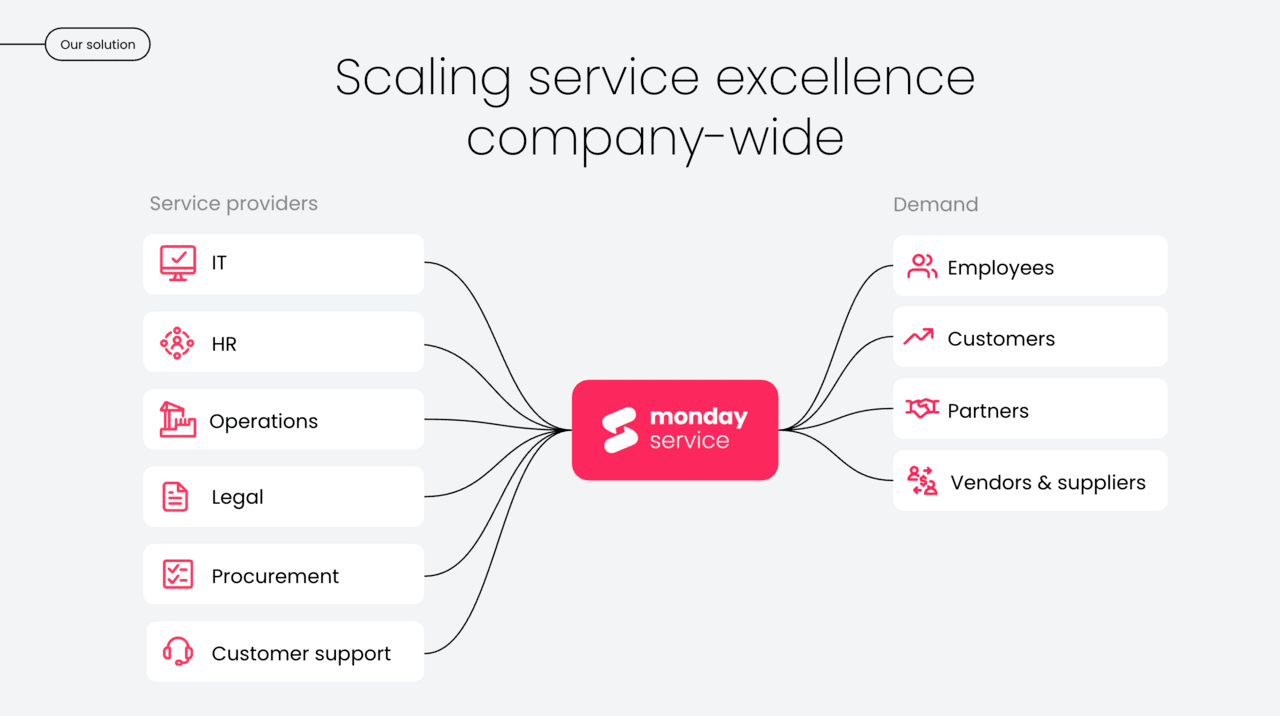
Through its intuitive, no-code platform, monday service shifts complaint management from reactive chaos into proactive customer success. Designed for service teams across diverse industries, from IT and HR to customer support, the platform merges visual workflow management with AI-powered automation, turning every complaint into an opportunity for improvement.
With real-time analytics and cross-departmental collaboration features, monday service ensures no customer concern is overlooked.
Use case:
monday service empowers organizations to streamline complaint resolution through customizable workflows that connect individual issues to broader business improvements, giving leaders visibility into how customer feedback drives organizational change.
Key features:
- Visual complaint tracking: Cse customizable boards that provide at-a-glance status updates and priority management.
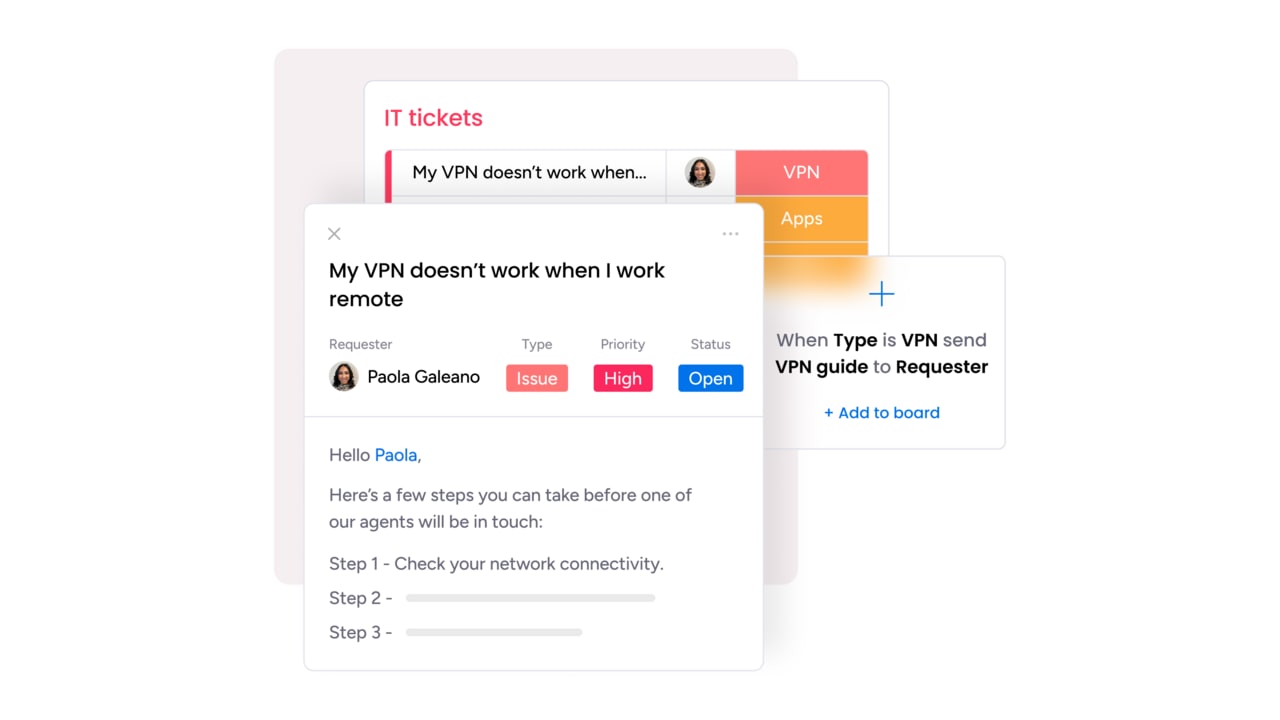
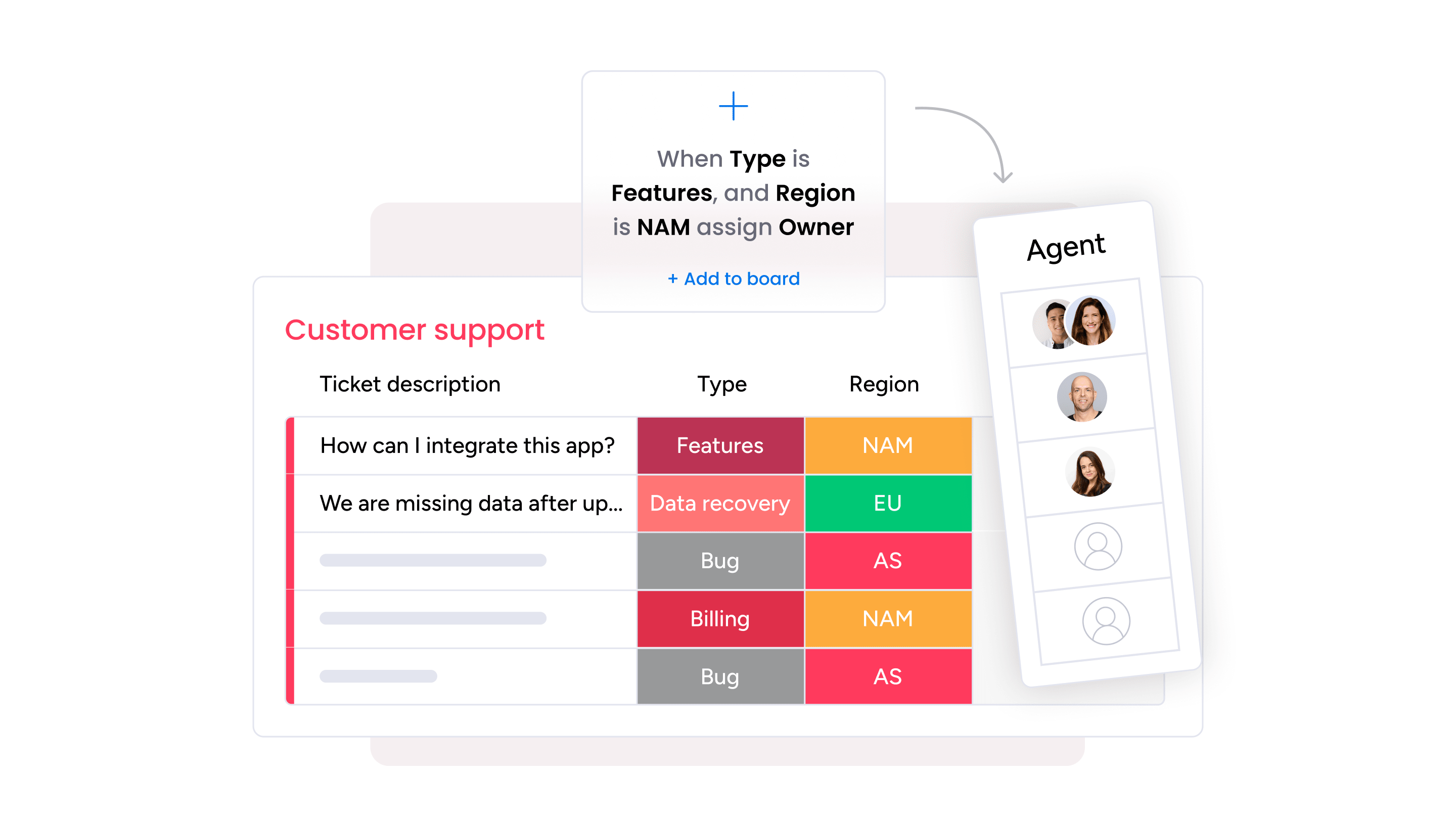
- AI-powered routing: Automatically assign complaints to the right team members based on urgency and expertise through AI-powered ticket routing and categorization.
- Cross-departmental collaboration tools: Break down silos and ensure complex complaints receive input from all relevant stakeholders.
Pricing:
- Standard plan: $30 per user/month, billed annually.
- Pro plan: Higher tier with advanced features and increased automation limits.
- Enterprise plan: Custom pricing with portfolio management, advanced governance, and 99.9% SLA.
- Annual billing: Offers approximately 18% discount across all plans.
- Automation and integration actions: Quota-based per account.
- AI credits: move to pay-as-you-go model at $0.01 per credit after initial grant.
Why it stands out:
- Template-driven deployment enables rapid setup tailored to industry best practices, getting teams operational in days rather than weeks.
- Unique ability to connect individual complaints to broader organizational initiatives, providing strategic visibility that transforms customer feedback into business intelligence.
- The comprehensive monday Work OS foundation allows seamless integration with existing business processes, from CRM systems to asset management, creating a unified view of customer relationships.
2. ServiceNow
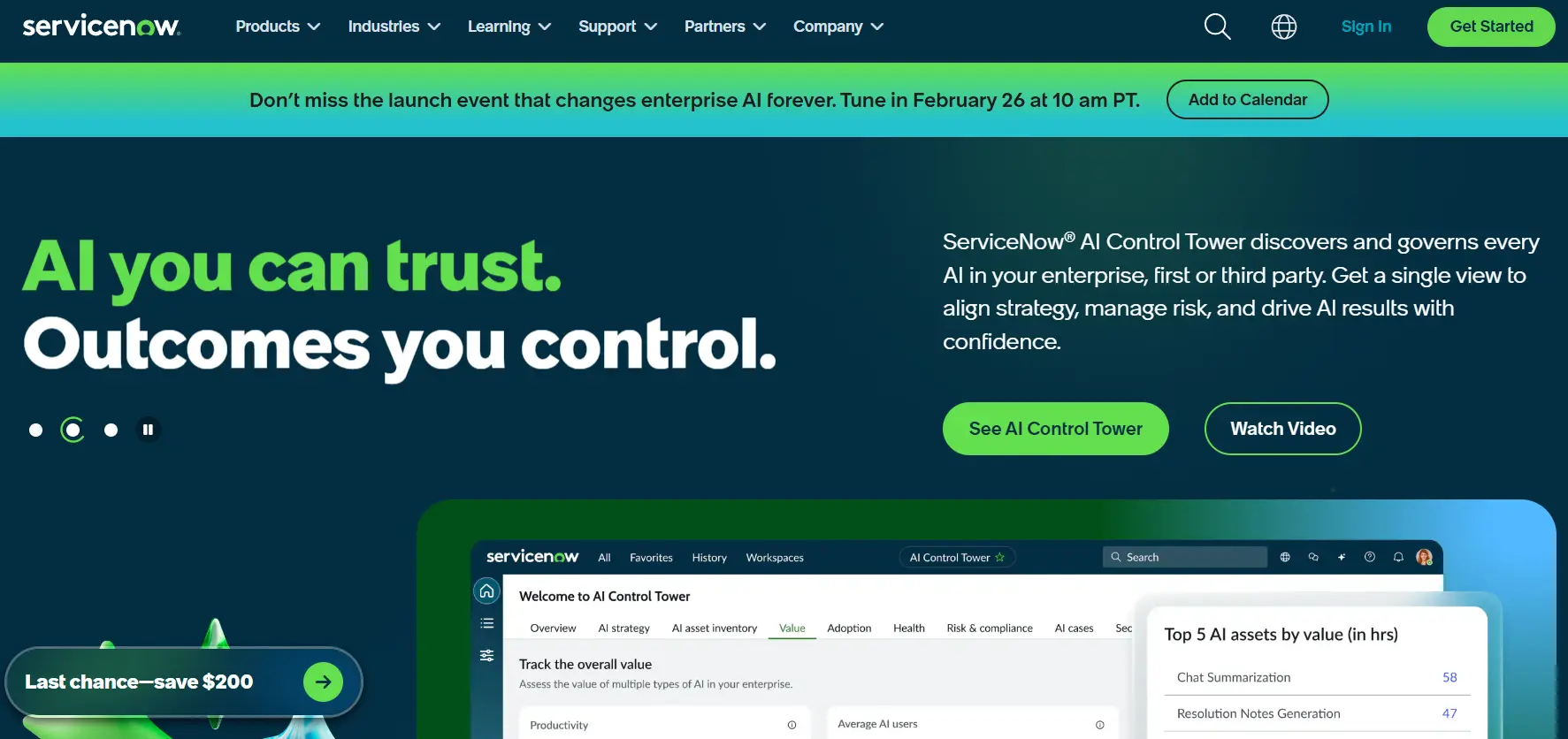
Enterprise-grade complaint management is the domain of ServiceNow, whose comprehensive AI platform offers robust automation and deep compliance controls for complex organizational needs. The platform excels in workflow orchestration and regulatory adherence, positioning it as an ideal solution for large enterprises in highly regulated industries where process standardization and audit trails are paramount.
Use case:
ServiceNow transforms complaint management for enterprise organizations by unifying AI, data, and workflows on a single platform that automates escalations, enforces audit trails, and integrates seamlessly with legacy systems.
Key features:
- Automated escalation workflows with built-in compliance controls and comprehensive audit trails.
- AI-powered workflow orchestration through the ServiceNow AI Platform with embedded AI agents.
- Enterprise-grade integration capabilities via Integration Hub and Workflow Data Fabric for zero-copy data connections.
Pricing:
- Custom enterprise pricing: Quote-based pricing starting around $100 per user per month.
- AI features: Requires Pro Plus or Enterprise Plus SKUs with metered “Assists” consumption.
- AI starter pack: Available with 25 Pro Plus users and pooled assists (contact sales for details).
Considerations:
- Significant implementation complexity and higher costs make it less accessible for smaller organizations with limited IT resources.
- Collaborative Work Management is relatively new (launched May 2024), with incremental feature rollouts still emerging.
3. Zendesk
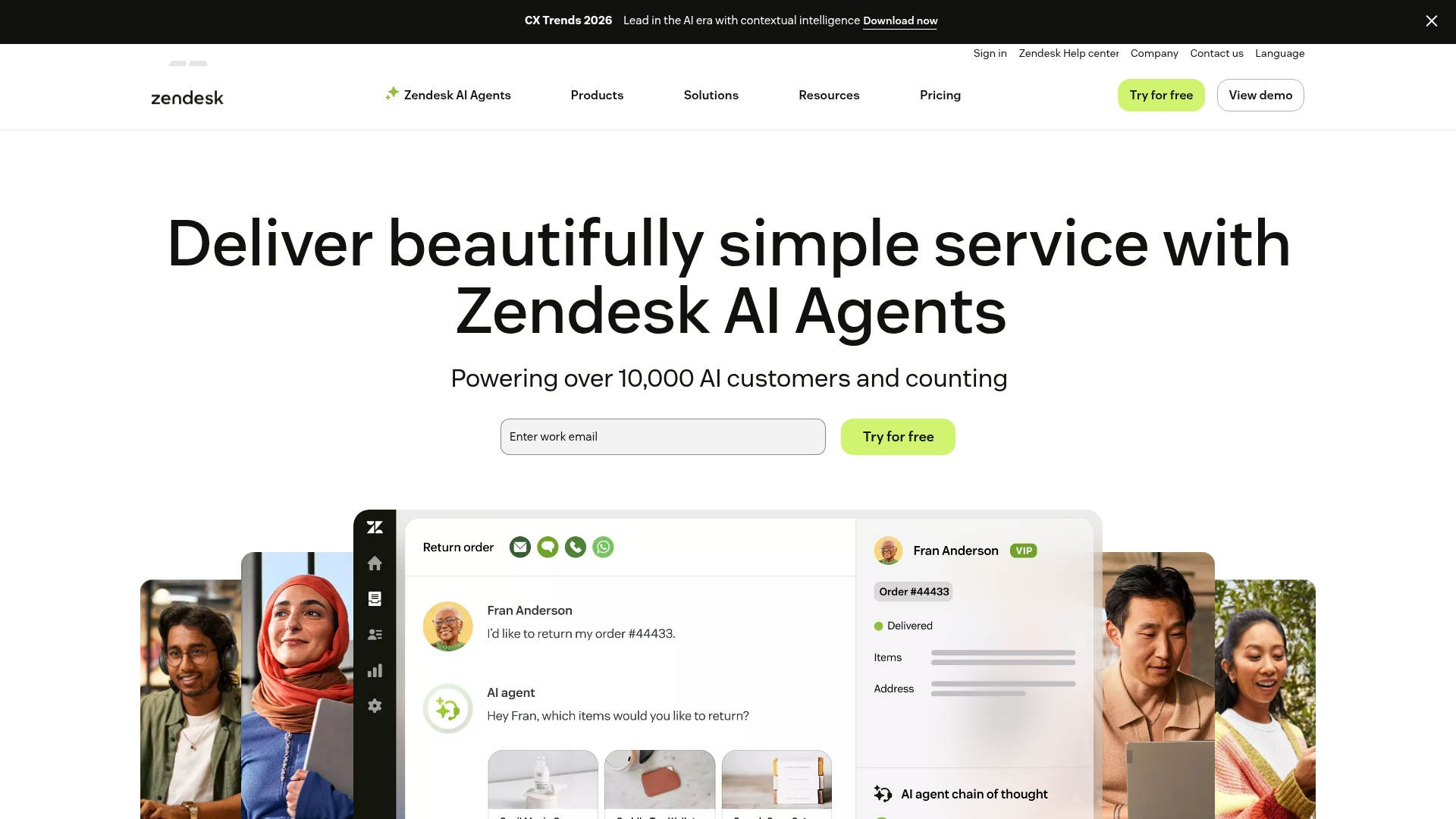
Known for its mature ticketing system and AI-powered Resolution Platform, Zendesk provides comprehensive complaint management with a focus on rapid deployment. The platform excels at multi-channel support and offers extensive integrations, making it a preferred choice for organizations that value user-friendly complaint resolution workflows and quick time-to-value.
Use case:
Zendesk streamlines complaint management for organizations prioritizing ease of use, omnichannel support, and quick time-to-value with built-in AI capabilities.
Key features:
- Omnichannel routing with AI-powered triage that automatically categorizes complaints by intent, sentiment, and priority for faster resolution.
- Quality assurance automation that evaluates 100% of customer interactions, including voice and AI agent conversations, with real-time coaching insights.
- Workforce Management with AI-based forecasting and automatic agent scheduling to optimize complaint handling capacity.
Pricing:
- Support team: $19/month per agent (billed annually).
- Suite team: $55/month per agent (billed annually)t
- Suite growth: $89/month per agent (billed annually).
- Suite professional: $115/month per agent (billed annually).
- Suite enterprise: Contact sales for pricing.
- Workforce management add-on: $25/month per agent.
- Quality assurance add-on: $35/month per agent.
- Copilot AI add-on: $50/month per agent.
- Annual billing: save 20% compared with monthly plans.
Considerations:
- Advanced workflow customization and compliance tracking capabilities may be limited compared to specialized complaint management platforms.
- Skills-based routing requires Enterprise tier or higher, potentially increasing costs for organizations needing sophisticated complaint categorization.
4. Jira service management
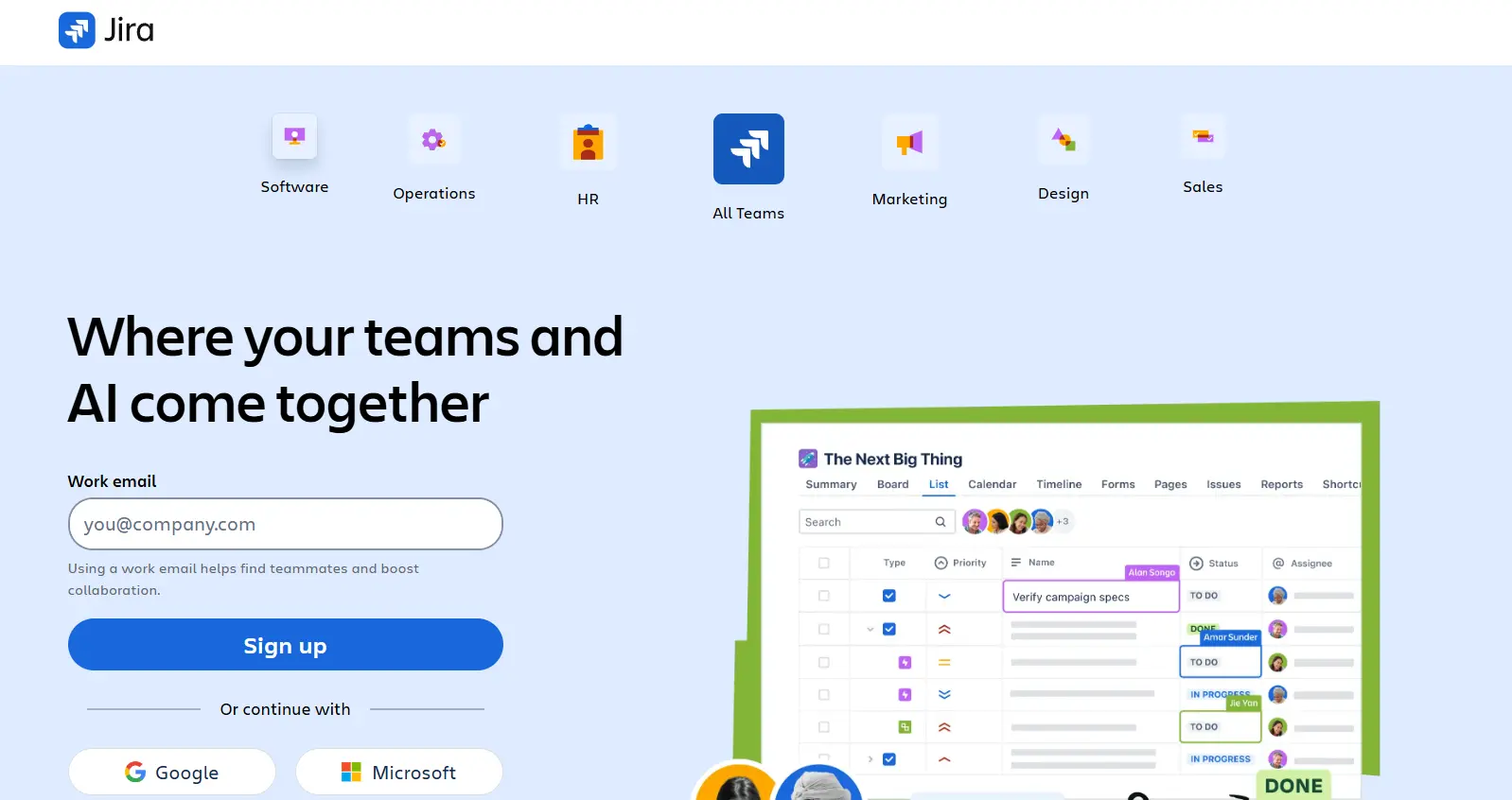
By bridging the gap between support and development workflows, Jira Service Management changes how technical teams handle complaints. It is built for organizations already invested in the Atlassian ecosystem and excels at managing complex, technical issues that demand deep collaboration between IT, development, and business teams.
Use case:
Jira Service Management is ideal for technical teams managing complex complaints that require seamless collaboration between support, engineering, and development teams to accelerate root cause analysis and resolution.
Key features:
- Deep integration with development workflows and incident management software for streamlined technical complaint resolution.
- Flexible issue types and automation rules that adapt to complex, technical complaint scenarios.
- ITIL-compatible practices with PinkVERIFY certification for standardized complaint management processes.
Pricing:
- Free: $0 for up to three agents, two GB storage, and community support.
- Standard: $20 per agent/month, includes 250 GB storage and nine-to-five regional support.
- Premium: $51.42 per agent/month, includes unlimited storage, 24/7 support, and 99.9% uptime SLA.
- Enterprise: Annual, quote-based pricing with 99.95% SLA and support for multiple sites.
- Annual billing: Provides up to 17% savings across all paid plans.
- Usage-based add-ons: Apply for Assets objects and Virtual Agent conversations beyond included allowances.
Considerations:
- The learning curve can be steep for non-technical users, potentially slowing adoption in mixed teams.
- Costs can escalate with AI features and Assets object counts beyond included limits, requiring careful monitoring of feature usage.
5. Freshservice
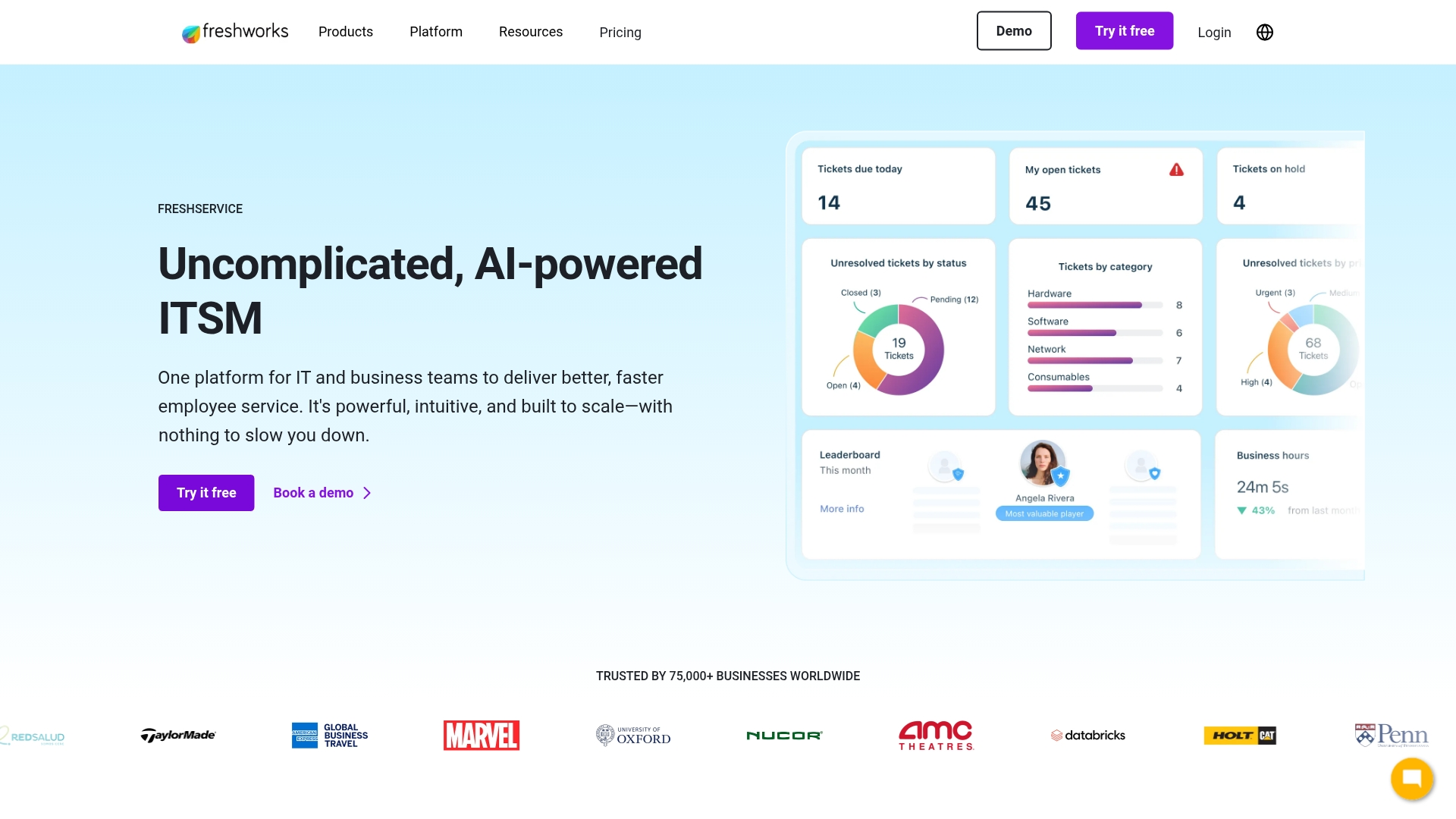
An intuitive, AI-powered platform from Freshservice delivers comprehensive IT and employee service management that simplifies complex service operations. The solution is aimed at mid-market companies and growing enterprises, offering transparent pricing and rapid deployment to make advanced service capabilities accessible without the complexity of traditional enterprise platforms.
With over 75,000 businesses worldwide and recognition as a Strong Performer in Forrester’s 2025 Enterprise Service Management Wave, Freshservice demonstrates that powerful service management can be straightforward.
Use case:
Freshservice excels at unifying IT service management with project management and workload balancing, reducing tool sprawl while connecting operational work to strategic project delivery across departments.
Key features:
- Freddy AI integration: Embedded AI across 40+ languages with native Slack and Microsoft Teams experiences for automated ticket deflection and faster resolution.
- Workspaces and cross-functional journeys: Secure, segmented environments for HR, finance, legal, and other departments with no-code workflow orchestration.
- Unified work management: Combines service desk operations with project portfolio management and workload balancing to optimize team capacity and delivery.
Pricing:
- Starter: $19/month per agent (billed annually).
- Growth: $49/month per agent (billed annually).
- Pro: $99/month per agent (billed annually).
- Enterprise: Quote-based pricing.
- Free trial: 14-day free trial available.
- Business teams standalone: $49/month per agent (billed annually).
Considerations:
- Workload Management features are only available on Pro and Enterprise plans, limiting capacity planning capabilities for smaller teams.
- Some advanced integrations require additional consumption-based transaction packs, which can increase costs for organizations with complex automation needs.
6. Salesforce service cloud
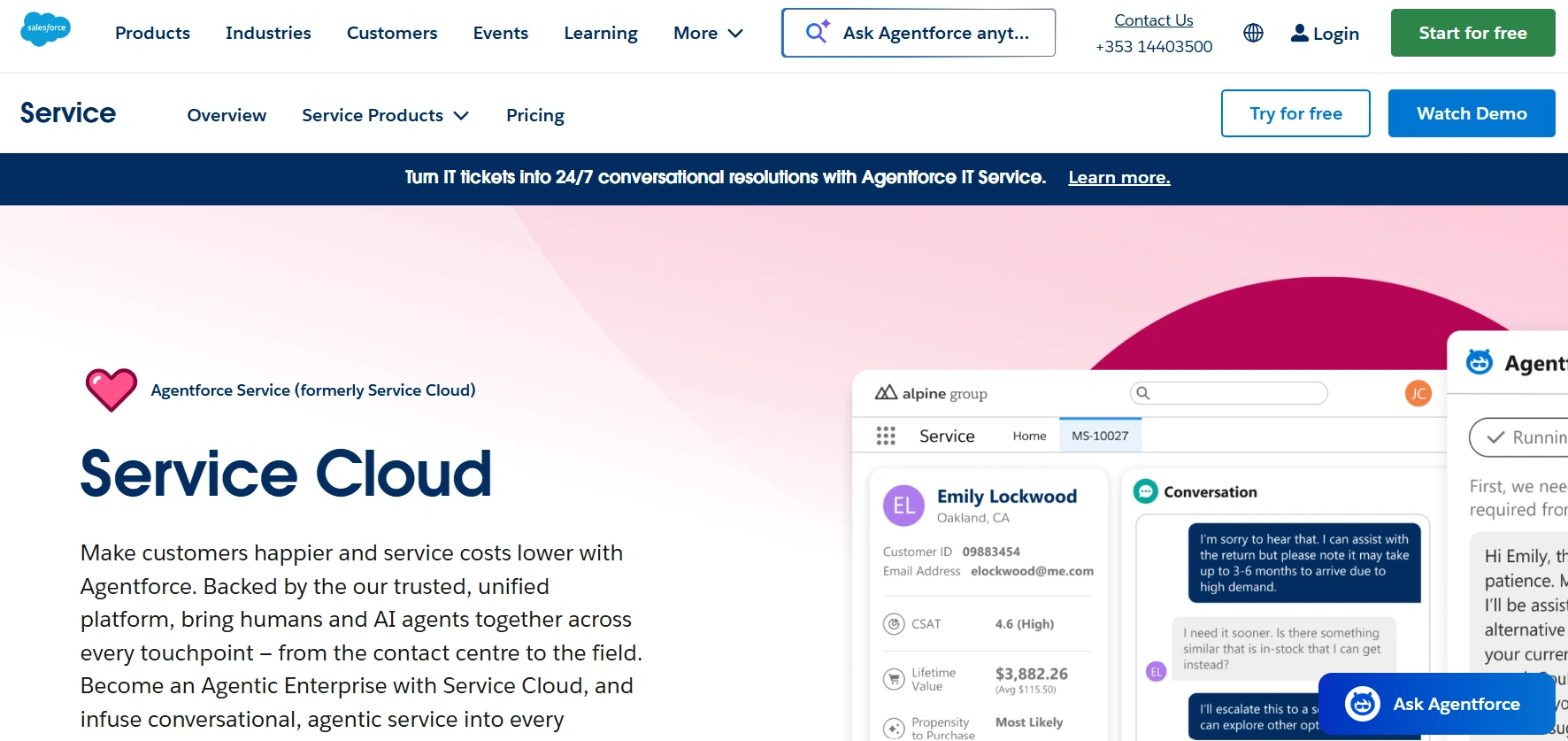
Unifying customer data with AI-powered insights to predict issues before they escalate is the core strength of Salesforce Service Cloud’s approach to complaint management. The platform excels at providing enterprise-scale organizations with a complete 360-degree view of every customer interaction across all touchpoints.
Built on the world’s leading CRM foundation, it seamlessly integrates complaint resolution with comprehensive relationship management.
Use case:
Salesforce Service Cloud delivers comprehensive complaint management through omnichannel routing, AI-powered case resolution, and deep CRM integration for enterprise organizations managing complex customer relationships at scale.
Key features:
- Omnichannel complaint routing that intelligently assigns cases from voice, chat, email, messaging, and social channels to the best-qualified agents based on skills and availability.
- AI-powered complaint trend prediction and personalized response generation through Einstein and Agentforce capabilities with built-in trust and governance controls.
- Slack-integrated case swarming that brings cross-functional experts together for complex complaint resolution while automatically capturing outcomes back to the CRM.
Pricing:
- Starter suite: $25/month (monthly or annual billing).
- Pro suite: $100/month (annual billing).
- Enterprise service: $175/month (annual billing).
- Unlimited service: $350/month (annual billing).
- Agentforce 1 service: $550/month (annual billing with unmetered AI usage).
- Additional add-ons: Available for Digital Engagement, Voice, Workforce Engagement, and field service.
Considerations:
- Complex implementation requiring dedicated Salesforce expertise and disciplined change management to configure routing, skills, and multi-product orchestration effectively.
- Dependency on multiple add-ons can increase solution sprawl and costs, particularly for advanced features like enhanced messaging, voice capabilities, and AI assistants.
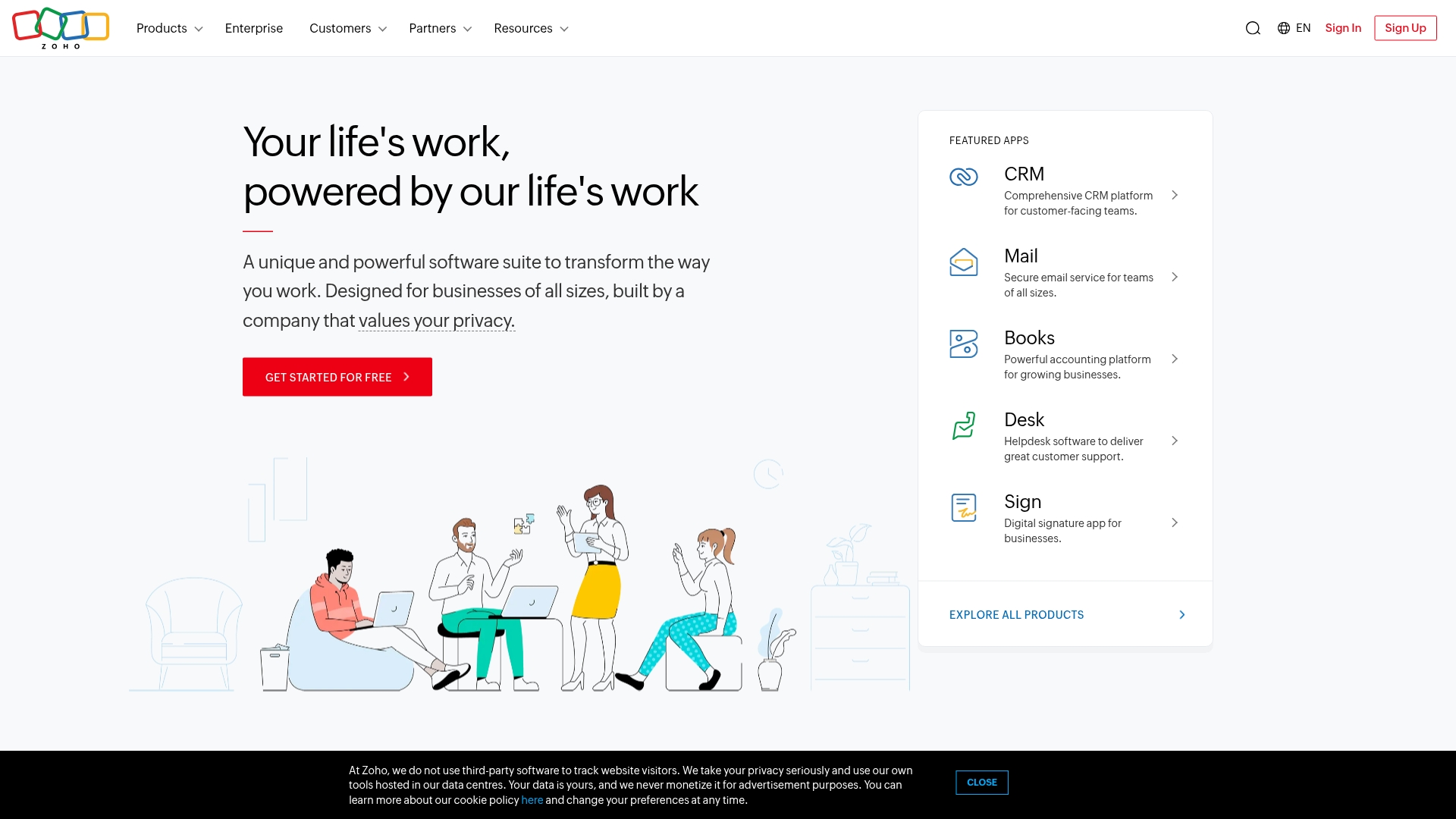
7. Zoho Desk
With its integrated ecosystem approach, Zoho Desk provides comprehensive complaint management by combining ticketing automation with powerful workflow orchestration. The platform excels at connecting complaint data across departments while maintaining cost-effective pricing that scales with growing teams.
Further, its visual Blueprint process builder ensures consistent complaint resolution paths, making it particularly valuable for organizations seeking structured, repeatable service delivery.
Use case:
Zoho Desk streamlines complaint management through automated workflows, multichannel support, and integrated CRM connectivity, making it ideal for small to medium businesses seeking comprehensive service delivery without enterprise-level complexity.
Key features:
- Visual Blueprint process builder that enforces consistent complaint resolution workflows and mandatory actions.
- Work Modes that organize agent workloads by priority, due time, and CRM context for focused complaint handling.
- Native AI assistance with Zia for sentiment analysis, auto-tagging, ticket summaries, and knowledge base suggestions.
Pricing:
- Free: Three agents with basic email ticketing.
- Express: Micro business essentials including email, social, and web forms.
- Standard: Adds messaging, community forum, knowledge base, Work Modes, and custom reports.
- Professional: Includes telephony, Blueprint, multi-department support, and webhook integrations.
- Enterprise: Features Zia AI, Answer Bot, AI Agents, skills-based routing, and multi-brand help centers.
- Annual savings: Prepay annually to save up to 34%.
- Additional costs: Optional paid support plans and marketplace extensions may apply.
Considerations:
- Advanced features like Blueprint and AI capabilities are gated behind higher-tier plans, potentially limiting smaller teams.
- Time tracking functionality has been noted by some users as requiring manual configuration and can feel cumbersome without proper setup.
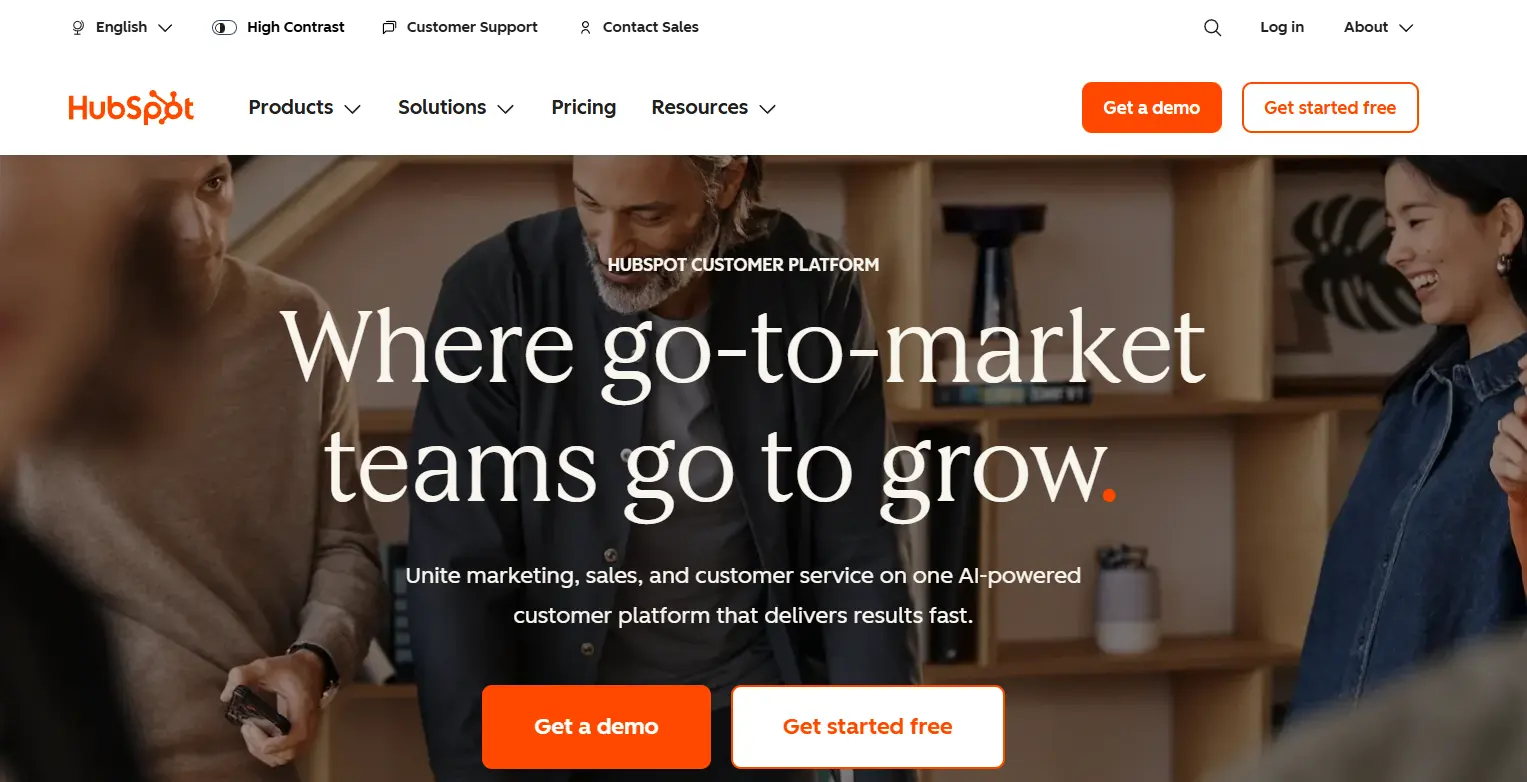
8. HubSpot service hub
By connecting every customer interaction to your complete business context, HubSpot Service Hub redefines complaint management. The platform unifies complaint handling with marketing and sales data, giving teams a 360-degree view of each customer relationship.
This integrated approach makes it an excellent choice for growing businesses aiming to convert complaints into opportunities for stronger customer engagement.
Use case:
HubSpot Service Hub centralizes complaint management within a unified customer platform, enabling teams to resolve issues faster while maintaining complete visibility into customer relationships across marketing, sales, and service touchpoints.
Key features:
- Omnichannel help desk workspace that routes complaints from email, chat, WhatsApp, and phone calls into one unified queue with smart prioritization.
- AI-powered Breeze agents that automatically categorize complaints, suggest responses, and deflect routine issues through self-service options.
- Built-in SLA management with configurable timers and escalation workflows that ensure complaints meet resolution targets.
Pricing:
- Starter: $20/seat/month.
- Professional: $100/seat/month.
- Enterprise: $150/seat/month (requires $3,500 onboarding fee).
- Additional costs: Calling minutes ($50 per 1,000 minutes/month) and extra phone numbers ($25 for five numbers/month).
Considerations:
- The Help Desk workspace is fully accessible on desktop, allowing agents to manage complaints from a centralized command center.
- SLA tracking only works for conversations with associated tickets sent through team inboxes, which can create gaps in complaint monitoring.
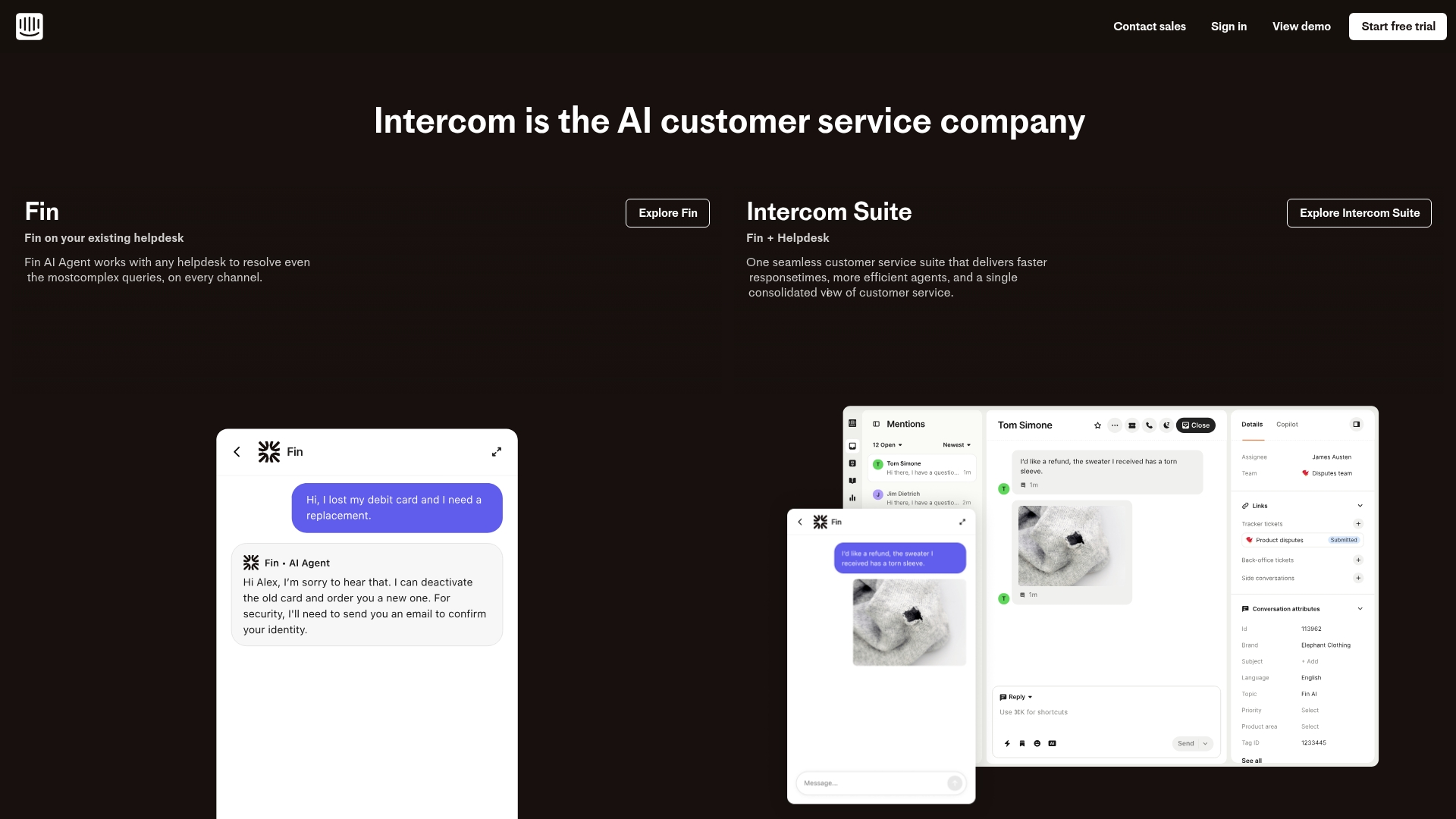
9. Intercom
Conversational AI and real-time messaging are at the heart of Intercom’s approach, which aims to turn frustrated customers into loyal advocates. The platform specializes in proactive engagement and intelligent automation, making it ideal for businesses that want to resolve complaints before they escalate.
With AI-powered response suggestions and seamless omnichannel support, Intercom helps teams anticipate customer issues rather than merely reacting to them.
Use case:
Intercom excels at turning complaint management into relationship-building opportunities through conversational support and AI-driven insights that help teams understand customer sentiment and resolve issues faster.
Key features:
- Fin AI Agent automatically handles routine complaints with 24/7 availability and resolution-based pricing.
- Visual Workflows builder creates omnichannel automation for complaint routing, escalation, and follow-up across chat, email, phone, and social media.
- Real-time capacity management and balanced assignment prevent agent overload while maintaining fast response times.
Pricing:
- Essential: $39 per seat monthly or $29 per seat annually.
- Advanced: $99 per seat monthly or $85 per seat annually; includes Workflows and advanced automation.
- Expert: $139 per seat monthly or $132 per seat annually; adds SSO, HIPAA support, and workload management.
- Fin AI agent: $0.99 per resolution with a 50-resolution monthly minimum.
- Copilot: unlimited usage at $35 per agent monthly or $29 per agent annually.
- Additional channels: Usage-based pricing applies for phone, SMS, and WhatsApp.
Considerations:
- Pricing can become unpredictable with high complaint volumes due to usage-based charges for AI resolutions and communication channels.
- Advanced complaint management features like Workflows and capacity controls require higher-tier plans, limiting accessibility for smaller teams.
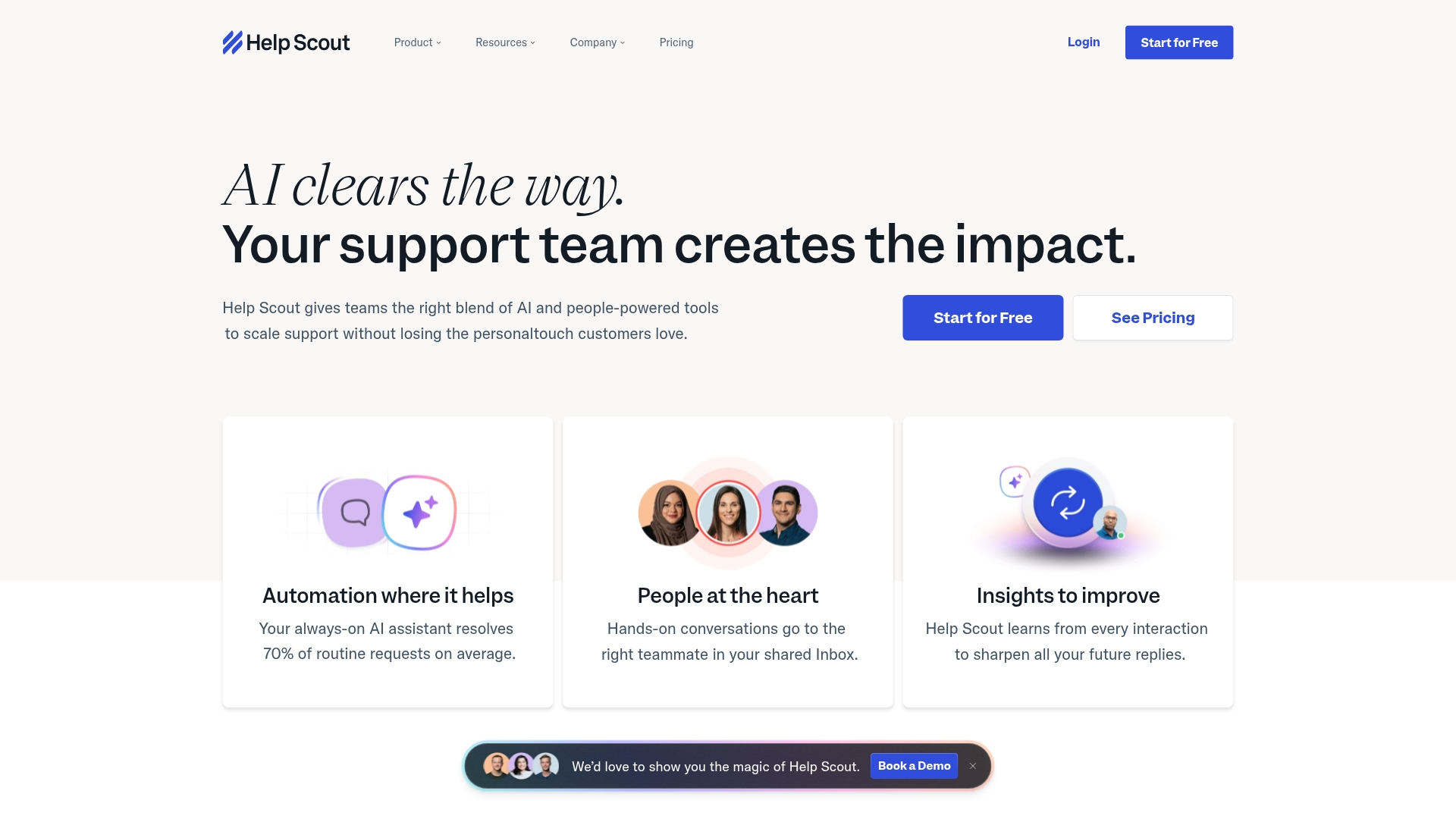
10. Help Scout
Help Scout fosters meaningful relationships through its email-centric complaint management platform. The system specializes in conversation-first support over traditional ticketing, making it a strong fit for small to medium businesses that prioritize treating customers as individuals rather than ticket numbers.
Use case:
Help Scout delivers people-first complaint management through collaborative inboxes and AI-powered features that help teams resolve issues faster while maintaining personal connections with customers.
Key features:
- Shared inbox that unifies email, chat, and social channels with automatic routing and team collaboration tools.
- Built-in AI features including AI Drafts, AI Summarize, and AI Answers chatbot for faster resolution and deflection.
- Comprehensive self-service options with knowledge base, proactive messaging, and customer context integration.
Pricing:
- Free: $0 (1 shared inbox, up to five users, 100 contacts/month).
- Standard: $25/user/month (multiple inboxes, basic workflows, AI Assist included).
- Plus: $45/user/month (advanced workflows, unlimited AI Drafts, round-robin routing).
- Pro: $75/user/month (unlimited workflows, SSO/SAML, HIPAA option, dedicated support).
- AI answers add-on: $0.75 per AI resolution (three-month free trial available).
- Annual billing: Provides 16% discount across all paid plans.
Considerations:
- Telephony and SMS capabilities require third-party integrations rather than native functionality.
- Live chat has limitations with single assignee per chat and five minute timeout before converting to email.

"Our team LOVES the monday service platform and we’re already exploring how we could incorporate it for other departments, too. It has streamlined our workflow in a way that both our team and customers appreciate."
Andrew Marshall | VP Operations
״monday service provides clear insights into requests volume and types, response times, and trends - helping us continuously improve operations"
Grant De Waal-Dubla | CIO
"The biggest value for us is speed and flexibility. You can get up and running in days, change anything instantly, and see everything in real time. And you don’t need a dedicated admin to do it."
Clive Camilleri | Head of People Tech & OperationsEssential features of complaint management systems
When complaints arrive from multiple channels, preventing issues from falling through the cracks becomes a significant challenge. An effective complaint management system does more than aggregate tickets; it converts that chaotic input into a clear, unified signal for your team.
The goal is to shift from a state of constant reaction to one of proactive improvement, leveraging every complaint as an opportunity to enhance operations.
Multi-channel complaint collection
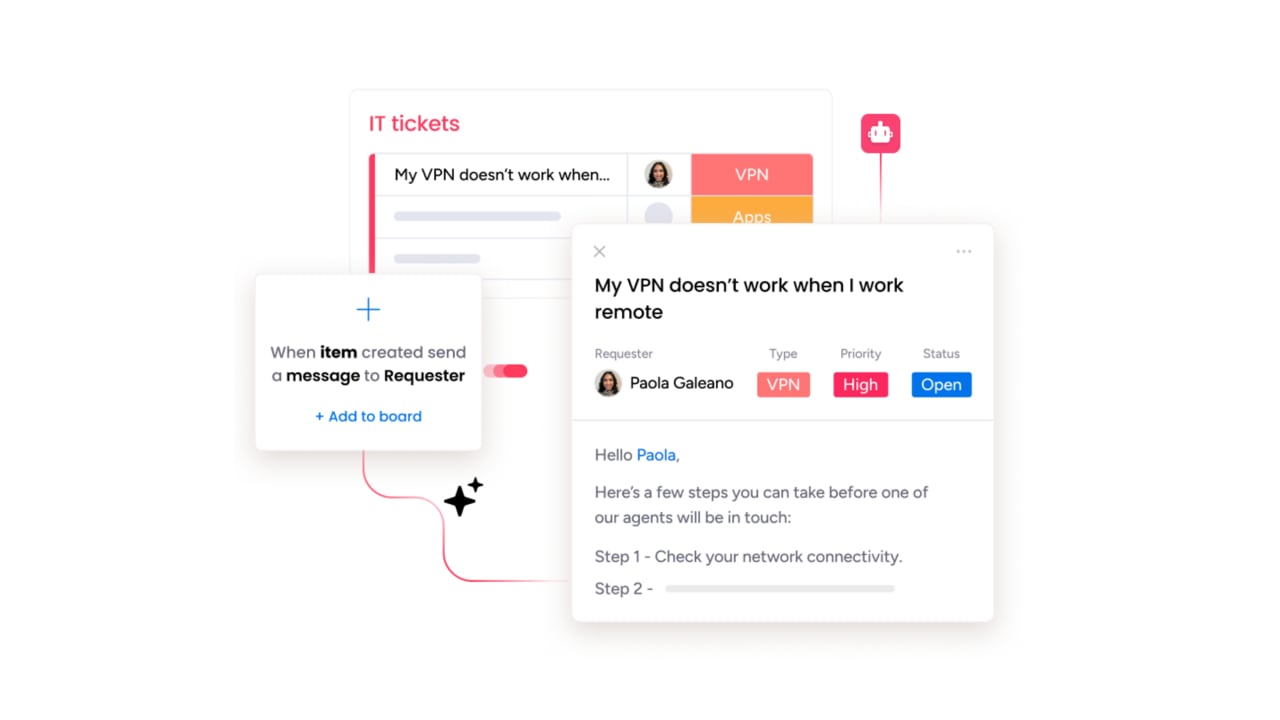
In 2026, teams should not spend time tracking complaints across email, social media, and phone logs. An integrated system brings every issue together in one central hub, ensuring no complaint is lost.
With intelligent solutions like monday service, your team accesses a single source of truth for all complaints. This consolidation reduces time spent searching for information and allows agents to focus on resolving customer issues efficiently.
AI-powered ticket routing and auto-categorization
Intelligent routing ensures complaints reach the right person immediately, without manual intervention. AI-driven categorization reads, prioritizes, and directs tickets automatically, functioning as a traffic controller for your service operations.
The AI copilot feature that’s been developed on modern platforms like monday service escalates urgent matters while automating routine tasks. It learns from each interaction, improving workflows over time and helping teams resolve issues faster.
Real-time analytics dashboards
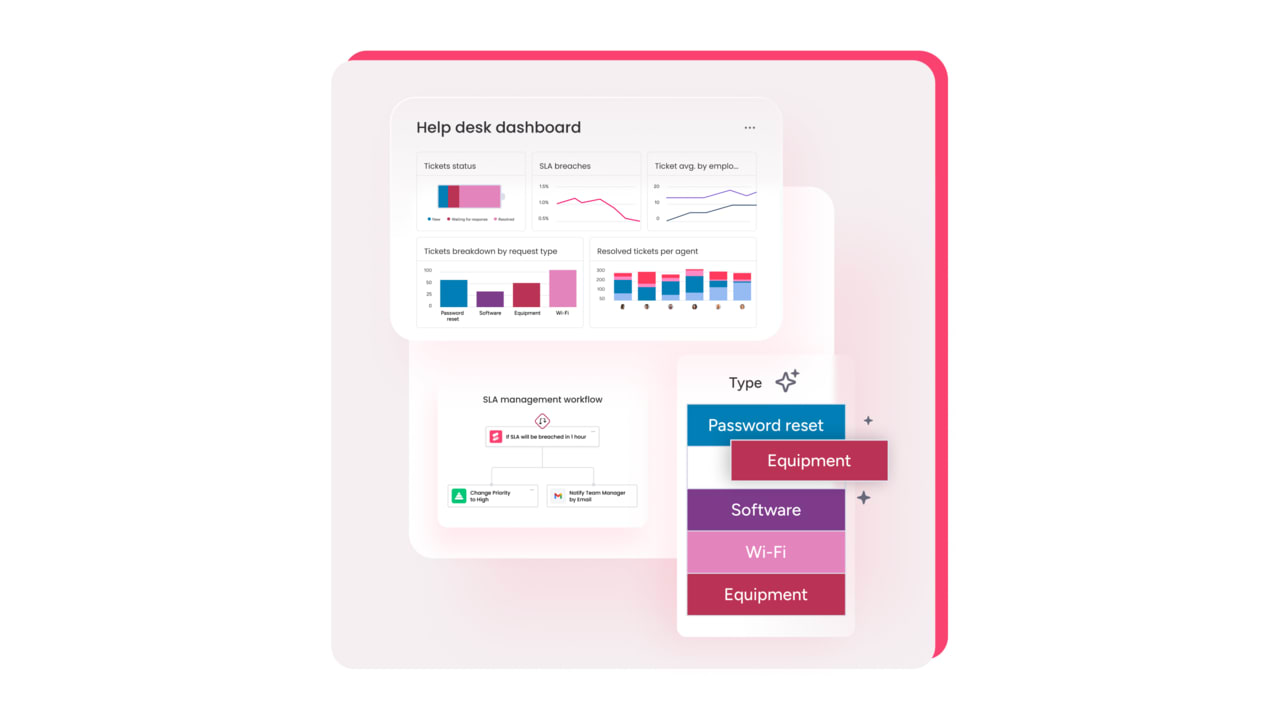
Without clear service metrics, teams risk inefficiency and customer dissatisfaction. Real-time dashboards offer a transparent view of performance, highlighting trends and bottlenecks before they escalate.
Using intuitive solutions like monday service, raw data transforms into simple visual narratives that reveal root causes, not just symptoms. Teams gain actionable insights, enabling proactive service improvements and enhanced operational clarity.
Key benefits of complaint management solutions
Handling complaints well is not just about resolving individual cases. It is about building systems that protect customer trust, surface operational gaps, and help teams improve continuously. When complaints are structured, visible, and measurable, they become one of your most valuable sources of feedback.
Below are the core benefits organizations see when they implement a dedicated complaint management platform.
1. Faster resolution times
When complaints arrive through multiple channels, delays often come from confusion rather than complexity. Who owns this issue? Has someone already responded? Is it urgent?
A centralized system removes that friction. Automatic routing, clear ownership, and SLA tracking ensure every complaint moves forward without manual coordination. Teams spend less time triaging and more time resolving.
2. Clear accountability and audit trails
Formal complaints often require documentation. Without a structured system, tracking who did what and when becomes difficult.
Complaint management platforms create complete, time-stamped records of every action, comment, and status change. This supports compliance requirements, reduces risk, and makes internal reviews far more straightforward.
3. Consistent service standards
When resolution processes vary by agent or department, customer experience becomes inconsistent. Structured workflows enforce standardized steps for intake, escalation, and closure.
Templates, approval flows, and required fields ensure every complaint follows the same path. That consistency strengthens trust and protects your brand during high-stakes situations.
4. Cross-functional collaboration
Complex complaints rarely sit within one team. They may involve support, operations, legal, finance, or product.
A shared digital workspace allows stakeholders to collaborate in real time without endless email threads. Everyone works from the same information, reducing duplication and accelerating decision-making.
5. Actionable insights from complaint data
Individual complaints matter. Patterns matter more.
Real-time dashboards and reporting tools highlight recurring themes, root causes, and bottlenecks. Instead of reacting to one issue at a time, leadership can address systemic problems that generate repeated complaints.
6. Reduced manual work through automation
Repetitive administrative tasks slow teams down. Manual categorization, follow-ups, and status updates consume time that could be spent solving complex issues.
Automation handles routine steps automatically. AI can categorize tickets, flag sentiment, trigger escalations, and even suggest responses. This frees agents to focus on high-value interactions that require judgment and empathy.
Complaint management software pricing models
Pricing can look simple on the surface, but the structure behind it makes a big difference. A low per-seat cost does not always mean lower total spend, especially once automation, AI features, and add-ons come into play.
Most platforms use one of three common models:
Per-agent pricing
You pay a fixed monthly or annual fee for each agent. This works well for stable team sizes, but costs increase directly as more departments need access. Always check which features are included in each tier, since advanced routing or reporting may sit behind higher plans.
Tiered plans
Vendors often offer Starter, Professional, and Enterprise tiers with increasing functionality. This gives room to scale, but essential complaint workflows, compliance controls, or AI tools may only be available in upper tiers.
Usage-based or AI consumption pricing
Some platforms charge based on automation actions, AI resolutions, or credit usage. This can be cost-efficient at low volumes, but unpredictable if complaint traffic fluctuates.
Beyond the pricing model itself, look at total cost of ownership. Implementation effort, integrations, training, and scalability often matter more than the headline price.
How to select the right complaint management platform
hoosing a complaint management platform is not just about comparing feature lists. It is about giving your team a system they will actually rely on when pressure is high. The platform should scale as your organization grows, integrate with the tools you already use, and make daily workflows feel simpler, not heavier.
Strong solutions connect every stage of the process, from intake to resolution, in one clear environment. Instead of adding another disconnected layer of software, they bring structure, visibility, and accountability into a single workflow. The result is faster resolution, clearer collaboration, and fewer issues slipping through the cracks.
A thoughtful evaluation process makes the difference. Product demos and trials reveal how the platform performs in real scenarios, not just in marketing materials. When you test against your actual workflows, you can choose a solution that turns complaints into meaningful operational improvements rather than just another queue to manage.
Getting started: your game plan for success
Rolling out a new complaint management platform can feel like a big move. It affects workflows, habits, and how teams handle high-pressure situations. That is why implementation works best when it is broken into clear, manageable stages instead of treated like a single launch moment.
When you approach it step by step, you reduce disruption and build confidence along the way. Early wins create momentum, and teams start to see value before the rollout is even complete.
Here is a simple framework to guide the process from planning to full adoption.
Step 1: Planning and prep (weeks one to two)
This phase focuses on strategy before execution. Map current workflows and align on key objectives. Assign roles and anticipate potential roadblocks to ensure a smooth rollout.
Securing alignment across teams, from frontline agents to leadership, makes adoption natural rather than imposed. Recognize your team’s existing strengths, successful change builds on what already works.
Phase 2: Configuration and customization (weeks three to six)
Set up your platform as a custom command center, configuring workflows and integrations to match your operations. Running it alongside your current system ensures no disruption to service.
Team members can build and adjust processes using a no-code, drag-and-drop builder, eliminating reliance on IT. Thorough testing ensures workflows run smoothly before going live.
Phase 3: Training and rollout (weeks seven to eight)
Prepare teams with role-specific training, from ticket shortcuts for agents to dashboards for managers. Begin with select teams to create internal champions who guide the wider launch.
Clear communication keeps everyone informed and celebrates early wins. Support is available for questions, and initial feedback refines the full rollout.
Phase 4: Optimization and scaling (weeks 9-12+)
Leverage real-time analytics to identify successes and areas for improvement. Key metrics, such as resolution times and adoption rates, demonstrate the platform’s impact.
Continuous improvement becomes part of the team culture. By streamlining and automating workflows, implementation evolves from a one-time setup into a long-term journey toward service excellence.
Emerging trends in complaint management technology
Complaint management is evolving quickly. What used to be a reactive tracking system is becoming a proactive intelligence layer across the organization. The shift is not just about faster ticket handling. It is about using complaint data to prevent problems before they happen.
One major trend is no-code customization. Service leaders no longer need to rely on developers to adjust workflows. Teams can modify forms, escalation paths, and approval steps themselves, which keeps processes aligned with real-world needs as they change.
AI is also moving beyond basic automation. Sentiment analysis, predictive routing, and trend detection now help teams identify patterns early. Instead of waiting for repeat complaints, organizations can spot signals and address root causes sooner.
Another important shift is deeper cross-functional visibility. Complaint data is no longer siloed within support teams. Product, operations, legal, and leadership can all access shared dashboards, making it easier to resolve complex issues and prevent them from resurfacing.
As these capabilities mature, complaint management is becoming less about tracking problems and more about strengthening the systems behind them.
How monday service is leading the way in modern complaint management
Many teams face the frustration of complaint systems that feel siloed and outdated, forcing them to switch between multiple platforms to resolve a single issue. Modern digital workspaces like monday service eliminate this friction by centralizing all complaints, workflows, and team collaboration in one intuitive platform.
This approach connects every moving part of your operation and provides the visibility required for efficient complaint management.
What sets this solution apart is its ability to turn complaints from isolated tickets into opportunities for improvement. By linking issues directly to broader business objectives, teams gain a strategic view of recurring challenges, resolve issues faster, and leverage customer feedback to inform meaningful changes.
Getting started is straightforward. With no-code workflow tools and intelligent AI automations, teams can build tailored processes in minutes rather than months. This empowers teams to deliver exceptional service without the technical complexities often associated with software implementation.
Frequently asked questions
How long does complaint management software implementation take?
The time it takes for complaint management software implementation can vary, but while traditional rollouts can take weeks, monday service's no-code platform and templates get most teams operational in just a few days. Our intuitive design means you start resolving issues and seeing value almost immediately.
Can complaint management systems integrate with existing CRM platforms?
Yes, monday service integrates seamlessly with popular CRMs like Salesforce and HubSpot through our open API. This provides your team with a complete, unified customer view to resolve complaints faster.
What's the difference between cloud-based and on-premise complaint solutions?
Cloud-based solutions are hosted online for easy access and scalability, while on-premise solutions are installed locally, requiring dedicated IT management. monday service is a cloud-based platform, offering superior flexibility and lower overhead for modern teams.
How do you migrate data from current complaint tracking systems?
We simplify data migration with guided import tools and dedicated support to map and transfer your records from legacy systems. Our process ensures a smooth transition with complete data integrity.
What training is needed for complaint management software adoption?
Minimal training is required due to monday service's highly intuitive design and built-in tutorials. Most users become proficient within hours, allowing your team to adopt the platform and improve service delivery quickly.
Is complaint management software cost-effective for small businesses?
Absolutely, its automation and AI-powered features deliver significant ROI by helping smaller teams accomplish more with fewer resources. monday service offers flexible pricing, making enterprise-grade tools accessible as your business grows.

 Get started