


Your marketing team launched three campaigns last quarter. One exceeded expectations, one fell flat, and one delivered mediocre results. Sound familiar? Most marketing teams face this same reality — inconsistent outcomes despite solid effort and decent budgets. The difference between breakthrough success and disappointing results often comes down to having a marketing strategy that connects every campaign, channel, and decision to measurable business outcomes.
A marketing strategy is the backbone of your growth plan — it connects who you’re targeting, what you’re offering, and which channels will drive your strongest returns. It defines who you’ll serve, how you’ll position your value, and which channels will drive the strongest returns. This strategic foundation keeps teams aligned when priorities shift, helps you allocate resources wisely, and ensures every marketing investment works toward specific, measurable goals.
Take a few minutes and explore our guide as you’ll discover what makes marketing strategies actually work in 2026 — everything from smart market research and audience targeting to channel selection and measuring what matters.
We’ll also shine a light on proven strategic frameworks, show you how AI enhances strategic execution, and demonstrate how a unified work management platform can help teams turn strategic vision into coordinated action that drives real business growth.
Key takeaways
- Build strategy before tactics: define your target audience, value proposition, and competitive positioning first. Without strategic foundation, marketing becomes scattered activity that wastes resources and fails to drive growth.
- Connect strategy to execution with unified systems: monday work management bridges the gap between strategic planning and daily work by automating workflows, tracking performance, and keeping teams aligned on shared objectives.
- Focus on outcomes, not activities: measure marketing success through revenue contribution, customer acquisition cost, and market share growth. Activity metrics like email opens matter less than business impact metrics.
- Integrate channels for compound returns: coordinate content, paid media, email, and events so each channel reinforces the others. Integrated approaches multiply impact rather than creating isolated campaigns.
- Use AI to accelerate decision-making: leverage predictive analytics and automated optimization to identify trends, personalize experiences, and adjust campaigns faster than manual analysis allows.
What is a marketing strategy?
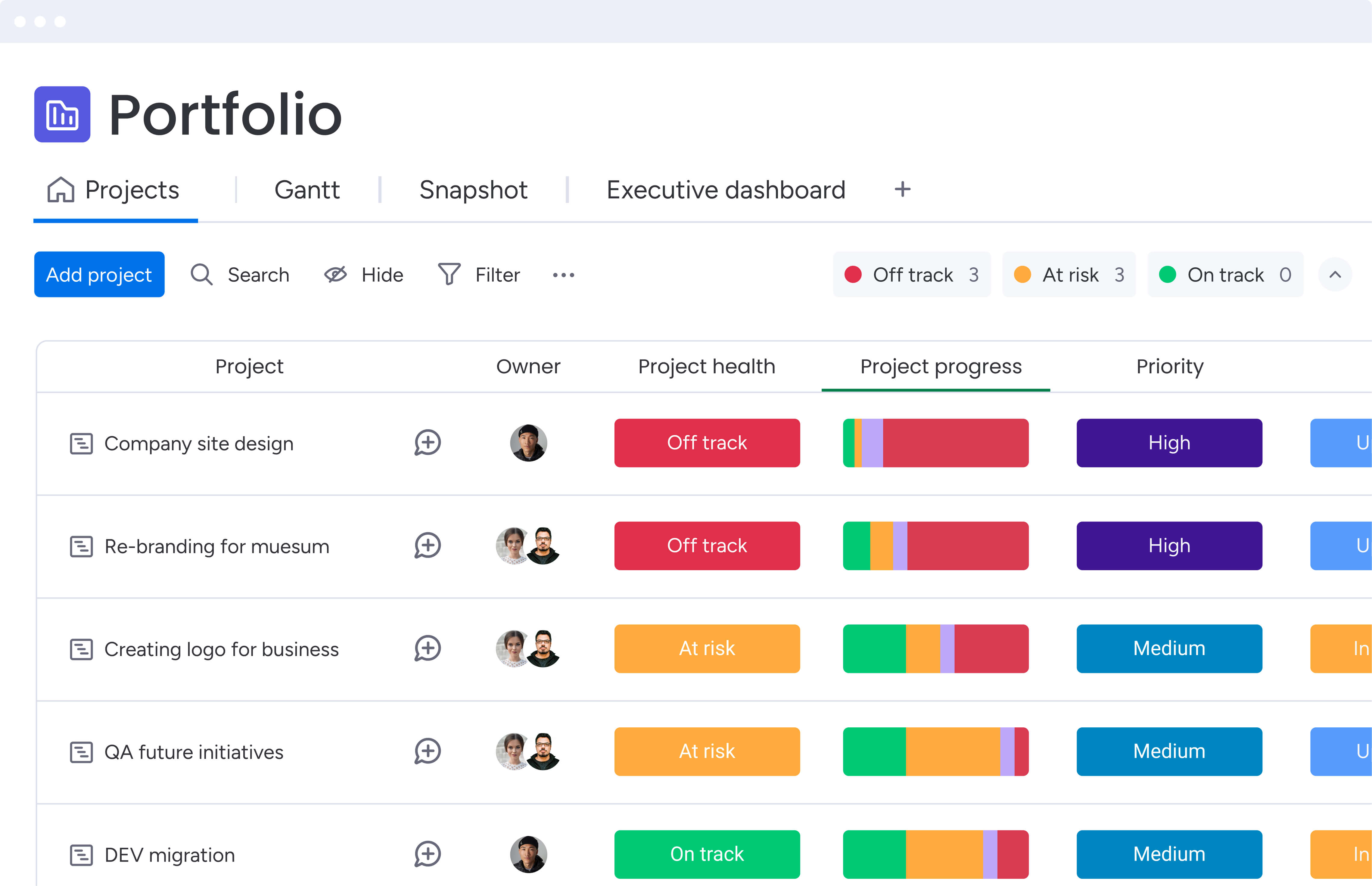
A marketing strategy is your organization’s long-term framework for reaching target audiences and achieving business objectives through coordinated marketing activities. It defines who you’ll serve, how you’ll position your offering, and which channels you’ll use to connect with customers. This strategic foundation guides every marketing decision, from campaign development to budget allocation.
It’s critical to get organized when it comes to your marketing strategy.
In fact, organized marketers are 397% more likely to report success, and goal-setting marketers are 376% more likely to report success — both practices are a natural part of building a marketing strategy.
Your marketing strategy is the filter for every decision you make. It helps teams stay focused when new shiny objects appear, gives you permission to decline distractions, and makes sure your budget drives real results — not just activity. Without this strategic framework, marketing becomes reactive — chasing trends, duplicating efforts, and struggling to demonstrate value.
The best marketing strategies connect three essential elements:
- Market understanding: deep knowledge of customer needs, competitive dynamics, and industry trends.
- Clear positioning: a differentiated value proposition that resonates with target segments.
- Coordinated execution: aligned teams, integrated channels, and consistent messaging.
When these elements work together, marketing transforms from a cost center into a growth engine. Teams move faster because they know what matters. Resources focus on high-impact activities. Leadership gains visibility into what’s working and why.
How your marketing strategy drives business success
Marketing strategy determines whether your efforts generate revenue or just activity. For organizations managing complex workflows across departments, strategic direction separates high-performing teams from those struggling to show impact.
Here’s why strategic marketing directly fuels growth:
- Revenue acceleration: strategic focus channels resources toward activities that directly support pipeline generation and customer acquisition. Teams stop wasting budget on low-impact tactics and concentrate on what drives measurable growth.
- Market differentiation: a well-defined position establishes why customers should choose you over alternatives. This differentiation becomes increasingly valuable as markets become more competitive and buyers face more options.
- Resource optimization: strategic planning prevents the scatter-shot approach that drains budgets. Teams know exactly where to invest time and money for maximum return, reducing waste and improving efficiency.
- Cross-functional alignment: marketing strategy creates a shared language across departments. Sales knows which messages resonate, product understands customer priorities, and leadership sees how marketing contributes to business objectives.
- Predictable growth: data-driven strategies enable accurate forecasting and consistent results. Organizations can plan with confidence, knowing their marketing engine delivers reliable outcomes quarter after quarter.
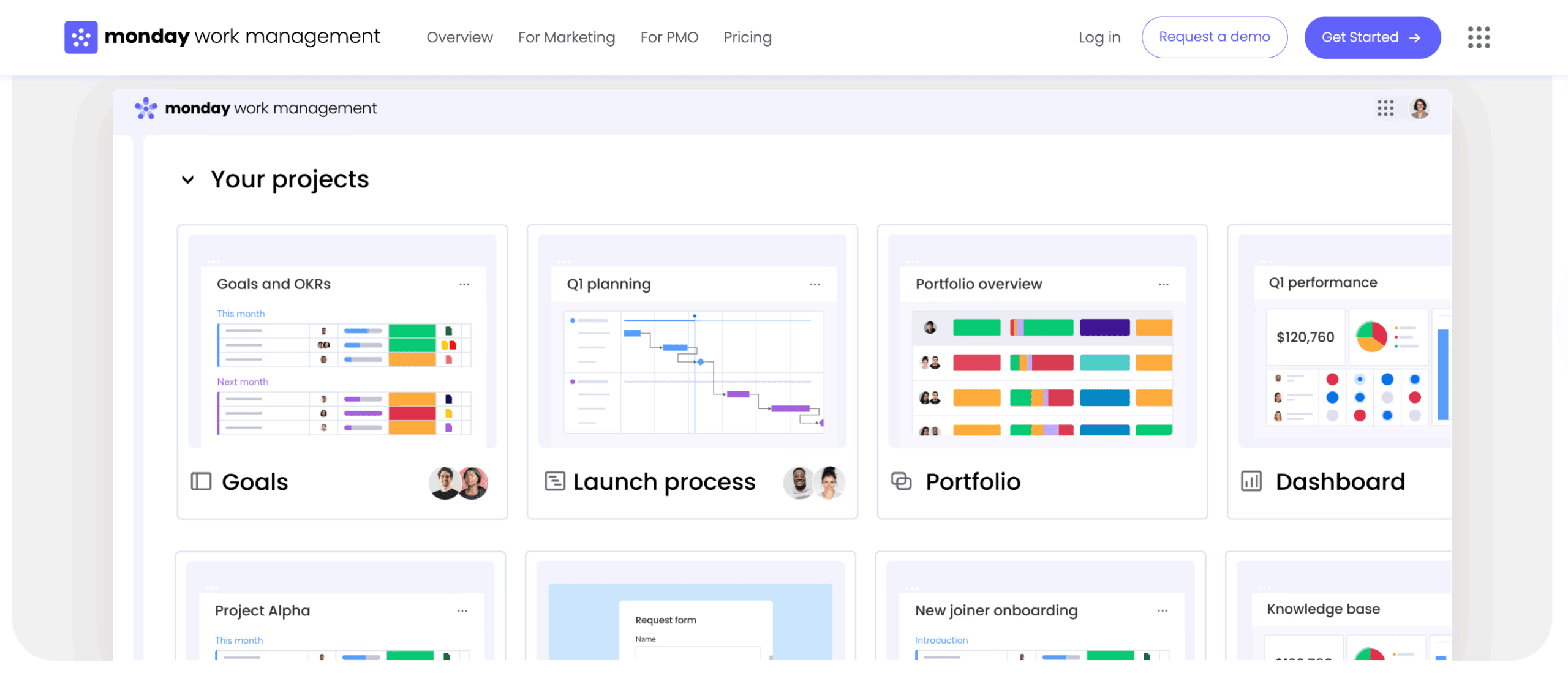
Marketing strategy vs marketing plan: understanding the difference
Don’t confuse strategy with plans. Your strategy sets the long-term direction and position in the market. Your plans? They’re how you’ll execute that vision day-to-day. Understanding this distinction prevents teams from confusing activity with progress.
Aspect Marketing strategy Marketing plan
Timeframe 12-36 months Quarterly or annual
Focus Market position and differentiation Campaigns and channel tactics
Key decisions Which segments to target, how to compete Which campaigns to run, budget allocation
Flexibility Relatively stable Adapts based on performance
Success metrics Market share, brand awareness, customer lifetime value Lead generation, conversion rates, campaign ROI
Marketing strategy as your foundation
Your marketing strategy tackles the big questions: where you’ll compete, what unique value you’ll deliver, and how you’ll stand out in ways competitors can’t easily copy.
These strategic choices remain consistent even as market conditions evolve. A software company might commit to serving mid-market businesses with superior ease of use as part of their product strategy. That strategic direction guides decisions for years, even as specific tactics change.
Marketing strategies provide the criteria for evaluating opportunities. When a new channel emerges or a partnership opportunity appears, teams can quickly assess alignment with strategic priorities rather than chasing every possibility.
Marketing plans as your execution roadmap
Marketing plans translate strategy into action through specific campaigns, content calendars, and channel investments. Plans detail the tactical “how” — which webinars to host, what content to create, where to allocate ad spend.
Plans adapt based on performance data and market feedback. If LinkedIn campaigns outperform expectations while email engagement drops, teams can shift resources accordingly. This flexibility allows rapid optimization without abandoning strategic direction.
The connection between strategy and planning creates powerful momentum. Strategy ensures plans focus on the right objectives, while plan execution generates insights that refine strategy over time.
The content in this article is provided for informational purposes only and, to the best of monday.com’s knowledge, the information provided in this article is accurate and up-to-date at the time of publication. That said, monday.com encourages readers to verify all information directly.
5 core components of an effective marketing strategy
Every successful marketing strategy needs five core elements. Skip any one of them, and you’ll end up with gaps that slow your growth and waste your budget.
It’s also important to note that these components form the backbone of strategic marketing success, ensuring your efforts align with business objectives and market realities.
Component 1: market intelligence and competitive analysis
Market intelligence shows you exactly what you’re up against. You need to know what customers actually want, what your competitors are doing right now, and where the next big opportunity is hiding. Skip this step, and you’re just guessing.
Effective market intelligence combines multiple data sources:
- Customer research: direct interviews, surveys, and behavioral data reveal actual needs and preferences.
- Competitive monitoring: regular analysis of competitor positioning, messaging, and market moves.
- Industry trends: tracking technological shifts, regulatory changes, and evolving buyer behaviors.
This intelligence shapes every strategic decision. When you understand where competitors struggle, you can position your strengths. When you spot emerging customer needs, you can move first to address them.
Component 2: target audience definition and segmentation
Getting specific about your audience is non-negotiable. Know exactly who you’re targeting — not just their industry and title, but what keeps them up at night and how they make decisions. This clarity makes every marketing dollar work harder.
Strong segmentation combines multiple dimensions:
- Firmographic factors: company size, industry, growth stage, and technology adoption.
- Behavioral patterns: purchase history, engagement preferences, and decision-making processes.
- Psychographic elements: values, priorities, risk tolerance, and success metrics.
Each segment requires tailored messaging and engagement strategies. Enterprise buyers need ROI data and security assurances. Small businesses want simplicity and fast implementation. Understanding these differences drives higher conversion rates and customer satisfaction.
Component 3: unique value proposition development
Your value proposition is your answer to ‘why you?’ It draws a direct line between what keeps your customers awake at night and how only you can solve it better than anyone else.
Effective value propositions follow a simple structure:
- Identify the specific problem your target customers face.
- Explain how your approach solves that problem differently.
- Highlight the unique benefits only you can deliver.
This isn’t about listing features. It’s about connecting capabilities to outcomes customers care about. Speed, reliability, ease of use, cost savings — the benefits that matter depend entirely on your target segment’s priorities.
Component 4: channel strategy and integration
Channel strategy is about focus, not omnipresence. The most successful teams double down on three-four channels where their audience already hangs out, rather than spreading themselves thin across a dozen platforms.
Channel selection depends on several factors:
- Audience presence: where do your target segments seek information and make decisions?
- Competitive density: which channels offer opportunities to stand out versus getting lost in noise?
- Resource requirements: what’s the true cost of maintaining excellence in each channel?
- Performance potential: which channels drive the metrics that matter for your business?
Integration across channels multiplies impact. Content created for your blog fuels social media as part of an integrated content marketing strategy. Webinar attendees become email subscribers. Each channel reinforces the others, creating compound returns on your marketing investment.
Component 5: measurement framework and KPIs
Measurement separates great marketers from merely creative ones. The right metrics tell you exactly what’s working, what’s not, and where to double down next. Skip this, and you’re just hoping for results instead of engineering them.
Your measurement framework should include both leading and lagging indicators:
- Leading indicators: website traffic and email engagement predict future results.
- Lagging indicators: revenue and customer acquisition confirm strategic success.
Choose KPIs that connect to business outcomes. Vanity metrics might look impressive, but they don’t drive decisions. Focus on metrics that matter: pipeline contribution, customer acquisition cost, lifetime value, and market share growth.
How to build your marketing strategy: 8 simple steps
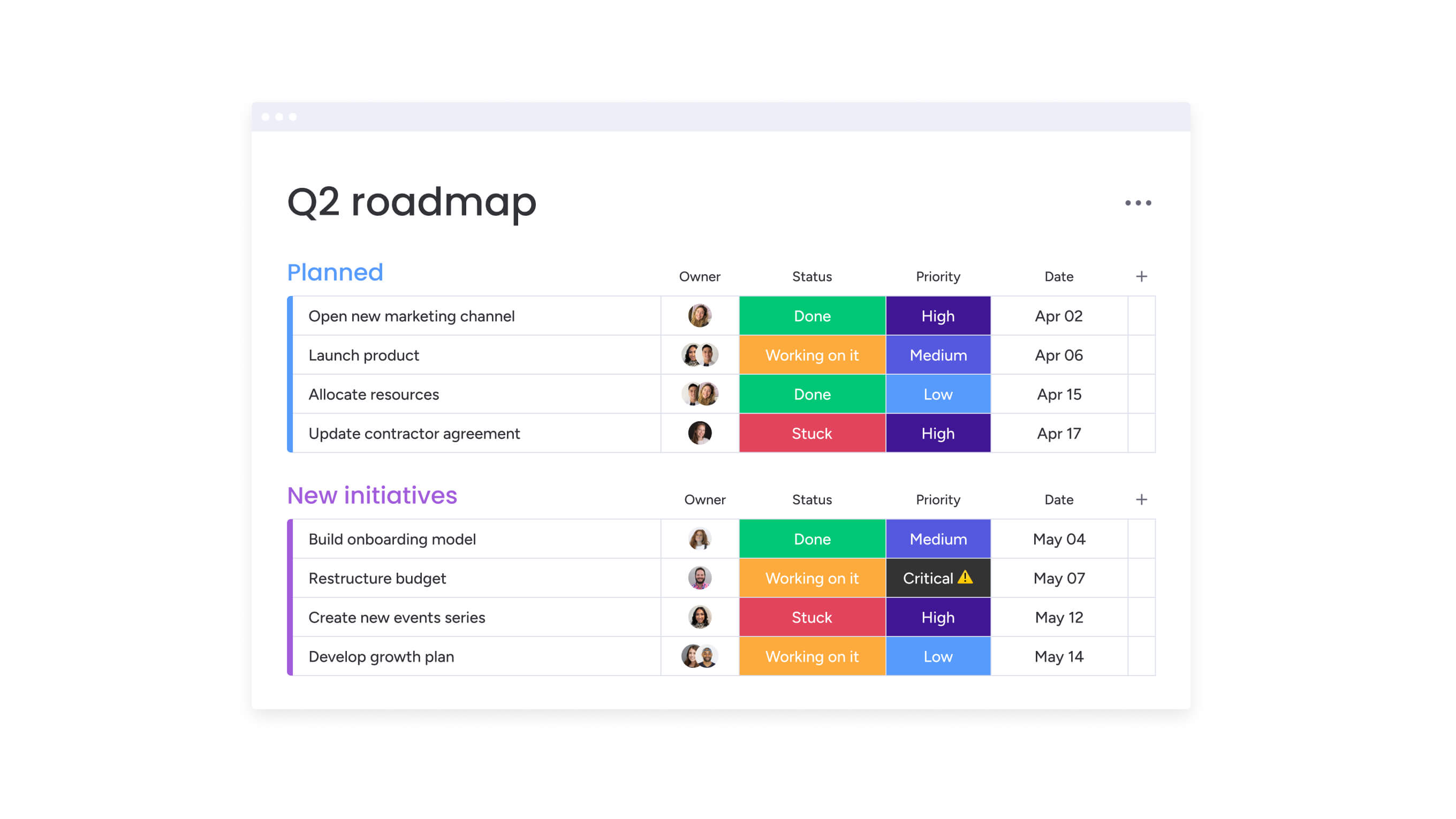
Building your marketing strategy isn’t a creative free-for-all — it’s a deliberate process. Follow these eight steps to create a plan that’s rooted in reality, tied to business goals, and built to deliver results you can actually measure.
Step 1: conduct comprehensive market research
Start by gathering intelligence about your market landscape. Interview current customers to understand why they chose you and what problems you solve. Survey lost deals to identify gaps in your offering. Analyze competitor positioning to find differentiation opportunities.
Research should answer key questions about market dynamics, customer needs, and competitive threats. This foundation ensures your strategy addresses real market conditions rather than assumptions.
Step 2: define strategic objectives
Transform business goals into specific marketing objectives. If the company needs to grow revenue by 30%, marketing might need to generate 50% more qualified leads. These objectives create accountability and focus for your strategy.
Make objectives specific and measurable:
- Vague objective: “Increase brand awareness”.
- Specific objective: “Achieve 40% unaided brand recall among target segments within twelve months”.
Clear objectives provide direction and success criteria that guide all subsequent decisions.
Step 3: identify target segments
Use your research to define three-five distinct customer segments. Each segment should share similar needs, behaviors, and buying patterns. Create detailed profiles that bring these segments to life for your team.
Prioritize segments based on:
- Opportunity size: revenue potential and market size.
- Competitive advantage: your ability to win versus alternatives.
- Strategic fit: alignment with business capabilities and objectives.
You can’t serve everyone equally. Focus resources on segments where you can win and grow.
Step 4: develop your value proposition
Craft a clear statement of the unique value you deliver. Your value proposition should resonate with target segments’ specific needs and differentiate you from alternatives.
Test your value proposition with actual customers. Does it accurately reflect why they chose you? Does it address their most pressing challenges? Refine based on feedback until it truly connects.
Step 5: select marketing channels
Choose four-six primary channels where you’ll maintain consistent presence. Evaluate each channel’s ability to reach your target segments, generate desired outcomes, and fit within resource constraints.
Consider how channels work together:
- Content marketing: drives organic traffic.
- Paid search: captures existing demand.
- Email: nurtures leads through the funnel.
- Events: accelerate deal closure.
Design an integrated approach that maximizes each channel’s strengths.
Step 6: allocate resources strategically
Distribute budget and talent based on expected returns and strategic importance. High-performing channels deserve more investment. Experimental initiatives need enough resources to generate meaningful data.
Build your team structure to support priorities:
- Content-driven strategy: invest in strong writers and designers.
- Event-focused approach: ensure experienced event managers.
- Digital-first strategy: prioritize technical and analytics talent.
Step 7: create implementation timelines
Map out major initiatives across quarters, showing how work builds toward strategic objectives. Identify dependencies between campaigns and ensure proper sequencing of activities.
Set milestones that mark meaningful progress:
- Launch dates: for major campaigns.
- Campaign completions: and performance reviews.
- Performance targets: that create accountability.
Regular checkpoints keep execution on track and enable course corrections.
Step 8: establish measurement systems
Set up tracking infrastructure before launching initiatives. Configure analytics platforms, establish baseline metrics, and create reporting templates that serve different stakeholders.
Design feedback loops that connect results to strategy refinement:
- Monthly performance reviews: identify what’s working.
- Quarterly strategy sessions: adjust based on accumulated insights.
- Annual planning: incorporates lessons learned into next year’s strategy.
7 proven marketing strategies that deliver results
Successful marketing strategies share common patterns that drive consistent outcomes. These approaches work across industries, though specific implementation varies based on your market and objectives.
Understanding these proven frameworks helps you choose the right strategic approach for your organization’s unique situation and goals.
Content-led growth strategy
Build authority and trust by creating valuable content marketing that educates your audience. This strategy positions your organization as the expert source for industry insights, attracting prospects through helpful information rather than promotional messages.
Content-led growth requires:
- Consistent publishing: schedules that build audience expectations.
- Deep audience understanding: to create relevant, valuable content.
- Patience for compound returns: as content builds authority over time.
Success metrics include organic traffic growth, content engagement rates, and influenced pipeline. Organizations using monday work management coordinate content production across teams, track performance through unified dashboards, and maintain consistent publishing schedules that build audience trust over time.
Account-based marketing (ABM)
Concentrate resources on high-value target accounts through personalized, multi-channel campaigns. ABM treats individual accounts as markets of one, customizing everything from messaging to channel mix based on account-specific insights.
This strategy works best for organizations with:
- High average contract values: that justify personalized investment.
- Complex sales cycles: requiring multiple touchpoints.
- Tight sales and marketing alignment: for coordinated execution.
Success requires detailed account intelligence and coordinated execution across touchpoints.
Product-led growth
Let product experience drive customer acquisition and expansion. Free trials, freemium models, and self-service onboarding reduce friction in the buying process while demonstrating value through hands-on experience.
Product-led strategies require:
- Exceptional user experience: that showcases value immediately.
- Clear value realization: paths for new users.
- Seamless upgrade paths: from free to paid tiers.
Success metrics focus on product-qualified leads, trial-to-paid conversion, and expansion revenue from existing customers.
Community-driven marketing
Leverage customer networks and peer influence to drive awareness and adoption. Communities create powerful network effects where members become advocates, provide peer support, and generate authentic social proof.
Building community requires:
- Genuine value exchange: between organization and members.
- Consistent engagement: to maintain community health.
- Long-term commitment: to relationship building.
Success comes from fostering member connections, facilitating knowledge sharing, and creating exclusive experiences that strengthen loyalty.
Partnership ecosystem strategy
Accelerate growth through strategic relationships with complementary vendors, agencies, and platforms. Partnerships extend market reach, add credibility, and create mutual value through combined offerings.
Effective partnership strategies require:
- Clear value propositions: for all parties involved.
- Structured enablement programs: to support partner success.
- Systematic relationship management: to maintain partnership health.
Track success through partner-sourced pipeline, joint customer wins, and ecosystem health metrics.
Demand generation engine
Build systematic processes for creating, capturing, and converting demand across the buyer journey. This strategy coordinates multiple tactics — content, paid media, email, events — into an integrated revenue machine.
Demand generation requires:
- Sophisticated attribution modeling: to track multi-touch journeys.
- Journey mapping: to understand buyer progression.
- Lead scoring: to prioritize sales follow-up.
Teams utilzing monday work management orchestrate complex marketing campaigns across channels, automate lead routing and nurturing, and maintain visibility into pipeline contribution from every marketing activity.
Digital-first transformation
Reimagine marketing for digital channels and buyers. This strategy embraces virtual events, digital content experiences, and online community building to reach audiences wherever they engage.
Digital transformation demands:
- New skills: in digital experience design and virtual engagement.
- Advanced technologies: for personalization and automation.
- Evolved measurement approaches: for digital-first interactions.
Success comes from creating immersive digital experiences, personalizing at scale, and maintaining human connection despite digital delivery.
Leveraging AI to enhance your marketing strategy
AI isn’t just hype for marketing teams — it’s a competitive advantage. The right AI tools spot patterns humans miss, generate first drafts faster, and make decisions based on data, not gut feelings. Understanding how to integrate AI into your marketing strategy creates competitive advantages and operational efficiencies that drive measurable results.
Predictive analytics for strategic insights
AI analyzes vast datasets to surface patterns humans might miss. Predictive models forecast campaign performance, identify at-risk customers, and recommend optimal budget allocation across channels.
These insights enable proactive strategy adjustments:
- Shifting buyer behavior detection: allows teams to adapt messaging before competitors notice.
- Seasonal demand predictions: help teams prepare campaigns in advance.
- Performance forecasting: guides resource allocation decisions.
AI-powered analytics transform reactive marketing into predictive, strategic execution.
Intelligent personalization at scale
AI enables individualized experiences across thousands or millions of customers. Dynamic content, personalized recommendations, and behavioral triggers create relevant interactions without manual effort.
Personalization drives measurable improvements in:
- Engagement rates: through relevant content delivery.
- Conversion rates: via targeted messaging.
- Customer retention: through tailored experiences.
Customers expect experiences tailored to their needs. AI makes delivering that personalization feasible regardless of audience size.
Automated content optimization
AI assists with content planning, creation, and optimization throughout the lifecycle. Natural language processing identifies trending topics and content gaps. Generative AI accelerates draft creation. Performance algorithms optimize headlines and calls-to-action.
Teams using monday work management leverage AI Blocks to:
- Categorize content ideas: based on strategic priorities.
- Summarize competitor research: for strategic insights.
- Extract insights from performance data: to guide optimization.
These capabilities free marketers to focus on strategy and creativity rather than manual analysis.
Campaign intelligence and automation
AI monitors campaign performance continuously, identifying optimization opportunities and automating adjustments. Bid management, audience targeting, and creative rotation happen automatically based on performance data.
The Campaign Manager Digital Worker on monday work management:
- Analyzes campaign data: to identify performance patterns.
- Identifies underperforming initiatives: requiring attention.
- Suggests reallocation strategies: based on performance data.
This intelligent assistance helps teams optimize spend and improve ROI without constant manual monitoring.
Measuring marketing strategy success
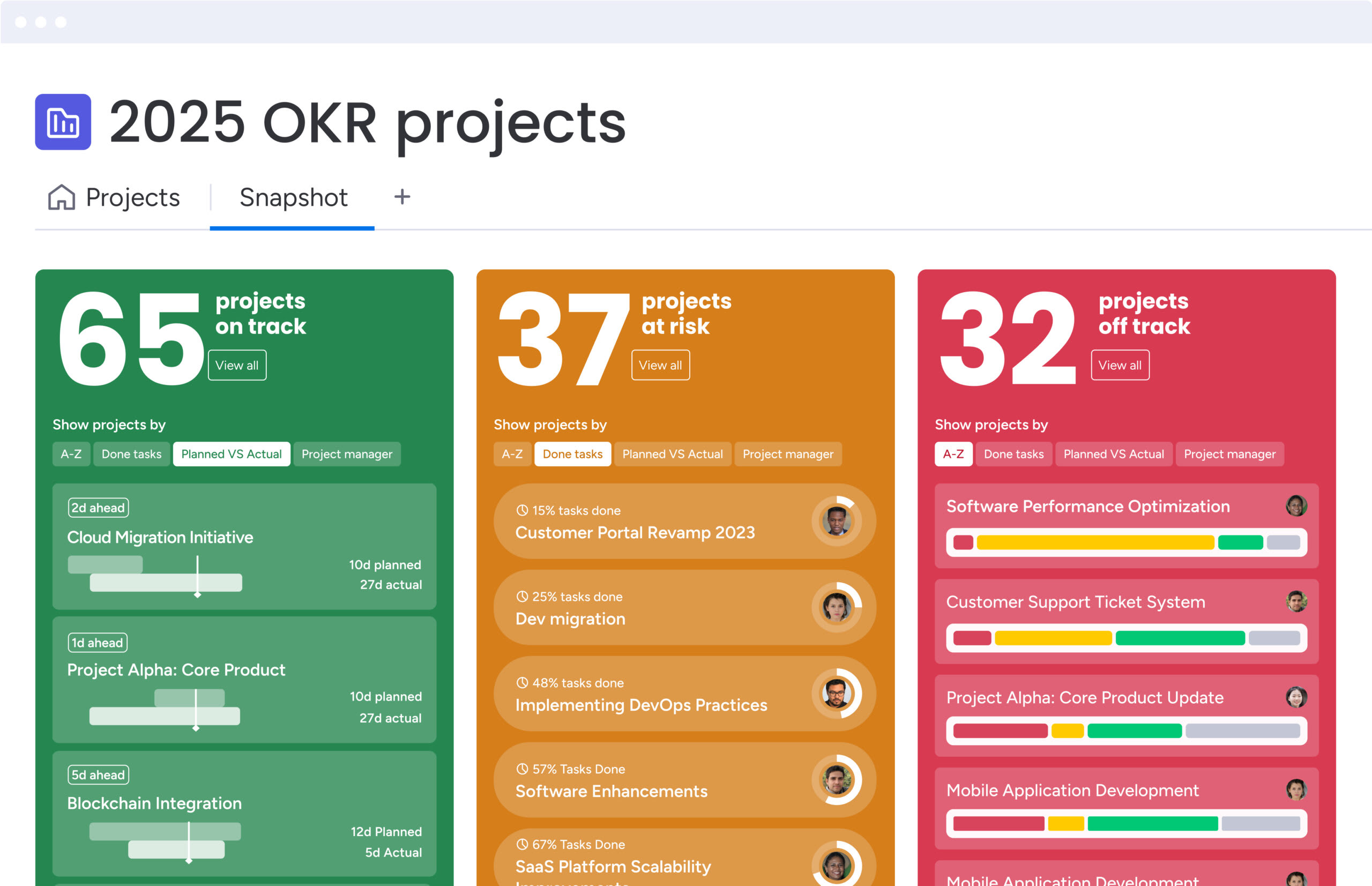
Measurement validates strategy effectiveness and guides continuous improvement. The right metrics reveal whether your strategy drives intended outcomes and where adjustments might accelerate results. Effective measurement transforms marketing from intuition-based activity into data-driven strategic execution that demonstrates clear business value.
Establishing KPIs and success metrics
Choose KPIs that reflect strategic objectives and business impact. If your strategy aims to penetrate new markets, track metrics like segment revenue growth and market share. If you’re building brand authority, measure thought leadership indicators and organic reach.
Effective KPI frameworks balance different metric types:
- Activity metrics: campaign launches, content published, leads generated.
- Engagement metrics: email opens, content shares, event attendance.
- Conversion metrics: marketing-qualified leads, opportunity creation, win rates.
- Impact metrics: revenue contribution, customer acquisition cost, lifetime value.
Set realistic targets based on:
- Historical performance: to establish achievable baselines.
- Market benchmarks: to ensure competitive positioning.
- Strategic objectives: to maintain business alignment.
Aggressive goals motivate teams, but impossible targets create frustration and disengagement.
Building performance dashboards
Dashboards transform raw data into actionable insights. Design views for different stakeholders — executives need strategic KPIs, managers need team performance, practitioners need campaign metrics.
Organizations using monday work management create customized dashboards that:
- Automatically update: with real-time data.
- Track portfolio health: across all marketing activities.
- Monitor resource allocation: and budget utilization.
- Identify performance trends: without manual reporting.
These visual insights enable faster decision-making and proactive optimization.
Calculating marketing ROI
ROI measurement connects marketing investment to business outcomes. Track both direct attribution (leads that convert to customers) and influenced revenue (marketing touches throughout the customer journey).
Accurate ROI calculation requires robust attribution modeling:
- First-touch attribution: credits initial awareness activities.
- Multi-touch attribution: distributes credit across all interactions.
- Time-decay models: weight recent interactions more heavily.
Choose models that reflect your sales cycle and buying process complexity. Beyond financial ROI, measure strategic value creation. Brand equity, market position, and customer loyalty generate long-term returns that simple ROI calculations might miss.
Try monday work managementOperationalizing your marketing strategy with monday work management
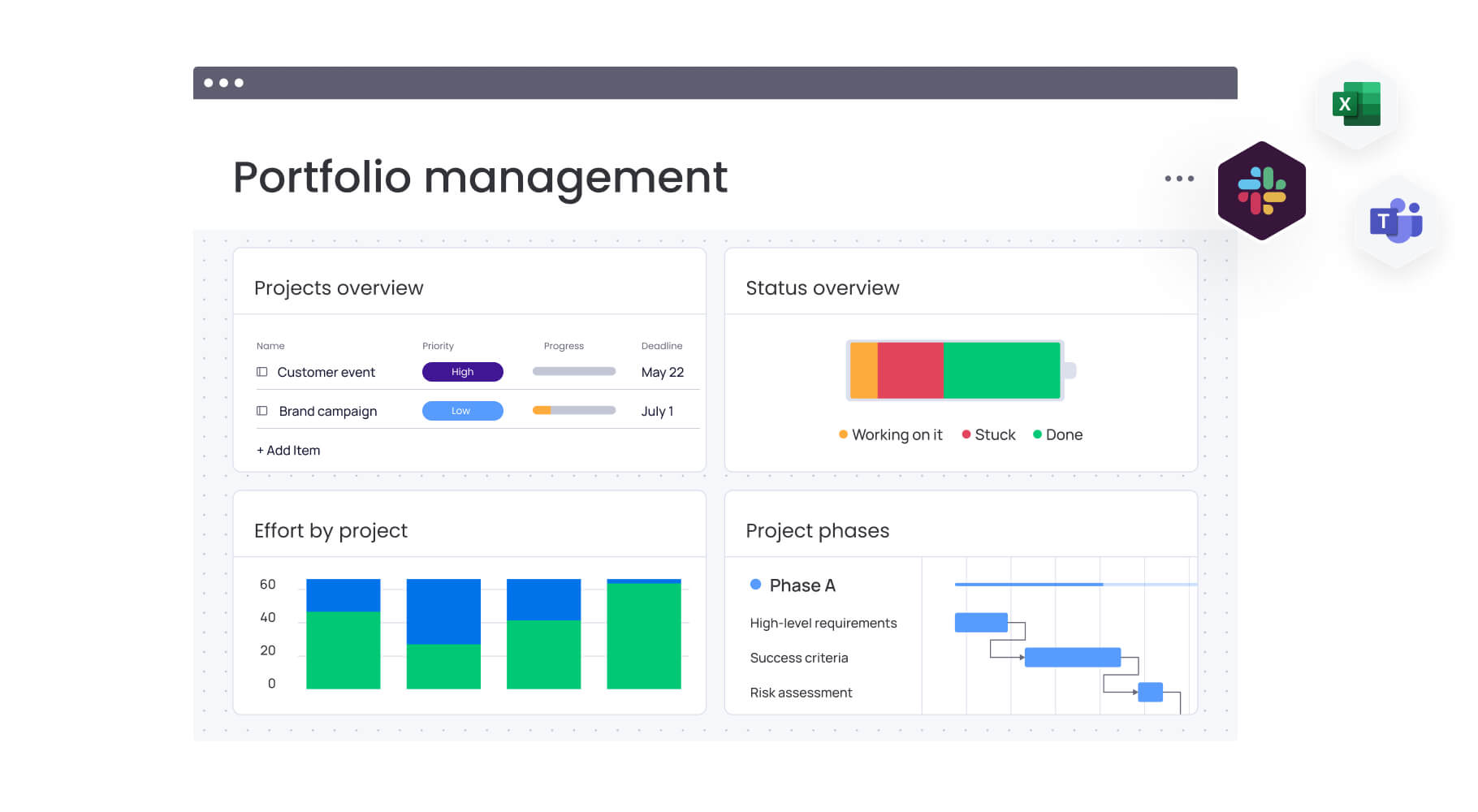
Even the strongest strategies fall apart without execution to match. monday work management closes that gap by translating big-picture plans into clear, actionable work, automating routine coordination, and giving teams real-time visibility into what’s actually happening.
The result is a marketing strategy that doesn’t just look good on paper, but delivers measurable business impact.
Unified strategy execution
Marketing strategies often fail when teams operate in silos with disconnected tools. monday work management creates a single workspace where strategy translates directly into executable projects.
Strategic objectives link to specific campaigns:
- Campaigns break down: into manageable tasks.
- Tasks assign: to team members with clear deadlines.
- Success criteria: connect to strategic KPIs.
Cross-functional visibility ensures alignment across departments. Product marketing sees what demand generation is planning. Content teams coordinate with events. Leadership monitors progress without disrupting execution. This unified approach eliminates the gaps where strategies typically break down.
Intelligent workflow automation
Manual coordination drains time and introduces errors. monday work management automates routine workflows through no-code recipes that trigger based on specific conditions.
Automation examples include:
- Campaign brief submission: creates project boards and assigns team members.
- Content review completion: triggers stakeholder notifications.
- Milestone achievement: updates leadership dashboards automatically.
These automations scale with your organization. Templates standardize processes across teams while maintaining flexibility for unique requirements. Approval workflows route work through appropriate stakeholders. Status updates flow automatically to leadership dashboards.
Real-time performance visibility
Strategy success depends on continuous monitoring and adjustment. monday work management provides real-time dashboards that aggregate performance data across all marketing activities.
Track key metrics without manual reporting:
- Campaign performance: across all channels.
- Budget utilization: against strategic priorities.
- Goal progress: toward strategic objectives.
Customizable views serve different stakeholder needs. CMOs see portfolio-level metrics and strategic KPI progress. Team leads monitor workload distribution and project timelines. Individual contributors track their tasks and deadlines. Everyone operates from the same source of truth, eliminating confusion and accelerating decision-making.
AI-powered optimization
Built-in AI capabilities enhance strategic execution. AI Blocks analyze campaign data to surface insights, categorize feedback to identify trends, and summarize complex reports into actionable recommendations.
Digital Workers provide intelligent assistance:
- Monitor portfolio health: across all initiatives.
- Flag at-risk initiatives: requiring attention.
- Suggest optimization opportunities: based on performance patterns.
These AI features work within your existing workflows. No separate tools to learn or data to migrate. Intelligence embeds directly where work happens, helping teams move faster and make smarter decisions.
Building marketing strategies that drive sustainable growth
Marketing strategy success requires more than frameworks and planning. It demands execution excellence — the ability to coordinate teams, maintain visibility, and adapt quickly as conditions change. Organizations that master this balance between strategic thinking and operational execution consistently outperform competitors and achieve sustainable growth.
The gap between strategy and results isn’t about having better ideas. It’s about having better systems to execute those ideas. Organizations that connect strategic vision to daily work through unified platforms, automated workflows, and real-time insights consistently outperform those relying on disconnected tools and manual coordination.
Intelligent solutions like monday work management provide the operational backbone that transforms marketing strategy from static documents into dynamic execution. From strategic planning through campaign delivery and performance measurement, the platform enables teams to move faster, work smarter, and deliver measurable business impact.
The content in this article is provided for informational purposes only and, to the best of monday.com’s knowledge, the information provided in this article is accurate and up-to-date at the time of publication. That said, monday.com encourages readers to verify all information directly.
Frequently asked questions
What are the 4 Ps of marketing strategy?
The four Ps of marketing strategy are Product, Price, Place, and Promotion.
What's the difference between B2B and B2C marketing strategies?
B2B marketing strategies focus on longer sales cycles with multiple decision-makers, emphasizing rational benefits and ROI. B2C strategies target individual consumers with shorter purchase cycles, using emotional appeals and immediate value propositions. B2B requires detailed content and relationship building, while B2C prioritizes brand experience and quick conversions.
How often should you review your marketing strategy?
Marketing strategies need comprehensive annual reviews with quarterly progress assessments. Major market shifts, competitive disruptions, or significant business changes may trigger additional strategic reviews to maintain relevance and effectiveness.
What percentage of revenue should go to marketing?
Marketing budgets typically range from 5-15% of revenue for B2B organizations. High-growth companies often invest 15-20% to accelerate market capture, while mature organizations may allocate 5-10% for maintenance and gradual expansion.
How long does it take to see marketing strategy results?
Marketing strategies typically show meaningful results within six-twelve months, with early indicators appearing after 90 days. Brand positioning strategies may need 12-18 months for full impact, while demand generation can produce pipeline contribution within three-six months.
Do small businesses need formal marketing strategies?
Small businesses benefit significantly from marketing strategy, even with limited resources. Strategic direction prevents wasted effort and focuses scarce resources on high-impact activities. Lightweight strategies that establish clear positioning, define target audiences, and prioritize channels deliver better results than scattered tactical execution.

 Get started