


A content brief is the blueprint that connects your business goals to what writers actually create — it’s the roadmap that helps them nail it on the first draft instead of the fourth. It eliminates guesswork, aligns cross-functional teams, and ensures every piece you publish drives real business results.
You’ll learn what goes into a strong content brief, how to build one in 5 steps, and how AI can accelerate the process without sacrificing quality. You’ll also discover how a Work OS like monday work management transforms brief creation into a scalable, collaborative workflow that actually works.
Try monday work managementKey takeaways
- Content briefs eliminate guesswork by defining specific objectives, target audiences, and success metrics before creation begins.
- Comprehensive briefs give writers clear direction upfront, cutting multiple revision rounds down to minor adjustments and faster publication timelines.
- Effective briefs link individual content pieces to broader company objectives, ensuring your content investments generate measurable ROI rather than just consuming resources.
- Successful organizations create modular brief templates and measure brief effectiveness alongside content performance to continuously refine their processes.
- Teams using monday work management transform static brief documents into collaborative boards where they create, review, and track briefs from concept through publication in one unified workspace.
What is a content brief?
A content brief spells out what you need, why you need it, and how it should look — before anyone starts writing. It’s the blueprint that connects strategy to execution, giving writers what they need to create work that actually fits your goals.
It’s like an architectural plan, but for content. Construction teams need blueprints to build right. Content creators need briefs to write right.
| Aspect | Vague content request | Strategic content brief |
|---|---|---|
| Direction | Write about project management | Defines specific angle, audience segment, and business goal |
| Audience | For managers | For operations directors managing 50+ person teams |
| Purpose | Drive traffic | Generate qualified leads for enterprise demos |
| Structure | No guidance | Detailed outline with key points and messaging hierarchy |
| Success metrics | Undefined | Clear KPIs: conversion rate, engagement time, lead quality |
Content briefs transform abstract ideas into actionable plans. They eliminate the guesswork that leads to endless revisions and misaligned expectations, creating a shared understanding between strategists, writers, and stakeholders from the start.
Why content briefs drive business results
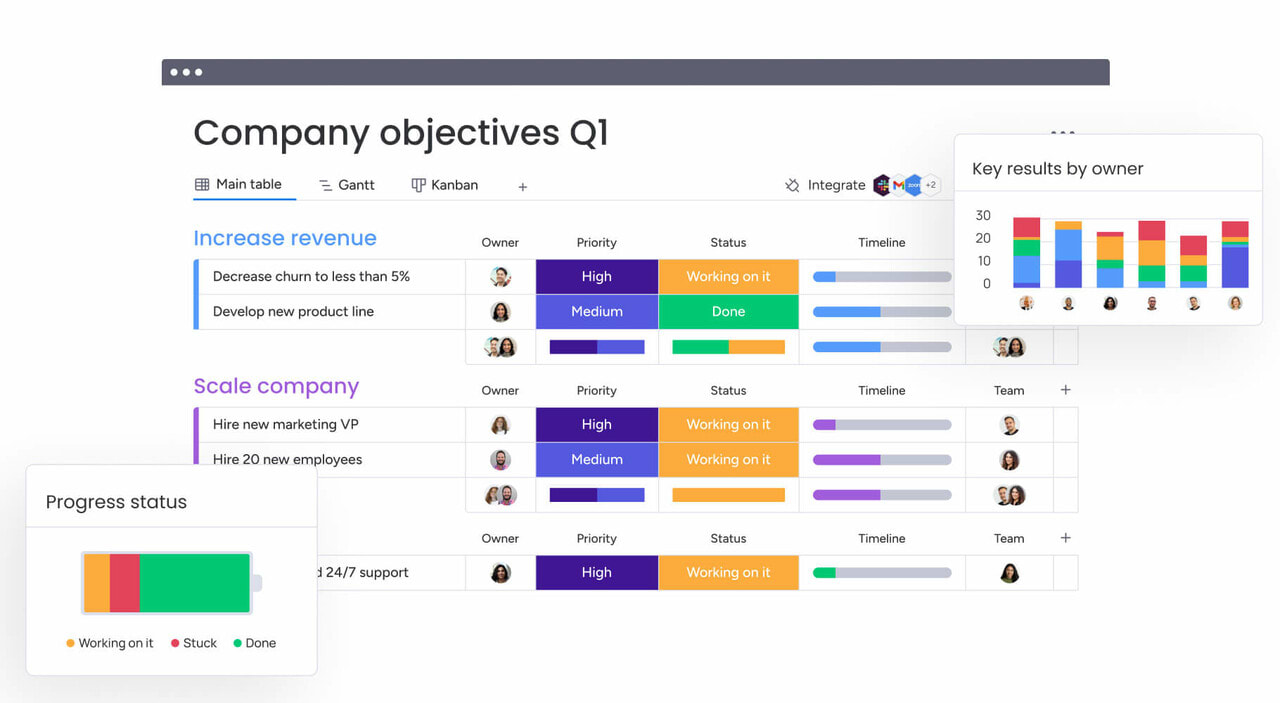
Content briefs hit 3 things that matter: how fast you work, how well teams align, and whether you can prove ROI. Teams that take briefs seriously produce content faster, revise less, and actually hit their goals.
Here’s how good briefs change the game:
Accelerate production while reducing revisions
The biggest win? You accelerate your workflow from the first draft. A solid brief provides the direction needed to create a near-final piece on the first attempt.
Key challenges without briefs:
- Writers guess at tone, angle, and depth
- Reviewers provide conflicting feedback based on different assumptions
- Multiple revision rounds delay publication timelines
A solid brief sets all this upfront. Writers know the angle, how deep to go, and what success looks like before they start. This cuts revisions from multiple rounds to quick tweaks, getting you published faster without losing quality.
Create alignment across teams and departments
Content never lives in a vacuum. It supports product launches, sales, customer education, and brand work — all at once. Without clear briefs, stakeholders pull content in different directions.
Content briefs are like contracts that get departments aligned. Siloed data prevents them from creating engaging digital experiences, validating why briefs that align stakeholders across teams are essential for success. They document:
- How product features connect to customer benefits
- How messaging supports sales conversations
- How SEO requirements integrate with brand voice
This alignment stops you from creating content that misses the mark.
Generate measurable ROI from content investments
Without clear metrics, content’s just a cost — not an investment. This challenge is widespread — only 5% of organizations say they have well-defined success metrics for their implementations, underscoring why effective briefs must document clear KPIs upfront to enable measurable ROI.
This level of detail lets teams build content for specific results. When goals are defined from the start, creators can nail the structure, messaging, and CTAs. Leaders can track what’s working, see which strategies pay off, and double down on what matters.
Try monday work management9 essential components of an effective content brief
Every content brief needs core pieces that give writers the full picture. Formats change depending on content type, but these 9 elements give creators what they need to nail it.
These components turn vague requests into clear plans that guide you from idea to publish:
- Strategic objectives and success metrics: This section defines the business purpose behind the content. It says whether you’re generating leads, educating customers, or building brand awareness. Essential elements include primary business objective, target page views or engagement metrics, conversion rates and qualified leads generated, and timeline for measuring success.
- Target audience and journey stage: This goes beyond demographics to cover mindset, pain points, and how aware readers are of solutions. It shows whether they’re just discovering solutions, comparing options, or ready to buy — so you can meet them where they are.
- Core messages and value propositions: This spells out the main thing readers should walk away with. It separates features from benefits, keeping the focus on solving problems — not just listing what your product does.
- SEO requirements and keyword strategy: For digital content, this section covers the SEO game plan. It includes primary and secondary keywords; search intent analysis; requirements for meta descriptions and internal linking; and competitor content gaps to address.
- Content format and structure: This covers content type and specs — word count, video length, or slide count. It lists what you need — headers, visuals, pull quotes — to make the format work.
- Brand voice and tone specifications: This component ensures consistency with organizational identity. It says whether the tone should be authoritative, conversational, technical, or approachable — based on the piece and audience.
- Resources and subject matter expertise: Good content needs expert input. This section lists available research and data sources as well as competitor examples for reference. It also includes contact information for internal experts and customer quotes or case studies to include.
- Distribution and promotion strategy: Content creation needs to match your distribution plan. This covers where content lives, how you’ll promote it, and what each platform needs.
- Timeline and approval workflow: This sets the production schedule, including deadlines for drafts, reviews, and publication. It names who gives feedback and who approves at each stage.
Who creates and uses content briefs
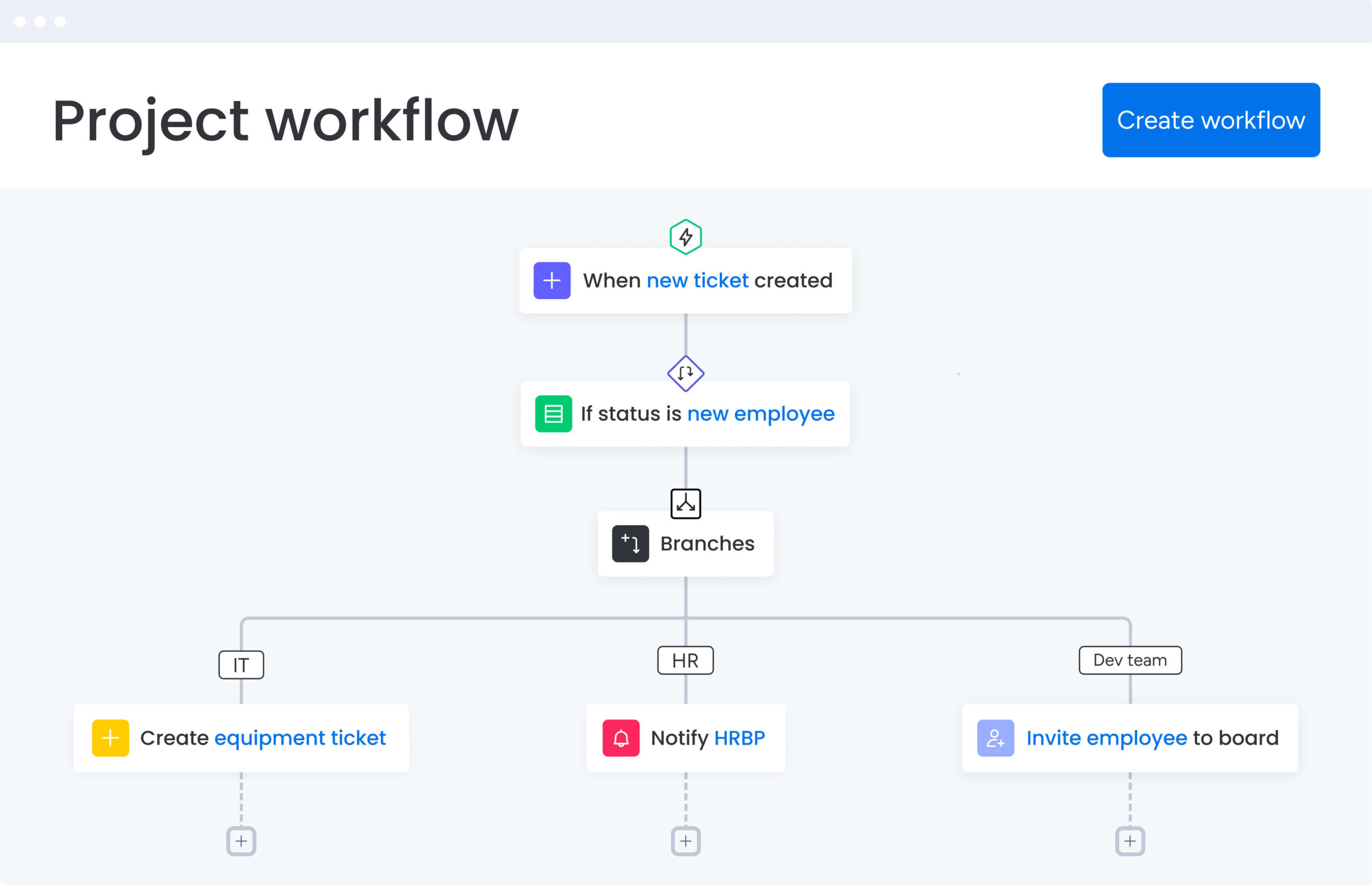
Creating content briefs involves people across the org, each bringing expertise to make briefs complete and strategic. Knowing these roles helps teams collaborate better and stay accountable.
| Role | Primary responsibility | Key contributions |
|---|---|---|
| Content strategists and marketing leaders | Own the brief creation process | Set objectives, pinpoint audiences, align topics with marketing goals and editorial calendars, turn business strategy into content plans |
| Writers and creative teams | Primary consumers of briefs | Use briefs as roadmaps to guide research, structure, and tone; provide feedback to improve templates |
| SEO and performance specialists | Contribute technical requirements | Keyword research and competitive analysis, search optimization guidelines, performance tracking requirements |
| Product managers and subject matter experts | Supply authoritative substance | Add product details, customer insights, and technical accuracy |
| Sales and customer success teams | Offer frontline perspective | Share customer questions, objections, and use cases to ensure content addresses real needs |
How to create a content brief in 5 steps
Building strong content briefs follows a clear process from strategy to execution. Each step builds on the last, creating complete briefs that guide great content.
This approach makes sure you don’t miss anything important while keeping the process efficient:
Step 1: Define strategic goals and KPIs
Start with the business problem you’re solving. Figure out if you’re increasing awareness, generating leads, or cutting support tickets through education.
Key actions:
- Translate objectives into specific, measurable metrics
- Connect content goals to broader business objectives
- Set realistic targets based on historical performance
Link content goals to bigger business objectives. If you’re expanding into new markets, briefs should show it — through audience targeting and messaging.
Step 2: Research audience and competitive landscape
Dig into customer data to find pain points and info gaps. Check support tickets, sales calls, and social media to spot recurring questions your content should answer.
Research priorities:
- Customer pain points and information gaps
- Competitor content analysis for differentiation opportunities
- Search intent and keyword performance data
Look at competitor content for gaps and opportunities. Find topics they covered lightly, angles they missed, or audiences they ignored.
Step 3: Structure requirements and specifications
Pick the format that works best for your message and audience. Long-form guides work for complex topics. Quick videos work for simple explanations or demos.
Map out key sections, arguments, and supporting points. List what you need — data visuals, customer quotes, screenshots — to make the story stronger.
Step 4: Document guidelines for execution
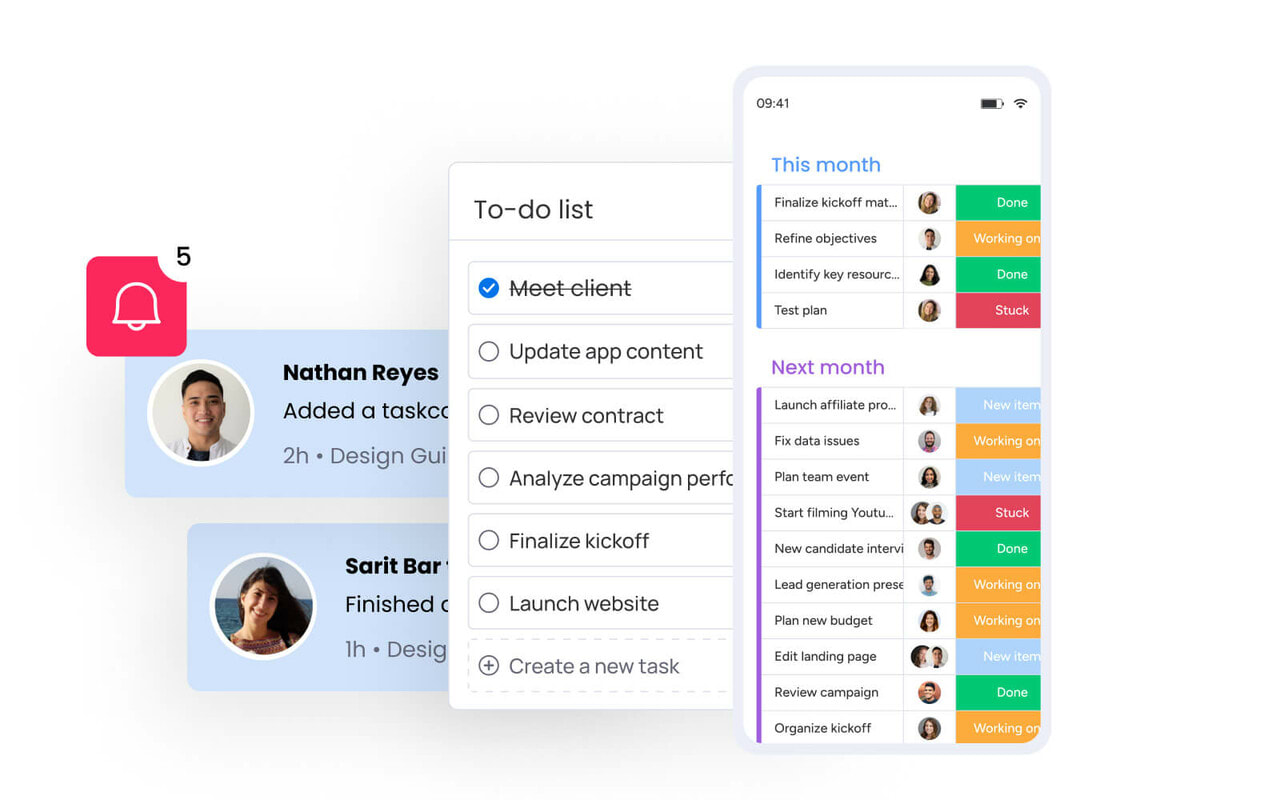
Pull together all research, templates, and brand guidelines into one centralized brief. Add direct links to resources, style guides, and examples that show exactly what you want to achieve. Add links to resources, style guides, and examples that show what you want.
Documentation essentials:
- Clear instructions with creative flexibility
- Resource links and reference materials
- Brand voice and style specifications
Give clear instructions but leave room for creativity. Too much detail kills creativity. Too little creates confusion.
Step 5: Establish review and approval workflows
Set the review process before anyone starts creating. Name who reviews drafts, who approves, and how to handle disagreements.
Set realistic timelines for creation, review, and revisions. Add buffer time for delays but keep momentum toward deadlines.
Try monday work managementAI-powered content brief creation
AI turns brief creation from a slow, manual process into something fast and data-driven. AI speeds up research, suggests structures, and keeps things consistent as you scale.
AI helps teams create complete briefs faster without losing depth or quality. By handling the heavy lifting of research and analysis, AI assistants empower strategists to focus on high-level direction and creative vision.
Accelerate brief development with AI assistance
AI cuts research time way down. Algorithms analyze top content for keywords, pull out themes, and spot gaps in seconds — not hours.
AI capabilities for brief creation:
- Generate detailed audience personas from CRM data
- Suggest outline structures based on search intent
- Propose semantic keywords that strengthen topical authority
- Review briefs for completeness and flag missing components
NLP lets strategists start with real insights instead of blank pages. AI also keeps brief quality high as you scale, suggesting improvements based on past performance.
Build AI-ready templates for scalability
Organizations are creating templates designed to work with AI capabilities. These templates have standard fields AI can fill based on your inputs, turning a topic and persona into a complete brief with headers, keywords, and metrics.
The trick is balancing automation with human judgment. AI’s great at spotting patterns and synthesizing data, but it can’t catch brand voice subtleties or emerging market shifts. Good content templates use AI for the heavy lifting but leave room for human strategy.
Maintain quality through human oversight
AI speeds up brief creation, but humans still need to review for quality. AI briefs need human validation for strategy, brand consistency, and context that algorithms miss.
The most effective approach combines AI efficiency with human expertise:
- AI handles: Research aggregation, keyword analysis, structural suggestions
- Humans provide: Strategic direction, creative vision, quality assurance
This partnership enables teams to produce more briefs without sacrificing the strategic thinking that makes them valuable.

Best practices for content brief excellence
Organizations that excel at content briefing treat briefs as operational assets that evolve and improve over time. These practices help teams scale their briefing processes while maintaining quality and flexibility.
Implementing these practices creates sustainable systems that improve content quality while reducing operational friction:
Create reusable templates without losing flexibility
Effective teams develop modular templates with standard core sections — objectives, audience, SEO requirements — plus flexible components that adapt to different content types.
Template design principles:
- Standard core sections for consistency
- Flexible components for different content types
- Regular audits to identify valuable sections
- Balance between guidance and creative freedom
A video script brief needs different specifications than a whitepaper, but both share fundamental strategic elements. Templates should guide without constraining, providing consistent structure while allowing customization for unique projects.
Implement performance measurement systems
Mature organizations track brief effectiveness alongside content performance. They measure metrics like revision cycles per brief, time from brief to publication, and correlation between brief completeness and content success.
These insights reveal process improvements:
- Briefs with detailed audience sections consistently require fewer revisions
- Certain brief elements that never influence outcomes can be streamlined
- Template sections that drive the most value deserve additional attention
Scale creation across distributed teams
Global organizations need systems that work across time zones, languages, and cultural contexts. Cloud-based platforms enable real-time collaboration, version control, and centralized access to brief templates and resources.
Scaling requirements:
- Clear ownership models and accountability
- Standardized processes across regions
- Regular calibration sessions for quality alignment
- Centralized resource libraries and templates
Successful scaling requires regular calibration sessions where teams align on quality standards. Without these elements, brief quality varies wildly across regions and departments.
Transform content briefs with monday work management
Static documents and email chains create friction in content operations. Teams need dynamic systems that connect brief creation to execution and measurement, enabling seamless collaboration across departments and time zones — and monday work management transforms briefs into collaborative workflows that eliminate operational bottlenecks while maintaining strategic oversight.
Centralize brief creation and collaboration
Teams using monday work management create and manage briefs within customizable boards that organize all brief components — from audience insights to approval status. Custom columns capture brief elements like target keywords, success metrics, and deadlines while keeping everything accessible to stakeholders.
Platform capabilities include:
- Real-time discussion directly within brief contexts
- Standardized templates with flexibility for different content types
- Version control and change tracking
- Centralized access for all team members
The platform’s collaborative features enable writers, strategists, and reviewers to comment, share feedback, and resolve questions without leaving the brief workspace. This eliminates the confusion of email threads and scattered document versions.
Automate workflows from brief to publication
Automation removes manual handoffs that slow content production. When brief status changes to “Approved,” the platform automatically assigns writers, sets due dates based on content type, and notifies relevant team members.
As content moves through creation and review stages, automated updates keep everyone informed. Integration with AI capabilities allows teams to generate brief outlines, extract insights from research documents, and analyze competitor content directly within workflows.
Track performance with real-time visibility
Dashboards provide instant visibility into brief and content performance. Teams track metrics like brief completion rates, average time from brief to publication, and revision cycles across different content types.
Performance insights reveal:
- Which brief types yield the best results
- Where bottlenecks occur in the process
- How to improve workflows over time
- Connection between brief quality and content success
The platform connects individual briefs to portfolio-level insights, showing how content initiatives support broader business objectives.
Connect briefs to strategic goals

With monday work management, you can link content briefs to organizational OKRs and campaign goals. This connection ensures every piece of content explicitly supports business priorities rather than existing in isolation.
Teams gain visibility into how their briefs and content contribute to company objectives. Resource allocation becomes more strategic when leaders can see which content initiatives drive the most value. The platform’s flexibility allows organizations to adapt their briefing processes as strategies evolve.
Build content operations that scale with strategic briefs
Content briefs turn vague requests into strategic plans that align teams, accelerate production, and drive measurable results. When you define objectives, audience, and success metrics upfront, you eliminate revision cycles and create content that actually moves the needle on business goals.
With monday work management, you can transform brief creation from scattered documents into collaborative workflows that scale. Try it to centralize your briefs, automate handoffs, and track performance from concept through publication — all in one workspace that connects content operations to strategic outcomes.
Try monday work managementFAQs
How long should a content brief be?
A content brief should be as long as necessary to provide complete guidance without overwhelming the writer — typically one to 3 pages for standard blog posts, with more complex projects like whitepapers or campaigns requiring additional detail and context.
What's the difference between a content brief and a creative brief?
A content brief focuses on written or multimedia content with specific emphasis on messaging, SEO, and information architecture, while a creative brief guides visual design and advertising concepts with focus on aesthetics, brand expression, and emotional impact.
Can AI create complete content briefs without human input?
AI can accelerate research and generate brief components like keyword suggestions and outline structures, but human oversight remains essential for strategic alignment, brand voice consistency, and contextual nuance that algorithms cannot fully capture.
How often should content brief templates be updated?
Content brief templates should be reviewed quarterly and updated whenever there are significant changes in business strategy, target audience, brand guidelines, or when performance data reveals consistent gaps in the briefing process.
What tools are best for creating and managing content briefs?
The most effective tools combine document creation with workflow management and collaboration features — platforms like monday work management integrate brief creation directly into content workflows, enabling real-time collaboration, automation, and performance tracking.
Who should own the content brief creation process?
Content strategists or marketing leaders typically own brief creation and maintenance, though the process requires input from SEO specialists, subject matter experts, and other stakeholders to ensure briefs are comprehensive and strategically aligned.

 Get started