


Creative teams deliver work they believe is perfect. Leadership reviews it and responds in seconds: “This doesn’t feel like us.” The disconnect usually starts between brand strategy and execution: teams understand the assignment, but they don’t have enough shared guidance to translate the brand into consistent creative work. Closing that gap in daily practice usually means running briefs through dedicated brand content creation software instead of static docs and email threads. Without one, even skilled teams end up guessing at what success looks like.
Closing that gap starts with a brief people actually use. The sections below break down what belongs in a strong brand brief, how recognizable brands structure theirs, and how to keep the document connected to daily execution so your brand stays consistent from strategy through launch.
You’ll also see how monday AI Workspace transforms static brand briefs into dynamic workflows, connecting strategic objectives directly to timelines, resources, and campaign results, so your brief stays actionable from kickoff through delivery.
Key takeaways
- Dynamic workflows, not static documents: build brand briefs as dynamic workflows that transform your strategy into actionable work streams, keeping teams aligned in real time
- Nine essential components: include business objectives, audience analysis, brand values, visual standards, messaging framework, deliverables, timeline, budget, and approval processes for complete brand alignment
- Choose the right template type for your specific project needs: match campaign briefs to tactical execution, brand development templates to strategic initiatives, and digital templates to online experiences
- Connect brand strategy directly to execution: replace scattered emails and static files with centralized workflow solutions like monday.com that link brief objectives to timelines, resources, and campaign results
- Customize templates to fit your industry and team structure: adapt standard frameworks for healthcare compliance, enterprise scale, or agile environments to maximize adoption and effectiveness
What is a brand brief?
A brand brief is a structured document that captures your brand’s core identity, strategic positioning, and execution requirements in one place. It works as the single source of truth that aligns internal teams and external partners around consistent brand expression, and a reusable brand brief template makes that structure repeatable across projects.
Unlike a creative brief that focuses on a single campaign or asset, a brand brief sets the strategic foundation for all brand activity. A creative brief tells a designer what to create for one project, while a brand brief defines why your brand exists and how it shows up everywhere. You will see this in action later in real brand brief examples from companies that apply it well.
Templates turn branding strategy from abstract concepts into workflows your team can act on. They help you apply compliance requirements, visual standards, and messaging guidelines consistently during high-stakes moments like product launches or rebrands. With branding ranked the number-one priority for 2026 among European marketing leaders, a single codified source of brand truth becomes operationally essential.
Nine essential components of an effective brand brief
An effective brand brief should include nine core components that turn your brand marketing strategy into work teams can execute consistently. These elements give teams the autonomy to deliver strong, independent work. Each component serves a specific purpose in aligning strategic vision with tactical execution.
1. Business overview and strategic objectives
The business overview shows where your company stands in the market, including your history and who you’re up against.
Strategic objectives focus on long-term positioning rather than immediate metrics. These may include entering new markets or reshaping customer perception. Specific, measurable objectives tied to company goals align your team’s efforts toward a unified, strategic direction.
2. Target audience and market analysis
This section goes beyond demographics to capture psychographic profiles, customer journeys, and detailed market segments. It documents specific pain points, motivations, and behaviors that drive your primary and secondary audiences.
When you’re targeting multiple segments, pick your priority or risk watering down your message. These insights shape everything from your tone to where you show up, so you actually connect with the people who matter.
3. Brand values and personality traits
Brand values represent your organization’s core beliefs. Personality traits define how you communicate those beliefs to the world.
A “confident” personality translates into direct, active language, while a “collaborative” trait uses inclusive, community-focused phrasing. These frameworks show writers and designers what to say and how to say it in a way that sounds like you.
4. Visual identity standards and guidelines
This isn’t a full brand book, but it covers the visual basics: logo usage, color palettes, typography, and imagery styles.
Clear guidance on when to follow the rules and when to experiment keeps all creative work on-brand, saving you time and resources. This keeps your brand consistent everywhere it shows up and saves your team time.
McKinsey found that only 3% of surveyed European marketing leaders could explain more than half of their marketing spend through MROI measurement, reinforcing the need for clearer objectives and measurement frameworks.
5. Messaging framework and voice
The messaging framework sets your communication hierarchy: what’s your main value prop versus your supporting proof points. It defines key messages and anchors campaigns with consistent taglines.
Voice guidance keeps your brand sounding consistent on a billboard or in a support email, even when you adjust tone to fit the moment.
6. Project deliverables and specifications
This section defines the precise deliverables you are creating, including specific assets, file formats, and technical requirements. It details quantities, variations, and platform-specific constraints.
Prescriptive specifications provide the specificity needed to align resource allocation with the actual workload.
7. Timeline and key milestones
Realistic timelines map your whole project: concept, drafts, reviews, and approvals.
Spotting dependencies shows how a delay in one area ripples through everything else. This helps teams proactively manage dependencies and keep the project on schedule.
8. Budget and resource parameters
Documenting budget and people constraints upfront lets teams get creative within real limits. This covers total budget allocation, including production costs, media spend, and contingency funds.
McKinsey’s State of Marketing Europe 2026 found that 72% of surveyed European marketing leaders planned to increase marketing spend relative to sales, while facing greater pressure to demonstrate ROI.
It also outlines available internal resources and required external support. Clear parameters help teams do more without blowing the budget.
9. Stakeholder roles and approval chain
Defining who gives feedback, who weighs in, and who signs off keeps projects moving.
Mapping responsibilities gets the right people involved at the right time and secures stakeholder buy-in from the start.
12 brand brief template examples that get results
Different projects need different approaches. Pick the right template type, and your brief will tackle the challenges you’re facing. These twelve templates are built for specific scenarios across marketing and brand work. Each template highlights what matters most for that project while keeping your brand consistent.
Campaign and launch templates
These templates focus on time-sensitive initiatives that require coordinated execution across multiple channels. They emphasize measurable outcomes and tactical precision to ensure campaigns launch successfully and deliver results.
- Marketing campaign brief template: prioritizes measurable outcomes and tactical execution, connecting creative requirements directly to performance goals and KPIs
- Product launch brief template: coordinates complex go-to-market orchestration, including product-specific messaging, competitive differentiation, and launch strategy
- Social media campaign template: outlines platform-specific requirements, influencer collaboration strategies, and community management guidelines
Brand development templates
When you’re building or evolving your brand identity, these templates provide the strategic framework you need. They balance creative exploration with business objectives to build a lasting brand foundation.
- Brand identity development template: guides foundational brand creation, emphasizing positioning, visual identity exploration, and long-term strategy
- Brand refresh strategy template: balances evolution with equity preservation, defining boundaries between what changes and what stays
- Partnership branding brief template: navigates co-branding complexities including hierarchy decisions, legal considerations, and identity merging
Digital and content templates
Digital experiences demand their own specialized approach. These templates address the unique requirements of online channels, from technical specifications to user experience principles that keep your brand consistent across every digital touchpoint.
- Digital brand brief template: focuses on online experience, including UX principles, responsive design requirements, and cross-platform consistency
- Website brand brief template: guides web design and development, including information architecture, visual principles, and accessibility standards
- Content marketing brief template: aligns content creation with SEO strategy, editorial guidelines, and distribution channels
Production and experience templates
Physical and experiential brand expressions require detailed production specifications. These templates cover everything from video production logistics to in-person event experiences, ensuring your brand translates effectively into tangible formats.
- Video production brief template: covers creative concepting, script requirements, talent needs, and post-production styles
- Event branding brief template: tailored for experiential marketing covering venue considerations, attendee journey mapping, and environmental graphics
- Packaging design brief template: specialized for physical products addressing retail environment, shelf impact, and regulatory requirements
Five brand brief examples from brands that get it right
Templates tell you what to include, but real brands show you what “good” looks like in practice. What separates a brand brief that shapes daily work from one that gathers dust? Often it’s a clear point of view, expressed in a way that anyone can apply. The publicly shared brand systems below each do one thing especially well, and each offers a takeaway you can adapt.

- RNLI: the lifeboat charity is widely recognized for a tone-of-voice-led brief built around being active, personal, and reliable. The takeaway: a strong personality can carry a brief, so define how your brand sounds before you obsess over how it looks
- Skype: its brand voice guidance became a well-known reference for keeping a technical product friendly and conversational. The takeaway: write voice rules with real example phrases so a complex product still feels human to the reader
- Hulu: the streaming brand is known for extensive guidelines that define several distinct voice styles for different contexts. The takeaway: at scale, document more than one tone so teams stay on-brand across very different moments
- Visa: its brand principles extend beyond logos into product and experience design decisions. The takeaway: connect brand values to how your product actually behaves, not just how your marketing looks
- 1% for the Planet: its guidelines start with something basic and often overlooked, getting the name and mission right first. The takeaway: lead your brief with the non-negotiables so nobody misrepresents the fundamentals
Whatever examples you learn from, keep your own reference briefs and guidelines somewhere the whole team can find and update them. Storing them on monday.com, where the work already happens, means every version stays current and connected to live projects.
How to create a brand brief in siv steps
Creating a brand brief takes you from big-picture strategy to specific requirements. This approach gives you a complete, usable document that everyone who matters can approve. Following these steps will help you establish precise objectives, align stakeholders, and build functional timelines.
Step 1: Define strategic brand objectives
Start by setting SMART goals: Specific, Measurable, Achievable, Relevant, Time-bound. Brand objectives must align with business goals to earn executive buy-in.
An objective might be “Increase brand awareness among Gen Z by 15% in Q3.” In monday AI Workspace, teams can connect brand objectives to the work delivering them, keeping goals visible as campaigns move from planning through execution.
Step 2: Analyze your audience and market
Good briefs start with data. Therefore, combine hard numbers from analytics with what you learn from customer interviews and surveys.
Your research should show who your audience is and why they make the choices they do. Turn what you learn into insights that shape creative direction.
Step 3: Document brand standards with precision
If you want consistency, document your standards. Fill your brief with specific guidelines: hex codes, font families, voice examples.
A style guide section in your brief gives everyone instant access to the rules and reduces off-brand work.
Step 4: specify deliverables and requirements
Vague briefs lead to bad execution. Break complex projects into detailed deliverable lists. Spell out technical specs like resolution for print vs. digital.
Set acceptance criteria that define exactly what “done” looks like to enable efficient reviews and quick approvals.
Step 5: Set timeline and budget framework
Your resources determine what’s possible. Work backward from your launch date and build in buffer time for feedback and revisions.
Document your budget to make sure the project’s financially realistic. Spotting dependencies and costs early helps teams avoid last-minute cuts.
Step 6: Build a review and approval process
Clear governance keeps quality high. Set up review workflows that spell out who reviews what and when. Pick how you’ll collect feedback so comments stay organized, and you don’t get conflicting direction.
A clear approval chain keeps projects moving and prevents bottlenecks.
Brand brief vs creative brief: key differences
People confuse brand briefs and creative briefs, but they serve different purposes. Know the difference, and you’ll use the right document at the right time.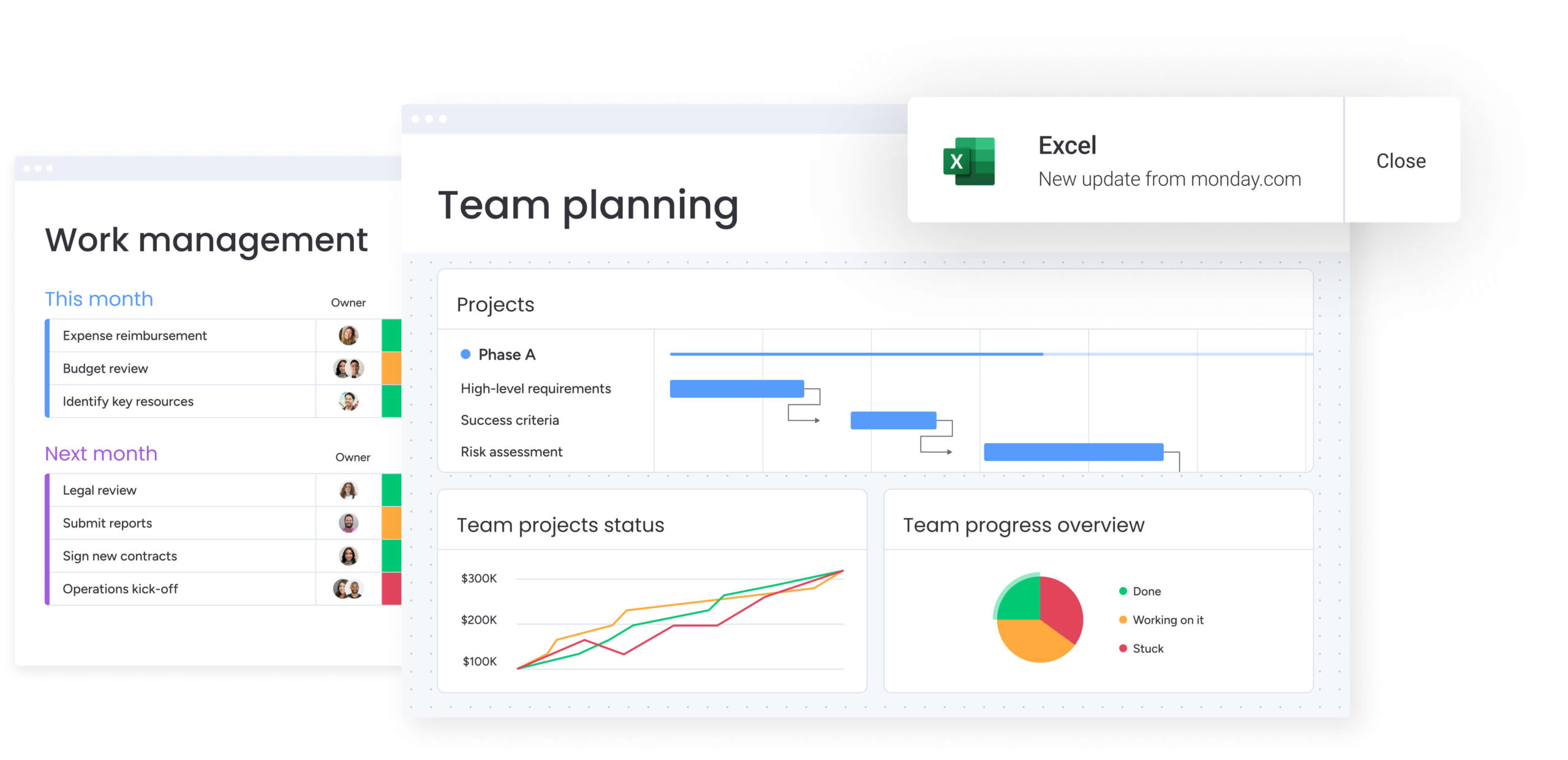
| Feature | Brand brief | Creative brief |
|---|---|---|
| Primary purpose | Defines long-term strategy and brand identity | Guides execution of a specific project or asset |
| Scope | Broad, encompassing entire brand ecosystem | Narrow, focused on a single campaign or deliverable |
| Lifespan | Long-term; valid for months or years | Short-term; valid only for project duration |
| Audience | Stakeholders, brand managers, entire organizations | Creative teams, designers, copywriters, agencies |
| Key content | Brand values, positioning, market analysis | Key message, deliverables, timeline, specs |
When do brand brief templates work best?
Brand brief templates work best for big-picture strategy. You need them when forming a company, rebranding, or entering new markets.
Enterprises use them to stay consistent across global teams. Startups use them to nail down their identity. Whenever establishing or specifying the fundamental “who” and “why” of your organization, a brand brief is required.
When do creative brief templates take priority?
Creative briefs support tactical execution. When brand strategy has been established, and teams require specific assets, such as banner ads, landing pages, or brochures, a creative brief is the appropriate document.
It translates the high-level strategy defined in the brand brief into actionable instructions that writers and designers can use to execute their work effectively.
Choosing the right template format
Choose your template based on your project’s complexity and how your team works. Consider:
- Simple internal projects: lean one-page brief focusing on core requirements
- Complex multi-stakeholder initiatives: comprehensive, multi-section documents with detailed approval chains
- Agile team environments: hybrid approaches maintaining a core brand brief centrally while spinning off lighter creative briefs for individual sprints
Three methods to customize brand brief templates
Templates give you a starting point, but customize them to fit your actual needs. Adapt the structure to your organization and teams will actually use it. These three approaches help you customize templates for different situations.

1. Adapt templates for industry needs
Industry-specific tweaks cover regulatory and market challenges generic templates miss:
- Healthcare: include sections for legal compliance, patient privacy regulations, and medical accuracy review processes
- Technology: emphasize technical specifications, product roadmap alignment, and developer-focused messaging
- Retail: focus on seasonality, promotional calendars, and in-store versus online consistency
- Financial services: add compliance sections for financial advertising regulations and risk disclosures
2. Scale for enterprise team requirements
Large organizations need templates that handle complexity without drowning in red tape. For enterprise scale, add sections for regional adaptations so global teams can localize content without losing what makes your brand yours.
Longer approval chains work for complex decision-making structures. Better version control helps you manage input from multiple departments.
3. Connect templates to work processes
The best templates plug directly into your work management system. Brief sections connect to project fields, workflows, and timelines instead of sitting in a doc somewhere.
Work management platforms can connect the “Deliverables” section to automatically generate project workflows for creative teams, bridging planning and execution gaps.
AI-powered brand brief automation
AI speeds up the brand brief process by cutting manual work and surfacing insights from your data. AI can reduce the manual work involved in creating and maintaining brand briefs by drafting content, extracting approved information from existing materials, and helping teams identify patterns across past work.
So where does AI actually help most? The hardest part of any brief is often the blank page. On monday.com, task-specific agents can draft on-brand copy, generate messaging variations, and organize incoming requests, while a strategist shapes the direction and owns the final call. Think of an AI brand brief generator as a fast first draft, not a substitute for the people who own the brand. These three use cases show where automation adds the most value today.
- Generate brief content instantly: AI speeds up drafting by creating initial content from basic prompts, populating standard sections like “competitor analysis” or “market trends” by synthesizing available data so strategists can spend time refining strategy instead of staring at a blank page
- Extract information from existing documents: AI pulls relevant data from old briefs, brand guidelines, and research to fill new templates, keeping things consistent and cutting busywork by automatically pulling up approved messaging and visual standards
- Optimize templates through data analysis: advanced AI reviews past projects and suggests improvements by linking brief sections to campaign results, identifying what drives success, and refining the template structure based on real-world data.
With monday vibe, you can also describe the brief or campaign-tracker app you need, and it builds a connected workspace app, so the generated brief plugs straight into daily work. People and agents move the brief forward together, with your team always in control. For a broader look at where AI can support planning and execution, see this guide to AI in project management
Build living brand brief workflows with monday AI Workspace
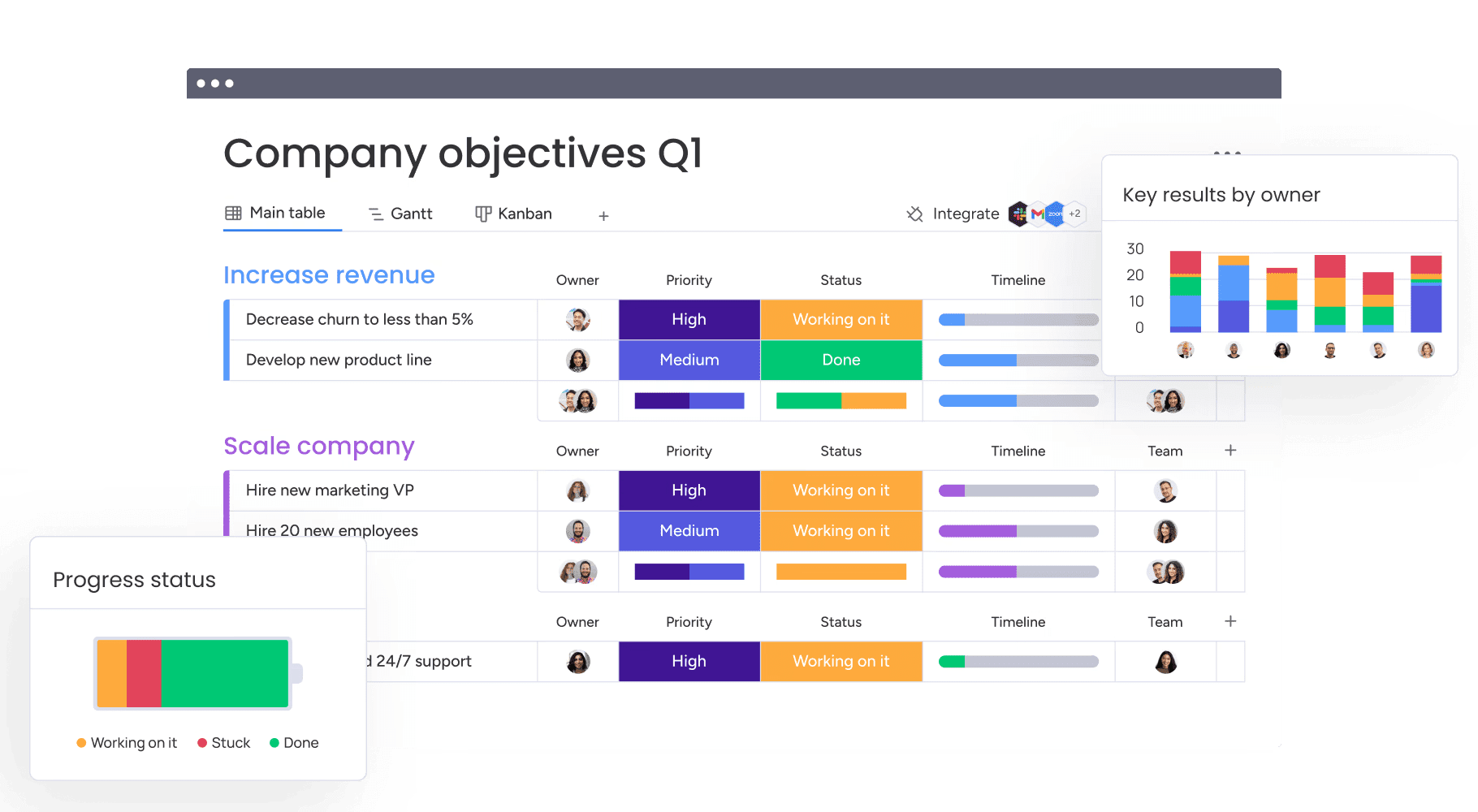
monday AI Workspace connects brand briefs to the work they guide, so objectives, deliverables, owners, timelines, approvals, and campaign progress can stay visible in the same environment. Instead of maintaining the brief as a separate reference file, teams can turn its requirements into active workflows.

Replace static templates with dynamic workflows
On monday.com, static text converts into dynamic boards where every brief element becomes actionable. Customizable columns track status, owners, and priority levels for each deliverable defined in the brief.
Automations alert team members when brief requirements change, ensuring everyone works from the current strategy. Ready-made or custom automation recipes handle reminders, approvals, and handoffs, so the brief keeps moving without manual chasing.
Standardize brief intake with forms
WorkForms lets stakeholders and vendors submit creative and brand requests through a branded, no-code form that feeds straight into your boards. Every submission becomes a structured, ready-to-use work item instead of another email thread.
Conditional logic keeps requests complete and specific, and built-in AI can generate the form and summarize long responses. This gives you standardized intake that scales as request volume grows.
Collaborate on the brief in real time
Workdocs keeps the brief itself collaborative and connected to live board data, so plans and execution stay in sync. Teams provide feedback, ask questions, and share files within the brief’s item card or doc.
This replaces scattered email threads and preserves creative context. Real-time editing and @mentions let cross-functional teams work together, wherever they are.
Link briefs to resources and timelines
On monday.com, brand briefs connect directly to execution. Strategic objectives defined in briefs link to Gantt charts and workload views, so resource allocation matches strategic priority.
Dependencies are visualized, so if key brand assets are delayed, the timeline impact is instantly apparent, allowing proactive adjustments.
Monitor brand execution with dashboards
Customizable dashboards provide high-level views of brand health and project status. Leaders see progress across multiple campaigns and track how well execution aligns with brief objectives.
Widgets display real-time data on budget consumption, completion rates, and stakeholder approval status. AI-generated summaries and risk alerts help leaders act before issues escalate, without chasing status updates.
Draft and build with AI agents, Vibe, and MCP
monday agents are task-specific AI workers that draft on-brand copy, generate messaging variations, and organize incoming requests. They work alongside your team, run on triggers, and stay within permission-based guardrails, so people and agents deliver the brief together. Agent usage runs on credit-based billing, effective June 8th, 2026.
Vibe, the no-code app builder, turns a plain-language description into a connected brand-brief or campaign-tracker app that inherits your data, permissions, and security. Through monday MCP, external AI assistants like Claude and ChatGPT can read and act on your brief data securely, within your existing permission model. With 200+ integrations across apps like Slack, Gmail, and Salesforce, the brief stays connected to the rest of your marketing stack.
The comparison below contrasts a connected approach on monday.com with the static templates and email-based methods many teams still rely on.
| Feature | monday AI Workspace | Static templates (Docs/PDF) | Email-based management |
|---|---|---|---|
| Format | Dynamic, actionable workflow | Passive, static text | Disconnected threads |
| Collaboration | Real-time, in-context, centralized | Sequential, version-control issues | Fragmented, hard to track |
| Updates | Instant, automated notifications | Manual redistribution required | Easy to miss, buried in inbox |
| Visibility | Dashboards, high-level overviews | Limited to document readers | Zero visibility |
| Integration | Connects to data, timelines, and AI | Isolated file | None |
Trusted by hundreds of thousands of organizations, including many of the world’s largest enterprises, monday.com brings the brief and the work it governs into one connected workspace.
Turn brand strategy into repeatable execution
A brand brief earns its keep when it closes the distance between strategy and daily execution. Treat it as a living system rather than a document you file away, and every campaign, launch, and asset starts from the same shared understanding of who you are.
The next step is connecting your brand brief to the work it governs, so updates reach the team the moment strategy shifts. When your brief lives where the work happens, consistency stops being a manual effort and becomes the default.
The content in this article is provided for informational purposes only and, to the best of monday.com’s knowledge, the information provided in this article is accurate and up-to-date at the time of publication. That said, monday.com encourages readers to verify all information directly.
Frequently asked questions
How long should a brand brief be?
A brand brief should be as long as necessary to be precise but as short as possible to stay usable. For most strategic initiatives, 2 to 4 pages are enough to cover positioning, values, audience, and standards without overwhelming the teams who need to act on it.
What's the difference between a brand brief and brand guidelines?
The difference between a brand brief and brand guidelines is scope and permanence. A brand brief is a strategic document scoped to a specific project or initiative, while brand guidelines are the standing rules and standards that govern your brand's overall identity across every touchpoint over time.
Can you use an AI brand brief generator to create one?
Yes, you can use an AI brand brief generator to create a strong first draft. AI agents can pull from your existing guidelines and inputs to draft initial sections, then a strategist refines the positioning, voice, and priorities. People and agents work together, with the strategist owning the final decisions.
How often should a brand brief be updated?
Update a brand brief whenever there's a significant shift in market conditions, business strategy, or audience insights. In practice, most teams review theirs annually or during strategic pivots such as a rebrand, a new market entry, or a major product launch.
How does monday AI Workspace help create a brand brief?
monday AI Workspace helps create a brand brief by turning it into a live workspace on monday.com. Dynamic boards, WorkForms intake, and automations organize each brief element, while Agents and Vibe help draft on-brand content and build connected tracking apps, keeping strategy tied to execution.
Who should write the brand brief?
The brand brief is typically written by the brand manager, marketing director, or project lead. It relies on collaborative input from key stakeholders across product, sales, and creative leadership, so the final document reflects the whole organization rather than a single function.
 Get started