


Starting a new role can feel like joining a story already in motion. Priorities are moving, relationships are established, and expectations exist long before you fully understand them. Those early weeks often shape how quickly you build credibility, how confidently you contribute, and how much influence you gain over time.
A clear 90 day approach helps you find your footing faster. It gives you space to learn how things really work, build the relationships that make progress easier, and deliver early results that show good judgment. Instead of trying to prove everything immediately, you create steady momentum that others can see and trust.
This helpful article breaks down how to structure your first three months so each stage builds naturally on the last. From understanding team dynamics to identifying meaningful quick wins and setting longer term direction, the goal is to help you move with clarity, contribute with confidence, and establish a strong foundation for what comes next.
Key takeaways
- Structure your first 90 days into three clear phases: Divide your onboarding into learning, contributing, and leading stages to ensure steady progress and avoid reactive work patterns.
- Prioritize relationships before driving change: Invest early time in understanding stakeholders, team dynamics, and company culture to build trust and credibility before proposing improvements.
- Define measurable success criteria with your manager: Align on clear KPIs and expectations for each phase to ensure your efforts directly support business goals and reduce misalignment.
- Balance quick wins with long-term impact: Deliver early, visible results while also laying the groundwork for strategic initiatives that demonstrate leadership potential.
- Use dynamic tools to track progress and adapt plans: Platforms like monday work management help turn static plans into evolving workflows, improving visibility, collaboration, and real time alignment.
Why your first 90 days could define your career trajectory
Your first three months set the tone for everything that comes next. From day one, people are forming opinions about how you think, how you work, and how much you can be trusted. These early signals shape your growth, your visibility, and the kind of opportunities that come your way.
Getting hired proves your technical ability. What really determines your long term success is how well you understand the organization. Can you read between the lines, identify who influences decisions, and recognize what actually matters to leadership?
Structured onboarding plays a big role here. Research shows that organizations with well-defined roles are more than twice as likely to hold employees accountable and nearly five times more likely to be healthy overall. At the same time, the amount of information, systems, and relationships you need to absorb can feel overwhelming.
Without a clear approach, it is easy to spend your early weeks reacting instead of building momentum. That is why having a plan matters: it helps you take control, stay focused, and shape how others see your impact from the start.
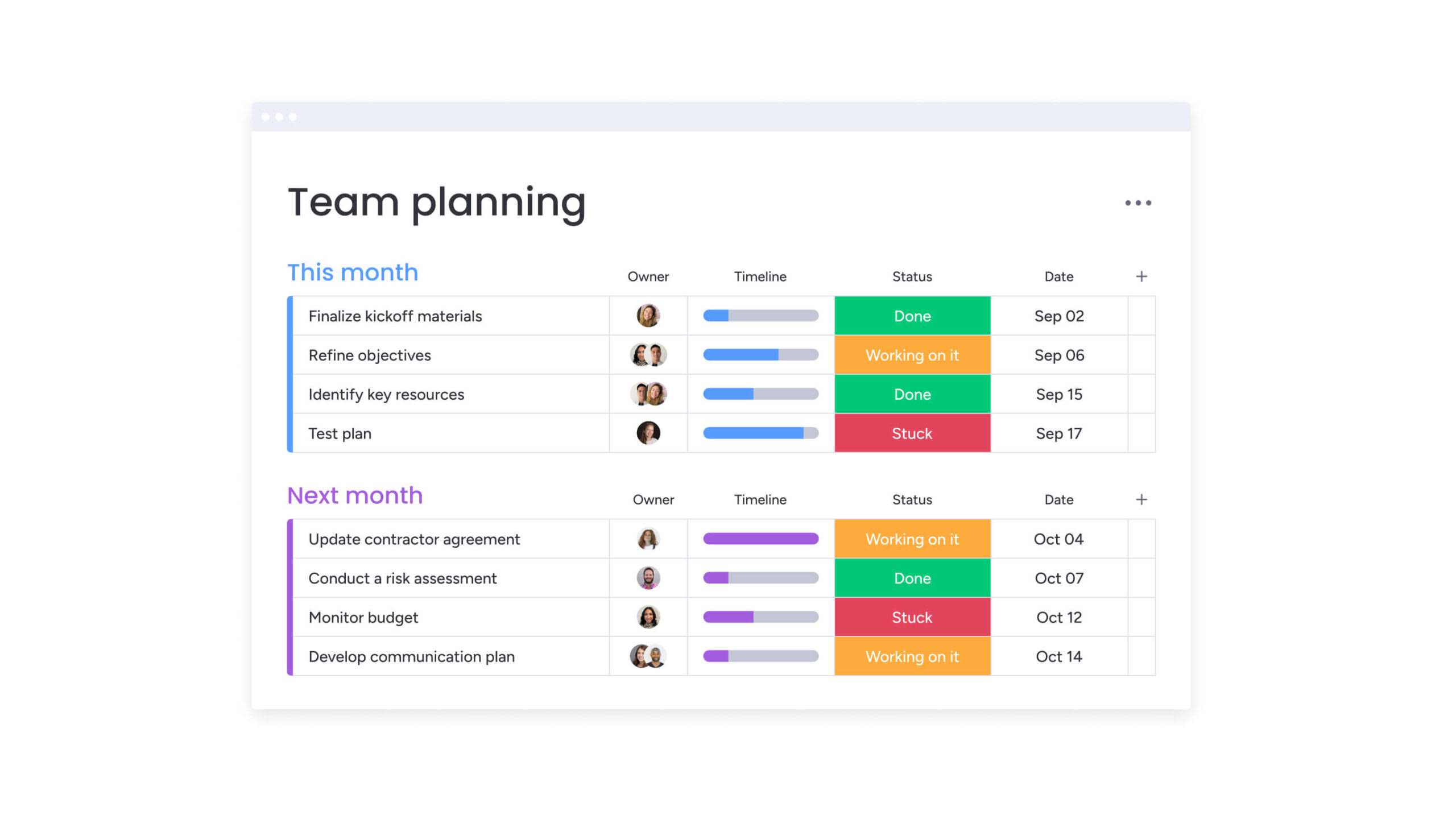
What makes a 30-60-90 day plan essential for new roles?
A 30-60-90 day plan gives structure to your first three months. It outlines what you should focus on, what success looks like, and how you will get there. Organizations that use structured execution methods see significantly higher success rates compared to those that rely on ad hoc approaches.
This framework also breaks your onboarding into three distinct phases, each with a clear purpose. Instead of trying to do everything at once, you move forward with intention and clarity.
Before diving deeper, here is how the phases are typically structured:
| Phase | Days | Focus | Your role | Primary outcome |
|---|---|---|---|---|
| Learning | 1-30 | Absorbing information, understanding culture, building relationships | Student of the business | Deep organizational understanding |
| Contributing | 31-60 | Applying knowledge, taking on projects, demonstrating early value | Active contributor | First meaningful deliverables |
| Leading | 61-90 | Full ownership, driving initiatives, suggesting strategic improvements | Integrated leader | Strategic vision and execution |
A phased approach helps you move at the right pace. It creates space to understand how the organization works before suggesting change, while still encouraging early contributions that build confidence in your ability. Each stage builds naturally on the last, so progress feels deliberate rather than rushed.
Without a clear plan, the first few months can easily become reactive. Priorities shift quickly, expectations remain unspoken, and it becomes harder to show meaningful progress. A 30-60-90 day plan keeps your focus on what matters most, helping you stay aligned with your manager while demonstrating steady impact.
Using monday work management allows your plan to evolve alongside your role. Milestones, priorities, and feedback stay connected to your daily work, making it easier to adjust as new information emerges. This keeps your progress visible, and your goals relevant.
Try monday work management
How to create your winning first 90 days template
A strong plan connects your daily work to broader company goals. The steps below help you create something focused, practical, and easy to adapt as your understanding of the role develops.
Step 1: set measurable success criteria
Start by defining what success actually looks like at each stage. If you cannot measure results, it becomes difficult to show progress or justify your efforts. Clear benchmarks give you direction and make your work easier to evaluate.
For example, a sales manager might spend the first month learning systems, the second closing deals, and the third improving pipeline efficiency. In cross functional roles, success may include less tangible outcomes. Even then, you should still define what progress looks like in real terms.
Before you set your goals, consider a few practical examples:
- Interview ten department heads: Build relationships while understanding dependencies across teams.
- Document three process improvements: Show initiative by identifying gaps and suggesting better ways to work.
- Complete product certification: Demonstrate commitment while building confidence in your role.
These goals should reflect both your ambition and what the business values most. That balance helps you stay aligned while still pushing forward.
Step 2: map your key stakeholder network
Getting things done depends heavily on who you work with. Start by identifying the relationships that matter most, then group them based on how they connect to your work. This makes your network easier to manage and prioritize.
Here are the key groups to focus on:
- Direct manager: Your primary point of accountability and performance evaluation.
- Immediate team: Your daily collaborators and closest project partners.
- Cross functional partners: Colleagues from other teams who influence your outcomes.
- External stakeholders: Clients, vendors, or partners outside the organization.
Once you map this out, prioritize based on influence and dependency. At the same time, note how each person prefers to communicate. Some may prefer quick Slack messages, while others expect structured updates. This clarity helps you build stronger connections faster.
Step 3: align goals with manager expectations
Creating a plan in isolation often leads to misalignment. That is why early conversations with your manager matter. These discussions help define expectations and highlight the resources available to you.
If expectations feel unclear, suggest specific metrics and ask for confirmation. This shows initiative while making sure you focus on the right priorities. It also reduces guesswork and builds trust early on.
Document what you agree on. This creates a clear reference point and prevents scope from drifting over time. As a result, your first performance review becomes much easier to navigate.
Step 4: design phase-based milestones
Break your 90 day plan into smaller milestones that act as checkpoints. This keeps your progress structured and easier to track. Each phase should have clear outcomes tied to your learning and contribution.
For instance, early milestones may focus on completing training or understanding workflows. Later ones may involve launching a project or improving a process. Each step should build on what came before it.
At the same time, balance ambition with realistic timing. You cannot improve a process on Day 60 if you did not fully understand it by Day 30. Mapping dependencies like this keeps your plan grounded.
Step 5: build feedback and iteration cycles
Plans lose value if they stay static. Business needs shift, so your plan should adapt along the way. Regular check ins help you stay aligned and make timely adjustments.
Set up a rhythm like this:
- Weekly one to ones: Discuss priorities, blockers, and immediate updates.
- Monthly milestone reviews: Evaluate progress and adjust direction if needed.
- Quarterly planning sessions: Align on bigger goals and resource needs.
Use these conversations to refine your approach. When feedback comes in, act on it quickly. Over time, documenting these insights builds a personal knowledge base you can rely on.
Step 6: create your progress dashboard
When your progress is visible, accountability becomes natural. A simple dashboard helps you track learning, deliverables, and stakeholder engagement in one place. This keeps everything organized and easy to review.
Teams using powerful platforms like monday work management often build dashboards that update in real time. This reduces the need for manual reporting and keeps your manager informed without extra effort.
As a result, you spend less time explaining your work and more time actually doing it.
How your first 90 days plan works in practice
Once your structure is in place, the next step is applying it in real situations. Each phase of the first 90 days serves a different purpose, helping you balance learning with contribution and gradually increase your impact. Instead of trying to prove everything immediately, progress builds step by step, allowing you to gain context, deliver value, and take ownership with confidence.
The guidance below shows how priorities typically evolve across each stage, so your efforts stay focused on what matters most at the right time.
Days 1-30: Master the fundamentals
The first month sets the tone for everything that comes next. Early integration plays a big role in long term success, so your focus should be on learning, listening, and building connections. Strong foundations make later progress much smoother.
Decode the organizational landscape
Every company operates on two levels, the formal structure and the informal influence network. Pay attention to how decisions are made, who has influence, and what behaviors are rewarded.
Set up conversations with colleagues to gather insight. Ask questions that reveal real experiences, not just surface level information. These insights often fill the gaps left by onboarding materials.
Before suggesting any changes, understand why current processes exist. This helps you avoid repeating past mistakes and shows respect for existing work.
Build your relationship foundation
Focus on building genuine connections with your key stakeholders. Take time to understand their goals, challenges, and expectations. This makes future collaboration much easier.
Strong relationships create trust, which you will rely on later. In addition, identify colleagues who understand the culture well. These individuals can guide you and offer honest feedback when needed.
Over time, these connections become your support system across the organization.
Identify quick win opportunities
Look for small problems that you can solve quickly. These could be simple inefficiencies or minor issues that affect daily work. Even small improvements can make a noticeable difference.
However, make sure the problem actually matters to your team. Fixing something no one cares about will not create impact. Focus your effort where it counts.
Deliver these wins quietly and efficiently. This builds credibility without disrupting existing workflows.
Establish your learning rhythm
Create a system to organize what you learn. Keep track of key terms, processes, and contacts so you can refer back to them easily specially for training modules. This saves time and reduces confusion later.
Block dedicated time for learning and treat it seriously. Consistency matters more than intensity here. Regular effort leads to steady progress.
Also, check your understanding by summarizing it to your manager. This helps confirm accuracy and highlights any gaps early.
Days 31-60: Deliver value and expand influence
At this stage, your focus shifts from learning to contributing. You begin to take ownership of your work while strengthening your relationships. The goal is to move from observer to active contributor.
Ship your first major deliverable
Choose a project that is meaningful yet manageable within a month. Define the scope clearly and communicate your timeline upfront. Regular updates help build confidence in your execution.
Your first major output sets expectations for your work. Make sure it is accurate, polished, and aligned with team standards. Quality matters more than speed at this stage.
A strong first delivery creates momentum for everything that follows.
Deepen strategic partnerships
Shift your conversations toward collaboration. Look for shared goals between you and your stakeholders. This creates natural opportunities to work together.
Offer support where you can, even before it is requested. This builds goodwill and strengthens your reputation as a reliable partner.
Over time, these partnerships become essential for achieving larger goals.
Surface process improvements
With a fresh perspective, you can often spot inefficiencies others overlook. Identify areas where processes can be simplified or improved.
Frame your ideas carefully. Instead of pushing changes, present them as questions or experiments. This approach encourages discussion rather than resistance.
At the same time, acknowledge the effort behind existing processes. Respect builds trust, which makes your ideas easier to accept.
Calibrate based on feedback
Ask for specific feedback on your work. Targeted questions lead to more useful insights than general ones. This helps you improve faster.
Then, adjust your goals based on what you learn. Roles often evolve beyond their initial description, so your plan should reflect that.
Most importantly, show that you act on feedback. Visible improvement demonstrates self awareness and commitment.
Days 61-90: Lead with confidence
By this point, you are fully integrated into the team. Your focus shifts toward ownership, leadership, and long term impact. This phase sets the direction for your future in the role.
Present your strategic vision
Use what you have learned to shape a clear perspective on your role. Outline what you plan to achieve over the next six to twelve months. This signals that you are thinking beyond onboarding.
Tailor your message based on your audience. Keep it high level for leadership, while offering more detail for your team.
This step positions you as someone who contributes to direction, not just execution.
Launch your signature initiative
Take ownership of a project that requires coordination across teams. This demonstrates your ability to lead and deliver results.
Focus on measurable outcomes such as:
- Revenue generated: Show direct contribution to growth.
- Time saved: Improve efficiency through better processes.
- Risk reduced: Strengthen stability and reduce potential issues.
Own the outcome fully. Taking responsibility for both success and failure sets you apart.
Establish sustainable success systems
Build workflows that reduce repetitive work. This frees up time for more strategic thinking and higher value tasks.
Document your processes so they can be repeated or delegated. This supports long term scalability and consistency.
At the same time, set boundaries to maintain balance. Sustainable habits ensure you can perform well over time.
Transition into ongoing leadership
Start sharing your knowledge with newer team members. Teaching others reinforces your own understanding and builds your presence within the team.
Contribute more actively to planning and decision making. Your perspective now carries more weight, so use it effectively.
Treat the end of this plan as a starting point. Your role continues to grow from here.
Try monday work management
“monday.com has been a life-changer. It gives us transparency, accountability, and a centralized place to manage projects across the globe".
Kendra Seier | Project Manager
“monday.com is the link that holds our business together — connecting our support office and stores with the visibility to move fast, stay consistent, and understand the impact on revenue.”
Duncan McHugh | Chief Operations OfficerFirst 90 days pitfalls every professional must avoid
Even experienced professionals can lose momentum early on, not because of skill gaps, but because of avoidable habits. The first ninety days shape how others see your judgment, reliability, and awareness. When you recognize these pitfalls early, you give yourself room to adjust before they become long term setbacks.
Below are seven common missteps that can quietly derail your start, and how they show up in real situations.
1. Racing ahead without organizational context
Jumping straight into execution can feel productive, however it often creates friction. When you make changes without understanding why things exist as they do, you risk solving the wrong problems.
Take time to observe patterns, decisions, and constraints first. Then, when you act, your ideas land with context and credibility, rather than resistance.
2. Overlooking critical stakeholder alignment
It is easy to focus only on your manager, especially in the early days. Still, your success depends just as much on peers and cross functional partners.
When those relationships are weak, support disappears when you need it most. Building alignment early creates a network that helps you move faster later.
3. Chasing only short-term wins
Quick wins help you build confidence, and they signal momentum. However, if you stay there too long, it can suggest you are avoiding more complex challenges.
Balance visible progress with deeper work that takes time. This shows that you can handle both execution and long term thinking at the same time.
4. Operating in a silo
Focusing only on your tasks may feel efficient, yet it limits your impact. Without collaboration, you miss context that could shape better decisions.
Make an effort to connect across teams early. These conversations often reveal insights you would not find on your own.
5. Dismissing cultural nuances
Every organization has unspoken rules around communication, decision making, and hierarchy. Ignoring these details can create friction, even if your work is strong.
Pay attention to how things actually get done, not just how they are described. Being effective within the culture matters more than simply being correct.
6. Missing regular manager check-ins
When updates are inconsistent, assumptions start to fill the gap. Your manager may not fully understand your progress or priorities.
Frequent check ins keep both of you aligned. They also give you a chance to adjust direction before small issues grow into bigger ones.
7. Forgetting to document key insights
Relying on memory alone leads to gaps and repeated mistakes. Important decisions, processes, and lessons can quickly get lost.
Write things down as you learn them. Over time, this becomes a valuable reference that helps you move with clarity and confidence.
The first ninety days shape how others see your judgment, reliability, and awareness. When you recognize these pitfalls early, you give yourself room to adjust before they become long term setbacks.
Transform your 90-day plan with smart automation
A static plan often looks good at the start, but it quickly falls out of sync with reality. Work changes, priorities shift, and new information keeps coming in.
That is where automation helps you stay on track. It keeps your plan active, visible, and aligned with what is actually happening day to day.
AI driven features can help you draft a starting plan based on your role and industry. For example, suggested action items can instantly populate your board with relevant milestones, saving setup time while ensuring nothing important is missed.
At the same time, automated reminders keep both you and your manager aware of upcoming deadlines. Because of this, you spend less time tracking tasks manually and more time focusing on meaningful work.

Make your first 90 days count with monday work management
Keeping your first 90 days on track requires more than a static document. As priorities shift and new relationships form, your plan needs to stay visible, adaptable, and closely connected to your day-to-day work.
monday work management helps bring structure to this process by turning your goals into shared workflows that keep progress clear, communication organized, and expectations aligned across stakeholders.
- Disconnected plans from daily execution: Static documents often fail to reflect real work, creating gaps between planned milestones and actual progress.
- Limited visibility into progress and performance: Without shared dashboards, it becomes difficult for both employees and managers to understand status, identify risks, or measure outcomes.
- Misalignment across stakeholders: When goals, updates, and expectations are not centralized, teams risk drifting away from agreed priorities.
- Inefficient communication and context loss: Scattered messages across tools make it harder to track decisions, feedback, and next steps tied to specific work items.
- Manual tracking and lack of automation: Relying on manual updates increases the chance of missed deadlines, outdated information, and inconsistent follow through.
- Onboarding processes that do not scale: Traditional templates are often abandoned after initial use, limiting their value for long term performance and growth.
By turning onboarding into a dynamic, shared workspace, teams can maintain alignment, improve accountability, and ensure that early efforts translate into sustained impact. This creates a clearer path from initial learning to long term contribution, with measurable results and stronger coordination across the organization.
Try monday work managementFrequently asked questions
Should I share my 90-day plan with my manager?
Yes, you should share your plan early. It shows initiative and opens the door for meaningful input on priorities. At the same time, it ensures you have the support and clarity needed to move in the right direction.
How detailed should a first 90 days template be?
Your plan should guide your day to day work without feeling rigid. Weekly milestones work well because they keep you focused while still allowing room to adjust as you learn more. This balance helps you stay consistent without losing flexibility.
Can I adapt a 90-day plan template for internal promotions?
Yes, you can, and the focus shifts slightly. Since you already understand the culture, you can move faster through that phase while spending more time on new stakeholders and expectations. This helps you adjust quickly without missing important context.
What happens if I don't complete everything in 90 days?
Not completing everything is not a setback, it is a signal to reassess priorities. Use this as a chance to discuss workload and focus areas with your manager. These conversations often lead to better alignment and more realistic goals.
How do I customize a 90-day plan for remote positions?
Remote roles require more deliberate communication. Schedule regular check ins, use video when conversations need clarity, and share updates frequently. This helps you stay visible and connected even without in person interaction.
When is the best time to create my first 90 days plan?
Start outlining your plan after you accept the offer. Then refine it during your first week as you gather input from your manager and team. This approach gives you direction early while keeping space for adjustments.

 Get started