


Construction projects aren’t complete until every detail is perfect: from properly functioning HVAC systems to flawless paint finishes. The final punch list phase can make or break your profits, timeline, and reputation. Without systematic tracking, minor issues like missing door hardware or paint touch-ups can delay final payments and damage client relationships.
A well-managed punch list transforms chaotic closeouts into smooth, professional handovers that protect everyone’s interests.
The following sections cover punch list essentials: template elements that capture critical project details, common items to track across trades, team responsibilities from general contractors to subcontractors, and best practices for efficient completion.
Key takeaways
- Create comprehensive documentation: capture all incomplete or defective work in your construction punch list during the final walkthrough, typically at 95-98% completion, to protect contractors, owners, and architects alike.
- Write clear, actionable descriptions: include exact locations, specific problems, and required fixes for every item. Vague descriptions lead to costly delays and miscommunication between trades.
- Prioritize strategically with realistic timelines: assign clear ownership and set deadlines based on urgency. Safety issues and code violations need immediate attention, while cosmetic touch-ups can follow a reasonable schedule.
- Leverage digital tools for seamless execution: automate task assignments, enable real-time collaboration across field and office teams, and visualize completion progress with dashboards accessible from any device using monday work management.
- Start planning before the final phase: build quality into your project from day one by conducting systematic inspections by trade or area, using digital tools with integrated photo documentation for complete coverage.
What is a construction punch list?
A construction punch list is a comprehensive document that identifies all incomplete or defective work items requiring correction before a project reaches final completion.
A construction punch list serves as the final quality assurance checkpoint between substantial completion, when a building is ready for occupancy, and the point at which every detail meets the contract specifications and requirements.
The team creates the punch list during the final walkthrough, where the contractor, architect, and owner inspect every corner of the project. Each problem they find, from a crooked light switch to missing cabinet hardware, gets documented with specific details about what needs fixing and who’s responsible.
The purpose of punch lists in construction projects
Punch lists protect everyone involved in construction project management. They ensure contractors deliver exactly what they promised, owners get what they paid for, and architects see their designs properly executed.
The timing matters, as most punch lists are created when projects reach substantial completion, typically when the building is 95-98% finished and ready for occupancy. This gives contractors enough time to fix issues without delaying move-in dates.
Without punch lists, minor problems become major headaches after occupancy. That missing door handle becomes an urgent maintenance request. That paint touch-up turns into a warranty claim. The systematic approach of punch lists prevents these scenarios.
Punch list vs checklist
While both help maintain quality, punch lists and checklists work at different stages of construction. Here’s how they differ:
- Checklists are proactive: used throughout construction to prevent problems.
- Punch lists are reactive: created after work is done to identify what needs fixing.
Checklists serve as preventive tools used throughout the construction process to ensure quality standards are maintained at each stage. Punch lists, by contrast, function as corrective instruments that identify deficiencies requiring resolution before final project acceptance. For teams seeking to improve future project outcomes, a post mortem provides valuable insights for process refinement.
When do punch lists matter most?
Certain project milestones make punch lists essential. Before final inspections, building officials need to see that everything meets code requirements. Any issues they find must be fixed before you can get your certificate of occupancy.
Punch lists also trigger final payments. This practice, known as retain age, is common in the industry, where most contracts hold back a portion of payment, typically 5-10%, until all punch list items are complete. For government projects, punch lists might be legally required to prove the work meets specifications.
What happens without proper punch list management? Delayed payments, warranty disputes, and damaged professional relationships that can hurt future business opportunities.
Essential elements of every punch list template
A good punch list template captures both technical details and administrative information. This dual approach ensures nothing gets missed while maintaining the documentation needed for payment and legal protection.
Project information and details
Start with the basics: project name, complete address, contract number, and inspection date. These identifiers create the foundation for tracking and reference throughout the closeout process.
Weather conditions matter more than you might think. Rain can hide roof leaks that would otherwise be obvious, while bright sunlight reveals paint inconsistencies invisible under cloudy skies. Document the conditions during your walkthrough: this context explains why certain defects might surface later.
Record every participant in the walkthrough: names, titles, company affiliations, and contact information. This roster does more than track attendance — it establishes clear accountability for who identified each issue and creates an audit trail that protects all parties if disputes arise during the correction phase.
Item descriptions and locations
Vague descriptions waste everyone’s time and risk project delays. To prevent this, each punch list item needs enough detail that any contractor can find and fix the problem without asking questions. Good descriptions include:
- Exact location: “second floor, room 204, north wall”.
- Specific problem: “paint overspray on window trim”.
- Required fix: “Remove paint and clean glass”.
Photos make descriptions more specific and reduce ambiguity. Capture both close-ups of the defect and wider shots showing the location context.
Responsible party assignments
Because every item needs an owner, specify which contractor or subcontractor must handle each fix. When multiple trades are involved, designate a lead coordinator.
Include escalation procedures. If the electrician doesn’t show up to fix those outlets, who gets the call? Clear chains of command prevent items from falling through cracks.
Priority levels and deadlines
Not all punch list items are equal. A broken fire exit needs immediate attention. A scuffed baseboard can wait. Common priority categories include:
- Critical: safety issues or code violations blocking occupancy.
- Major: problems affecting building function or appearance.
- Minor: cosmetic issues that don’t impact operations.
Set realistic deadlines based on each item’s complexity and priority. Critical items might need same-day fixes, while minor cosmetic work could have a week.
Status tracking systems
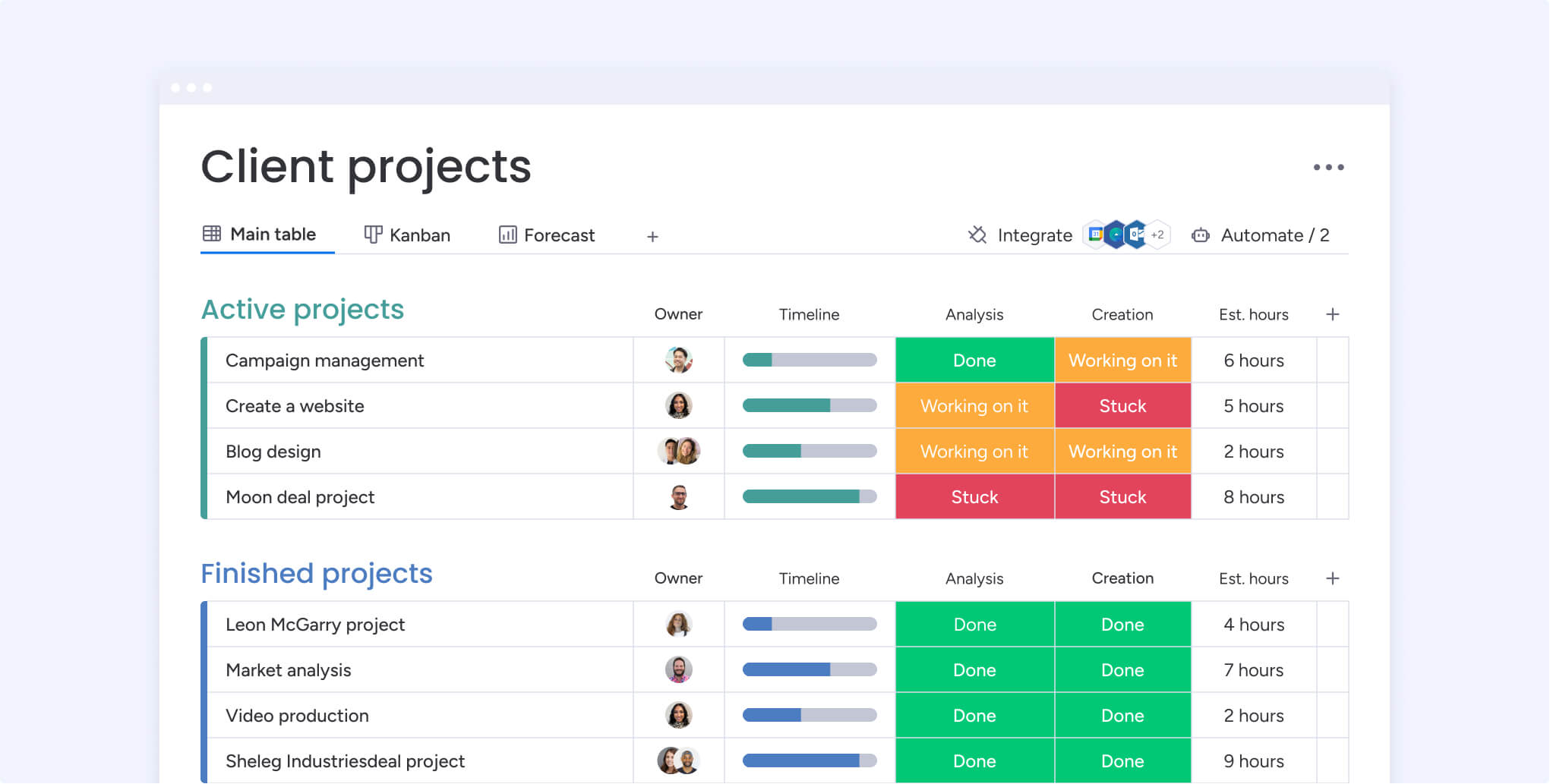
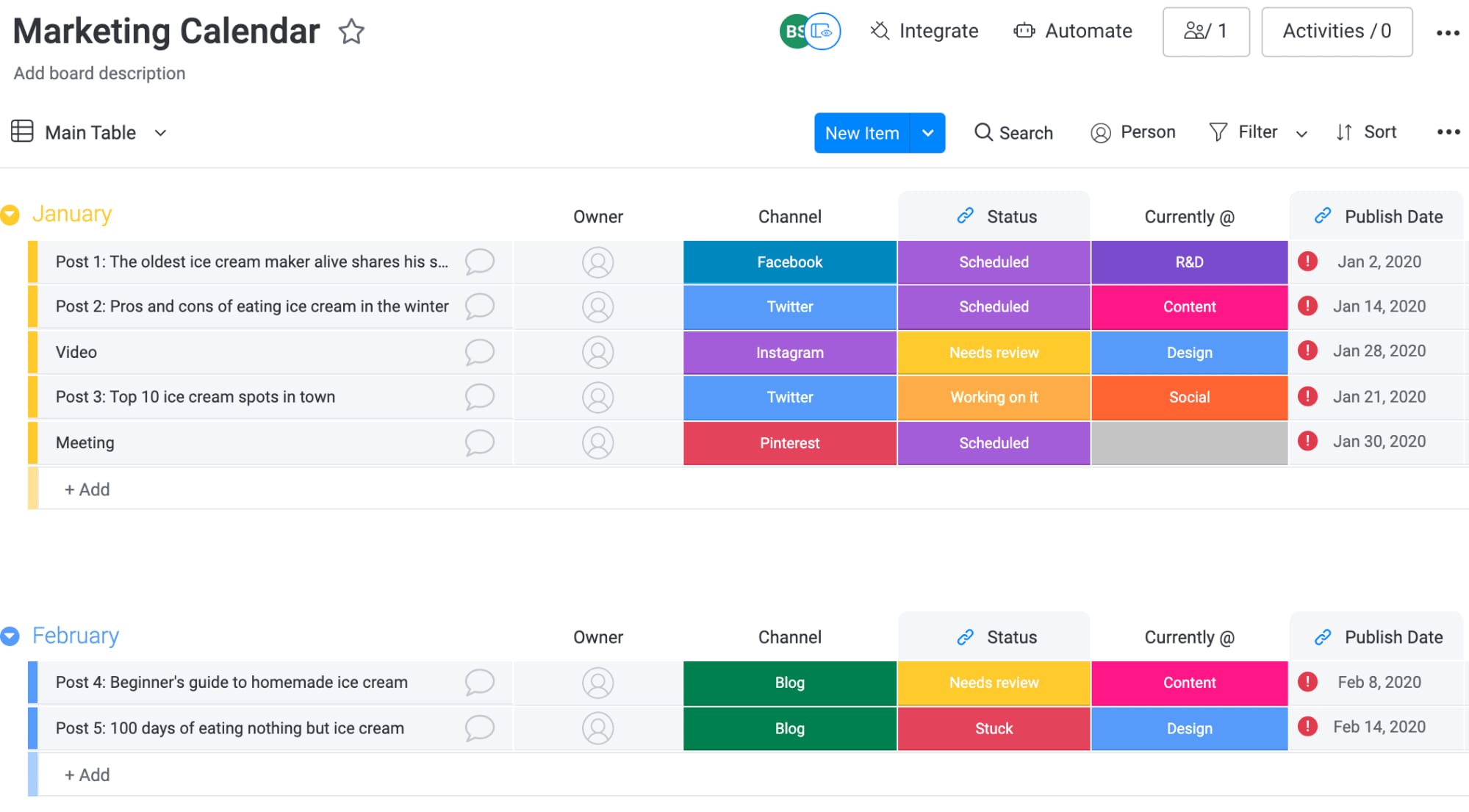
Track progress with clear status categories. Visual indicators in monday work management show at a glance whether items are open, in progress, ready for review, or complete, which can be effectively visualized with a Gantt chart for a construction project.
Add a “rejected” status for work that doesn’t meet standards on the first try. This creates transparency and helps identify contractors who might need extra oversight.
Common punch list items you need to track
Understanding what typically appears on construction punch lists helps you prepare more thorough inspections and avoid overlooked issues. While every project is unique, most punch lists fall into four main categories: items requiring testing and verification, repairs and corrections, missing installations, and final cleanup work.
By analyzing these specific categories, you can ensure a higher standard of quality control and a smoother project handoff.
Items to test and verify
Building systems need functional testing before acceptance. HVAC systems require temperature and airflow checks. Electrical systems need every outlet and switch tested. Plumbing fixtures must demonstrate proper water pressure and drainage.
Don’t forget specialized systems:
- Fire safety: test alarms, sprinklers, and emergency lighting.
- Security: verify cameras, access controls, and monitoring systems.
- Technology: check data ports, Wi-Fi coverage, and AV equipment.
Items to fix or repair
These are the most common punch list items: work that’s done but not done right. Surface defects like scratches, dents, or stains need attention. Installation errors such as crooked fixtures or gaps in trim require correction.
Paint issues appear on nearly every punch list:
- Touch-ups: missed spots or thin coverage.
- Color matching: slight variations between batches.
- Overspray: paint where it shouldn’t be.
Items to add or install
Sometimes contractors simply forget to install components. Those missing items often include:
- Hardware: door handles, towel bars, outlet covers.
- Accessories: mirrors, toilet paper holders, signage.
- Documentation: operating manuals, warranty papers, spare keys.
Double-check these items against the original contract to confirm they were included in the scope of work.
Items to remove or clean
The final category covers cleanup work. Construction debris, protective coverings, and manufacturer stickers all need removal. Windows need washing, floors need polishing, and every surface needs a final wipe-down.
These items might seem minor, but they significantly impact the owner’s first impression of their new space.
5 steps to create your construction punch list
Creating an effective construction punch list requires a systematic approach. Follow these five steps to ensure nothing falls through the cracks during your project closeout.
Step 1: schedule the pre-punch walkthrough
Timing is everything, therefore schedule your pre-punch walkthrough when the project is nearly complete but with enough time for fixes before the official inspection, aligning project scheduling with final quality checks.
Coordinate schedules early. You need the general contractor, key subcontractors, architect, and owner representative all present. For large projects, consider separate walkthroughs for different systems or building areas.
Step 2: gather documentation tools and templates
Come prepared with the right tools. You’ll need:
- Digital camera: for clear deficiency photos.
- Measuring tools: to verify alignments and dimensions.
- Current drawings: for specification references.
- Mobile device: for real-time data entry.
With mobile-friendly templates that work on tablets and smartphones, monday work management lets you document issues as you find them.
Step 3: conduct systematic site inspections
Conduct inspections systematically by trade rather than moving randomly through the building. Review all electrical work, followed by plumbing, then finishes. This structured approach ensures that qualified experts evaluate each area with appropriate technical knowledge.
Schedule inspections during daylight hours whenever possible. Natural light reveals finish defects that artificial lighting may conceal. Conduct multiple inspection passes, as certain issues only become visible from specific angles or under particular conditions.
Step 4: categorize and prioritize all items
Sort your findings by priority immediately after the walkthrough. Don’t wait until you’re back at the office: fresh observations lead to more accurate categorization.
Consider both the impact and complexity of each item. A critical safety issue might be a quick fix, while a minor cosmetic problem could require ordering special materials.
Step 5: assign tasks with clear deadlines
Match each item to the responsible contractor with a specific deadline. Factor in:
- Item complexity: simple fixes need less time.
- Material availability: special orders take longer.
- Trade coordination: some fixes require multiple contractors.
Build in buffer time for re-inspection and potential rework. As deadlines approach, monday work management sends automatic reminders, keeping everyone accountable.
Who creates and manages the punch list process?
Successful punch list completion depends on clear role definition and accountability across your project team. While the general contractor typically leads the process, every stakeholder, from subcontractors to architects, plays a critical part in ensuring quality work gets completed on time.
By understanding these specific responsibilities, you can prevent confusion, reduce delays, and keep your project moving toward final acceptance and payment.
- General contractor’s role: orchestrate the entire process by scheduling walkthroughs, coordinating subcontractors, and tracking progress. They conduct preliminary quality reviews to minimize official findings and manage all documentation required for final payment and warranties.
- Subcontractor responsibilities: fix items within your trade scope promptly and correctly by providing proper materials, skilled labor, and coordination with other trades when necessary, following a structured corrective action plan template if needed. Quality matters; sloppy repairs lead to item rejection and project delays, so communicate any obstacles immediately rather than waiting for the next progress meeting.
- Owner and architect involvement: owners have final say on whether corrections meet their standards, reviewing completed work and approving final acceptance. Architects verify that fixes align with design intent and specifications, ensuring a smooth project closeout. Both should participate in final walkthroughs to confirm all items are complete before approving final payment.
- Project manager coordination: keep everything running smoothly by facilitating communication, tracking progress, and escalating issues when items stall, leveraging essential manager tools for success.
Best practices for punch list management
Even the most detailed punch list template won’t deliver results without solid execution practices. The difference between projects that close smoothly and those that drag on for weeks often comes down to how teams approach punch list management.
These proven strategies help you maintain quality, keep contractors accountable, and move projects toward final completion without unnecessary delays or disputes.
Start punch list planning early
Build quality into your project from day one. Include punch list procedures in your contracts. Train teams on quality standards throughout construction, a critical component for adoption, as research shows 60% of employees globally believe better training would improve change management. Conduct regular inspections to catch issues early.
Develop standard templates that work across different project types and maintain thorough project documentation for reference. Consistency improves efficiency and ensures comprehensive coverage.
Write specific and actionable descriptions
Vague descriptions create confusion and delays. To see the difference, compare these examples:
- Good: “replace cracked tile at main entrance, grid C-4, with sample A match”.
- Bad: “fix broken tile”.
Include location details, required actions, and reference standards in every description.
Include detailed photo documentation
Photos eliminate ambiguity. Capture multiple angles showing both the defect and its context. Include reference points like room numbers or grid markers.
High-resolution images integrated into your punch list platform enable instant sharing and reduce miscommunication.
Set up regular follow-up procedures
Schedule weekly progress meetings during active punch list phases. Review what’s complete, what’s pending, and what obstacles need addressing.
Use automated reminders to notify contractors of approaching deadlines. Document all updates to maintain clear completion records.
Maintain real-time communication
Keep all communication centralized and accessible. Team members can comment directly on punch list items, attach files, and update status in real time with monday work management. This eliminates confusing email chains and ensures everyone has current information.
Digital punch list software and tools
Paper punch lists are becoming outdated as digital platforms transform how teams manage punch lists with greater accuracy and speed, a shift reflected by the fact that 82% of employees now use work/project management software.
In fact, 79% of building contractors now use software to gather data and handle project information.
Benefits of digital punch list management
Digital systems provide immediate advantages:
- Real-time updates: everyone sees current status instantly.
- Photo integration: attach images directly to items.
- Automated alerts: deadline reminders keep work moving.
- Progress tracking: visual dashboards show completion percentages.
- Audit trails: complete history of all changes and approvals.
Mobile apps for field teams
Field teams can create and update punch lists directly from the job site using mobile apps. This eliminates delays between finding issues and documenting them. Offline functionality ensures productivity continues even without internet connection.
Cloud-based collaboration features
Cloud storage means everyone accesses the same current information from any location. Team members can edit simultaneously, add comments, and approve items without version control headaches.
Integration with construction software
Punch list platforms that connect with project management systems provide comprehensive oversight. Integration with scheduling ensures punch list deadlines align with project timelines. Budget tracking integration shows the cost impact of corrections.
Prepare your punch list with monday work management
Traditional punch list methods create gaps and delays that impact project completion. With visual clarity and automation, monday work management streamlines the entire process.
- Automate task assignment and tracking: set up rules that automatically assign items based on trade, location, or priority. The platform tracks deadlines and sends reminders without manual oversight. When items go overdue, managers get instant notifications to take action.
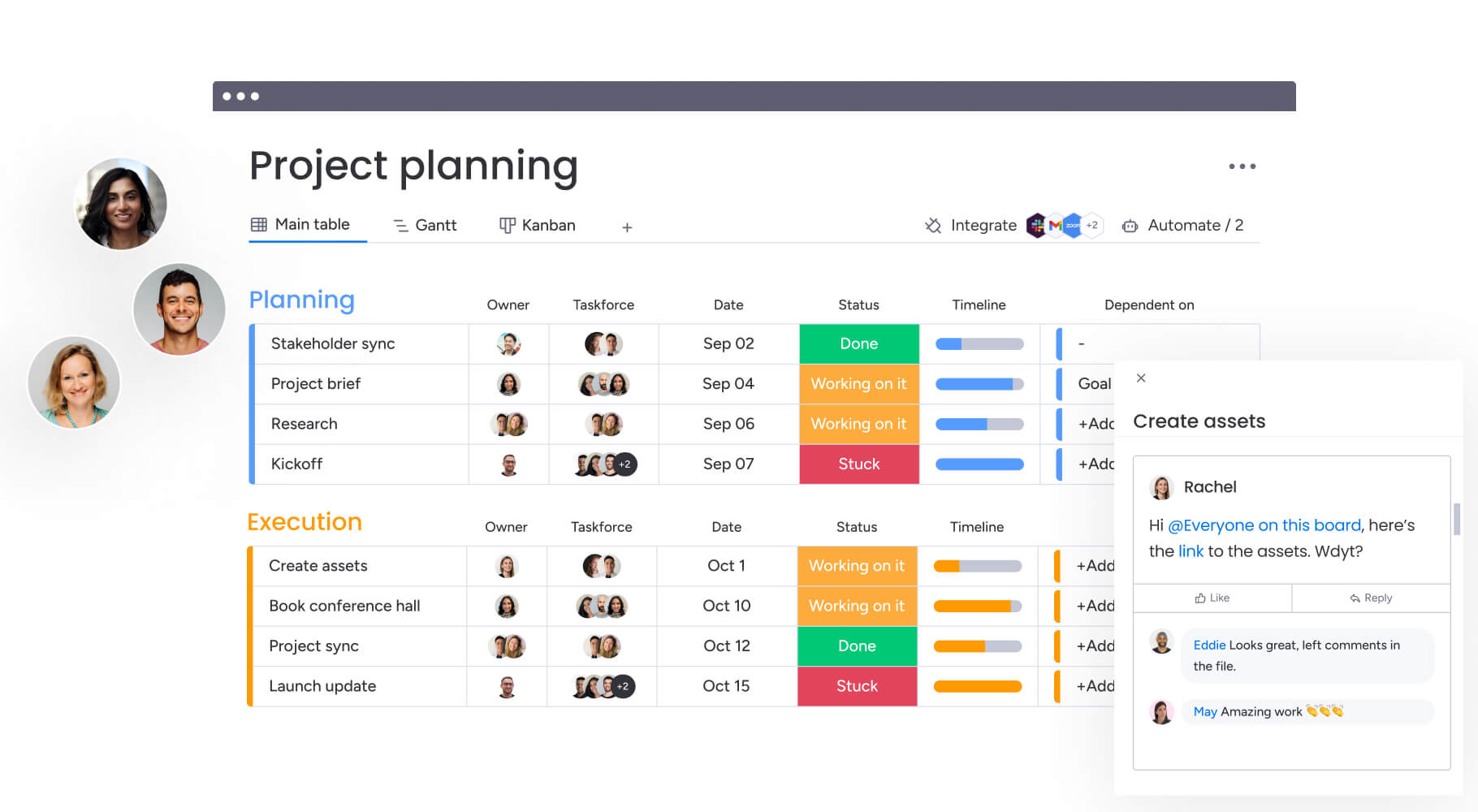
- Enable real-time team collaboration: keep all communication in one place. Team members comment directly on items, attach photos, and update progress. Everyone sees changes immediately, eliminating duplicate work and miscommunication.
- Create custom construction workflows: build workflows that match your specific processes. Add custom fields for project-specific information. Set up approval stages that align with contract requirements. Create templates that standardize punch lists across all projects.
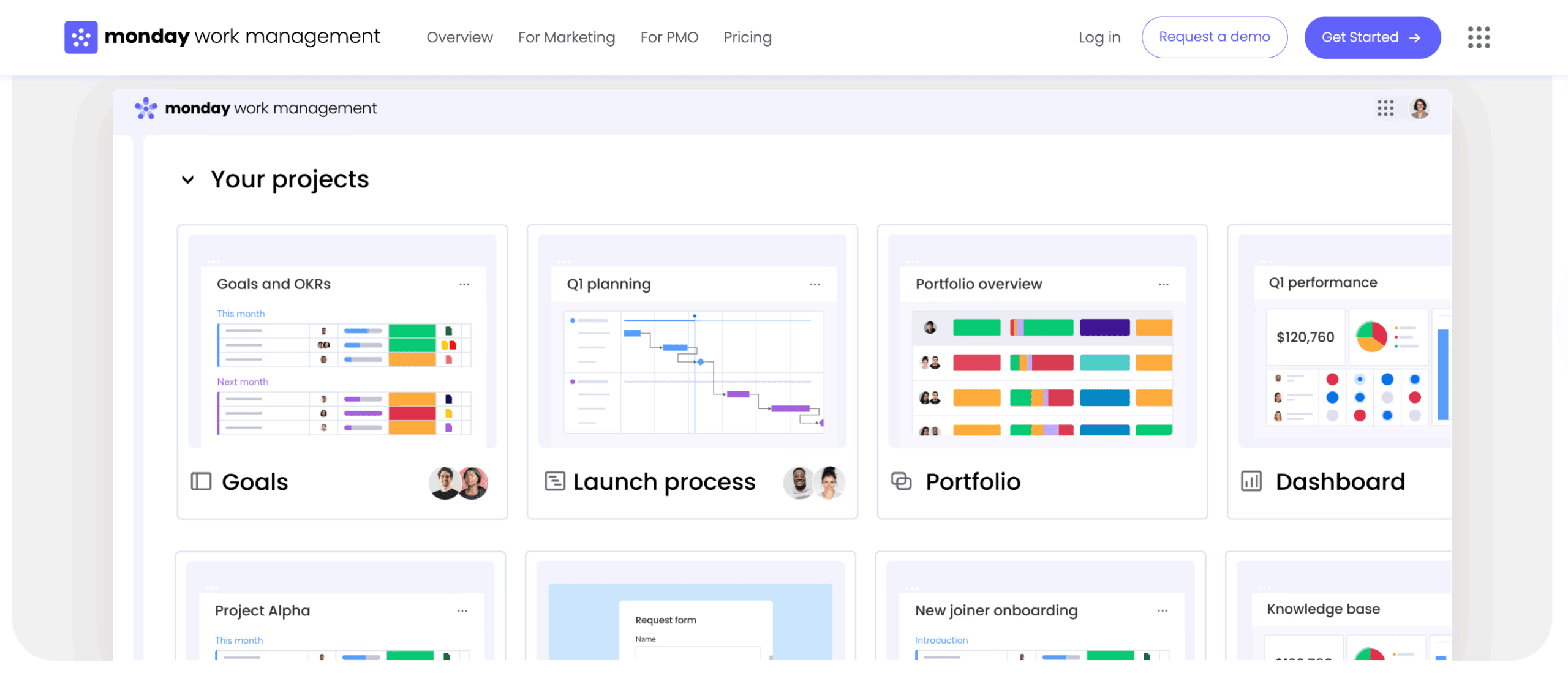
- Generate visual progress dashboards: see punch list status at a glance with customizable dashboards. Track completion percentages, identify bottlenecks, and generate reports for stakeholders. Different views for different roles like detailed tracking for field teams, summary views for executives.
Frequently asked questions
What is the difference between substantial completion and final completion in construction?
Substantial completion means the building is ready for its intended use even though minor items remain unfinished, while final completion occurs when every punch list item is resolved and the project meets all contract specifications.
How long should a construction punch list walkthrough take?
A thorough punch list walkthrough typically takes four to eight hours for commercial projects depending on size and complexity, while residential projects usually require one to two hours for complete inspection.
Can contractors dispute punch list items?
Contractors can dispute items they believe fall outside the original contract scope, but they must complete all legitimate items that were part of the agreed-upon specifications and scope of work.
Who pays for punch list corrections in construction?
The responsible contractor pays for materials and labor needed to complete punch list items since these corrections are part of the original contract scope and should have been included in their bid.
Do residential construction projects need punch lists?
Yes, residential projects benefit from punch lists to ensure quality completion and protect homeowner investments, though the process may be less formal than commercial requirements.
How do you handle punch list disputes in construction?
Punch list disputes are resolved by reviewing project specifications, consulting with the architect, or following mediation procedures outlined in the construction contract to determine if items fall within the original scope.

 Get started