


Most of your professional growth conversations likely start with a familiar frustration: annual reviews that feel disconnected from your daily progress and feedback that arrives months too late. This disconnect often leaves you wondering which skills actually matter most and how you can track your growth as your role evolves in a fast-paced market.
You can turn this uncertainty into clarity by using a career planning template that prioritizes continuous skills tracking over static job titles. By focusing on your core capabilities and aligning them with market demands, you create a flexible roadmap that links your everyday tasks to meaningful development and long-term professional goals.
Below, we explore how a career planning template with skills tracking turns this uncertainty into clarity. This article breaks down practical steps for assessing abilities, closing gaps, and building a roadmap that links everyday work to meaningful development and long‑term goals.
Key takeaways
- Continuous skills tracking drives clarity: Monitoring competencies in real-time helps identify gaps and opportunities faster than traditional annual reviews.
- Focus on capabilities over job titles: Prioritizing skill development aligned with market demands enables flexible, multi-directional career growth.
- Structured milestones maintain momentum: Breaking long-term goals into quarterly or monthly checkpoints ensures progress is measurable and adaptable.
- Documenting achievements builds a verifiable portfolio: Recording skills gained, projects completed, and lessons learned provides evidence for promotions, transitions, or new opportunities.
- Collaborative platforms enhance career planning: Modern platforms like monday.com allow organizations and employees to track skill development, align individual goals with business needs, and create dynamic, data-driven workflows.
What is a career planning template?
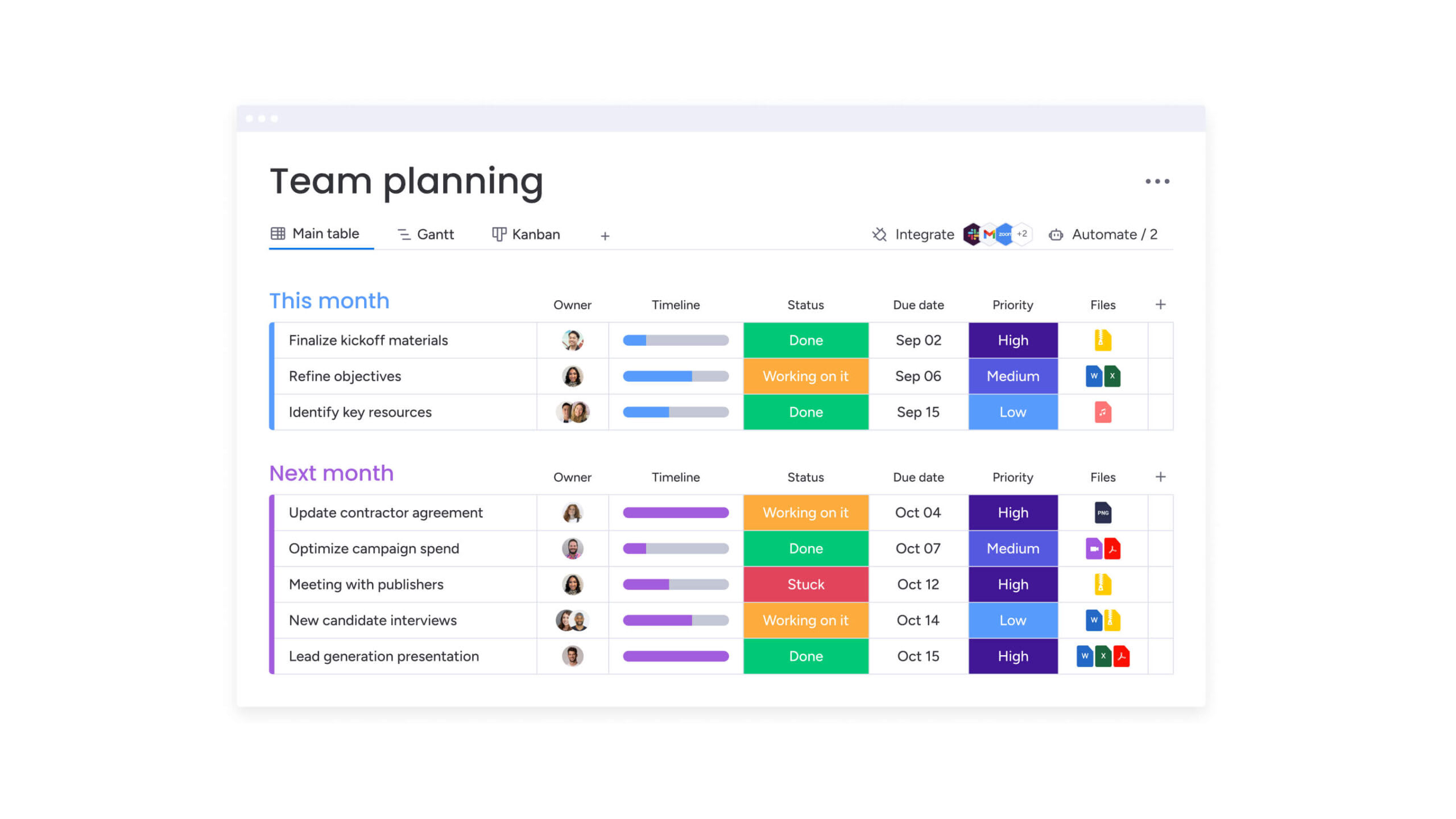
A career planning template with skills tracking maps professional growth while monitoring skill development over time. It combines goal-setting with competency assessment, evolving alongside your career.
The framework relies on three core elements:
- Skills tracking: Continuous monitoring and measurement of skill acquisition.
- Competency mapping: Identifying specific skills required for target roles.
- Career pathways: Multiple potential routes to achieve professional objectives.
When applied effectively, organizations using monday.com can turn career planning into a more collaborative and transparent process. Teams gain real-time visibility into skill gaps, track development progress, and align individual goals with broader business priorities.
Traditional career planning vs. skills-based planning
Traditional career planning centers on job titles and tenure, while skills-based planning emphasizes capabilities aligned with market demand and organizational objectives.
The comparison below highlights how these two approaches differ:
| Feature | Traditional career planning | Skills-based planning |
|---|---|---|
| Primary focus | Job titles and tenure | Competencies and capabilities |
| Time horizon | Annual or bi-annual reviews | Continuous, real-time assessment |
| Driver | Manager-led and organization-dependent | Employee-driven and market-aligned |
| Progression | Linear vertical promotion | Multi-directional growth |
| Success metric | Years of experience | Demonstrated proficiency |
| Adaptability | Rigid structure | Flexible framework |
Skills-based planning breaks broad ambitions into actionable steps, like developing advanced analytics, leadership, or strategic resource management. This approach gives you flexibility to pivot, even when specific positions are unavailable.
Key benefits of dynamic career planning
Dynamic career planning delivers real results for both individual satisfaction and what your organization can do. This approach changes your trajectory through several specific advantages:
- Stay ahead of change: Continuous skills tracking spots emerging requirements before they become critical.
- Build a verifiable portfolio: Documenting accomplishments strengthens your case for promotions or transitions.
- Measure real progress: Progress dashboards track milestones and skill advancement, providing proof of momentum.
- Boost confidence: Seeing incremental growth reduces career anxiety and keeps motivation high.
Why does skills tracking transform career development?
Skills tracking treats your abilities as a strategic asset. Some skills gain value over time, while others become less relevant, helping you invest in learning with the highest return.
At the same time, seeing your progress in real time keeps you motivated and engaged. As industries evolve rapidly, especially with AI and automation, staying adaptable becomes essential. For example:
- Marketing demands: Data analytics proficiency is now required to measure campaign impact and consumer behavior effectively.
- HR leadership: AI literacy provides a significant benefit by streamlining talent acquisition and improving employee engagement strategies.
- Project management: Agile methodologies are necessary alongside traditional frameworks to handle increasingly complex and shifting workflows.
Static plans can leave professionals unprepared. In contrast, real-time tracking ensures you’re always building the skills that matter most.
7 essential components of a career planning template
Effective templates need specific structural elements to fuel your growth. These seven components are the foundation for any framework that works. Each element has a purpose, and together they create a complete development system.
1. Current role and core competencies
Your baseline assessment is where all future planning starts. Document your current responsibilities, key wins, and proven skills, with specific examples and measurable results.
Capture both technical skills (like software proficiency) and soft skills (like communication). Get honest with yourself, then validate it with feedback from colleagues or your supervisor. Your starting point should reflect reality, not just how you see yourself.
2. Comprehensive skills inventory
Your skills inventory captures everything you can do, including talents you’re not using in your current role. This goes beyond your current role to document all your capabilities.
Organize skills by how good you are at them and how relevant they are to your goals. Include certifications, leadership experience, and transferable skills that could speed up a career change. This inventory is the raw data you’ll use for gap analysis.
3. Target roles and career pathways
Detail specific positions you’re targeting, including:
- Job titles and responsibilities: What the role entails day-to-day.
- Required qualifications: Education, certifications, and experience needed.
- Typical progression paths: How others have reached these positions.
Identify multiple pathways to avoid limiting options to a single trajectory. Include salary ranges, growth potential, and market demand data. Set both short-term targets (1-2 years) and long-term visions (3-5 years) to balance immediate action with strategic direction.
4. Skills gap assessment
Compare current capabilities against target role requirements to identify specific development needs. This analytical engine of your template isolates exactly what you need to learn.
Prioritize gaps based on impact and difficulty. Create a gap analysis matrix that visualizes the distance between current and desired states. This guides resource allocation toward skills that bridge the widest qualification gaps.
5. Personalized learning plan
Transform gap analysis into scheduled activities. Select appropriate learning methods tailored to your style and budget:
- Formal education: Degrees and certifications.
- Online courses: Self-paced digital learning.
- Mentoring: One-on-one guidance.
- On-the-job training: Stretch assignments and projects.
Set specific learning objectives with firm deadlines. Balance immediate skill needs with long-term preparation.
6. Timeline with measurable milestones
Break long-term goals into quarterly or monthly milestones to make progress more manageable. Ideally, include both outcome-based milestones, such as completing certifications, and process-based ones like attending networking events.
By doing this, realistic timelines keep ambition in check and prevent it from becoming overwhelming. At the same time, regular milestone reviews allow you to adjust along the way, so small delays don’t end up disrupting your overall strategy.
7. Progress tracking dashboard
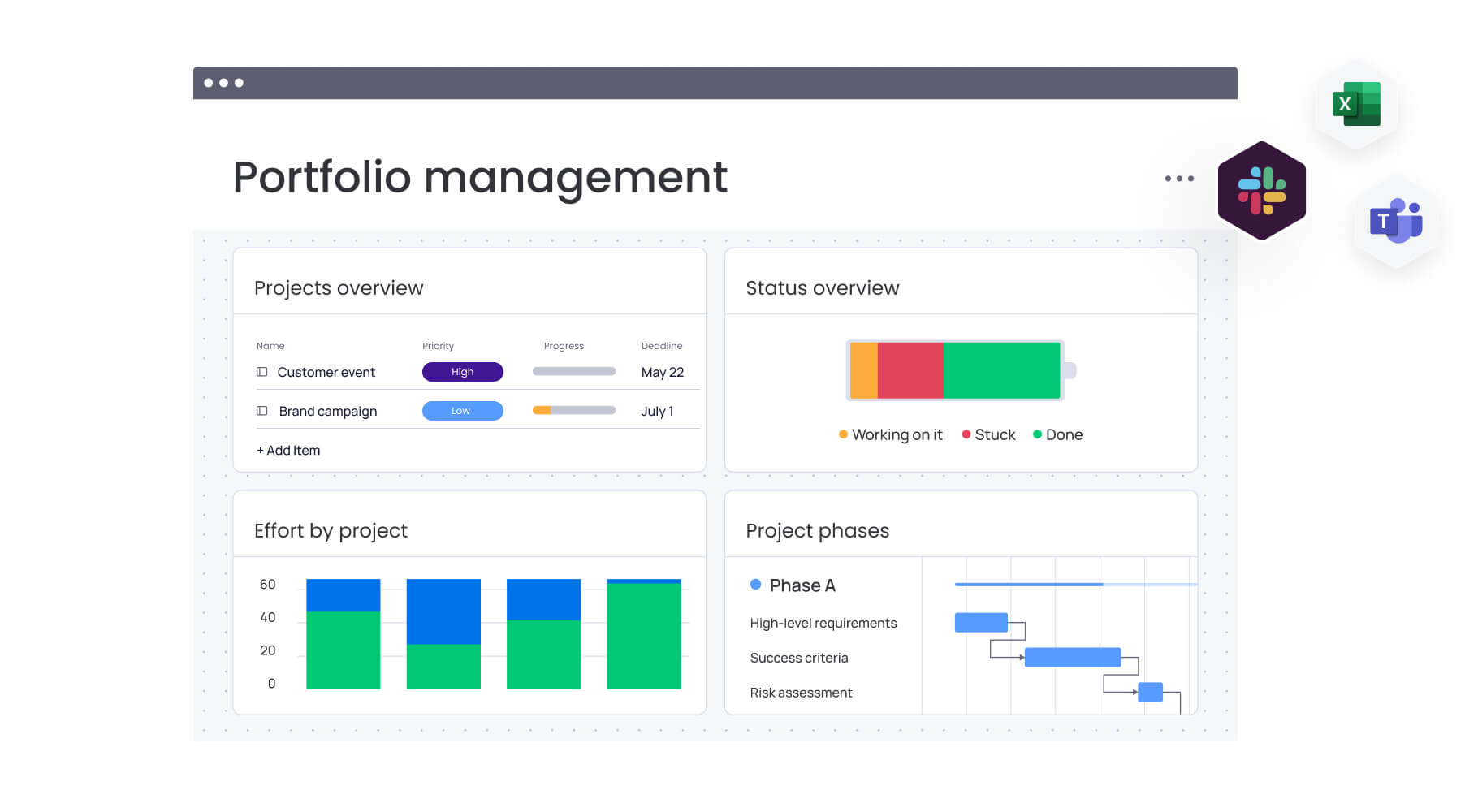
Visual systems bring your plan to life. Track skill development progress bars, milestone completion status, and goal achievement metrics. Key performance indicators provide meaningful insights into career development velocity.
Organizations using monday.com build customizable dashboards that visualize progress across multiple dimensions. This fosters accountability and enables data-driven adjustments during regular reviews.
Your baseline assessment is where all future planning starts. Document your current responsibilities, key wins, and proven skills, with specific examples and measurable results.
How to conduct a complete skills assessment?
An accurate assessment forms the foundation of your effective planning because it combines personal introspection with external validation to ensure total objectivity. You can treat this process as an ongoing audit that tracks your development and identifies new gaps as markets continue to evolve.
Step 1: evaluate technical competencies
Document proficiency levels with specific application examples. Instead of listing “Python,” specify “Automated weekly reporting using Python scripts, saving five hours per week.”
Use competency frameworks or industry standards for consistency. Scan for emerging technical requirements in target industries. Compare your current skills against what job postings in your target role require.
Step 2: measure soft skills and leadership abilities
Assess intangible skills through real examples and situational responses rather than assumptions. For instance, show your ability in communication, leadership, and problem-solving through specific scenarios where you handled challenges or made decisions.
While frameworks can guide you, they’re only a starting point. In practice, external feedback is essential to uncover blind spots and validate your strengths. This outside perspective helps ensure your self-view aligns with how others actually experience your leadership style.
Step 3: gather 360-degree feedback
A comprehensive perspective requires input from supervisors, peers, direct reports, and external contacts. Structure feedback requests to elicit specific, actionable insights rather than general praise or criticism.
Focus questions on identifying unique strengths, specific development areas, and potential blind spots. Synthesize multiple perspectives to create a coherent assessment highlighting patterns in performance and behavior.
Identify and close skill gaps in 4 steps
An accurate assessment identifies where you are, but a strategic gap analysis determines exactly how you get to where you want to be. By moving systematically from market research to active learning, you can ensure your development time is spent on the competencies that offer the highest professional return.
Step 1: research future role requirements
Investigate your target positions through multiple sources like active job postings, industry reports, and professional associations.
You should analyze these descriptions to identify common themes, helping you understand not just which skills are needed, but the specific proficiency levels and application contexts that modern employers expect.
Step 2: prioritize high-impact skills
Evaluate skill gaps based on career impact, market demand, development difficulty, and timeline constraints. A scoring framework ranks gaps to guide resource allocation.
At the same time, identify gateway skills that open multiple opportunities or make it easier to learn related competencies. By aligning this with your strengths, you can build on what you already do well while still addressing critical weaknesses in a balanced way.
Step 3: map learning resources to skill gaps
Match prioritized gaps with specific learning options. Evaluate resources based on quality, cost, time commitment, and compatibility with your learning style.
Create a resource library organized by skill area. When time becomes available for development, materials are ready and accessible. This preparation removes friction from the learning process.
Step 4: create accountability checkpoints
Maintain momentum through regular review points. Accountability systems involving mentors, managers, or peer groups provide structure to keep development on track.
Progress tracking mechanisms offer objective feedback on efforts. Structured checkpoint meetings assess progress, identify obstacles, and adjust plans. These checkpoints celebrate achievements while reinforcing continuous learning behavior.
Investigate your target positions through multiple sources like active job postings, industry reports, and professional associations.
Build your career development plan in 5 steps
Creating a comprehensive template integrates all concepts into a cohesive framework. This systematic process ensures critical elements are addressed while maintaining focus on individual goals. Use this roadmap to transform your career planning from reactive to strategic.
Step 1: define your career vision and goals
Articulate long-term aspirations beyond job titles using a career roadmap. Include desired impact, work environment, compensation, and lifestyle factors. Set SMART goals for multiple time horizons using a success plan.
Balance ambition with realism while maintaining flexibility for emerging opportunities. Identify values and motivations to ensure your vision aligns with personal definitions of success. This provides the “why” that sustains effort during difficult periods.
Step 2: complete your skills audit
Document comprehensive assessment results within your template. Organize data in formats supporting gap analysis, such as proficiency scales or competency matrices.
Additionally, validate self-assessments with feedback from peers, mentors, or supervisors to ensure accuracy. Conduct regular audits to monitor progress, uncover emerging gaps, and adjust plans as goals evolve or skills lose relevance over time.
Step 3: research market demands and opportunities
Investigate industry trends and labor market conditions systematically. Data and reports reveal demand for target roles and competencies commanding premiums.
Identify growth sectors and declining areas to inform development focus. Assess geographic and organizational factors influencing opportunity availability. This research grounds your plan in market reality.
Step 4: design your development roadmap
Synthesize analysis into a plan connecting the current state to career goals. Sequence development activities to build competencies efficiently and create momentum.
Balance skill development with experience acquisition and network building. Realistic timelines account for competing priorities, ensuring the roadmap remains achievable alongside daily responsibilities.
Step 5: establish review and update cycles
Create sustainable processes for maintaining your plan’s relevance. Schedule quarterly reviews to assess progress, adjust goals, and identify new opportunities.
Additionally, measure both quantitative and qualitative factors by tracking skills gained while also considering aspects like job satisfaction or confidence in new responsibilities. Ultimately, maintain flexibility so that your plan adapts to shifting market demands and evolving personal priorities.
Career planning template examples by role
Although the core principles of career planning remain universal, the application differs depending on role, career stage, and organizational context. These examples show how essential elements adjust to fit unique professional paths and challenges. Each template highlights actionable steps to support growth while addressing role-specific needs.
Individual contributor career roadmap
This roadmap focuses on expanding expertise and responsibility within a functional area. It emphasizes tracking technical skills, leading projects, and collaborating across teams.
The plan encourages building influence without formal management authority. Therefore, typical goals include mastering advanced methodologies, mentoring junior colleagues, and taking ownership of high-impact initiatives. The approach guides contributors from execution toward strategic thinking.
People manager development plan
Management transitions shift focus to leadership competencies. Sections cover team building, performance management, emotional intelligence, and strategic planning. Success metrics focus on team output and organizational impact rather than personal production.
As a result, goals might include improving team retention, developing direct reports, and driving departmental efficiency. Plans balance individual achievement with enabling others’ success.
Career transition planning template
Professionals changing industries or functions require specialized templates focused on transferability for career transition. These plans emphasize identifying transferable skills, rigorous industry research, and strategic network building.
Address transition risks, including financial considerations and potential seniority adjustments, through comprehensive transition planning. Milestones focus on bridging gaps through credentials or volunteer projects. Timelines manage the potentially lengthy pivot process while maintaining momentum.
Learn more: Career transition coaching
Implement quarterly career plan reviews

Regular check-ins keep career plans relevant and actionable. For example, quarterly reviews allow you to focus on current goals while adjusting for evolving circumstances.
Moreover, progress is measured against milestones, tracking skills gained, certifications earned, and projects completed. Dashboards offer visibility into performance, showing where plans are on track or need attention. Celebrate successes to reinforce effort and maintain motivation.
Adjust for industry changes
Career plans thrive only when updated to reflect market shifts. To achieve this, tracking trends through publications, networks, and organizational updates allows for proactive adjustments.
When emerging technology disrupts roles, plans can pivot to build new competencies. Staying ahead ensures relevance and positions you to seize opportunities before changes affect job security.
Document wins and learning
Keeping a record of achievements and learning experiences strengthens your career narrative. Documentation supports performance reviews, promotion discussions, and resume updates.
In contrast to simply listing successes, reflecting on failures or setbacks helps extract actionable insights. Over time, this creates a growth story that demonstrates resilience and a commitment to continuous improvement.
Scale career planning with monday.com

“monday.com has been a life-changer. It gives us transparency, accountability, and a centralized place to manage projects across the globe".
Kendra Seier | Project Manager
“monday.com is the link that holds our business together — connecting our support office and stores with the visibility to move fast, stay consistent, and understand the impact on revenue.”
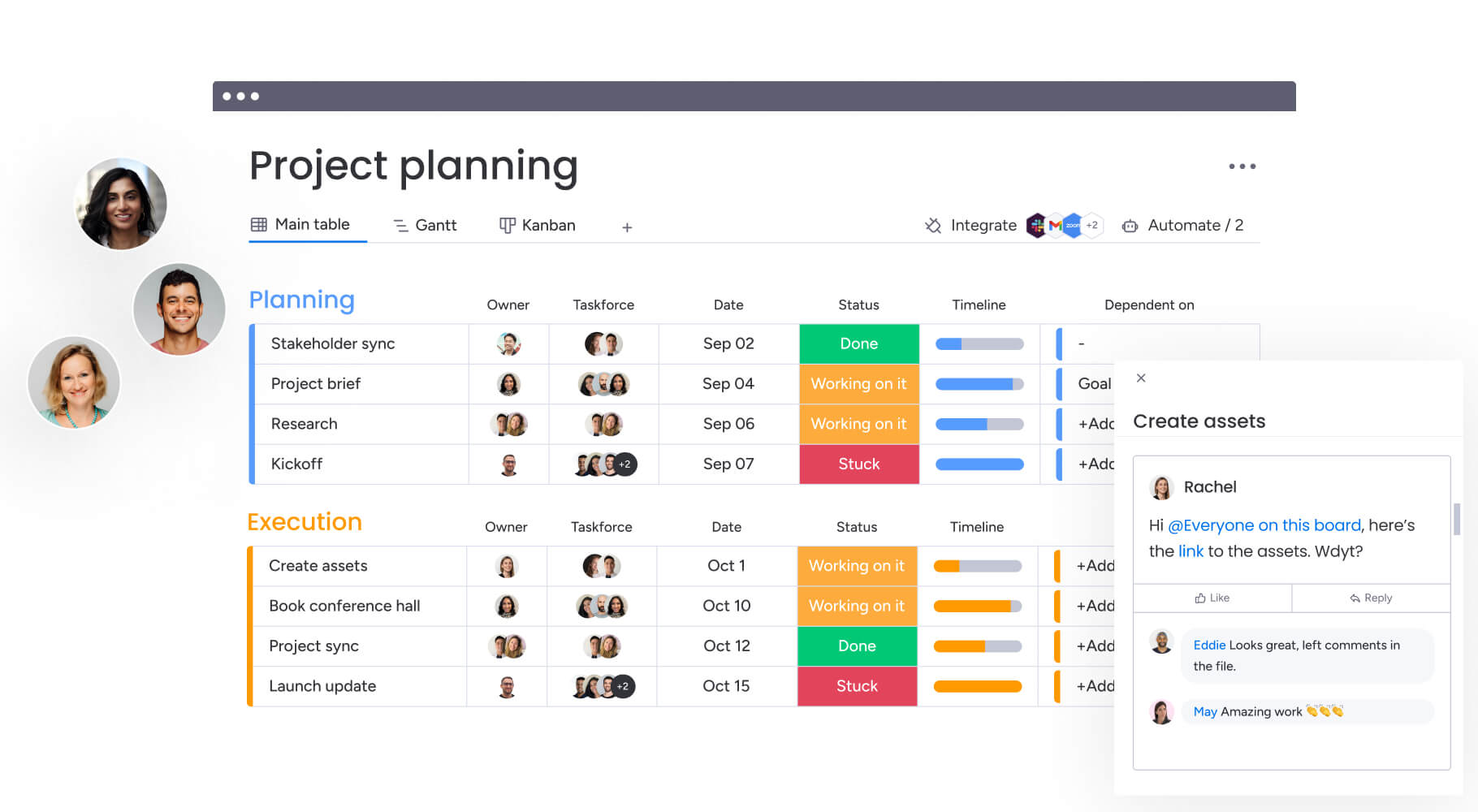
Duncan McHugh | Chief Operations OfficerCareer planning often feels overwhelming when progress is unclear, feedback arrives too late, and daily work seems disconnected from long-term goals. That gap is effectively bridged by monday.com, which turns planning into an actionable, visible, and adaptable process linking everyday assignments to career development.
- Real-time skills visibility: Track competencies as they evolve, making gaps and opportunities easy to identify.
- Structured milestones: Break goals into quarterly or monthly checkpoints for measurable, actionable progress.
- Dynamic dashboards: Visualize development across multiple roles or team members to guide decisions and resource allocation.
- Aligned project tracking: Connect learning objectives directly to real work, ensuring skill application delivers business impact.
- Collaborative workflows: Enable managers, mentors, and employees to contribute without creating extra administrative complexity.
By integrating these capabilities, teams gain clarity, efficiency, and strategic alignment. Career growth becomes intentional, measurable, and closely tied to organizational success, creating tangible value for both individuals and businesses.
Frequently asked questions
How often should you update your career development plan?
You should review your career development plan quarterly for progress assessment and update it annually for major goal adjustments. Make immediate updates whenever significant changes occur in your role or industry to keep the plan relevant and actionable.
What is the difference between a career plan and a career path?
A career path represents the sequence of roles and positions available for progression within an organization or industry. A career plan is your personal strategic document outlining specific goals, skills, and actions required to navigate that path successfully.
How do you create a 5-year career plan template?
Create a 5-year plan by working backward from your long-term vision to identify required milestones, skills, and experiences. Organize these elements into a structured template with annual goals and quarterly checkpoints to track progress systematically.
Which skills are most important to track in career planning?
The most critical skills to track are those directly required for your target roles, emerging competencies gaining value in your industry, and transferable skills that provide flexibility across different opportunities. Focus on both technical capabilities and leadership competencies.
How can organizations implement career planning templates at scale?
Organizations scale career planning by standardizing processes through consistent templates, providing manager training, and utilizing integrated systems like monday.com. This approach supports both individual planning and organizational oversight while maintaining flexibility.
What makes a career planning template effective for career transitions?
Effective transition templates prioritize transferable skills identification, include robust industry research components, and structure network-building activities. They also incorporate risk management strategies to support successful pivots between industries or functions.

 Get started