


When was the last time you assessed your marketing environment? Profit is shaped by the strength of your marketing; people have to know you exist before they’ll drop a dime.
Your marketing strategy is everything you do as a business — how you present yourself, who you’re trying to reach, and what you do once you get their attention. And the right marketing strategy depends on the environment your business lives in.
This article will explore how to master your marketing environment, how it influences your business, and some neat tricks for keeping your marketing team working together within it.
Get startedKey takeaways
- A marketing environment includes every internal and external factor that affects how you plan and execute marketing strategies
- Internal factors like budget, technology, and team structure are within your control, while external micro and macro forces require ongoing monitoring
- The PESTLE framework (Political, Economic, Social, Technological, Legal, Environmental) gives marketers a structured way to scan macro-level changes
- Regular environmental analysis through SWOT assessments, competitive mapping, and customer research helps teams anticipate shifts rather than react to them
- monday.com’s AI Work Platform centralizes environmental monitoring, campaign management, and cross-functional collaboration so marketing teams can adapt quickly at scale
What is a marketing environment?
A marketing environment is the set of internal and external factors and forces that affect a company’s ability to build and maintain successful relationships with its target audience. In simpler terms, it’s everything around and within your organization that shapes your marketing.
In closer detail:
- Internal factors are the resources, processes, and capabilities your organization controls directly.
- External factors exist outside your company’s walls and include both close-range influences (like customers and competitors) and broader societal forces (like economic conditions and technology trends).
Your marketing environment determines which channels make sense, what messages resonate, how much budget you have to work with, and which risks could derail your plans. Recognizing those forces early gives you the ability to act with purpose instead of scrambling to keep up.
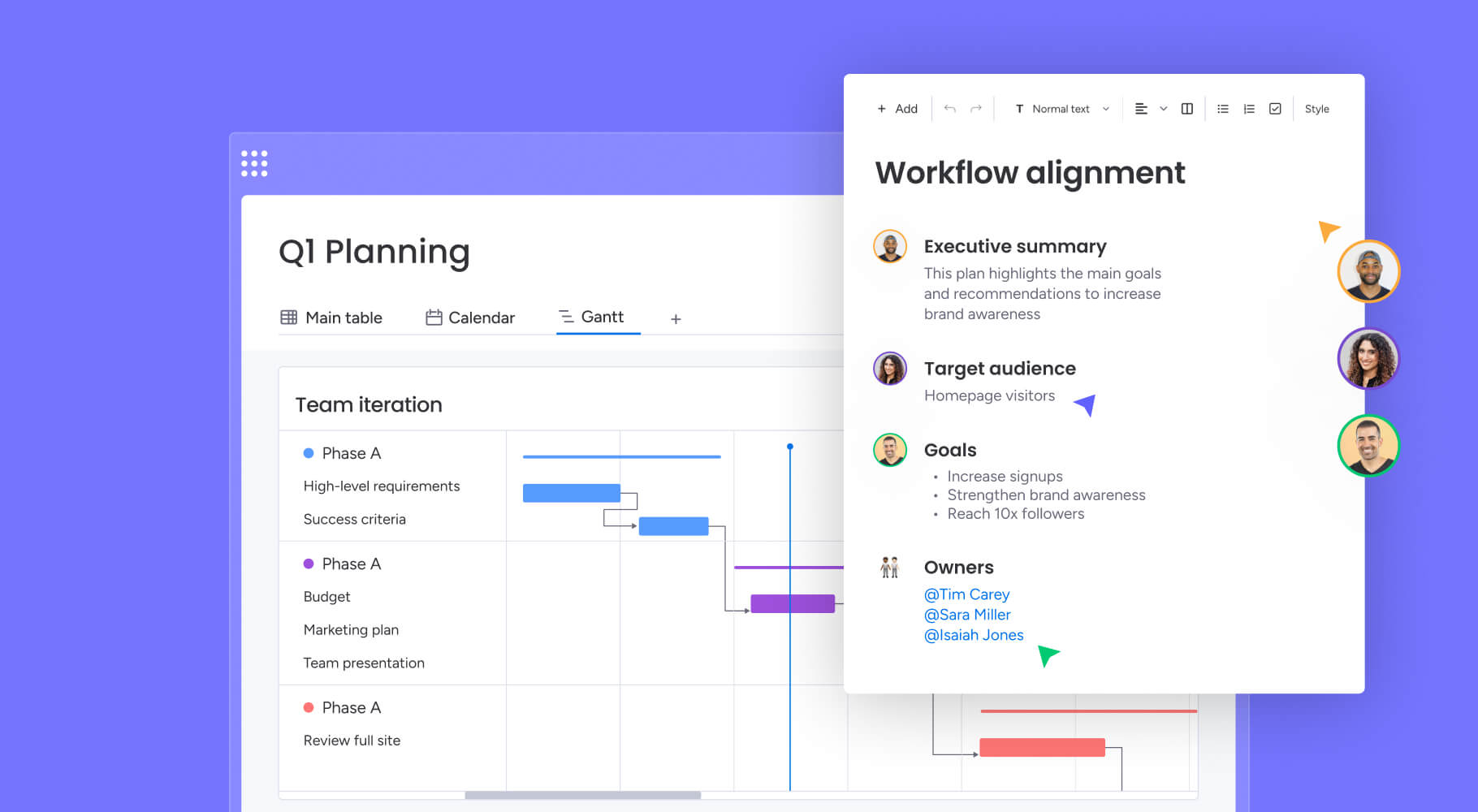
Why you need to understand your marketing environment
What happens when a marketing team launches a campaign without considering the environment it’s operating in? At best, they waste budget. At worst, they damage trust with the very audience they’re trying to reach. Here’s what a deeper knowledge of your marketing environment gives you.
- Informed decision-making: When you understand the forces shaping your market, every decision has a stronger foundation. You choose channels based on where your audience spends their time. You allocate budget based on real constraints, not guesswork. According to Gartner’s research on marketing strategy, organizations that invest in structured environmental scanning consistently outperform those that rely on instinct alone.
- Competitive advantage: Monitoring your environment reveals gaps competitors haven’t filled. It shows you emerging audience needs before they become mainstream, giving your team a window to position ahead of the market rather than chasing it.
- Risk mitigation: Regulatory changes, economic downturns, and technology disruptions don’t announce themselves with a countdown timer. Teams that monitor macro and micro forces spot risks earlier and adjust before those risks become crises.
- Resource optimization: Budgets are finite. Understanding your environment helps you direct spend where it generates the most impact. When you know which external factors are working in your favor and which are working against you, you stop spreading resources thin across low-return initiatives.
Key characteristics of a marketing environment
Marketing environments share several defining traits, regardless of your industry or company size. Recognizing these characteristics helps you approach environmental analysis with the right mindset.
- Dynamic: Marketing environments change constantly. Consumer preferences evolve, new competitors enter the market, and technology reshapes what’s possible. What worked 6 months ago may already be outdated.
- Relative: The same external force affects different organizations in different ways. A new data privacy regulation might create a compliance burden for one company and a competitive opportunity for another that already has strong data practices.
- Uncertain: You can analyze trends and monitor signals, but you can’t predict every shift with precision. Effective marketing teams build flexibility into their strategies to absorb unexpected changes.
- Complex: Internal and external factors interact with each other. A technological breakthrough (external) may require new team skills (internal), which affects hiring budgets (internal), which changes what campaigns you can run.
- Multi-layered: The environment operates at multiple levels simultaneously. Your internal capabilities, your immediate competitive landscape, and broad societal forces all influence your strategy at the same time.
- Interconnected: No single factor operates in isolation. Economic shifts drive consumer behavior changes, which alter competitive dynamics, which require new technology investments. Analyzing one layer without considering the others gives you an incomplete picture.
Types of marketing environments
Marketing environments break down into two primary categories: internal and external. The external environment further divides into micro (forces close to your company) and macro (broader societal forces).
Think of it as concentric circles. Your internal environment sits at the center — these are the factors you control. The micro environment surrounds it, covering the players you interact with directly: customers, competitors, suppliers, and partners. The macro environment forms the outermost ring, encompassing large-scale political, economic, social, technological, legal, and environmental forces that affect entire industries.
Internal marketing environment
Your internal marketing environment includes every factor within your organization that shapes what your marketing team can accomplish. These are the forces you can directly influence, making them the logical starting point for any environmental analysis. Are your internal foundations strong enough to support the strategies your market demands?
Company culture and values
Culture determines how quickly your team can adapt. An organization that values experimentation will test new channels faster than one with rigid approval hierarchies. Your values also shape messaging. Audiences can tell when a brand’s external communication doesn’t match its internal reality, and that disconnect erodes trust.
Human resources and talent
The skills, experience, and capacity of your marketing team define what’s executable. A strategy that requires advanced data analytics falls flat if your team doesn’t have those capabilities. This extends beyond headcount to include structure. How your team is organized (by function, by product, by region) affects collaboration speed and output quality.
Budget and financial resources
Marketing budget allocation directly constrains strategy. It determines which channels you can invest in, how many campaigns you can run simultaneously, and whether you can experiment with emerging formats. Smart budgeting also means tracking ROI at the campaign level so you can shift spend toward what’s generating results. A well-structured marketing budget template makes this process significantly more efficient.
Technology and infrastructure
Your martech stack shapes execution speed and measurement accuracy. Marketing automation platforms, CRM systems, analytics dashboards, and AI-powered content creation all fall under this umbrella. Teams using modern digital marketing tools can personalize at scale, automate repetitive workflows, and measure performance in real time. Those relying on disconnected spreadsheets and manual processes lose ground fast.
Brand identity and positioning
Your brand’s equity, reputation, and market positioning are internal assets that take years to build and moments to damage. Consistent messaging across every touchpoint protects that equity. Positioning decisions — who you serve, what you stand for, how you differentiate — filter through every marketing choice you make.
Processes and workflows
Operational efficiency determines how quickly your team moves from idea to execution. Approval bottlenecks, unclear handoffs between departments, and duplicated work slow campaigns down. Standardized workflows with defined ownership and automated status updates keep projects on schedule and free your team to focus on strategic work rather than administrative coordination.
External marketing environment
External forces sit outside your direct control, but they shape your marketing strategy just as powerfully as internal factors. The external environment splits into two layers: the micro environment (forces close to your company) and the macro environment (broad societal forces).
Micro environment
Your micro environment includes the players and stakeholders you interact with directly. These forces are closer to home than macro trends, and while you can’t fully control them, you can influence and respond to them more quickly.
- Customers: Customer expectations, buying behavior, and satisfaction levels drive your entire marketing strategy. Social listening, surveys, and behavioral analytics give you direct insight into what your audience values — and what’s shifting. A brand that listens to its customers can adapt messaging and offers in near real time.
- Competitors: Who you’re competing against, what they’re offering, and how they’re positioning themselves all affect your strategic choices. Competitive intelligence has evolved well beyond tracking pricing. Today, it means monitoring content strategies, ad spend patterns, product launches, and how competitors show up in AI-generated search results.
- Suppliers and partners: Vendors, agencies, and technology partners influence your marketing capabilities. A reliable creative agency accelerates campaign production. An unreliable media vendor wastes budget. The strength of your supplier relationships directly impacts execution quality.
- Intermediaries: Distributors, retailers, and digital marketplaces shape how your product reaches the end customer. Their policies, reach, and reputation affect your brand perception. Managing these relationships requires ongoing communication and alignment.
- Stakeholders and publics: Investors, media, community groups, and regulatory bodies all form opinions about your brand. Managing stakeholder relationships means monitoring sentiment and engaging proactively, not just reacting when issues crop up. Building a comprehensive marketing plan helps you map these relationships and track engagement across every stakeholder group.
Macro environment
Macro forces affect entire industries and economies. Individual companies can’t control them, but they can anticipate and adapt. The PESTLE analysis framework provides a structured method for scanning these forces systematically. PESTLE stands for Political, Economic, Social, Technological, Legal, and Environmental. Each category captures a distinct set of macro forces that marketers need to track.
- Political: Government policies, trade agreements, political stability, and taxation all shape market conditions. Tariff changes can raise costs overnight. Political instability in key markets may force you to pause campaigns or shift regional priorities entirely.
- Economic: Inflation, interest rates, consumer spending patterns, and employment levels influence purchasing power and willingness to buy. During economic contractions, marketing teams often need to shift messaging from aspiration to value and ROI.
- Social: Demographics, cultural trends, lifestyle shifts, and evolving consumer attitudes shape demand. The rise of sustainability-conscious consumers, for example, has pushed brands to rethink packaging, sourcing, and messaging transparency.
- Technological: This is where the most dramatic shifts are happening in 2026. AI agents now handle tasks that entire teams managed manually just two years ago, from campaign optimization to competitive research to content personalization at scale. According to McKinsey’s research on AI’s economic potential, marketing and sales are among the functions with the highest value potential from generative AI adoption. Agentic marketing — where AI agents plan, execute, and optimize campaigns with minimal human intervention — is reshaping what’s possible for teams of every size. Beyond AI, advances in data infrastructure, privacy-preserving measurement, and cross-channel attribution continue to redefine how marketers operate.
- Legal: Data privacy regulations (GDPR, CCPA, and emerging state-level laws), advertising standards, intellectual property protections, and AI governance frameworks all constrain and shape marketing tactics. Compliance isn’t optional, and the regulatory landscape grows more complex each year.
- Environmental: Sustainability expectations, ESG reporting requirements, and climate-related supply chain disruptions increasingly influence marketing strategy. Consumers and investors alike evaluate brands on their environmental commitments, making green marketing and transparent sustainability reporting competitive necessities rather than nice-to-haves.
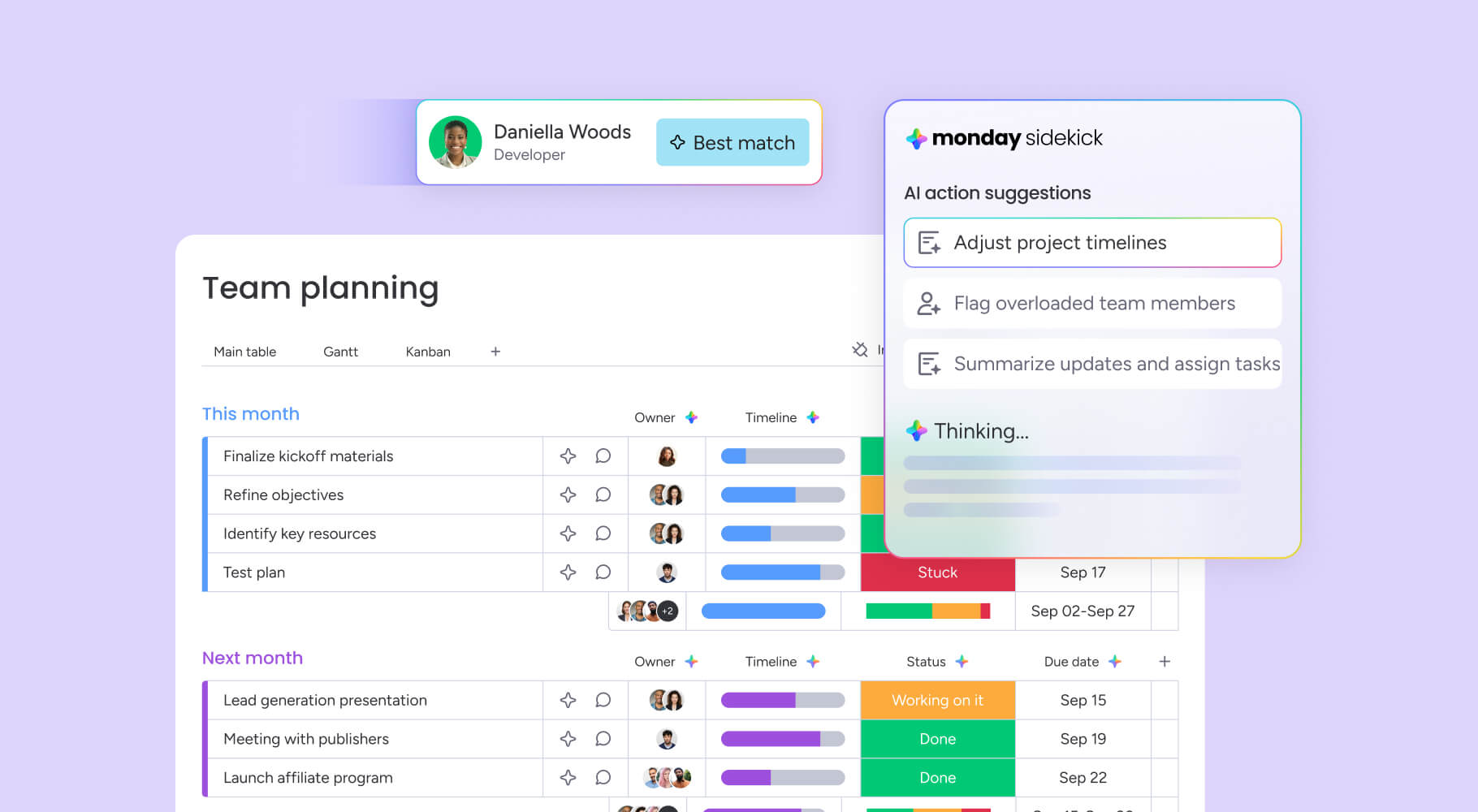
How to analyze your marketing environment
Knowing what your marketing environment contains is one thing. How do you analyze it in a structured, repeatable way? The most effective approach combines several frameworks into a regular practice rather than treating analysis as a one-time project.
- Conduct a SWOT analysis: Start by mapping your internal strengths and weaknesses against external opportunities and threats. This connects your internal environment assessment to external realities. Be specific — “strong brand” is too vague, while “78% unaided brand awareness in our core market segment” gives you something actionable to build on.
- Run a PESTLE scan: Work through each PESTLE category systematically. Identify the political, economic, social, technological, legal, and environmental forces most relevant to your industry and markets. Rank them by potential impact and likelihood. This prevents you from fixating on one trendy factor while ignoring others that could affect your business more significantly.
- Map your competitive landscape: Go beyond a simple list of competitors. Document their positioning, messaging themes, channel strategies, pricing approaches, and recent moves. Track how they’re adopting new technologies, especially AI-driven approaches. Competitive mapping reveals both threats to defend against and whitespace opportunities to exploit. Pairing competitive analysis with structured campaign management helps you translate those insights into coordinated action.
- Gather customer and market data: Use a mix of quantitative data (analytics, surveys, purchase patterns) and qualitative insights (interviews, social listening, support ticket analysis). Look for shifts in what customers value, how they discover products, and what triggers their purchasing decisions. This grounds your strategy in evidence rather than assumption.
- Review and update regularly: Environmental analysis isn’t a quarterly checkbox exercise. Set up ongoing monitoring for the factors most likely to shift in your industry. Establish triggers that prompt a deeper review — a major competitor move, a regulatory change, a significant economic indicator shift. The teams that catch changes early have the widest range of strategic options to respond.
Each of these steps generates insights that need a home like monday.com’s AI Work Platform. Without a centralized system to capture findings, track changes over time, and connect environmental intelligence to campaign decisions, even the most thorough analysis loses value.
How monday.com's AI Work Platform helps you manage your marketing environment
Understanding your marketing environment is the starting point. Turning that understanding into coordinated action across your marketing team is where monday.com’s AI Work Platform comes in.
With marketing project management capabilities built into every workflow, monday.com gives teams the structure to act on environmental insights without losing speed.
Centralized marketing workflows: Campaign management, creative requests, content calendars, and cross-functional handoffs all live on one platform. Instead of toggling between disconnected spreadsheets, email chains, and messaging apps, your team operates from a single source of truth. That centralization matters most when environmental shifts require fast pivots across multiple campaigns simultaneously.
Dashboards and real-time reporting: Track internal KPIs, budget utilization, and campaign performance with live dashboards that update automatically. With 200+ integrations pulling data from your CRM, ad platforms, analytics tools, and more, you get a real-time view of how your marketing performs against the environment it operates in.
AI-powered insights with monday agents: The AI Work Platform includes purpose-built AI agents that help marketing teams monitor and respond to their environment. The Campaign Manager agent coordinates campaign execution across channels. The Market Landscape Analyzer scans competitive and market signals. The Competitor Research Agent tracks competitor positioning and activity. And monday sidekick serves as a context-aware AI assistant that helps marketing teams locate insights, draft content, and accelerate decision-making directly within their workflows.
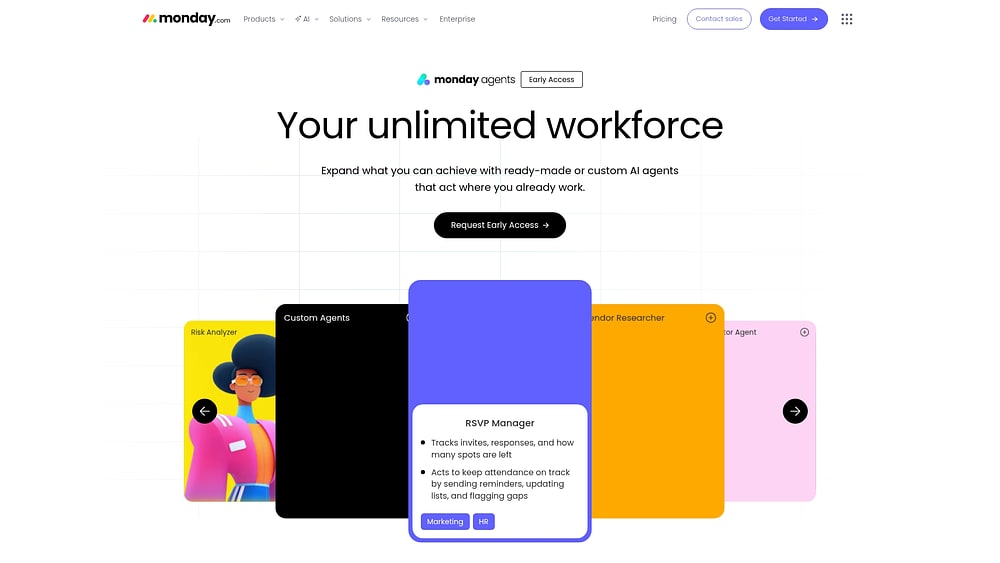
Automations for faster response: When your marketing environment shifts, speed matters. Automations on monday.com handle repetitive workflows — routing approvals, updating statuses, sending notifications, and triggering dependent tasks — so your team spends less time on coordination and more time on strategy. Custom automation recipes let you build response workflows tailored to the specific environmental triggers your team monitors.
Collaboration across teams: Marketing environments don’t respect departmental boundaries. Workdocs, forms, and multiple project views (Kanban, Gantt, timeline) keep cross-functional teams aligned without requiring everyone to adopt the same working style. Sales intelligence informs marketing messaging. Product roadmaps shape campaign timing. Finance data constrains budgets. When everything connects on one platform, those inputs flow naturally into marketing decisions.
Trusted by 225,000+ customers and recognized as a Gartner Magic Quadrant leader, monday.com’s AI Work Platform provides marketing teams with the operational foundation to monitor, analyze, and respond to their marketing environment with confidence.
Get startedBuild a marketing environment strategy that adapts with you
Your marketing environment will only grow more complex. AI is accelerating the pace of change, consumer expectations are fragmenting across channels, and regulatory landscapes continue to evolve. The organizations that thrive won’t be the ones with the most data — they’ll be the ones with the systems and habits to act on what that data reveals.
Start by building a structured practice around environmental analysis. Combine SWOT, PESTLE, competitive mapping, and customer research into a regular rhythm. Then connect those insights to your execution workflows so analysis doesn’t sit in a slide deck — it drives real decisions.
monday.com’s AI Work Platform gives marketing teams the foundation to do exactly that: monitor, adapt, and execute with confidence, all from one connected workspace.
Get startedFAQs
What is a marketing environment in simple terms?
A marketing environment is everything inside and outside your organization that affects how you plan and carry out your marketing. It includes your team, budget, and processes (internal) as well as customers, competitors, economic conditions, and technology trends (external).
What is an example of a marketing environment?
A new data privacy regulation like GDPR is a macro-environmental factor that directly shapes marketing strategy. It affects how companies collect customer data, target ads, personalize content, and measure campaign performance. Teams that anticipated this shift adapted their data practices early, while those that didn't faced compliance penalties and lost access to key targeting capabilities.
What is the difference between internal and external marketing environment?
The internal marketing environment includes factors your organization controls directly: team capabilities, budget, technology infrastructure, brand identity, and processes. The external marketing environment covers forces outside your control, including customers, competitors, economic conditions, regulations, and technology trends. Effective strategy requires analyzing both.
What is PESTLE analysis in marketing?
PESTLE analysis is a framework marketers use to scan six categories of macro-environmental forces: Political, Economic, Social, Technological, Legal, and Environmental. It provides a structured way to identify external trends and risks that could affect marketing strategy, helping teams plan proactively rather than react to surprises.
How does AI affect the marketing environment?
AI is reshaping the marketing environment at every level. AI agents now automate campaign execution, competitive research, and content personalization at scale. Predictive analytics help teams anticipate customer behavior and market shifts. These capabilities change the competitive landscape by raising the baseline for what marketing teams can achieve, making AI adoption a macro-environmental force that every marketer needs to factor into their strategy.
