

Marketing never operates in isolation. Every campaign, launch, and message is shaped by forces inside and outside your organization. Some you control, many you unfortunately do not.
A pricing strategy that works today can stall tomorrow because of a competitor move, a shift in customer behavior, or a regulatory change. The difference between reacting late and leading confidently often comes down to how well you understand your marketing environment.
The marketing environment includes all the internal capabilities and external forces that influence how you reach customers and compete. That means team structure and budget decisions, but also economic trends, technology shifts, and cultural change. When these factors are monitored consistently, they become signals instead of surprises.
This practical guide explores the internal and external marketing environment, the key micro and macro factors shaping 2026, and clear ways to turn environmental insight into smarter, faster decisions.
Key takeaways
- Marketing environments are dynamic and interconnected: Internal capabilities and external forces constantly interact, requiring continuous monitoring and adaptation.
- Internal factors can be controlled and optimized: Elements like team skills, processes, organizational culture, and financial resources determine execution speed and flexibility.
- External factors must be monitored and adapted to: Economic shifts, technological changes, regulatory updates, and social trends influence market opportunities and risks.
- Micro and macro analysis informs strategic decisions: Understanding customers, competitors, suppliers, and societal forces helps turn environmental insights into actionable strategies.
- Integrated platforms enhance environmental intelligence: Unified solutions such as monday work management centralize data, automate monitoring, and connect insights directly to execution for faster, coordinated responses.
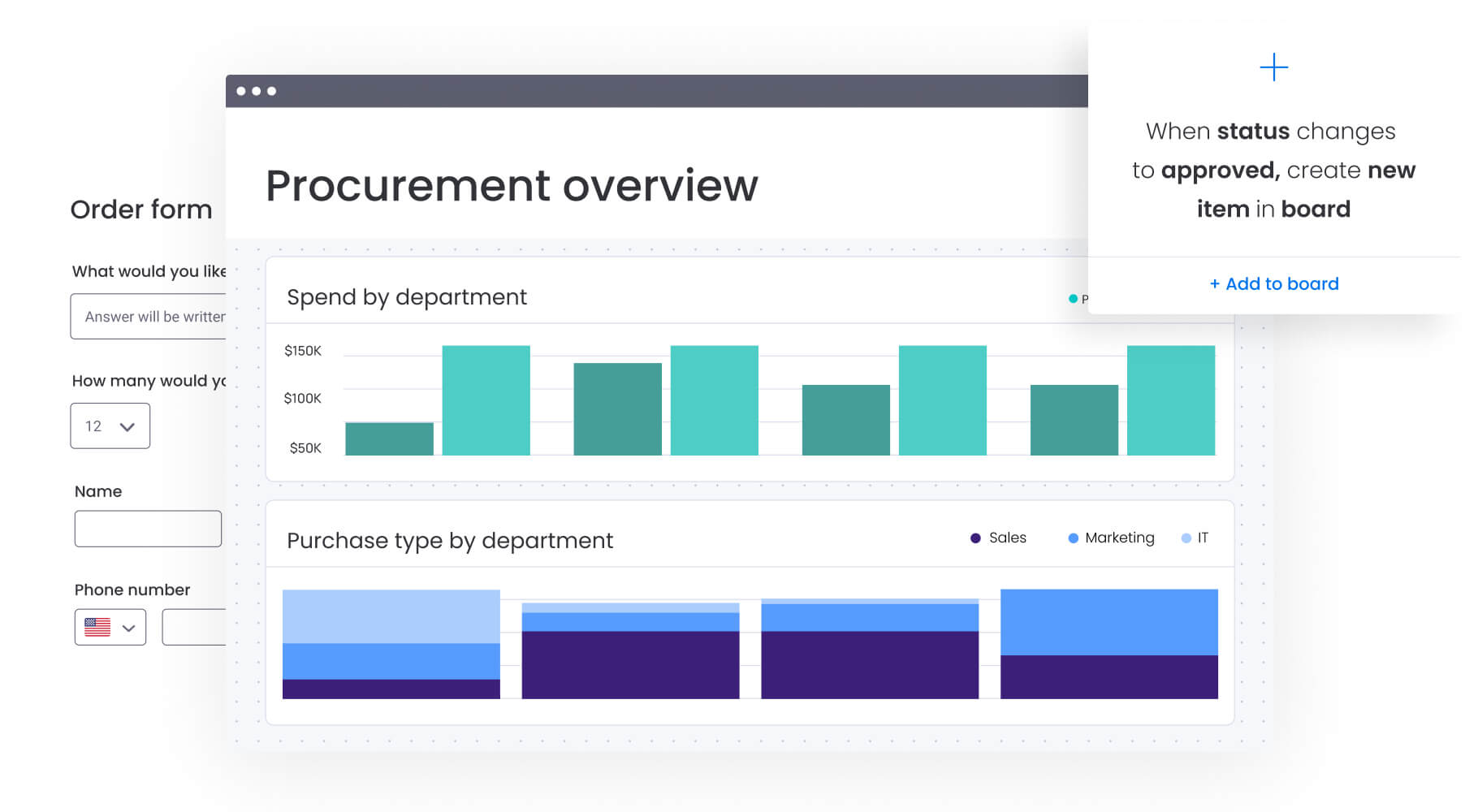
What is a marketing environment?
A marketing environment is the full set of internal and external forces that influence how an organization reaches customers and competes. It includes controllable factors like team capabilities, budgets, and processes, alongside external pressures such as economic shifts, technology advances, and changing consumer expectations.
This is the context every marketing decision sits within. Economic uncertainty can reshape product ricing strategy overnight. A competitor’s surprise launch can disrupt months of campaign planning. Even adopting new marketing technology can redefine how teams collaborate and execute.
Real understanding comes from connecting these forces to business outcomes. Supply chain disruption impacts product availability just as much as a slow internal approval process affects speed to market. Organizations that overlook these signals often find themselves reacting, while better-prepared competitors move first.
How marketing environment analysis drives business success
Environmental analysis is how smart marketing teams stay one step ahead. Instead of waiting for performance to drop or competitors to move first, they track signals early and adjust before small shifts turn into bigger problems.
When environmental monitoring becomes part of how decisions are made, it creates real business impact. It sharpens focus, reduces unnecessary risk, and helps teams invest in the opportunities that actually matter. Here’s where that impact shows up most clearly:
- Competitive advantage: Spot consumer trends early to own emerging markets before competitors arrive.
- Risk mitigation: Identify regulatory changes or supply vulnerabilities early, providing time to adjust operations.
- Strategic alignment: Focus resources on the highest-impact market opportunities through continuous analysis.
- Resource optimization: Avoid wasted investment in declining areas by understanding which factors drive results.
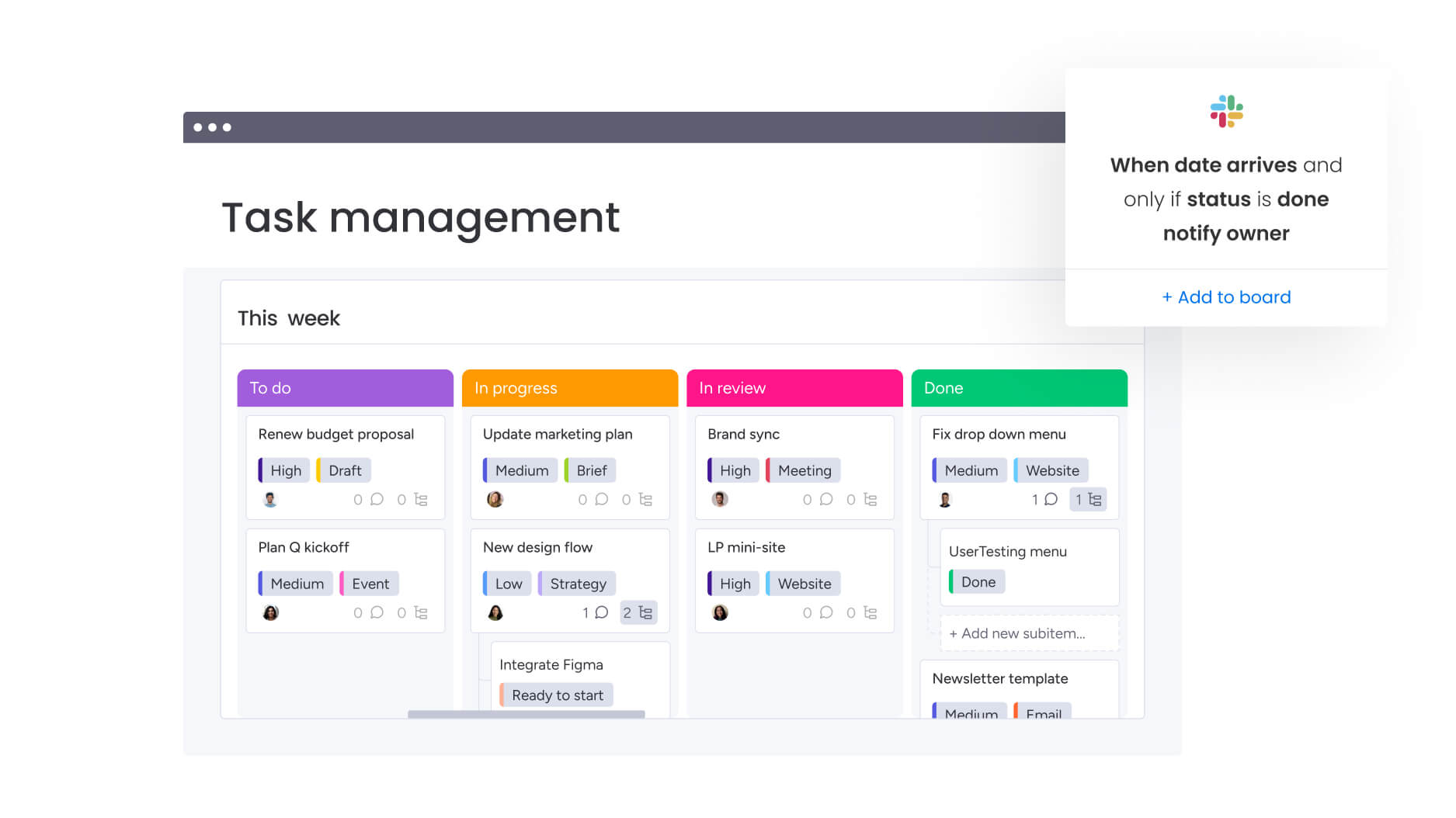
Types of marketing environments every marketer must know
To build a resilient strategy, you need to recognize the two types of marketing environments shaping every decision you make. Each plays a different role in how campaigns are planned, budgets are allocated, and teams respond to change.
Some factors can be optimized internally. Others must be monitored and navigated externally. The table below clarifies how these two environments differ, followed by a deeper look at what falls into each category and how to manage them effectively.
| Feature | Controllable internal factors | Uncontrollable external forces |
|---|---|---|
| Definition | Elements within organizational control | Elements outside organizational influence |
| Primary action | Optimize and improve | Monitor and adapt |
| Examples | Budget, team skills, processes | Economy, regulations, technology |
| Strategic goal | Efficiency and alignment | Resilience and agility |
Controllable internal factors
Internal factors are strengths and weaknesses an organization can directly manage, enabling fast adaptation to market shifts.
Key internal factors shaping marketing effectiveness include:
- Company culture: The values and norms that guide team collaboration and responses to pressure.
- Financial resources: Available capital for campaigns, technology, and talent acquisition.
- Organizational structure: Workflow systems that accelerate decisions or create bottlenecks.
- Internal processes: Methodologies for campaign execution, approvals, and performance analysis.
A company with streamlined processes and collaborative culture adapts to external pressures far more effectively than one hampered by silos and bureaucracy.
Uncontrollable external forces
External forces impact organizations regardless of internal decisions. While these cannot be controlled, how teams respond is entirely within their power.
Critical external forces to monitor include:
- Economic shifts: Changes in purchasing power and market demand.
- Technological evolution: New platforms that render current methods obsolete.
- Regulatory changes: lLws that alter compliance requirements and operational boundaries.
Strategic monitoring transforms unpredictable forces into manageable variables. Modern platforms like monday work management can centralize environmental data, turning scattered signals into actionable insights.
Try monday work managementInternal vs external marketing environment explained
How well an organization’s internal capabilities align with external realities determines marketing success. Companies perform best when internal structures are designed to match market conditions.
A fast-moving or volatile market requires flexible systems built for speed rather than rigid, long-term plans.
Internal environment components
The internal environment encompasses the operational assets marketing teams rely on to execute effectively. These elements set the limits on what an organization can achieve.
Core internal components include:
- Organizational culture: Experimental cultures allow marketing teams to adapt quickly to market feedback.
- Human resources: Team skills and capacity determine the complexity and quality of campaigns.
- Technological capabilities: The tech stack dictates execution speed and analytical insight.
- Financial health: Stable budgets enable long-term brand building rather than reactive campaigns.
Teams gain clarity and alignment when these components are centralized on a unified platform, transforming scattered resources into coordinated action.
External environment dynamics
The external environment constantly evolves, with each factor connected to the next. Technological breakthroughs, for example, can trigger regulatory updates and social shifts simultaneously.
Key characteristics include:
- Dynamic nature: Consumer preferences evolve while economies cycle through phases.
- Interconnectedness: Political decisions create immediate economic ripple effects.
- Uncertainty: Future market states remain difficult to predict with precision.

Micro environment: 6 factors that directly shape your marketing
The micro environment consists of players close to the organization that directly influence its ability to serve customers. Unlike macro forces, these factors can often be shaped through relationship management and strategic partnerships.
1. Customer segments and behaviors
Customers form the foundation of your micro environment, and understanding their segments helps build stronger market positioning. Their evolving preferences and behaviors determine product viability and marketing effectiveness.
Key customer dynamics to monitor include:
- Changing preferences: Shifts toward sustainability or digital experiences require immediate adaptation.
- Buying behavior: Subscription model adoption fundamentally alters revenue strategies.
- Feedback loops: Direct customer input drives internal adjustments and improvements.
2. Competitor actions and strategies
Competitors set the bar for performance and value. Their innovations and tactics directly affect your position in the market.
Critical competitive factors include:
- Direct competition: Rivals targeting identical customer segments with similar solutions.
- Indirect competition: Alternative approaches solving the same customer problems.
- Differentiation opportunities: Competitor gaps reveal unique positioning possibilities.
3. Supplier relationships and dependencies
Suppliers provide the resources needed to deliver value. Supply chain stability directly affects whether campaigns succeed and products remain available.
Essential supplier considerations:
- Reliability factors: Consistent supplier performance maintains campaign timeline integrity.
- Cost fluctuations: Rising input costs squeeze margins and influence pricing strategies.
- Partnership quality: Strong relationships unlock exclusive innovations or priority service.
4. Distribution channels and partners
Intermediaries connect products with customers. The effectiveness of your channels determines how widely you reach your market.
Key channel dynamics:
- Channel reach: Distribution network breadth affects customer accessibility.
- Partner alignment: Misaligned incentives between brands and retailers dilute marketing messages.
- Digital transformation: Direct-to-consumer models reduce intermediary dependence while requiring new capabilities.
5. Strategic business partnerships
Collaborations and alliances expand reach and credibility without building everything internally.
Partnership opportunities include:
- Co-marketing initiatives: Joint campaigns leverage combined audiences for mutual benefit.
- Strategic alliances: Long-term partnerships fill capability gaps and accelerate growth.
- Ecosystem integration: Technology partnerships ensure seamless customer workflow integration.
6. Public perception and stakeholders
Various groups influence your ability to achieve marketing goals through their interest and impact on operations.
Key stakeholder groups:
- Media relationships: Positive coverage amplifies marketing, while negative press creates crises.
- Financial communities: Investor confidence affects capital access and stock valuations.
- Local communities: Brand reputation often starts with local perception and social responsibility.
Customers form the foundation of your micro environment, and understanding their segments helps build stronger market positioning. Their evolving preferences and behaviors determine product viability and marketing effectiveness.
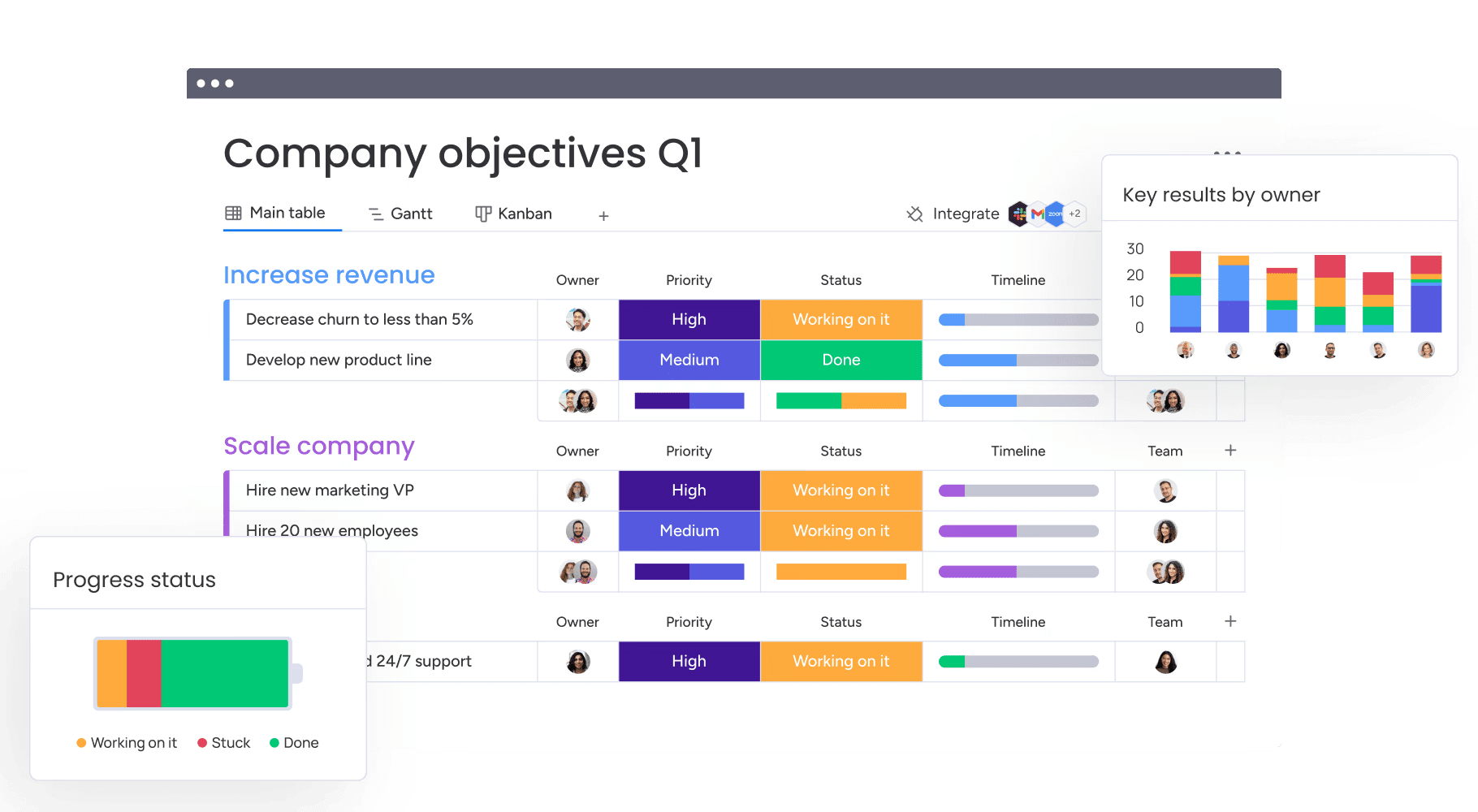
Macro environment: 7 forces transforming marketing strategy
The macro environment includes large-scale forces that shape markets at a societal level. These are not factors you control. They are conditions you anticipate, prepare for, and respond to.
Tracking the seven forces below helps you spot shifts early and adjust strategy before disruption hits performance.
1. Political and regulatory landscape
Government decisions define the boundaries your marketing operates within. Trade policies, taxation, and industry regulations influence market access and cost structures. Political stability affects long-term planning and investment confidence. While individual organizations have limited direct influence, industry groups can advocate for policy outcomes that support growth.
2. Economic conditions and trends
Economic health directly affects consumer spending behavior. Inflation reduces purchasing power and can pressure pricing strategies. Interest rates impact borrowing, expansion plans, and technology investment. During downturns, value-driven messaging tends to resonate. In stronger economies, brands can lean into aspiration and premium positioning.
3. Social and cultural shifts
Consumer expectations evolve with cultural change. Perspectives on sustainability, inclusion, and corporate responsibility increasingly shape brand perception. Lifestyle shifts such as remote work or digital-first experiences create entirely new demand patterns. Marketing strategies must reflect what customers value now, not what they valued five years ago.
4. Technological disruption
Technology changes how value is created and delivered. New platforms, tools, and behaviors can quickly reshape customer expectations. AI and automation influence how campaigns are executed, measured, and optimized. The speed of adoption determines how urgently teams need to adapt.
5. Environmental and sustainability pressures
Natural resource constraints and environmental risk affect operations as much as messaging. Raw material shortages influence production and pricing. Consumers increasingly favor transparent, environmentally responsible brands. Extreme weather events and climate volatility can disrupt supply chains and distribution channels without warning.
6. Legal framework and compliance
Legal requirements protect consumers and set clear operational limits. Regulations such as GDPR and CCPA govern how customer data is collected and used. Marketing claims must be substantiated, and intellectual property protection remains critical in global digital markets. Compliance is not optional, and reputational damage from missteps can be significant.
7. Demographic changes and patterns
Population shifts reveal where opportunity is emerging. Aging populations change demand across industries. Migration reshapes regional markets. Generational preferences influence channel choice, tone, and brand loyalty. Understanding who your audience is becoming helps guide long-term positioning decisions.
5 strategic benefits of environmental monitoring
Environmental monitoring moves marketing from guesswork to clarity. Instead of reacting to change, teams make decisions grounded in real signals from the market.
When monitoring becomes consistent and intentional, it sharpens strategy across the organization. Leaders anticipate shifts earlier, respond with confidence, and stay aligned with what is actually happening in their industry — not what they assume is happening.
1. Spot market opportunities first
Vigilant monitoring reveals market gaps before they become mainstream opportunities. This early detection allows organizations to position themselves as industry leaders.
Key opportunity identification benefits:
- Innovation drivers: Identifying customer frustrations with existing solutions drives product innovation.
- Emerging markets: Early sub-culture detection allows brands to dominate new categories.
- Regulatory advantages: First-mover advantage comes from adapting to regulations or technologies before competitors.
2. Transform risks into advantages
Proactive awareness enables preparation for potentially debilitating threats. Organizations can convert potential weaknesses into strategic strengths through early planning.
Risk transformation strategies:
- Supply chain resilience: Anticipating supply chain issues allows vendor diversification strategies.
- Reputation management: Social sentiment monitoring enables rapid response before negative feedback spreads.
- Compliance readiness: Early compliance preparation prevents last-minute operational disruptions.
3. Drive decisions with environmental intelligence
Environmental data reduces guesswork in strategic planning. Leaders make more informed choices when grounded in comprehensive market insights.
Decision-making improvements include:
- Budget allocation: Leaders allocate budgets with greater certainty using environmental insights.
- Strategic grounding: Market realities guide decisions rather than internal biases.
- Scenario planning: Understanding variables enables more effective scenario planning.
4. Optimize marketing resource deployment
Environmental understanding ensures resources flow to high-impact opportunities. Teams can pivot quickly when market conditions change, maximizing return on investment.
Resource optimization benefits:
- Channel efficiency: Teams shift spending from declining channels toward emerging platforms.
- Talent allocation: Staff reallocation to critical environmental shifts improves outcomes.
- Competitive response: Rapid fund redeployment in response to competitor moves maintains market positioning.
5. Build proactive customer strategies
Monitoring enables brands to solve problems before customers identify them. This anticipatory approach strengthens relationships and reinforces market relevance.
Proactive strategy advantages:
- Service excellence: Support capacity adjustments based on seasonal demand predictions improve service.
- Product relevance: Development cycles aligned with demographic trends ensure product relevance.
- Revenue protection: Retention strategies adapted to economic forecasts protect revenue streams.
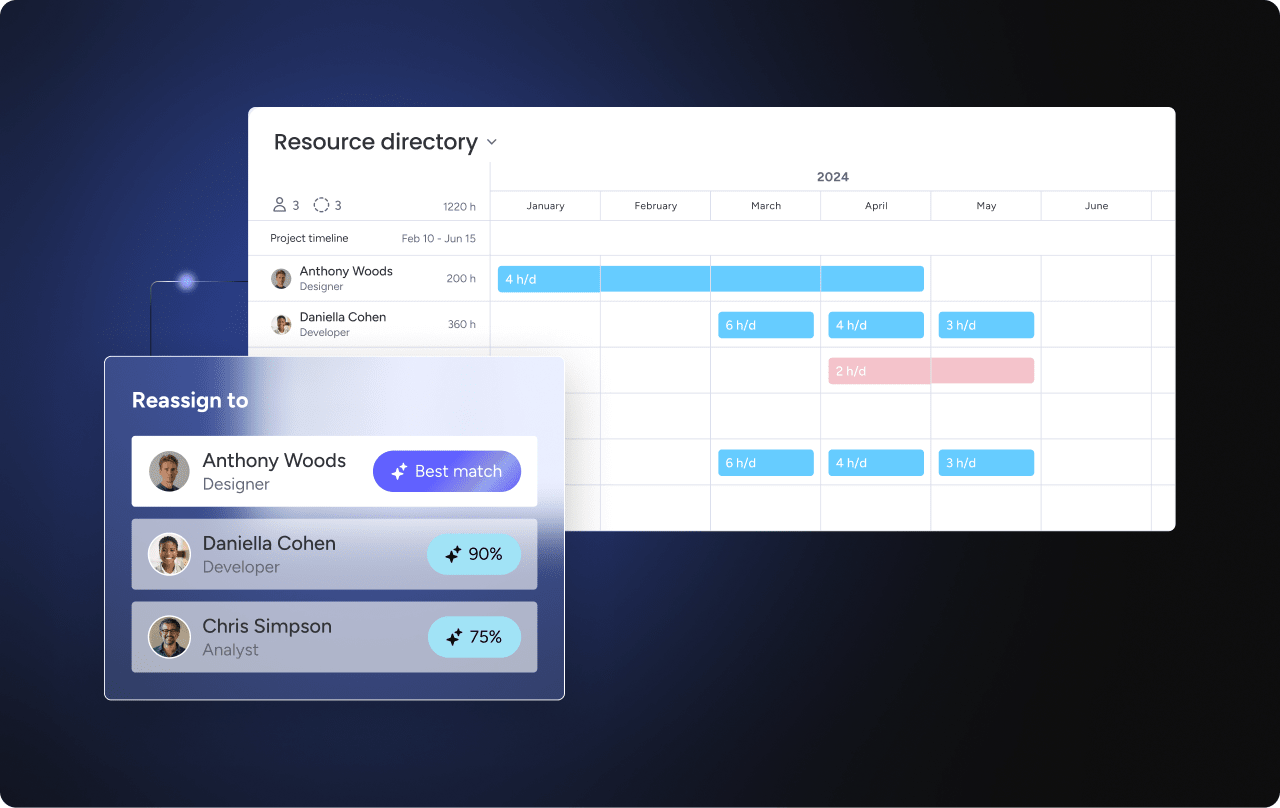
How AI and automation revolutionize environmental analysis
Technology is massively transforming environmental analysis from periodic reports into continuous intelligence streams. Organizations gain real-time monitoring that surfaces insights and triggers responses automatically. This evolution supports faster, more accurate decision-making across all environmental factors.
Continuous environmental scanning
AI enables round-the-clock monitoring without human fatigue or oversight gaps. Constant vigilance ensures organizations never miss critical environmental changes.
Continuous scanning capabilities:
- Real-time alerts: Notifications when specific keywords or competitor activities emerge.
- Multi-source aggregation: Combines news, social media, and regulatory filings into unified views.
- Pattern recognition: Identifies subtle trends human analysts might overlook.
Teams using monday work management leverage AI Blocks to automatically categorize customer feedback sentiment, delivering instant indicators of brand health across channels.
Predictive trend analytics
Machine learning uncovers patterns human analysts might miss in complex data. Predictive capabilities allow proactive rather than reactive strategies.
Predictive analytics applications:
- Demand forecasting: Algorithms analyze historical sales and economic indicators to forecast inventory needs.
- Trend projection: AI predicts social trend trajectories to guide long-term strategic planning.
- Risk assessment: Predictive models assess the likelihood of threats materializing, enabling proactive preparation.
Automated response triggers
Automation closes the gap between insight and action with immediate response workflows. Organizations can respond to environmental changes at machine speed rather than human pace.
Response automation features:
- Dynamic pricing: Systems adjust automatically based on competitor moves and demand signals.
- Crisis management: Digital workers trigger response workflows when crisis indicators emerge.
- Risk prioritization: Portfolio risk insights scan project boards continuously, flagging potential threats by severity.

Marketing environments generate constant signals, but when data is scattered across tools, insight gets lost.
monday work management centralizes monitoring, planning, and execution in one workspace. That means environmental changes are visible, actionable, and connected directly to ongoing work.
The table below shows how monday work management compares to traditional approaches when managing environmental change.
| Feature | monday work management | Traditional approaches |
|---|---|---|
| Real-time monitoring | Live dashboards with integrated feeds | Manual updates required |
| Collaboration | Contextual communication within workflows | Siloed email and chat threads |
| AI analysis | Built-in sentiment and data categorization | Separate, disconnected tools |
| Integration | Connects with 200+ apps seamlessly | Limited custom connections |
| Customization | No-code flexibility for new trends | Rigid, hard-to-change structures |
| Speed to insight | Instant cross-functional visualization | Manual consolidation takes days |
Platform capabilities for environmental mastery
Modern platforms like monday work management provide comprehensive tools for environmental monitoring and response:
- Real-time environmental visibility: Customizable dashboards show internal KPIs alongside external data feeds, keeping strategy connected to reality.
- Automated response workflows: Automations trigger immediate actions based on environmental changes, notifying stakeholders and creating tasks automatically.
- AI-powered insights: AI Blocks categorize unstructured market data and customer feedback, producing actionable insights without manual processing.
- Portfolio risk management: Portfolio risk insights identify potential threats across multiple initiatives, correlating internal projects with external dependencies.
- Resource optimization: Resource management features enable dynamic staff and budget reallocation as conditions change, offering visibility into available capacity for strategic pivots.

“monday.com has been a life-changer. It gives us transparency, accountability, and a centralized place to manage projects across the globe".
Kendra Seier | Project Manager
“monday.com is the link that holds our business together — connecting our support office and stores with the visibility to move fast, stay consistent, and understand the impact on revenue.”
Duncan McHugh | Chief Operations OfficerBuild resilient marketing strategies that adapt and thrive today
Environmental mastery requires more than monitoring tools. Success comes from turning intelligence into a competitive advantage. Organizations that excel at environmental analysis anticipate and capitalize on market changes instead of reacting to them.
As this guide has explored, the most effective marketing teams combine systematic monitoring with agile execution. They understand that environmental factors constantly interact, creating both opportunities and risks. Resilience emerges from preparation rather than reaction.
monday work management transforms environmental intelligence from static analysis into dynamic organizational capability. By connecting monitoring with strategic planning and daily execution, organizations respond to market changes quickly while maintaining alignment across teams and initiatives.
Try monday work managementFrequently asked questions
What are the 5 main characteristics of a marketing environment?
The marketing environment is dynamic, interconnected, complex, uncertain, and relative. These traits mean the environment constantly changes, factors influence each other, multiple variables interact simultaneously, future states are unpredictable, and impacts vary by organization.
What are the 7 factors affecting the marketing environment?
The macro factors include political, economic, social, technological, environmental, legal, and demographic forces (PESTEL+D). These shape market conditions, consumer behavior, and operational constraints.
What is the difference between micro and macro environment in marketing?
The micro environment includes factors close to the company that it can influence, such as customers, competitors, suppliers, intermediaries, and publics. The macro environment consists of broad societal forces beyond control, including economic conditions, laws, technology, and demographic trends.
How do you analyze a marketing environment?
Analyzing a marketing environment involves identifying key factors, establishing monitoring systems, assessing potential impacts, and developing strategic responses. AI-powered platforms and frameworks like PESTEL help automate data gathering and transform insights into actionable strategies.
What is an example of marketing environment analysis?
A beverage company might examine rising sugar taxes (political), shifting consumer health preferences (social), and biodegradable packaging innovations (technological). This analysis informs product launches, marketing messages, and sustainability investments.
Which environmental factors have the biggest impact on digital marketing strategies?
Technological innovations, data privacy regulations, and evolving social media trends most directly affect digital marketing. These factors require continuous monitoring and rapid adaptation to maintain campaign performance and compliance.

 Get started