


Marketing teams are full of ideas, ambition, and creative momentum, but too often that energy gets pulled into the day-to-day grind of data pulls, social media scheduling, and constant campaign adjustments that leave little room for big-picture thinking or experimentation.
AI is starting to change that balance in a meaningful way. Instead of spending hours managing repetitive tasks across disconnected tools, marketers can now lean on intelligent AI agents that handle execution behind the scenes, learn from performance, and adapt to how your team works. The result is not just faster campaigns, but more space to focus on strategy, creativity, and growth.
In the guide below, you’ll explore how AI is reshaping modern marketing, which solutions are actually delivering value in 2026, and how different types of AI can support everything from content creation and analytics to scheduling and reporting. By the end, you’ll have a clearer sense of how to build a smarter marketing stack that works for you, not the other way around.
Key takeaways
- Work smarter with AI agents: build a focused team of AI agents that take ownership of repetitive marketing work, creating more space for strategy, experimentation, and creative direction.
- Protect your creative energy: automate time-consuming tasks like social media scheduling, data pulls, reporting, and follow-ups so your team can spend more time on ideas that actually move the needle.
- Choose tools with intention: the most effective AI for marketing supports clear, specific jobs, from content creation and analytics to optimization and engagement, instead of trying to be everything at once.
- Build agents around real marketing jobs: platforms like Agent Factory make it possible to use ready-made agents or create your own to handle defined tasks, without forcing you into rigid workflows.
- Lead at a higher level: when execution runs smoothly in the background, marketing leaders can focus less on managing tasks and more on planning, storytelling, and long-term growth.
How AI is transforming modern marketing
Marketing is moving away from manual execution and toward intelligent support that actually lightens the load. Tasks that once demanded hours of attention, like pulling performance data or monitoring campaign results, can now be handled continuously in the background.
What’s different this time is how AI shows up in the workflow. Instead of rigid automations that only do exactly what they are told, today’s AI can take on defined responsibilities, learn from outcomes, and adjust based on what is working. These systems help teams spot patterns faster, manage performance in real time, and keep campaigns moving without constant oversight.
This shift is changing how marketing teams operate day to day. Rather than bouncing between tools and dashboards, marketers can rely on AI to manage execution while they focus on planning, messaging, and creative direction.
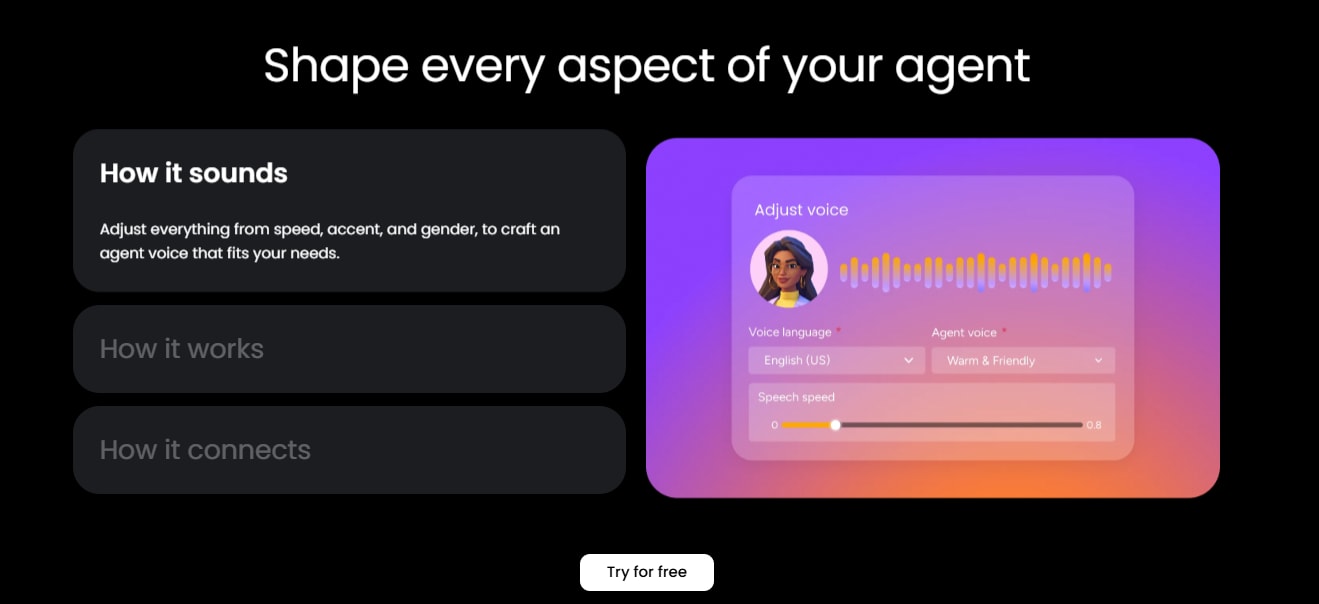
AI agent platforms like Agent Factory reflect this evolution by making it easier to use AI in a practical, task-driven way. Instead of a single all-purpose assistant, teams can work with agents that handle specific marketing jobs, whether that is organizing workflows for content, supporting campaign execution, or keeping reporting up to date. The result is a more balanced approach where AI supports the work without getting in the way of it.
What makes AI marketing tools different?
Traditional marketing tools are built to follow instructions. You set the rules, launch the campaign, and manually adjust when something changes. An automation tool does exactly what it is told and nothing more. AI marketing tools work differently. They are designed to take on defined responsibilities, learn from results, and adapt as conditions shift.
The biggest difference is how decisions get made. Instead of waiting for you to review dashboards or reports, AI can monitor performance continuously and respond in real time. That might mean adjusting timing, refining messaging, or flagging issues before they become problems. The work keeps moving even when you are focused elsewhere.
Beyond basic automation
Conventional automation is predictable and static. If you tell an automation tool to send an email at a certain time, it will do exactly that every time, regardless of how people actually engage. AI goes a step further by recognizing patterns and using them to make better choices over time.
For example, instead of treating every audience member the same, AI can identify when different segments are most likely to engage and adjust execution accordingly. The result is less manual tweaking and more relevant outreach without extra effort.
Intelligence that adapts to your team
AI marketing tools are not meant to be one-size-fits-all. They improve when they are guided by your goals, brand voice, and feedback. Over time, they become better aligned with how your team works, rather than forcing you to adapt to rigid systems.
This makes them feel less like another platform to manage and more like support that fits naturally into your existing workflows.
Continuous learning and optimization
One of the biggest shifts AI brings to marketing is persistence. While your team focuses on planning and creative work, AI can continuously analyze results and make incremental improvements. Small adjustments happen automatically, helping campaigns stay effective without demanding constant attention.
AI agents vs traditional marketing tools
Traditional marketing tools are built to be operated. You launch campaigns, monitor performance, and step in to make changes when something needs attention. Even powerful platforms still rely on constant manual input to keep work moving.
AI marketing agents change that dynamic by taking ownership of specific marketing responsibilities. Once an agent has a clear role, it can handle execution, monitor results, and adapt as conditions change, without needing ongoing direction.
Platforms like Agent Factory support this shift by enabling teams to work with role-based agents rather than one general-purpose assistant. Each agent focuses on a defined job and improves over time, while marketers stay focused on strategy and creative direction.
Here’s how the two approaches compare:
- Traditional tools: require hands-on management to launch, monitor, and adjust campaigns.
- AI agents: handle execution and adapt based on real-time performance.
- Traditional tools: lock teams into fixed workflows.
- AI agents: fit into existing processes and evolve with how teams work.
Best AI marketing tools for every team
AI has become an essential part of modern marketing. It’s the teammate that handles the repetitive work: data pulls, first drafts, and social media scheduling — so your team can stay focused on strategy and creativity.
As we alluded to above, the best AI for marketing doesn’t replace people. It reinforces them, giving every marketer the support they need to move faster and think bigger.
True value comes from choosing the right mix of tools to build your own specialized crew. One might craft compelling copy, another could analyze competitors, and a third might optimize your posting schedule. You’re the manager, assembling a team that works the way you do.
Below, we explore some of the best AI marketing tools for 2026, from content creation and SEO to analytics and automation: each built to help your team work smarter and make every campaign count.
| Platform | Primary function | Use Case | Starting price |
|---|---|---|---|
| Agent Factory | Task-driven AI agent platform | Building task-driven AI agents for marketing workflows | Free & Paid |
| Jasper | AI content crreation | Long-form content, brand voice | Paid |
| ChatGPT | Versatile AI assistant | Content ideation, planning | Free & Paid |
| Claude | Long-form content & analytics | Data-heavy marketing tasks | Free & Paid |
| Copy.ai | Marketing copy generation | Ad copy, social posts | Free & Paid |
| Writesonic | SEO-optimized AI writing | Content scaling, SEO blogs | Free & Paid |
| HubSpot AI | Integrated AI CRM & marketing | All-in-one marketing automation | Free & Paid |
| Semrush | AI SEO & competitive analysis | SEO strategy, competitor research | Paid |
| Surfer SEO | AI content optimization | SEO content marketing | Paid |
| Grammarly | AI writing assistant | Content quality, brand voice | Free & Paid |
| Canva AI | AI design for marketing visuals | Social graphics, brand assets | Free & Paid |
| Midjourney | AI image generation | Creative visuals, campaigns | Paid |
| DALL-E | Custom AI image creation | Visual content, ad creatives | Free & Paid |
| Synthesia | AI video creation | Marketing videos, personalization | Paid |
| Descript | AI audio/video editing | Content production, podcasts | Free & Paid |
| Buffer AI | AI social scheduling | Social media management | Free & Paid |
| Hootsuite AI | AI social analytics & management | Multi-platform social campaigns | Paid |
| ActiveCampaign | AI email marketing automation | Customer journey optimization | Paid |
| Salesforce Einstein | AI for enterprise marketing | Large-scale automation | Paid |
| Adobe Sensei | AI for creative/marketing suite | Design, campaign optimization | Paid |
| Google AI platform | AI-powered marketing tools | Ads, analytics, audience insights | Free & Paid |
| Drift | Conversational AI for leads | Lead generation, engagement | Paid |
| Conversica | AI sales/marketing assistants | Lead nurturing, follow-up | Paid |
| Seventh Sense | AI email timing optimization | Email engagement improvement | Paid |
| Jacquard (Phrasee) | AI copywriting for email | Subject lines, marketing | Paid |
1. Agent Factory
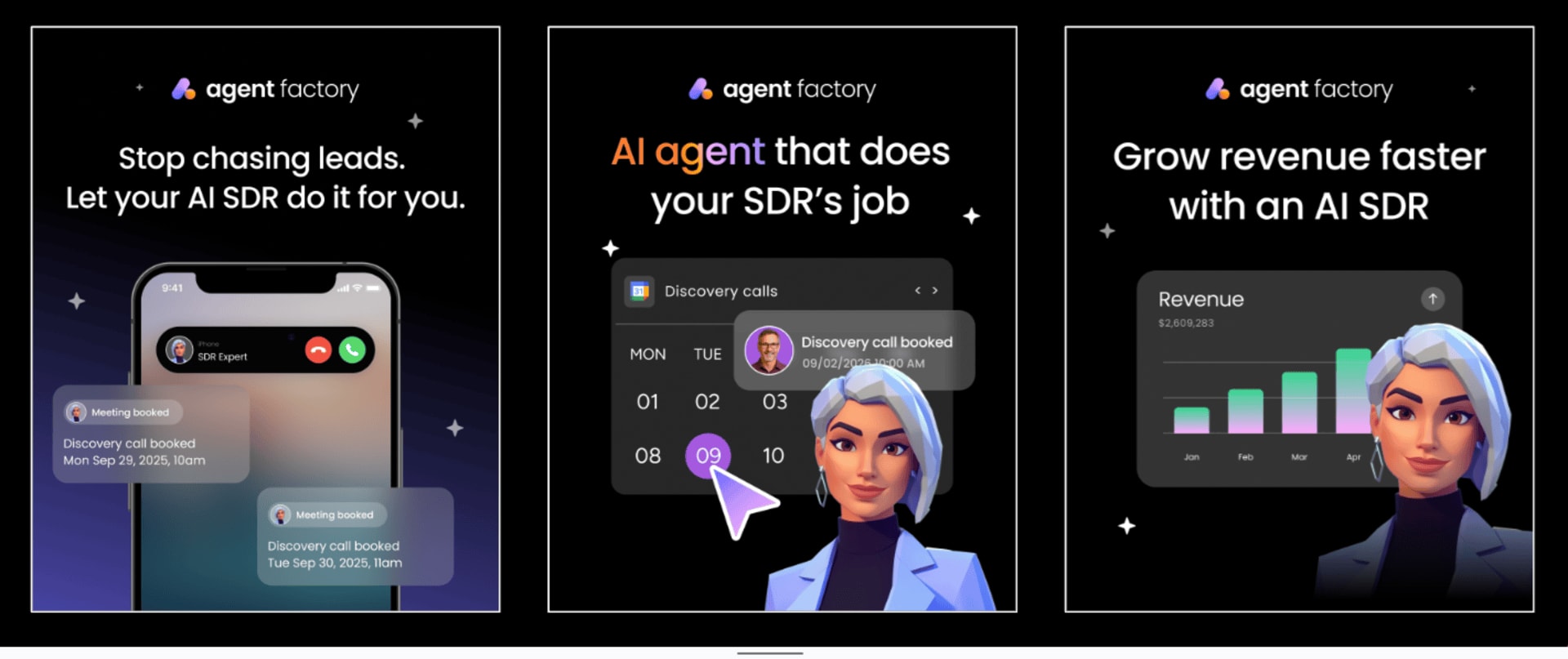
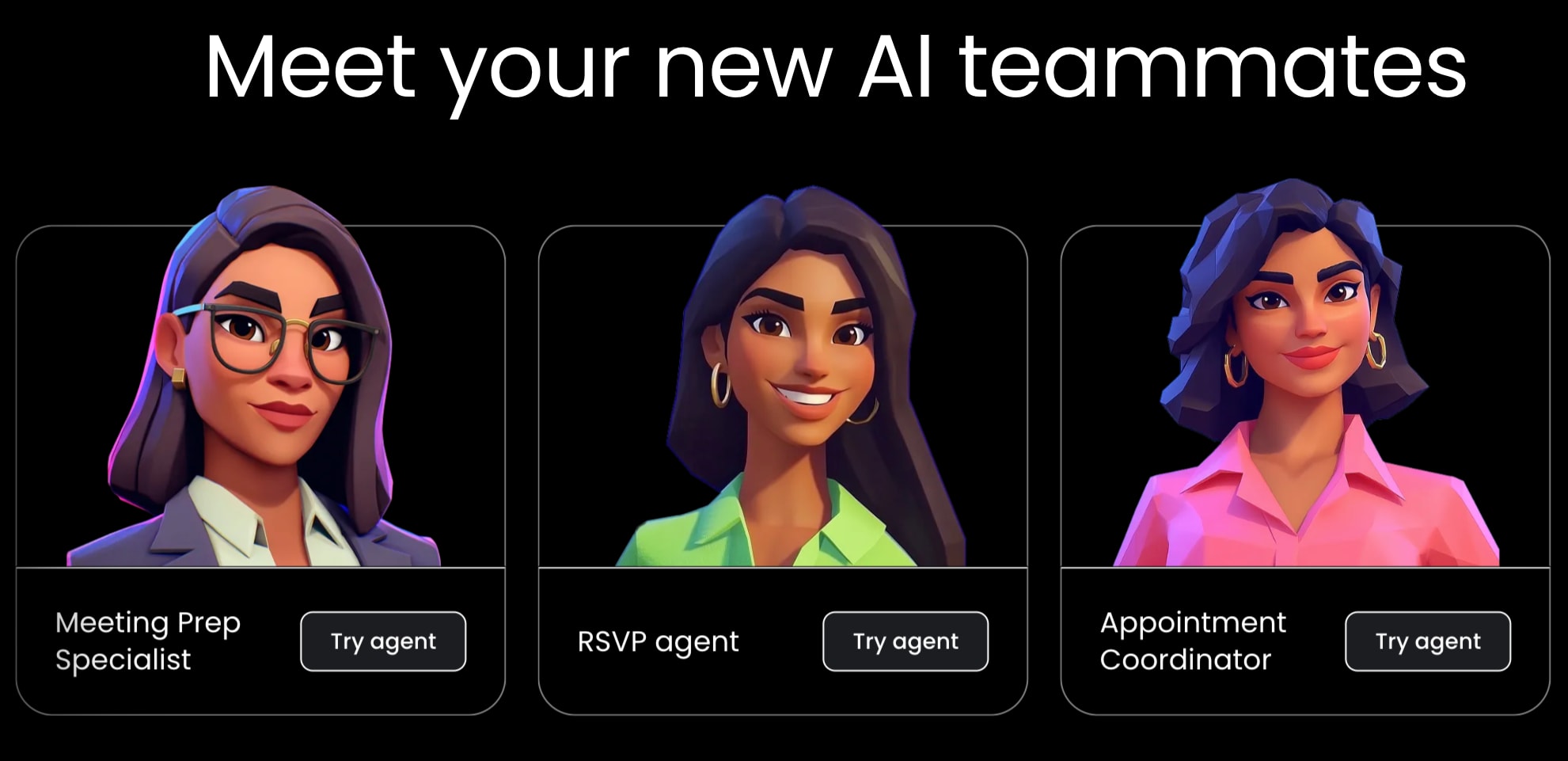
Agent Factory is part of the monday ecosystem and is designed to help teams build and use task-driven AI agents that take real work off their plate. Instead of acting as a generic assistant, each agent is created with a clear role, whether that’s handling follow-ups, managing campaign execution, or supporting reporting, so work continues without constant oversight.
What sets Agent Factory apart is its focus on practical execution. Teams can start with ready-made agents or describe exactly what they want an agent to do, then customize how it works and how it connects to their tools. No code is required, and agents are built to fit into existing workflows rather than replace them.

Example: a marketing team might use one agent to manage routine follow-ups, another to monitor campaign performance, and a third to keep content schedules on track, freeing the team to focus on strategy and creative direction.
Key features:
- Task-driven agent creation: build or customize agents around specific marketing jobs using natural language, without technical setup.
- Role-based scaling: run multiple agents in parallel, each focused on a defined responsibility rather than a single all-purpose assistant.
- Flexible execution: agents handle calls, searches, emails, and multi-step workflows while adapting based on usage and feedback.

Pricing:
- Free: $0 per month, includes one active agent, 200 agent credits per month, two seats, and community support.
- Squad: $49 per month, includes up to ten active agents, 5,000 agent credits per month, unlimited seats, and standard support.
- Force: $299 per month, includes up to 75 active agents, 30,000 agent credits per month, multi-agent workflows, and prioritized support.
- Powerhouse: custom pricing for enterprise teams, with tailored agent limits, custom credit plans, advanced analytics, and enterprise support.
- Additional credits: available as an add-on, starting at $99 per month for 10,000 agent credits.
Why it stands out:
- Designed for execution: agents are built to complete defined tasks, not just generate responses.
- Scales with real usage: pricing is tied to active agents and work handled, not seats alone.
- Built for growing teams: supports everything from small experiments to large-scale, multi-agent workflows.
2. Jasper
With Jasper, AI-powered content creation is elevated through specialized marketing agents that internalize your brand voice. The platform moves beyond basic writing assistance by offering purpose-built AI agents for personalization, optimization, and research that integrate directly into existing marketing workflows.
Trusted by over 100,000 businesses, including nearly 20% of the Fortune 500, it’s designed for marketing teams needing to scale high-quality content production.

Example: Jasper excels at creating brand-consistent marketing content at scale through AI agents that learn your company’s voice, tone, and marketing objectives to automate everything from personalized campaigns to content optimization.
Key features:
- Personalization Agent: adapts messaging to different customer segments while maintaining brand voice consistency across all touchpoints.
- Optimization Agent: automatically improves headlines, meta descriptions, and internal linking through integrations with platforms like Semrush.
- Research Agent: transforms in-depth market research into actionable briefs, summaries, and campaign ideas instantly.
Pricing:
- Pro Plan: $59/month per seat (billed annually) or $69/month (billed monthly).
- Business Plan: custom pricing with 12-month commitment required.
- Free trial: 7-day free trial available for Pro Plan.
- Discount: 20% nonprofit discount available after contacting support.
Considerations:
- Premium pricing may be prohibitive for small businesses and individual marketers compared to other AI marketing tools.
- Long-form content generation often requires significant editing and human oversight to maintain quality standards.
3. ChatGPT
As a conversational AI, ChatGPT can function like your team’s brilliant, all-knowing intern, transforming how you brainstorm content, analyze data, and interact with customers. While its core is a powerful language model, its paid plans unlock the ability to build a small team of AI agents, helping you scale marketing efforts without sacrificing a human touch.
Example: let ChatGPT handle the heavy lifting. It’s a pro at drafting marketing content, from social posts to entire email campaigns. On paid plans, you can put its AI agent functionality to work booking appointments, creating slideshows, or updating spreadsheets for competitive research.
Key features:
- AI Agent Task Force: on paid plans, you can recruit an AI agent to browse websites, gather competitor intel, and compile market analysis reports. It’s still a rookie, so complex tasks need your supervision, and a “human-in-the-loop” feature ensures you give the final nod for sensitive actions.
- Multi-Format Content Creation: from snappy social media posts and email campaigns to marketing copy and even slide decks, ChatGPT helps you beat the blank page.
- Real-Time Customer Support: deploy AI-powered chatbots that handle customer questions with surprisingly human-like responses, freeing up your team for the tricky stuff.
- Privacy Protection: your secrets are safe. When you need to take over from an agent in your browser, ChatGPT can’t see what you’re doing, keeping your private info private.
Pricing:
- Free: $0/month. A great starting point with limited messages, uploads, image generation, research, and memory. Does not include AI agent mode.
- Plus: $20/month. Your first AI teammate! Unlocks AI agent mode, custom GPTs, and gives you more capacity for deep research, memory, projects, and tasks. Even includes limited access to Sora for video generation.
- Team: $25/user/month (billed annually). Build out your crew with a secure, shared workspace. Includes everything in Plus, plus admin controls, connectors to internal data, compliance support, and a promise not to train on your business data (minimum two users).
- Enterprise: the whole AI army. Gets you enterprise-grade security, data residency, an expanded context window, 24/7 priority support, custom legal terms, and your own AI advisors (contact sales for pricing).
Considerations:
- The AI agents are powerful but still learning the ropes; they’re best for specific tasks where you can check their work, not complex, unsupervised missions.
- Agent mode and other advanced features are only on paid plans and are not yet available in all regions (e.g., the EEA), so be sure to check availability and weigh the cost against the benefits.
4. Claude
Known for its advanced AI capabilities and focus on safety, Claude is a trusted choice for marketing teams handling sensitive data. The platform excels at long-form content creation and complex analytical tasks, boasting an exceptionally large context window that allows it to process extensive marketing materials at once.
Its Constitutional AI framework also ensures brand-safe outputs while maintaining high-quality, human-like interactions.

Example: Claude empowers marketing teams to create sophisticated content strategies and analyze complex datasets while maintaining the highest standards of AI safety and brand protection.
Key features:
- Large context window processing: for comprehensive campaign analysis and long-form content creation.
- Constitutional AI framework: ensuring ethical, brand-safe marketing communications.
- Advanced reasoning capabilities: for multi-step marketing workflows and strategic planning.
Pricing:
- Free: $0 – basic chat functionality with web, mobile, and desktop access.
- Pro: $20/month (monthly) or $17/month (annual, $200 upfront) – enhanced usage, Claude Code, file creation, and Google Workspace integration.
- Max: from $100/month – 5x-20x more usage, higher output limits, and memory across conversations.
- Team Standard: $30/month per person (monthly) or $25/month (annual, minimum five members) – admin controls and enterprise features.
- Team Premium: $150/month per person (minimum 5 members) – includes Claude Code functionality.
- Enterprise: contact sales – full enterprise features with enhanced security and compliance.
Considerations:
- Some versions lack real-time internet access, limiting current market data integration.
- Usage limits on free and paid tiers may restrict heavy marketing campaign workflows.
5. Copy.ai
For teams aiming to become content powerhouses, Copy.ai offers AI-driven copywriting and workflow automation. The platform specializes in creating brand-aligned content at scale through customizable AI agents, making it ideal for businesses looking to streamline their go-to-market operations.

Example: Copy.ai serves as a comprehensive go-to-market AI platform that automates content creation, sales prospecting, and marketing workflows while maintaining brand consistency across all outputs.
Key features:
- Content Agent Studio: learns your brand voice from just three content examples.
- Workflow automation: drag-and-drop builder for complex multi-step processes
- Integration with multiple AI models: includes OpenAI, Anthropic, and Google for diverse content generation.
Pricing:
- Chat: $24/month (annually) or $29/month (monthly) for up to five seats.
- Agents: $211/month (annually) or $249/month (monthly) for up to ten seats with workflow automation.
- Growth: $1,000/month (annually) for 75 seats with 20K workflow credits.
- Expansion: $2,000/month (annually) for 150 seats with 45K workflow credits.
- Scale: $3,000/month (annually) for 200 seats with 75K workflow credits.
- Enterprise: custom pricing with guided implementation and API access.
Considerations:
- Output quality heavily depends on the quality of input examples and training data provided.
- Advanced features and higher usage limits require expensive subscription plans that may not suit smaller teams.
6. Writesonic
By connecting to real-time data, Writesonic provides AI-powered content creation and SEO optimization within a comprehensive marketing automation platform. It specializes in transforming weeks of traditional SEO work into minutes through intelligent automation, making it ideal for marketing teams looking to scale content production while boosting organic traffic.

Example: Writesonic automates entire SEO workflows by connecting to live data sources like Ahrefs and Google Search Console, enabling marketing teams to create data-driven content strategies and SEO-optimized articles at scale.
Key features:
- SEO AI Agent: automates keyword research, competitor analysis, and technical SEO audits using real-time SERP data.
- AI Article Writer 6.0: generates long-form, factually accurate articles up to 5,000 words with proper citations.
- Chatsonic: conversational AI marketing agent that integrates real-time data for content creation and market research.
Pricing:
- Lite: $39/month (billed annually) or $49/month.
- Standard: $79/month (billed annually) or $99/month.
- Professional: $199/month (billed annually) or $249/month.
- Advanced: $399/month (billed annually) or $499/month.
- Enterprise: custom pricing available on request.
- Discount: 20% discount for annual billing.
- Free trial: available with no credit card required.
Considerations:
- Content output can sometimes feel generic and requires human editing to meet high-quality standards.
- Credit system can be restrictive, with users reporting that credits run out quickly on lower-tier plans.
7. HubSpot AI
Integrated directly into its popular CRM, HubSpot AI offers comprehensive marketing automation through its Breeze suite of AI agents that handle everything from customer support to content creation. The platform’s deep CRM integration makes it ideal for businesses already invested in the HubSpot ecosystem who want seamless AI-powered workflows.

Example: HubSpot AI provides specialized AI agents that automate multi-step marketing, sales, and service workflows while leveraging existing CRM data for personalized customer interactions.
Key features:
- Customer Agent: resolves customer inquiries automatically and escalates complex cases to human agents when needed.
- Prospecting Agent: functions as an automated BDR, conducting research and engaging qualified leads with personalized outreach.
- Content Agent: generates long-form content like blog posts and landing pages while matching your brand voice.
Pricing:
- Professional: $800/month (includes three Core Seats, additional seats $45/month each, $3,000 onboarding fee).
- Enterprise: $3,600/month (includes five Core Seats, additional seats $75/month each, $7,000 onboarding fee).
- AI features consume HubSpot Credits: 100 credits per conversation for Customer Agent, ten credits per enriched record for Data Agent.
- Credits: Professional includes 3,000 credits, Enterprise includes 5,000 credits.
Considerations:
- AI agents can only learn from data within the HubSpot ecosystem, limiting insights from external tools and platforms.
- Advanced AI features are locked behind expensive Professional and Enterprise tiers, making them inaccessible for smaller businesses.
8. Semrush
As a market leader in digital marketing, Semrush provides a suite of AI-powered SEO and competitive analysis tools that help marketers develop data-driven strategies.
The platform combines its massive database of 26.5 billion keywords with advanced AI capabilities, making it ideal for businesses looking to dominate search rankings and track visibility in AI-powered search results. Over 117,000 paying customers worldwide rely on its insights.

Example: Semrush excels at helping marketers track brand visibility across traditional search engines and emerging AI-powered platforms like ChatGPT and Google AI Overviews while automating content creation and SEO optimization tasks.
Key features:
- AI SEO Toolkit: tracks brand visibility within AI-driven search environments and provides sentiment analysis of how your brand appears in AI responses.
- ContentShake AI: generates SEO-optimized content ideas and creates articles using competitor insights and keyword data.
- Semrush Copilot: offers personalized SEO recommendations by analyzing performance data across multiple tools and providing actionable insights.
Pricing:
- Pro: $117.33/month (billed annually) or $139/month.
- Guru: $208.33/month (billed annually) or $249/month.
- Business: $416.66/month (billed annually) or $499/month.
- AI SEO Toolkit add-on: $99/month per domain.
- GBP AI Agent: $30/month for automated Google Business Profile management.
Considerations:
- Premium AI features like the AI SEO Toolkit require additional subscriptions beyond the base plans, significantly increasing costs.
- Some users find AI-generated recommendations too generic and lacking in actionable detail for specialized industries.
9. Surfer SEO
Taking the guesswork out of SEO, Surfer SEO offers AI-powered content optimization that reverse-engineers Google’s top-ranking pages to create winning articles. The platform specializes in data-driven content creation, analyzing over 500 ranking factors to help marketers build content that actually ranks.
Its unique SERP-based approach has also made it a go-to for content strategists.

Example: Surfer SEO helps content marketers and SEO professionals create optimized articles by analyzing competitor content and providing real-time optimization recommendations based on what’s actually ranking in search results.
Key features:
- AI article generation: creates ready-to-rank content in under 20 minutes by analyzing 300,000+ words of competitor research.
- Real-time content editor: provides live optimization feedback with a gamified Content Score system as you write.
- SERP analyzer: reverse-engineers top-ranking pages to identify winning content patterns and optimization opportunities.
Pricing:
- Essential: $79/month (billed annually) – five AI articles, 30 Content Editor articles.
- Scale: $175/month (billed annually) – 20 AI articles, 100 Content Editor articles.
- Enterprise: From $999/month (billed annually) – custom limits with advanced features.
- Additional AI articles: available for $15 each.
- AI Tracker add-on: $95/month for monitoring AI search visibility.
Considerations:
- Heavy reliance on AI-generated content can lead to formulaic articles that lack unique brand voice.
- Pricing can become expensive for high-volume content creators, especially with the credit-based system for AI articles.
10. Grammarly
More than a simple grammar checker, Grammarly provides AI-powered writing assistance that enhances content quality and consistency. The platform specializes in context-aware suggestions and maintaining brand voice, making it ideal for marketers who need to uphold quality across all communications.
With specialized AI agents for tasks from citation finding to audience reaction prediction, it functions like a writing team in your back pocket.

Example: Grammarly serves as an AI writing partner that enhances marketing content quality while preserving your unique voice and brand consistency across all communications.
Key features:
- Specialized AI agents: eight dedicated agents including Reader Reactions (predicts audience response), Citation Finder (locates credible sources), and Expert Review (provides domain-specific guidance).
- GrammarlyGO generative AI: compose, rewrite, ideate, and reply to text with contextually aware prompts that understand your goals.
- Cross-platform integration: works seamlessly across 500,000+ applications and websites without disrupting your workflow.
Pricing:
- Free: $0/month – basic grammar and spelling checks, tone detection, 100 AI prompts monthly.
- Pro: $12/month (billed annually) or $30/month (billed monthly) – full sentence rewrites, unlimited personalized suggestions, plagiarism detection, 2,000 AI prompts monthly.
- Enterprise: custom pricing – dedicated support, advanced security features, unlimited AI prompts.
Considerations:
- Monthly prompt limits may restrict heavy users, especially since regenerating text also consumes prompts.
- Advanced AI agent features are currently limited to the “docs” platform, with broader rollout still in progress.
11. Canva AI
Within its Magic Studio suite, Canva AI offers a collection of AI-powered design tools that democratize visual content creation. The platform makes professional-quality design accessible to marketers, small businesses, and teams who need to create compelling visuals without extensive design experience.

Example: Canva AI streamlines visual content creation for marketing teams who need to produce high-quality graphics, social media posts, and branded materials at scale without requiring professional design skills.
Key features:
- Magic Design: generates complete presentations, social media posts, or videos from a single text prompt with layouts, images, and copy.
- Magic Media: creates custom images and videos from text descriptions for unique visual content.
- Magic Switch: instantly converts designs between different formats and translates content into multiple languages.
Pricing:
- Canva Free: $0/year for one person with limited monthly access to select AI tools.
- Canva Pro: $120/year for one person with high access to premium AI features.
- Canva Teams: $100/year per person (minimum 3 people, $300/year total) with high access to premium AI features.
- Canva Enterprise: contact sales for pricing with higher access to premium AI features.
Considerations:
- AI-generated content often requires significant editing to meet professional brand standards and consistency requirements.
- Limited ability to refine AI-generated images with follow-up prompts, requiring users to start new prompts and consume additional credits.
12. Midjourney
For marketers who need eye-catching visuals, Midjourney generates stunning AI images that transform simple text prompts into professional-quality artwork. The platform specializes in creating highly artistic, polished images that stand out from typical stock photography, making it a favorite among creative professionals.

Example: Midjourney excels at generating unique, artistic visuals for marketing materials, social media content, and brand assets when you need something more creative than traditional stock photography.
Key features:
- High-quality image generation: distinctive artistic flair that captures nuanced aesthetic styles.
- Discord-based interface: fosters community learning and collaboration among users.
- Continuous model updates: image quality, realism, and feature capabilities like text rendering are consistently improved.
Pricing:
- Basic Plan: $10/month or $96/year ($8/month).
- Standard Plan: $30/month or $288/year ($24/month).
- Pro Plan: $60/month or $576/year ($48/month).
- Mega Plan: $120/month or $1,152/year ($96/month).
- Extra GPU time: available at $4/hour.
- Discount: 20% discount for annual plans when paid upfront.
Considerations:
- No official API available, forcing reliance on unofficial third-party integrations that may violate terms of service.
- Poor customer support with frequent complaints about billing issues and unresponsive help channels.
13. DALL-E
By generating custom images from simple text descriptions, DALL-E helps marketing teams bypass the need for stock photography or expensive design resources. The platform excels at understanding complex prompts and creating highly specific visuals, making it perfect for marketers who need unique, on-brand imagery at scale.

Example: DALL-E enables marketing teams to create custom visuals for campaigns, social media content, and product mockups through conversational AI, bypassing traditional design bottlenecks.
Key features:
- Conversational image refinement: ChatGPT integration for iterative design improvements.
- Superior text rendering capabilities: for creating marketing materials with readable text elements.
- API integration: for automated visual content generation within marketing workflows.
Pricing:
- GPT-image-1 (premium model):
- Text Prompts: $5.00.
- Image Generation: $10.00.
- Cached Text Prompts: $1.25.
- Cached Image Generation: $2.50.
- Output Tokens: $40.00.
- GPT-image-1-mini (speedier, budget-friendly option):
- Text Prompts: $2.00.
- Image Generation: $2.50.
- Cached Text Prompts: $0.20.
- Cached Image Generation: $0.25.
- Output Tokens: $8.00.
- ChatGPT Plus Integration: DALL-E is also available with a ChatGPT Plus subscription, giving you a conversational interface without needing to track individual token costs.
Considerations:
- Safety filters can sometimes reject harmless marketing prompts involving public figures or certain styles.
- Limited customization options compared to open-source alternatives like Stable Diffusion.
14. Synthesia
Functioning like a film crew in your browser, Synthesia turns text into professional videos with AI avatars that speak over 140 languages. It’s a powerhouse for enterprise-grade video, helping companies create training, communications, and marketing content without the hassle of cameras and studios.
Trusted by over 70% of Fortune 100 companies, it offers a library of up to 230+ realistic AI presenters and the ability to create your own custom avatar.
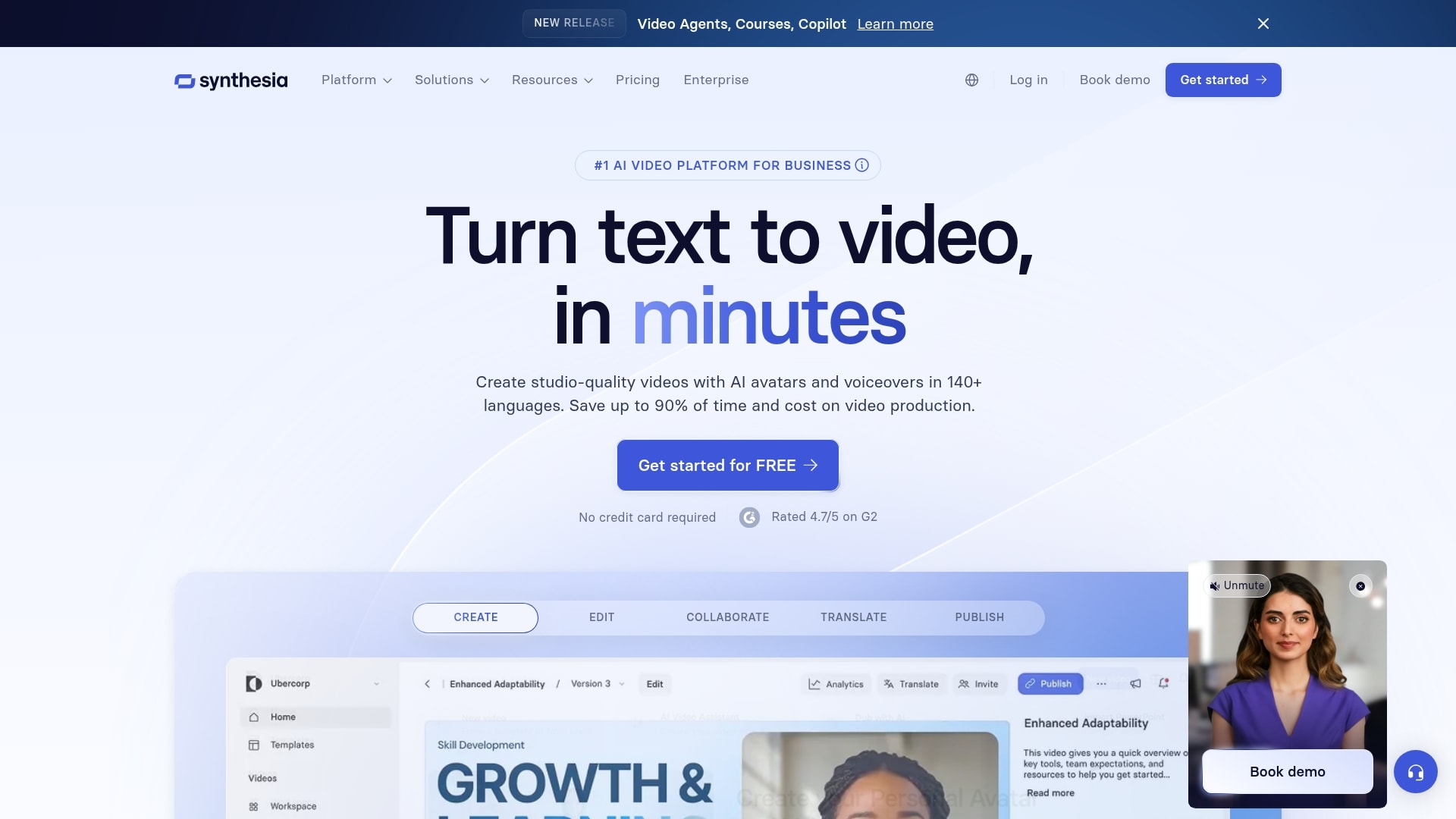
Example: Synthesia eliminates the need for cameras, studios, and actors by generating professional videos from text scripts using AI avatars, dramatically reducing video production time and costs for enterprise communications.
Key features:
- A library of AI avatars: (from 125+ to over 230, depending on your plan) with natural expressions and gestures.
- AI voices: over 140 languages, included on all paid plans.
- Custom avatar creation: build a personalized AI presenter from your own video clips.
- Interactive video features: call-to-actions, branching, and quizzes (available on Creator and Enterprise plans).
Pricing:
- Free: $0/month for a quick test drive, with one editor, nine avatars, and three minutes of video per year.
- Starter: $18/month (billed yearly) with one editor, three guests, 125+ avatars, and 120 minutes of video annually.
- Creator: $64/month (billed yearly) with one editor, five guests, 180+ avatars, 360 minutes, API access, and multiple avatars per scene.
- Enterprise: custom pricing for the full suite, including unlimited editors, 230+ AI avatars, unlimited personal avatars, and advanced features.
- Add-on: a Studio Express-1 Avatar is available for $1,000/year on annual plans.
Considerations:
- Avatar movements can occasionally appear unnatural despite recent improvements with Express-2 technology.
- Full feature access and the most extensive avatar library require higher-tier plans, which may limit options for smaller businesses.
15. Descript
With its revolutionary text-based approach, Descript allows you to edit video and audio as easily as a document. The platform combines AI-powered transcription with a clever AI co-editor named “Underlord,” which acts as your personal production assistant.
It can also transform scripts into polished videos, generate social media clips from longer content, assist with scriptwriting, and even handle bulk edits, making it perfect for marketers who want to create professional content without getting lost in complex timelines.

Example: Descript enables marketers to create professional video content by editing transcripts instead of timelines, dramatically reducing production time while maintaining quality.
Key features:
- Text-based video editing: lets you cut scenes by deleting words from the transcript.
- Underlord AI co-editor: helps with script writing, generates social clips, adds B-roll, and optimizes content.
- Overdub voice cloning: correct audio without re-recording (full access requires a paid plan).
Pricing:
- Free: $0/month with 60 minutes of media per month, 720p watermarked exports, a one-time pack of 100 AI credits, and 5GB of cloud storage.
- Hobbyist: $16/month (annual) or $24/month (monthly) with ten media hours, watermark-free 1080p exports, 400 AI credits/month, Underlord AI access, and 100GB cloud storage.
- Creator: $24/month (annual) or $35/month (monthly) with 30 media hours, 4K export capabilities, 800 AI credits/month, unlimited stock media, and 1TB cloud storage.
- Business: $50/month (annual) or $65/month (monthly) with 40 media hours, 1500 AI credits, team collaboration features, Brand Studio, custom avatars, priority support, and 2TB storage.
- Enterprise: custom pricing with advanced security and SSO, SCIM, granular brand controls, custom AI credits/minutes, and flexible licensing for your whole team.
Considerations:
- The text-based editing approach requires a learning curve for users accustomed to traditional video editors.
- Overdub voice cloning can sometimes sound unnatural for longer narrations and doesn’t sync lip movements in talking head videos.
- Many of the coolest AI features, including full access to Overdub, are reserved for paid plans.
16. Buffer AI
An intelligent assistant for social media, Buffer AI streamlines content creation by generating, repurposing, and optimizing posts across multiple platforms. The platform makes AI-powered marketing accessible to everyone by including unlimited usage on its free plan, making it perfect for small businesses and solopreneurs looking to scale their social presence without a large budget.

Example: Buffer AI serves as your social media sidekick, helping marketers overcome writer’s block and create platform-specific content that engages audiences across LinkedIn, Instagram, Twitter, and more.
Key features:
- Content generation: create compelling social media posts in seconds with AI-generated suggestions tailored to specific audiences.
- Content repurposing: transform a single post into multiple formats optimized for each social platform’s unique style and audience expectations.
- One-click editing capabilities: adjust tone, length, and style while maintaining brand voice consistency.
Pricing:
- Free: $0/month with three channels, ten scheduled posts per channel, and unlimited AI Assistant access.
- Essentials: $5/month for one channel with unlimited scheduled posts and advanced analytics.
- Team: $10/month for one channel with unlimited user accounts and content approval workflows.
Considerations:
- AI-generated content can sometimes feel generic and may require significant manual editing to match specific brand voices.
- Per-channel pricing model becomes expensive for users managing multiple social media accounts across different platforms.
17. Hootsuite AI
Designed for marketing teams, Hootsuite AI provides a comprehensive suite for social media management. The platform combines content creation, customer engagement, and analytics automation, making it a go-to solution for businesses managing multiple social channels.
With features like OwlyWriter AI and intelligent chatbots, it streamlines everything from post creation to customer support.

Example: Hootsuite AI serves as a comprehensive social media management platform that automates content creation, customer engagement, and performance analytics across multiple social channels.
Key features:
- OwlyWriter AI: generates social media content, captions, and visuals tailored to specific platforms and brand voice.
- AI-powered chatbot: provides 24/7 customer support with smart replies and seamless handoffs to human agents.
- Social listening and analytics: analyzes brand sentiment, identifies trends, and provides actionable insights for strategy optimization.
Pricing:
- Standard plan: $99/month per user (billed annually) – includes AI assistant with image and caption generator.
- Advanced plan: $249/month per user (billed annually) – adds enhanced analytics and workflow tools.
- Enterprise plan: custom pricing on request – includes generative AI chatbot and advanced AI-powered smart replies.
Considerations:
- AI-generated content can sometimes feel generic and may require manual editing to match specific brand voices.
- Advanced AI features are primarily available in higher-tier plans, making them less accessible for smaller businesses.
18. ActiveCampaign AI
Through its autonomous AI agents, ActiveCampaign AI redefines email marketing by handling everything from content creation to campaign optimization. The platform specializes in “autonomous marketing” with over 32 specialized AI agents, making it ideal for small and medium-sized businesses looking to compete with enterprise-level automation capabilities.
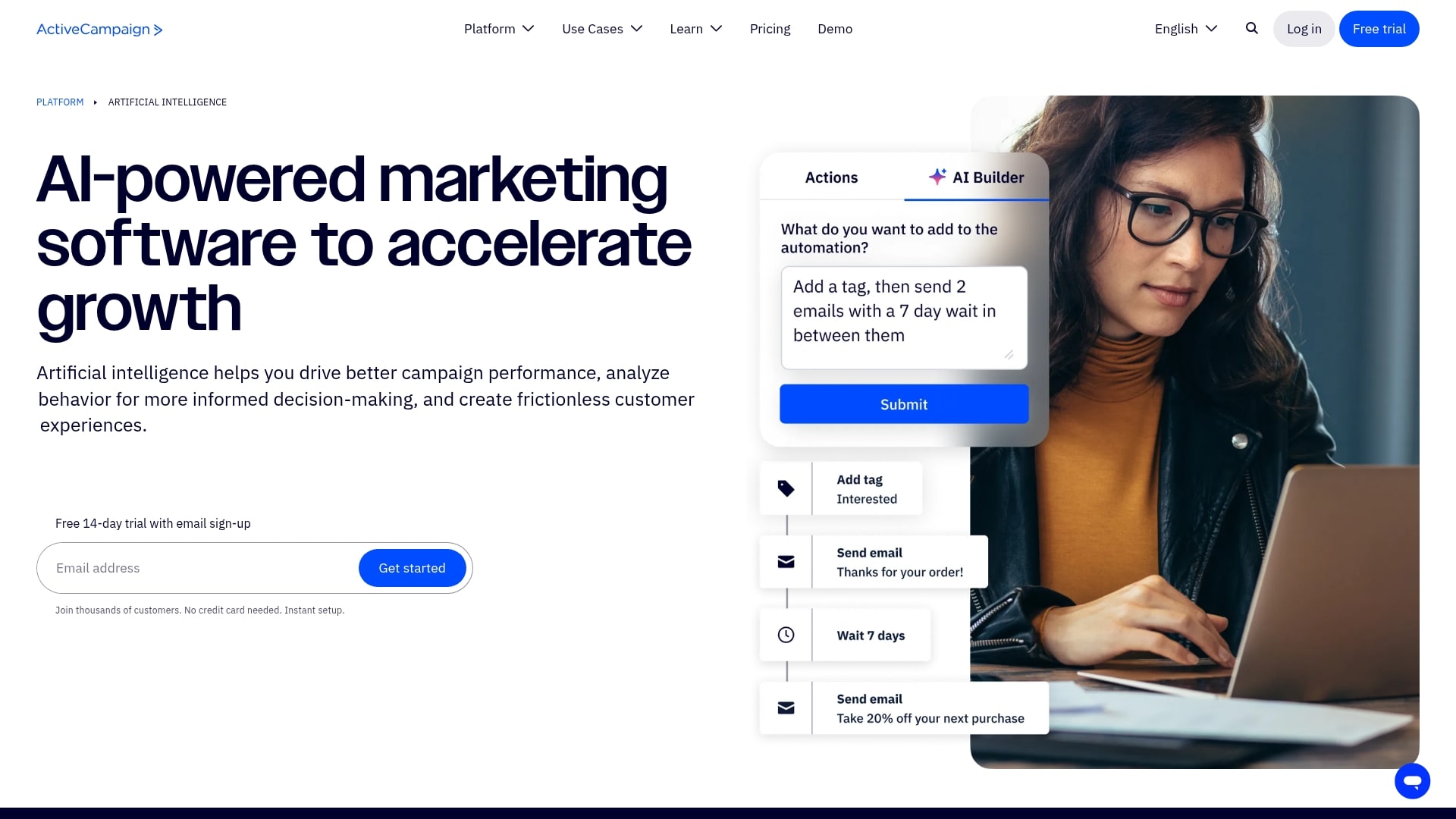
Example: ActiveCampaign AI empowers businesses to create sophisticated marketing campaigns through natural language prompts, eliminating the need for complex technical setup while delivering enterprise-level automation capabilities.
Key features:
- AI Campaign Builder: generate complete email campaigns from simple prompts, including copy, images, and brand-aligned layouts.
- Predictive Sending: analyze individual contact behavior to determine optimal email delivery times for maximum engagement.
- AI-Suggested Segments: automatically create targeted audience groups based on behavioral data and engagement patterns.
Pricing:
- Starter: $15/month (billed annually) – includes basic AI features and limited automation access.
- Plus: $49/month (billed annually) – adds unlimited automation actions and enhanced AI capabilities.
- Pro: $79/month (billed annually) – includes unlimited AI-powered automation builder access and advanced segmentation.
- Enterprise: $145/month (billed annually) – offers premium segmentation and dedicated account support.
- WhatsApp marketing plans available starting at $319/month.
- Email + WhatsApp bundle plans start at $81/month.
- AI Activities Add-on available for all plans (pricing varies).
Considerations:
- Learning curve can be steep for users new to marketing automation, especially when mastering advanced workflow features.
- Pricing increases significantly as contact lists grow, which may strain budgets for smaller businesses scaling their operations.
19. Salesforce Einstein
Built directly into the world’s leading CRM, Salesforce Einstein brings AI-powered automation and predictive analytics to enterprise marketing. The platform specializes in autonomous AI agents that handle complex, multi-step marketing tasks, making it ideal for large enterprises seeking to scale personalized customer experiences.
With deep integration across Salesforce’s ecosystem, Einstein delivers contextual insights that drive smarter marketing decisions.

Example: Einstein enables marketing teams to deploy autonomous AI agents that create end-to-end campaigns, generate personalized content, and analyze customer data to optimize marketing performance across all touchpoints.
Key features:
- Agentforce marketing agents: autonomously create campaign briefs, design customer journeys, and generate promotional content.
- Predictive lead scoring: analyzes customer data to identify high-value prospects and optimize conversion rates.
- Einstein Trust Layer: provides enterprise-grade security with data masking and zero-data retention for responsible AI deployment.
Pricing:
- Contact sales for custom pricing based on specific business needs and configurations.
Considerations:
- High implementation complexity requiring significant data preparation and technical expertise to achieve optimal performance.
- Premium pricing structure that may be cost-prohibitive for smaller marketing teams or organizations with limited budgets.
20. Adobe Sensei
Powering AI-driven marketing across Adobe’s comprehensive creative and experience platforms, Adobe Sensei seamlessly integrates AI agents into existing workflows. This makes it an ideal solution for enterprise teams already invested in Adobe’s suite of tools who want to enhance their operations with intelligent automation.

Example: Adobe Sensei orchestrates specialized AI agents that handle everything from audience segmentation to content production, enabling marketing teams to deliver personalized experiences at scale while maintaining brand consistency.
Key features:
- Agent Orchestrator: coordinate multiple AI agents through natural language prompts to execute complex marketing tasks autonomously.
- Audience and Journey Agents: build customer segments and design conversion-focused campaigns across multiple channels.
- Content Production Agent: generate on-brand creative assets at scale using commercially safe, licensed training data.
Pricing:
- Adobe Sensei is integrated within Adobe’s existing product subscriptions rather than offered as a standalone service.
- Pricing varies by Adobe Creative Cloud and Experience Cloud plans, with AI features included in enterprise-tier subscriptions.
Considerations:
- Requires existing investment in Adobe’s ecosystem, making it less suitable for businesses using other creative or marketing platforms.
- AI Assistant can be prone to errors and requires human oversight for fact-checking and quality control.
21. Google AI Platform
As the ultimate workshop for building enterprise-grade AI agents, Google AI Platform allows you to create custom marketing helpers using its comprehensive Vertex AI Agent Builder. It’s built for the big leagues, granting access to Google’s powerful Gemini models, making it perfect for large marketing teams ready to scale their AI operations.
Featuring both no-code tools and deep customization, it’s where marketing creativity meets serious tech power.

Example: Let your custom-built agents handle the heavy lifting. They can automate tricky workflows like Smart Bidding optimization, dive deep into audience analysis, and ground every response in your company’s own marketing data.
Key features:
- Multi-agent orchestration: build a whole team of specialized AI agents. Have one agent write content, another manage campaigns, and a third analyze performance, all working in perfect harmony.
- Enterprise data integration: plug your agents directly into your marketing stack. With over 100 pre-built connectors, they can talk to your CRM, analytics platforms, and ad tools right out of the box.
- Gemini-powered insights: put Google’s sharpest AI models to work on optimizing campaigns, analyzing creative, and even predicting what your customers will do next.
Pricing:
- Pricing is based on a pay-as-you-go model, so you only pay for what your AI team actually uses.
- Agent Engine compute: $0.00994 per vCPU-Hour.
- Agent Engine memory: $0.0105 per GiB-Hour for production deployments.
Considerations:
- The setup can be a bit of a beast, so it’s best tackled by teams with some technical know-how or a friendly developer on speed dial.
- Since it’s a pay-as-you-go model, keep a close eye on your usage. Costs can climb quickly if your AI team is working overtime, which can make budgeting a bit of a guessing game.
22. Drift
By initiating AI-powered conversations in real-time, Drift converts website visitors into qualified leads. The platform specializes in B2B sales acceleration, making it ideal for companies with high-value deals that need to capture and convert prospects the moment they show buying intent.

Example: Drift creates a “fast lane” for high-intent B2B buyers by instantly connecting them with sales teams through intelligent chatbots and personalized website experiences.
Key features:
- Bionic chatbots: that use generative AI to qualify leads and answer questions based on your company’s content.
- Site concierge: personalizes the digital experience for each visitor with custom calls-to-action and content recommendations.
- Drift Engage: scores visitor intent in real-time, even for anonymous traffic, to trigger targeted playbooks.
Pricing:
- Premium plans: start at $2,500/month.
- Custom pricing: available for larger organizations.
- Implementation and setup services may require additional investment.
Considerations:
- High price point makes it most suitable for companies with average contract values over $15,000.
- Complex setup requires dedicated resources and strategic planning to achieve strong ROI.
23. Conversica
With a focus on “Powerfully Human®” two-way conversations, Conversica provides AI-powered sales and marketing assistants that manage lead nurturing and follow-up at scale. This approach makes it ideal for mid-market to enterprise B2B companies handling high inbound lead volumes.

Example: Conversica’s Revenue Digital Assistants™ automate lead qualification and nurturing through persistent, multi-channel conversations that convert prospects into sales-ready opportunities.
Key features:
- AnswersIQ™ technology: uses Retrieval-Augmented Generation (RAG) to train AI on your specific brand content for accurate, customized responses.
- Multi-channel engagement: conducts conversations across email, SMS, and web chat with seamless CRM integration.
- Enterprise-grade controls: provides brand-safe guardrails and customizable conversation flows without requiring technical expertise.
Pricing:
- Enterprise plans start at $2,999/month per company.
Considerations:
- High price point may be prohibitive for smaller businesses.
- Some users report occasional inaccuracies with lead routing and the AI can be overly persistent in follow-ups.
24. Seventh Sense
Exclusively for HubSpot and Marketo users, Seventh Sense elevates email marketing with AI-powered send time optimization that personalizes delivery for each recipient. It’s ideal for marketing teams wanting to maximize engagement without overhauling their existing workflows. With over 400 million personalized emails scheduled monthly, it has proven to boost open rates by up to 100% for some users.

Example: Seventh Sense uses AI to analyze each contact’s engagement patterns and automatically schedule emails when they’re most likely to open and click, turning generic blast campaigns into personalized experiences.
Key features:
- Individual send time optimization: AI determines the optimal delivery time for each recipient based on their unique engagement history.
- Engagement-based contact management: automatically manages less-engaged contacts to protect sender reputation and deliverability.
- Advanced email analytics: provides hidden performance insights not available in standard CRM platforms.
Pricing:
- Business plan: $80/month (billed annually) for up to 5,000 marketing contacts.
- Enterprise plan: custom pricing starting at 150,000 contacts.
- Additional contacts purchased in increments of 5,000.
- Annual subscription required for all plans.
Considerations:
- Limited to HubSpot and Marketo users only, excluding teams using other email platforms.
- Some users report the interface can be unintuitive with a “hunt and find” navigation experience.
25. Jacquard (Phrasee)
Using AI trained on billions of marketing experiments, Jacquard (formerly known as Phrasee) turns marketing copy into performance-driven content. The platform specializes in generating on-brand email subject lines, push notifications, and social media ads for enterprise brands. Unlike generic AI writing tools, Jacquard’s deep learning models predict which messages will drive the highest engagement before you hit send.

Example: Jacquard helps enterprise marketers generate high-performing, on-brand marketing copy at scale while maintaining consistent brand voice across all channels.
Key features:
- AI-powered content generation for email subject lines, push notifications, SMS messages, and social media ads.
- Performance prediction technology that forecasts engagement rates before campaign launch.
- Brand guardrails system that ensures all generated content aligns with your specific brand voice and messaging standards.
Pricing:
- Pricing information is not publicly available right now.
- Jacquard positions itself as an enterprise-level solution requiring custom quotes based on company size and needs.
Considerations:
- Enterprise-focused pricing may be prohibitive for small and medium-sized businesses.
- Initial learning curve required to master the platform’s full capabilities and optimize AI-generated content effectively.
What are the best free AI marketing tools?
You don’t need a massive budget to start putting AI to work. Many free marketing tools (details above) offer a genuine taste of automation, allowing you to experiment before committing to a subscription. They represent the perfect opportunity to scout your first AI teammates without spending a dime.
The catch with “free” is often predictable: usage limits, locked features, and watermarks that feel like a temporary name tag. The upside, however, is that these constraints force strategic thinking. You quickly learn what you actually need instead of getting lost in a sea of features you’ll never touch.
Use these free tools to diagnose the exact tasks ripe for automation, from drafting content to designing simple graphics. Once you’ve mapped out your needs, you can move beyond off-the-shelf solutions and build a custom team that works exactly the way you do.
How to build custom AI agents for marketing
A strong marketing strategy rarely fits into a generic AI template. Building custom AI agents allows your strategy to stay intact while execution adapts around it, handling the tasks you actually need done instead of forcing you into predefined workflows.
Your first agent does not need to do everything. Start with one clear responsibility, such as managing a content schedule, handling routine follow-ups, or keeping reports up to date. When that single task runs smoothly without constant input, it becomes easier to see how additional agents can support other parts of your workflow.
This approach keeps you in control. You define the role, the tone, and how each agent operates, without writing code or reworking your existing systems. Over time, agents become reliable contributors that support your marketing strategy rather than shaping it.
Platforms like Agent Factory make this possible by letting teams describe what they want an agent to do, test how it performs, and connect it to the tools they already use. The result is an AI team that works quietly in the background, keeping execution moving while you stay focused on planning, creativity, and long-term growth.
AI for different marketing needs
The idea that a single AI assistant can handle every marketing task rarely holds up in practice. Marketing work is too varied, and trying to force everything through one general-purpose assistant often creates more friction than value. What works better is a small team of focused agents, each responsible for a specific job.
With Agent Factory, teams can move away from the all-in-one model and build agents around real marketing needs. Start by identifying the task that consistently slows you down, whether that’s maintaining a content schedule, managing follow-ups, or pulling recurring reports. Create one agent to handle that responsibility well, and let it run in the background.
As those responsibilities are covered, additional agents can support other parts of the workflow. One agent might focus on content preparation, another on scheduling or monitoring performance, and another on keeping reporting up to date. Instead of relying on a single AI assistant to do everything, you guide a group of agents that work together while you stay focused on direction and priorities.
Top tips for building your AI marketing team
Getting real value from AI in marketing, including digital marketing, is less about finding a single, all-powerful solution and more about building a small, focused system that supports how your team already works. The most effective setups start simple, grow gradually, and stay closely tied to real work.
Start with one clear responsibility
Before adding anything new, identify the task that consistently drains time or attention. It might be compiling weekly reports, keeping campaigns on schedule, or managing follow-ups. That task becomes the starting point for your first AI agent.
Look for focus, not breadth. An AI assistant that does one job well will deliver more value than a general-purpose solution that spreads its effort too thin.
Keep the scope small at first
Resist the urge to automate everything at once. Assign one high-impact task and let the agent handle it end to end. A narrow scope makes it easier to evaluate results, build confidence, and understand where AI genuinely helps.
The goal is not to replace your workflow, but to reduce friction within it. When AI fits naturally into your existing systems, adoption is smoother and impact is clearer.
Measure impact beyond metrics
Time saved and output increased are useful signals, but they are not the full story. One of the most meaningful outcomes is mental space. When repetitive work runs reliably in the background, teams can focus more fully on planning, creative thinking, and decision-making.
How Agent Factory supports your AI marketing team
Marketing rarely works well when everything is pushed through a single system or person. The same applies to AI. Instead of relying on one all-purpose assistant, Agent Factory makes it possible to work with a set of focused agents, each responsible for a specific part of your marketing workflow.
Each agent is created with a clear role, so execution stays organized and predictable while strategy stays in your hands.
With Agent Factory, teams can use or create agents to support work such as:
- Content support: preparing drafts, outlining campaigns, or keeping content moving in line with your brand voice.
- Analytics and monitoring: pulling performance data and surfacing trends that help inform decisions.
- Scheduling and coordination: managing content calendars and social media queues so nothing slips through the cracks.
- Reporting: compiling recurring updates into clear, shareable summaries.
You define priorities and direction, while agents handle day-to-day execution in the background. This keeps marketing work moving consistently without pulling attention away from planning, creativity, and storytelling.
Because agents are built around specific tasks, the same approach can extend beyond marketing into other operational work as needed. The result is a flexible system you shape over time, designed to reduce manual effort and give your team more space to focus on what matters most.
Are AI agents the future of marketing?
AI agents are reshaping how marketing teams get work done. Instead of juggling disconnected tools and constantly managing execution, teams are building systems that learn, adapt, and keep campaigns moving on their own. The result is momentum, not just efficiency.
What makes this shift powerful is context. Traditional automation follows rules. AI agents respond to real performance, spotting patterns, adjusting execution, and helping teams act faster when it counts. They support content creation, surface insights, and keep work on track while improving with every cycle.
As this model becomes the norm, marketing software stops feeling like something you operate and starts working alongside you. Less time goes into managing tasks. More energy goes into strategy, creativity, and growth.
Agent Factory brings this approach into practice by making it easy to use focused, task-driven AI agents that handle execution while you stay in control of direction. If you’re ready to move beyond busywork and run marketing with more clarity and momentum, now is the time to try Agent Factory.
Frequently asked questions
Can AI completely replace human marketers?
Not at all. AI should be seen as your support crew, not your replacement. It’s best at automating repetitive workflows so marketers can focus on strategy, creativity, and the kind of storytelling that only humans can do.
How much do AI marketing tools typically cost?
Pricing varies widely across platforms, depending on features and usage. Many tools offer free plans or trials to help teams get started — including solutions like Agent Factory, which let you explore AI capabilities without upfront costs.
Which AI tool works best for content marketing?
There’s no single AI tool that works best for every content team. The most effective setups usually combine tools that each handle a specific part of the workflow, from drafting and scheduling to performance tracking. Platforms like Agent Factory support this approach by letting teams use or create focused AI agents for defined content tasks, so execution runs smoothly without forcing everything into one system.
Do AI marketing tools require technical skills to use?
Most modern AI marketing platforms are designed for non-technical teams. With Agent Factory, marketers can create and customize agents using natural language, set clear responsibilities, and connect them to existing tools without writing code or involving developers.
What’s the difference between ChatGPT and specialized marketing AI tools?
ChatGPT works well as a general-purpose AI assistant for brainstorming, drafting, and ideation. Specialized platforms like Agent Factory are built around task-driven agents that support specific workflows, such as content coordination, reporting, or follow-ups, making them better suited for ongoing execution rather than one-off tasks.
How do AI marketing tools protect customer data and privacy?
Reputable AI platforms prioritize data security through safeguards like access controls, usage limits, and transparent data handling practices. Platforms like Agent Factory is built with these considerations in mind, helping teams use AI responsibly while keeping data secure and under their control.

 Get started