


Progress on diversity efforts often starts with strong intent and clear announcements, yet momentum fades once attention shifts elsewhere. A statement gets published, initiatives begin, and then daily work slips back into familiar patterns. Over time, the gap between what is promised and what is experienced becomes harder to ignore, especially for employees watching closely.
Part of the challenge comes from how these efforts are approached. Values are defined, but ownership stays unclear, and progress is rarely tracked in a meaningful way. Without structure, even well intentioned efforts struggle to influence hiring, development, or decision making in a consistent way across teams.
Below, this detailed article explores real examples, practical frameworks, and clear steps to turn written commitments into measurable action. The focus stays on building something that holds up over time and shows up in everyday work, not just in words.
Key takeaways
- DEI statements must translate into action: Effective statements connect values to workflows through defined goals, ownership, and measurable outcomes that influence daily operations.
- Operational infrastructure determines success: Dedicated teams, budget allocation, and feedback systems are required to turn commitments into sustained organizational change.
- Measurement should balance data and experience: Organizations need both quantitative metrics, such as representation and retention, and qualitative insights, such as employee sentiment, to understand true impact.
- Structured implementation ensures accountability: Breaking initiatives into projects with timelines, owners, and review cycles helps prevent DEI efforts from becoming symbolic rather than functional.
- Centralized platforms improve execution and visibility: Solutions like monday work management enable cross functional coordination, real time tracking, and transparent reporting across DEI initiatives.
What is a DEI statement?
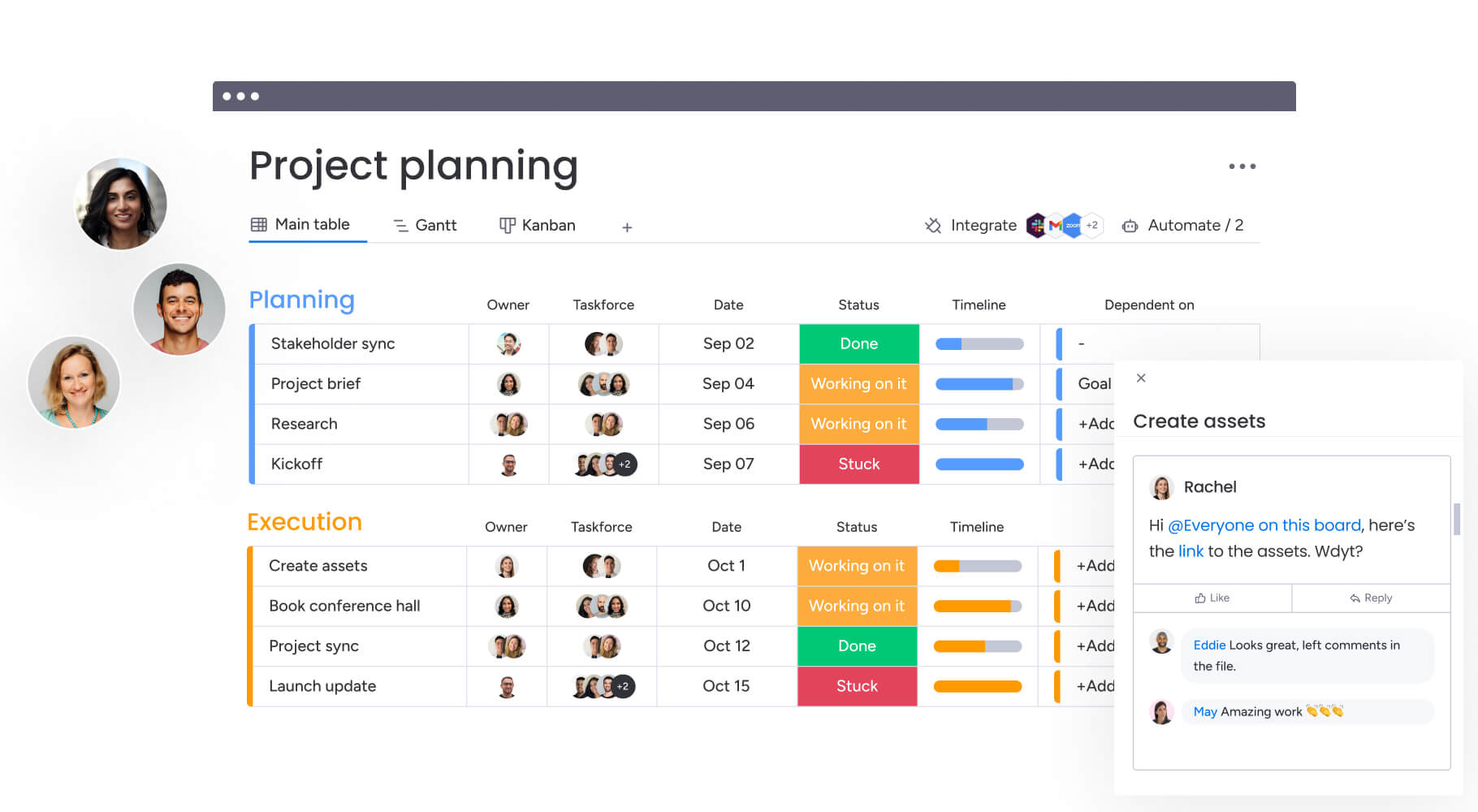
A DEI statement is your organization’s public commitment to diversity, equity, and inclusion at work. It explains the values you stand for and the actions you plan to take to create a workplace where people feel respected and supported, regardless of who they are or where they come from.
Over time, many organizations have expanded this idea to DEIA by adding accessibility. This shift recognizes that inclusion is not only about representation, but also about making sure spaces, systems, and policies work for everyone, including people with disabilities and different ways of thinking.
At its core, a DEI statement is not just a message you share externally. Instead, it acts as a working guide that shapes hiring, internal policies, and everyday decisions. When paired with a work management platform, it becomes something you can track, assign, and improve over time.
Why organizations need DEI statements in 2026
Today’s business environment demands transparency and accountability around workplace culture. Regulatory requirements have expanded, with agencies like the EEOC introducing stricter reporting on workforce demographics and pay equity, including the EEOC’s new EEO-1 filing deadlines for demographic reporting that underscore the importance of timely compliance.
Without clear DEI documentation, you’re facing compliance risks, talent acquisition challenges, and reputational damage.
DEI statements aren’t just about compliance — they’re critical for attracting and keeping talent. Candidates now judge companies on their actual commitment to inclusion, not just what they say they value. Research shows that when employees perceive their workplace as fair and inclusive, they are at least two× more likely to feel motivated and significantly less likely to consider leaving.
Investors and customers also scrutinize organizational practices, making DEI documentation a factor in funding decisions and purchasing choices.
The strategic benefits are easier to understand when broken down clearly:
- Stronger talent retention: Employees who see real efforts toward fairness and belonging tend to stay longer and stay engaged. This reduces turnover and improves team stability.
- Expanded market access: Diverse teams bring broader perspectives. As a result, they understand different customer needs and help you reach new audiences more effectively.
- Reduced legal risk: Clear documentation and proactive policies help protect your organization from discrimination claims and regulatory penalties.
- Enhanced innovation: Teams with varied experiences approach problems differently. Because of this, they often generate better ideas and faster solutions.
So, how do you make sure these values are actually reflected in your day to day work?
Many organizations rely on intuitive platforms like monday work management to coordinate efforts across HR, legal, and leadership teams. This approach keeps everything organized in one place, which makes it easier to stay compliant and move from intention to action.
Try monday work managementDEI statements aren’t just about compliance — they’re critical for attracting and keeping talent.
Essential components of effective diversity statements
A strong DEI statement connects what you believe with how you operate. It should not feel vague or disconnected from daily work. Instead, it needs to clearly show what you aim to achieve and how you plan to get there.
The most effective statements include practical goals that employees can see and understand. At the same time, they link directly to the employee experience, so people know what these commitments mean in real situations.
Core elements that drive operational impact
To move beyond surface level messaging, your DEI statement should include a few key elements. These help turn ideas into something your organization can actually act on:
- Alignment with organizational mission: Your DEI efforts should reflect your company’s purpose and industry. This ensures the statement feels relevant and tied to real business outcomes.
- Measurable commitments: Clear goals, such as representation targets or training completion rates, make progress easier to track and evaluate.
- Accountability structures: Assigning responsibility to specific leaders or teams ensures that initiatives are owned and not overlooked.
- Review cycles: Regular reviews help you adjust your approach as your organization grows and as expectations change.
How to turn commitments into action
Even well written statements can fall short without proper execution. The gap usually appears when there is no system to manage tasks, timelines, and ownership.
To avoid this, organizations need a structured way to turn goals into daily work. This includes assigning clear owners, setting deadlines, and creating feedback loops that support ongoing improvement.
With monday work management, you can organize each initiative into trackable workflows. Teams can assign responsibilities, monitor progress in real time, and stay aligned across departments. As a result, your DEI statement becomes something you actively manage, not just something you publish.
How organizations bring DEI statements to life
Different industries face different challenges, so their approach to DEI will naturally vary. That said, the most effective organizations share one thing in common, they are transparent about where they stand and clear about what they plan to improve.
Instead of relying on broad statements, they focus on specific actions and measurable outcomes. For example, some prioritize equitable hiring practices, while others focus on accessibility improvements or leadership diversity.
In the end, what matters most is consistency. When your actions match your words, your DEI statement builds trust with employees, candidates, and stakeholders alike.
Industry-specific approaches to DEI messaging
DEI priorities often reflect the realities of each industry. Customer needs, workforce dynamics, and regulatory expectations all influence how organizations define inclusion and where they focus their efforts.
The table below highlights how different sectors typically connect DEI commitments to real operational impact:
| Industry | Primary focus area | Key strength in approach |
|---|---|---|
| Technology | Innovation through diverse perspectives | Connects diversity to product quality and user experience |
| Healthcare | Health equity and patient care | Links workforce diversity to improved patient outcomes |
| Finance | Economic empowerment | Addresses wealth gaps through hiring and supplier partnerships |
| Retail | Customer representation | Emphasizes workforce that mirrors customer demographics |
| Manufacturing | Safety and accessibility | Prioritizes physical accessibility and inclusive safety protocols |
Three frameworks for crafting your statement
Organizations usually take one of three clear directions when shaping their DEI statements. Each approach reflects different priorities, so your choice should align with your mission, industry, and the expectations of your stakeholders. The path you choose will directly influence both your messaging and how you put DEI into practice.
- Data first approach: You share demographic data alongside your commitments, which builds credibility through transparency. By showing where you stand today and where you aim to go, you create accountability and trust at the same time.
- Community centric approach: You position DEI as part of your broader role in supporting local communities and economic inclusion. This approach works well if your organization has strong ties to regional impact or social responsibility initiatives.
- Product inclusive approach: You focus on accessibility and inclusive design, especially if you build technology or digital products. This signals that your commitment shows up not just internally, but also in what you deliver to customers.
Each approach reflects different priorities, so your choice should align with your mission, industry, and the expectations of your stakeholders.
How to write a DEI statement in 7 steps
A strong DEI statement does not come together in one sitting. It takes a structured process that moves from understanding your current reality to defining clear actions. Each step builds on the last, helping you create something that is both meaningful and practical.
1. Audit your current state
Start by looking closely at your organization as it exists today. Review demographic data, employee feedback, and existing policies to understand both strengths and gaps. This gives you a grounded starting point and helps you focus on what actually needs attention.
To make this easier, organize your findings into a simple visual board. For example, group insights into demographics, policy gaps, and recurring feedback themes so priorities become clear quickly.
2. Engage stakeholders across the organization
Next, bring in perspectives from across the business. Include employee resource groups, leadership, and external advisors so your statement reflects more than one point of view. This step helps you avoid blind spots and builds early alignment.
At the same time, collaboration becomes easier when everything lives in one place. With monday work management, teams use Workdocs to gather input, track edits, and keep discussions transparent from start to finish.
3. Define your core values
Before you start writing, clarify the principles that will guide your efforts. These should feel specific to your organization, not borrowed or generic. When your values connect directly to your mission or product, your statement feels more authentic.
In addition, clear values make decision making easier later on. They act as a reference point when priorities compete or trade offs need to be made.
4. Draft your initial commitment
Now, turn your ideas into a first draft. Use direct language and focus on what you will actually do, not just what you believe. This is where clarity matters most, because vague promises weaken the message.
Also, keep your tone straightforward and human. When people understand exactly what you are committing to, they are more likely to trust it.
5. Review and refine with diverse perspectives
Once your draft is ready, share it widely for feedback. Legal teams can check compliance, leadership can confirm alignment, and employees can highlight anything that feels unclear or off tone. This step strengthens both accuracy and credibility.
At the same time, feedback helps you catch gaps you might have missed earlier. It ensures the final version reflects the organization as a whole, not just a small group.
6. Publish and communicate internally first
Before going public, introduce the statement to your employees. This gives teams time to understand what it means and how it connects to their work. Internal clarity always comes before external messaging.
Then, support the rollout with a clear communication plan. When employees know how the statement applies to their day to day responsibilities, adoption becomes much smoother.
7. Integrate commitments into workflows
Finally, turn your statement into action. Break each commitment into projects with clear owners, timelines, and measurable outcomes. This is where intent becomes execution.
With monday work management, teams create dedicated boards for each initiative. These boards connect tasks, timelines, and goals, so progress stays visible and aligned with your broader DEI strategy.
Turning DEI statements into measurable action

Writing a statement is only the starting point. Real progress depends on how well you translate those words into structured, ongoing work. This requires the same level of discipline you would apply to any major business initiative.
You need clear ownership, defined timelines, and consistent follow through. Without that structure, even well written commitments lose momentum over time.
Building the operational infrastructure
To make your efforts stick, you need a strong foundation that supports execution across teams. The elements below work together to keep initiatives moving and measurable:
- Team structure: Create a DEIA task force or council with cross functional representation. Make sure members have real decision making authority, so actions do not stall.
- Budget planning: Set aside dedicated funding for training, employee resource groups, partnerships, and supporting technology. Without a budget, progress quickly slows down.
- Communication cadence: Schedule regular updates, such as town halls and progress check ins. This keeps everyone informed and reinforces accountability.
- Feedback mechanisms: Use anonymous surveys and reporting channels to understand employee sentiment. This helps you spot gaps early and adjust your approach when needed.
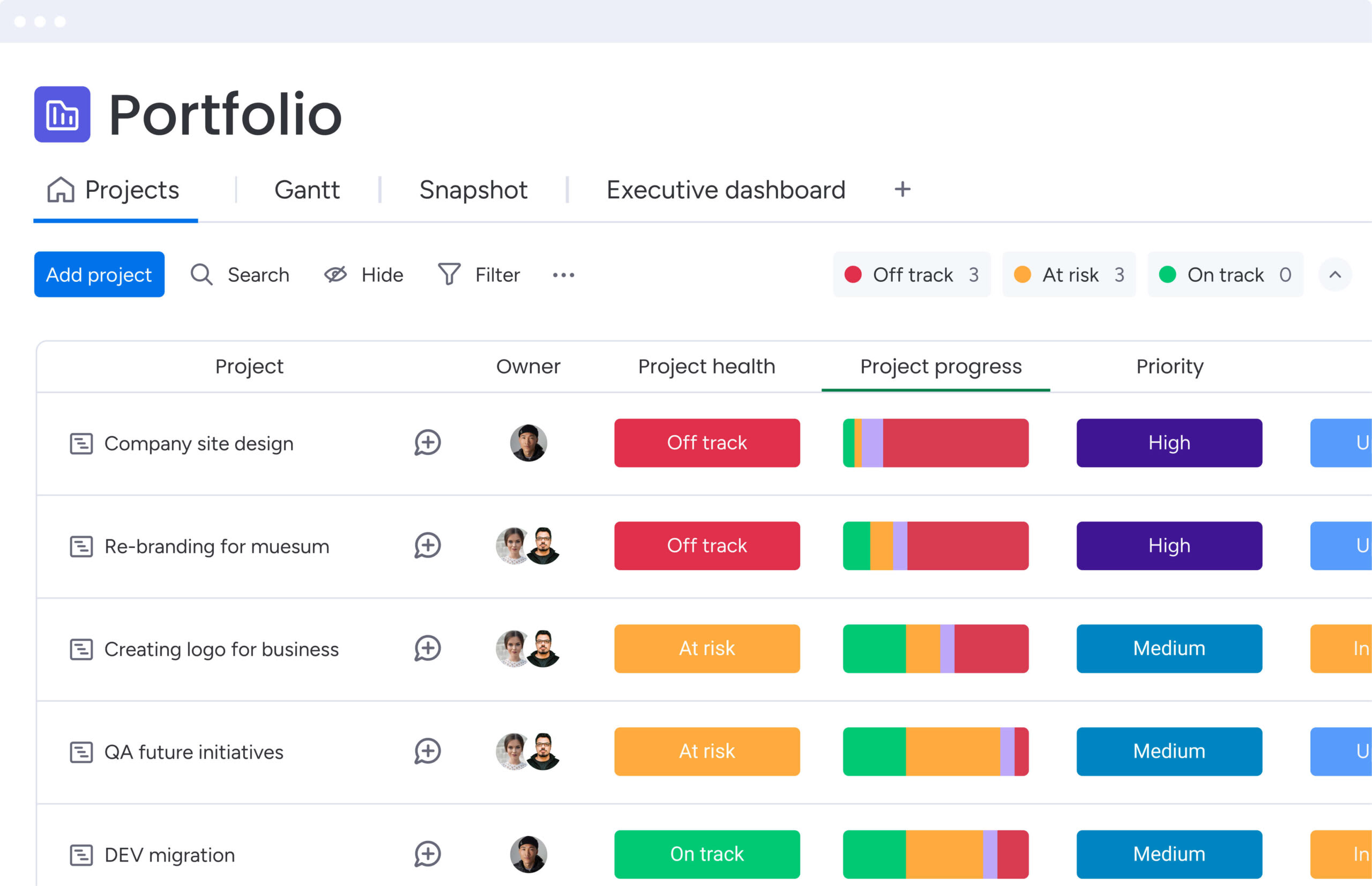
Measurement is what turns intention into proof. By tracking both numbers and employee experiences, you get a clearer picture of what is working and what needs attention. This balance helps you avoid relying on assumptions.
In addition, consistent tracking supports continuous improvement. When you treat DEI metrics with the same importance as business performance, progress becomes easier to sustain over time.
Key metrics for comprehensive DEI tracking
To understand whether your DEI efforts are working, you need more than surface level data. You need a mix of metrics that reflect both numbers and lived experiences. When these are tracked together, you get a clearer picture of progress and gaps.
Below are the core types of metrics you should consistently monitor:
- Quantitative metrics: Track representation across levels, retention by demographic group, and promotion speed to uncover patterns in hiring and advancement. These numbers help you spot structural gaps that may not be visible day to day.
- Qualitative indicators: Review employee sentiment surveys, focus group insights, and exit interviews to understand how people actually feel at work. This adds context to your data and highlights cultural issues that numbers alone cannot explain.
- Process metrics: Monitor training completion rates, ERG engagement, and supplier diversity spend to see how well your initiatives are being carried out. These indicators show whether your plans are actively moving forward.
- Outcome measures: Connect DEI efforts to business results like revenue growth, innovation, and customer satisfaction. This helps you demonstrate real impact and justify continued investment.
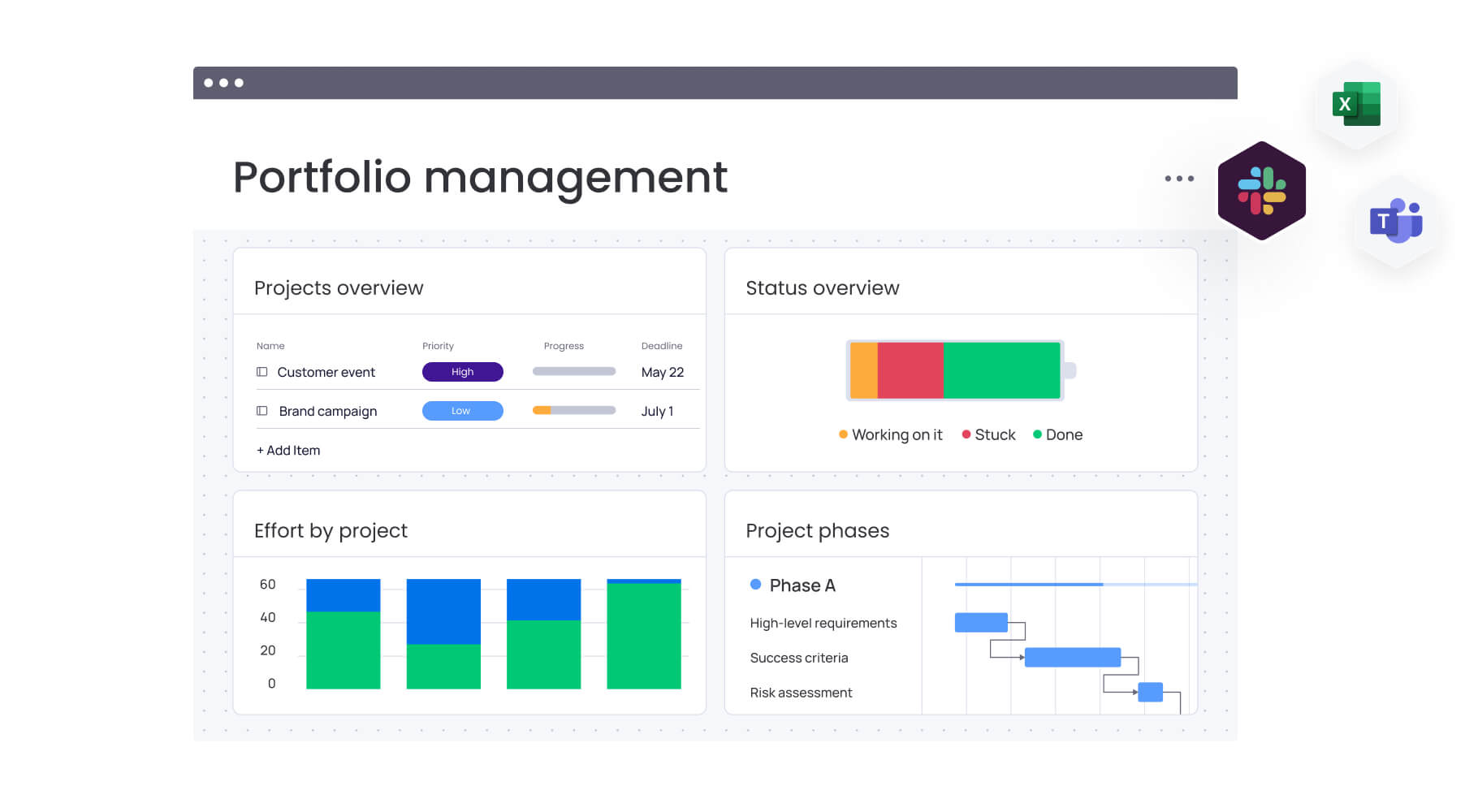
At the same time, teams using monday work management simplify how this data is collected and used. You can automate inputs through forms and integrations, then bring everything into clear dashboards that make sense to both executives and team leads. This balance between visibility and privacy keeps everyone aligned without exposing sensitive details.
How to navigate common DEI implementation hurdles
Turning DEI ideas into real outcomes often comes with friction. Many organizations struggle not because of intent, but because of unclear expectations or lack of structure. That is why preparing for these challenges early makes a measurable difference.
Here are some of the most common roadblocks and how you can address them:
- Avoiding performative commitments: Focus on internal progress before external messaging. Make sure every public statement reflects programs that already exist and are actively working.
- Balancing ambition with achievability: Set realistic, data backed goals that push progress without overwhelming your teams. This keeps momentum steady instead of causing burnout or disengagement.
- Managing diverse stakeholder needs: Use transparent decision frameworks that acknowledge different perspectives. This builds trust while helping teams move forward without unnecessary conflict.
- Ensuring sustainable progress: Treat DEI as an ongoing business function rather than a short term initiative. When it becomes part of daily operations, consistency improves naturally.
Because of this, having the right operational structure matters just as much as having the right intentions.

“monday.com has been a life-changer. It gives us transparency, accountability, and a centralized place to manage projects across the globe".
Kendra Seier | Project Manager
“monday.com is the link that holds our business together — connecting our support office and stores with the visibility to move fast, stay consistent, and understand the impact on revenue.”
Duncan McHugh | Chief Operations OfficerCoordinate DEI initiatives with monday work management
Turning DEI commitments into consistent, organization wide execution often breaks down at the operational level, where teams struggle with alignment, visibility, and follow through. A structured system helps connect daily work to broader goals, ensuring that progress is both visible and measurable.
- Fragmented coordination across teams: Disconnected tools and communication gaps make it difficult to align HR, leadership, and departments around shared DEI priorities and timelines.
- Limited visibility into progress: Without centralized dashboards, stakeholders lack a clear view of initiative status, making it harder to identify gaps or track outcomes consistently.
- Unclear ownership and accountability: When responsibilities are not explicitly assigned and tracked, initiatives risk delays, duplication, or lack of follow through.
- Inconsistent execution across regions: Without standardized workflows, DEI initiatives vary in quality and approach, reducing overall impact and making scaling difficult.
- Manual tracking and compliance challenges: Relying on spreadsheets or email increases the risk of missed deadlines, incomplete reporting, and limited audit readiness.
By centralizing workflows, enabling real time tracking, and supporting structured collaboration, monday work management helps teams connect everyday actions to strategic DEI goals, improving efficiency, strengthening alignment, and supporting measurable progress without adding unnecessary complexity.
Try monday work managementFrequently asked questions
How long should a DEI statement be?
A DEI statement should typically range between 150 to 300 words for the core commitment, with detailed supporting documentation available separately for those seeking more information.
How often should organizations update their DEI statements?
Review your statement once a year, then update it more substantially every two to three years to reflect changes in goals and expectations.
What's the difference between a DEI statement and a DEI policy?
A DEI statement shares your values publicly, while a DEI policy outlines internal rules, processes, and accountability measures.
Do small businesses need DEI statements?
Small businesses benefit from DEI statements by establishing culture early, attracting diverse talent, and signaling values to customers even without enterprise resources.
How does monday work management support DEI implementation?
monday work management supports DEI through centralized tracking of diversity metrics, automated compliance reporting, and coordinated cross-functional initiatives with real-time visibility.
What risks come from not having a DEI statement?
Without a clear DEI statement, organizations often struggle to create consistency across hiring, development, and workplace policies. This can lead to unclear expectations, fragmented initiatives, and missed opportunities to build trust with employees and candidates.

 Get started