

Everyone says they want to move fast. Fewer talk about what happens when everything changes at once.
A patch goes live, a system gets updated, and a business team pushes a new integration, all within the same window. Nothing looks risky in isolation. Put it together, and suddenly there’s downtime, broken dependencies, and a scramble to figure out what went wrong.
This is the gap most organizations run into. Change is constant, but coordination isn’t.
A change advisory board fixes that. Not by slowing things down or adding layers of approval, but by giving change a structure. The right people weigh in, risks are surfaced early, and decisions are made with full context instead of guesswork.
This article gets into what actually makes that work. The roles that matter, the process behind effective approvals, and the different types of changes that need different levels of scrutiny. It also looks at how teams are evolving beyond static meetings and spreadsheets, using platforms like monday work management to keep everything connected, visible, and moving.
Because the goal isn’t control for the sake of it. It’s making sure change doesn’t control you.
Key takeaways
- Build cross-functional governance that accelerates innovation: Include stakeholders from IT, business, security, and compliance to evaluate changes through multiple lenses while preventing silos that slow decision-making.
- Categorize changes by risk to eliminate bottlenecks: Create standard, normal, and major change categories with different approval paths so routine updates move quickly while complex changes get proper oversight.
- Replace manual processes with automated workflows: monday work management centralizes change requests, automates risk scoring, and provides real-time visibility into your entire change pipeline through intelligent routing and AI-powered insights.
- Track success metrics to prove CAB value: Monitor first-time change success rates, approval lead times, and emergency change ratios to demonstrate how governance drives business velocity rather than creating delays.
- Integrate CAB decisions directly into delivery pipelines: Connect approval workflows to CI/CD systems so governance becomes seamless validation rather than a separate gate that teams try to bypass.
What is a change advisory board?
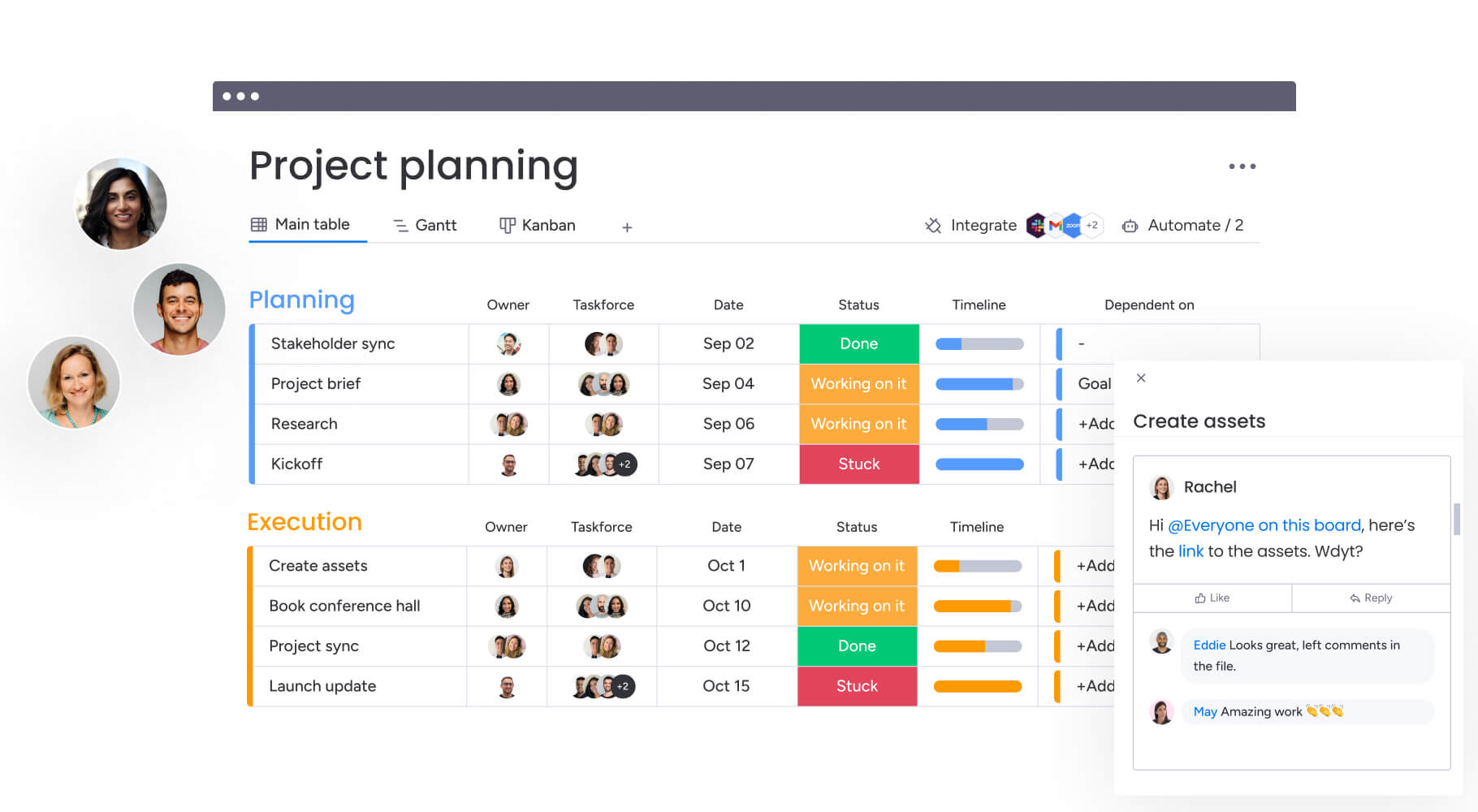
A Change Advisory Board (CAB) is a cross-functional team that evaluates, approves, and prioritizes changes to your IT infrastructure, business processes, and enterprise systems. It brings together stakeholders from across the organization to assess risk, technical feasibility, and business impact before you implement anything.
Unlike an IT-only approval group, a CAB pulls in perspectives from operations, security, compliance, and business units. This means every change gets evaluated from multiple angles — innovation vs stability, speed vs safety.
The scope goes beyond simple code deployments. CABs review software rollouts, infrastructure migrations, process modifications, and even organizational restructuring. Whether you’re upgrading your CRM, migrating servers to the cloud, or rolling out new compliance standards, the CAB makes the final call.
Effective CABs have three things that separate them from ad-hoc approval processes:
- Cross-functional representation: Stakeholders from IT, business operations, security, and compliance ensure comprehensive evaluation.
- Risk-based decision making: Standardized assessment of potential downtime, resource conflicts, and implementation success probability.
- Consistent processes: Every request undergoes structured evaluation, from minor patches to major overhauls.
Organizations using platforms like monday work management move beyond email chains and static meetings by implementing comprehensive change management plans. They centralize documentation, automate risk scoring, and give you real-time visibility into every change in flight.
Benefits of an effective change advisory board
A well-structured CAB does more than manage technical changes — it drives measurable business value. By formalizing the review process, you gain strategic advantages that create value instead of operational debt. The benefits show up in three areas: operational efficiency, risk mitigation, and strategic alignment.
Minimize change-related disruptions
Unplanned downtime usually comes from poorly vetted changes. A CAB cuts down service interruptions by running thorough risk assessments before any deployment or process change.
This approach spots conflicts between simultaneous initiatives before they happen. Two departments attempting to update dependent systems at the same time can create cascading failures. By maintaining a master schedule of all proposed changes, the CAB prevents resource conflicts and makes sure everyone understands system dependencies.
Enhance cross-team collaboration
Silos kill successful change. The CAB breaks down these barriers by requiring input from different departments. A technical database change requires input from business teams relying on that data for daily reporting.
This structured review process makes everyone accountable. Technical teams understand business context while business leaders grasp technical constraints. CAB meetings become knowledge-sharing sessions that replace isolated decision-making with transparency.
Strengthen risk management and compliance
For regulated industries, the CAB handles the governance you need for audits. Standardized approval workflows make sure every change meets security protocols and compliance mandates before you implement anything.
The CAB creates an audit trail that documents who requested changes, who approved them, and the data behind those decisions. This documentation is critical for maintaining certifications like SOX, HIPAA, and PCI-DSS — it shows you have strict control over your operational environment.
Accelerate innovation with controlled changes
Governance doesn’t mean slowness. A mature CAB speeds up innovation by creating fast-track pathways for different change types. Pre-approving low-risk, routine updates removes bottlenecks and frees up resources for high-impact work.
Organizations using monday work management support DevOps and Agile methodologies by integrating approval workflows directly into development pipelines following ITIL change management best practices. Teams can deploy code quickly while maintaining all necessary oversight.
Try monday work managementA CAB cuts down service interruptions by running thorough risk assessments before any deployment or process change.
Change advisory board roles and responsibilities
High-functioning CABs need defined roles where everyone knows what they’re accountable for. Clear responsibilities make sure changes get evaluated thoroughly and quickly. Each role outlined below brings unique expertise to the table and helps the group make better decisions.
CAB chair responsibilities
The CAB chair runs the change management process, facilitates meetings, and keeps discussions focused on risk and impact. When consensus can’t be reached, the Chair makes the final call — balancing agendas so everyone gets input while maintaining focus.
Beyond meetings, the Chair handles escalations, communicates decisions across the organization, and champions the change management process with executives.
Change manager role
The Change Manager is the CAB’s operational backbone — handling logistics from initial request intake to post-implementation review.
Key duties include:
- Request vetting: Ensuring incoming requests are complete and properly documented.
- Risk assessment: Conducting initial evaluations to determine appropriate approval paths.
- Calendar management: Maintaining the master change schedule to prevent conflicts.
The Change Manager makes sure documentation is accurate and accessible, and acts as the main point of contact between requestors and the board.
Technical expert contributions
Technical experts evaluate whether proposed changes are feasible and architecturally sound. They assess system impacts, spot hidden dependencies, and recommend ways to reduce risk during implementation.
They translate complex technical details into plain language, helping non-technical stakeholders understand why certain changes are risky or need extended maintenance windows.
Business stakeholder involvement
Business representatives make sure technical changes align with operational realities and strategic goals. They evaluate change timing against business cycles — blocking major updates during financial closes or peak sales periods.
These stakeholders assess end-user impact and verify changes deliver the promised business value — making sure technical upgrades don’t accidentally hurt business performance.
Security and compliance officer duties
Security and compliance officers are the organizational guardrails — evaluating every change against regulatory requirements and internal policies. They spot vulnerabilities changes might introduce, like opening firewall ports or changing data access controls.
These officers make sure proper security controls are in place during implementation and guide teams on what documentation external auditors need.
How the CAB process works
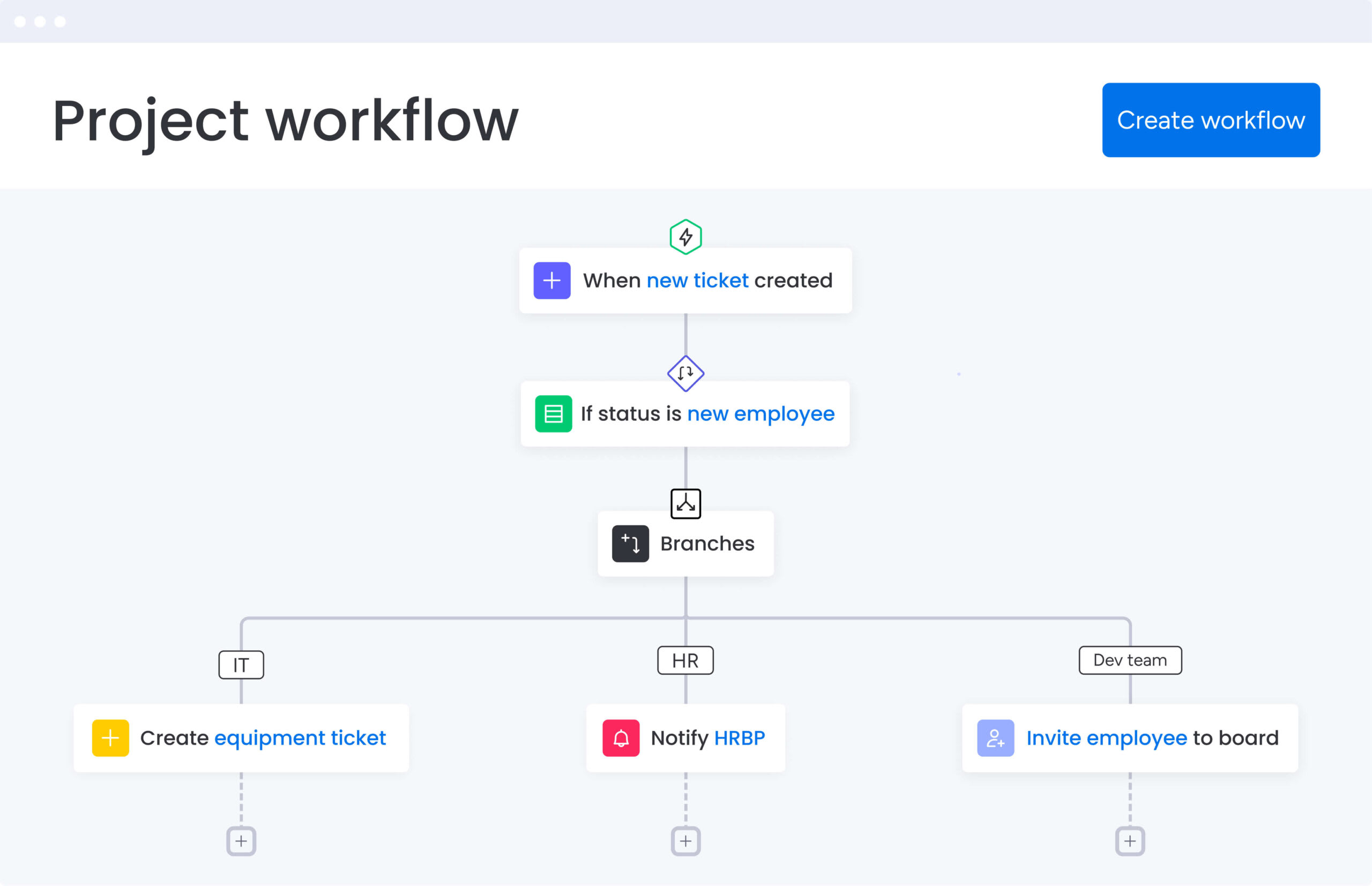
Effective CAB processes follow structured, repeatable workflows that balance thoroughness with speed. Organizations use automation for routine steps, freeing the board to focus on complex decisions. Understanding this workflow helps teams get through approvals quickly without compromising governance standards.
Change request intake and documentation
The process starts with standardized intake workflows. Requestors submit formal proposals that include business justification, technical specs, risk analysis, and detailed rollback plans.
Proper intake makes sure the CAB has what it needs upfront, preventing delays from incomplete data. During this stage, requests get categorized to determine review levels — filtering low-risk items from full board agendas.
Teams using intelligent platforms such as monday work management collect information through intuitive forms that capture all change details. Smart automation instantly routes requests based on category — sending standard changes for logging and major changes to the full board.
Risk assessment and change categorization
Not every change deserves the same level of scrutiny. Treating a routine patch the same way as a system-wide migration is how bottlenecks form and why teams start bypassing the process altogether.
Strong CABs avoid that trap by classifying changes early. Risk, complexity, and business impact determine how much attention a request needs and how quickly it should move. Get this right, and the process feels fast where it should and thorough where it has to be.
The table below outlines how most organizations structure this. It shows how different change types map to approval paths, documentation expectations, and timelines, so teams know exactly what’s required before anything moves forward.
| Change category | Risk level | Approval requirement | Documentation needs | Typical timeline |
|---|---|---|---|---|
| Standard | Low | Pre-approved/automated | Logged for audit trail | Immediate/< 24 hours |
| Normal | Medium | CAB review required | Full business case & rollback plan | Weekly cycle |
| Major | High | CAB + executive approval | Extensive testing & risk mitigation plan | Weeks to months |
| Emergency | Variable | ECAB (emergency board) | Post-implementation documentation | Immediate |
CAB review and approval workflow
The review process evaluates changes against established criteria: business value, technical feasibility, and resource availability. Members review documentation before meetings so discussions focus on decisions, not information gathering.
Outcomes fall into four categories: approved, rejected, deferred for more information, or approved with conditions.
Implementation scheduling and coordination
Once approved, changes get scheduled on the master calendar. This means coordinating between technical teams to make sure resources are available and nothing conflicts with business-critical activities.
The CAB manages logistics to prevent change collisions — where two updates negatively interact — and keeps deployment windows smooth.
Post-change validation and learning
The process wraps up with a post-implementation review (PIR). The board confirms changes achieved their intended outcomes without unexpected incidents.
This feedback loop fuels continuous improvement. Successful changes validate your risk models. Failed changes help you refine future categorization and approval criteria.
Try monday work managementThe process starts with standardized intake workflows. Requestors submit formal proposals that include business justification, technical specs, risk analysis, and detailed rollback plans.
5 types of changes CABs manage
Changes don’t all carry the same level of risk, but they often get treated that way. That’s what creates friction and confusion around approvals.
Breaking changes into clear categories solves that. It sets the tone for how each request should be handled, from quick, low-risk updates to complex, high-impact initiatives. These are the five types most CABs manage.
1. Standard pre-approved changes
Standard changes are low-risk, recurring modifications that follow documented procedures. Because the execution paths are well-known and carry minimal risk, these bypass full CAB review.
Examples include:
- Routine server patching.
- Password resets.
- Desktop software deployments.
- Monthly antivirus updates.
These get pre-approved and logged for audit purposes, letting IT teams move quickly on maintenance activities.
2. Normal changes requiring review
Normal changes carry moderate risk or complexity and need formal CAB evaluation. These aren’t routine and need specific review of business justification and technical plans.
Examples include:
- Upgrading core applications to new versions.
- Modifying firewall rules.
- Migrating departments to new file servers.
These follow the standard workflow: intake, risk assessment, and scheduled CAB meetings.
3. Emergency changes and ECAB process
Emergency changes are urgent interventions you need to restore failed services or address critical vulnerabilities immediately. Waiting for scheduled CAB meetings isn’t an option.
Examples include:
- Patching zero-day vulnerabilities.
- Rebooting frozen production servers.
- Rolling back failed deployments causing outages.
The Emergency CAB (ECAB) — a smaller group of authorized decision-makers — grants immediate approval, with documentation and review happening after the fact.
4. Major transformational changes
Major changes are high-impact initiatives that fundamentally alter your IT or business landscape. These affect multiple systems, departments, or processes — and carry significant financial or reputational risk if they fail.
Examples include:
- Migrating entire data centers to cloud.
- Switching ERP providers.
- Company-wide digital access restructuring.
These need extensive planning, multiple review rounds, and often executive sign-off beyond the standard CAB.
5. Security and regulatory changes
External mandates drive these changes, not internal requests — and they often come with non-negotiable deadlines for maintaining legal or certification status.
Examples include:
- Implementing encryption standards for GDPR.
- Updating financial systems for tax compliance.
- Applying mandatory security controls.
While the “what” is non-negotiable, the CAB reviews “how” and “when” to achieve compliance without disrupting operations.
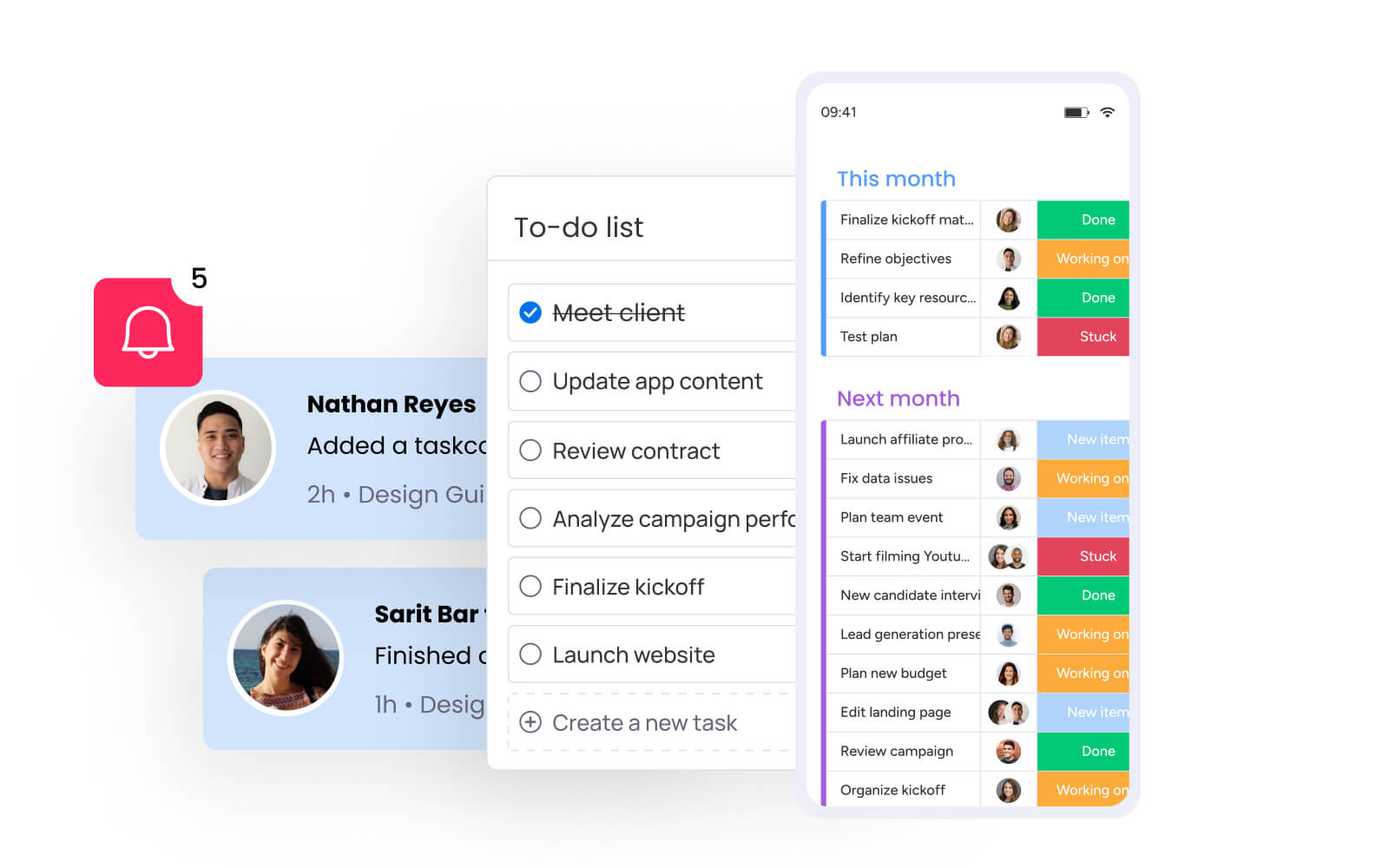
7 steps to build a high-performing CAB
Building a CAB that enables rather than blocks takes deliberate planning. High-performing boards are built on defined authority, diverse expertise, and efficient processes. These steps provide a roadmap for creating governance that accelerates rather than hinders organizational change.
Step 1: establish your CAB charter and authority
A formal charter legitimizes the CAB, defining scope, decision-making authority, and what constitutes a “change.” It outlines escalation paths for disputed decisions and establishes reporting structure to executive leadership.
Without executive sponsorship and defined charter through a formal change management plan, the CAB risks being bypassed by teams viewing it as optional.
Step 2: select diverse CAB members
Membership determines effectiveness. Successful CABs include representatives from development, operations, security, and business units. The optimal size is 7-12 members, large enough for diverse perspectives but small enough for efficient decisions.
Backup representatives must be identified to ensure the board functions when primary members are unavailable.
Step 3: define meeting rhythm and format
Meeting cadence must match organizational change velocity. High-velocity environments may require weekly operational reviews while strategic oversight occurs monthly. Emergency calls (ECAB) are ad-hoc.
Meetings need strict format:
- Pre-published agendas.
- Time-boxed discussions per item.
- Focus on approval/rejection rather than technical problem-solving.
Step 4: create risk-based change categories
Organizations must define criteria for standard, normal, and major changes based on specific risk tolerance. This involves setting thresholds for approval requirements, documentation standards, and lead times.
As organizations mature, these categories should be recalibrated to allow more changes to follow standard, pre-approved paths.
Step 5: build automated approval workflows
Manual approvals are where even well-designed CABs start to break down. Requests sit in inboxes, decisions get delayed, and suddenly “governance” becomes the thing teams try to work around.
Automation removes that friction. Instead of chasing approvals, requests move automatically based on their category. Standard changes are approved instantly, normal changes are routed to the CAB, and major changes trigger the right level of executive oversight without manual coordination.
Platforms like monday work management make this practical. Approvals happen directly within workflows, notifications keep stakeholders moving, and decisions don’t depend on everyone being in the same meeting
Step 6: deploy CAB management capabilities
Effective operations require centralized platforms handling request intake, documentation storage, change calendar visualization, and approval tracking.
Key features include:
- Workflow automation.
- Integration with development platforms.
- Robust reporting capabilities.
The platform serves as single source of truth for all change activity.
Step 7: implement performance metrics
Finally, high-performing CABs track metrics to validate value and identify bottlenecks. This includes operational metrics like average approval time and meeting efficiency, plus outcome metrics like change success rate and change-related incidents.
These data points drive continuous process refinement.
Try monday work managementModern CAB meeting best practices
Traditional hour-long boardroom meetings are evolving. Distributed teams maintain governance without creating bottlenecks by adapting practices for rapid delivery cycles. These practices ensure CABs remain effective in hybrid work environments while supporting accelerated change velocity.
Leverage data-driven change insights
Decisions should rely on evidence, not intuition. CABs utilize historical data and analytics to inform risk assessments. By analyzing previous change success rates, service stability, and implementation team track records, boards make objective approval decisions.
Organizations using monday work management gain real-time portfolio visibility through dynamic dashboards. These views aggregate pending, approved, and scheduled changes, allowing boards to instantly spot conflicts, resource bottlenecks, or schedule overlaps.
Enable virtual participation options
Hybrid work is standard, and CAB meetings must reflect this. Best practices for virtual CABs include:
- Utilizing digital whiteboards for dependency mapping.
- Ensuring robust video conferencing.
- Establishing remote decision-making protocols.
Virtual participation ensures right experts contribute regardless of location, preventing delays from travel or scheduling conflicts.
Maintain focus with structured agendas
Productivity requires discipline. Agendas are distributed in advance with strict requirements for pre-meeting documentation review. Meeting time is reserved for questions and decisions, not reading briefs.
Time allocations are enforced per agenda item, ensuring complex changes get needed attention without consuming entire sessions.
Create transparent decision records
Accountability requires transparency. Every decision is recorded with rationale. Approval conditions are explicitly documented.
These records serve as learning resources for future requests and provide audit trails. Transparency builds organizational trust as teams understand exactly why decisions were made.
Modernizing your CAB for AI and continuous delivery
As development shifts toward CI/CD and AI integration, CABs must evolve from gatekeepers to governance guardrails, embedding compliance and risk management directly into automated delivery pipelines. This transformation enables rapid innovation while maintaining necessary oversight and control.
Implement AI-powered risk analysis
Risk assessment often depends on experience and instinct, which works until the volume of changes makes patterns hard to spot. That’s where things start slipping through.
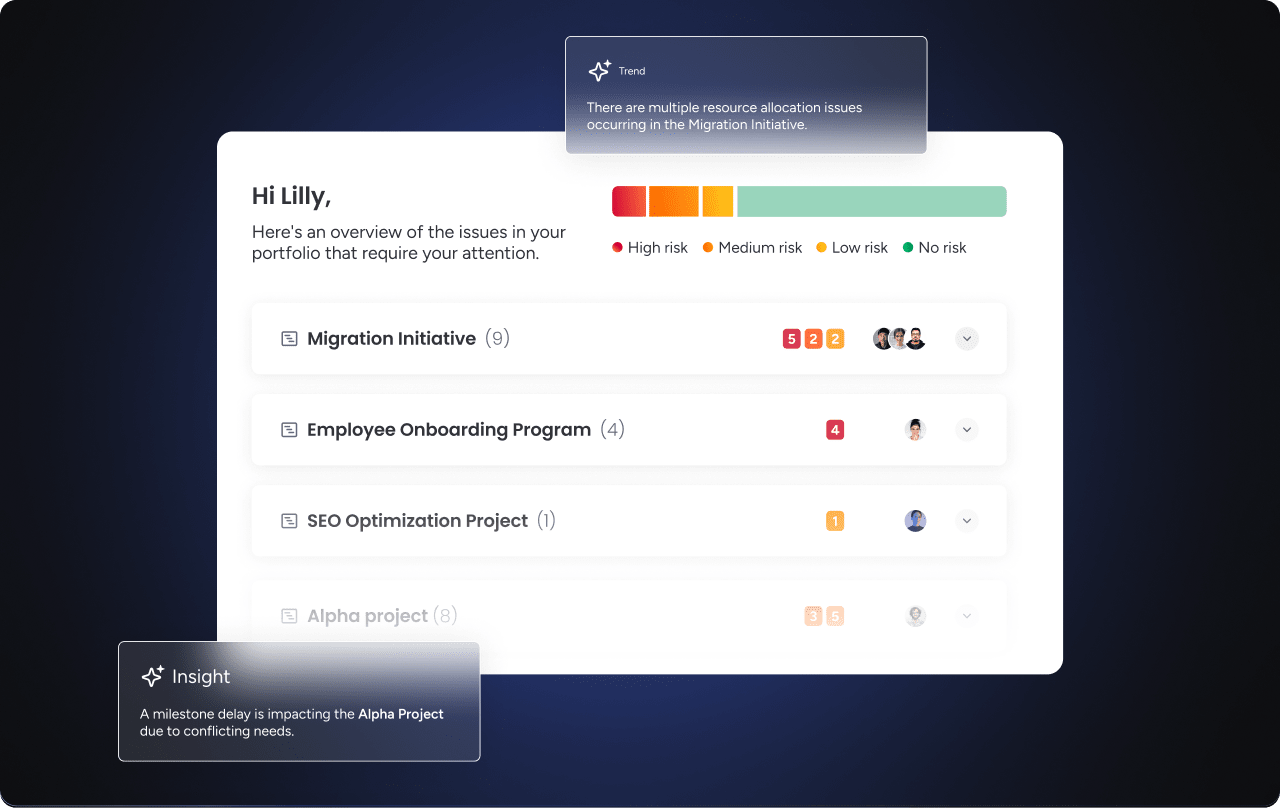
AI adds another layer of clarity. It analyzes historical change data, flags patterns linked to failures, and assigns risk scores based on factors like complexity, timing, and team track record.
With monday work management, AI Blocks take that a step further. Incoming requests are automatically categorized, key details are pulled from dense documentation, and summaries are generated for faster decision-making. Instead of slowing reviews down, risk assessment becomes quicker, more consistent, and far easier to scale
Enable asynchronous digital approvals
Waiting for weekly meetings slows high-velocity teams. Governance allows asynchronous approvals via digital platforms. CAB members receive notifications for pending changes, review documentation, ask questions, and grant approval directly within workflows.
This keeps pipelines moving for normal changes, reserving synchronous meetings for complex discussions.
Connect CAB to DevOps pipelines
The CAB integrates directly with CI/CD pipelines. Automated gates check approval status before allowing production deployment. For standard changes, approval is automated validation of test coverage and security scans.
This integration ensures governance is seamless within delivery processes, supporting frequent, small batch releases rather than large, risky deployments.
Adopt policy-as-code governance
Organizations encode CAB approval criteria as automated policies within deployment platforms. Rules like “no deployments on Fridays” or “requires security scan pass” are applied consistently and automatically.
Policy-as-code shifts the CAB’s role from manually checking boxes to defining rules the system enforces.
Try monday work management5 metrics that drive CAB excellence
Metrics transform CABs from bureaucratic functions into strategic assets. By tracking specific KPIs, organizations balance speed with stability, proving the board’s ROI. These measurements provide objective data for continuous improvement and demonstrate governance value to stakeholders.
1. First-time change success rate
This primary quality indicator measures percentage of changes implemented successfully, achieving objectives without requiring rollback or emergency remediation. High success rates indicate effective risk assessment and review processes.
2. Average approval lead time
This metric tracks elapsed time from request submission to decision rendering, measuring CAB process efficiency. Tracking lead time identifies bottlenecks like slow approver response times or complex documentation requirements.
3. Emergency change ratio
This calculates percentage of total changes classified as emergency. High ratios suggest reactive culture, poor planning, or inadequate standard change definitions. The goal is driving this number down through forecasting and proactive management.
4. Change-related incident frequency
This tracks incidents or outages directly traced to approved changes, validating risk assessment effectiveness. If approved changes frequently cause incidents, evaluation criteria need adjustment.
5. Stakeholder satisfaction index
Regular surveys measure satisfaction of requestors, implementers, and business stakeholders with the process. This index tracks perceptions of fairness, speed, and value. High satisfaction indicates the CAB is viewed as success partner; low satisfaction signals bureaucratic hurdle perception.
Run a more effective CAB with monday work management

Most CAB processes don’t fail because of poor intent. They break under the weight of manual work. Spreadsheets fall out of sync, approvals get buried in email threads, and no one has a clear view of what’s actually happening across the change pipeline.
That lack of visibility is where risk creeps in.
monday work management brings everything into one place. Instead of stitching together tools and conversations, the entire change lifecycle sits in a single, structured workflow. Requests, approvals, risk signals, and scheduling are all connected, so decisions happen with full context.
The difference becomes clear when you compare how work actually gets done:
| Aspect | Traditional cab process | monday work management |
|---|---|---|
| Change documentation | Static forms, emails, and PDFs | Automated intake with structured, actionable data |
| Approval tracking | Manual spreadsheet updates | Real-time status visibility and automated notifications |
| Risk assessment | Subjective manual evaluation | AI-powered categorization and data-driven insights |
| Stakeholder coordination | Disconnected email threads | Integrated collaboration workspace with context |
| Compliance reporting | Manual compilation of evidence | Automated, always-on audit trails |
| Resource planning | Separate, disconnected systems | Integrated resource management and workload views |
This isn’t just about efficiency. It changes how CABs operate day to day.
- Automated workflows: Requests are captured, categorized, and routed instantly based on risk level.
- Real-time visibility: Dashboards show every change in flight, making conflicts and bottlenecks easy to spot.
- AI-powered insights: AI Blocks tag requests, surface risks, and summarize documentation for faster decisions.
- Centralized collaboration: Technical teams, business stakeholders, and compliance all work from the same source of truth.
- Built-in compliance: Every action is tracked automatically, creating audit-ready records without extra effort.
- Resource awareness: Workload views make it clear whether teams can actually support proposed timelines.
The result is a CAB that doesn’t chase updates or piece together information. It operates with clarity, moves faster, and scales as change volume grows without adding complexity.

“monday.com has been a life-changer. It gives us transparency, accountability, and a centralized place to manage projects across the globe".
Kendra Seier | Project Manager
“monday.com is the link that holds our business together — connecting our support office and stores with the visibility to move fast, stay consistent, and understand the impact on revenue.”
Duncan McHugh | Chief Operations OfficerBuilding governance that drives business velocity
Effective CABs transform from approval bottlenecks into strategic enablers of organizational change. By implementing structured processes, leveraging automation, and maintaining focus on business outcomes, these boards accelerate innovation while protecting operational stability.
The key lies in balancing rigor with speed through intelligent categorization, automated workflows, and data-driven decision making. Organizations that modernize their CAB operations gain competitive advantage through faster, safer change implementation.
monday work management provides the foundation for this transformation, unifying governance processes and enabling CABs to operate at the speed of business while maintaining necessary oversight and control.
Try monday work managementFrequently asked questions
What is the difference between a CAB and change control board?
The difference between a CAB and a change control board is primarily about authority. A Change Advisory Board (CAB) typically functions in an advisory capacity, providing recommendations and risk assessments to a Change Manager. A Change Control Board, however, usually possesses formal, binding decision-making power. A Change Control Board usually possesses formal, binding decision-making power, particularly in project management contexts.
Who typically chairs a change advisory board?
The CAB is usually chaired by the Change Manager, Senior IT Service Manager, or Operations Director. Effective chairs possess broad organizational knowledge, technical understanding, and strong facilitation skills.
How frequently should CAB meetings occur?
Meeting frequency depends on change volume and velocity. Most organizations hold weekly operational CAB meetings for normal changes, while high-velocity environments might utilize daily stand-ups or asynchronous digital approvals.
What is an emergency CAB (ECAB)?
An Emergency CAB is a streamlined subgroup authorized to make rapid decisions on urgent changes required to restore service or fix critical security issues. The ECAB process bypasses standard lead times but requires retroactive documentation.
How do CABs adapt to agile and DevOps practices?
CABs support agile and DevOps by shifting from inspecting individual changes to auditing processes. They establish pre-approved standard change paths for automated deployments passing CI/CD tests, reserving manual review for high-risk changes.
Can you automate CAB approval processes?
Yes, automation is essential for scaling governance. Routine, low-risk changes can be approved automatically based on predefined criteria like successful test completion, while platforms like monday work management facilitate this through automated logic with full audit trails.

 Get started