

Projects feel very different when everyone starts in the same direction. Expectations are clear, decisions move faster, and teams spend less time revisiting conversations that should have been settled early on. A strong kickoff creates that shared starting point, giving people confidence in what they are building and how they will get there together.
Without that clarity, even simple projects can become harder than they need to be. Priorities compete for attention, responsibilities blur, and progress slows while teams try to realign along the way. The difference is rarely effort — it is whether alignment was built into the foundation from the start.
In the sections below, this easy-to-follow guide explores how structured project kickoff templates help teams create clarity, strengthen collaboration, and move into execution with a shared understanding of what success looks like.
Key takeaways
- Use kickoff templates to create consistency and clarity: A standardized template ensures every project starts with aligned goals, defined scope, and shared expectations across teams.
- Prioritize the right stakeholders over hierarchy: Invite participants based on decision-making authority and project impact to keep discussions focused and productive.
- Define roles, responsibilities, and communication early: Clear ownership frameworks and structured communication plans reduce confusion, prevent delays, and improve accountability.
- Turn planning into execution through structured workflows: Effective templates connect kickoff decisions directly to tasks, timelines, and measurable outcomes rather than leaving them as static notes.
- Leverage dynamic tools to keep templates actionable: Platforms like monday work management help transform kickoff templates into live systems with real-time tracking, automated updates, and cross-team visibility.
What is a project kickoff template?
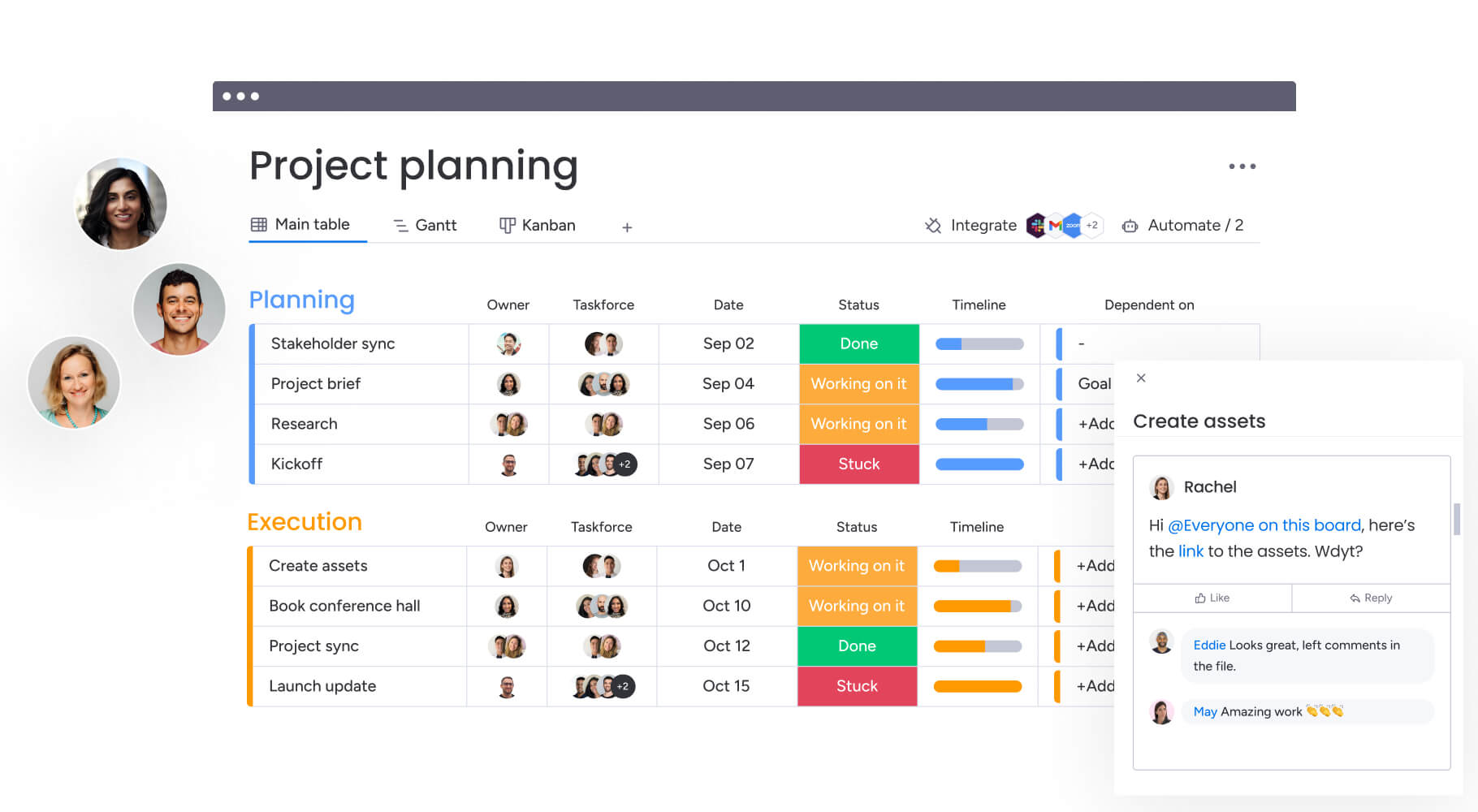
A project kickoff template is a structured way to start every project with clarity and alignment already in place. It works like a reliable foundation that keeps your team focused from day one. Instead of reinventing your approach each time, you rely on a consistent setup that brings everything together.
It captures your objectives, roles, timelines, and communication plans in one place. At the same time, it supports progress tracking as the project moves forward. As a result, your team stays organized and aligned from kickoff through completion.
Definition and purpose of kickoff templates
A kickoff template is not just a checklist for meetings, it sets the standard for how projects begin. It ensures everyone shares the same understanding before work starts. Because of this, teams avoid early confusion that often leads to delays.
It directly addresses common issues like unclear goals, vague ownership, and missing success criteria. That is why using a repeatable structure helps teams move faster with fewer missteps. In short, it builds alignment before execution begins.
Every effective kickoff template includes:
- Stakeholder matrices: Clearly map who is responsible, who needs input, and who should stay informed throughout the project.
- Milestone frameworks: Define timelines and key checkpoints so everyone understands progress and dependencies.
- Risk assessment protocols: Identify potential blockers early, so your team can plan ahead instead of reacting later.
How kickoff templates improve cross functional alignment
When teams operate differently, alignment can quickly break down. However, a strong kickoff template brings everyone onto the same page by creating a shared structure.
It also connects daily work to larger business goals, which helps teams stay focused on outcomes. At the same time, it reduces friction by making expectations visible from the start. This leads to smoother collaboration and better results overall.
Teams that rely on consistent kickoff templates often see:
- Reduced project rework: Clear scope and requirements prevent last minute changes and wasted effort.
- Faster decision making: Defined roles and approval paths remove delays and confusion.
- Stronger stakeholder buy in: Early involvement builds commitment and reduces resistance later.
- Better strategic alignment: Everyone understands the purpose behind the work and how it fits into bigger goals.
Dynamic templates vs static documents
Static documents quickly become outdated once changes start happening. Version control becomes messy, and teams spend unnecessary time updating files. Because of this, important information often gets lost or overlooked.
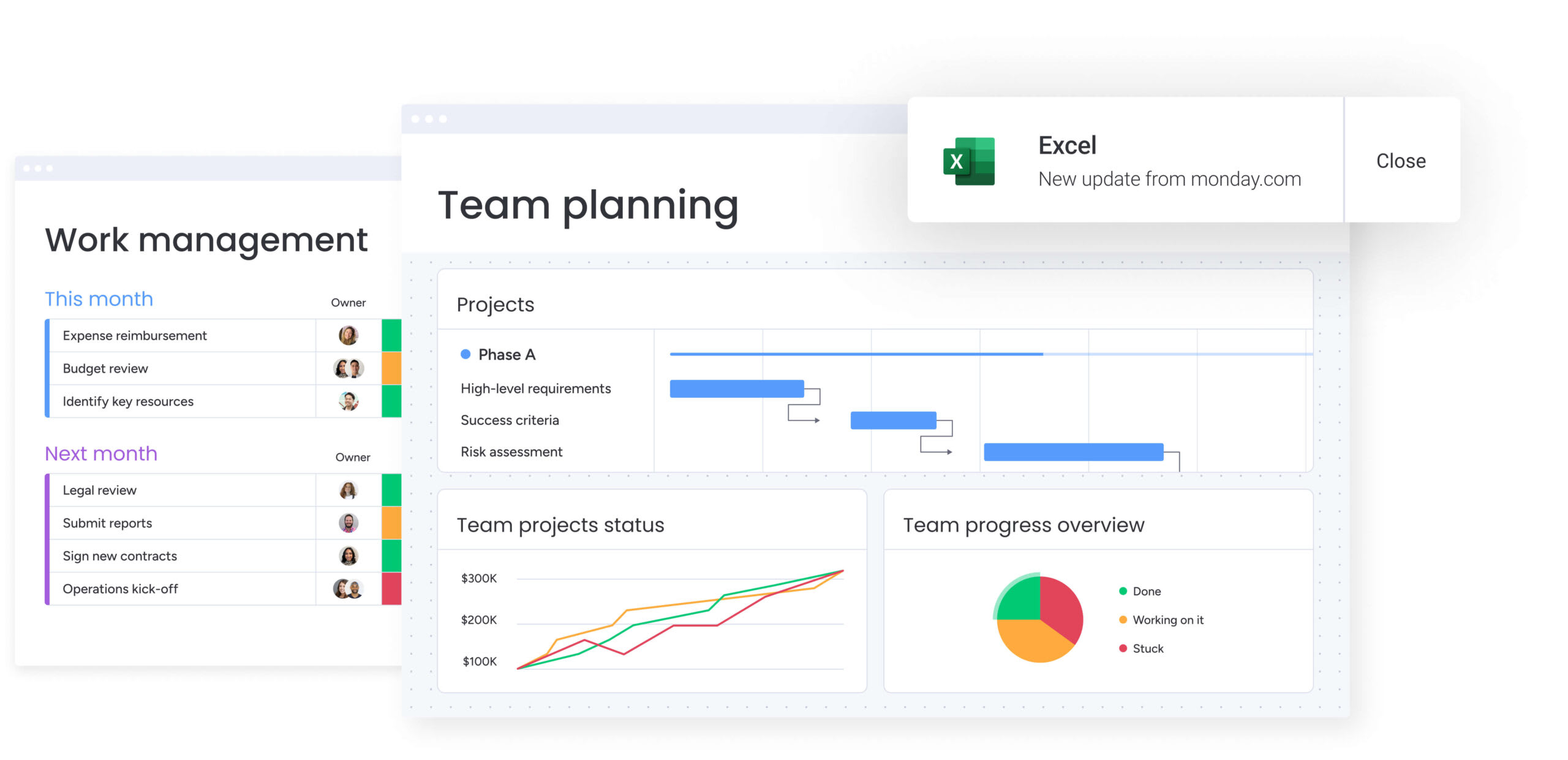
Dynamic templates solve this by staying active throughout the project. They adjust as your work evolves, whether your team has five people or fifty. In addition, they connect directly with workflows, making updates seamless and visible to everyone.
Instead of sitting in a folder, your kickoff template becomes part of how your team operates. That is what keeps projects aligned from start to finish.
Who should attend your project kickoff meeting
The people in the room influence how clearly your project starts. A focused group helps decisions happen faster, surfaces risks earlier, and ensures everyone leaves with the same understanding of priorities. The goal is to include those who shape direction and execution, not simply those with senior titles.
Keeping the group intentional also protects the quality of discussion. When the right mix of contributors is involved, conversations stay relevant, accountability is clearer, and alignment forms more naturally from the beginning.
Core project team members
Your core team includes the people responsible for delivering the work. These are project managers, team leads, and contributors who will handle daily execution. Their input ensures the plan is realistic and actionable.
During the kickoff, they confirm scope, availability, and ways of working. Keeping this group between five and eight people helps maintain efficiency. For larger projects, include one representative per team to stay aligned without adding complexity.
Executive sponsors and decision makers
Executive presence signals that the project matters. Sponsors provide direction, validate the business case, and help resolve major decisions quickly. Even a short appearance can set the tone for the entire project.
It helps to brief them in advance so their time is used well. That way, they can focus on key approvals instead of getting lost in details. This keeps the meeting efficient and impactful.
Cross functional stakeholders
Some projects affect multiple departments, which makes broader input necessary. Teams like legal, finance, IT, or operations may need to weigh in depending on the scope. Their involvement helps uncover dependencies early.
However, not everyone needs to attend the full meeting. You can include key contributors while keeping others informed through updates. This keeps discussions focused without missing critical insights.
External partners and vendors
When outside partners influence timelines or deliverables, include them in the kickoff. Early alignment helps avoid misunderstandings and delays later. It also builds collaboration from the beginning.
That said, sensitive internal topics should be handled separately. Keeping boundaries clear ensures both transparency and confidentiality. This approach keeps everyone aligned without overexposing internal details.
Essential elements of an effective kickoff template
A well-structured kickoff template sets the tone for your entire project. It gives everyone clarity on direction, ownership, and expectations right from the start. When each element is clearly defined, you reduce confusion early and avoid delays later, keeping the project steady and aligned.
Project vision and success criteria
Your vision sets the direction, while your success criteria define what achieving that vision actually looks like. Both are necessary, since one inspires alignment and the other brings measurable clarity. Without this balance, teams often move forward without a shared understanding of outcomes.
To make this practical, your template should combine measurable targets with meaningful outcomes. This helps your team stay focused while still adapting to real world needs.
- Quantitative measures: Define clear numbers such as revenue goals, efficiency improvements, cost savings, or timeline reductions. These give you concrete ways to track progress.
- Qualitative outcomes: Capture softer results like customer satisfaction, brand perception, or team engagement, since these often reflect long term success.
- Priority framework: Clarify which outcomes matter most, so when trade offs arise, your team knows what to protect and what can flex.
Roles and responsibilities matrix
Clear roles prevent confusion and keep work moving without unnecessary back and forth. When responsibilities overlap or remain unclear, delays tend to follow. That is why defining ownership early creates smoother collaboration across teams.
Using a RACI structure helps you map responsibilities with precision. At the same time, it highlights dependencies between teams, which makes handoffs more predictable. By addressing overlaps upfront, you reduce friction and avoid bottlenecks later.
Timeline and key milestones
A timeline should reflect reality, not optimism. When timelines ignore dependencies or resource limits, they quickly fall apart. Instead, a strong kickoff template builds schedules that account for how work actually flows.
In addition, separating internal milestones from external commitments adds clarity. Internal checkpoints keep teams aligned, while external deadlines manage expectations with stakeholders. Validating this timeline during kickoff ensures everyone agrees on what is achievable.
Risk management framework
Every project carries uncertainty, but planning for it changes how your team responds. Rather than reacting under pressure, you create a structured way to anticipate and manage potential issues.
Your template should guide teams to identify risks across different areas, such as technical, resource, or market challenges. Once identified, each risk should have clear ownership and a response plan. Setting escalation triggers also ensures issues are raised before they become critical.
Communication and escalation plan
Communication keeps your project running smoothly, especially when multiple stakeholders are involved. Without a clear structure, updates get lost and decisions slow down. That is why defining how information flows is just as important as defining the work itself.
Your template should outline where different types of communication happen, whether it is updates, approvals, or issue resolution. In addition, setting expectations around frequency and format keeps everyone informed without overwhelming them. A clear escalation path ensures that critical issues reach the right people quickly.
Try monday work management
Pre-kickoff preparation checklist
A productive kickoff starts before the meeting begins. When key information is already organized, conversations move quickly from context setting to decision making. This preparation helps teams use kickoff time to align on direction, confirm priorities, and address risks early instead of reviewing basic details.
The steps below outline how to prepare the right inputs so your kickoff creates clarity from the start and sets a steady pace for execution.
Step 1: gather project charter and documentation
Start by collecting key materials such as the project charter, business case, requirements, and stakeholder insights. If some of these are missing, create a clear summary of what is known and what still needs clarity.
Sharing this information in advance allows participants to review it on their own time. As a result, your kickoff can focus on meaningful discussions instead of basic explanations.
Step 2: complete stakeholder analysis
Understanding your stakeholders helps you manage expectations from the start. Some stakeholders may not be obvious, yet they still influence decisions or outcomes.
By mapping their level of influence and interest, you can tailor your kickoff to address their concerns. This also helps you spot potential conflicts early and manage them before they affect progress.
Step 3: define meeting objectives and outcomes
A kickoff without clear objectives often turns into an unfocused discussion. To avoid that, you need to define what success looks like for the meeting itself.
Here are a few ways to keep your session focused and productive:
- Specific objectives: Set clear goals such as approving the timeline or aligning on risk plans, so everyone knows what needs to be achieved.
- Clear communication: Share these objectives ahead of time, which helps participants prepare and contribute meaningfully.
- Scope management: Keep discussions on track by referring back to your defined outcomes whenever conversations drift.
Step 4: schedule logistics and technology setup
Even the best planned kickoff can struggle if logistics are overlooked. Scheduling should consider time zones, availability, and meeting formats, especially for hybrid teams.
At the same time, testing your technology setup reduces the risk of delays. Having a backup plan for technical issues ensures your meeting stays on track. This preparation creates a smoother experience for everyone involved.
How to build your project kickoff template
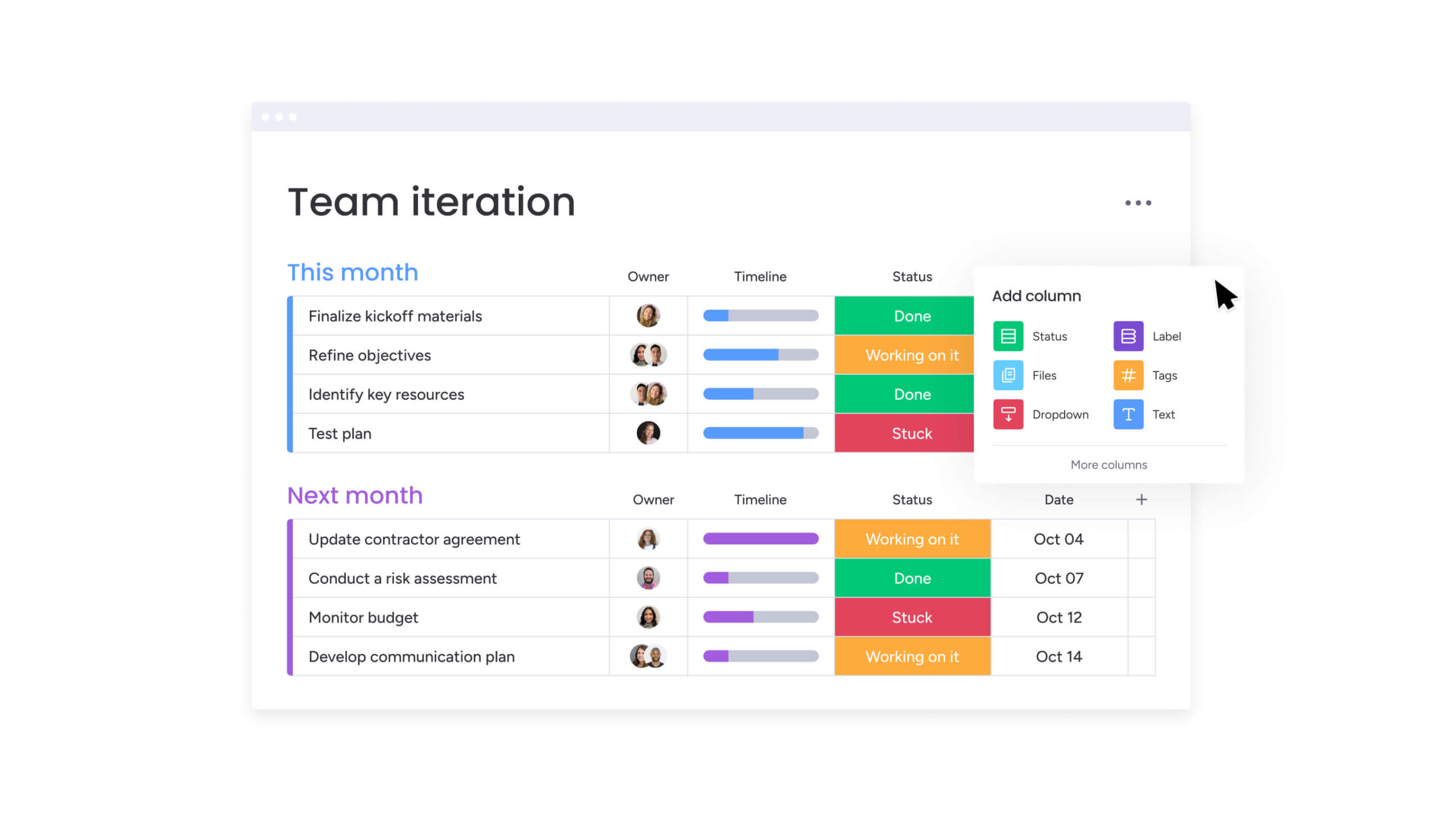
A strong kickoff template does more than guide a meeting, it shapes how your project starts and how smoothly it moves forward. When each step connects clearly to the next, your team avoids confusion and keeps momentum from day one. This approach helps you create templates that work across projects without losing clarity or consistency.
1. Define the project vision and measurable objectives
Every project needs a clear starting point, and that begins with a shared vision. You bring stakeholders together to turn broad goals into specific outcomes that everyone understands the same way. This step removes ambiguity early, so expectations stay aligned as work progresses.
At the same time, you test whether objectives are truly measurable and meaningful. When your team can track progress against these goals, decisions become easier and more grounded. Keeping this vision visible throughout the project ensures it stays relevant, not forgotten after kickoff.
2. Map cross functional dependencies and handoffs
Projects rarely succeed in isolation, so it is important to understand how work moves between teams. Mapping dependencies helps you spot where delays or confusion might occur before they cause problems. It also highlights connections that are easy to overlook during planning.
In addition, defining clear handoff processes keeps work flowing without gaps. When teams agree on expectations upfront, transitions feel smoother and accountability stays intact. This clarity becomes especially valuable in larger initiatives where multiple teams rely on each other.
3. Establish governance structure and decision rights
Without clear decision making rules, even simple issues can slow a project down. Governance gives your team a structure for handling choices, resolving conflicts, and moving forward with confidence. The level of structure should match your project’s complexity.
For example, smaller projects may only need lightweight oversight, while larger ones benefit from formal leadership groups. Clearly defining who makes which decisions helps avoid delays and keeps progress steady. As a result, your team spends less time debating authority and more time executing.
4. Create a resource allocation and workload plan
Planning resources is not just about assigning people, it is about matching the right skills to the right tasks. You assess team capacity and compare it with project needs to identify gaps early. This prevents last minute scrambling and unrealistic expectations.
At the same time, balancing workloads helps avoid burnout and keeps productivity stable. When resource commitments are confirmed during kickoff, your team starts with a realistic plan. This makes it easier to adjust priorities later without disrupting progress.
5. Set up communication channels and reporting cadence
Clear communication keeps your project connected and on track. Instead of relying on scattered updates, you define how information will flow across the team. This ensures everyone knows where to go for updates and how often to expect them.
These are the key elements that support effective communication:
- Channel definition: Specify which platforms are used for different types of communication, so messages reach the right audience without confusion.
- Reporting frequency: Establish update cycles that match stakeholder needs, keeping everyone informed without overwhelming them.
- Content standards: Define what information should be shared and how it should be presented, ensuring consistency across updates.
6. Build success metrics and a monitoring dashboard
Tracking progress is only useful when it leads to action. You choose metrics that reflect your project goals, combining early signals with final outcomes. This balance helps you identify issues before they grow into larger problems.
Dashboards bring these insights together in one place, making progress visible in real time. Instead of spending time gathering data, your team can focus on understanding it and taking the right steps. As a result, decisions become faster and more informed.
A strong kickoff template does more than guide a meeting, it shapes how your project starts and how smoothly it moves forward.
Types of project kickoff meetings
Not every project starts the same way, so your kickoff template should adapt to the context. While the core structure stays consistent, the focus shifts depending on the type of work and the stakeholders involved. Understanding these differences helps you tailor your approach without losing alignment.
The table below shows how kickoff priorities change across common project types:
| Project type | Primary focus | Key template adaptations |
|---|---|---|
| Agile/iterative | Product vision, initial backlog | Flexible scope, sprint ceremonies |
| Construction/engineering | Safety, compliance, vendor coordination | Regulatory requirements, site logistics |
| IT implementation | Technical architecture, data migration | Change management, rollback planning |
| Virtual/hybrid teams | Engagement across time zones | Asynchronous communication norms |
Agile and iterative project kickoffs
Agile kickoffs focus on setting direction without locking everything in place. You define the product vision, clarify roles, and align on initial priorities. This creates a shared understanding while leaving room for discovery.
At the same time, teams agree on how they will work together through sprint cycles and reviews. This helps manage expectations around changing scope and evolving requirements. As a result, flexibility becomes a strength rather than a risk.
Construction and engineering kickoffs
In construction projects, safety and compliance take priority from the start. You address regulations, permits, and coordination with external partners early on. This reduces the chance of delays caused by overlooked requirements.
Planning also extends to logistics and risk management. With many stakeholders involved, clear coordination becomes essential. When these elements are aligned during kickoff, execution becomes far more predictable.
IT system implementation kickoffs
IT projects require close alignment between technical and business teams. You focus on system design, data migration, and how changes will affect users. Translating technical details into business impact helps everyone stay on the same page.
In addition, planning for change management and training ensures smoother adoption. Rollback strategies also play a key role, providing a safety net if issues arise. This preparation reduces risk and builds confidence across stakeholders.
Virtual and hybrid team kickoffs
Distributed teams need a different approach to stay connected. You design kickoff sessions that work across time zones and encourage participation, even when people are not in the same room. This often includes using shared digital spaces for collaboration.
At the same time, setting clear expectations for communication becomes essential. Teams agree on response times, meeting schedules, and how to stay aligned asynchronously. This creates a sense of structure without limiting flexibility.
Try monday work managementProject kickoff meeting best practices that keep momentum going
A kickoff should create clarity that carries into execution. When key decisions are captured clearly and responsibilities are defined early, teams spend less time revisiting conversations and more time moving forward with confidence.
The best practices below help ensure your kickoff leads to clear direction, strong accountability, and consistent progress after the meeting ends.
Start with a structured agenda
A clear agenda sets expectations and keeps the meeting focused. You allocate time for each topic and include space for discussion where needed. This balance ensures productivity without cutting off important conversations.
Adapting the agenda based on meeting length also helps maintain energy. Whether the session is short or extended, the structure keeps everyone aligned on priorities.
Document decisions and action items in real time
Capturing decisions as they happen prevents confusion later. When notes are visible to everyone, it is easier to confirm understanding before moving forward. This reduces the risk of misalignment.
To make this effective, focus on a few key practices:
- Visible capture: Display notes during the meeting so everyone can see what is being recorded.
- Immediate validation: Confirm details before moving on to the next topic.
- Clear ownership: Assign responsibility for each action item right away.
This approach keeps the meeting grounded and ensures nothing gets lost.
Assign owners and deadlines
Clear ownership drives accountability. Each task should have a specific person responsible and a realistic deadline. This removes ambiguity and keeps progress moving after the meeting ends.
When conflicts arise, addressing them during kickoff saves time later. Aligning priorities early helps your team avoid delays and unnecessary back and forth.
Schedule regular follow up sessions
Kickoff is just the beginning, not the finish line. Regular check ins help maintain alignment and keep the project on track. The frequency should match how quickly your project is moving.
Over time, these sessions shift from planning to execution and problem solving. This ongoing connection prevents teams from drifting away from original goals.

“monday.com has been a life-changer. It gives us transparency, accountability, and a centralized place to manage projects across the globe".
Kendra Seier | Project Manager
“monday.com is the link that holds our business together — connecting our support office and stores with the visibility to move fast, stay consistent, and understand the impact on revenue.”
Duncan McHugh | Chief Operations OfficerKeep project kickoff plans aligned with monday work management
A strong kickoff creates clarity, but maintaining that clarity requires structure as work progresses. When plans sit in static documents, details quickly fall out of sync with day to day execution. Decisions become harder to track, ownership becomes less visible, and teams spend time reconnecting information instead of moving forward.
monday work management keeps kickoff decisions connected to real workflows. Goals, responsibilities, timelines, and dependencies live in one shared workspace, so alignment continues beyond the meeting itself. As work evolves, updates stay visible and teams can adjust without losing direction.
Common challenges after kickoff include:
- Plans disconnected from execution: Agreements remain in notes instead of linked to active workflows.
- Limited visibility into progress: Stakeholders struggle to see status, risks, and priorities in real time.
- Unclear ownership across teams: Responsibilities are defined but not consistently reflected in daily work.
- Late identification of risks: Issues surface only after timelines begin to slip.
- Fragmented communication: Updates are spread across tools, making alignment harder to maintain.
- Difficulty scaling coordination: Larger initiatives require clearer structure to keep teams aligned.
By connecting kickoff structure directly to boards, dashboards, and shared updates, monday work management helps teams maintain alignment, improve accountability, and keep progress steady from planning through delivery.
Try monday work managementFrequently asked questions
How long should a project kickoff meeting last?
The length of a project kickoff meeting depends on project complexity, but it typically lasts one hour for small projects and up to a full day for complex enterprise initiatives. Duration depends on the number of stakeholders and depth of planning required.
When is the best time to schedule a project kickoff meeting?
The best time to schedule a project kickoff meeting is immediately after the project charter is approved and core resources are secured. This timing ensures commitment is confirmed but work hasn't begun without proper alignment.
How do you run an effective virtual kickoff meeting?
An effective virtual kickoff meeting uses digital collaboration applications for interactivity and maintains engagement through shorter sessions with cameras-on policies. Pre-read materials distributed in advance ensure productive discussion time.
What's the difference between a project kickoff and project briefing?
The difference between a project kickoff and a project briefing is that a kickoff is a collaborative working session focused on alignment and decision-making, while a briefing is a one-way information sharing session.
Can you have multiple kickoff meetings for one project?
Large or complex programs often benefit from a tiered approach with multiple kickoff meetings. An executive kickoff establishes strategy, followed by functional team kickoffs for detailed execution planning.
How does monday work management improve project kickoff template effectiveness?
monday work management converts static templates into active operating systems that automate work creation, resource allocation, and risk monitoring. Kickoff alignment immediately translates into tracked, actionable workflows that evolve with your project.

 Get started