


Most projects don’t go off track because the team lacks skill. They drift because no one locked in the fundamentals early enough. The purpose sounds clear in the kickoff meeting. The scope feels obvious. Roles seem understood. Then new requests appear, budgets tighten, and suddenly everyone remembers the project slightly differently.
A project charter prevents that slow unraveling.
It’s the moment a project shifts from “good idea” to officially authorized work. It defines why the initiative exists, what success actually means, who owns decisions, and where the boundaries are. Not at the task level. At the strategic level where alignment either holds or breaks.
Ahead, you’ll get a practical look at what a project charter includes, how it differs from a project plan or proposal, who should create and approve it, and how to build one step by step. You’ll also see how charters evolve in Agile teams and how platforms like monday work management connect charter decisions directly to execution.
Key takeaways
- A project charter authorizes work: It formally approves a project, defines high-level scope, and establishes accountability to prevent misalignment.
- Clear objectives and success metrics are essential: Defining measurable outcomes upfront ensures projects deliver the intended business value.
- Scope boundaries prevent drift: Documenting what is included and excluded reduces scope creep and protects timelines and budgets.
- Stakeholder alignment drives efficiency: Early involvement of sponsors, teams, and subject matter experts surfaces conflicts when they are easiest to resolve.
- Dynamic tools enhance charter execution: Platforms like monday work management allow charters to integrate with workflows, making the document actionable and visible throughout project delivery.
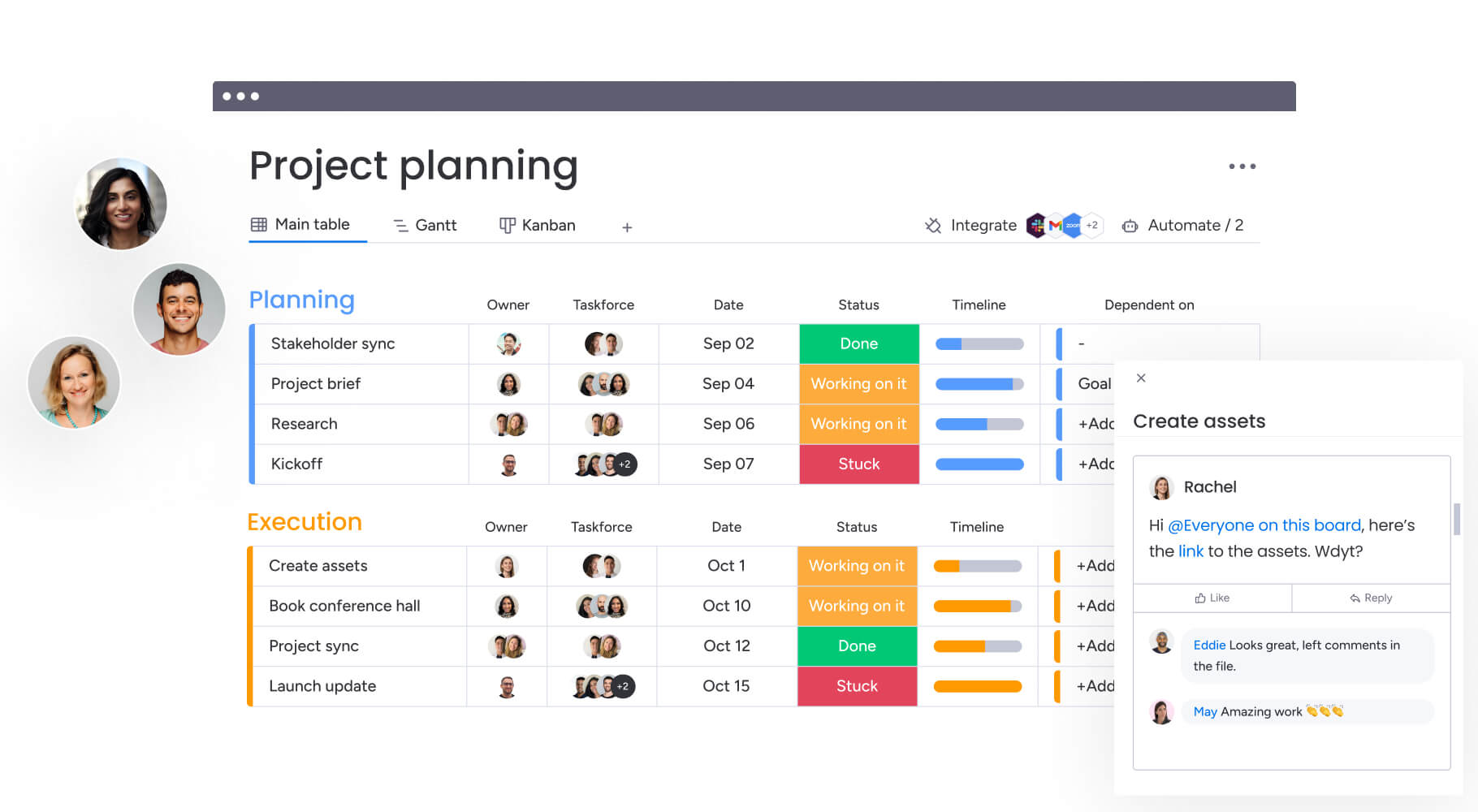
What is a project charter?
A project charter is a formal document that authorizes a project’s existence and gives the project manager authority to allocate organizational resources. It serves as the foundation for all project work.
Before approval, a project is merely an idea; once the charter is authorized, the work becomes official with defined boundaries, ownership, and executive support.
The charter also acts as the primary reference for what the project is intended to accomplish. Unlike a detailed project plan, which outlines every task and deadline, the charter focuses on what is being built, why it matters, who is accountable, and what success looks like.
Key differentiators of a project charter include:
- Executive authorization: Bears formal approval from a sponsor, granting legitimacy and access to organizational resources.
- High-level scope: Defines boundaries without delving into task-level details.
- Strategic alignment: Connects project objectives to broader organizational goals.
Why your projects need a project charter
Projects don’t just drift because teams are careless. They drift because no one formally defined the guardrails.
For example, McKinsey’s review of more than 300 billion-dollar megaprojects found average cost overruns of around 80% and schedule delays close to 50%. That level of slippage does not come from bad intentions. It comes from unclear scope, weak decision rights, and loose approvals. Exactly what a strong project charter is designed to prevent.
A charter sets the boundaries early. It clarifies what the project is, what it is not, and who has the authority to make calls. Without that anchor, scope creep feels harmless at first. A small addition here. A quick change there. Then timelines stretch and budgets follow.
It also creates a formal agreement between the project team and leadership. When priorities shift or new requests surface mid-project, the charter becomes the reference point. Not opinions. Not memory. The agreed scope.
Gain executive sponsorship and authorization
Executive sponsors require assurance that an investment aligns with organizational strategy before allocating resources. A well-prepared charter provides both a concise overview and a business rationale, equipping leadership with the information needed for approval.
Formal authorization demonstrates organizational commitment, preventing resources from being diverted to other competing priorities and maintaining project momentum.
Define success metrics upfront
Projects can complete on time and under budget yet fail to deliver meaningful results. The charter establishes measurable success criteria at the outset, ensuring the solution addresses the intended business problem.
Success metrics typically cover three dimensions:
- Business impact: Reduce customer churn by 5%, shorten onboarding time by two days.
- Project performance: Launch by Q3, remain under $50,000 budget.
- Quality standards: Zero critical bugs at launch, 90% user adoption rate.
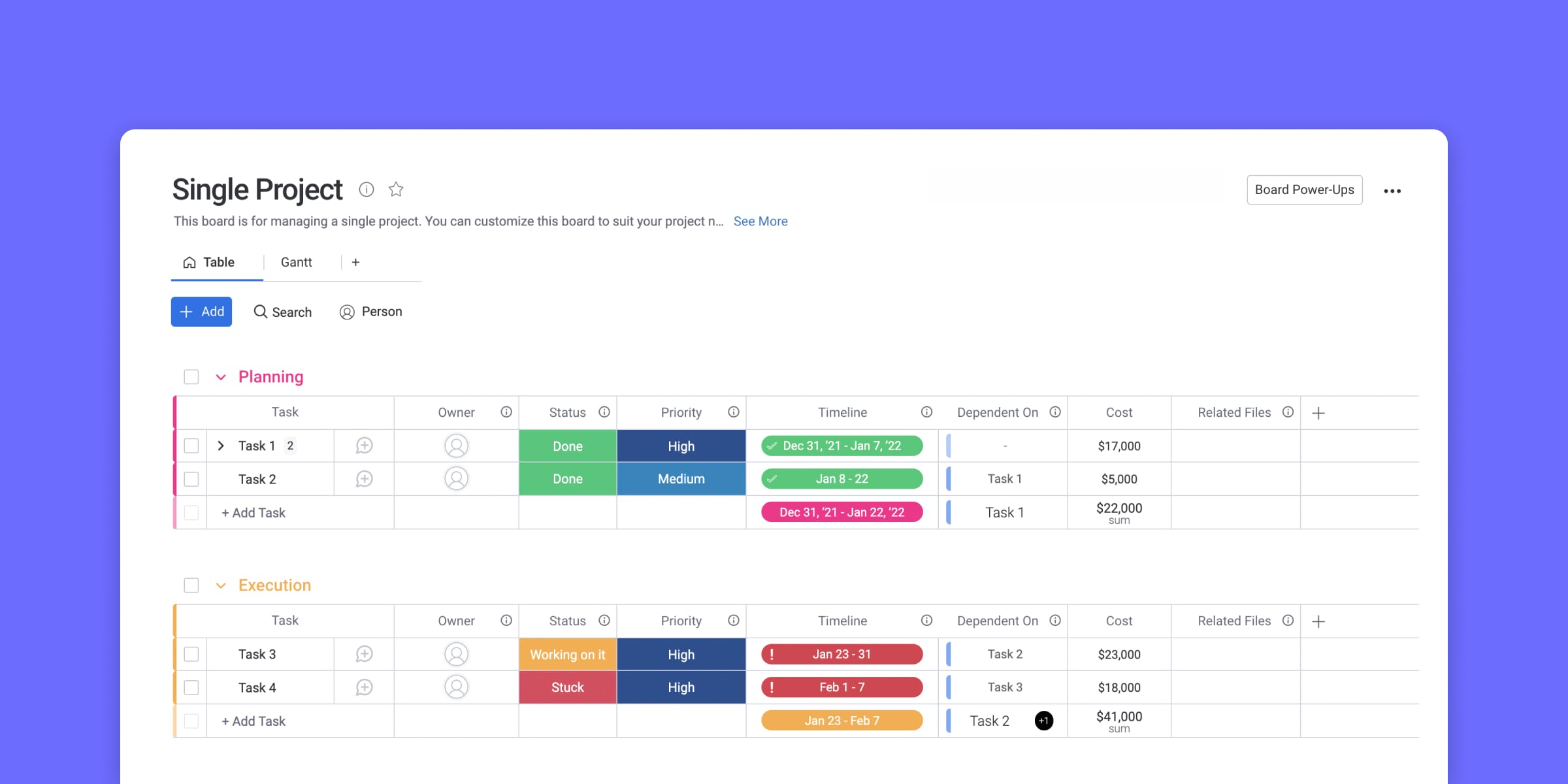
Project charter vs project plan and other key documents
Not all project documents do the same job, even if they sound similar. Confusing them leads to messy approvals, premature planning, or worse, execution without authority.
The comparison below breaks down how the project charter, project plan, and project proposal differ by purpose, timing, audience, and level of detail.
| Document type | Project charter | Project plan | Project proposal |
|---|---|---|---|
| Primary purpose | Authorization and direction | Execution and control | Persuasion and approval |
| Key question | What are we doing and why? | How and when will we do it? | Should we do this? |
| Timing | Initiation phase (first) | Planning phase (second) | Pre-project phase |
| Audience | Executives and stakeholders | Project team and managers | Decision makers |
| Level of detail | High-level overview | Granular tasks and dates | High-level benefits |
Here’s the simplest way to think about it.
The project proposal comes first. It asks, “Should this project exist?” Its job is persuasion. It outlines the opportunity, the expected value, and why the investment makes sense.
Once approved, the project charter takes over. It answers, “What exactly are we committing to?” This is where the project becomes official. The charter defines high-level scope, success criteria, constraints, and who holds decision authority.
Only then does the project plan step in. It addresses, “How and when will this happen?” This document translates strategy into execution, with detailed timelines, work breakdown structures, and resource assignments.
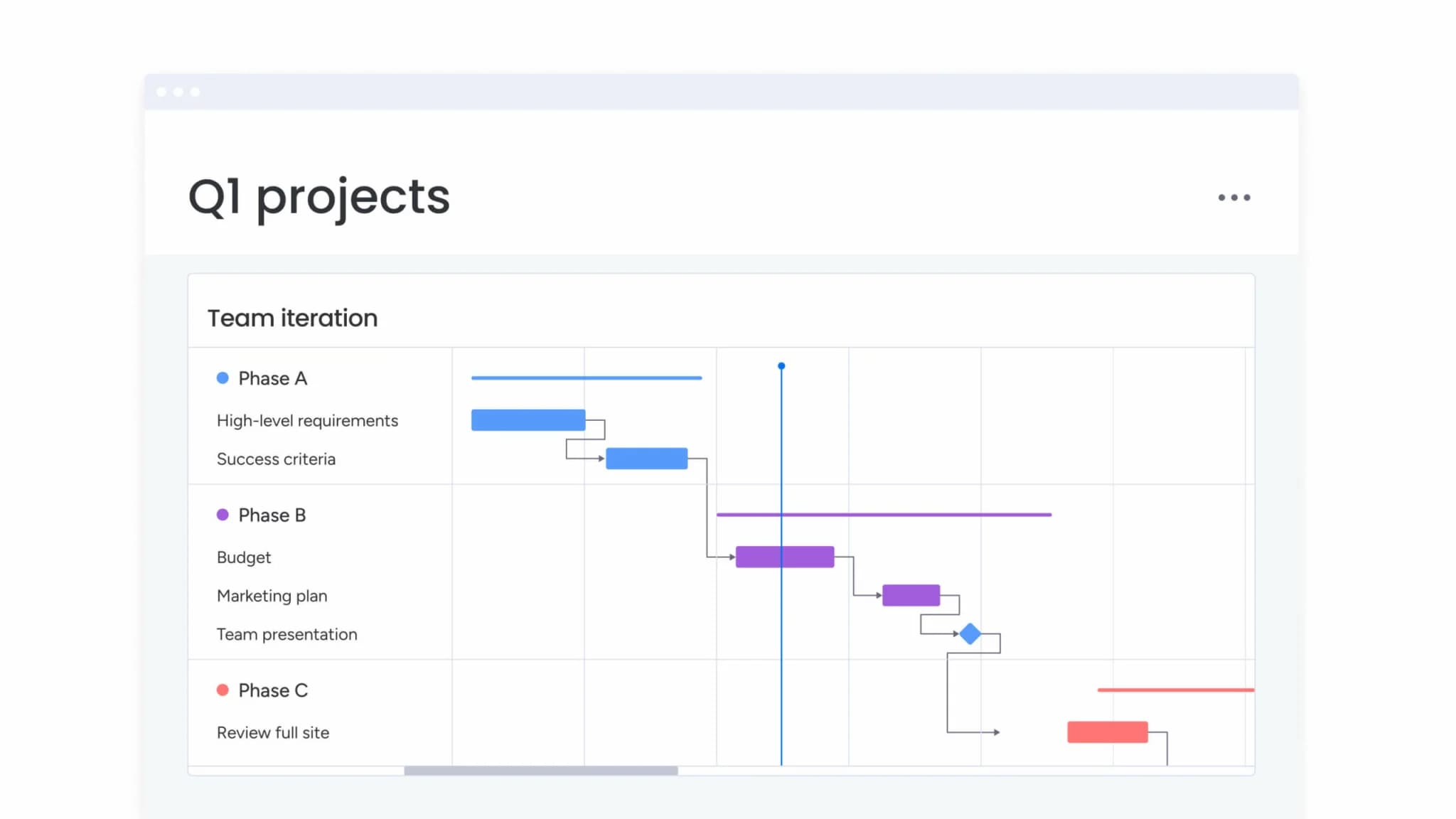
Essential elements of a strong project charter
Effective charters share seven core elements that give teams the context and constraints they need to work independently.
A project charter is not a long narrative. It is a structured agreement. When written well, it gives teams enough clarity to move independently without constant clarification meetings.
The following seven elements form the backbone of an effective charter:
Project purpose and business justification
This section explains why the project exists and how it connects to organizational priorities. It anchors the work in real business value, not activity.
Your justification might include:
- Strategic fit: This project supports the Q3 goal of expanding into the APAC region.
- Problem statement: Current manual invoicing processes result in a 15% error rate and delayed revenue.
- Market opportunity: Competitors have captured 20% market share with similar capabilities.
Project objectives and success criteria
Objectives define what the project will achieve. Success criteria define how that achievement will be measured. Both must be specific and time-bound.
Clear objectives might include:
- Specific deliverable: Launch a new mobile application for iOS and Android.
- Measurable outcome: Achieve 10,000 downloads within the first 30 days.
- Quality target: Maintain a 4.5-star rating or higher.
Project scope and boundaries
Scope clarifies what the project will deliver and, just as importantly, what it will not. This is where scope creep is either prevented or invited.
Scope definition may include:
- In-scope: Design, development, and testing of the customer portal.
- Out-of-scope: Migration of historical data prior to 2020.
- Excluded features: Integration with third-party marketing applications.
Key stakeholders and project roles
A charter should clearly identify who is involved and who holds authority. Vague ownership creates friction later.
Role definitions may include:
- Sponsor: Provides resources and resolves high-level blockers.
- Project manager: Responsible for daily execution and delivery.
- Subject matter experts: Contribute specialized knowledge without owning overall delivery.
Timeline and major milestones
The charter sets high-level timing expectations without turning into a detailed schedule. It focuses on major checkpoints and dependencies.
Key timeline elements may include:
- Project duration: January 1st to June 30th.
- Major milestones: Requirements complete by January 15th, beta release by March 1st.
- Dependencies: Marketing campaign launch dependent on product availability.
Budget and resource allocation
This section outlines financial limits and key personnel commitments. It sets realistic constraints before work begins.
Resource planning may include:
- Financial budget: $50,000 for software licensing and contractors.
- Team allocation: 50% of two senior developers for three months.
- Equipment needs: Testing devices and development servers.
Initial risks and assumptions
Every project begins with uncertainty. Documenting risks and assumptions upfront makes those uncertainties visible.
Common risk categories may include:
- Technical risks: Third-party API availability delays.
- Resource risks: Key team member availability during critical phases.
- External dependencies: Vendor delivery timelines.

“monday.com has been a life-changer. It gives us transparency, accountability, and a centralized place to manage projects across the globe".
Kendra Seier | Project Manager
“monday.com is the link that holds our business together — connecting our support office and stores with the visibility to move fast, stay consistent, and understand the impact on revenue.”
Duncan McHugh | Chief Operations OfficerWho creates and approves a project charter?
Creating a charter requires collaboration, but accountability must be clarified as clear ownership prevents delays and ensures all necessary perspectives are captured.
The project manager typically drafts the charter: gathering information from the business case, interviewing stakeholders, and defining the initial scope and timeline. However, the project manager cannot approve their own charter.
Approval authority then rests with the project sponsor — usually an executive or senior manager. Their signature indicates organizational acceptance of the scope, risks, and budget outlined.
In some organizations, a project management office (PMO) or steering committee may also review the charter to ensure it meets standards and aligns with the portfolio.
When roles are unclear, the project manager should lead this process. Clear ownership keeps the charter moving from draft to approval efficiently, avoiding unnecessary delays.
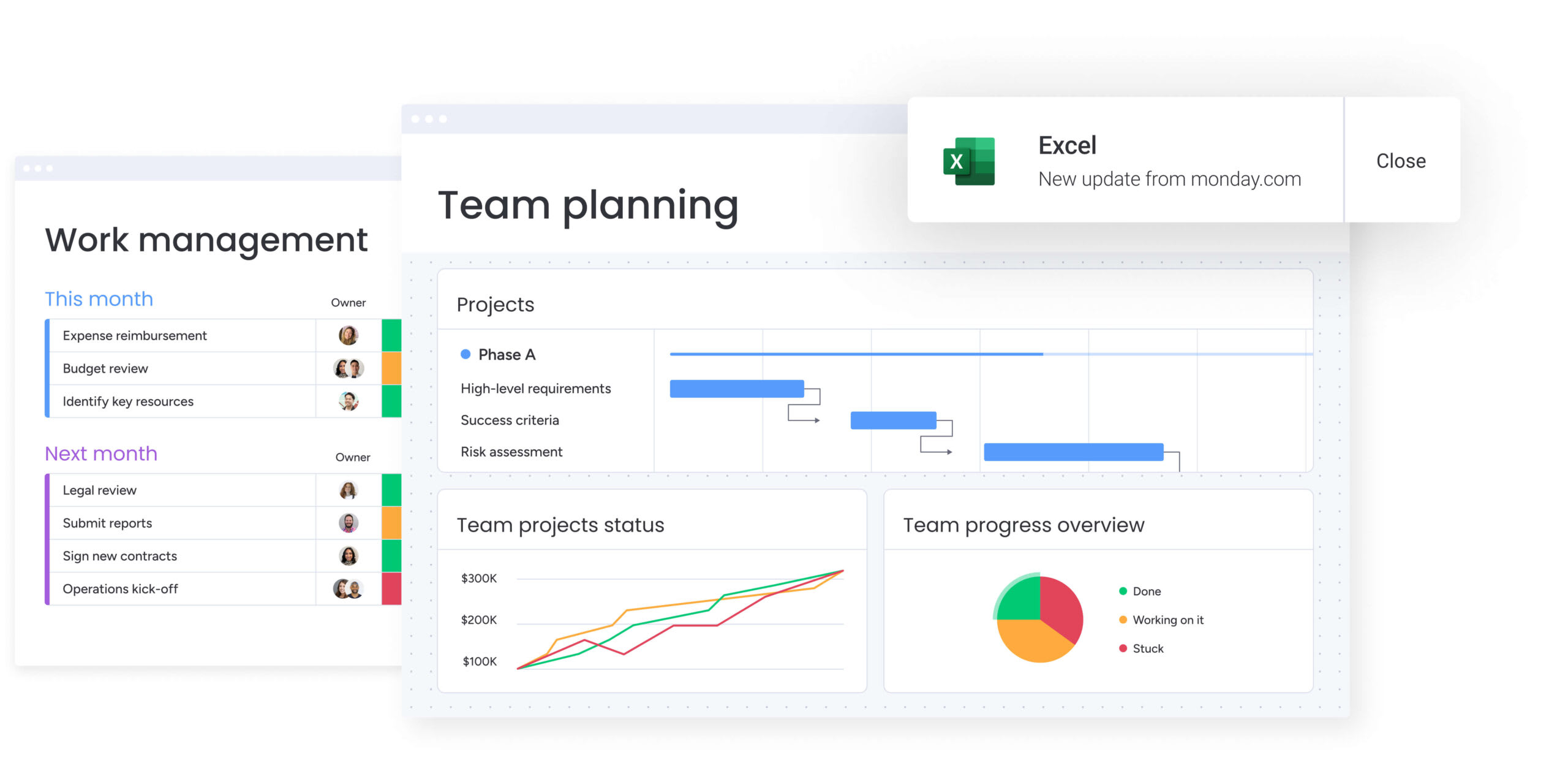
How to create a project charter in 5 steps
Creating a project charter follows a simple process that has the power to transform strategic intent into clear boundaries, roles, and responsibilities. The following steps outline a logical approach, although this may have to be adapted as stakeholders provide feedback.
Step 1: Define your project vision and objectives
Start by interviewing the project sponsor to understand the core business need. Translate high-level desires into measurable objectives and a clear vision statement.
This step involves:
- Reviewing existing documentation: Examine business cases, contracts, and prior initiatives.
- Documenting a clear purpose statement: Summarize why the project exists and what it aims to achieve.
- Aligning objectives with organizational strategy: Ensure project goals support broader business priorities.
A well-defined vision keeps future decisions about scope and budget aligned with the project’s primary goal.
Step 2: Map your stakeholders and roles
Identify everyone who has interest in or influence over the project, from core team members to departments such as legal or human resources.
Use frameworks like RACI (Responsible, Accountable, Consulted, Informed) to clarify roles and decision-making authority. This prevents confusion and ensures the right people are involved at the right times.
Step 3: Document scope and deliverables
Collaborate with stakeholders to list the specific deliverables the project will produce. Ask them what they assume is included, then remove items that fall outside timeline or budget constraints.
- Define in-scope items: Clearly specify what the project will deliver.
- Define out-of-scope items: Outline exclusions to prevent scope creep.
- Validate with the sponsor: Confirm alignment on project boundaries and expectations.
This process ensures clarity and prevents misunderstandings before work begins.
Step 4: Set timeline and resource requirements
Next, estimate the time and resources needed based on defined scope. Identify major milestones where value is delivered or key decisions are made.
- Calculate budget requirements: Consider both external costs and internal headcount.
- Plan resources effectively: Ensure allocation matches project priorities and organizational capacity.
This feasibility assessment helps confirm that project ambitions are realistic and supported.
Step 5: Identify risks and secure approval
Finally, collaborate with the team to brainstorm potential risks. Document these threats to demonstrate a realistic and grounded plan.
- Present the charter for sign-off: Formal approval confirms the sponsor’s commitment to the project under defined terms.
This final step secures alignment and authority, creating a foundation for successful execution.
Try monday work management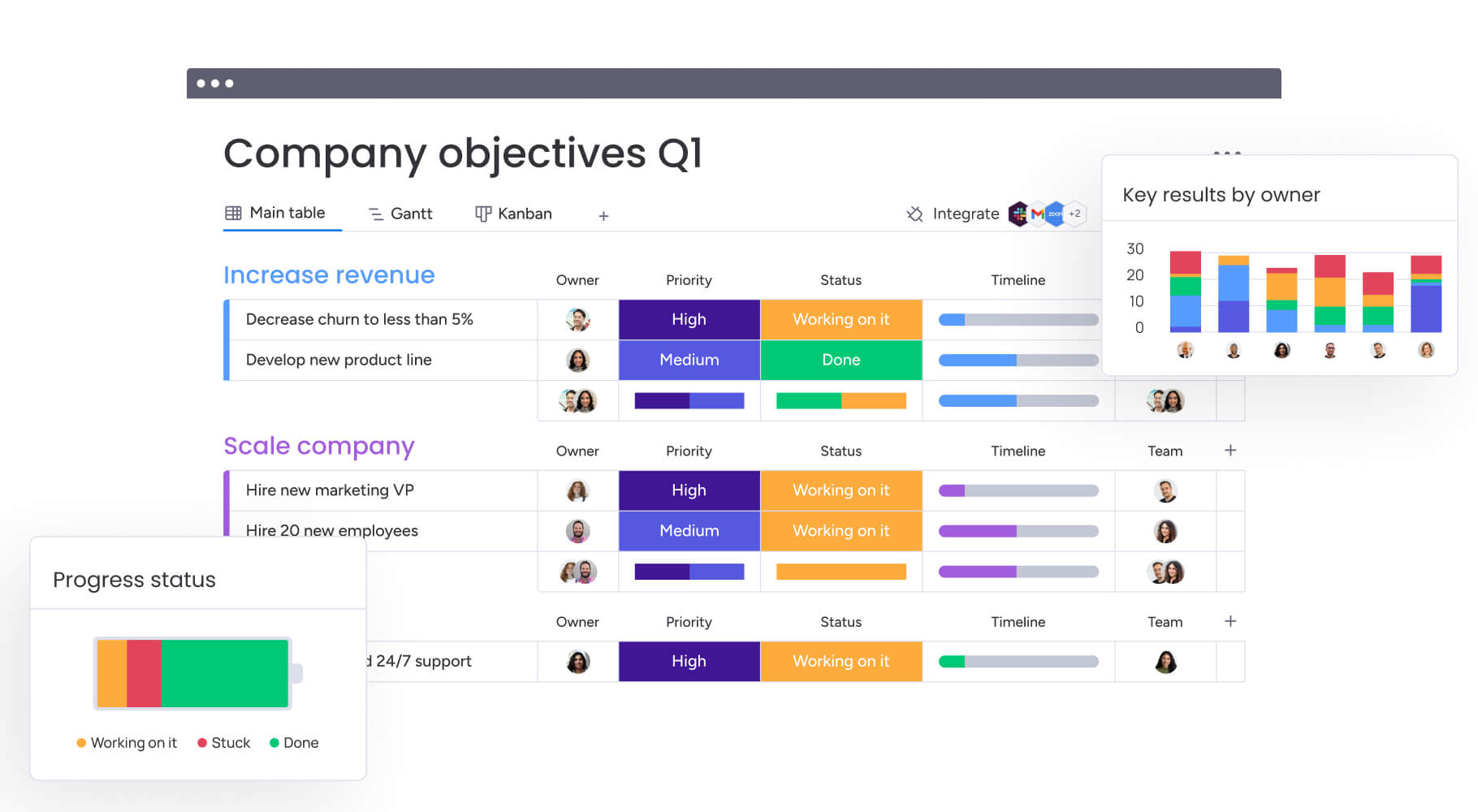
8 project charter best practices for success
High-performing teams set themselves apart by using project charters strategically, not just as templates. When crafted thoughtfully, charters align expectations, clarify objectives, and guide outcomes that support organizational goals.
Implementing these best practices increases the likelihood of project success from the outset.
- Keep it brief: Limit charters to five pages maximum. Longer documents risk drifting into detailed project planning rather than establishing clear direction.
- Be explicit about exclusions: Clarify what the project will not cover often provides more value than listing what it will.
- Involve the team: Include team members who will execute the work to capture critical insights during drafting.
- Use SMART objectives: Replace vague goals with specific, measurable, achievable, relevant, and time-bound targets.
- Secure real sign-off: Require formal approval, not just email acknowledgment, to ensure commitment from stakeholders.
- Treat it as a reference: Consult the charter during scope disputes, milestone reviews, or resource discussions to maintain alignment.
- Update via change control: Formally revise the charter when the project direction or priorities fundamentally shift.
- Focus on business value: Connect all activities to revenue, cost savings, efficiency gains, or strategic importance.
Project charters in Agile environments
Agile projects move fast, and priorities shift often. That flexibility is powerful, but without clear direction it can quickly turn into drift. That is why charters matter just as much, if not more, in Agile environments.
An Agile charter does not lock down every deliverable upfront. Instead, it clarifies the product vision, defines what “done” really means, and outlines how the team will operate. It sets expectations around value, constraints, and decision rights while leaving room for iteration.
For self-organizing teams, this structure acts as a guardrail. The charter anchors the work to clear success criteria and business outcomes. Backlogs and sprint plans handle the evolving details, but the broader purpose stays steady.
The result is controlled flexibility. Teams can experiment, reprioritize, and adapt, without losing sight of time, budget, or strategic intent.
Agile charters prioritize value delivery over task completion. Teams iterate and adapt while remaining aligned with organizational objectives.
Turning your project charter into a living document
Many project charters are written, approved, and quietly archived. The team moves into execution, and the document that defined scope and authority is no longer part of daily work.
That disconnect is where alignment starts to fade.
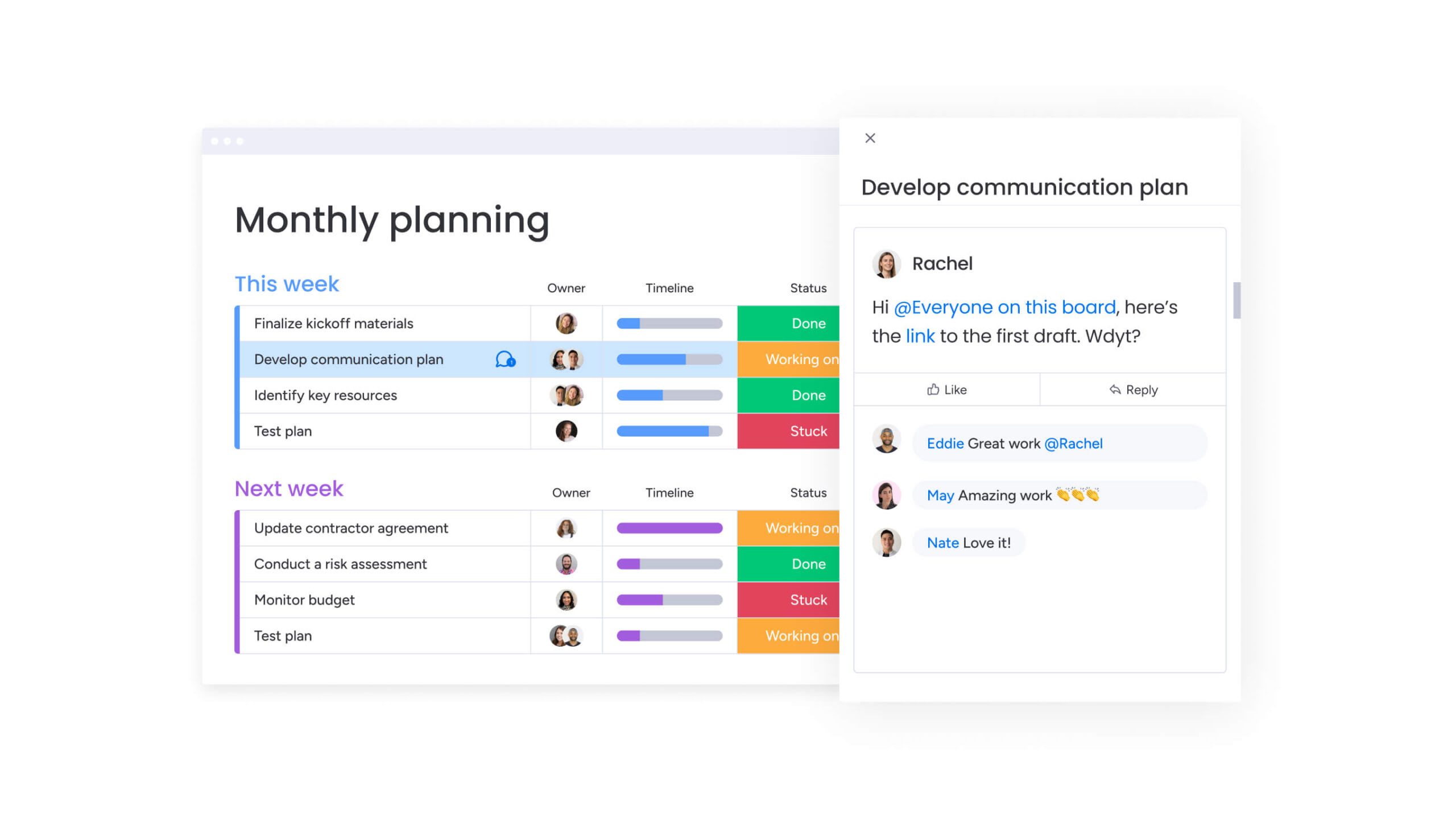
Modern work management platforms change that dynamic. Instead of existing as a static file, the charter becomes embedded in the same digital workspace where planning and delivery happen.
For example, on monday work management, teams can draft charters in Docs directly alongside project boards, so the original objectives, scope boundaries, and success criteria stay visible as work progresses.
Use AI to draft and refine faster
Creating a strong charter takes time. Reviewing it takes more. AI capabilities within a great work management platform reduce that effort while improving clarity.
- AI content support: Summarize and Extract Info blocks turn raw meeting notes into structured charter sections.
- Automated risk suggestions: AI analyzes scope descriptions and surfaces potential risks based on patterns across similar projects.
- Smart workflow generation: Approved deliverables convert into trackable items, reducing manual setup.
Instead of starting from a blank page, teams start from structured insight.
Collaborate without version chaos
Charters often require input from sponsors, project managers, finance, and subject matter experts. Email threads and conflicting document versions slow that process down.
A shared workspace removes that friction.
- Real-time editing: Multiple stakeholders contribute and refine the charter simultaneously.
- Contextual feedback: Comments tied to specific sections keep discussions focused and actionable.
- Embedded approvals: Sponsors can formally approve the charter within the platform, triggering the next project phase.
Approval becomes part of the workflow, not a side conversation.
Connect authorization directly to execution
The real value appears when charter decisions flow directly into project infrastructure.
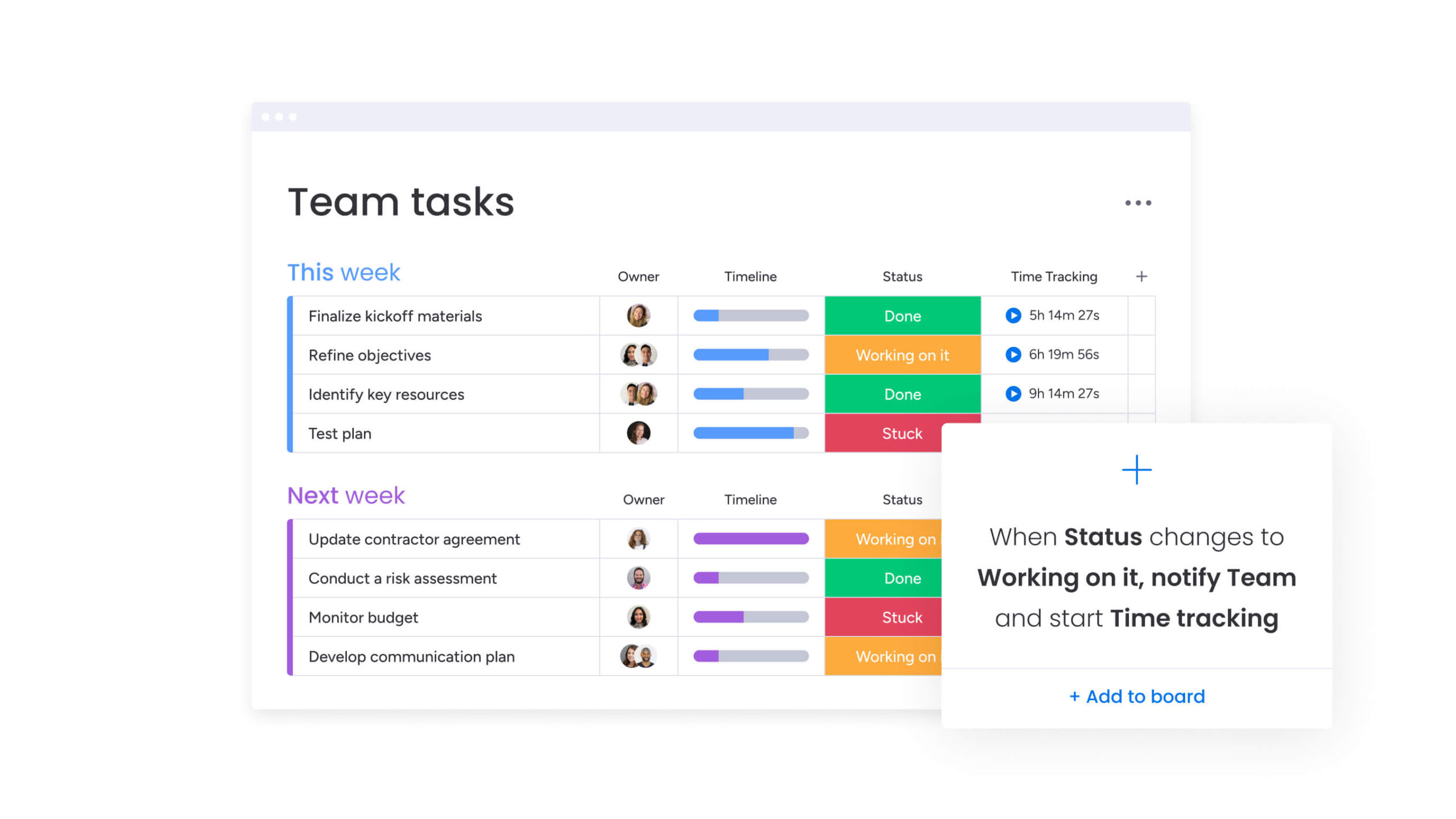
- Scope to board conversion: Defined deliverables become trackable items on project boards.
- Role mapping: Stakeholders link to team member profiles with appropriate permissions.
- Resource tracking: Budget and allocation details feed into workload views, highlighting conflicts early.
For PMOs managing multiple initiatives, this integration provides portfolio-level visibility. Leaders can see which charters are approved, which are pending, and how resources are distributed before work even begins.
Build stronger project foundations with charter-driven execution
A project charter is where alignment becomes commitment.
It forces clarity before resources are spent. It defines boundaries before scope creep takes hold. It sets measurable outcomes before execution begins. When those fundamentals are agreed upfront, decisions move faster and fewer surprises derail progress.
Strong charters do more than document intent. They give project managers authority, give stakeholders visibility, and give teams a shared reference point when priorities shift.
Today, that clarity does not need to live in a forgotten file. With platforms like monday work management, charters sit alongside boards, timelines, and dashboards: they evolve with the project, connect directly to execution, and stay visible long after kickoff.
When the foundation is clear and connected to the work itself, delivery becomes far more predictable. And that is where real project momentum begins.
Try monday work managementFrequently asked questions
What's the difference between a project charter and project plan?
A project charter authorizes the project and defines high-level scope, while a project plan details specific workflows, schedules, and resource assignments for execution.
Can a project charter change after approval?
Yes, major changes to scope, budget, or timeline should trigger a charter revision and re-approval to maintain stakeholder alignment.
Who is responsible for creating the project charter?
The project manager typically drafts the charter with stakeholder input, while the project sponsor provides final authorization.
How detailed should a project charter be?
A charter should remain high-level enough to accommodate minor adjustments but specific enough to define boundaries and success metrics.
Do Agile teams need project charters?
Yes, Agile teams still need project charters.
Agile keeps scope flexible, but it does not replace alignment. A charter defines the vision, success criteria, constraints, and decision authority before sprint work begins.
Backlogs and iterations manage the details. The charter ensures the team is building the right thing for the right reason.
What happens after the project charter gets approved?
After approval, the project moves into planning phase where the team assembles, secures resources, and creates the detailed project plan.

 Get started