

A marketing team launches what seems like a perfectly planned campaign. Three weeks later, the creative brief is missing, the budget is overspent due to untracked vendor costs, and several deliverables miss their deadlines.
Unfortunately, this scenario is common when campaigns are built from scratch every time, missing the opportunity to rely on proven processes.
Marketing campaign templates address this challenge. They provide a clear path from strategy to execution, removing guesswork while keeping timelines, budgets, approvals, and performance metrics organized.
This informative guide presents a variety of powerful campaign templates that actually work, the essential components each template needs, and how AI can turn static plans into dynamic workflows. It also explains how to select templates that match team capabilities, streamline execution, and transform marketing operations into systematic, measurable results.
Key takeaways
- Marketing campaign templates streamline execution: They provide a repeatable blueprint that aligns strategy, timelines, budgets, and approvals for consistent results.
- High-performing templates include 8 essential components: Strategic goals, target audience, budget planning, campaign timeline, content strategy, performance tracking, approval processes, and risk management.
- Different campaign types require tailored templates: Product launches, email marketing, social media, content, digital, events, influencer, ABM, brand awareness, and integrated campaigns each have unique workflow needs.
- AI enhances template efficiency and insight: From automated brief generation and audience segmentation to dynamic budget optimization and real-time performance monitoring.
- monday work management transforms templates into dynamic workflows: Enabling real-time updates, cross-team collaboration, automation, and centralized visibility across campaigns.
What are marketing campaign templates?

Marketing campaign templates help teams plan, execute, and track campaigns from start to finish. They act as blueprints that capture timelines, budgets, approval workflows, and performance metrics in a single view. Unlike basic checklists, these templates create repeatable systems that allow teams to move quickly without missing essential steps.
The value of templates lies in standardization that still allows flexibility. They provide a proven starting point that can be adapted for different campaign types, audiences, and objectives. Templates also capture past successes, highlight what did not work, and identify the processes that keep projects on track.
Marketing campaign planning frameworks
Strong templates connect every tactical decision to business outcomes. Without this structure, teams may focus on completing tasks rather than achieving results. Proven frameworks help shape effective templates in these ways:
- SOSTAC integration: Templates built on the SOSTAC model (Situation, Objectives, Strategy, Tactics, Action, Control) include sections for market analysis and KPI definition before any marketing strategy work begins. This ensures teams understand the “why” before moving to the “how.”
- RACE framework application: Digital campaigns benefit from templates organized around Reach, Act, Convert, and Engage stages. Each phase has its own workflow, ensuring no steps are missed from awareness to retention.
- Agile marketing principles: Templates incorporating sprints and iteration cycles help teams adapt based on feedback. Flexible structures replace rigid timelines and adjust to changing market needs.
From static documents to dynamic workflows
Static templates in spreadsheets often create a whole host of challenges. Once a file is downloaded, it can quickly go out of sync. Version conflicts arise, status updates become guesswork, and leadership loses visibility.
Dynamic workflows resolve these issues. Templates update in real time, and changes in dates or dependencies adjust automatically. Stakeholders can work directly on each deliverable rather than relying on email threads.
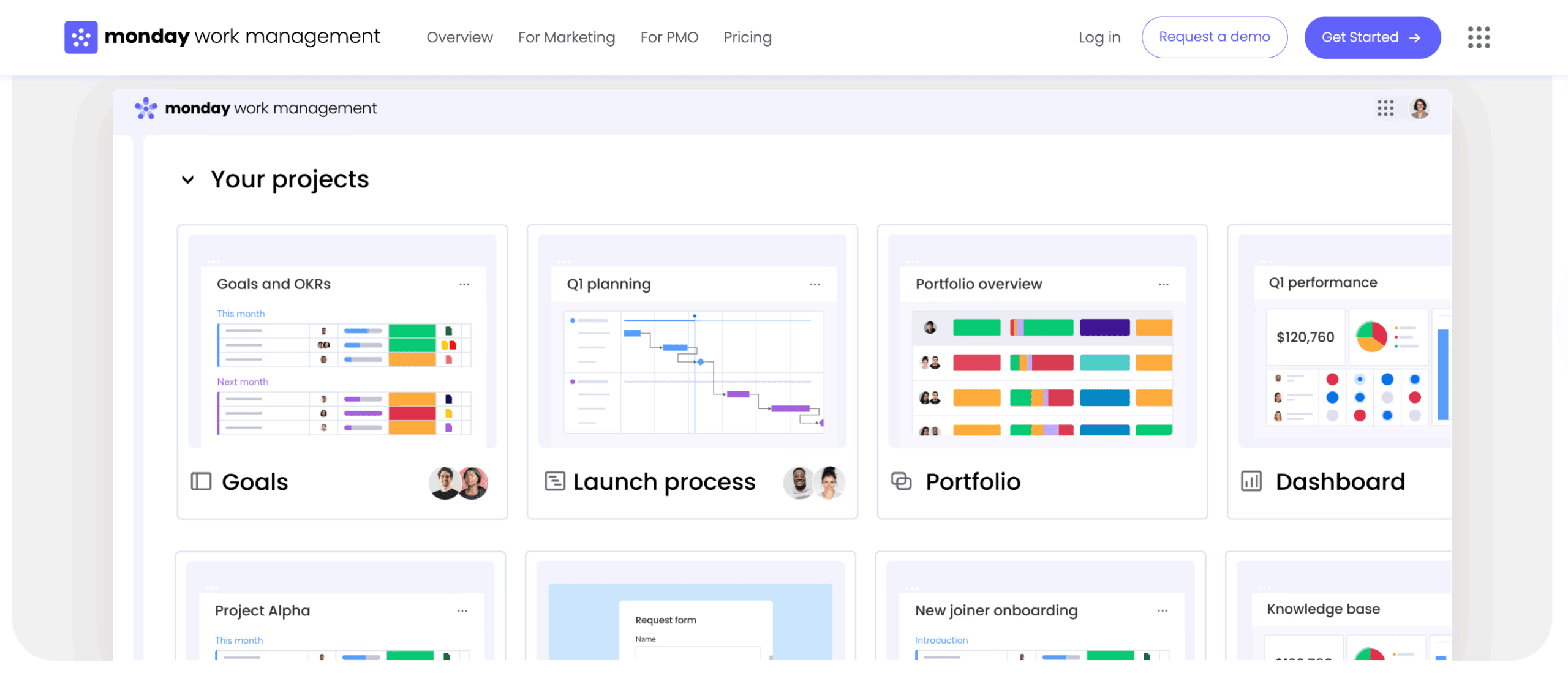
Modern platforms even provide multiple views of campaign progress — Gantt charts for executive timelines, Kanban boards for creative workflows, and calendars for publishing schedules. Templates then drive work forward instead of simply tracking completion.

Strong marketing campaign templates are not just task lists. They are structured systems that connect strategy, execution, and measurement in one flow. The difference between a template that simply tracks work and one that drives results comes down to the core elements built into it from the start.
The table below outlines the essential components every high-performing campaign template should include. Together, these elements ensure your campaign is aligned with business goals, financially controlled, operationally coordinated, and measurable from day one.
| Component | Primary function | Key outcome |
|---|---|---|
| Strategic goals | Define the "why" before tactics | Measurable success criteria |
| Target audience | Capture who the campaign serves | Aligned messaging and creative |
| Budget planning | Track estimated vs. actual spend | Financial governance |
| Campaign timeline | Map dependencies and milestones | Synchronized cross-functional teams |
| Content strategy | Orchestrate multi-channel messaging | Consistent brand experience |
| Performance tracking | Define KPIs and measurement methods | Data-driven optimization |
| Approval processes | Establish governance and RACI | Reduced bottlenecks |
| Risk management | Identify threats and mitigation plans | Proactive problem-solving |
Strategic goals and campaign objectives
Every effective campaign starts with clarity. Before timelines, channels, or creative concepts are defined, your template should anchor the work to a clear business outcome.
Strong templates separate long-term strategic goals from short-term campaign objectives. For example, a broader goal might be increasing market share in EMEA, while the campaign objective could focus on generating 500 MQLs by Q3. That distinction matters. It ensures daily execution ladders up to meaningful impact.
Using frameworks like SMART goals within your template forces alignment early. Success metrics are defined before tactics are selected, so teams are not measuring activity. They are measuring outcomes.
Target audience definition and buyer personas
Templates systematically capture the campaign’s intended audience. Standardized research ensures teams define:
- Primary and secondary personas: Identify the main audience segments.
- Segmentation criteria and pain points: Understand challenges and needs.
- Messaging pillars for each segment: Align content with audience priorities.
Target audience definition and buyer personas systematically capture your campaign’s intended recipients.
Budget planning and resource management
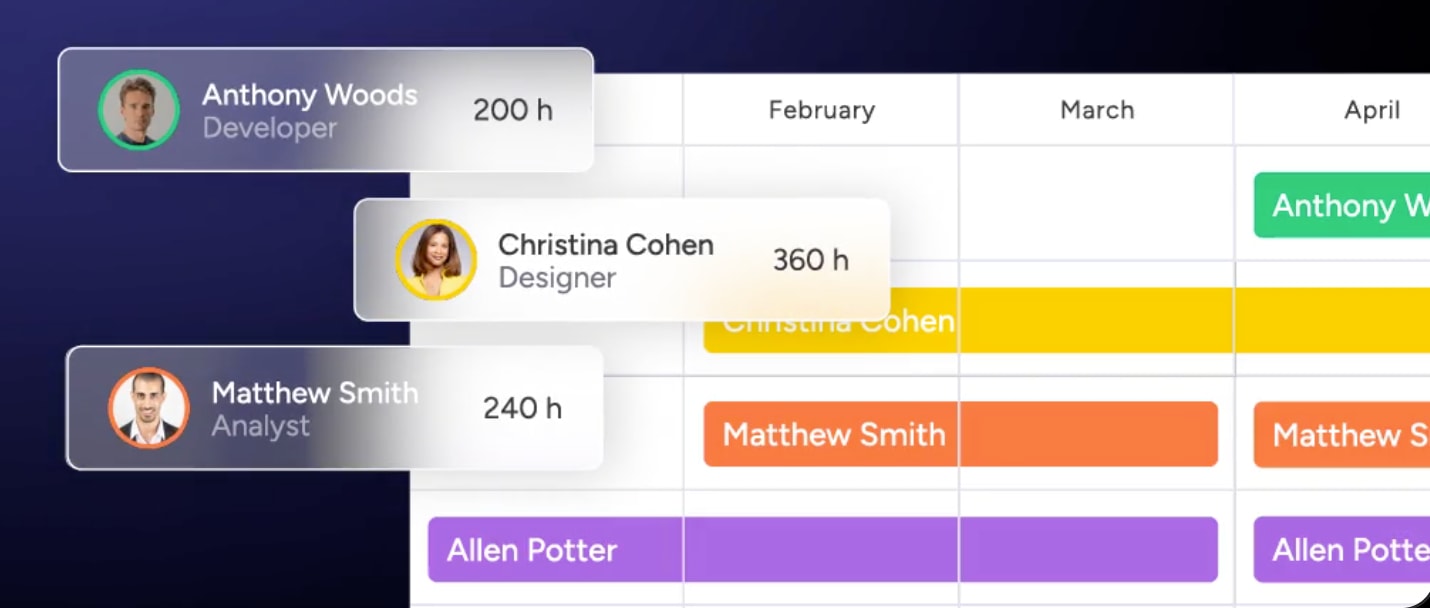
Budget planning and resource management embed financial discipline into campaign workflows. Teams can track estimated versus actual spend across media, agency fees, and production costs. Resource allocation also maps team availability against campaign needs, helping prevent burnout and capacity bottlenecks.
Campaign timeline and key milestones
Campaign timelines and milestones organize the critical path through execution. Dependencies between activities ensure copy approval occurs before design begins. Templates include checkpoints for:
- Stakeholder reviews: Structured opportunities for feedback.
- Launch readiness checks: Confirmation that all assets are prepared.
- Mid-campaign optimization windows: Scheduled intervals to refine performance.
Multi-channel content strategy
Multi-channel content strategy orchestrates consistent messaging across touchpoints. Define content strategy requirements for each channel while maintaining unified tone and visual identity. They outline asset formats, distribution schedules, and channel-specific adaptations.
Performance tracking and success metrics
Performance tracking and success metrics integrate measurement from the start. Defining KPIs upfront links objectives to reporting, enabling automated data collection. This ensures teams can monitor progress continuously and evaluate campaign effectiveness accurately.
Team collaboration and approval processes
Team collaboration and approval processes clarify roles and responsibilities. A RACI matrix ensures that stakeholders review work at the right time, preventing delays. Templates document ownership for creative approvals and budget releases, keeping projects on schedule.
Risk management and contingency planning
Risk management and contingency planning help teams anticipate potential challenges, such as platform changes, competitor actions, or resource shortages.
Try monday work managementEvery effective campaign starts with clarity. Before timelines, channels, or creative concepts are defined, your template should anchor the work to a clear business outcome.
10 types of marketing campaign templates for maximum impact
Not all campaigns are built the same, and your templates should reflect that. A product launch has different pressures than an influencer activation. An ABM program runs on a different cadence than a brand awareness push.
While the core building blocks stay consistent, the structure around them should adapt to the goal, audience, and channels involved. Choosing the right template gives your team clarity from day one and sets the tone for smoother execution.
Below are ten marketing campaign templates designed to match the most common campaign types and help you execute each one with confidence.
1. Product launch campaign templates
Product launches templates coordinate product, sales, marketing, and support teams tightly. Multi-phase structures cover:
- Pre-launch buzz building: Early engagement and anticipation strategies.
- Launch day execution: Synchronized actions across teams.
- Post-launch sustainment: Ongoing promotion and follow-up support.
These templates emphasize cross-functional dependencies, ensuring marketing messages, sales enablement, and support resources remain aligned.
2. Email marketing campaign templates
Email templates prioritize segmentation, automation, and deliverability. Workflows are structured around list hygiene, A/B testing, and sequence timing. Key features include:
- Subject line testing protocols: Strategies to optimize open rates.
- Mobile responsiveness checks: Ensuring messages display correctly.
- Dynamic content rules: Personalized messaging for each audience segment.
3. Social media campaign templates
Social templates support high-volume, rapid-content cadence across platforms. They structure content calendars for LinkedIn, Instagram, X, and others, maintaining narrative cohesion. Guidelines for engagement and escalation manage audience interactions efficiently.
4. Content marketing campaign templates
Content templates focus on long-term asset creation, such as whitepapers, e-books, and video series. They define editorial workflows from ideation to distribution. Repurposing strategies ensure a single asset generates multiple content outputs, extending value over time.
5. Digital marketing campaign templates
Digital templates integrate paid and organic marketing efforts. They align PPC strategies with SEO and landing page optimization. Technical setup is covered in detail, including:
- Tracking pixels: Monitoring audience behavior.
- UTM parameters: Capturing source and campaign data.
- Conversion event configuration: Ensuring proper measurement of outcomes.
6. Event and webinar campaign templates
Event templates combine complex logistics with promotional strategy. They guide registration campaigns, speaker coordination, live production, and post-event follow-up. Physical or virtual event requirements sync seamlessly with attendee communications to ensure smooth execution.
7. Influencer marketing campaign templates
These templates emphasize relationship management and content collaboration. They standardize influencer identification, outreach, contract negotiation, and content approvals. FTC compliance checks and unique tracking codes allow teams to monitor influencer performance accurately.
8. Account-based marketing templates
ABM templates invert traditional funnels by targeting high-value accounts. They structure personalized outreach for specific companies and align marketing coverage with direct sales engagement. Templates focus on:
- Personalization tokens: Creating tailored messaging for each account.
- Direct mail logistics: Coordinating physical materials efficiently.
- Account intelligence gathering: Collecting insights to inform outreach strategies.
9. Brand awareness campaign templates
These templates prioritize reach, sentiment, and share of voice over immediate conversions. They organize media buys, PR activations, and brand partnerships. Maintaining consistent visual identity and core values across channels builds long-term brand equity.
10. Integrated marketing campaign templates
The most advanced templates manage multiple sub-campaigns at once. They align PR, digital, field marketing, and internal communications around unified messaging. Cross-channel timing ensures maximum market impact and coordinated execution.
Top reasons templates outperform starting from scratch
Rebuilding campaign plans each time wastes effort and introduces risk. Templates provide stability, allowing creativity to thrive while maintaining consistency and quality.
Understanding the benefits outlined below helps justify the investment in robust template systems.
Accelerate campaign launch times
Templates reduce ramp-up periods for new initiatives. Teams move from strategy to execution in hours rather than days, skipping the need to create plans, timelines, and deliverables from scratch. This speed advantage allows faster responses to market opportunities and competitor moves.
Maintain brand and message consistency
Standardized templates act as brand guardrails. Built-in guidelines, review steps, and asset specifications ensure every deliverable meets quality standards. This prevents brand dilution even under tight deadlines.
Leverage proven campaign structures
Templates codify successful tactics. Effective methods become repeatable, and mistakes become opportunities for improvement. Each campaign builds on prior successes, enabling continuous optimization.
Improve cross-functional alignment
Shared templates create a common language across teams. Marketing, sales, and product teams understand roles and timelines through familiar structures. Visibility reduces friction and fosters collective ownership.
Enable data-driven optimization
Consistent templates generate comparable data. Following the same framework across campaigns allows teams to track trends, isolate variables, and optimize strategies using reliable benchmarks.
Try monday work managementHow to choose the perfect marketing campaign template
Selecting the right template balances campaign complexity with team capabilities. The ideal template guides work without constraining agility. Consider these key factors to ensure templates fit your organizational needs and objectives:
Align templates with business goals
Your template structure should reflect organizational priorities. Lead generation objectives require stages for capture, scoring, and handoff. Brand awareness goals emphasize reach, frequency, and creative consistency checks.
Assess your team’s capabilities and resources
Complex templates can overwhelm small teams, while minimal checklists create chaos in larger organizations. Match template complexity to operational maturity, giving enough structure without administrative burden.
Evaluate technology stack compatibility
Templates should integrate seamlessly with existing systems, including:
- Project management platforms: To coordinate tasks efficiently.
- CRMs and marketing automation systems: To maintain accurate data flow.
- Content repositories and analytics tools: To centralize assets and insights.
Templates that require manual transfers between incompatible platforms introduce risk.
Plan for future growth and scalability
Choose flexible template architectures that accommodate more channels, larger budgets, and longer approval chains as your organization grows. Scalable templates prevent constant rebuilds and support sustainable operations.
7 ways AI transforms marketing campaign templates
AI is changing what marketing templates can actually do. Instead of sitting quietly in the background as planning documents, they can now think, adapt, and respond in real time.
With AI built into your workflows, templates move beyond structure and become active contributors. They surface insights, automate repetitive steps, flag risks early, and help your team make smarter decisions faster. What used to be manual coordination turns into intelligent, responsive execution that keeps campaigns moving forward.
Automated campaign brief generation
AI uses historical data and strategic inputs to draft comprehensive briefs instantly. It suggests objectives based on prior performance and outlines key deliverables. Teams avoid blank-page delays and start campaigns with data-driven foundations.
Intelligent audience segmentation
Machine learning identifies high-potential micro-segments that manual analysis may miss. AI recommends targeting parameters and persona clusters, enabling hyper-personalized campaigns at scale.
Dynamic budget optimization
AI monitors spend and performance continuously. Templates suggest reallocating budgets to improve ROI, flag underperforming ad sets, and shift resources toward high-performing creatives.
Content performance prediction
AI evaluates creative assets before launch against historical data. It predicts engagement for headlines, visuals, and calls-to-action, allowing optimization during the template phase.
Automated workflow triggers
AI tracks deliverable status and triggers next steps automatically. When design is complete, copywriters are notified, and dependent timelines adjust when deadlines shift. Templates stay on track without manual intervention.
Real-time campaign health monitoring
AI scans metrics continuously for anomalies and trends. It alerts teams to conversion rate drops or CPM spikes immediately within template dashboards, enabling instant response rather than post-campaign discovery.
AI-powered reporting and insights
Campaign completion triggers AI-generated performance reports that aggregate data from all sources. AI identifies key success drivers and suggests template enhancements, creating continuous learning loops that optimize future campaigns.
Building marketing campaign templates that scale across teams
As your organization grows, your templates need to grow with it. What works for one team can quickly break down when multiple regions, departments, and stakeholders get involved.
Scaling templates is about more than copying and pasting a framework. It is about building connected systems that maintain consistency while allowing room for local adaptation. When done well, templates become shared operating standards that support flexibility without sacrificing control, quality, or speed.
Create connected workflows between departments
Scalable templates link workflows across functions. On monday work management, marketing campaign templates connect directly to sales pipelines and product roadmaps, giving leadership a unified view of cross-functional initiatives. Product launch date changes automatically update marketing timelines, maintaining alignment without manual communication.
Design flexible approval processes
Enterprise scalability requires adaptive governance. Templates feature dynamic approval paths — simple social posts need peer review while global campaigns trigger executive sign-offs. This flexibility ensures minor deliverables do not get delayed in major approval queues.
Implement live performance dashboards
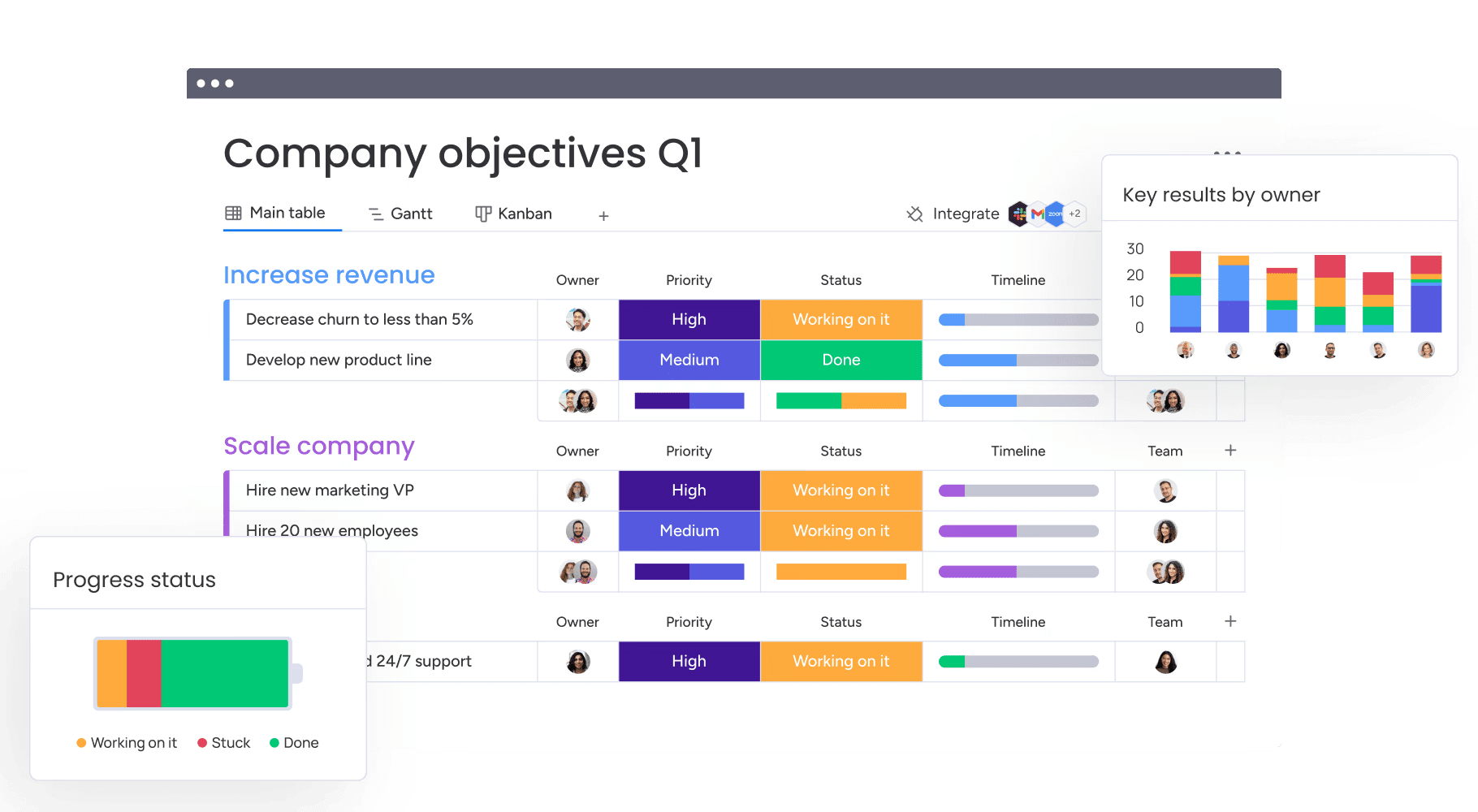
Visibility enables scale. Templates feed data into centralized dashboards providing leadership with real-time portfolio views. These dashboards aggregate status, budget, and impact across active campaigns, enabling resource decisions based on live data.
Dashboards on monday work management automatically consolidate project data, providing instant insights on budgets, goals, schedules, and resources.
Establish continuous improvement loops
Scalable systems learn continuously. Organizations create review cycles that analyze template performance. User feedback and performance metrics refine templates centrally, instantly applying improvements across all teams.
Try monday work management
Power scalable campaign execution with monday work management
monday work management elevates templates from static planning documents into centralized operating systems. The powerful platform provides the infrastructure to standardize processes, automate execution, and gain real-time visibility across your marketing organization.
Turn static templates into connected campaigns
The intelligent platform converts rigid plans into dynamic workflows. Teams visualize campaigns through multiple views powered by unified data. Updates reflect instantly everywhere, ensuring stakeholders from creative directors to CMOs see a single source of truth. Complex dependencies ensure launch date changes automatically adjust downstream deadlines.
Automate repetitive campaign activities
Robust automation reduces administrative burden. Custom recipes trigger actions based on status changes, dates, or form submissions. When creative briefs arrive via WorkForms by monday, the system assigns designers, sets due dates, and notifies project managers.
AI features further accelerate execution by summarizing briefs, generating sub-items, and suggesting updates.
Track campaign performance in real time
Planning and measurement integrate seamlessly. Dashboards pull live campaign data and external marketing metrics for a holistic view. Teams track budget burn, asset completion, and channel performance simultaneously. Real-time visibility enables proactive decisions without waiting for monthly reports.
Scale successful templates across your organization
As campaigns expand across teams and regions, consistency becomes critical. Centralized template libraries ensure proven frameworks are reused instead of rebuilt.
Global teams follow the same core structure while permissions and governance protect essential steps. Leadership gains unified portfolio visibility as campaign data rolls into shared reporting views.
The table below shows how connected work management capabilities elevate traditional templates into scalable systems.
| Feature | Traditional templates | monday work management |
|---|---|---|
| Template format | Static, disconnected documents (Excel, Word, PDF) | Dynamic, connected workflows that update in real time |
| Collaboration | Disconnected emails, chats, meetings | Contextual communication within deliverables |
| Progress tracking | Manual status updates and check-ins | Real-time, automated status visibility |
| Performance monitoring | Periodic, manually compiled reports | Live dashboards integrating multiple sources |
| Cross-team coordination | Siloed platforms and fragmented handoffs | Unified workspace with cross-board connection |
| Automation | Heavily reliant on manual input | AI-powered triggers and workflow automation |
| Scalability | "Save As" copies without version control | Centralized template library with governance |

“monday.com has been a life-changer. It gives us transparency, accountability, and a centralized place to manage projects across the globe".
Kendra Seier | Project Manager
“monday.com is the link that holds our business together — connecting our support office and stores with the visibility to move fast, stay consistent, and understand the impact on revenue.”
Duncan McHugh | Chief Operations OfficerFrom chaotic projects to repeatable campaign success
Great marketing should feel focused and creative, not chaotic. When every campaign begins with a blank page, teams waste energy rebuilding timelines, chasing approvals, and fixing avoidable gaps.
Marketing campaign templates bring clarity back into the process. They give your team a dependable structure, protect the critical steps, and make it easier to move from idea to launch without unnecessary friction. Everyone understands what needs to happen, who owns it, and how success will be measured.
As templates evolve into connected workflows, they stop being static documents and start becoming part of how your team operates. You learn from each campaign, refine your approach, and improve performance over time instead of repeating the same missteps.
That consistency adds up. Campaigns launch faster, collaboration feels smoother, and results become more predictable. Marketing shifts from reactive scrambling to confident execution.
Try monday work managementFrequently asked questions
How do I customize a marketing campaign template for my industry?
Customizing a template requires adjusting terminology, compliance steps, and channel mix for your sector. Highly regulated industries like finance or healthcare add legal review stages, while retail expands merchandising and inventory coordination sections.
What's the difference between a marketing plan template and a campaign template?
A marketing plan template outlines high-level strategy, budget, and goals for extended periods like quarters or years. Campaign templates provide tactical execution roadmaps for specific initiatives with defined start and end dates, derived from broader marketing plans.
Can marketing campaign templates work for small businesses?
Marketing campaign templates are highly effective for small businesses because they replace the need for large operations teams. Templates provide structure and process discipline of larger organizations, allowing small teams to execute complex campaigns efficiently without reinventing workflows.
How often should I update my campaign templates?
Campaign templates should be reviewed after every major campaign or quarterly at minimum. This cadence allows teams to incorporate lessons learned, adjust for new channels or technologies, and remove steps that no longer add value.
Which marketing automation platforms work best with campaign templates?
The best platforms offer open APIs and deep integration capabilities, allowing data to flow freely between planning templates and execution platforms. Compatibility with major CRMs, email marketing platforms, and analytics platforms ensures seamless workflows.
What makes monday work management effective for managing marketing campaign templates?
monday work management combines visual project management with enterprise-grade automation and cross-functional connectivity. Unlike rigid project platforms, it offers flexibility to build custom workflows mirroring your exact process while providing scalability and security required by large organizations.

 Get started