


Think of market research as your business’s radar, scanning the horizon for opportunities and threats. Without it, you’re navigating by gut feel, which is a risky strategy when a single wrong turn can set you back months. Market research gives you a clear signal, allowing you to pivot with confidence, launch products that land, and build a strategy that anticipates market shifts instead of just reacting to them.
This guide covers the essential types of market research, practical methods for gathering insights that matter, and a 7-step framework for research that influences decisions. You’ll learn how to balance qualitative and quantitative approaches, use AI to speed up analysis, and build research processes that keep you ahead of market shifts.
Try monday.comKey takeaways
- Define specific research objectives before collecting data: Ask precise business questions like “which pricing tier maximizes enterprise revenue” instead of vague goals like “learn about customers.”
- Combine quantitative data with qualitative insights for complete understanding: Numbers tell you what’s happening, but customer interviews and focus groups reveal why it’s happening.
- Transform research into a scalable business process with monday.com: Unify your entire research lifecycle from data collection to insight distribution, so your findings reach decision-makers quickly and drive measurable impact.
- Balance primary research with secondary sources to maximize ROI: Use existing industry reports for market context, then conduct original research only for specific questions that can’t be answered elsewhere.
- Automate data collection and analysis to focus on strategy: AI-powered platforms handle heavy lifting like pattern recognition and real-time monitoring, freeing teams to concentrate on turning insights into competitive advantages.
What is market research and why does it drive business success?
Market research is the systematic process of gathering, analyzing, and interpreting information about your target market, customers, and competitors. It connects the dots between what’s happening in your business and why it’s happening.
Effective market research answers specific strategic questions: Will this feature drive adoption? Why are we losing market share in this region? How can we adjust our pricing model?
The best research combines quantitative data with qualitative insights, meaning you get the numbers plus the story behind them.
For product teams, this means pairing usage analytics with user interviews. For sales directors, it means merging CRM data with win/loss analysis surveys to understand the complete picture.
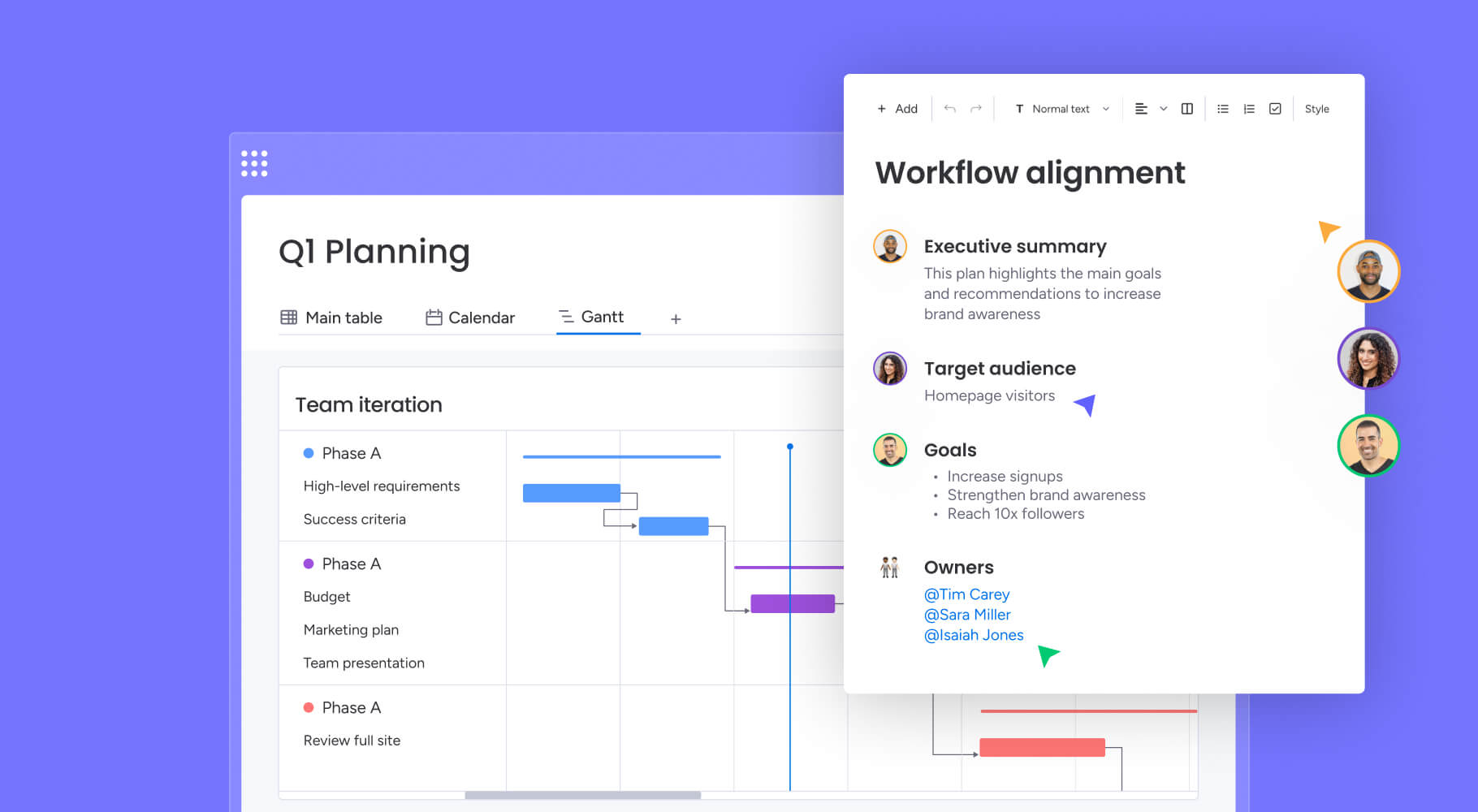
5 key benefits of strategic market research
Strategic market research creates real value across your organization. These benefits make it easier to justify research investments and get teams working from the same data. Here’s where research adds value to your business:
- Risk reduction: Test concepts with small user groups before committing capital. Validating a prototype ensures that you’re investing products customers are genuinely excited to use.
- Competitive advantage: Continuous monitoring through competitive analysis reveals competitor weaknesses and market gaps. Organizations that spot emerging trends early can pivot faster than rivals.
- Customer retention: Understanding satisfaction drivers lets you address friction points proactively. Retaining existing clients through targeted improvements costs far less than acquiring new ones.
- Revenue growth: Data-driven segmentation identifies high-value prospects and optimizes pricing strategies. Research points marketing budgets toward audiences that are most likely to convert.
- Strategic alignment: Shared insights create a single source of truth through effective marketing management. When sales, marketing, and product teams work from the same data, internal friction decreases and execution speed increases.
Essential types of market research for business growth
Not all market research serves the same purpose. The methodology you choose should directly connect to the business question you’re trying to answer. Here’s how to match research types to your specific business objectives.
Market research categories by business objective
Knowing which research type fits your strategic need helps you spend resources wisely. Each category does something different:
- Brand research: Measures awareness, perception, and equity to inform creative strategy. This is critical for understanding how the market views your organization compared to competitors, especially during rebranding or reputation management efforts.
- Product development research: Focuses on feature prioritization, usability testing, and concept validation. This ensures that engineering resources focus on building solutions that solve actual user problems.
- Customer satisfaction research: Tracks Net Promoter Score, Customer Satisfaction scores, and churn drivers. It provides the feedback loop necessary for customer success teams to improve service delivery.
- Market segmentation research: Divides the broad market into distinct groups based on demographics, psychographics, and behavior to define target audiences. It allows marketing teams to tailor messaging for higher conversion rates.
Industry-specific research strategies
The fundamentals stay the same, but how you apply them changes by sector. Each industry has developed specialized approaches based on unique challenges and customer behaviors.
- Technology companies prioritize beta testing and user experience research, with research cycles often aligning with two-week agile sprints. Speed is critical in this sector.
- Retail focuses heavily on pricing sensitivity, shopper behavior, and trend forecasting. Observational research and point-of-sale data analysis dominate their approach.
- Healthcare relies on patient outcomes and provider sentiment, navigating strict compliance requirements. Research must follow HIPAA and GDPR guidelines, often involving long-term longitudinal studies.
- Financial services centers on trust, security perception, and lifetime value analysis. Research explores complex decision-making processes regarding investments and insurance products.
Primary vs. secondary market research methods
Smart decision-making means balancing new research with existing data. Primary research generates new data to answer your specific questions, while secondary research leverages existing data for context and baseline understanding. Knowing when to use each approach gets you the most from your research budget.
| Aspect | Primary research | Secondary research |
|---|---|---|
| Source | Original data you collect | Existing third-party data |
| Cost | High (requires dedicated resources) | Low to medium |
| Time | Weeks to months | Immediate to days |
| Specificity | Highly specific to your problem | Broad market context |
| Best for | Validating specific hypotheses | Market sizing and trend analysis |
Primary research
Primary research becomes necessary when the answers you need don’t exist anywhere else. It’s the only way to understand how customers react to your specific product or brand.
You need primary research for:
- New product validation: Testing unique feature sets where general industry reports can’t predict user adoption
- Brand perception audits: Understanding exactly what customers think of your specific brand
- Customer experience mapping: Identifying friction points in your specific sales funnel
- Niche market analysis: Targeting highly specialized segments where no commercial reports exist
Secondary research
Secondary research gives you the big-picture context you need to frame business decisions. It’s where most strategic projects start. These sources give you solid baseline data:
- Industry reports: Publications from firms like Gartner or Forrester provide high-level trend analysis and market forecasts
- Government data: Census bureaus and labor departments offer reliable demographic and economic statistics
- Competitor filings: Annual reports from publicly traded companies reveal strategic priorities and financial health
- Academic journals: Peer-reviewed studies offer deep dives into behavioral psychology and economic theory
Combine primary and secondary research for complete market intelligence
The best strategies use secondary research to map the landscape and primary research to navigate it. Combining both methods helps you avoid blind spots.
For example, you might use secondary research to identify a growing market demographic (market sizing), then conduct primary focus groups to understand that demographic’s specific needs for your business development plan. This way, you reserve your primary research budget for questions that require original, targeted insights.
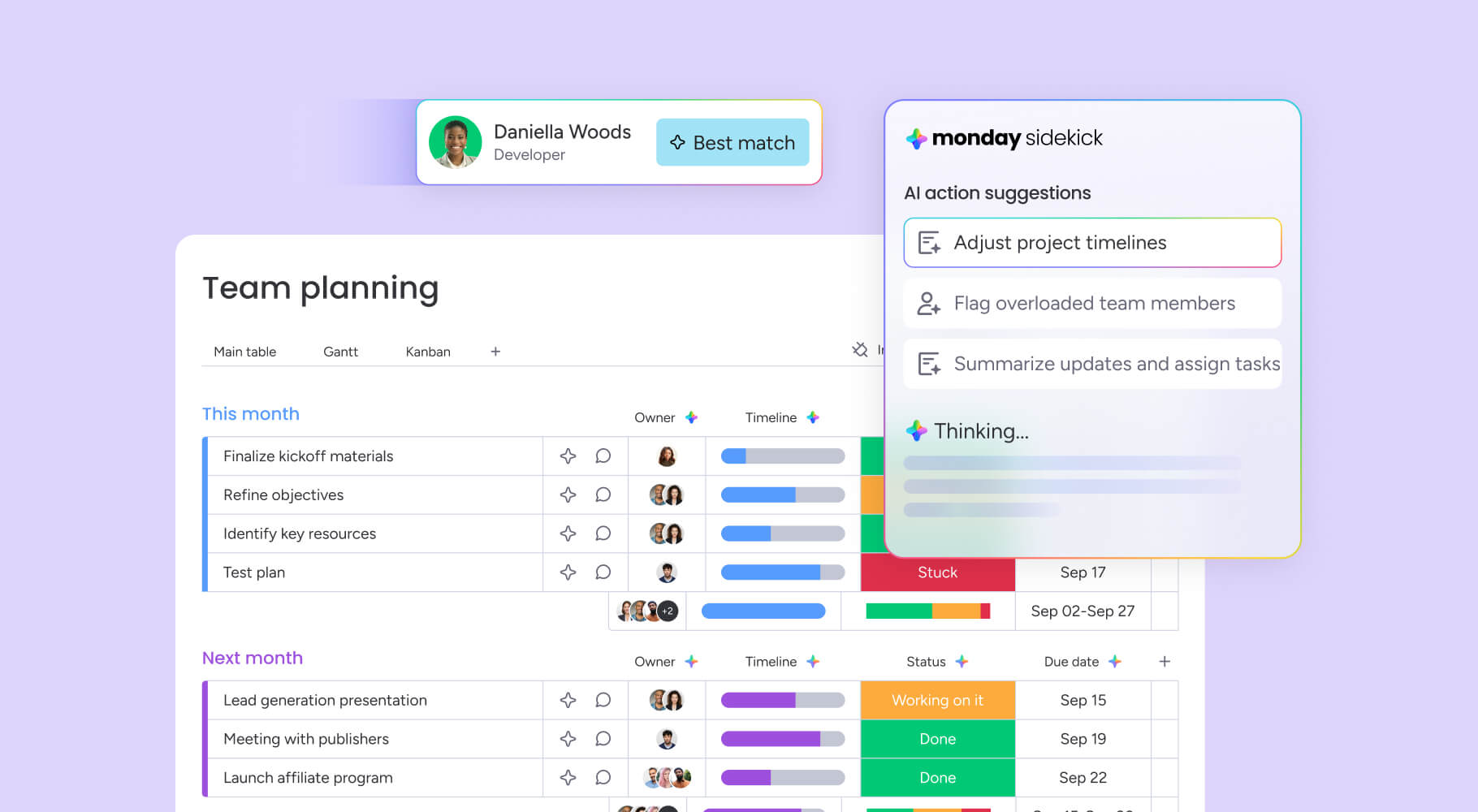
Qualitative vs. quantitative market research techniques
Quantitative research tells you what is happening; qualitative research tells you why. Business leaders need both to decide with confidence. Numbers alone miss why people actually do things, but stories alone might lead you to base decisions on outliers.
| Dimension | Qualitative research | Quantitative research |
|---|---|---|
| Data type | Unstructured data (text, audio, video) | Structured data (numbers, statistics) |
| Sample size | Small (typically 10–50 participants) | Large (typically 100–1,000+ participants) |
| Analysis | Thematic analysis and sentiment interpretation | Statistical analysis and correlation modeling |
| Outcome | Deep understanding of motivations and behaviours | Statistically significant validation of trends |
Qualitative methods that uncover customer motivations
Qualitative methods dig into the nuances of human behavior. These approaches show you why customers decide what they do and help teams understand their audience better:
- In-depth interviews: Best for complex B2B buying journeys. These are one-on-one sessions that probe deep into customer pain points and decision-making processes.
- Focus groups: Best for testing creative concepts or messaging. These are moderated discussions with small groups that reveal group dynamics and social influences on perception.
- Ethnographic observation: Best for uncovering unarticulated needs and friction points. This involves watching users interact with products in their natural environment to spot usage workarounds users might not mention in surveys.
- Diary studies: Best for understanding the complete user journey over time. Participants record experiences as they happen, capturing emotional highs and lows in real-time.
Quantitative approaches for measurable market insights
Quantitative methods give you the statistical confidence to scale decisions. These approaches answer “how many” and “how often” questions with precision:
- Surveys and questionnaires: Standardized questions distributed to large samples measure the prevalence of opinions or behaviors across populations.
- Web analytics: Tracking user behavior on digital platforms provides hard data on conversion rates, bounce rates, and user flow.
- Market sizing models: Statistical data estimates Total Addressable Market, informing revenue projections and investment limits.
- A/B testing: Comparing two variables determines which performs statistically better — the gold standard for optimizing digital experiences.
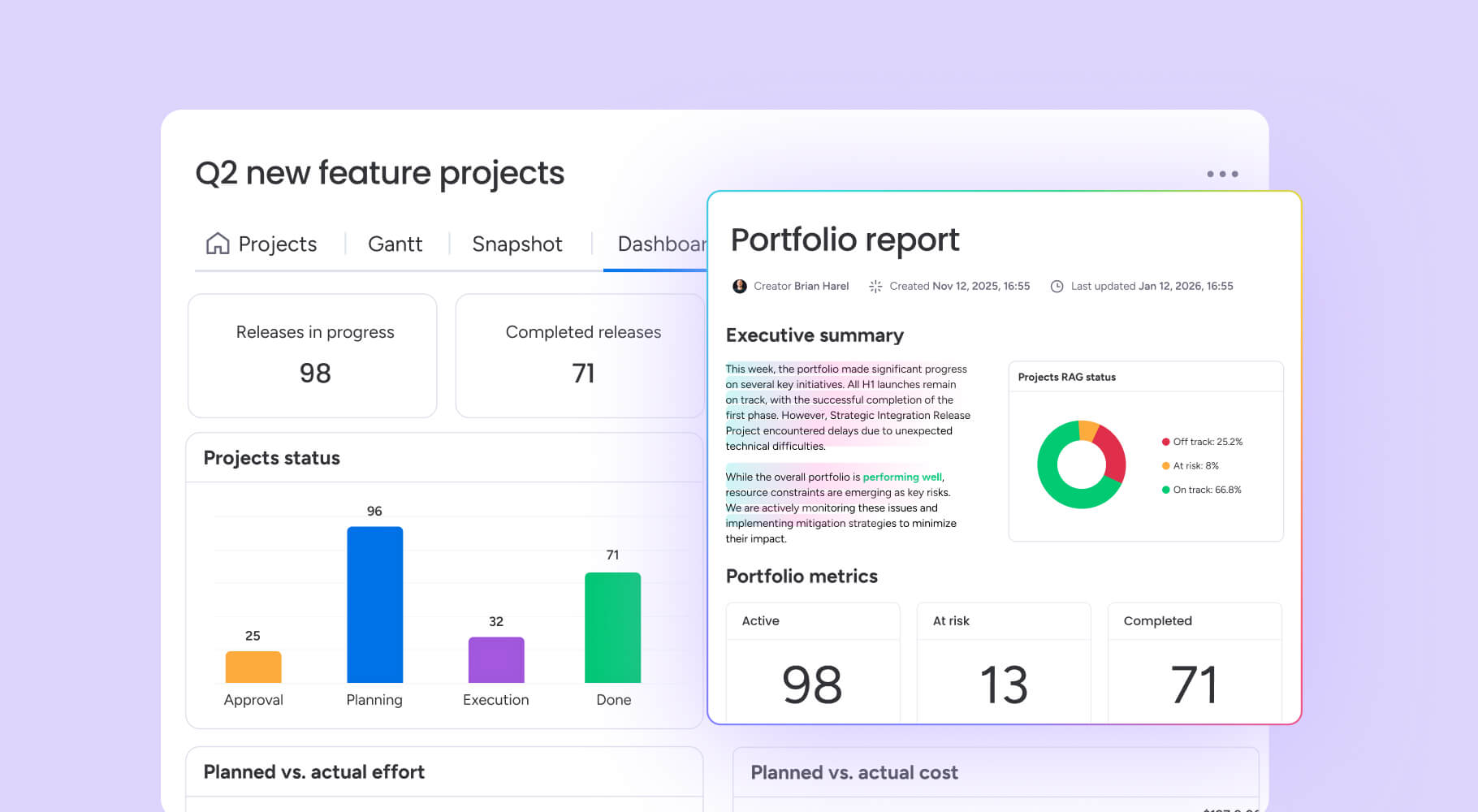
7 steps to conduct market research that drives decisions
A structured framework turns research into action. This process moves from definition to implementation, keeping everyone aligned along the way. Following these steps helps you avoid common research pitfalls and get more impact from your findings.
Step 1: Define research objectives and success metrics
Start with precise business questions and specific objectives that drive focus. Be aware of vague goals like “learn about customers” which lead to unusable data.
Define exactly what data points you need to make decisions through effective marketing reporting. For example, “determine which of three pricing tiers maximizes revenue for the enterprise segment” provides clear direction.
Step 2: Identify your target market and sampling strategy
Good insights start with asking the right people. Define your ideal customer profile and determine the sample size required for statistical significance.
In B2B contexts, this means targeting specific job titles and company sizes. Your sampling strategy balances who you want to reach with what you can afford and how much time you have.
Step 3: Select optimal research methods
Your methodology should match your objective. If measuring brand awareness, surveys work well. If understanding user frustration, usability testing is required.
This stage involves selecting your technology stack as part of your marketing management process. Teams coordinate research efforts across departments using platforms like monday.com, keeping everyone aligned on timelines and deliverables.
Step 4: Create effective research instruments and protocols
Design your research instruments carefully to promise objectivity. Survey questions must be neutral and unambiguous, while interview guides should maintain consistency to allow full exploration.
Protocols define how you handle data and keep everything private and ethical.
Step 5: Execute data collection with quality controls
Now you distribute surveys, schedule interviews, or launch tests. This is where project management matters, as you need to track response rates and hit your timelines.
Quality control measures (removing incomplete responses, checking for bot activity) keep your dataset clean.
Step 6: Transform raw data into actionable business intelligence
Analysis turns data into insights. Code qualitative transcripts for themes and run statistical tests on quantitative data. You’re looking for patterns, correlations, and anything unusual.
Visualization helps you present complex data so stakeholders can understand and act on it.
Step 7: Communicate insights and implement strategic changes
The final step turns findings into recommendations. Focus your research reports on what the data means for the business, not just the numbers themselves.
Tailor stakeholder presentations: strategic impact for executives, tactical implementation for teams. Make sure your insights drive real business decisions.
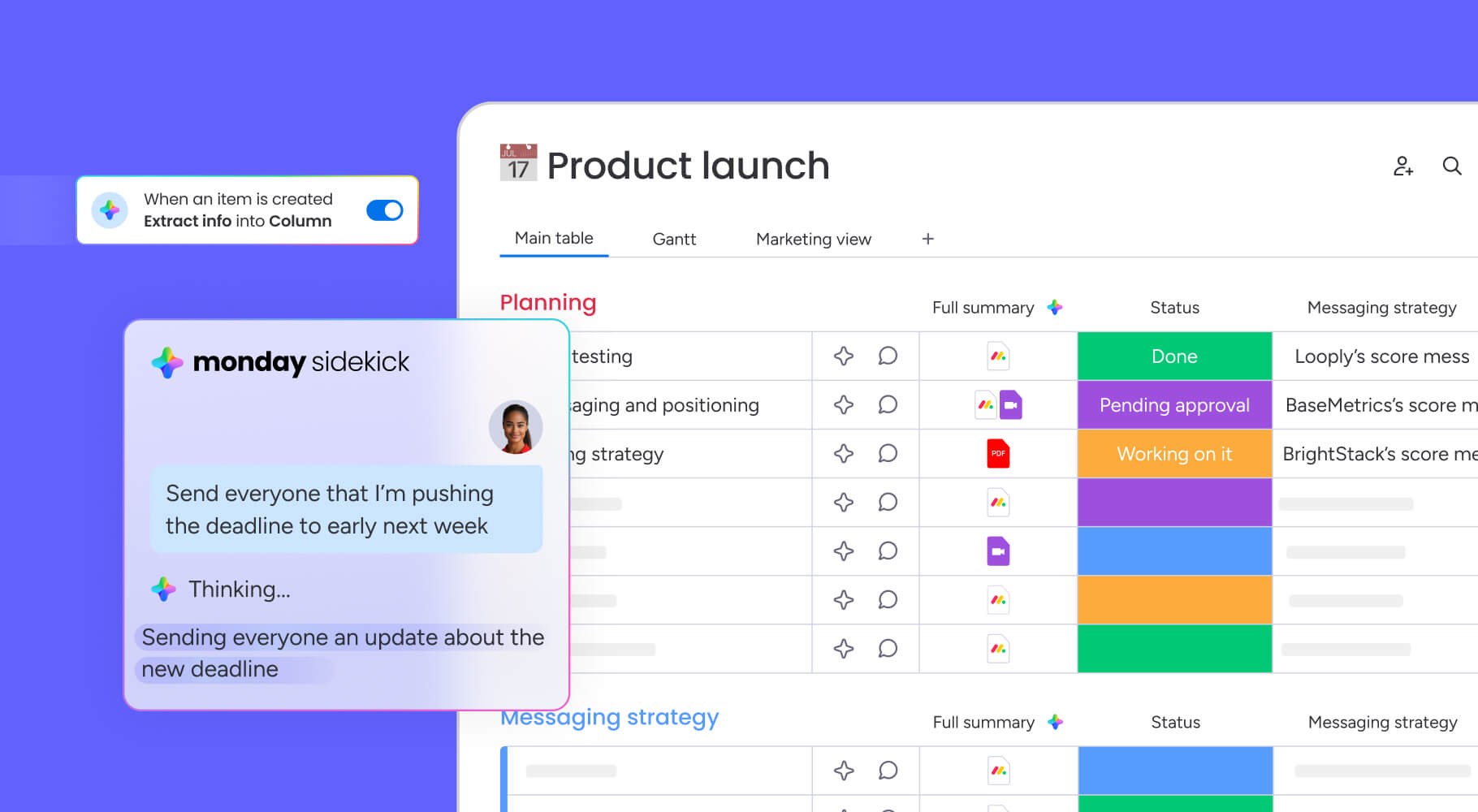
How AI and automation transform market research
AI does the heavy lifting on data processing so teams can focus on strategy and interpretation. What manual processes are slowing down your research cycles today? These tools are changing how organizations gather and analyze market intelligence.
Automated data collection at scale
Automation lets you instantly reach thousands of respondents globally. Platforms support logic branching where questions adapt based on previous answers, ensuring relevance.
Mobile optimization is essential since many respondents complete surveys on smartphones. This makes it easier for people to respond, in turn boosting response rates and data quality.
AI-powered analysis and pattern recognition
Machine learning spots subtle patterns in huge datasets that humans would miss. AI predicts trends by analyzing different data points, such as economic indicators, search volume, and social sentiment, to forecast demand.
Organizations using monday.com rely on AI Blocks to save significant time. AI categorizes data at scale, summarizes meeting notes instantly, and extracts actionable insights from any document.
Real-time market monitoring and alerts
These systems monitor continuously. Instead of waiting for quarterly reports, executives receive alerts when competitors change pricing or when brand sentiment drops below thresholds. If you are choosing where to start, review the AI platforms built for research that monitor markets continuously and flag competitor moves.
You can respond immediately. Teams can adjust strategies mid-campaign rather than discovering issues in post-mortems.
Transform market research into a scalable business process with monday.com
Market research often fails because of disconnected workflows, not bad data. When research lives in scattered spreadsheets, emails, and applications, insights get lost and actions are delayed. You need a unified approach to coordinate research across departments and make sure findings actually drive decisions.
monday.com centralizes your entire research operation in one collaborative platform. Instead of juggling tools, you get a unified system where research planning, execution, analysis, and distribution happen in one place. Here’s what you can expect.
Match workflows to your research process with customizable boards
Build custom workflows that adapt to how you work. Whether running agile usability tests or waterfall longitudinal studies, the platform flexes to your needs.
Create standardized templates for recurring projects like quarterly brand trackers. Map dependencies so analysis doesn’t start until you’ve finished collecting data, and you keep everything in its logical order.
Break down silos with shared workspaces
Research involves stakeholders from product, marketing, and sales through coordinated marketing management. monday.com breaks down silos with shared workspaces where teams collaborate in real-time.
Use @mentions to loop in specific team members when you need their input on survey design or data interpretation. Track progress through board updates that notify everyone when research milestones hit, like when fieldwork wraps or when preliminary findings are ready for review. Comment threads keep all discussion contextual, so feedback on research methodologies or findings stays attached to the relevant task instead of getting buried in email chains.
Eliminate manual work with AI-powered automation
Automation takes admin work off researchers’ plates. The platform automatically assigns work when new research requests arrive, notifies stakeholders when reports are ready for review, and moves projects to “Analysis” status on specific dates.
monday AI goes further with agentic capabilities that actively assist your research operations. AI agents summarize lengthy interview transcripts in seconds, extract key themes from open-ended survey responses, and generate executive summaries from complex datasets. Integrations with survey tools and CRMs mean data flows automatically into your workspace, saving you a ton of time.
Prove research value with real-time impact dashboards
When you need to prove research is worth the investment, customizable dashboards provide executives with high-level views of research pipelines, budget utilization, and impact metrics.
Link specific research projects to business outcomes, like product launches, marketing campaigns, and strategic pivots. This creates a trail showing how insights drove revenue and shaped critical decisions.
Make market research your competitive advantage
Market research stops being a cost center and becomes a strategic asset when you execute it systematically.
Start with one high-impact research project. Define clear objectives, select appropriate methods, and establish workflows that turn data into decisions. Your competitive edge comes down to how fast you learn, adapt, and execute based on market intelligence.
Build repeatable processes that connect insights to action. Teams using monday.com coordinate research smoothly so findings reach decision-makers fast and create real business impact. Get started with monday.com for free.
Try monday.comFAQs
How much does market research typically cost?
Market research costs range from a few hundred dollars for DIY digital surveys to six figures for comprehensive, agency-led global studies. The final cost depends on your methodology, sample size, and where you're researching.
How long does a market research project take?
Timelines vary by methodology. Simple surveys take days, while complex segmentation studies or longitudinal research typically take 3-6 months from planning to final insights.
Can small businesses conduct effective market research?
Small businesses can leverage cost-effective methods like social media listening, customer interviews, and email surveys to gather high-impact insights without enterprise budgets. Focus on specific, actionable questions instead of broad market studies.
What's the difference between market research and marketing research?
Market research is broad, covering the entire market, competitors, and customers to inform business strategy. Marketing research specifically evaluates the effectiveness of marketing strategies, campaigns, and promotional activities.
How often should companies conduct market research?
Major strategic research typically occurs annually during planning cycles, while tactical research like customer satisfaction tracking should be continuous or quarterly to maintain pulse on market changes.
What are common market research mistakes to avoid?
Common pitfalls include using leading questions that bias results, surveying samples that don't represent your target audience, and collecting data without clear plans for how to use it. Always start with specific business questions and ensure your methodology aligns with decision-making needs.

 Get started