


Marketing teams manage countless moving parts in every campaign. Creative assets sit waiting for approval, media buys come with immovable deadlines, and compliance reviews take exactly as long as they take. When these dependencies remain invisible, small delays cascade into missed launches and budget overruns. The best Gantt chart software transforms this complexity into a visual, actionable plan, showing not just what needs to happen, but how every piece connects to campaign success.
Leading a large marketing team requires more than pretty timelines. The right platform solves coordination problems through automation that updates schedules as work progresses, AI that flags risks before they impact deadlines, and integrations that connect Gantt charts to the broader marketing stack. The most effective solutions treat timeline management as part of comprehensive campaign execution, not an isolated planning exercise.
This guide evaluates the best Gantt chart platforms for heads of marketing in finance, focusing on what actually matters: cross-project dependencies, workload management, and compliance automation that works in the real world.
Read on for a few minutes and you will also discover how leading platforms integrate timeline planning with resource optimization and real-time insights, making it easier to choose software that improves campaign delivery.
Key takeaways
Before diving into platform comparisons and implementation strategies, here’s what matters most when choosing Gantt chart software for enterprise marketing teams in finance:
- Connect timeline planning to actual execution: choose Gantt chart software that integrates with your marketing stack, automates updates, and provides real-time visibility across all campaigns.
- Focus on enterprise-ready features over basic visualization: look for AI-powered risk detection, cross-project dependencies, workload management, and compliance automation that scales with large marketing teams.
- Start with pilot campaigns to prove value quickly: test Gantt software on high-visibility but non-critical campaigns to refine workflows and demonstrate ROI before full deployment.
- Transform static timelines into intelligent execution engines: monday work management uses AI to identify risks proactively, standardize workflows through managed templates, and connect Gantt charts to resource optimization and performance tracking.
- Measure success through business impact, not just timeline adherence: track on-time delivery rates, resource utilization, cycle time reduction, and campaign ROI to demonstrate tangible value from your Gantt chart investment.
Understanding Gantt chart software for modern marketing teams
Gantt chart software transforms complex marketing campaigns into visual timelines that show dependencies, milestones, and resource allocation at a glance. For heads of marketing managing 50-100+ team members in finance, these platforms go beyond basic scheduling; they connect campaign execution to compliance requirements, budget tracking, and cross-functional coordination.
The right Gantt chart solution addresses the unique challenges of enterprise marketing: fragmented visibility across teams, manual coordination overhead, and the constant struggle to balance standardization with creative flexibility. When your marketing spans everything from content and creative to acquisition, events, and operations, simple timelines won’t cut it: what works is a platform combining real-time insights, smart automation, and proper governance — all working together.
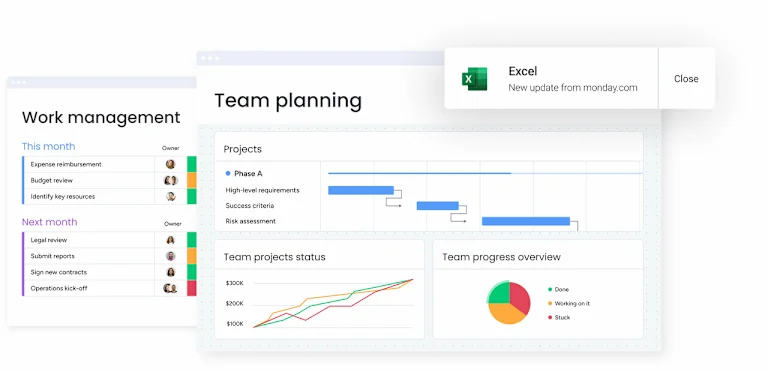
What is the best software for making Gantt charts?
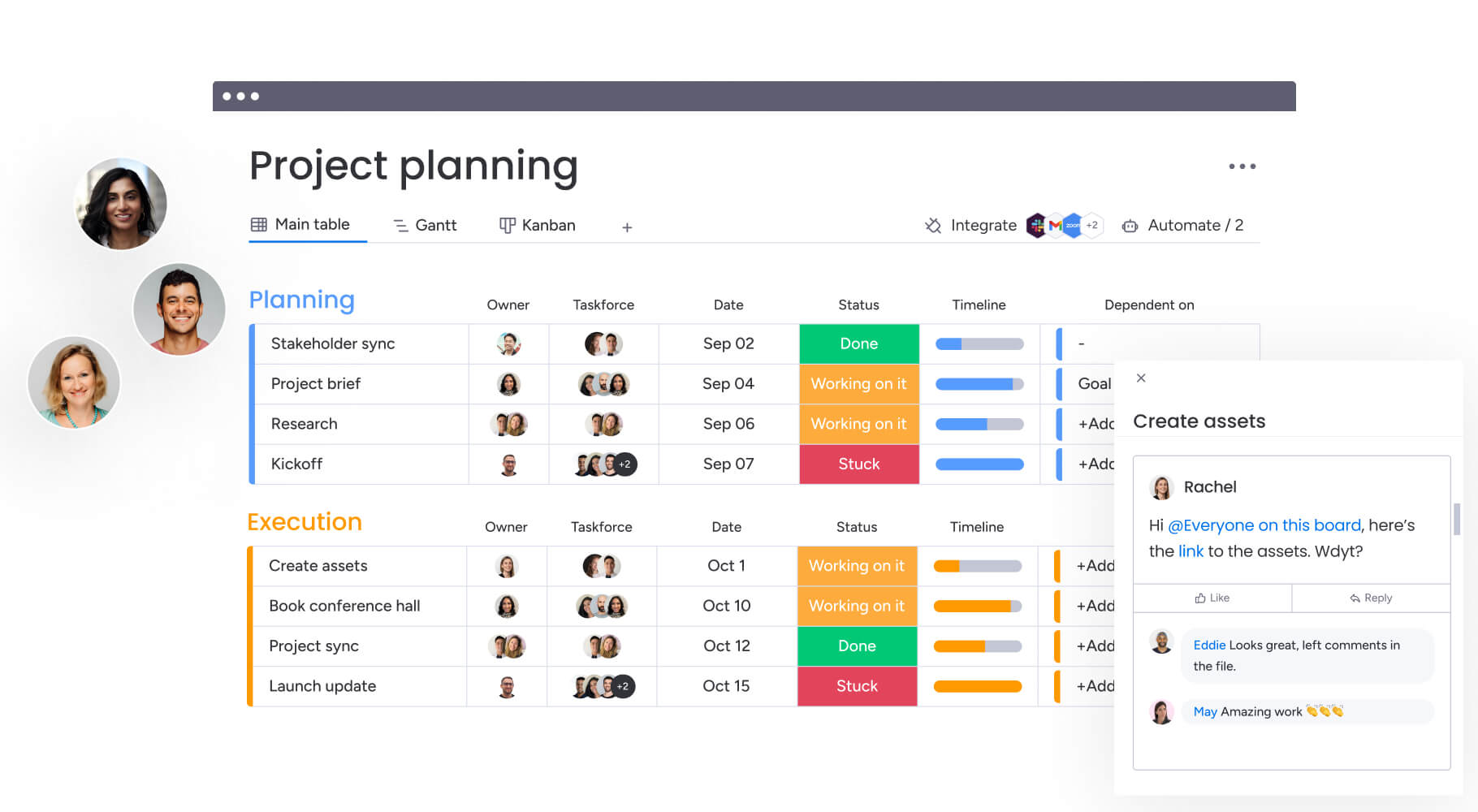
While no single solution fits every organization’s needs, enterprise marketing teams require platforms that extend beyond timeline visualization to deliver comprehensive work management capabilities. For organizations managing complex, cross-departmental campaigns, the optimal solution integrates Gantt functionality with automation, AI-powered insights, and real-time collaboration features that provide complete visibility across all initiatives.
When evaluating options, consider these critical factors that separate basic timeline tools from enterprise-ready platforms:
- Integration depth: how well the Gantt view connects to your existing marketing stack.
- Automation capabilities: whether routine updates and handoffs happen automatically.
- AI features: proactive risk identification and resource optimization.
- Scalability: support for 100+ users without performance degradation.
- Compliance tools: built-in approval workflows and audit trails for regulated industries.
Finance marketing teams face additional complexity, managing compliance documentation, multi-level approval processes, and detailed budget tracking. These requirements must integrate seamlessly with timeline management capabilities. The most effective platforms treat Gantt charts as one view within a comprehensive ecosystem, rather than an isolated feature.
Top Gantt chart platforms for a head of marketing in finance
Selecting the right platform requires evaluating how each solution addresses your specific enterprise marketing challenges. Each platform we explore below offers distinct strengths and limitations that will impact campaign execution, team collaboration, and compliance management.
monday work management
Where it matters most — connecting your Gantt charts to actual campaign execution — monday work management excels. Its Gantt view doesn’t just sit there looking pretty. It works with your automations, spots risks using AI before they become problems, and pulls live data from hundreds of campaigns at once.
Key strengths for marketing teams:
- Connected intelligence: Gantt charts update automatically as work progresses, with AI flagging risks before they impact launch dates.
- Compliance automation: built-in approval workflows route creative assets through legal and brand teams with full audit trails.
- Resource optimization: the capacity manager shows team bandwidth across all campaigns, preventing burnout while ensuring priority work gets attention.
- Template standardization: managed templates ensure consistency across regions while allowing local market customization.
The platform’s AI capabilities extend beyond data analysis to deliver actionable intelligence. Digital Workers continuously monitor campaign health, provide recommendations when resource reallocation is needed, and generate comprehensive project plans through conversational interfaces. This approach transforms Gantt management from reactive tracking into proactive optimization.
Microsoft Project
Microsoft Project offers robust scheduling capabilities for organizations already invested in the Microsoft ecosystem. Its strength lies in complex project calculations and resource leveling, though marketing teams often find it requires significant training investment.
Key strengths for marketing teams:
- Detailed project scheduling: strong capabilities for complex calculations but limited real-time collaboration.
- Microsoft ecosystem integration: integrates primarily within Microsoft tools, creating challenges for diverse marketing stacks.
- Implementation timeline: requires three to six months typical implementation time versus weeks for more intuitive platforms.
- Workflow suitability: more suitable for traditional project management than for dynamic marketing workflows.
Asana
Asana provides solid Gantt functionality through its Timeline view, with good adoption rates among smaller marketing teams. The platform emphasizes ease of use and team collaboration, though it may lack the depth needed for enterprise-scale campaign management.
Key strengths for marketing teams:
- User-friendly interface: drives adoption but may lack governance features for large teams.
- AI capabilities: limited compared to next-generation platforms.
- Approval workflows: basic functionality may not meet compliance requirements in regulated industries.
- Scale considerations: works well for departmental use but can create silos at enterprise scale.
Smartsheet
Smartsheet brings spreadsheet familiarity to Gantt chart creation, appealing to teams comfortable with Excel-based planning. However, this approach can limit visibility and automation potential for complex marketing operations.
Key strengths for marketing teams:
- Spreadsheet paradigm: doesn’t scale well for cross-functional campaign coordination.
- Timeline updates: manual updates required for most timeline changes.
- AI and predictive capabilities: limited native functionality.
- Workflow customization: requires extensive customization for marketing-specific workflows.
Understand Gantt chart applications in marketing
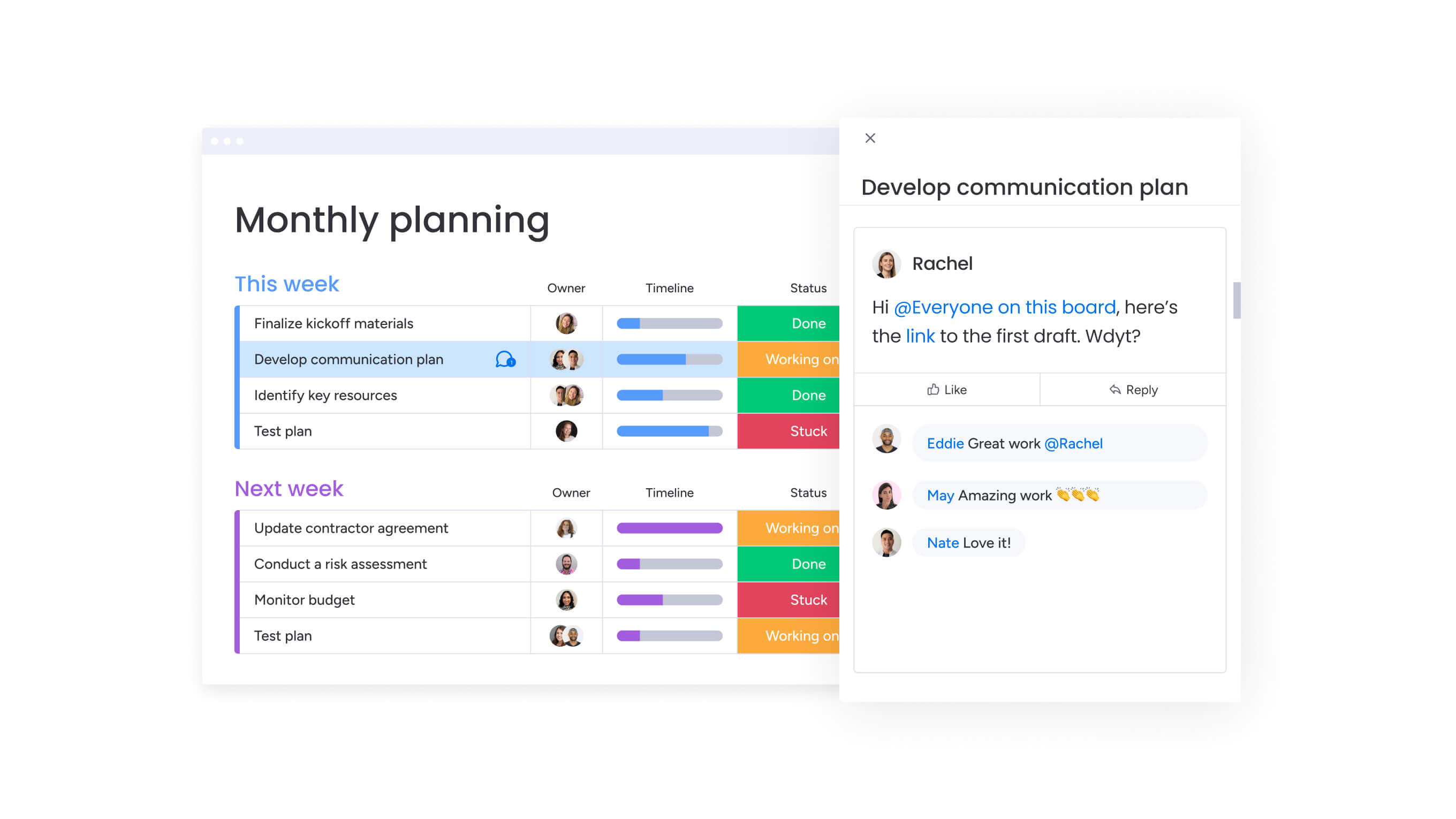
Marketing teams use Gantt charts to orchestrate multi-channel campaigns that involve dozens of stakeholders, strict deadlines, and complex dependencies. In finance marketing specifically, these visual timelines become critical for managing compliance checkpoints alongside creative production.
A typical marketing campaign Gantt chart coordinates several parallel workstreams:
- Creative production workflows: design briefs, concept development, revision cycles, and final asset delivery.
- Content calendar alignment: blog posts, social media, email sequences, and webinar schedules.
- Compliance and approval stages: legal reviews, brand checks, and regulatory sign-offs.
- Media planning and buying: campaign flight dates, budget allocation, and performance windows.
- Event coordination: venue booking, speaker management, promotional timelines, and follow-up sequences.
The power of Gantt charts in marketing extends beyond visualization. When integrated with work management platforms like monday work management, they enable marketing leaders to see how shifting one deadline impacts the entire campaign ecosystem. Dependencies between creative delivery and media buys become visible. Resource conflicts surface before they cause delays. Budget implications of timeline changes calculate automatically.
For heads of marketing overseeing large teams, Gantt charts also provide the portfolio-level visibility needed to balance multiple campaigns simultaneously. You can identify which initiatives might compete for the same resources, where approval bottlenecks typically occur, and how to optimize team capacity across all active projects.
Identifying essential features for marketing Gantt chart software
Marketing teams need specific capabilities that go beyond basic timeline visualization. These features determine whether a Gantt chart tool actually improves execution or just adds another dashboard to monitor. Understanding these requirements helps you evaluate platforms effectively and ensure your investment drives real results.
Critical path analysis with marketing context
Understanding which activities directly impact your launch date helps teams prioritize effectively. The best platforms overlay critical paths with compliance milestones and budget checkpoints, showing not just timeline risk but regulatory and financial implications. The Gantt view in monday work management includes baselines that compare planned versus actual progress, helping teams course-correct before delays cascade.
Cross-project dependencies at scale
Marketing campaigns rarely exist in isolation. Product launches depend on PR timelines, events drive content calendars, and everything connects to quarterly business goals. Effective Gantt software must handle dependencies across multiple projects, automatically adjusting when changes occur. This becomes especially critical when managing 50-100+ person teams where manual coordination becomes impossible.
Workload management integration
Timeline planning without resource consideration leads to burnout and missed deadlines. The most valuable Gantt platforms integrate directly with workload views, showing not just when work needs to happen but who has capacity to do it. This integration helps marketing leaders make informed trade-offs between campaign scope, timeline, and resource allocation.
Automation that reduces manual updates
Marketing timelines change constantly. Without automation, teams waste hours updating Gantt charts instead of executing campaigns. Leading platforms automate status updates based on task completion, send notifications when dependencies are at risk, and trigger approval workflows when milestones are reached. These automations keep Gantt charts current without manual intervention.
Try monday work management
Transform marketing timeline management with monday work management
Gantt charts transform from static timelines to dynamic execution engines with monday work management. The platform addresses the specific challenges marketing leaders face when coordinating large teams across complex campaigns. This transformation goes beyond simple visualization to create an intelligent system that anticipates needs and optimizes outcomes.
AI-powered risk identification across portfolios
The platform’s AI continuously monitors all campaigns, identifying risks before they escalate. When a creative delay threatens a media buy, when resource conflicts emerge between campaigns, or when budget thresholds approach, AI surfaces these insights proactively. Marketing leaders gain instant visibility into which campaigns need attention without manually reviewing each timeline.
Standardization without rigidity
Managed templates allow marketing teams to standardize campaign workflows while maintaining flexibility for innovation. These templates include pre-built automations, approval workflows, and compliance checkpoints specific to financial services marketing. When best practices evolve, updates to templates automatically propagate across all active campaigns, ensuring consistency without manual oversight.
Connected ecosystem for marketing operations
Unlike standalone Gantt platforms, monday work management connects timeline planning to every aspect of campaign execution:
- Resource directory: centralized view of team skills, availability, and current allocations.
- Capacity manager: real-time visibility into workload distribution across all campaigns.
- Portfolio dashboards: aggregate view of campaign performance, budget utilization, and timeline adherence.
- Cross-project dependencies: automatic updates when changes in one campaign impact others.
This connected approach means marketing leaders see more than just timelines. They understand the full context of campaign execution including resources, risks, and results.
How to implement Gantt chart software across marketing teams
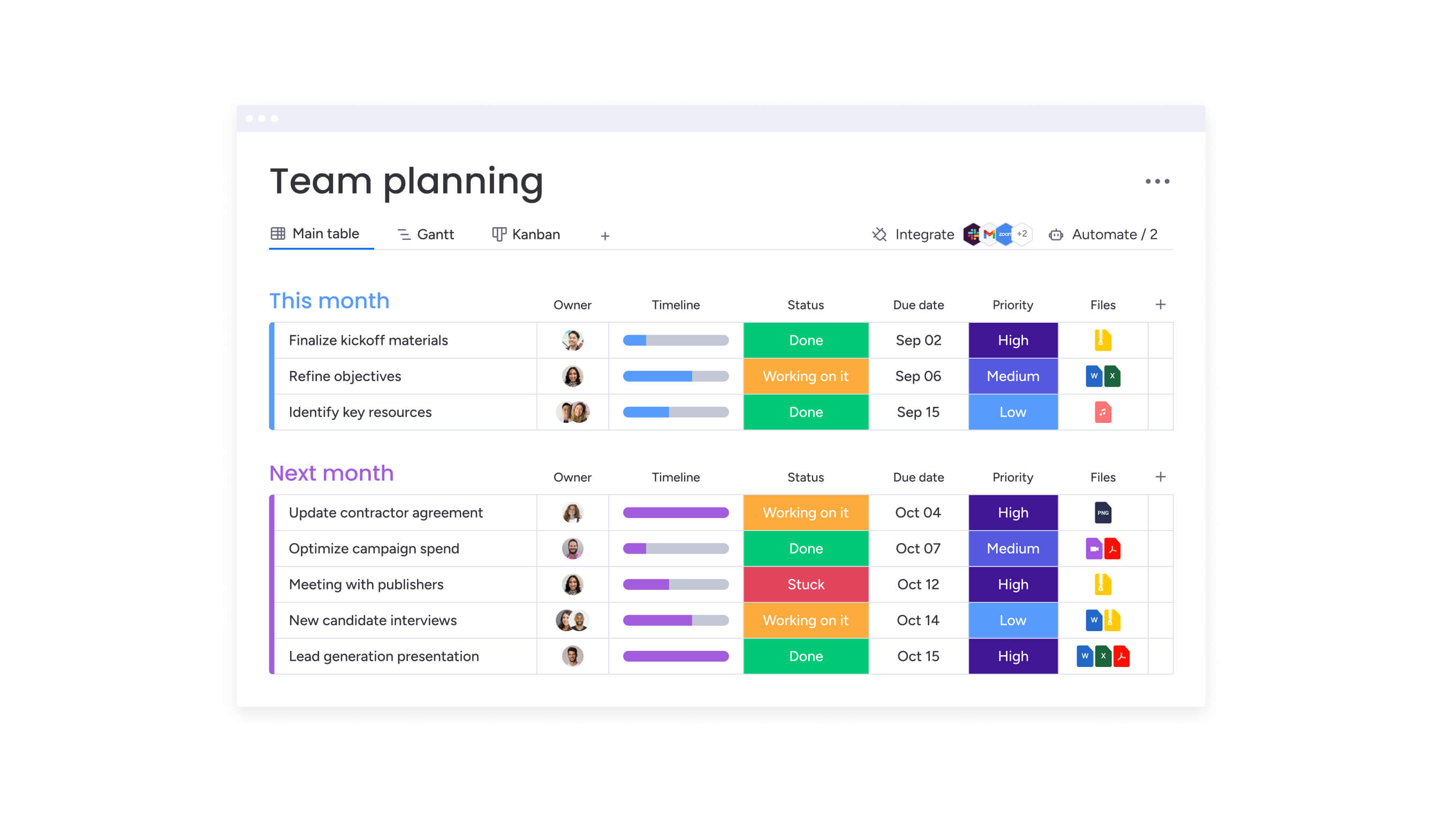
Implementing Gantt chart software across large marketing teams requires careful planning and a phased approach. Strategic deployment ensures faster adoption and demonstrates early value while maintaining continuity with existing campaigns.
Start with pilot campaigns
Begin with one high-visibility campaign that involves multiple teams but isn’t mission-critical. This allows you to refine workflows, test integrations, and demonstrate value without risking major initiatives. Use this pilot to identify template requirements, automation opportunities, and training needs specific to your organization.
Build standardized templates incrementally
Rather than trying to standardize everything at once, start with your most common campaign types. Create templates for product launches, event marketing, and content campaigns that include:
- Standard phases and milestones: define consistent campaign stages from kickoff to launch.
- Required compliance checkpoints: embed regulatory reviews and approval gates at critical junctures.
- Typical resource allocations: pre-assign team roles and capacity based on campaign type.
- Pre-configured automation rules: automate status updates, notifications, and handoffs between phases.
As teams become comfortable with these templates, expand standardization to more specialized workflows.
Connect existing tools before adding new ones
Marketing teams typically use dozens of specialized tools. Successful Gantt implementation means connecting these tools rather than replacing them. Prioritize integrations with your creative platforms, marketing automation systems, and financial reporting tools. This ensures teams can work in familiar environments while gaining centralized visibility through Gantt views.
Establish governance without creating bottlenecks
Define clear ownership for timeline management, resource allocation, and approval processes. Use permission-based access to ensure teams can update their work while maintaining oversight. Automated escalations help resolve conflicts quickly without creating approval bottlenecks that slow execution.
Choose comprehensive project management software for marketing
The most effective project management software for marketing goes beyond Gantt charts to address the full spectrum of campaign planning, execution, and measurement. These platforms need to connect timeline management with creative workflows, approval processes, and performance tracking.
Modern marketing project management requires several integrated capabilities:
- Campaign planning tools: beyond Gantt charts, teams need content calendars, creative briefs, and budget trackers.
- Collaboration features: real-time commenting, file sharing, and stakeholder communication.
- Automation workflows: repetitive tasks like status updates, approval routing, and report generation.
- Performance dashboards: campaign ROI, team productivity, and resource utilization metrics.
- Integration ecosystem: connections to creative tools, marketing automation, and analytics platforms.
These needs are addressed through a unified platform that treats Gantt charts as one view within comprehensive campaignmanagement with monday work management. The platform’s flexibility allows marketing teams to build custom workflows that match their specific processes while maintaining the standardization needed for enterprise scale.
For marketing leaders in finance, the combination of visual timeline management, automated compliance workflows, and real-time performance tracking creates a single source of truth for campaign execution. This eliminates the fragmentation that occurs when teams use separate tools for planning, execution, and reporting.
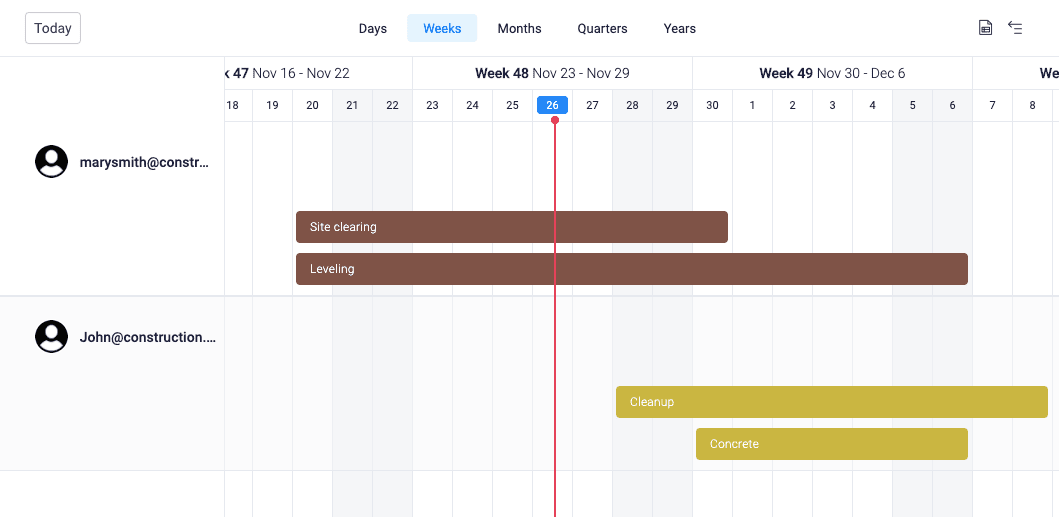
How to measure success with marketing Gantt chart software
Tracking the right metrics helps marketing leaders demonstrate value and continuously improve their timeline management processes. Focus on metrics that connect Gantt chart usage to tangible business outcomes. This measurement approach ensures your investment in Gantt chart software delivers quantifiable returns.
Key performance indicators for timeline management
Monitor these essential metrics to track the effectiveness of your Gantt chart implementation:
- On-time delivery rate: percentage of campaigns launching on schedule.
- Resource utilization: how effectively team capacity aligns with campaign demands.
- Cycle time reduction: time from campaign kickoff to launch.
- Approval velocity: speed of creative reviews and compliance checks.
- Budget adherence: correlation between timeline changes and cost overruns.
Dashboards in monday work management automatically track these metrics across all campaigns, providing real-time visibility into what’s working and where improvements are needed. AI-powered insights highlight trends and anomalies, helping leaders make data-driven decisions about resource allocation and process optimization.
Demonstrating ROI to leadership
Connect timeline improvements to business impact by showing how better Gantt chart management drives:
- Faster time-to-market: launch campaigns more quickly through streamlined coordination and automated handoffs.
- Reduced agency costs: improve internal coordination to minimize reliance on external resources.
- Higher campaign ROI: optimize resource allocation to maximize return on marketing investments.
- Decreased compliance risk: automate approval workflows to ensure regulatory requirements are consistently met.
- Improved team satisfaction: balance workload distribution to prevent burnout and maintain engagement.
Regular reporting on these outcomes builds confidence in the platform investment and secures ongoing support for process improvements.
Transform your marketing operations with intelligent Gantt charts now
As a marketing leader in finance, pretty timeline charts won’t solve your problems. What will? Tools that transform your careful planning into flawless execution. The right Gantt chart software brings together timeline management, resource optimization, and compliance automation in one platform that scales with your organization.
This comprehensive approach comes through AI-powered insights, standardized templates, and seamless integrations with your existing marketing stack, all delivered by monday work management. From campaign planning to performance measurement, the platform ensures your Gantt charts remain living documents that drive real outcomes, not static plans that gather dust.
Frequently asked questions
How do Gantt charts help with marketing campaign planning?
Gantt charts help with marketing campaign planning by visualizing all campaign tasks, dependencies, and deadlines in one timeline view. They show how creative production, approvals, and launch activities connect, making it easier to spot conflicts, allocate resources effectively, and keep stakeholders aligned on progress.
What's the typical ROI timeline for implementing Gantt chart software?
The typical ROI timeline for implementing Gantt chart software in marketing teams is under four months when using platforms like monday work management. This return comes from reduced coordination time, fewer campaign delays, and improved resource utilization across teams.
Can Gantt chart software handle multi-regional marketing campaigns?
Yes, enterprise Gantt chart software can handle multi-regional marketing campaigns through features like time zone management, regional templates, and cross-project dependencies. Platforms like monday work management scale to support hundreds of concurrent campaigns while allowing regional customization within standardized frameworks.
How do Gantt charts integrate with marketing automation platforms?
Gantt charts integrate with marketing automation platforms through API connections and native integrations, syncing campaign timelines with email schedules, lead scoring triggers, and performance data. This integration ensures timeline planning reflects actual campaign execution and results.
What security features should marketing teams look for in Gantt software?
Marketing teams should look for SOC two Type II certification, ISO 27001 compliance, GDPR adherence, and enterprise-grade encryption in Gantt software. Additional requirements include multi-level permissions, audit trails, SSO support, and data residency options for regulated industries.
How does AI improve Gantt chart management for marketing teams?
AI improves Gantt chart management by automatically identifying timeline risks, suggesting optimal resource allocations, and generating project plans from campaign briefs. Platforms like monday work management use AI to flag bottlenecks, predict delays, and recommend adjustments before issues impact campaign launches.

 Get started