


Strong requirements set projects up for success long before work begins. When expectations are clear and information is structured, teams collaborate more smoothly, decisions happen faster, and deliverables stay aligned with real business goals. A thoughtful requirements gathering template turns early ideas into organized, actionable direction that keeps everyone moving forward with confidence.
This comprehensive guide explores the essential components every requirements template should include, the different formats that support specific project types, and the practical steps that help teams capture accurate, useful input from stakeholders. It also highlights how connecting requirements directly to workflows improves visibility, reduces rework, and keeps execution aligned with original objectives.
Well-defined requirements create clarity, consistency, and shared momentum across teams, making it easier to deliver work that meets expectations and drives meaningful results.
Key takeaways
- Bridge requirements to execution with dynamic templates: Replace static documents with living systems that connect directly to project work, ensuring requirements drive actual delivery instead of gathering dust in folders.
- Focus on business outcomes, not just documentation: Capture the “why” behind each requirement by linking specific business objectives to measurable success criteria that stakeholders can validate throughout the project.
- Transform requirements into visual, collaborative workflows on monday: Use interactive boards and real-time collaboration features to keep distributed teams aligned while automating approval processes and tracking progress against original specifications.
- Prioritize ruthlessly using business value and technical dependencies: Rank requirements by organizational impact and implementation complexity to focus teams on critical deliverables first, preventing scope creep and resource waste.
- Validate early and often through stakeholder reviews: Confirm captured requirements accurately reflect needs before development begins, using multiple verification methods including prototypes and cross-functional reviews to prevent costly misunderstandings.
What is a requirements gathering template?
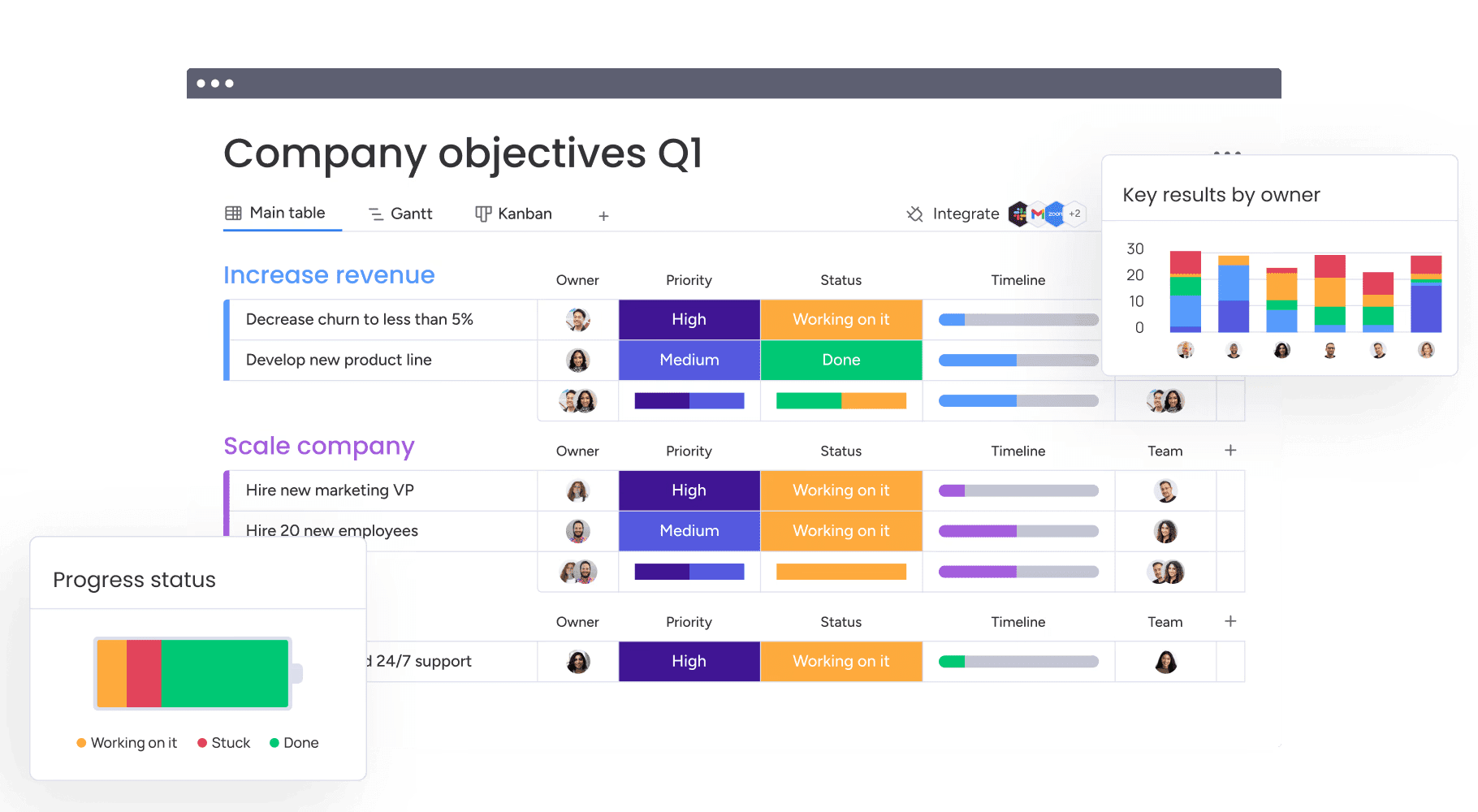
A requirements gathering template provides a structured way to capture, organize, and manage everything a project needs from initial idea to final delivery. It translates stakeholder input into clear, documented requirements that guide decisions, priorities, and execution throughout the project life cycle. Instead of disconnected notes or static files, a well-designed template keeps requirements visible, consistent, and easy to update as projects evolve.
By bringing business goals, technical specifications, and stakeholder expectations into one organized framework, requirements templates create alignment early and maintain it as work progresses. This structure helps teams reduce ambiguity, avoid miscommunication, and ensure deliverables stay connected to the outcomes the project was meant to achieve.
Dynamic templates vs static documents
Static requirements documents often struggle to keep pace once projects begin moving. Updates live in scattered files, feedback happens in separate threads, and teams risk working from outdated information. Over time, the original requirements lose visibility, making alignment harder to maintain.
Dynamic templates keep requirements active and connected to ongoing work. Stakeholders can contribute, refine details, and track updates without worrying about version conflicts or lost context. The comparison below highlights how the two approaches differ in practice.
| Feature | Static documents | Dynamic templates |
|---|---|---|
| Updates | Manual versioning and redistribution | Instant updates across all views |
| Visibility | Locked in files or emails | Accessible to all stakeholders in real-time |
| Connection | Disconnected from work items | Linked directly to project actions |
| Feedback | Delayed and fragmented | Immediate and contextual |
When requirements stay visible and easy to update, teams spend less time reconciling documents and more time delivering against clearly defined expectations.
Core purpose of requirements documentation
Requirements documentation ensures all stakeholders share a precise understanding of what needs to be built, delivered, or achieved. It’s the foundation for planning, allocating resources, and measuring success.
Beyond record-keeping, documentation facilitates communication, manages expectations, and provides an objective reference point for decision-making throughout the project lifecycle. When you document requirements correctly, they become a shared agreement that keeps your project focused and aligned.
Try monday.comBy bringing business goals, technical specifications, and stakeholder expectations into one organized framework, requirements templates create alignment early and maintain it as work progresses.
Essential components every requirements template needs
Complete requirements capture more than a single type of information. Projects rely on a combination of business context, functional detail, technical clarity, and measurable success criteria to move forward confidently. Each component below plays a specific role in turning initial ideas into structured, actionable requirements that teams can plan, build, and validate against.
Business requirements section
This section captures the strategic “why” behind the initiative, identifying the specific problem being solved or opportunity being pursued. Including the following elements in your business requirements section is crucial for keeping everyone aligned on high-level objectives.
- Business objectives: Declarative statements linking the project to broader company goals like revenue growth or operational efficiency.
- Stakeholder identification: Clear documentation of who has decision-making authority and who will be involved in execution.
- Success criteria: Measurable outcomes that define project completion, providing quantitative or qualitative metrics for success.
- Constraints and assumptions: Known limitations like budget caps or deadlines, plus working assumptions that underpin the project plan.
Learn more: Business requirement document
Technical specifications
Technical specifications turn business needs into precise technical language dev and implementation teams can work with. This section details the “how” of your solution.
Technical requirements must be precise to ensure a smooth implementation:
- System requirements: Hardware, software, and platform specifications needed to build and run the solution.
- Integration needs: How the solution connects with existing systems and data flows within your tech stack.
- Performance criteria: Standards for speed, capacity, and reliability under various conditions.
- Security and compliance: Data protection protocols and regulatory standards the solution must meet.
Functional requirements
Functional requirements spell out what the solution needs to do. These detailed “what” statements blueprint exactly what users should be able to do with the final deliverable, and well-written ones share these traits:
- Specific actions: Distinct capabilities the system must possess, leaving no room for interpretation.
- Measurable outcomes: Requirements written to be testable and verifiable by QA teams.
- User-focused perspective: Functionality framed from the end-user’s viewpoint rather than system capabilities.
- Traceable connections: Every requirement connects back to a specific business objective.
Acceptance criteria and success metrics
Acceptance criteria spell out what needs to happen before you can call a requirement complete. These criteria connect requirements gathering to validation — they’re your standard for judging deliverables.
Well-defined acceptance criteria resolve ambiguity and accelerate completion:
- Definition of done: Specific conditions marking a requirement as fully complete.
- Testing criteria: How requirements will be validated, including specific tests or scenarios.
- Performance benchmarks: Quantitative measures like load times or error rates determining production readiness.
- User acceptance standards: Required levels of end-user satisfaction and usability.
5 requirements gathering templates for different project types
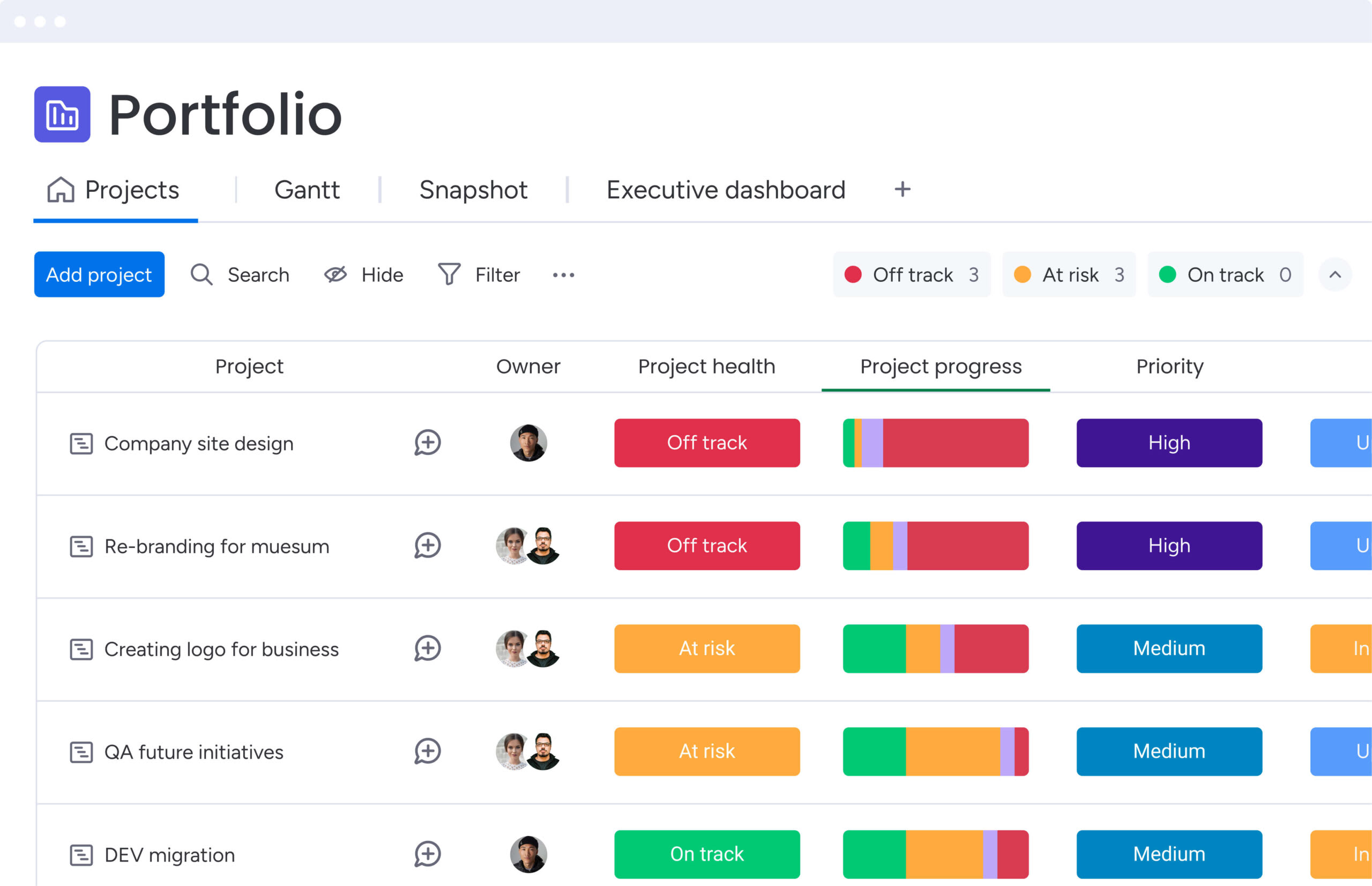
Requirements vary depending on what teams are building, improving, or delivering. Software initiatives often require detailed technical specifications, while operational or cross-functional projects benefit from more flexible documentation structures. The following templates reflect common project scenarios, helping teams choose a format that supports clear communication, accurate scoping, and efficient execution.
1. Agile requirements gathering template
Agile templates prioritize flexibility and ongoing stakeholder feedback over rigid docs. Requirements get captured in smaller, manageable pieces that evolve as the project moves forward.
Key components include:
- User stories: Requirements written from the user’s perspective, following “As a [user], I want [action], so that [benefit]” format.
- Acceptance criteria: Each story includes completion definitions agreed upon before work begins.
- Priority ranking: Mechanisms for backlog prioritization help teams focus on high-value items first.
- Iteration feedback: Dedicated sections capture sprint review feedback for continuous refinement.
2. Software requirements template
Software templates zero in on technical specs, UI design, and system functionality. They maintain strict traceability between business needs and technical implementation details.
Essential elements include:
- Functional specifications: Detailed descriptions of what the software must do, providing developers a complete coding blueprint.
- User interface requirements: Specifications for user interaction including wireframes and design standards.
- System architecture: Technical infrastructure, database design, and architectural patterns supporting functionality.
- Testing requirements: Quality assurance protocols ensuring robust, secure, bug-free software.
3. Business process requirements template
Business process templates capture workflow requirements, stakeholder roles, and operational optimization opportunities. They focus on how work flows through an organization, identifying improvements.
Core components include:
- Current state analysis: Documentation establishing baseline understanding of existing workflows and inefficiencies.
- Future state vision: Mapped optimizations detailing the improved workflow the project implements.
- Role definitions: Stakeholder responsibilities ensuring every process step has a designated owner.
- Process metrics: KPIs defining how new process efficiency and effectiveness will be tracked.
4. Product requirements template
Product templates balance user desires with business objectives and technical feasibility. They guide product management and development teams through market-driven development.
Key sections include:
- Market analysis: Target audience, user personas, and competitive landscape ensuring genuine market fit.
- Feature specifications: Detailed capability descriptions guiding development team priorities.
- User experience requirements: Interface standards ensuring intuitive, engaging products.
- Go-to-market criteria: Launch requirements aligning product development with sales and marketing strategy.
5. Cross-functional project requirements template
Cross-functional templates address projects spanning multiple departments with diverse stakeholders. They emphasize communication protocols and shared accountability across organizational boundaries.
Critical components include:
- Stakeholder matrix: Roles, responsibilities, and communication protocols for all departments involved.
- Integration requirements: How different functional areas connect workflows and share data.
- Coordination mechanisms: Meeting schedules and decision-making processes keeping teams aligned.
- Success alignment: Shared metrics ensuring all departments work toward unified project success.
7 steps to gather requirements that drive results
Great requirements don’t appear fully formed — they’re built through structured conversations, thoughtful validation, and clear prioritization. A consistent process helps teams capture accurate input, align stakeholders early, and create requirements that support smooth execution. The steps below outline a practical path from initial discussion to clearly defined direction that teams can confidently deliver against
Step 1: define project boundaries
Project boundaries establish what’s included and excluded from scope. Setting boundaries early prevents scope creep and ensures stakeholder understanding of project limits before resources are committed.
Effective boundary setting requires precision and stakeholder agreement on these elements:
- Scope definition: Explicit statements of what the project will and won’t deliver, managing expectations from day one.
- Timeline boundaries: Project duration, milestones, and critical deadlines creating realistic schedules.
- Resource constraints: Budget limitations and personnel availability ensuring feasible projects.
- Success parameters: Specific metrics defining project completion and providing clear targets.
Step 2: map your stakeholder network
Stakeholder mapping identifies everyone affected by or influencing the project. Effective mapping ensures no critical perspectives are missed during requirements gathering.
Comprehensive stakeholder analysis reveals the full ecosystem of project participants:
- Primary stakeholders: Direct users and beneficiaries whose daily work depends on project success.
- Secondary stakeholders: Indirect users affected by outputs or processes.
- Decision makers: Individuals with authority to approve requirements and deliverables.
- Subject matter experts: Technical and domain specialists providing deep knowledge.
Step 3: select the right template format
Template selection aligns documentation with project type, stakeholder preferences, and organizational culture. The right format facilitates communication and accurate requirements capture.
Consider these factors when choosing your approach:
- Project complexity: Simple projects use streamlined templates while complex initiatives require detailed documents.
- Stakeholder expertise: Language and structure adjusted to match audience technical levels.
- Collaboration needs: Format chosen based on individual contributions versus group workshops.
- Integration requirements: Choice between standalone documents and connected platforms based on system needs.
Step 4: run effective requirements sessions
Productive sessions extract accurate, complete stakeholder information through balanced structure and discussion. Effective sessions uncover both explicit needs and implicit expectations.
Successful requirements sessions follow proven facilitation techniques:
- Preparation: Meeting agendas set and stakeholders briefed for meaningful contributions.
- Facilitation: Active listening and structured exercises encouraging full participation.
- Documentation: Real-time capture and validation ensuring accuracy.
- Follow-up: Immediate distribution of summaries maintaining momentum.
Step 5: organize requirements by priority
Prioritization focuses teams on critical requirements first, facilitating trade-off decisions when resources are limited. Effective prioritization balances business value, technical complexity, and stakeholder impact.
Strategic prioritization creates focused implementation plans through:
- Business value ranking: Requirements ordered by tangible organizational value delivered.
- Technical dependency mapping: Prerequisites identified and scheduled early in development.
- Risk assessment: High-risk mitigation requirements prioritized to reduce uncertainty.
- Stakeholder impact analysis: Requirements affecting critical users given precedence.
Step 6: validate through stakeholder reviews
Validation confirms captured requirements accurately reflect stakeholder needs before development begins. This prevents costly misunderstandings and ensures complete, correct, feasible documentation.
Thorough validation employs multiple verification methods:
- Stakeholder review sessions: Group walk-throughs revealing potential requirement conflicts.
- Individual confirmations: One-on-one verification with decision-makers on critical requirements.
- Prototype validation: Mockups confirming documented requirements translate to expected solutions.
- Cross-functional reviews: Department representatives ensuring requirements work across boundaries.
Step 7: build requirements traceability
Finally, traceability creates unbroken connections between requirements and deliverables, ensuring nothing gets lost during execution. It enables impact analysis when requirements change and validates all original requirements are addressed.
Complete traceability systems provide accountability and visibility through:
- Requirement-to-work mapping: Every requirement linked to specific work items grounding development.
- Change impact tracking: Teams instantly see which deliverables are affected by modifications.
- Validation tracking: Requirement completion and acceptance status monitored continuously.
- Audit trails: Complete records of requirement evolution maintained for governance.
Smart requirements formats for distributed teams
When teams work across locations, requirements need to stay clear, accessible, and easy to update without relying on real-time meetings. Formats that support visibility and flexible collaboration help teams stay aligned, contribute feedback efficiently, and maintain consistent understanding across time zones.
The following approaches make it easier to capture and refine requirements while keeping everyone connected to the same source of truth.
Visual requirements boards
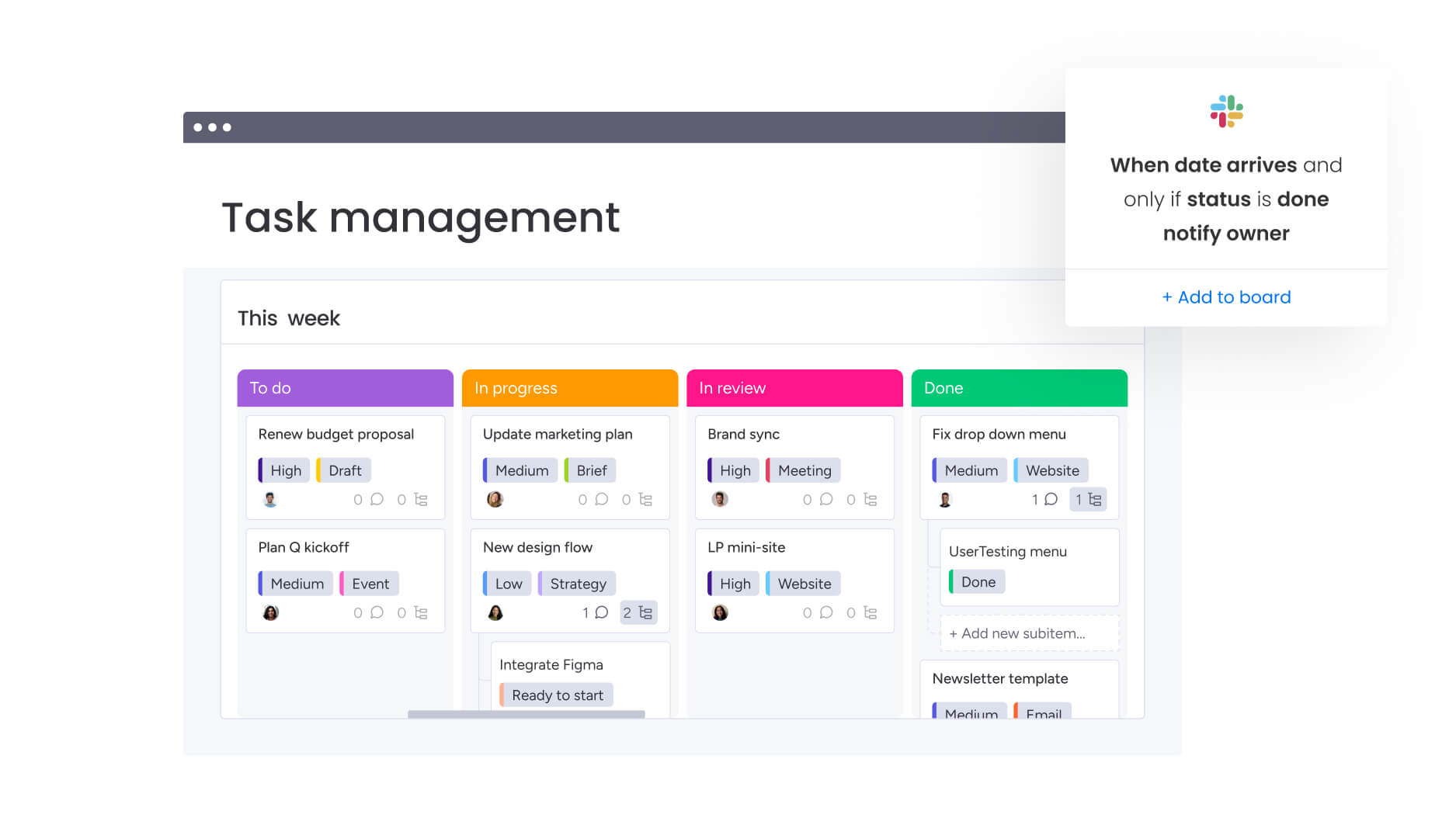
Visual boards transform text-heavy documents into intuitive, scannable formats that distributed teams easily understand and update, with Kanban boards and timelines making complex requirements easier to grasp. Visual elements reduce cognitive load, making requirements accessible to stakeholders with varying expertise levels.
Teams using visual boards experience improved comprehension, as formats like Kanban boards and timelines make complex requirements easier to grasp. Team members contribute regardless of location or schedule, fostering inclusive collaboration.
Finally, real-time visibility keeps everyone working from the most current information, reducing version confusion and ensuring updates stay transparent. Visual progress indicators make it easy to understand requirement status at a glance, helping distributed teams stay aligned and maintain steady momentum.
Real-time collaborative templates
Collaborative templates enable simultaneous stakeholder contributions, eliminating version control issues common with traditional approaches. Real-time collaboration ensures everyone works with the single, current version of truth.
Modern collaboration eliminates traditional documentation friction through these capabilities:
- Simultaneous editing: Multiple users update requirements without overwriting work.
- Comment systems: Stakeholders discuss requirements directly within template context.
- Change notifications: Automatic alerts inform teams when requirements are modified.
- Access controls: Granular permissions ensure appropriate viewing and editing rights.
Integration-ready formats
Integration-ready formats keep requirements connected to the systems teams use to plan, build, and validate work. Instead of manually transferring information between documents, requirements flow directly into project timelines, development backlogs, and testing workflows, helping teams maintain accuracy as work progresses.
Automatic connections ensure specifications stay current across tools, reducing duplication and minimizing the risk of outdated information. Test cases, validation criteria, and progress data link back to original requirements, giving stakeholders clear visibility into how work is advancing and whether outcomes align with expectations.
Try monday.comVisual boards transform text-heavy documents into intuitive, scannable formats that distributed teams easily understand and update, with Kanban boards and timelines making complex requirements easier to grasp. Visual elements reduce cognitive load, making requirements accessible to stakeholders with varying expertise levels.
Bridge requirements to actual work execution
Requirements only create value when they actively guide what teams build and deliver. Connecting documented needs to real work helps maintain alignment, reduce misinterpretation, and ensure progress stays tied to original objectives. The following practices help turn requirements into clear, trackable actions that support consistent execution.
Convert requirements into actionable work items
Breaking high-level requirements into specific, assignable work ensures effective team execution. This conversion translates abstract needs into concrete actions, providing direction for every team member.
Successful requirement decomposition follows these proven practices:
- Decomposition: Complex requirements broken into manageable, time-bound work units.
- Assignment: Each component assigned to specific owners ensuring accountability.
- Timeline mapping: Requirements connected to schedules aligning with business deadlines.
- Resource allocation: Adequate time, budget, and talent assigned ensuring feasibility.
Track progress against original specs
Maintaining visibility into requirement completion ensures projects stay aligned with specifications. Continuous tracking identifies deviations early, allowing adjustments without compromising deliverables.
Effective progress monitoring includes:
- Completion monitoring: Real-time visibility shows exactly how much scope has been delivered.
- Quality validation: Delivered work checked against specifications ensuring standards are met.
- Milestone alignment: Requirement completion linked to milestones measuring strategic progress.
- Stakeholder communication: Regular updates keep stakeholders informed throughout execution.
Manage requirements changes
Requirements often change during execution. Structured change management ensures modifications are evaluated, approved, and implemented without derailing timelines or budgets.
Effective change control maintains project momentum while accommodating necessary adjustments:
- Change evaluation: Proposed modifications assessed for scope, timeline, and resource impact.
- Stakeholder approval: Changes require formal authorization from decision-makers.
- Impact analysis: Ripple effects on other requirements understood before implementation.
- Communication protocols: All stakeholders immediately informed of approved changes.
AI that transforms requirements management
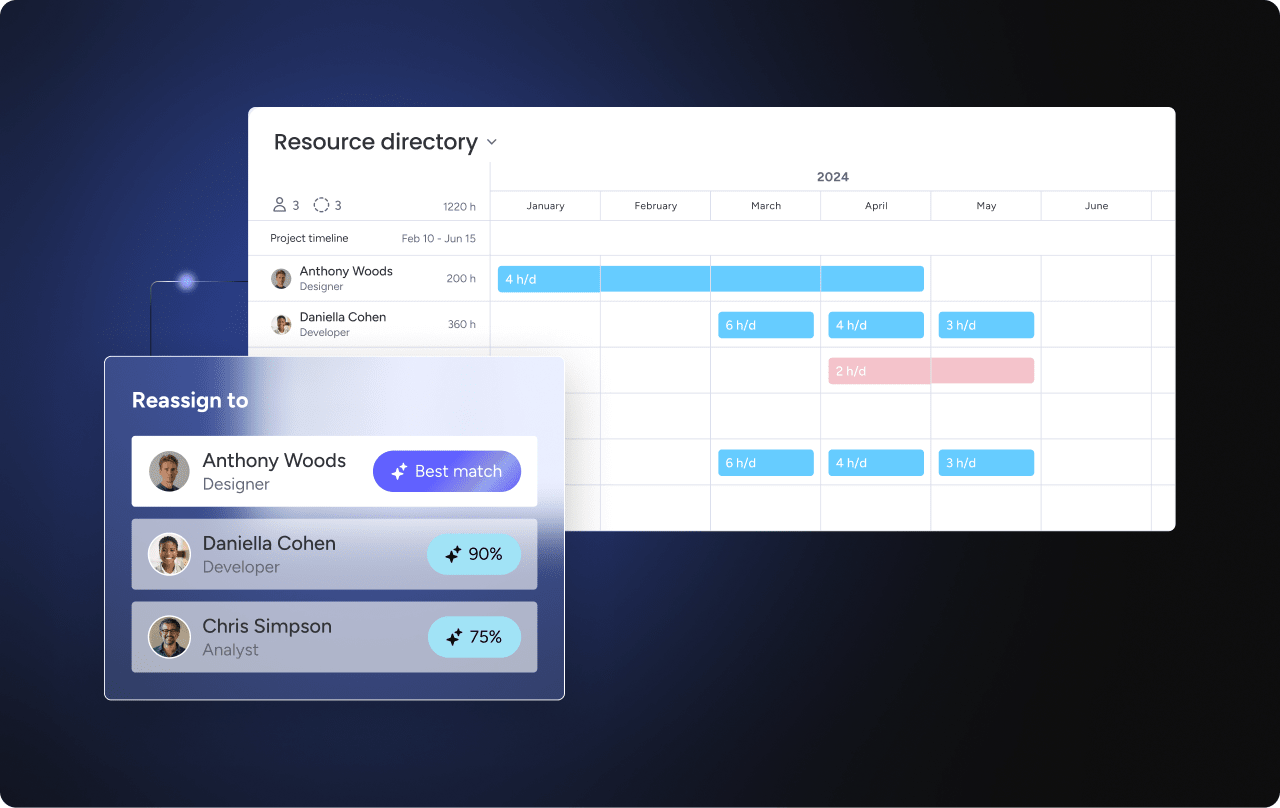
AI helps teams manage requirements with greater consistency and less manual effort. Instead of sorting large volumes of input by hand, teams can automatically organize, review, and refine requirements as they are captured. This keeps documentation structured, improves clarity early, and helps teams move faster from discussion to execution.
Automated requirements classification
As requirements are collected, AI can automatically categorize them by type, priority, or complexity. This reduces manual sorting and helps teams quickly identify what needs immediate attention, what requires technical review, and what can be scheduled later.
Consistent classification becomes especially valuable when working with large volumes of stakeholder input. Organized requirements are easier to review, prioritize, and connect to project planning activities, helping teams maintain clarity as scope evolves.
Intelligent completeness checking
AI analyzes requirement sets identifying gaps, inconsistencies, and missing information before execution begins. This capability acts as automated quality assurance, ensuring comprehensive coverage and preventing costly late discoveries.
AI-powered validation improves requirement quality through automated detection:
- Gap identification: AI flags missing requirement categories prompting teams to fill blanks.
- Consistency validation: Automated detection identifies conflicting requirements for early resolution.
- Dependency mapping: AI identifies complex requirement relationships helping teams sequence work.
- Quality scoring: Automated assessment provides completeness metrics indicating readiness.
Risk detection in requirements
AI helps surface potential risks early by identifying gaps, conflicts, and dependencies within requirement sets. Highlighting these issues sooner gives teams time to clarify expectations, resolve inconsistencies, and adjust plans before challenges affect timelines or scope.
Early visibility into potential obstacles supports more confident planning and reduces last-minute surprises. When risks are easier to spot, teams can make informed decisions, prioritize effectively, and maintain steady progress as requirements evolve.
Try monday.comTurn requirements into results with monday.com
Clear requirements create direction, but keeping them connected to execution is what keeps projects moving forward. monday.com provides a sophisticated environment where requirements remain visible, structured, and tied directly to real work. Instead of living in disconnected documents, requirements stay active throughout the project, helping teams adapt quickly while maintaining alignment with original goals.
By bringing requirements, collaboration, and progress tracking into one place, teams gain greater clarity into what needs to be delivered and how work is advancing. This connected approach reduces manual coordination and helps ensure every requirement continues to support meaningful outcomes as projects evolve.
Visual requirements tracking boards
Visual boards organize requirements into structured, trackable workflows that are easy for stakeholders to understand and maintain. Requirements become active items that teams can prioritize, assign ownership to, and update as work progresses, keeping important context connected to execution.
The table below highlights how visual boards support more consistent collaboration, clearer visibility, and more reliable progress tracking compared to traditional documentation approaches.
| Aspect | Traditional approach | monday work management |
|---|---|---|
| Documentation format | Static documents (Word, PDF) | Dynamic, visual boards |
| Collaboration method | Email threads and meetings | Real-time platform collaboration |
| Progress tracking | Manual status updates | Automated progress indicators |
| Change management | Document revisions | Workflow-based change tracking |
| Stakeholder engagement | Scheduled review meetings | Continuous platform participation |
| Integration with execution | Manual work item creation | Direct requirement-to-work connection |
| Reporting | Manual report compilation | Automated dashboard analytics |
Customizable views allow teams to organize requirements by owner, priority, or status, making it easier to focus on what matters most. Visual progress indicators provide immediate clarity on completion levels, while real-time updates keep stakeholders aligned as requirements evolve alongside project work.
Automated approval workflows
The platform automates requirement approval processes, eliminating bottlenecks and ensuring proper stakeholder sign-off. Automation reduces manual coordination while maintaining strict governance and accountability records.
Key automation features include:
- Approval routing: Requirements automatically move to appropriate stakeholders for review.
- Notification systems: Stakeholders receive instant alerts when input is needed.
- Escalation protocols: Overdue approvals automatically escalate preventing delays.
- Audit trails: Complete approval records maintained automatically for compliance.
Real-time team collaboration
The intuitive monday.com platform enables distributed teams to collaborate effectively on requirements regardless of location. Features specifically support requirements gathering and management activities, keeping communication contextual and actionable.
Teams experience seamless collaboration through multiple stakeholders updating requirements without conflicts. Contextual discussions happen directly on specific requirements, keeping feedback organized. Supporting documents and specifications link directly to requirements, creating a single truth source.
Finally, requirements discussions flow seamlessly with existing communication channels like Slack or Microsoft Teams.
Requirements analytics dashboards
Dashboard capabilities provide deep insights into requirements progress, quality, and project impact. These analytics help teams make data-driven decisions about requirement prioritization and resource allocation.
Analytics provide actionable insights through:
- Visual representations of requirement completion rates provide clear project status.
- Analytics highlight where requirements get stuck, allowing quick intervention.
- Insights into stakeholder participation help managers drive engagement.
- Metrics assess requirement completeness, giving teams readiness indicators.

“monday.com has been a life-changer. It gives us transparency, accountability, and a centralized place to manage projects across the globe".
Kendra Seier | Project Manager
“monday.com is the link that holds our business together — connecting our support office and stores with the visibility to move fast, stay consistent, and understand the impact on revenue.”
Duncan McHugh | Chief Operations OfficerBuild requirements that drive project success today
Requirements gathering determines whether projects deliver value or drift into misalignment. The shift from static documents to living systems reflects how organizations work today. Requirements gathering isn’t about creating perfect documentation but building operational systems that connect stakeholder needs to team execution.
Teams that master requirements gathering create competitive advantages through faster delivery, reduced rework, and stronger stakeholder alignment. The investment in structured approaches pays dividends throughout the project lifecycle, preventing costly changes and ensuring deliverables meet expectations.
monday.com transforms requirements from documentation checkpoints into execution systems. With AI assistance, automated workflows, real-time visibility, and enterprise governance built in, teams capture requirements faster while maintaining quality. Visual boards, automated approvals, and integrated dashboards ensure requirements stay current and connected to actual work delivery.
Try monday.comFrequently asked questions
What is the difference between business requirements and functional requirements?
The difference between business requirements and functional requirements is their focus. Business requirements define the "why" by capturing high-level business objectives, while functional requirements define the "what" by specifying the features and capabilities needed to meet those objectives.
How do you write requirements that avoid scope creep?
Requirements that prevent scope creep include specific, measurable criteria and explicit boundaries defining what is included and excluded from project scope. Stakeholder agreement on these boundaries must be secured before project execution begins.
Which requirements gathering template format works Use case agile teams?
Agile teams typically benefit from user story formats combined with visual boards that support iterative refinement and continuous stakeholder feedback. The optimal format depends on team size, project complexity, and specific stakeholder preferences.
How do you prioritize requirements when everything seems critical?
Structured prioritization methods such as business value ranking, technical dependency analysis, and stakeholder impact assessment allow teams to objectively evaluate requirement importance. Effective prioritization requires collaborative stakeholder discussions to agree on necessary trade-offs.
What is a requirements traceability matrix and when do you need one?
A requirements traceability matrix is a document linking requirements to their corresponding project deliverables, test cases, and validation criteria. These matrices are essential for complex projects, regulated industries, or any situation where strict compliance must be demonstrated.
Can AI help with requirements gathering and documentation?
AI can automate requirements classification, identify gaps and inconsistencies, and provide intelligent analysis of requirement quality and completeness. While AI significantly enhances efficiency and accuracy, it supports rather than replaces human judgment in the requirements gathering process.

 Get started