

Targeted email campaigns deliver 2-5% conversion rates by sending personalized messages to specific audience segments based on their interests and behaviors. With AI-powered tools, you can now identify the right groups and create compelling content in minutes, driving measurable revenue and stronger customer relationships.
This guide shows you how to launch and optimize targeted campaigns that connect marketing directly to sales revenue. You’ll learn powerful segmentation strategies, AI-driven content creation, step-by-step campaign setup, and how to track full-funnel ROI across the entire customer journey.
Try monday campaignsKey takeaways
- Targeted email campaigns deliver 2-5% conversion rates by sending relevant messages to specific audience segments instead of mass blasting everyone.
- AI-powered segmentation and content creation help you launch personalized campaigns in minutes rather than hours of manual work.
- Clean first-party data from website forms and preference centers builds the foundation for effective targeting and higher deliverability rates.
- Focus on revenue metrics like conversion rates and ROI instead of vanity metrics like open rates to prove real business impact.
- Connect your email marketing directly to your CRM data with monday campaigns and create seamless handoffs between marketing and sales teams.
What are targeted email campaigns?
Targeted email campaigns send marketing messages to specific groups of subscribers based on their characteristics, behaviors, or preferences. This means you segment your email list and personalize content for each group instead of sending the same message to everyone.
Think of it this way: Rather than shouting the same message to a crowded room, you’re having relevant conversations with smaller groups who actually care about what you’re saying. You use data like purchase history, website behavior, or demographics to create these groups and craft messages that resonate with each one.
This approach relies on a few key components working together to create a relevant experience for every subscriber. Understanding these elements is the first step toward building campaigns that deliver results.
- Audience segmentation: dividing your list into smaller groups based on shared traits
- Personalized content: tailoring subject lines, body copy, and offers to each segment
- Behavioral triggers: automating sends based on actions like cart abandonment or email opens
Why targeted email campaigns drive higher ROI
Targeted campaigns deliver measurable business outcomes because they speak directly to what each recipient cares about. When you send relevant messages, people open them, click through, and take action. In fact, 65% of customers say targeted promotions are a top reason they make a purchase.
Increased engagement and conversion rates
Personalized subject lines grab attention because they address specific needs or interests. Dynamic content ensures each recipient sees offers and messaging that match their stage in the customer journey. Advanced personalization strategies can deliver 2-3 times higher click rates compared to traditional campaigns.
Improved customer retention
Lifecycle marketing keeps customers engaged long after their first purchase. Welcome sequences guide new customers through your product. Re-engagement campaigns bring inactive subscribers back before they churn completely.
This approach reduces the cost of acquiring new customers while increasing lifetime value from existing ones.
Enhanced deliverability and inbox placement
Email providers track how recipients interact with your messages. High engagement signals that your emails are wanted, improving your sender reputation and inbox placement. Low engagement does the opposite, pushing your emails toward spam folders.
Targeted campaigns naturally drive higher engagement because they’re relevant. This creates a positive cycle where improved engagement leads to higher deliverability, which leads to even more engagement.
Building your targeted email list foundation
Quality data forms the foundation of effective targeting. Without accurate, compliant data, even the most sophisticated strategies fall flat.
First-party data collection strategies
First-party data comes directly from your audience through interactions with your business. This data is more reliable and actionable than purchased lists because it reflects genuine interest.
Common collection methods that drive results include:
- Website forms: Capture names and emails along with preferences for segmentation
- Preference centers: Let subscribers choose their content interests and email frequency
- Purchase tracking: Record transaction history to enable product recommendations
- Event registrations: Build engaged lists from webinar or workshop attendees
Preference centers for enhanced targeting
Preference centers put control in subscribers’ hands. When people can choose what they receive, they stay engaged longer and mark fewer emails as spam.
Common preference options include product categories, content types, and communication frequency. This self-reported data improves targeting accuracy while building trust with your audience.
List quality and hygiene management
Clean lists deliver stronger results. Regular maintenance involves removing hard bounces immediately, monitoring soft bounces for patterns, and re-engaging or removing inactive subscribers.
Data decay happens naturally as people change jobs or email addresses. Regular list cleaning improves your deliverability and ensures your campaigns perform at their peak.
Try monday campaigns6 powerful email segmentation strategies
Effective segmentation transforms generic campaigns into personalized conversations. Each strategy uses different data points to create meaningful groups.
1. Demographic segmentation
Demographics divide audiences by measurable characteristics like location, age, or job title. B2B marketers might target IT managers with security content while sending compliance updates to legal teams. This approach works when your product appeals differently to distinct demographic groups.
2. Behavioral targeting
Behavioral data reveals what people do, not just who they are. Track website visits, email engagement, purchase patterns, and content consumption to create dynamic segments.
Someone who visits your pricing page 3 times shows different intent than a first-time blog reader. Behavioral targeting lets you respond to these signals with relevant messages.
3. Lifecycle stage segmentation
Map content to where recipients are in their journey through lifecycle segmentation. New subscribers need education and welcome content, whereas active customers benefit from usage tips and loyalty rewards. Lapsed customers require win-back offers. This prevents sending promotional offers to brand-new contacts or basic education to power users.
4. Purchase history and customer value
RFM analysis examines Recency, Frequency, and Monetary value to identify your most valuable customers. High-value customers receive VIP treatment. Infrequent buyers get incentives to return. First-time purchasers receive onboarding sequences.
5. Engagement-based segments
Classify subscribers by how they interact with your emails. Highly engaged subscribers get exclusive content. Moderately engaged contacts receive educational material. Inactive subscribers trigger re-engagement campaigns. This approach allocates resources effectively while maintaining list health.
6. AI-powered predictive segmentation
Machine learning identifies patterns humans might miss. AI analyzes engagement history, purchase data, and demographics to predict future behavior.
For example, it can flag subscribers who resemble past high-value customers or identify contacts showing early churn signals before they disengage completely. Instead of reacting after performance drops, you can proactively send retention offers, upsell campaigns, or tailored content based on predicted intent.
5 AI-driven strategies for targeted email marketing
AI transforms how marketers create, send, and optimize campaigns. These strategies combine automation with human oversight for superior results.
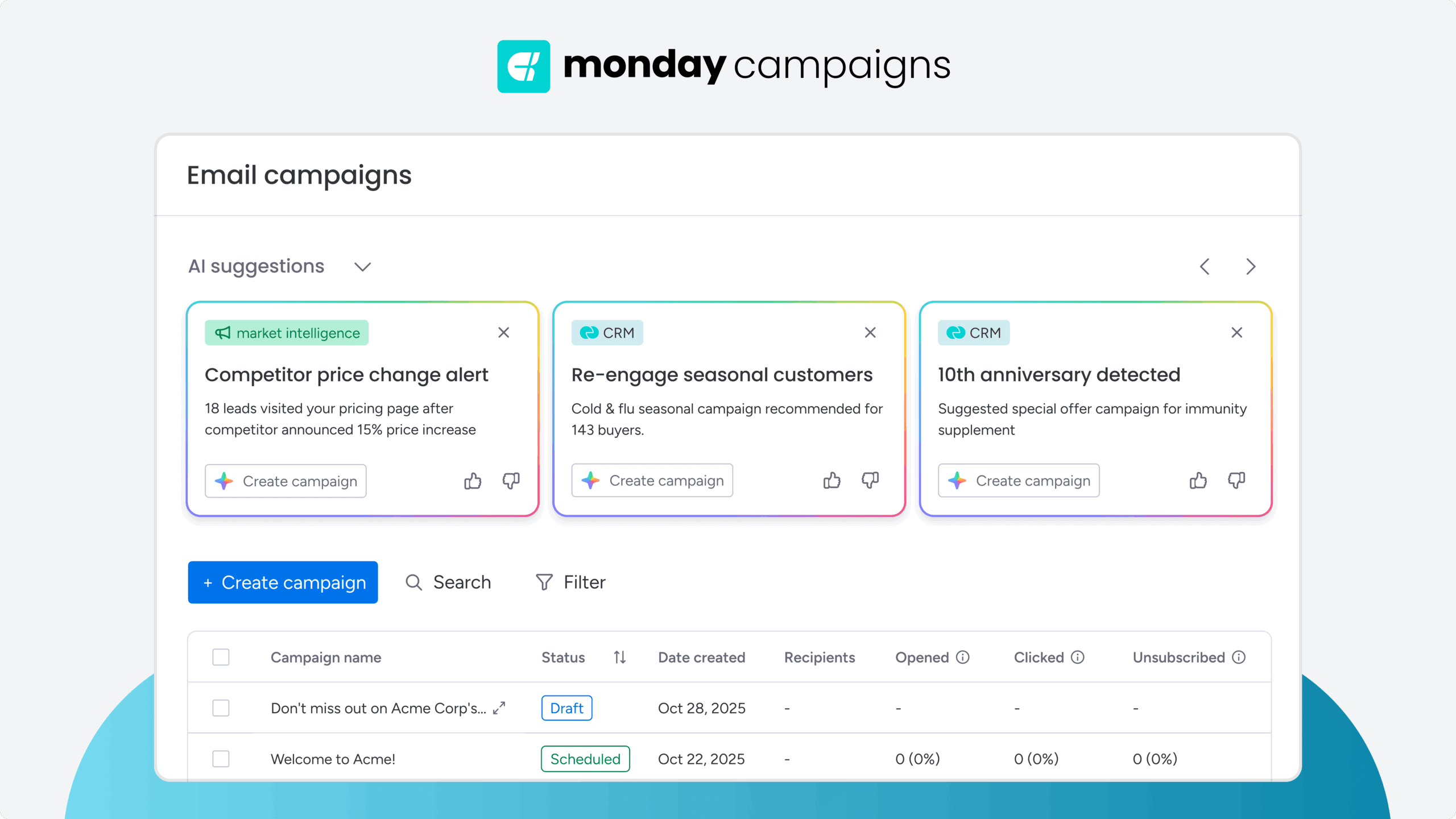
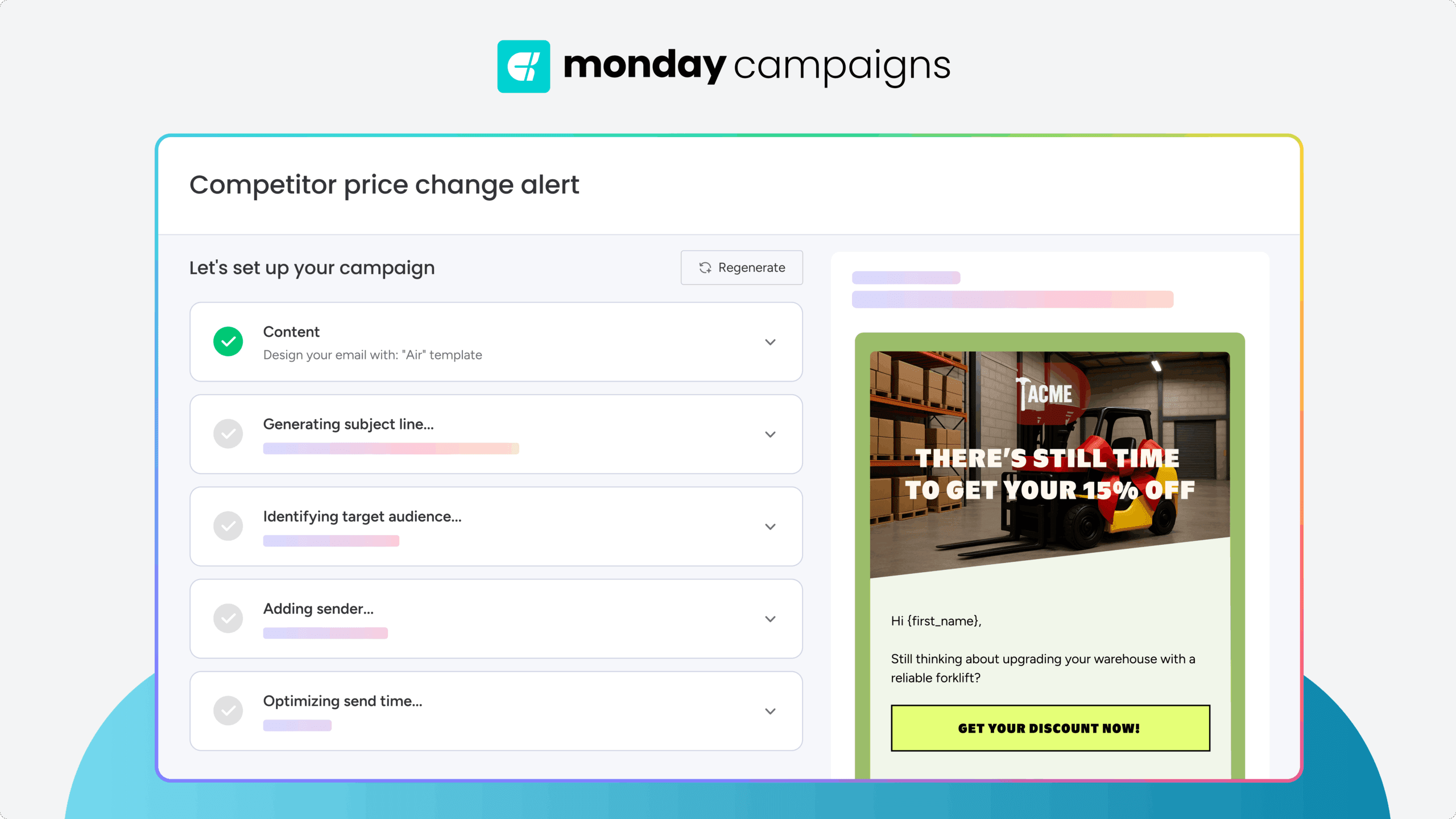
- AI-generated campaign content: AI creates personalized subject lines and body copy by analyzing recipient data and campaign goals. You provide objectives and audience details. AI suggests content that resonates. You review and refine before sending.
- Smart audience recommendations: AI surfaces optimal segments by analyzing patterns in your data. Lookalike audiences expand reach by finding new contacts similar to your best customers. Instead of manually analyzing spreadsheets, AI identifies promising segments based on recent engagement or purchase trends.
- Optimal send-times prediction: AI determines when each subscriber is most likely to open emails. Unlike generic best practices, this approach personalizes timing for each recipient.
- Dynamic personalization at scale: Dynamic content adapts based on recipient data. One campaign template delivers personalized product recommendations, location-based offers, and behavior-triggered messages. With personalization, each recipient sees content tailored to their interests without you building separate campaigns.
- Real-time campaign optimization: AI monitors performance and adjusts elements automatically. A/B testing happens continuously. Underperforming segments receive updated content. Send times shift based on engagement patterns. You maintain control while AI handles optimization details.
How to launch targeted email campaigns in 6 steps
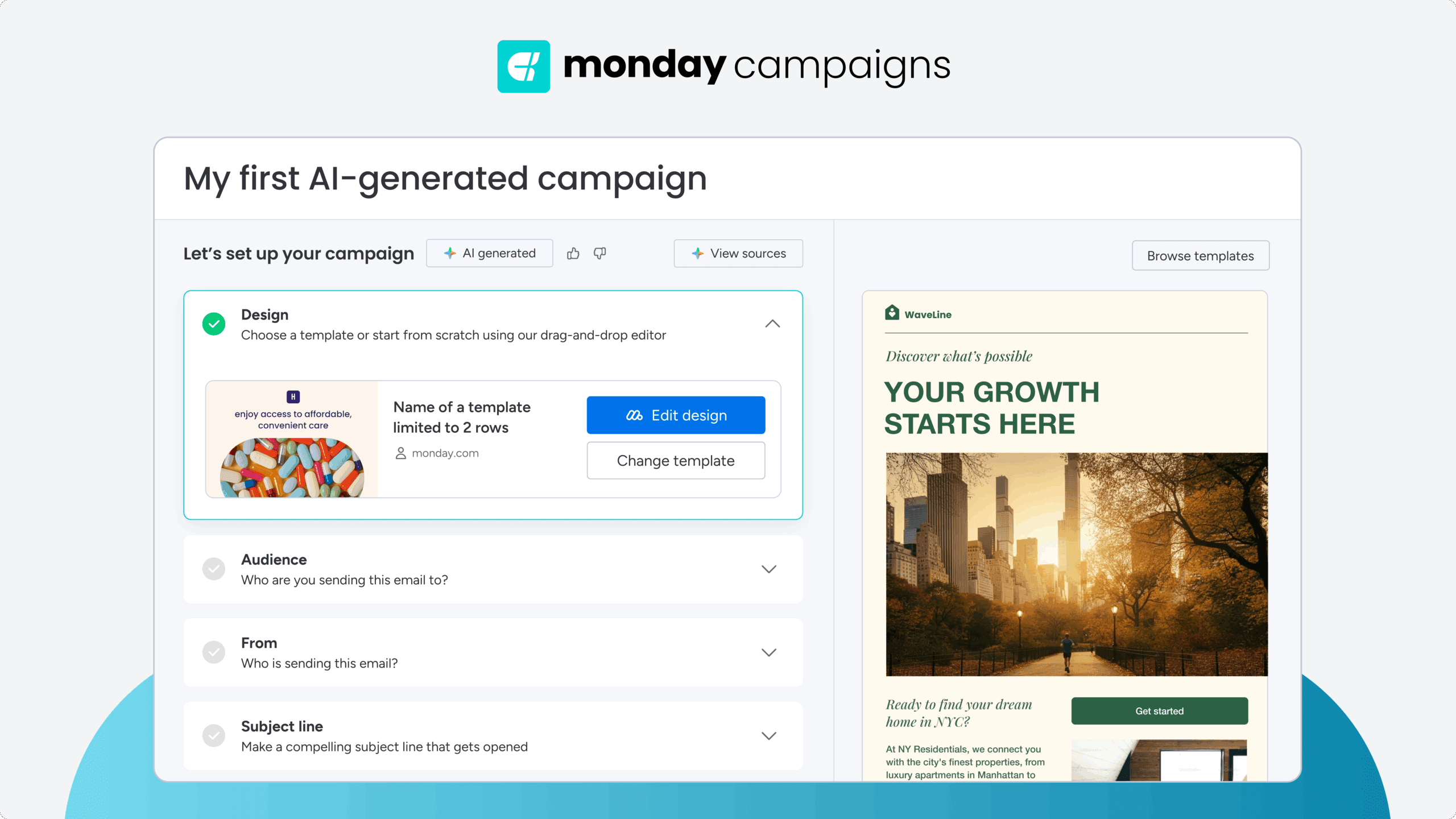
Successful campaigns follow a structured process from planning through measurement. monday campaigns streamlines each step with integrated features.
- Define campaign goals and KPIs: Start with clear objectives. Are you generating leads, retaining customers, or promoting products? Choose KPIs that directly measure progress toward these goals. Common KPIs include conversion rates, revenue generated, and customer lifetime value. Avoid vanity analytics that don’t connect to business outcomes.
- Select and segment your target audience: Apply segmentation strategies based on your goals. Lead generation campaigns might target behavioral segments. Retention campaigns focus on lifecycle stages.
- Create personalized email content: Strong subject lines address specific recipient needs. Body copy speaks to segment interests. Specific calls to action align with campaign goals. Use dynamic fields for personalization. Test variations to improve performance over time.
- Set up automated workflows: Automation ensures timely delivery without manual work. Welcome series trigger when someone subscribes. Abandoned cart emails send automatically after set periods.
- Configure email authentication: SPF, DKIM, and DMARC protocols verify your identity as a sender. Proper configuration improves deliverability and protects against spoofing. While technical, this step is critical for reaching inboxes. monday campaigns guides you through setup with built-in support.
- Test and launch your campaign: Pre-launch testing catches issues before they impact results. Test emails across devices and clients. Review content for accuracy. Verify tracking setup. Monitor performance after launch and adjust based on data.
Measuring targeted campaign success

Measurement connects activity to outcomes. Focus on metrics that demonstrate business impact.
- Revenue attribution and incrementality: Link campaigns to actual sales using attribution models. First-touch attribution credits the initial email. Last-touch credits the final interaction. Multi-touch distributes credit across touchpoints. Incrementality testing compares campaign results against control groups to prove true impact.
- Tracking conversions through the funnel: Email influences each funnel stage differently. Awareness emails introduce your brand. Consideration emails provide comparisons. Decision emails offer incentives.
- Moving beyond vanity metrics: Open rates indicate subject line effectiveness but don’t measure business impact. Focus instead on conversion rates, revenue generated, and ROI. These metrics prove value to leadership and guide optimization decisions.
Connecting email campaigns to sales revenue
Marketing and sales alignment multiplies campaign impact. Shared data and goals create better outcomes for both teams.
- Marketing and sales data alignment: When teams work from unified data, handoffs become more efficient. Marketing can see which campaigns drive qualified leads, while sales understands each lead’s full email engagement history.
- Lead scoring and qualification: Assign point values based on engagement and fit. Someone who opens every email and visits pricing pages scores higher than passive subscribers. Well-defined scoring criteria ensure sales receives truly qualified leads, improving conversion rates.
- Full-funnel ROI tracking: Connect email touches to closed deals and customer value. This requires robust tracking across channels and stages.
Launch revenue-driving campaigns with monday campaigns

With monday campaigns, you can address every challenge covered in this guide through capabilities designed specifically for revenue-focused marketers:
- AI-powered creation and optimization: Generate personalized subject lines and body copy in seconds, not hours. AI analyzes your audience data to recommend high-performing segments you might have missed. Build automated workflows that adapt based on recipient behavior, freeing your team to focus on strategy instead of manual execution.
- Native CRM integration: Connect email marketing directly to your sales pipeline without complex integrations or data exports. See which campaigns drive qualified leads and closed deals. Sales teams access full email engagement history for every contact, creating informed conversations. This unified view eliminates the data silos that typically prevent marketing from proving ROI.
- End-to-end campaign management: Plan campaigns, manage content creation, execute sends, and analyze performance from one platform. No more jumping between tools or reconciling data from multiple sources. Track full-funnel metrics from first email touch to final conversion, connecting every marketing activity directly to revenue outcomes.
- Built-in deliverability tools: Guided setup for SPF, DKIM, and DMARC authentication ensures your emails reach inboxes instead of spam folders. Monitor sender reputation and get actionable recommendations to maintain high deliverability rates as you scale.
- Real-time collaboration features: Marketing and sales teams work from the same data, creating seamless handoffs and shared accountability for results. Comment on campaigns, assign tasks, and track progress without endless email threads or status meetings.
These capabilities work together to transform how marketing and sales teams collaborate, turning email campaigns into a predictable revenue driver rather than a disconnected activity.
Start building targeted campaigns that drive revenue
Targeted email campaigns deliver measurable results by combining smart segmentation, AI-powered personalization, and automated workflows that speak directly to what each subscriber cares about. When you send relevant messages to the right people at the right time, you transform email from a broadcast channel into a predictable revenue driver.
Get everything you need to launch sophisticated targeted campaigns without technical complexity or disconnected tools with monday campaigns. Try it today and see how unified email marketing and CRM data can transform your results.
Try monday campaignsFAQs
How long does it take to implement targeted email campaigns?
The time it takes to implement targeted email campaigns typically ranges from a few days to several weeks, depending on your data quality, team size, and chosen platform's complexity.
What's a good conversion rate for targeted email campaigns?
A good conversion rate for targeted email campaigns usually falls between 2% and 5%, though this can vary significantly by industry and audience quality.
How often should I send targeted emails to subscribers?
Sending targeted emails one to 4 times per month works well for most businesses, as relevance allows for more frequent communication without fatigue.
Do I need technical expertise to create targeted email campaigns?
Technical expertise isn't required for creating targeted email campaigns when using modern platforms like monday campaigns that offer intuitive interfaces and guided workflows.
What's the difference between email targeting and email segmentation?
Email segmentation groups subscribers by shared characteristics, while email targeting uses those segments to deliver personalized messages to each group.
How much do targeted email marketing services typically cost?
Targeted email marketing services vary in cost based on list size and features, with most platforms offering tiered pricing that scales with your needs.

 Get started