

Social media campaigns rarely fail because of weak ideas. More often, they break down in execution. Content stalls in approvals, posting schedules collide across platforms, and ownership becomes unclear once multiple teams are involved.
A social media plan template brings order to that chaos. It turns disconnected tasks into a structured system teams can repeat, refine, and scale. Instead of juggling spreadsheets, chat threads, and ad hoc calendars, a plan template connects strategy to daily execution, keeping content consistent while allowing room to adapt to feedback and shifting priorities.
This guide breaks down the essentials of modern social media planning. It covers how to choose the right type of template, design workflows that support growing teams, and apply AI to reduce manual work. The result is a planning approach that supports long-term strategy while making day-to-day social media operations easier to manage.
Key takeaways
- Social media planning turns strategy into execution: a clear plan template connects long-term business goals with day-to-day content creation, approvals, and publishing so teams stay aligned and consistent.
- Different objectives require different templates: strategy, content calendar, campaign, workflow, and audit templates each serve distinct purposes and work best when used together rather than as a single document.
- Effective plans focus on business impact, not vanity metrics: goals, KPIs, and reporting should link social activity to outcomes like revenue, leads, retention, and market share.
- AI and automation reduce manual workload and improve accuracy: automated categorization, sentiment analysis, predictive insights, and approval routing help teams scale social media operations efficiently.
- Unified work management platforms enable collaboration at scale: tools like monday work management centralize planning, approvals, and performance tracking, making social media easier to manage across teams, regions, and stakeholders.

A social media plan template organizes activities, content, and approvals in a single system that teams can reuse consistently. It replaces scattered spreadsheets and disconnected tools with a unified place to manage campaigns, monitor performance, and coordinate across teams.
For larger organizations, these templates turn strategy into action by linking leadership priorities with daily team execution. They provide structure that keeps campaigns consistent across regions, brands, and departments, even when objectives shift.
The most effective templates function as active workflows, not static documents. They provide a framework that converts strategy into measurable actions. Here is what sets a strategic social media system apart from reactive, ad hoc efforts:
- Reusable framework: adapts to different campaigns, platforms, or quarters without requiring a rebuild.
- Standardized processes: ensures consistent content creation, approvals, and publishing across teams.
- Scalable structure: accommodates growing complexity as your organization expands.
Social media plan vs strategy
A social media strategy defines the “what” and “why” — outlining objectives, brand positioning, and target audiences that remain relatively stable over time. A social media plan defines the “how” and “when” — detailing specific posts, posting schedules, and platform tactics.
Strategy belongs to executives, while plans belong to the teams executing the work. Strategy points the direction. Plans guide daily action. Both are necessary: strategy aligns everyone, and plans ensure consistent execution.
Who creates social media plans?
In larger organizations, social media planning involves multiple roles. Social media managers handle execution, while planning engages brand managers for consistency, product teams for launch timing, and legal teams for compliance.
Each role contributes unique requirements to the process:
- Marketing managers: oversee alignment with broader initiatives and revenue goals.
- Content creators: manage production timelines and asset delivery.
- Executives: require visibility into performance metrics and ROI without operational detail.
- External partners: agencies and freelancers need secure access for asset delivery and approvals.

Different goals require distinct planning approaches. For complex operations, specialized templates for specific aspects of social media work provide more precise results.
Social media strategy template
The strategy template serves as the foundation for all social media work. It captures long-term goals, brand positioning, and target audiences so every post supports the bigger vision.
Key elements include:
- Goal-setting frameworks: connect social metrics to business outcomes.
- Audience research: detail primary personas, including pain points and behavioral triggers.
- Brand guidelines: define voice and visual standards to maintain consistency across channels.
Content calendar template
The content calendar acts as a command center for daily operations. It tracks what is being published, when, and where, helping teams identify gaps, prevent overlap, and maintain a steady rhythm.
Core components include:
- Posting schedules: dates and times for each platform.
- Content specifications: asset types and platform requirements.
- Status tracking: real-time visibility into production progress.
Campaign planning template
Campaign templates handle time-bound projects, such as product launches or seasonal promotions. Unlike ongoing calendars, these focus on stories requiring tighter coordination.
Critical features include:
- Budget allocation tracking: monitor spending against campaign line items.
- Timeline milestones: map critical dates for production and launch.
- Cross-team coordination: assign responsibilities across product, sales, and marketing.
Social media workflow template
Workflow templates map content from idea to published post. They standardize quality checks to ensure nothing is missed, which is crucial for teams with strict compliance requirements.
Workflow stages include:
- Ideation and briefing: standardized intake forms for new content ideas.
- Production and review: defined cycles for stakeholder feedback.
- Publishing protocols: checklists for final quality assurance, tagging, and scheduling.
Social media audit template
Audit templates provide a structured approach to reviewing performance and identifying improvements. Conduct audits quarterly or annually to inform strategy adjustments and budget allocation.
Audit focus areas include:
- Platform performance: analyze engagement metrics by channel.
- Content effectiveness: review which formats deliver the highest ROI.
- Competitor benchmarking: compare share of voice against market rivals.
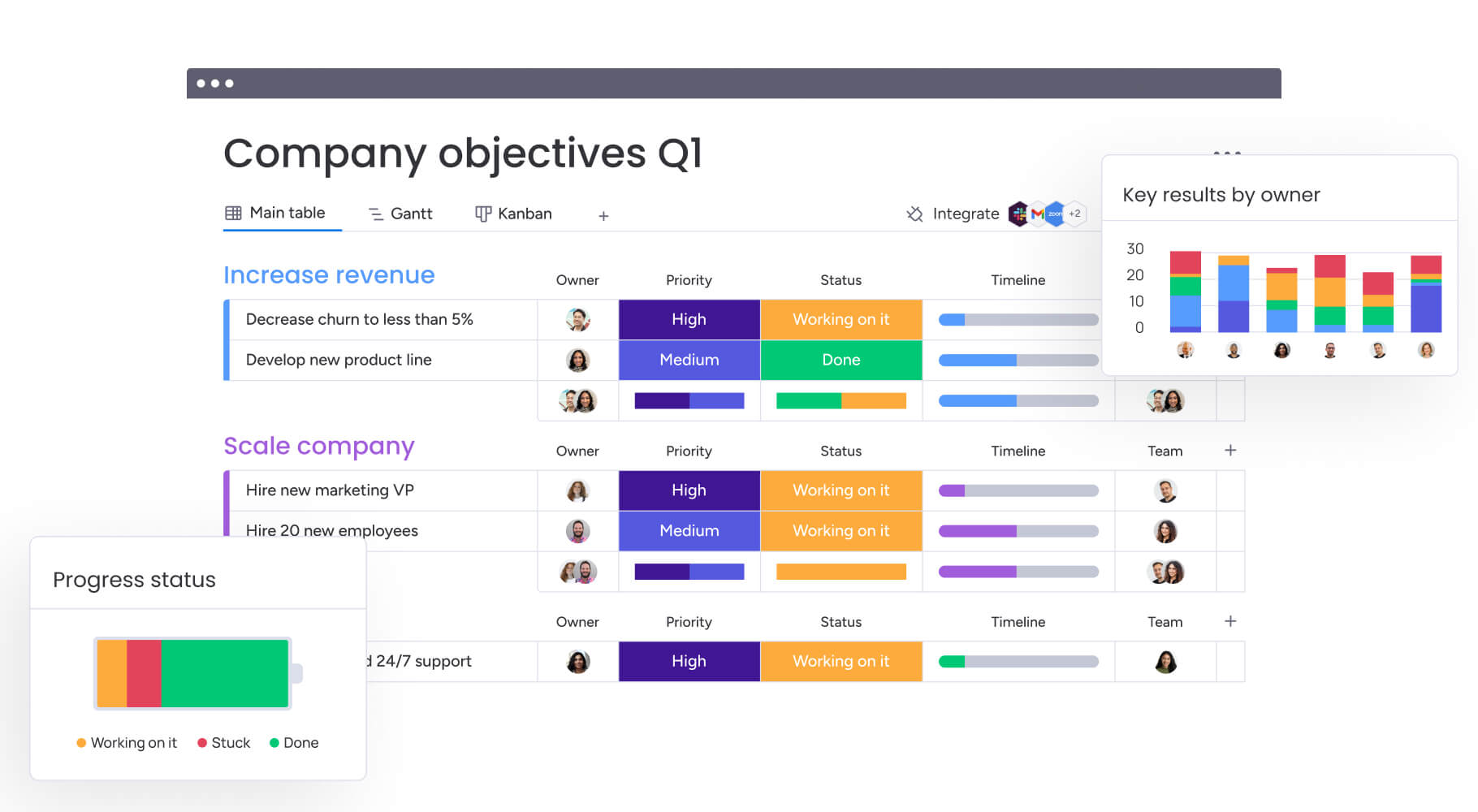
Essential components of your social media plan
Effective social media operations rely on five core elements that transform scattered efforts into measurable business outcomes.
Goals and KPIs
Clear, measurable goals link social media activity to business performance. Good plans differentiate between vanity metrics and meaningful impact, pairing each goal with KPIs that demonstrate real results.
Business goals translate into social media objectives through specific connections:
- Market share growth: increase brand awareness via reach, impressions, and share of voice.
- Revenue growth: generate leads tracked by click-through and conversion rates.
- Retention improvements: enhance customer support using response time and sentiment scores.
Target audience profiles
Detailed audience personas inform what content to create and which channels to prioritize. Go beyond demographics by including behavior patterns, content preferences, and platform usage.
Larger organizations may create multiple personas for different products or regions. Continuously collect data to refine profiles as audiences evolve.
Platform selection and strategy
Select platforms that align with your goals and where your audience is most active. This shows where your brand should compete — and where it should not.
Match platform strengths with your team’s capacity. Focusing on fewer key platforms produces more consistent and impactful results than spreading resources too thin.
Content pillars and themes
Content pillars are the core themes that communicate your brand message. They ensure variety while maintaining consistency across audiences.
Common pillars that drive engagement include:
- Educational content: share industry insights and thought leadership.
- Promotional content: showcase product updates and case studies.
- Culture content: highlight behind-the-scenes activities and company values.
- User-generated content: feature customer stories and community highlights.
Posting schedule and frequency
A posting schedule turns strategy into action, balancing consistency with team capacity. Consider when your audience is most active and how platform algorithms prioritize content.
Try monday work managementEffective schedules remain flexible to accommodate trending topics or urgent situations while maintaining a steady rhythm to keep your brand visible.
How to choose the right social media planning template
Selecting the appropriate planning approach depends on team maturity, organizational size, and operational complexity. The right template simplifies work, rather than adding unnecessary steps.
Consider these factors when evaluating templates:
- Organizational size and complexity: large enterprises need detailed workflow templates with approval hierarchies; smaller teams can use streamlined content calendars.
- Social media maturity: new teams benefit from strategy templates; mature teams focus on optimization and auditing.
- Team structure: cross-functional teams require templates that define roles and handoffs.
- Campaign vs ongoing activities: project-based initiatives benefit from campaign templates with budget tracking.
- Compliance requirements: regulated industries need templates with strict approval workflows and audit trails.
6 steps to build your social media marketing plan
Creating a social media plan follows a sequence, moving from overarching goals to daily execution. This ensures social activity aligns with business objectives and produces measurable outcomes.
Step 1: define your social media objectives
Translate broad business goals into specific social media targets. For example, if the business goal is increasing revenue by twenty percent, a social objective might be generating five hundred qualified leads each month.
Objectives should be SMART: specific, measurable, achievable, relevant, and time-bound. This ensures social efforts tie directly to revenue and growth.
Step 2: audit your current social presence
Review profiles, content performance, and resource allocation before planning next steps. An audit identifies opportunities and highlights quick wins.
Establish baseline metrics to track progress and provide insights into areas for immediate improvement.
Step 3: research your audience and competitors
Audience research collects demographic and behavioral data to understand content preferences.
Competitor analysis highlights market gaps and areas to differentiate. Examine engagement and strategies to identify ways to capture more of the conversation.
Step 4: select your platforms and content mix
Choose platforms that match team capabilities. Define the role of each channel and adjust content strategies accordingly.
This approach prevents burnout and focuses quality where it will generate the most impact.
Step 5: build your content calendar
Organize topics, assign owners, and set deadlines. A content calendar converts strategy into action while allowing room for approvals and real-time engagement.
Modern platforms like monday work management connect content to calendar dates, creating a single source of truth and automating notifications as items move through production.
Step 6: establish metrics and reporting cadence
Determine which KPIs matter to different stakeholders and how often to report them. Daily dashboards track engagement for social teams, while executive reports focus on quarterly ROI.
Data-driven reporting ensures strategy remains adaptable, allowing teams to adjust based on real insights rather than assumptions.
AI-powered features for social media planning
AI automates manual workflows, freeing teams to focus on strategy and creativity. These tools reduce repetitive tasks and improve accuracy across campaigns.
- Automated content categorization: AI tags and organizes content by theme, sentiment, or visual style, replacing manual filing and ensuring consistency. Features like the “Assign labels (Categorize)” AI Block scan content and apply tags automatically, enabling instant filtering for “user-generated content” or “high-priority support.”
- Sentiment analysis and monitoring: AI evaluates audience sentiment in real time, scanning comments and mentions to identify potential issues before escalation. The “Detect sentiment” AI Block flags negative interactions and gauges emotional tone for proactive response.
- Predictive performance insights: AI forecasts optimal posting times, high-potential topics, and engagement rates based on past data. Teams can invest in what works and adjust what does not efficiently.
Cross-team collaboration and approval workflows
In large organizations, social media involves marketing, legal, product, and executive teams. Effective planning systems connect these groups and simplify approval processes. The right setup ensures content moves through reviews efficiently without compromising quality.
Breaking down marketing silos
Connected planning links social media to broader business initiatives. When social media schedules exist alongside product roadmaps and PR calendars, teams stay naturally aligned.
Teams using modern platforms like monday work management gain visibility by connecting social media boards to marketing strategy boards. This integration synchronizes campaigns with product launches and ensures consistent messaging across channels.
Multi-level approval systems
Enterprise organizations need structured governance through multi-step approval workflows that route content for creative review, legal compliance, and executive sign-off.
Workflow templates automate this process, notifying each approver instantly and tracking asset status. This approach guarantees all content is fully approved before publication, maintaining compliance while supporting the pace required for social media.
External stakeholder access
Collaboration extends to agencies, freelancers, and influencers. Secure planning platforms allow external partners to submit assets and view designated calendars without exposing sensitive internal data.
Granular permission settings let partners contribute efficiently while the organization retains control over brand and data security.

Demonstrating business impact requires moving beyond engagement metrics toward comprehensive ROI analysis. Advanced reporting links social activity to revenue, providing executives with actionable insights. This approach turns social media from a cost center into a measurable driver of business growth.
Real-time dashboard creation
Dynamic dashboards replace static monthly reports, offering instant visibility into performance. These dashboards consolidate data from multiple platforms into single views, letting teams monitor campaigns in real time.
Stakeholders can explore high-level summaries and drill into individual post metrics, enabling rapid decision-making based on current data rather than outdated spreadsheets.
Campaign attribution tracking
Attribution models connect social media touchpoints to conversion events. Tracking the customer journey clarifies how social interactions contribute to lead generation and sales.
This analysis quantifies social media’s true impact, highlighting which channels drive business growth and informing budget allocation decisions.
Portfolio-level analytics
Organizations managing multiple brands or regions benefit from portfolio analytics that provide macro-level performance insights. Aggregated reporting highlights trends across the enterprise.
Leaders can optimize the social media portfolio instead of managing accounts in isolation, identifying effective strategies globally and allocating resources strategically.

“monday.com has been a life-changer. It gives us transparency, accountability, and a centralized place to manage projects across the globe".
Kendra Seier | Project Manager
“monday.com is the link that holds our business together — connecting our support office and stores with the visibility to move fast, stay consistent, and understand the impact on revenue.”
Duncan McHugh | Chief Operations OfficerRevolutionize your social media operations with unified planning
Social media planning at scale requires more than static templates. It demands intelligent systems that adapt to change, connect to business goals, and provide real-time visibility across teams.
Modern platforms like monday work management turn static documents into dynamic operating systems for social media teams. They replace scattered spreadsheets with unified workflows linking strategy, execution, and analysis. Teams gain operational clarity to run social media as a strategic function rather than disconnected activities.
Transform templates into living workflows
Static templates evolve into active workflows that drive processes forward. Platforms scale from simple calendars to complex, multi-team operations.
Traditional templates rely on:
- Static documents shared via email: teams risk versioning issues.
- Folder-based file systems: assets are difficult to track.
- Manual data collection: reporting and updates consume valuable time.
monday work management provides:
- Real-time collaborative boards with role-based permissions: teams work simultaneously without conflict.
- Automated approval processes with audit trails: every decision is logged and traceable.
- AI-powered categorization and tagging: assets are organized automatically for faster discovery.
Teams can build boards reflecting their unique processes, tracking content from ideation through legal review to publication. Status changes trigger automatic actions — moving an item to “Legal Review” notifies compliance officers, while “Approved” alerts social managers.
Automate repetitive social tasks
Automation reduces administrative friction, freeing creative teams to focus on strategy and content.
Key automation capabilities include:
- Content categorization: AI Blocks automatically tag assets by theme or platform.
- Approval routing: recipes direct content to the right stakeholders based on defined logic.
- Deadline management: smart notifications alert team members of approaching deadlines.
- Performance tracking: integrations pull metrics directly from social platforms into workflows.
Connect social media to business goals
Platforms like monday work management bridge daily activity and strategic impact. They provide the visibility needed to manage social media as a business function.
Social KPIs align with company objectives, showing how campaigns contribute to quarterly revenue. Sales and product teams can view relevant upcoming social activity without requesting updates. Workload views illustrate team capacity, helping managers distribute tasks evenly and prevent burnout during high-demand periods.
Try monday work managementFrequently asked questions
How do I create a social media plan?
Creating a plan involves defining objectives, researching audience behavior, selecting platforms, developing content pillars, and establishing a consistent posting schedule with measurable KPIs.
What is the 5 5 5 rule on social media?
The 5 5 5 rule recommends posting five pieces of curated industry content, five pieces of original content, and five pieces of personal or behind-the-scenes content to maintain engagement and authenticity.
What are the 7 C's of social media?
The 7 C's include content, community, conversation, capital (social), culture, collaboration, and conversion — all key to an effective strategy.
What is the 30 30 30 rule for social media?
The 30 30 30 rule suggests a content mix with 30% business promotion, 30% industry-related content, and 30% personal or community-focused posts.
How often should I update my social media plan template?
Templates should be reviewed quarterly to reflect changing objectives, platform algorithms, audience trends, and performance insights.
What metrics should I track in my social media plan?
Track metrics tied to business goals, including engagement rates, reach, click-through rates, conversions, and customer acquisition costs, rather than focusing solely on follower counts.

 Get started