


Expanding into different global markets isn’t about copying your domestic playbook and hoping it translates. Instead, international marketing requires you to adapt your product positioning, pricing strategies, and messaging across different countries and cultures while keeping your core brand intact.
That’s why we’ve created this guide to help you create your international marketing strategy and make sure your message lands with audiences, inside and outside of your home market. You’ll explore proven market entry strategies and learn how to manage distributed teams. We’ll also introduce you to platforms like monday.com to help you coordinate multi-market campaigns with full visibility and control.
Try monday.comKey takeaways
- Build operational systems that scale across cultures and time zones: International marketing requires structured workflows, compliance checkpoints, and asynchronous handoffs to coordinate distributed teams effectively without burnout.
- Choose your market entry strategy based on resources and risk tolerance: Direct export works for testing markets, while joint ventures suit regulated industries. Each approach shapes your operational framework for years.
- Embed compliance into workflows rather than treating it as an afterthought: Create approval gates and audit trails that prevent regulatory violations before content goes live in different markets.
- Coordinate global campaigns seamlessly with monday.com: Automate handoffs between time zones, maintain brand consistency across regions, and gain real-time visibility into performance across all markets from one unified platform.
- Balance brand consistency with local adaptation through structured flexibility: Use template-based workflows that lock core brand elements while allowing regional teams to customize messaging within defined parameters.
What is international marketing?
International marketing means promoting your products or services across multiple cultures or countries. It requires adapting your marketing mix (product, price, place, and promotion) to fit:
- Local preferences
- Economic conditions
- Regulatory environments while keeping your core brand identity intact.
Example: Consider how McDonald’s adapts its menu globally, offering McSpicy Paneer in India and rice burgers in Taiwan. Or how Netflix creates region-specific content while maintaining its global streaming platform. These adaptations aren’t minor adjustments. They’re strategic decisions that determine market success.
Why international marketing drives sustainable growth
When you spread operations across multiple economies, you create natural hedges against regional downturns and tap into markets at different stages of development. Here’s what drives organizations to build international marketing capabilities.
- Revenue diversification: Spreading income across economic zones protects against localized recessions and market saturation
- Market expansion opportunities: Emerging economies offer untapped customer bases with growth rates unavailable in mature markets
- Competitive positioning: Early market entry lets you define standards and build loyalty before competitors arrive
- Extended product lifecycles: Products declining in one market can thrive in others at different development stages
- Innovation acceleration: Exposure to diverse customer needs sparks new ideas that improve products globally
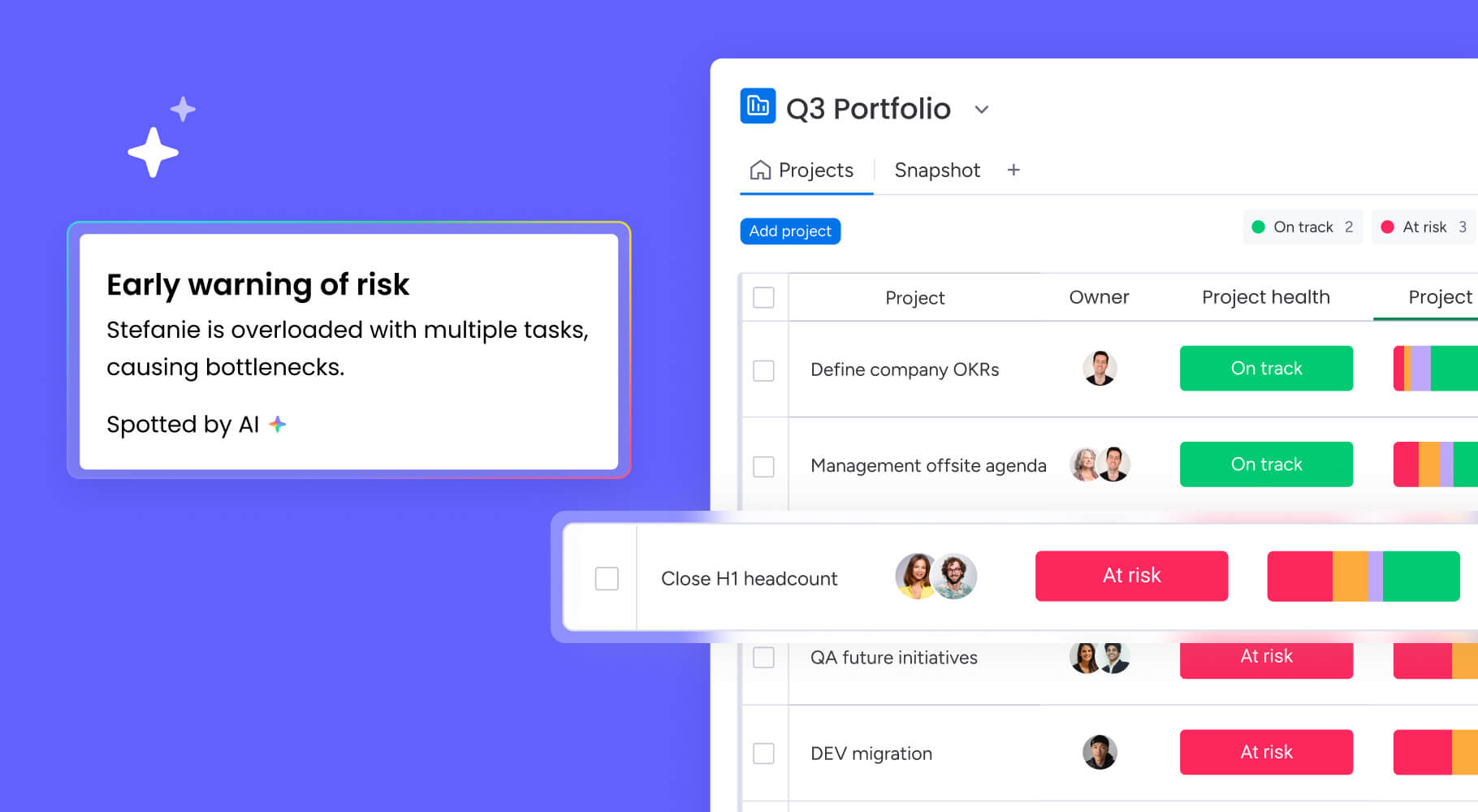
Organizations track these multi-market initiatives through portfolio management systems that show what’s happening in real time. With monday.com, you can monitor campaign performance across regions and allocate resources based on market potential to support your strategies.

Domestic marketing vs. international marketing
International marketing adds complexity that changes how you plan, execute, and measure success. Domestic marketing operates in familiar territory, while international efforts deal with cultural, legal, and logistical challenges all at once. Here’s a quick comparison to help you understand the differences.
| Aspect | Domestic marketing | International marketing |
|---|---|---|
| Market complexity | Single culture, unified regulations | Multiple cultures, fragmented regulations |
| Communication | One language, consistent messaging | Multiple languages, adapted messaging |
| Team coordination | Same time zone, centralized teams | Multiple time zones, distributed teams |
| Compliance | Single regulatory framework | Varied laws per market |
| Budget management | One currency, predictable costs | Multiple currencies, fluctuating rates |
| Asset management | Standard materials | Countless regional variations |
What makes international marketing operationally different?
Operational realities determine whether your international campaigns work. Here’s what each means for your day-to-day execution.
Cultural adaptation beyond translation
Culture shapes how messages land with audiences. Direct, individualistic messaging that works in the U.S. might fail in Japan, where communication leans toward indirect, collective approaches. Visual elements carry different meanings too. White signifies purity in Western markets but represents mourning in many Asian cultures.
These distinctions influence product positioning, campaign timing, and even which channels you prioritize. Understanding and respecting these differences prevents costly missteps and helps you connect with local audiences.
Compliance as an operational requirement
Regulatory landscapes shift dramatically across borders. Europe’s GDPR, California’s CCPA, and emerging regional privacy laws each demand specific approaches to data handling and customer communication. Some countries prohibit comparative advertising entirely. Others have strict rules about marketing to children or using certain imagery.
Compliance is an operational workflow. Teams need systems to track consent, route content through regional legal reviews, and maintain audit trails. Without built-in compliance processes, even well-intentioned campaigns can lead to major fines and reputational damage.
Technology infrastructure for global coordination
International marketing needs strong systems to bridge physical distance and time zones. Teams coordinate launches across time zones, manage content in dozens of languages, and adjust pricing for fluctuating currencies. This level of coordination demands a more robust, centralized system than email threads and spreadsheets can provide.
This is where centralized work management matters. Platforms like monday.com give you the operational backbone. Distributed teams can collaborate on campaigns, share assets, track approvals, and monitor progress without dealing with disconnected systems. Everything stays in sync and visible.
Try monday.com
5 market entry strategies for international expansion
Organizations choose entry strategies based on resources, risk tolerance, and target market requirements. Here are 5 different options.
| Strategy | Resource requirement | Risk level | Operational complexity | Best for |
|---|---|---|---|---|
| Direct export | Low to medium | Low | Medium | Testing new markets |
| Licensing | Low | Medium | Low | Strong brands with limited capital |
| Franchising | Medium | Medium | Medium | Service-based expansion |
| Joint venture | High | High | High | Regulated markets |
| Foreign direct investment | Very high | Very high | Very high | Long-term market commitment |
Direct export strategy
Direct export means selling products directly to international customers without setting up a physical presence. Companies keep control over pricing and customer relationships while testing how the market responds.
SaaS companies often start here, offering subscriptions globally through localized websites. This approach gives you higher margins by cutting out intermediaries, but you’ll need internal resources to handle logistics, customs, and customer support across time zones.
Licensing and intellectual property
Licensing lets companies lease their brand, technology, or business model to foreign partners in exchange for royalties. This strategy works when you have strong intellectual property but limited resources for direct market entry.
Disney licensing characters to regional manufacturers for merchandise production exemplifies this model. This lets you expand quickly with minimal investment, but you give up quality control and risk creating future competitors if partners learn your expertise.
Franchising for scalable growth
Franchising copies successful business models through local operators who pay fees and royalties. Service businesses find this works well for scaling quickly while using local market knowledge.
Subway’s global expansion through local entrepreneurs demonstrates how franchising combines brand strength with regional expertise. The challenge is keeping consistency across locations while allowing necessary local adaptations.
Strategic joint ventures
Joint ventures create new entities with local partners, mixing international expertise with regional knowledge. This approach often works best in heavily regulated industries or markets with major cultural barriers.
Automotive manufacturers partnering with local firms to produce vehicles for specific regions showcase this strategy. Joint ventures give you deep market access and shared risk, but different management styles between partners can create friction.
Foreign direct investment
FDI means establishing company-owned operations in foreign markets, which signals long-term commitment. This might include manufacturing facilities, sales offices, or distribution centers.
Technology companies building data centers in strategic regions exemplify this approach. FDI gives you complete control over your marketing operations and brand experience, but it requires substantial capital and exposes you to political and economic risks in host countries.
Build your international marketing execution framework in 5 steps
Building an international marketing approach takes careful planning and structured execution. This framework guides organizations through the essential steps needed to launch successful enterprise marketing campaigns while managing complexity and risk.
Step 1: Analyze market opportunities and entry barriers
Start with solid data analysis of market size, growth trends, and competitive landscapes. Evaluate each market’s ease of doing business, including regulatory requirements, tariff structures, and cultural compatibility.
Organizations prioritize markets by weighing opportunities against barriers, then validate assumptions with trade data and cultural assessments. Work management platforms organize this research, keeping insights accessible to decision-makers so you can pick markets based on data.
Step 2: Design your market entry approach
Pick your entry strategy based on available capital, risk appetite, and how much control you want. A cash-constrained company might choose licensing, while organizations seeking total brand control might pursue direct investment.
This decision shapes every operational choice that follows, from team structure to technology requirements. Your strategy determines resource allocation, partnership needs, and timeline expectations.
Step 3: Build localization and compliance workflows
Localization goes beyond translation to cover the entire customer experience. Set up workflows to adapt marketing materials for cultural relevance while making sure all content meets local legal standards.
Set up quality control systems where regional experts review assets before launch. AI can help with initial translation and categorization, but human oversight catches nuance and cultural fit.
Step 4: Structure teams and allocate resources
Decide whether to centralize operations at headquarters or distribute authority to regional hubs. This means budgeting for local media, hiring regional experts, and setting up technology infrastructure to connect distributed teams.
Visual workload management helps balance resources across time zones. Managers can see team capacity in real-time, preventing burnout in one region while others have bandwidth. The platform’s Workload View lets you reallocate quickly as priorities shift.
Step 5: Establish metrics and risk monitoring
Define KPIs that account for currency fluctuations and varying market maturity. Set up systems to monitor political stability, regulatory changes, and competitive movements.
Real-time dashboards show you campaign performance across markets. Executive teams can compare regional ROI, spot at-risk initiatives, and make decisions about resource allocation based on data. Automated alerts flag when metrics fall below thresholds so you can step in early.
Manage your global marketing teams across time zones
Asynchronous work is the only scalable model for international teams. Trying to coordinate everyone on simultaneous calls across continents leads to burnout and delays. Instead, successful organizations build clear handoff protocols that keep campaigns moving without requiring anyone to work outside business hours.
Example: A campaign might start with the London team completing creative reviews by 5 pm local time. Automated notifications alert the New York team at 9 am to begin localization. By the time London returns the following day, the campaign has progressed through multiple stages without anyone working outside business hours.
Communication protocols define when meetings are essential versus when updates in a shared platform suffice. This prevents meeting fatigue while keeping campaigns moving continuously. Teams establish clear ownership for each stage, with automated status updates so you don’t need manual check-ins.
monday.com makes this 24/7 progression possible through customizable automations. When one team completes their portion, the platform automatically assigns the next steps to the relevant region, sends notifications, and updates project status, all without manual intervention.
Try monday.com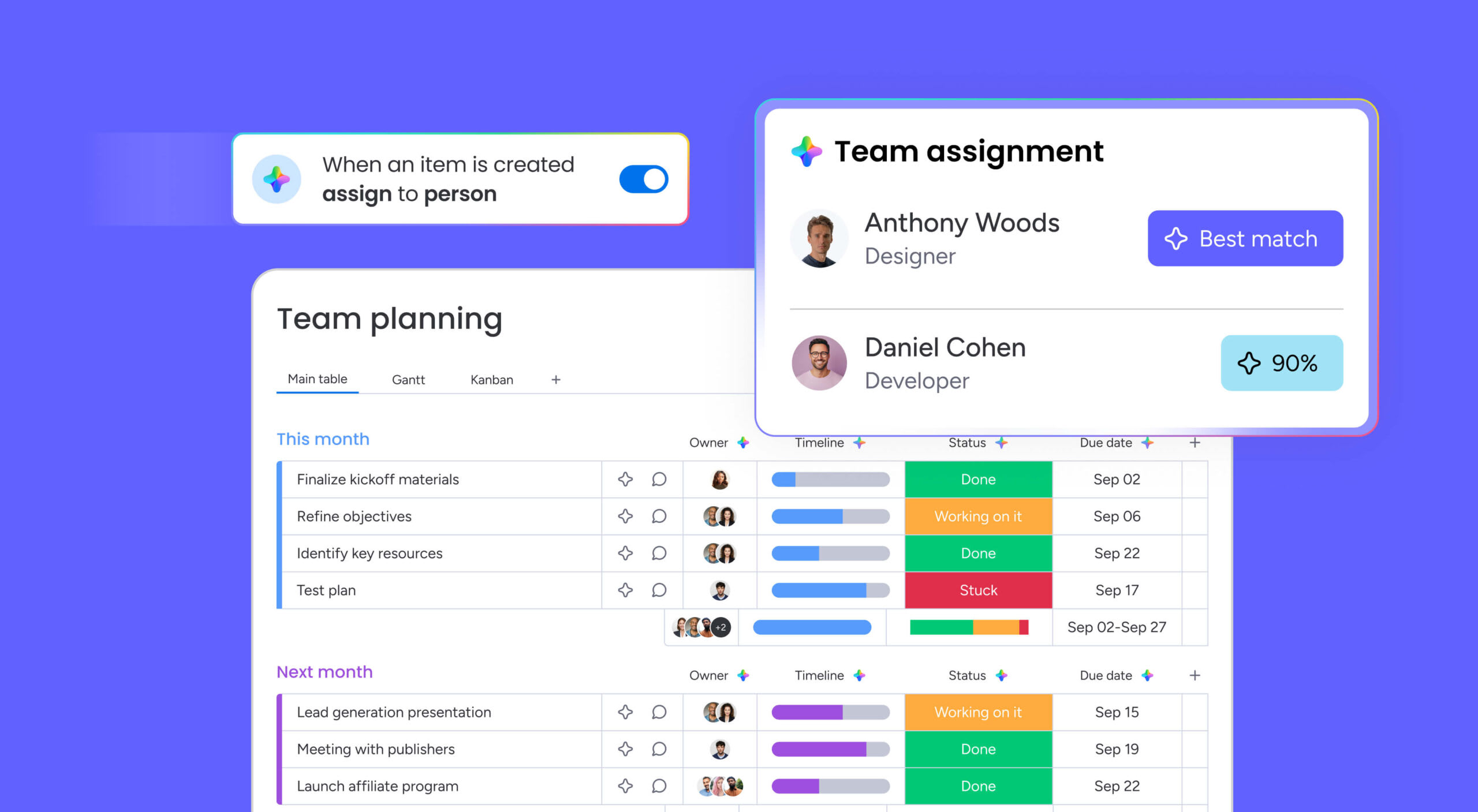
Embed compliance into international workflows
Compliance isn’t something you tack on at the end; it needs to be woven into your workflows from the start.
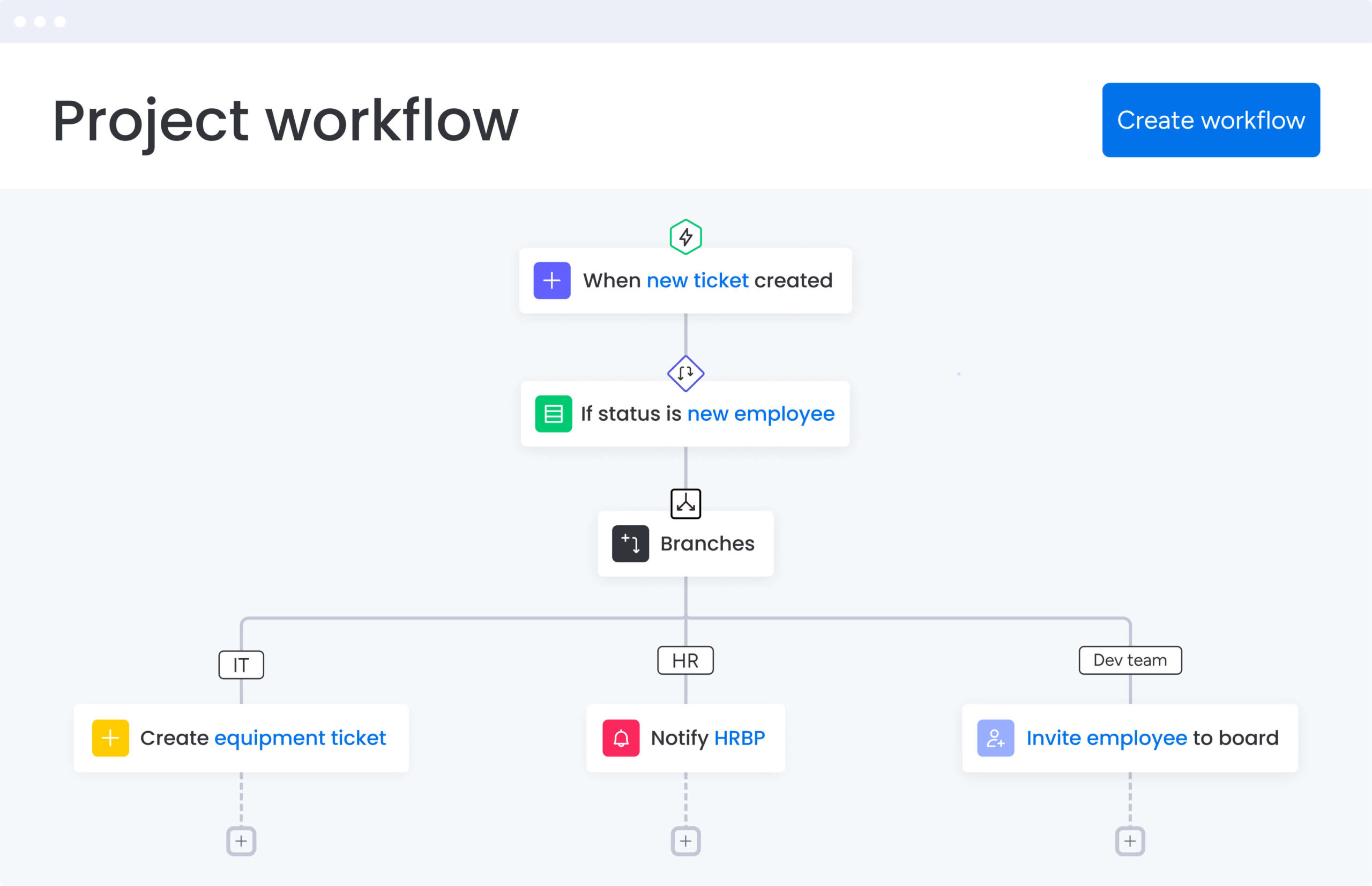
- Create approval gates that block publication until regional legal teams sign off. These checkpoints catch potential violations before they become public controversies
- Route assets automatically to the right stakeholders. Send content to appropriate reviewers based on market and content type without manual handoffs
- Maintain detailed audit trails for every approval and modification. This protects your organization during regulatory reviews and helps you spot process improvements
- Update workflows once when regulations change. Apply updates across all relevant campaigns simultaneously instead of hunting down individual marketing projects.
Power international marketing execution with monday.com
International marketing demands operational infrastructure that connects distributed teams and maintains brand consistency across markets. monday.com is a platform where teams build the workflows, automations, and dashboards they need to run global campaigns their way. Instead of forcing you into rigid templates or juggling disconnected tools, it gives you the flexibility and features to structure work how it happens.
Keep campaigns compliant with automated approval workflows
Regional compliance teams receive automatic notifications when content needs review, with built-in escalation paths if approvals lag. Approval gates block publication until legal teams sign off, catching potential violations before they become public controversies. Every decision gets logged, creating the documentation you need for regulatory audits.
Balance brand consistency with local relevance through structured flexibility
Template-based workflows lock core brand elements while allowing regional teams to customize messaging within defined parameters. Marketing teams can modify imagery, offers, and messaging for local markets without compromising brand integrity.
Meanwhile, permission layers let regional teams draft adaptations while brand guardians review modifications before publication. Centralized asset libraries give teams access to current, approved materials, with master campaigns linking to regional variations for clear version control.
Coordinate seamlessly across time zones with asynchronous handoffs
Customizable automations keep campaigns moving 24/7 without requiring anyone to work outside business hours. When one team completes their portion, the platform automatically assigns next steps to the relevant region, sends notifications, and updates project status, without manual intervention. Visual workload management balances resources across time zones, preventing burnout in one region while others have bandwidth.
Make smarter decisions with AI-powered insights and automation
AI Blocks categorize incoming market feedback, extract insights from performance data, and summarize complex reports into actionable recommendations, giving you clarity without the manual analysis.
Digital Workers build on this foundation by monitoring campaign health continuously, flagging issues the moment they emerge and suggesting optimizations before problems escalate. This proactive approach extends to cultural sensitivity too.
Sentiment analysis scans messaging for potential missteps across different markets, catching what might offend or confuse local audiences before campaigns go live. Meanwhile, portfolio risk scanning works across your entire marketing operation, identifying struggling initiatives in any market so you can intervene early.
And when it comes to communication itself, intelligent translation maintains your brand voice across languages while adapting for local nuance.
Gain real-time visibility into global campaign performance
Real-time dashboards show campaign performance across markets from one unified view. Executive teams can compare regional ROI and make resource allocation decisions based on data rather than guesswork. Automated alerts flag when metrics fall below thresholds so you can intervene early. Everything stays visible, synchronized, and accessible, no matter how many markets you’re managing.
Try monday.comTransform your global marketing execution
The future of international marketing belongs to organizations that treat operational infrastructure as a competitive advantage. As markets fragment and customer expectations rise globally, the gap widens between teams running campaigns through disconnected tools and those operating from unified systems built for complexity.
monday.com gives you an operational edge. It’s where distributed teams coordinate launches across continents, where compliance becomes automatic rather than manual, and where you spot market opportunities before competitors do. The platform scales with your ambition, whether testing your second market or managing campaigns across fifty countries simultaneously. Get started today with monday.com for free.
Try monday.comFrequently asked questions
What are the 7 Ps of international marketing?
The 7 Ps of international marketing are Product, Price, Place, Promotion, People, Process, and Physical Evidence. Each element must be strategically adapted to fit the cultural, economic, and regulatory contexts of target international markets.
How do small businesses start with international marketing?
Small businesses typically begin international marketing through direct export strategies, targeting markets with similar languages or cultural backgrounds first. This minimizes complexity while testing market receptivity before expanding into more distinct regions as resources and expertise grow.
What's the difference between global marketing and international marketing?
Global marketing uses standardized strategies and messaging across all markets with minimal variation. International marketing specifically adapts strategies, products, and messaging to match the local culture and regulations of each individual country.
What qualifications do international marketers need?
International marketers need strong foundations in marketing principles combined with cross-cultural communication skills, foreign language capabilities, and understanding of international business law. Experience with global market analysis and distributed team management is increasingly valuable.
How does AI impact international marketing strategies?
AI accelerates international marketing by automating content translation, analyzing cultural sentiment at scale, predicting regional market trends, and optimizing campaign performance across different languages and time zones in real-time.
What are the main barriers to international marketing success?
The primary barriers include navigating complex regulatory compliance, overcoming cultural and language differences, managing currency fluctuation risks, and coordinating logistics and communication across disparate time zones.

 Get started