


Organizations often produce high-quality content, run targeted campaigns, and generate significant website traffic. Yet, results may still fall short: visitors browse and leave without converting, and leads in the CRM can stagnate. The gap between marketing activity and revenue may continue to grow, leaving leadership seeking clarity on why efforts do not translate into customers.
Inbound marketing strategy addresses this challenge by attracting the right prospects through content that solves real problems. Unlike traditional advertising, which interrupts potential customers with unsolicited messages, inbound marketing provides value that naturally draws prospects in. It establishes a structured approach to guide individuals through attraction, engagement, conversion, and long-term loyalty.
The challenge is not understanding inbound marketing, but operationalizing it consistently across teams, channels, and campaigns.
This guide provides a comprehensive methodology: aligning content with buyer journeys, optimizing search and social channels, implementing automated nurturing, applying AI for smarter execution, and measuring ROI. Whether launching a program or scaling an existing one, the framework outlined here enables marketing activities to produce predictable, sustainable growth.
Key takeaways
- Build a systematic inbound framework: move prospects through attract, convert, close, and delight stages with defined tactics and metrics to drive predictable growth.
- Align content with buyer journeys: create educational content that addresses real customer pain points and supports awareness, consideration, and decision stages.
- Leverage SEO, social, and email for lead generation: optimize content for search, distribute strategically on social platforms, and use automated nurture campaigns to convert visitors into qualified leads.
- Use data-driven measurement to prove ROI: track key metrics across the funnel, implement attribution models, and connect marketing activities directly to revenue outcomes.
- Operationalize campaigns with monday.com: coordinate multi-channel marketing efforts, streamline workflows, and gain real-time visibility to scale inbound marketing efficiently.
What is inbound marketing strategy?
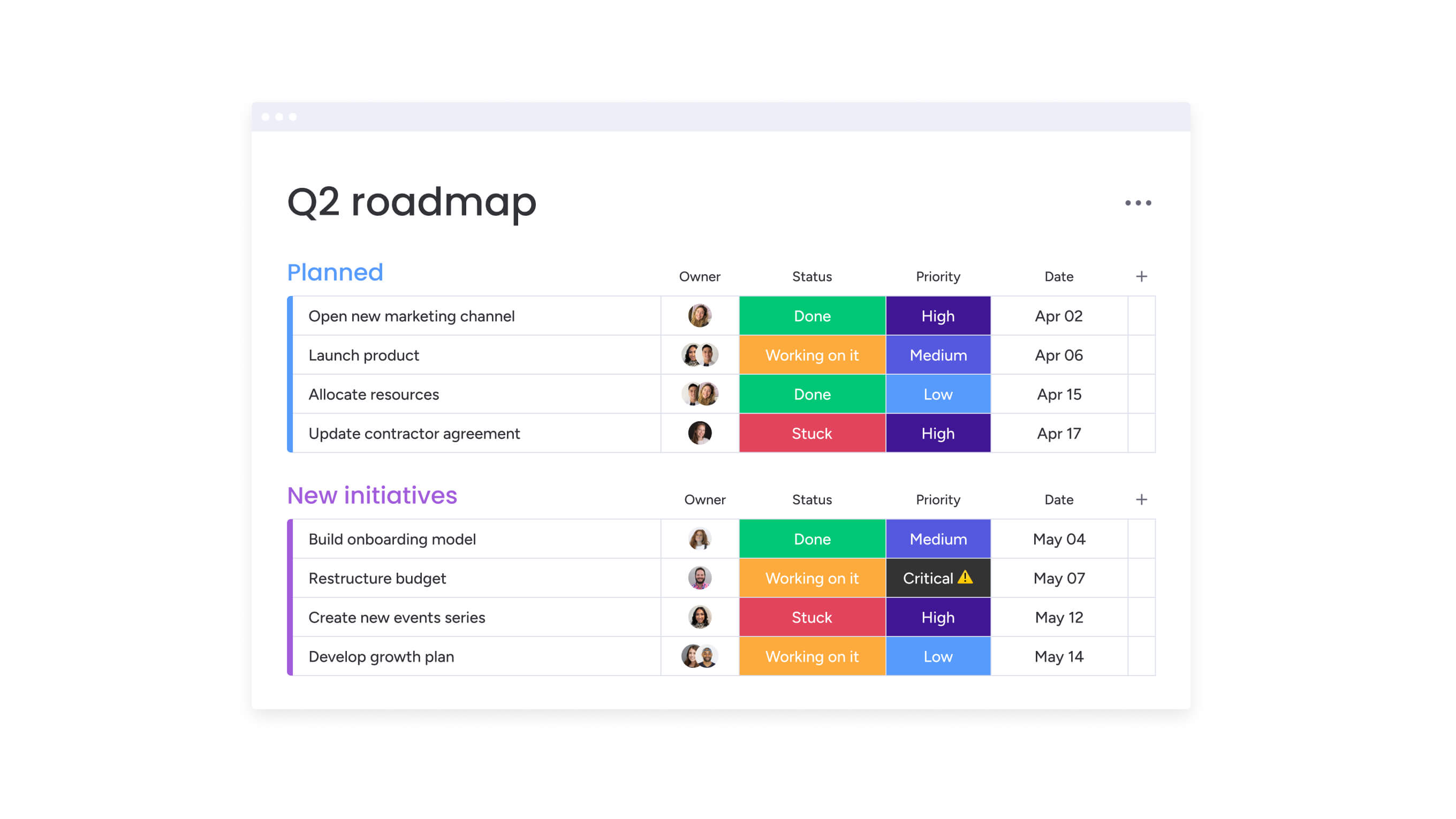
Inbound marketing strategy flips traditional advertising on its head — rather than chasing prospects with ads, it attracts them by addressing real challenges with content they value. Unlike outbound tactics that push messages to broad audiences, inbound creates a systematic framework for drawing in the right people, nurturing relationships, and converting them into loyal customers through a comprehensive marketing strategy.
This approach goes beyond simply publishing blog posts. It requires a coordinated system where content teams, social media specialists, and sales representatives collaborate seamlessly, ensuring every email, post, and call moves prospects closer to conversion. The challenge lies not in explaining inbound marketing, but in executing it effectively across multiple teams, platforms, and channels.
Understand the four-stage inbound methodology
Inbound marketing functions like a flywheel: momentum grows the more it is fed. Each stage — from initial click to loyal customer — requires a tailored playbook and clear metrics to sustain progress.
| Stage | Primary goal | Key tactics | Success metrics |
|---|---|---|---|
| Attract | Draw in the right people | Blogging, SEO, social media | Organic traffic, keyword rankings |
| Convert | Gather contact information | Forms, CTAs, landing pages | Conversion rate, cost per lead |
| Close | Transform leads into customers | Email automation, lead scoring | Lead-to-customer rate, sales cycle length |
| Delight | Turn customers into promoters | Surveys, smart content, community | NPS, retention rate, referrals |
The stages operate in sequence but remain interconnected. During the Attract phase, content answers specific questions prospects search for online, giving your organization visibility before competitors. The Convert phase focuses on collecting contact information using forms, calls-to-action, and high-value assets such as e-books or webinars.
The Close phase emphasizes nurturing leads into customers with personalized strategies, leveraging CRM integration and automation to deliver relevant content at the right time. After purchase, the Delight stage maintains engagement through surveys, dynamic content, and social monitoring, converting customers into advocates who drive new prospect acquisition.
Identify key players who benefit from inbound marketing
Inbound marketing delivers measurable benefits across organizational roles and business types. Each stakeholder gains unique value from a well-executed strategy.
Business types see varied applications across industries:
- B2B companies: shorten long sales cycles by educating prospects prior to initial conversations.
- SaaS businesses: lower customer acquisition costs through product-led content that demonstrates value.
- Professional services firms: build trust and authority via thought leadership before contracts are signed.
Team roles benefit differently from inbound implementation:
- Marketing directors: achieve predictable pipelines and measurable ROI that link directly to revenue.
- Content managers: gain structure through editorial calendars and persona mapping to guide production.
- Marketing coordinators: benefit from standardized workflows that replace ad-hoc requests with organized processes.
Learn more: Customer education strategy
How inbound marketing strategy creates sustainable growth
Inbound marketing functions like a long-term investment — while paid campaigns stop when paused, valuable content continues generating leads without additional cost. High-performing content can remain relevant for years, re-emerging when topics gain popularity, something paid ads cannot achieve.
Build attract strategies that work
Attracting the right visitors begins with understanding their needs. What are they searching for? What challenges keep them up at night? Your content provides solutions, guided by keyword research that identifies exactly what prospects type into search engines. Your goal is to become the go-to resource for your industry’s most pressing questions. When someone searches for ‘How do I create a marketing budget?’ or ‘What’s the best CRM for startups?’ — your content should appear first.
Effective attraction requires coordination across three key areas:
- Content planning: editorial calendars map topics to business goals, ensuring a consistent stream of relevant material that addresses real audience needs.
- SEO execution: on-page optimization and technical health checks make content discoverable to search engines.
- Social distribution: strategic sharing on social media platforms where audiences engage amplifies reach beyond organic search.
Convert visitors into qualified leads
Traffic alone provides limited value. Conversion strategies transform anonymous visitors into known contacts through value exchanges that align with audience interests. Systematic offer creation ensures lead magnets resonate with visitors.
Conversion optimization relies on three core elements:
- Lead magnets: high-value resources such as templates, guides, or original research encourage sign-ups by delivering immediate utility.
- Landing page optimization: A/B test headlines, copy, and design elements to maximize submissions and reduce friction.
- Progressive profiling: smart forms collect additional information over time, building detailed prospect profiles without overwhelming them initially.
Close leads through personalized engagement
Turning marketing-qualified leads into sales-qualified leads requires precision. Generic emails are replaced with behavior-triggered sequences that address specific objections and pain points, ensuring the right message reaches the right person at the right time.
Effective closing strategies include three key components:
- Lead nurturing: automated workflows guide prospects through decision-making based on their content interactions.
- Sales enablement: teams receive insights and content that accelerate deal closure and support an effective sales strategy.
- Pipeline visibility: shared dashboards allow marketing and sales teams to track lead status and next steps.
Delight customers for long-term advocacy
Customer acquisition is the start, not the end. A strong inbound strategy emphasizes retention and expansion by continuing to deliver value after purchase, turning customers into advocates through relationship marketing.
Post-purchase engagement builds lasting relationships across multiple touchpoints:
- Customer education: knowledge bases and academies help users extract maximum value from products.
- Community building: user groups and forums enable peer-to-peer support while reducing service load.
- Advocacy programs: structured referral systems reward customers for bringing in new business.
Inbound marketing vs outbound marketing: the strategic difference
Understanding the difference between inbound and outbound approaches helps organizations allocate resources effectively. Inbound focuses on attraction, while outbound relies on interruption. Each approach serves a specific purpose in the marketing mix.
Understanding the limits of traditional outbound
Interruption-based marketing faces diminishing returns in a digital-first world. Buyers now have tools and habits to filter out unwanted messages, from ad blockers to mental banner blindness.
The challenges compound across multiple dimensions:
- Ad fatigue: consumers exposed to thousands of ads daily automatically tune out.
- Rising costs: The price of paid attention continues climbing while effectiveness often plateaus.
- Trust deficit: prospects become increasingly skeptical of uninvited sales messages, preferring to conduct their own research.
How inbound marketing delivers higher ROI
Inbound marketing creates a more efficient economic model for growth. By targeting users actively seeking solutions, organizations naturally see higher conversion rates.
The economic advantages manifest in three key areas:
- Lower CAC: organic traffic is free, reducing reliance on paid media spend over time.
- Higher LTV: customers acquired through educational content are informed and tend to stay longer.
- Asset longevity: a single high-performing article can generate leads for years, amortizing production costs to near zero.
Creating a hybrid approach for maximum impact
The most successful organizations do not treat inbound and outbound as mutually exclusive. Instead, they deploy hybrid strategies in which outbound tactics amplify inbound assets.
| Strategy component | Inbound role | Outbound role | Hybrid application |
|---|---|---|---|
| Lead generation | Attracts via search and social | Targets specific accounts | Paid ads drive traffic to high-value content |
| Brand awareness | Builds authority over time | Delivers immediate reach | Display ads retarget blog visitors |
| Event promotion | Organic community buzz | Direct mail/email blasts | Outbound invites drive registration; inbound content sustains engagement |
| Product launch | SEO and email announcements | PR and paid media blitz | Paid search captures demand created by launch buzz |
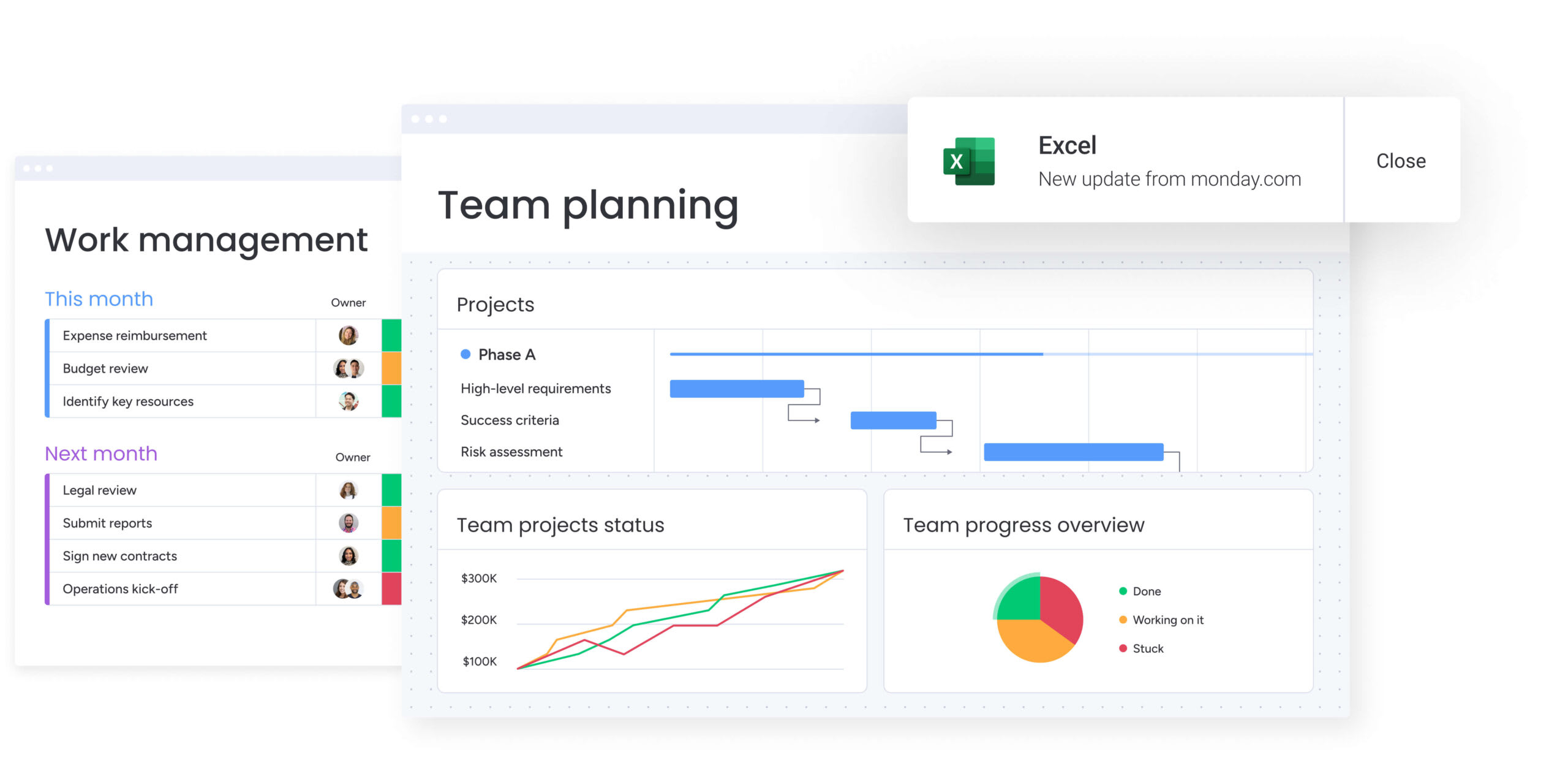
5 essential components of an effective inbound marketing engine
A successful inbound engine is a cohesive ecosystem, not a collection of isolated tactics. These five components work together to guide strangers into customers and eventually promoters.
Component 1: strategic content marketing
Content is the backbone of inbound marketing. It extends beyond sporadic blogging to a strategic operation where each piece serves specific business objectives. Editorial calendars align with buyer personas, ensuring content marketing addresses real pain points rather than company news.
Teams manage content life cycles from ideation to publication using organized workflows. This includes keyword research, creation, review, and distribution phases that ensure consistent quality at scale.
Component 2: search engine optimization excellence
SEO forms the foundation that allows content to be discovered. It combines technical infrastructure with on-page optimization for individual assets. White-hat approaches focus on sustainable growth through high-quality backlinks, semantic keyword targeting, and site architecture that search engines can easily crawl.
Component 3: social media engagement systems
Social media strategy transforms content distribution into two-way conversation. It serves not only as a broadcast channel but also as a listening post for market sentiment and community-building. Effective strategies include social listening to identify trends and engagement workflows that turn comments into meaningful relationships.
Component 4: email marketing automation
Email marketing remains the most direct channel for nurturing leads. Automation extends beyond batch-and-blast newsletters to behavior-based sequences. Segmentation ensures contacts receive content relevant to their industry, role, or stage in the buyer journey.
Component 5: conversion rate optimization
Traffic without conversion provides little value. Conversion Rate Optimization (CRO) systematically increases the percentage of visitors taking desired actions. This involves data-driven A/B testing of headlines, page layouts, and form fields to unlock more value from existing traffic.
Try monday.comMastering SEO for inbound marketing success
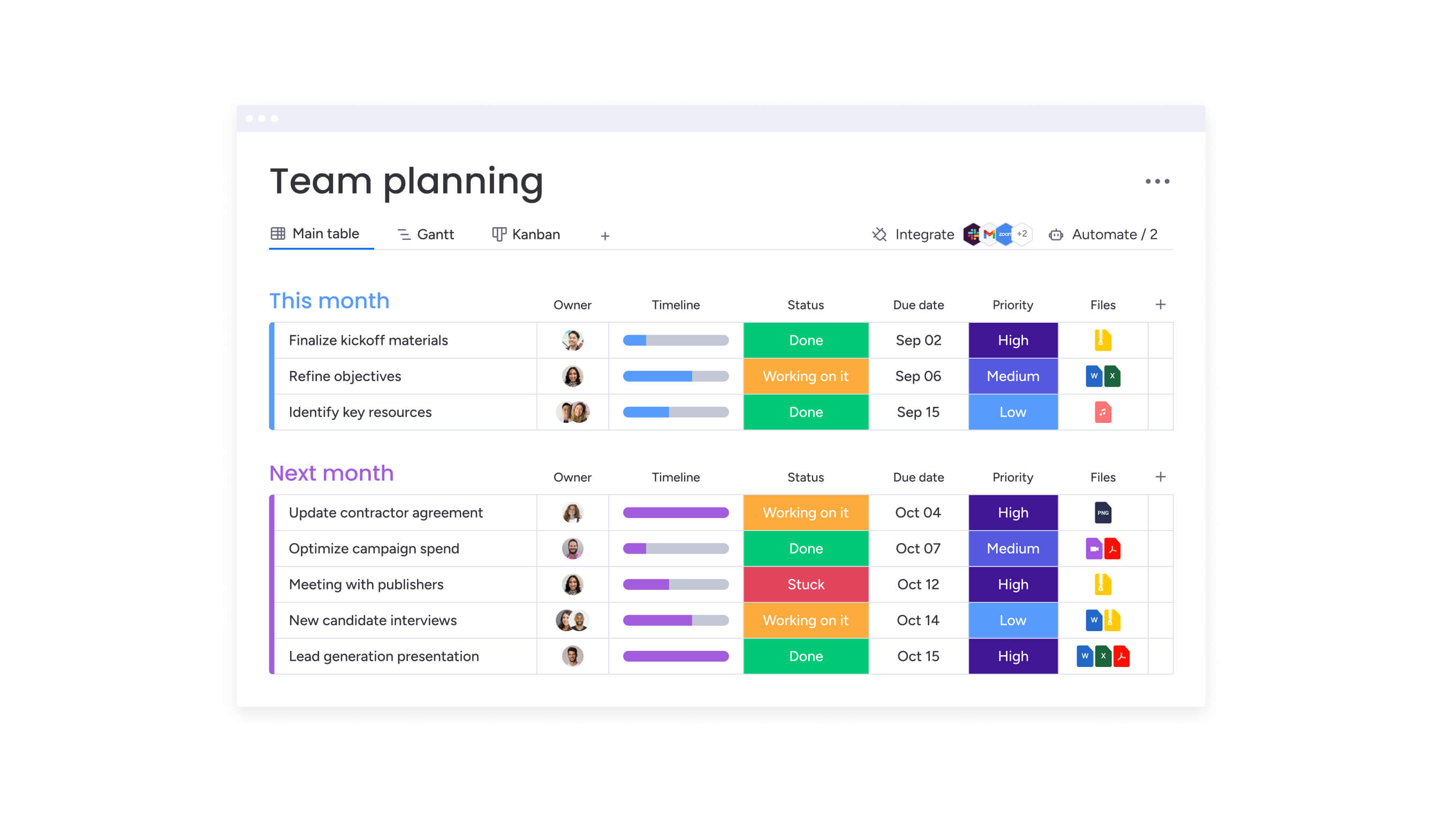
Search engine optimization forms the foundation of inbound visibility. It ensures that when prospects search for solutions, your organization appears as the relevant answer. Organic search often drives the highest-quality traffic because users have explicit intent, making it a cornerstone of effective inbound marketing.
Implement advanced keyword research strategies
Keyword research extends beyond search volume to analyze user intent. Understanding why users search for specific terms—whether they are seeking information, comparison, or purchase—helps guide content strategy effectively.
- Intent analysis: categorize keywords by informational, navigational, or transactional intent to determine content formats.
- Competitor gap analysis: identify terms competitors rank for that you do not to uncover growth opportunities.
- Topic clusters: group related keywords to build authority around core subjects and strengthen overall domain ranking.
Execute technical SEO implementation
Technical SEO ensures that website infrastructure supports visibility and discoverability. Marketing teams collaborate with developers to address crawlability, indexability, fast load times, mobile responsiveness, and clean code structures.
Optimize for voice search tactics
As smart speakers and mobile assistants rise, SEO must account for conversational queries. Voice searches are generally longer, phrased as questions, and often have local intent. Content strategies should incorporate natural language and answer specific questions concisely to improve performance in voice search results.
Content strategy: the foundation of inbound marketing
Content fuels the inbound engine. It drives SEO rankings, provides material for social media, supports email campaigns, and offers the value needed to capture leads effectively.
Map content to each buyer’s journey stage
Content should align with the prospect’s stage in the buyer journey. A comprehensive strategy matches specific assets to Awareness, Consideration, and Decision phases.
| Buyer stage | User goal | Content goal | Ideal formats |
|---|---|---|---|
| Awareness | Understand a problem | Educate and diagnose | Blog posts, ebooks, social videos |
| Consideration | Evaluate solutions | Position your approach | Webinars, case studies, comparison guides |
| Decision | Select a vendor | Validate the choice | Free trials, live demos, ROI calculators |
Create high-impact content formats that convert
Different content formats serve various learning styles and consumption habits. Diversifying formats maximizes reach and engagement.
- Long-form articles: establish deep authority and improve SEO ranking.
- Video content: increase dwell time and foster emotional connection.
- Interactive tools: calculators and quizzes offer personalized value and high engagement.
- Podcasts: build loyalty and reach audiences during screen-free moments.
Execute multi-channel content distribution
Content creation is only half the battle — distribution ensures visibility. A create-once-distribute-everywhere approach maximizes the ROI of each asset. For instance, a single whitepaper can become a blog series, webinar deck, social graphics, and email nurture sequence.
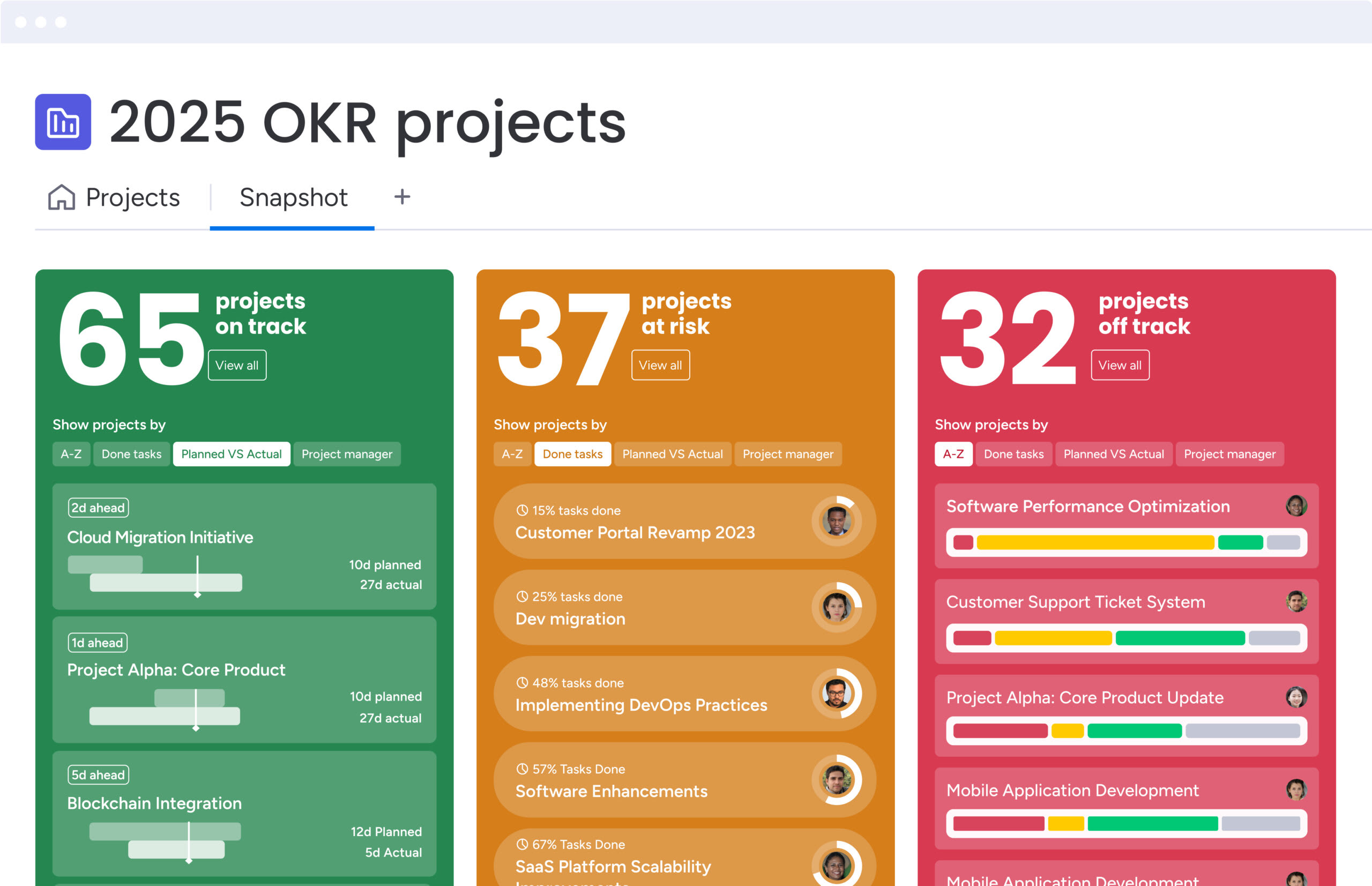
Email marketing automation in your inbound strategy
Email automation bridges the gap between anonymous website visitors and known, sales-ready prospects. It allows organizations to maintain personalized communication at scale, which manual outreach cannot achieve.
Build high-value email lists
Quality outweighs quantity in email marketing. Focus on attracting subscribers who fit the ideal customer profile using targeted lead magnets and optimized opt-in forms.
- Gated content: exchange premium value for contact details.
- Exit-intent popups: capture visitors before they leave the site.
- Preference centers: allow users to select the frequency and topics of emails they receive.
Implement AI-powered personalization at scale
Artificial intelligence transforms email from a static broadcast into a dynamic conversation. AI evaluates engagement patterns, predicts optimal send times, segments lists dynamically based on behavior, and personalizes content blocks to align with user interests.
Create automated nurture campaign workflows
Nurture workflows define the paths prospects take based on their actions, ensuring ongoing engagement and relevance.
- Welcome series: set expectations and deliver immediate value to new subscribers.
- Re-engagement campaigns: automatically identify and reactivate dormant contacts.
- Branching logic: route users who click specific topics to relevant content tracks for continued engagement.
Leveraging AI to transform inbound marketing
Artificial intelligence acts as a force multiplier for inbound marketing teams. It does not replace strategists but enhances their ability to execute, analyze, and optimize campaigns efficiently. By combining human insight with AI capabilities, marketing teams can produce better outcomes faster.
Deploy AI-driven content creation and optimization
AI supports the heavy lifting of content production. It generates topic ideas using trend data, drafts structured outlines, and recommends improvements for tone and readability. AI-driven content analysis ensures each piece aligns with brand voice standards and SEO best practices before publication, improving discoverability and audience engagement.
Utilize predictive analytics for campaign success
Predictive models analyze historical marketing data to forecast future outcomes. This approach enables marketers to shift from reactive reporting to proactive optimization. AI provides three essential predictive capabilities:
- Lead scoring: AI identifies which leads are most likely to convert based on thousands of data points.
- Churn prediction: identifying at-risk customers before they leave allows teams to implement retention strategies.
- Budget allocation: algorithms suggest where to invest ad spend for the highest probable return.
Implement digital workers for marketing automation
AI-powered digital workers manage repetitive administrative tasks that slow human teams. These agents monitor campaign performance continuously, generate routine reports, and flag anomalies. They also analyze complex datasets to answer strategic questions about budget focus and campaign success patterns. Modern platforms like monday.com can integrate these workflows, providing a unified view of marketing operations.
Try monday.com7 inbound marketing best practices for maximum ROI
High-performing inbound programs adopt strategies that create compound effects, accelerating results and improving overall ROI.
- Align marketing and sales through shared goals: establish service level agreements that define what constitutes a qualified lead and the expected sales follow-up timeline. Regular smarketing meetings review these metrics, keeping both teams accountable for revenue objectives.
- Prioritize first-party data collection: as third-party cookies phase out, collecting data directly from audiences through consensual interactions becomes essential. Progressive profiling enables marketers to develop detailed customer profiles over time.
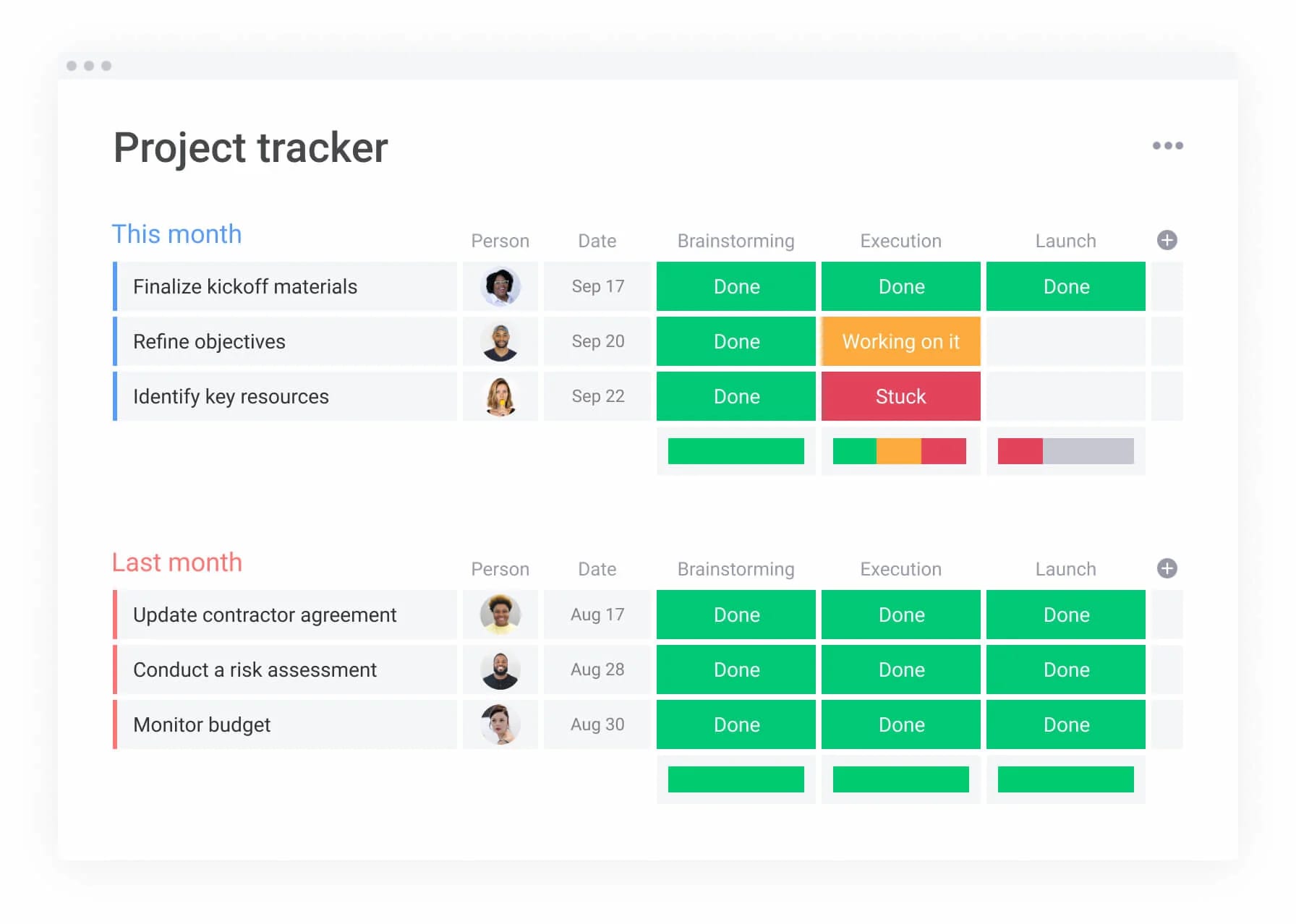
- Implement cross-functional marketing workflows: inbound marketing involves writers, designers, developers, and strategists. Standardized workflows ensure projects move efficiently between stages, while visual timelines and workload views help teams coordinate campaigns and allocate resources effectively.
- Create interactive content experiences: static content can be overlooked, whereas interactive content encourages participation. Quizzes, assessments, and ROI calculators provide immediate personalized value while generating actionable marketing data.
- Build comprehensive attribution models: understanding which touchpoints influence sales is critical for optimizing budgets. Multi-touch attribution tracks customer journeys across channels and assigns value to each interaction.
- Optimize for mobile and voice search: user behavior has shifted to mobile-first and voice-activated interactions. Optimization strategies focus on fast page load speeds and responsive design that adapts to any device.
- Monitor real-time performance metrics: waiting for monthly reports delays decision-making. Real-time dashboards offer instant visibility into campaign performance, allowing marketers to track leading indicators and make agile adjustments.
Measuring and proving inbound marketing ROI
Demonstrating inbound marketing value requires connecting activities to measurable financial outcomes. Effective measurement frameworks translate marketing metrics into business language.
Step 1: track essential metrics and KPIs
A balanced scorecard tracks performance across the funnel, from awareness to revenue generation.
| Metric category | Key KPIs | What it indicates |
|---|---|---|
| Attract | Organic traffic, keyword rankings, social reach | Brand visibility and content relevance |
| Convert | Conversion rate, cost per lead, bounce rate | Offer attractiveness and landing page effectiveness |
| Close | Lead-to-customer rate, sales cycle length, CAC | Lead quality and sales alignment |
| Delight | Net Promoter Score, churn rate, LTV | Customer satisfaction and retention health |
Step 2: create executive-ready dashboards
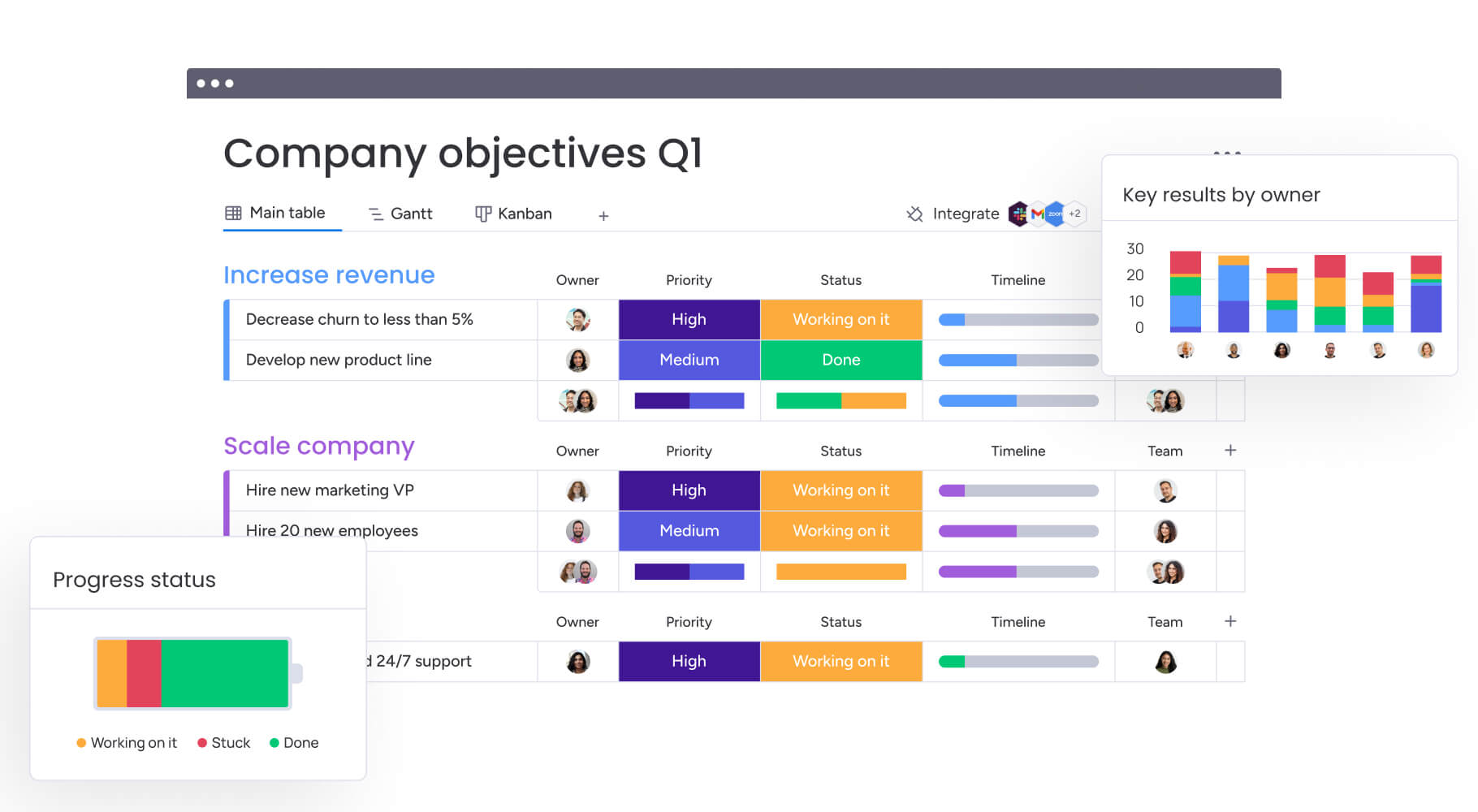
Stakeholders require different views of data. Operational dashboards track daily marketing activity, while executive dashboards summarize high-level trends and ROI. Visualizing the correlation between marketing spend and revenue growth ensures decisions are data-driven and actionable.
Step 3: connect marketing activities to revenue growth
Attribution modeling bridges the gap between campaign engagement and revenue. Tracking sources of closed-won opportunities allows marketers to calculate customer acquisition cost and lifetime value specific to inbound channels. Platforms like monday.com provide centralized dashboards that make tracking, reporting, and connecting these insights seamless.
Examples of successful inbound marketing campaigns
Real-world examples show how careful strategy and execution work together to produce measurable results. These stories highlight how organizations of all sizes have used inbound marketing to build awareness, engage audiences, and generate revenue predictably.
B2B inbound marketing success stories
Leading B2B organizations have accelerated growth by moving from cold outreach to content-driven strategies. One enterprise software company implemented a hub-and-spoke content model, producing comprehensive industry guides supported by numerous blog posts. By gating the main guide and nurturing download leads, the company generated a significant pipeline within six months.
Small business inbound marketing wins
Small organizations can outperform larger competitors by owning niche topics. A boutique consulting firm focused entirely on answering specific, long-tail questions about regulatory compliance. With no paid advertising, their blog became the primary resource in the sector, attracting a steady stream of leads and building credibility with minimal spend.
Enterprise-scale inbound transformations
Global enterprises face unique coordination challenges across regions and teams. A multinational manufacturing firm adopted a centralized inbound strategy across twelve markets. Standardizing the technology stack and content workflows allowed them to maintain brand consistency while empowering local teams to tailor messaging for their audiences.
Operationalizing inbound marketing with monday.com
Inbound marketing success requires precise execution across teams, channels, and campaigns. Organizations need an operational framework that translates strategy into action, ensuring each campaign runs smoothly and delivers results.
Streamline multi-channel campaign execution
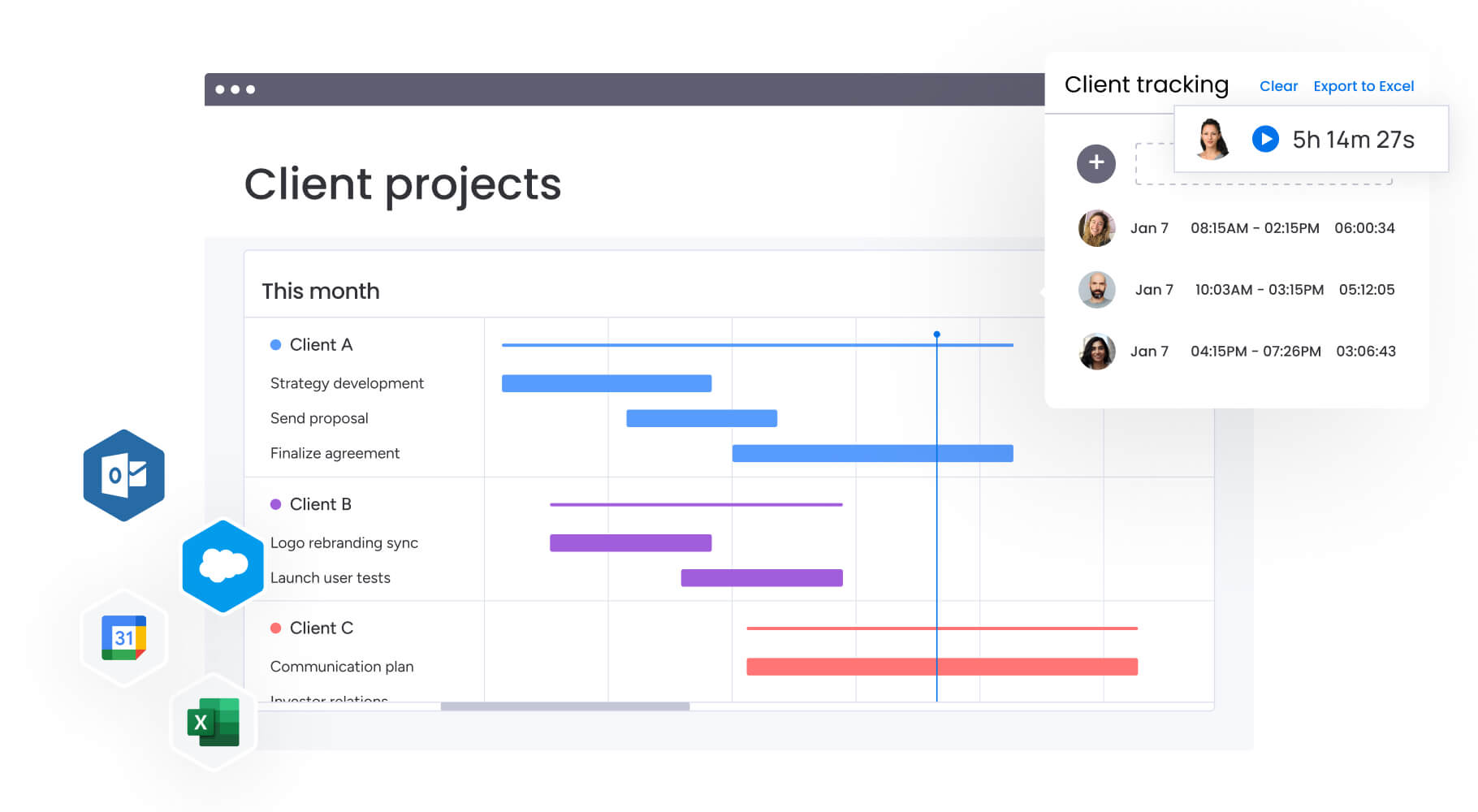
Marketing teams often manage complex campaigns involving content creation, design, web development, and social distribution. Platforms like monday.com provide Gantt charts for visual timelines and workload views to balance resources. Automations ensure tasks move seamlessly — for example, designers are automatically notified once copywriters finish drafts.
Automate content production workflows
Content creation involves many moving parts. monday.com supports this lifecycle from ideation to publication. Teams manage editorial calendars, track content through drafting, review, and SEO approval, and use AI Blocks to categorize ideas and summarize long threads automatically.
Enable real-time performance visibility
Leaders need immediate insights into campaign performance. By aggregating data from multiple boards into a single dashboard, teams gain real-time visibility into progress, budget usage, and resource capacity. Portfolio Risk Insights highlight potential bottlenecks before they affect deliverables.
Scale marketing operations efficiently
As teams grow, consistency becomes critical. monday.com provides standardized workflows and templates that new team members can adopt immediately, supporting expansion while maintaining quality and alignment.
| Feature | Generic project platforms | Marketing automation platforms | monday work management |
|---|---|---|---|
| Campaign coordination | Basic task lists | Focused on deployment, not creation | Full lifecycle management from ideation to analysis |
| Cross-team collaboration | Siloed by department | Limited to marketing users | Connects marketing, sales, and creative in one workspace |
| Customizability | Rigid structures | Fixed workflows | Highly flexible workflows adaptable to any process |
| AI capabilities | Basic text generation | Optimization of send times | AI-driven workflow automation and strategic insights |
| Visibility | Static reports | Email/web metrics only | Real-time operational dashboards across all initiatives |
Building your inbound marketing foundation for long-term success
Inbound marketing transforms how organizations attract, engage, and delight customers. By combining strategic content with systematic execution, companies create assets that generate compounding returns over time.
Success requires more than understanding tactics — it demands operational excellence across teams, channels, and systems. Organizations that excel coordinate complex workflows, maintain consistent quality, and adapt to market changes quickly.
The most effective programs integrate AI insights, real-time performance monitoring, and cross-functional collaboration to scale operations. Teams that master these elements gain a sustainable competitive advantage, turning marketing from a cost center into a predictable revenue engine.
The content in this article is provided for informational purposes only and, to the best of monday.com’s knowledge, the information provided in this article is accurate and up-to-date at the time of publication. That said, monday.com encourages readers to verify all information directly.
Try monday.comFrequently asked questions
How long does it take to see results from inbound marketing?
The time required to see results from inbound marketing can vary. Initial traction often appears within three to six months, while significant, compounding results typically emerge after twelve to eighteen months of consistent execution.
What budget do I need for an effective inbound marketing strategy?
Success relies more on consistent execution than large budgets. Many businesses launch effective programs with $5,000–$10,000 monthly by focusing on high-quality content and strategic distribution.
Can inbound marketing work for B2B companies?
Inbound marketing is particularly effective for B2B organizations because it supports long sales cycles and delivers educational content that builds trust with decision-makers.
How do I create an inbound marketing plan?
A strong plan begins with defining buyer personas, auditing existing content, identifying gaps, creating an editorial calendar, and establishing a measurement framework to track progress effectively.
What's the difference between inbound marketing and content marketing?
Content marketing is a component of inbound marketing. Inbound represents a comprehensive strategy that combines content, SEO, social media, email automation, and conversion optimization to work together seamlessly.
How does monday.com support inbound marketing strategy execution?
Modern work management provide the operational framework to coordinate complex campaigns across teams and channels. AI-powered insights and automation help scale marketing operations efficiently while keeping workflows aligned and measurable.

 Get started