

What if your sales team could boost win rates by 20-40% and close bigger deals by focusing on fewer, better-fit accounts? Target account selling (TAS) makes this possible by concentrating your resources on high-value prospects that match your ideal customer profile, treating each one as its own market with personalized engagement and coordinated team effort.
This guide walks you through the complete TAS framework — from building your ideal customer profile to executing the 6-step process that transforms scattered efforts into predictable revenue. You’ll discover how to select the right accounts, map complex buying groups, create personalized engagement strategies, and scale your approach with the right unified workspace.
Try monday CRMKey takeaways
- Concentrate on 50–200 high-value accounts instead of chasing every lead to increase win rates by 20–40% and make revenue more predictable.
- B2B deals involve 5–11 decision-makers, so map every stakeholder in your target accounts to avoid missing key players that can kill deals before they start.
- Analyze your best existing customers to build data-driven ideal customer profiles that reveal patterns in company size, industry, and buying behaviors.
- Eliminate information silos by centralizing all account intelligence in a unified workspace where teams can track stakeholder relationships, engagement history, and deal progress without hunting through spreadsheets.
- Use a unified platform like monday CRM to align sales, marketing, and customer success around the same target account lists for seamless coordination and smooth handoffs throughout the customer journey.
What is target account selling methodology?
Target account selling (TAS) is a strategic B2B sales approach where revenue teams focus their resources on a carefully selected group of high-value accounts rather than pursuing every potential lead. This methodology treats each target account as its own market. It requires custom research, personalized engagement, and tight coordination across teams to win and grow the relationship.
Think of it like fishing with a spear instead of a net. You’re not trying to catch everything that swims by. You’re identifying the exact fish you want, understanding their patterns, and using precision to land them. If your pipeline feels unpredictable and you’re wasting effort on deals that go nowhere, TAS gives you a way to focus hard and win more.
The core principles of TAS
Target account selling operates on 3 foundational principles that distinguish it from traditional volume-based sales approaches. These principles work together to help you focus on the accounts that actually matter — and close bigger deals.
- Strategic account selection: This means prioritizing quality over quantity. Rather than pursuing hundreds of leads, teams identify 50–200 accounts that match their ideal customer profile and demonstrate buying intent. This focus lets you dig deeper, reach out smarter, and build stronger relationships — instead of spreading yourself thin across endless leads.
- Buying group orchestration: According to the Gartner B2B Buying Report, purchase decisions involve 5–11 stakeholders across departments, each with their own priorities and concerns. TAS gives you a way to identify every stakeholder, understand what drives them, and get everyone aligned on the purchase.
- Personalized engagement at scale: TAS demands account-specific strategies. Generic outreach fails with target accounts. Each account needs custom messaging, content that speaks to their industry challenges, and engagement that shows you actually get their business.
How TAS differs from traditional sales
TAS and traditional sales are fundamentally different. Traditional sales methodology operates like a numbers game: cast a wide net, work through high volumes of leads, and optimize for efficiency across a broad pipeline. Success metrics focus on activity levels, conversion rates, and lead volume.
Target account selling takes the opposite approach. It’s strategic and proactive, focusing on effectiveness with a tight set of high-value accounts. Teams measure success through account penetration, stakeholder coverage, deal size, and customer lifetime value rather than raw activity metrics.
| Aspect | Traditional sales | Target account selling |
|---|---|---|
| Account selection | Pursue all qualified leads | Focus on 50–200 strategic accounts |
| Resource allocation | Distribute effort evenly | Concentrate on high-value accounts |
| Engagement approach | Standardized outreach sequences | Customized strategies per account |
| Success metrics | Lead volume, activity counts | Account penetration, deal size |
| Sales cycle focus | Optimize for speed | Invest in relationship depth |
Why revenue teams adopt target account selling
Sales leaders turn to TAS when they need predictable revenue growth without adding headcount. The methodology addresses several critical pain points that keep revenue leaders up at night. Understanding these benefits helps teams pitch TAS internally and set realistic expectations.
Higher win rates and larger deals
TAS boosts win rates by focusing resources on the accounts that actually matter. When teams focus on accounts most likely to close, they can dig deeper into research, craft sharper value propositions, and build stronger relationships. This focused approach typically increases deal size because personalized engagement uncovers more needs, and multi-stakeholder conversations reveal requirements across departments.
According to a McKinsey report on customer experience, companies deploying AI-powered personalized engagement programs report 15–20% higher customer satisfaction, 5–8% higher revenue, and 20–30% lower cost to serve. The focused effort also keeps deals from stalling. By engaging multiple stakeholders and building consensus early, teams avoid the dreaded “no decision” outcome that kills so many opportunities.
Improved forecast accuracy
Forecast accuracy jumps with TAS because sales leaders get deeper visibility into fewer, more strategic accounts. With full stakeholder mapping, documented engagement plans, and account health metrics, leaders can assess deal status with confidence — not guesswork.
This improvement in predictability stems from a deeper, more data-driven understanding of each opportunity. With TAS, leaders can move beyond guesswork by focusing on a few key drivers of forecast accuracy.
- Deeper account knowledge: Teams understand each opportunity’s true status
- Consistent milestones: Predictable sales processes with clear progression indicators
- Early risk detection: Stakeholder mapping reveals potential blockers before they derail deals
- Objective health metrics: Engagement scores and competitive positioning provide data-driven insights
Maximized return on sales resources
TAS takes more effort per account, but it boosts overall efficiency by cutting out wasted time on deals that won’t close. Traditional approaches spread you thin across hundreds of leads that go nowhere. TAS concentrates effort where it generates the highest return.
This efficiency boost matters most for mid-market teams with limited sales resources. Instead of hiring more reps to chase more leads, teams can maximize the impact of their existing resources by focusing on accounts that actually matter.
Essential components of a TAS framework
Building an effective TAS framework needs four key pieces. Miss one piece and the whole thing falls apart. These pieces work together to change how revenue teams identify, engage, and close high-value accounts.
Strategic account selection
Account selection determines which companies receive your focused TAS resources. This process goes beyond basic qualification to analyze different data points that predict success.
Effective selection requires building a data-driven ideal customer profile (ICP) by analyzing your best existing customers as part of your overall sales strategy. Look for patterns in firmographic data like company size, industry, and revenue. Examine technographic signals about their technology stack and digital maturity. Track behavioral indicators like content engagement and research activity.
Once you’ve nailed your ICP, create scoring criteria that combine fit and intent signals. Then segment accounts into tiers:
- Tier 1: 10–20 accounts receiving maximum resources and executive attention
- Tier 2: 30–50 accounts with moderate investment
- Tier 3: 50–100 accounts receiving baseline engagement
Review and adjust these lists every quarter as market conditions and buying signals shift.
Stakeholder mapping and engagement
B2B purchases involve complex buying groups with multiple decision-makers, influencers, and potential blockers. Stakeholder mapping identifies everyone involved in the purchase and documents their role, priorities, and concerns.
| Stakeholder role | Focus areas | Key concerns |
|---|---|---|
| Economic buyer | Budget authority, ROI | Total cost, strategic alignment |
| Champion | Internal advocacy | Career impact, implementation ease |
| Technical evaluator | Technical requirements | Integration, security, scalability |
| End users | Daily usage | Usability, workflow disruption |
| Blockers | Risk mitigation | Change resistance, competing priorities |
Smart orchestration means building relationships across the buying group at the same time. This protects your deal if any single contact leaves or loses influence. Coordinate messaging to address each stakeholder’s concerns while staying consistent across the account.
Personalized engagement strategies
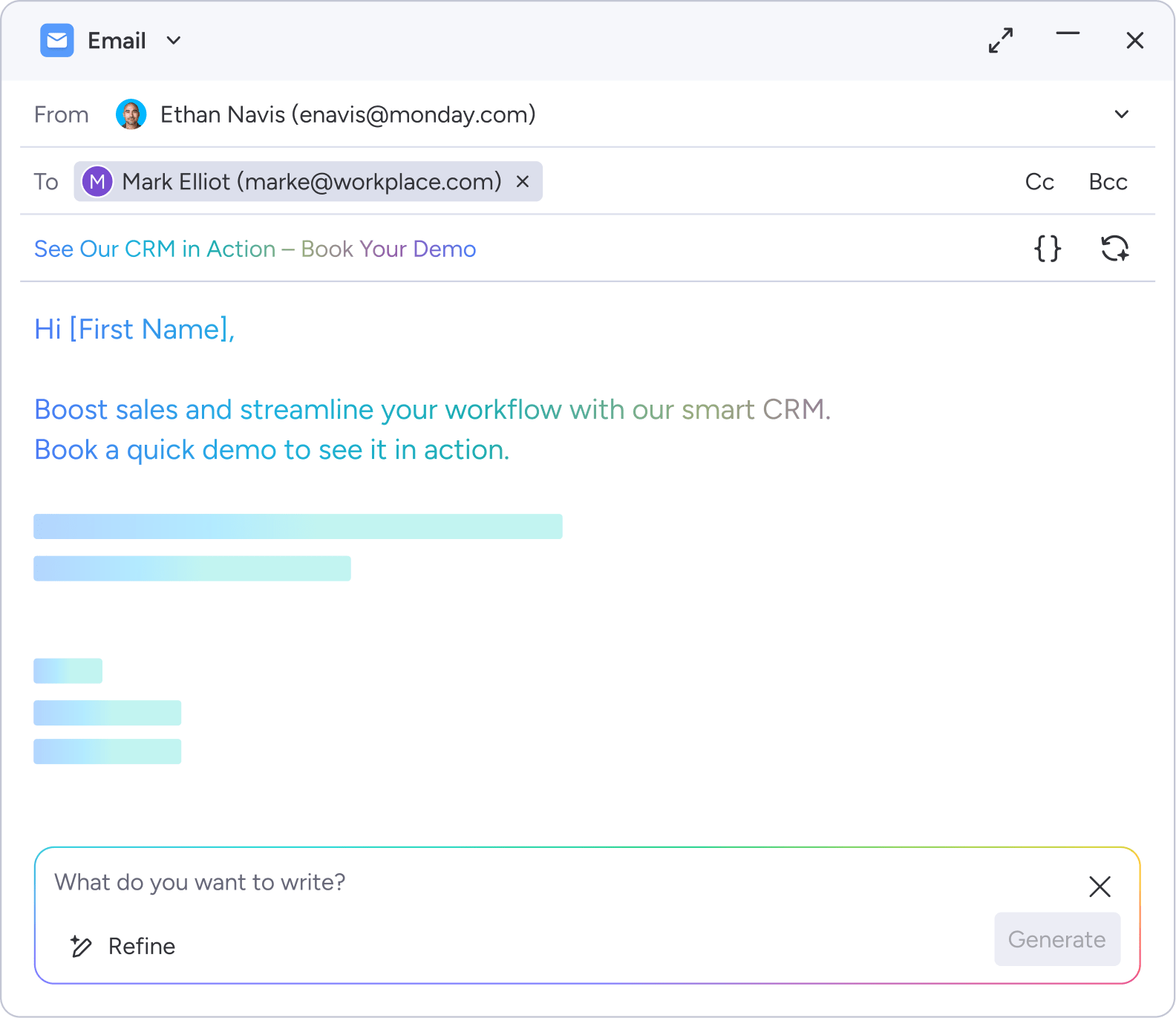
Each target account needs a documented engagement plan that maps out how your team will interact across channels and touchpoints. These plans go beyond generic sales plays to include account-specific research and customization.
Strong engagement plans need a few key pieces:
- Account-specific value propositions: Connect your solution directly to their documented challenges.
- Stakeholder messaging frameworks: Customize talking points for each person’s priorities.
- Relevant content strategy: Share case studies from similar companies and ROI analyses using their data.
- Multi-channel orchestration: Coordinate email, phone, social, and event touchpoints based on stakeholder preferences.
- Clear progression milestones: Define specific indicators like “secure executive meeting” or “complete technical evaluation.”
Cross-functional alignment
TAS won’t work if only sales is involved. Marketing, customer success, and executive teams need to coordinate around shared account goals and strategies.
Marketing generates account-specific awareness and engagement through targeted campaigns. Sales executes personalized outreach and manages relationships. Customer success ensures smooth implementation and identifies expansion opportunities through effective account management. Executives facilitate peer-level relationships and strategic discussions.
Alignment needs shared infrastructure and processes:
- Unified account lists: All teams work from the same target account definitions.
- Centralized intelligence: Single source of truth for account data and activities.
- Regular planning sessions: Weekly or bi-weekly meetings to coordinate strategies.
- Integrated workflows: Seamless handoffs between teams without information loss.
6 steps to implement target account selling
Building a TAS framework means following six sequential steps. Each step builds on the last to change how your revenue team operates. Following this process keeps you from missing critical pieces that could tank your TAS success.
Step 1: Define your ideal customer profile
Your ICP is the foundation of smart account selection. Build it by analyzing your best customers to spot patterns.
Start by examining your top 20% of customers by revenue or lifetime value using account management analytics. Document their firmographic characteristics like industry, company size, and geographic location. Note their technographic profile including current tools and integration requirements. Track behavioral patterns like how they research solutions and engage with content.
Turn these insights into clear criteria your entire revenue team can use consistently. A strong ICP digs past surface demographics to capture the deeper traits that predict success.
Step 2: Build your target account list
With your ICP defined, identify specific companies that match those criteria and demonstrate buying intent as part of your broader sales strategy. The goal is a prioritized list of 50–200 accounts based on what your team can handle.
Generate an initial list using your ICP criteria to search databases, analyze existing CRM data, and apply lead generation strategies focused on high-value accounts. Score each account based on fit (ICP match) and intent (buying signals). Consider strategic factors beyond pure scoring like competitive presence, existing relationships, and market influence.
Segment accounts into tiers that determine resource allocation. Most organizations should start with 20–50 total accounts to stay focused before scaling up.
Step 3: Map stakeholders in each account
Complex B2B purchases involve multiple people with different roles and levels of influence. Stakeholder mapping identifies everyone involved in the purchase and documents their specific concerns.
Start mapping early and update continuously as you discover new contacts. Look beyond the obvious decision-makers to identify influencers, technical evaluators, and potential blockers. Document each person’s role, priorities, pain points, and preferred communication style.
Complex enterprise deals may involve 10+ stakeholders across multiple departments. The investment in thorough mapping pays off with higher win rates and faster deal velocity.
Step 4: Create account engagement plans
Develop custom strategies for each priority account that map out your engagement approach across channels and touchpoints. These documents should evolve as you learn more about the account.
For Tier 1 accounts, create detailed plans covering value propositions, stakeholder messaging, content strategy, and channel mix. Tier 2 accounts need lighter frameworks focusing on key messages and primary touchpoints. Tier 3 accounts can use templatized approaches with minimal customization.
Work with sales, marketing, and customer success when building plans to tap diverse expertise and stay aligned.
Step 5: Align teams around target accounts
TAS needs tight coordination between revenue teams. Traditional handoffs and separate goals kill the approach’s effectiveness.
Establish shared account ownership where sales and marketing agree on target lists and resource allocation. Create regular planning rhythms with weekly or bi-weekly sessions to review progress and coordinate activities. Build unified intelligence systems where all teams access the same account data and engagement history.
Define clear roles and responsibilities for each team’s contribution to account success. Marketing might own initial awareness and engagement, sales manages direct relationships, and customer success ensures long-term value realization.
Step 6: Measure and optimize continuously
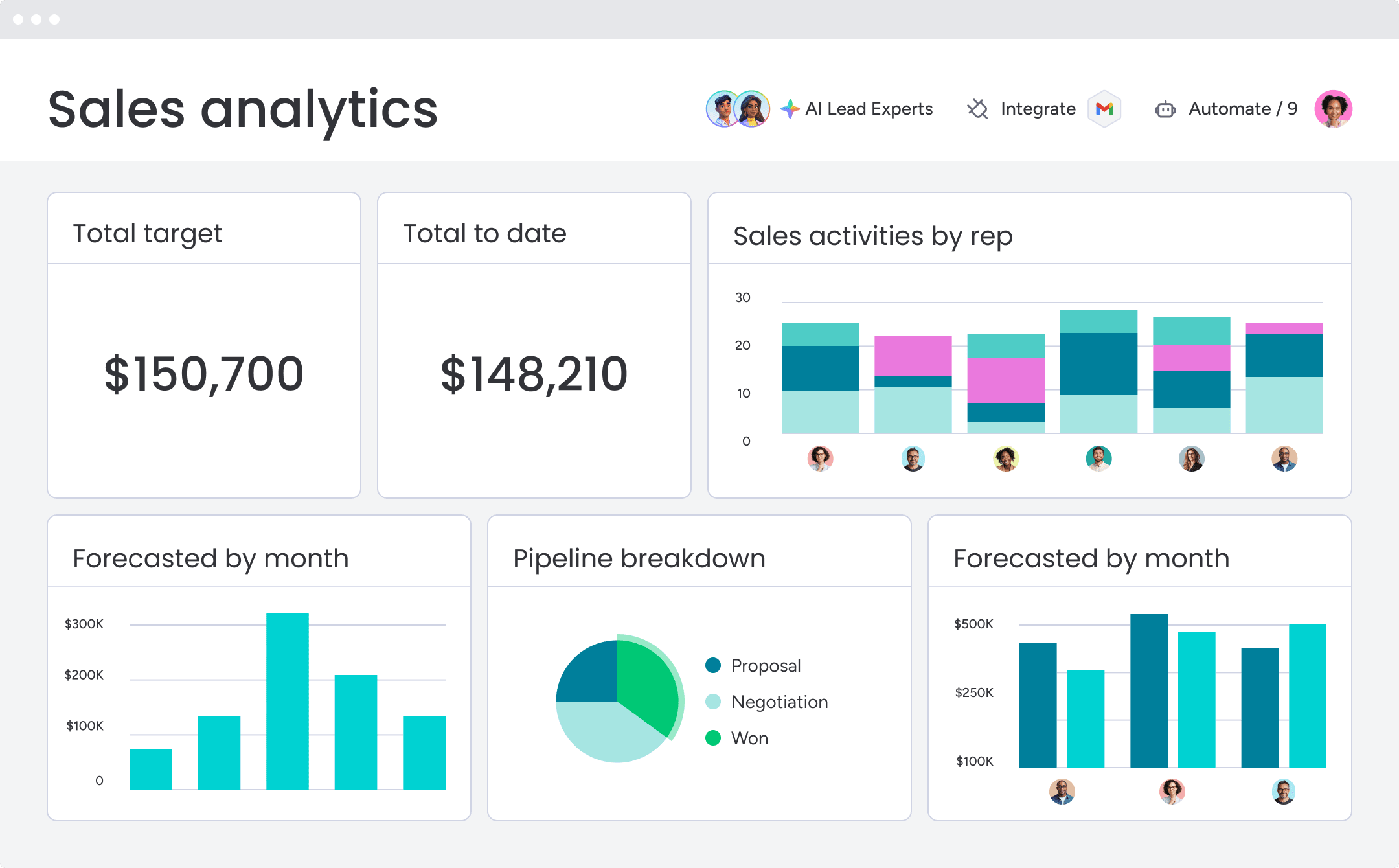
TAS requires ongoing refinement based on performance data and market feedback. Build optimization into your regular rhythm instead of treating it as a separate project.
Track key metrics across several areas:
- Account engagement: Stakeholder coverage, touchpoint frequency, response rates
- Pipeline health: Deal velocity, stage progression, win rates by tier
- Revenue impact: Average deal size, customer lifetime value, expansion rates
- Team efficiency: Time to close, activities per deal, resource utilization
Review performance monthly to see what’s working and what needs adjusting. Refine account lists quarterly based on changing market conditions. Test different engagement approaches and scale successful tactics across accounts.
Make target account selling work with intelligent software
Technology boosts TAS effectiveness by cutting manual work and giving you real-time visibility into account progress. The right platform turns TAS from a resource-heavy methodology into a scalable revenue engine. Without the right tech, even the best TAS strategy becomes too much for teams to execute consistently.
Centralizing account intelligence
Effective TAS needs complete account data accessible to all revenue teams. When information lives in spreadsheets, email threads, and random notes, coordination is impossible.
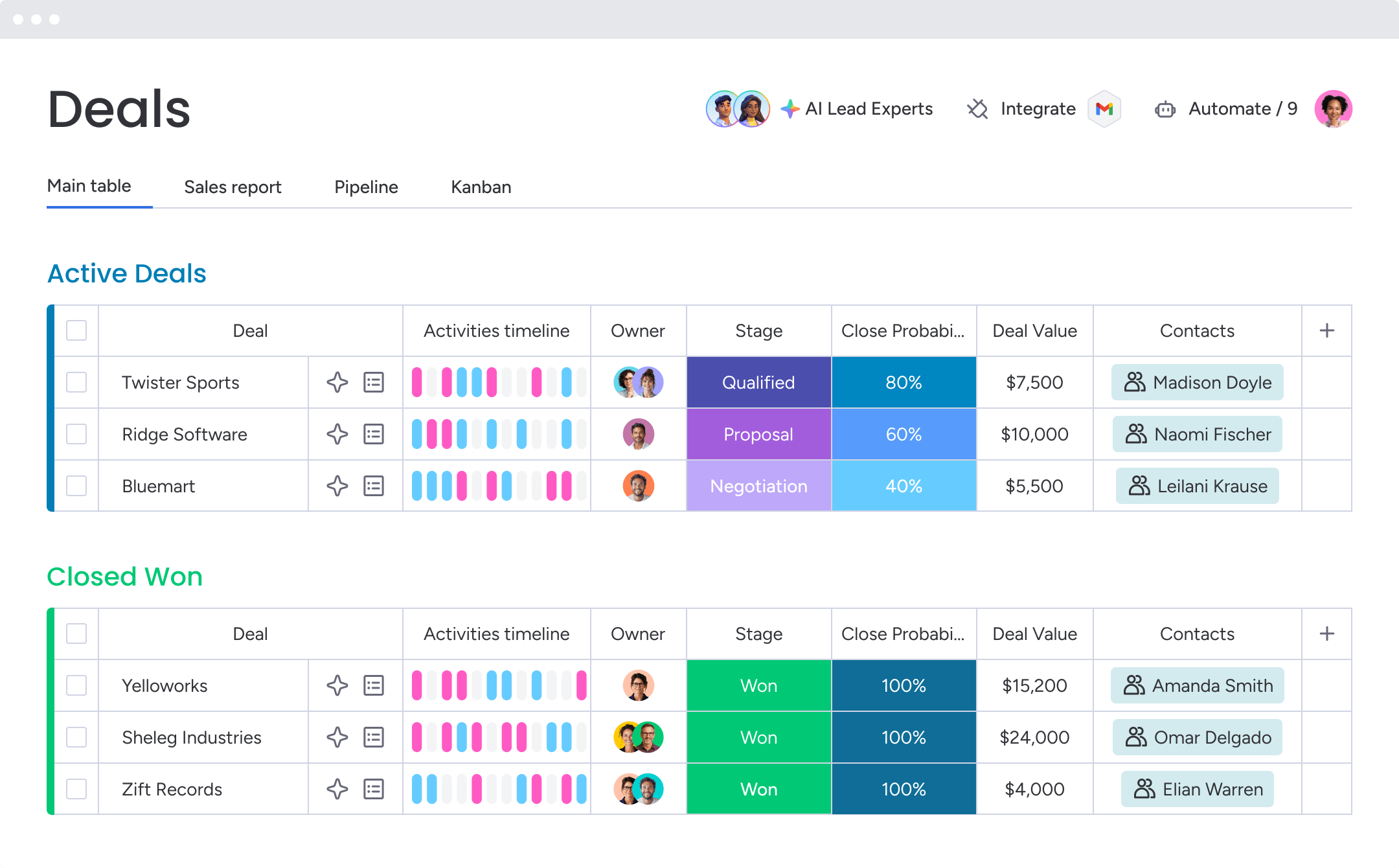
A unified CRM puts all account intelligence in one place. Teams can track firmographic data, engagement history, stakeholder relationships, and deal progress without hunting through multiple systems. This single source of truth keeps everyone working from current information.

Automating repetitive tasks
TAS creates a ton of manual work around research, data entry, and coordination. Without automation, teams spend more time on admin than actually selling.
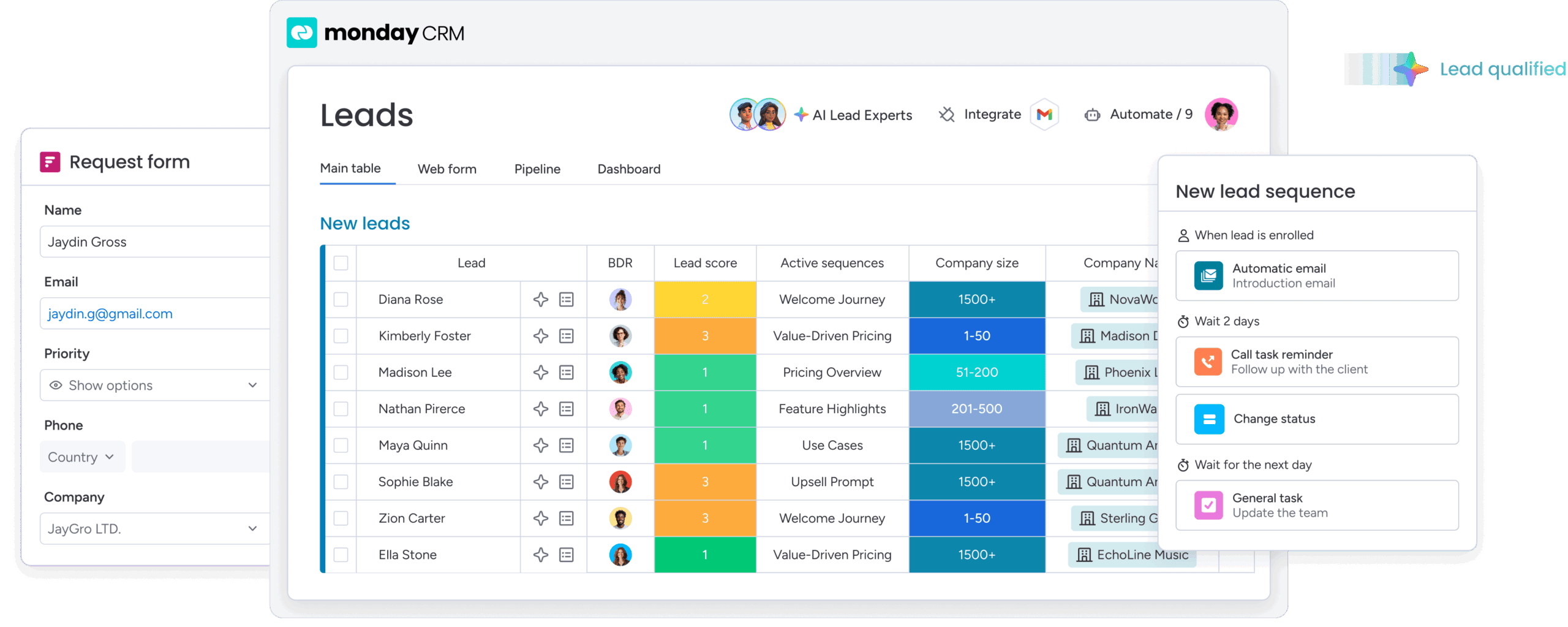
AI and automation knock out these repetitive tasks at scale. Automated data enrichment fills in account details without manual research. AI-powered email composition creates personalized outreach without starting from scratch. Workflow automation assigns tasks, sends follow-ups, and updates records based on activity triggers.
Enabling real-time visibility
Sales leaders need instant insight into target account progress to make confident calls. Traditional CRMs need manual reporting that’s outdated before you finish it.
Real-time dashboards give you immediate visibility into account health, pipeline status, and team performance. Leaders can spot risks early, shift resources on the fly, and forecast with confidence. Customizable views let different stakeholders see exactly what matters to their role.
Learn more: AI account health agent
Facilitating cross-team collaboration
TAS needs tight coordination between sales, marketing, and customer success. When teams work in silos with separate tools, alignment is impossible.
Shared workspaces make real collaboration around target accounts possible. Teams can see the same account timelines, coordinate activities through shared calendars, and hand off relationships without losing context. Automated workflows ensure smooth transitions between teams while maintaining accountability.
The platform becomes the hub where all revenue teams coordinate their TAS efforts. monday CRM provides these shared workspaces natively, with role-based permissions ensuring teams see relevant information while maintaining data security.
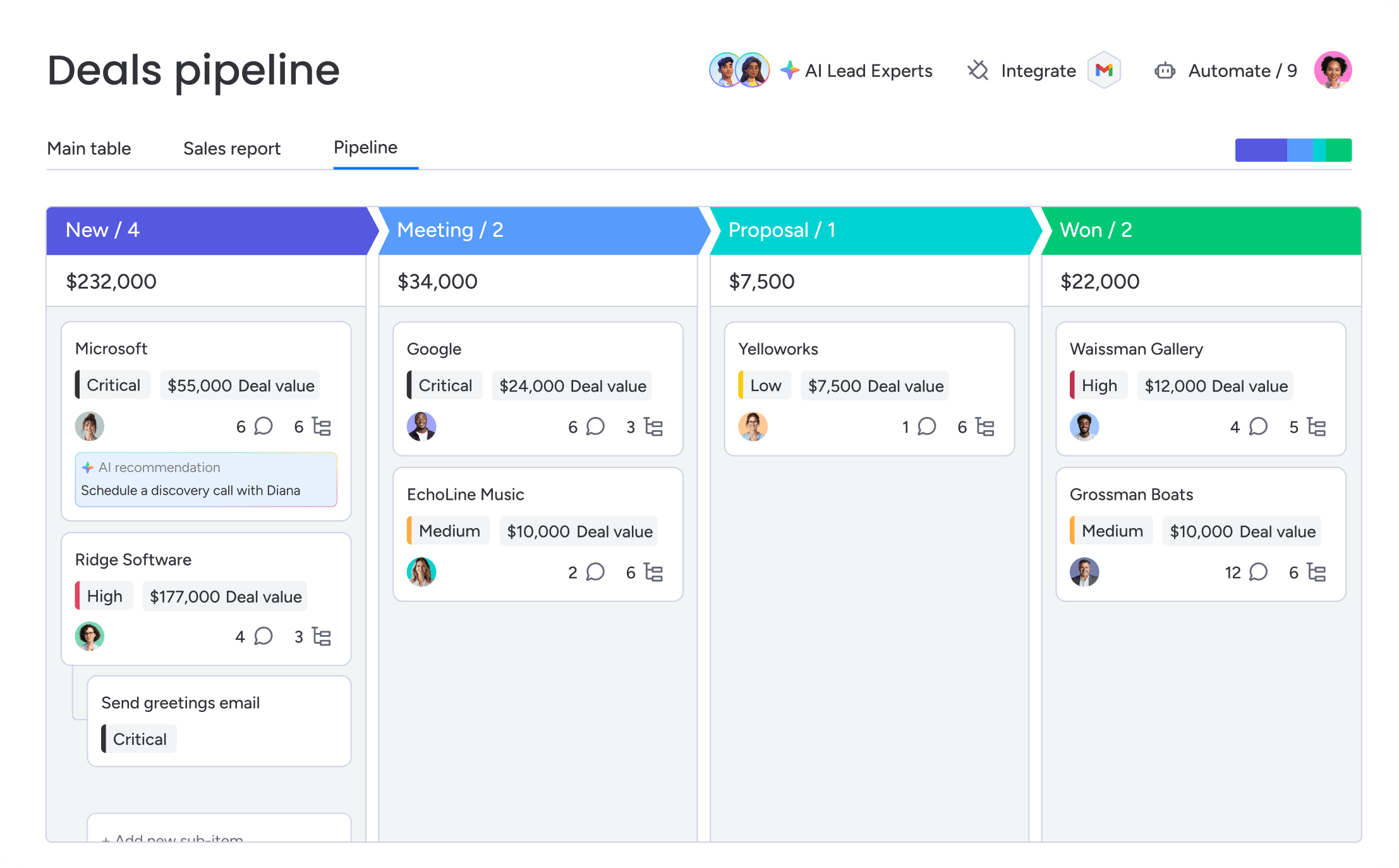
Manage and scale target account selling with monday CRM
monday CRM gives revenue teams the unified platform they need to execute target account selling without the complexity. Here’s how it transforms your TAS execution:
- Centralized account intelligence: Build comprehensive account profiles that capture firmographic data, stakeholder relationships, engagement history, and deal progress in one accessible location — no more hunting through spreadsheets or email threads.
- Visual stakeholder mapping: Create clear relationship maps that show every decision-maker, influencer, and blocker within your target accounts, ensuring your team never misses a critical contact.
- Automated workflows: Set up triggers that assign tasks, send follow-ups, and update records based on account activity, freeing your team to focus on relationship-building instead of administrative work.
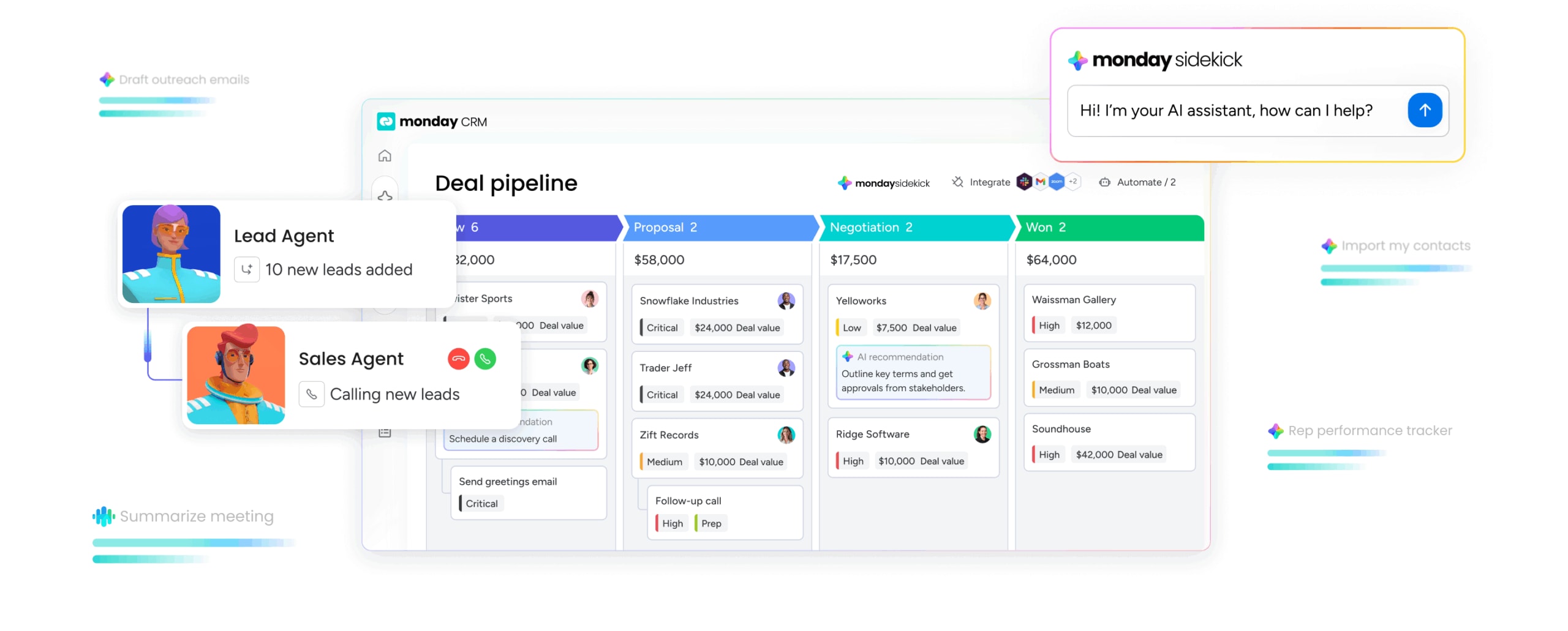
- AI-powered personalization at scale: Leverage AI features to generate personalized outreach, summarize account timelines instantly, and recommend relevant content for each engagement stage.
- Real-time dashboards: Track account health, pipeline progression, and team performance with customizable views that update automatically as your team works.
- Cross-functional collaboration: Enable sales, marketing, and customer success to coordinate seamlessly around shared account goals with role-based permissions and unified workspaces.
- Flexible customization: Adapt the platform to match your specific TAS process without rigid templates or technical configuration — build exactly what your revenue team needs.
Transform your revenue strategy with target account selling
Target account selling is a fundamental shift from volume-based to value-based selling. By focusing resources on carefully selected high-value accounts, revenue teams get higher win rates, bigger deals, and more predictable forecasts. The methodology needs disciplined execution across account selection, stakeholder mapping, personalized engagement, and cross-functional alignment.
Success depends on having the right tech foundation to support TAS at scale. Teams need centralized account intelligence, automated workflows, real-time visibility, and collaborative workspaces to make TAS sustainable instead of overwhelming. With monday CRM, you get the unified platform you need to execute TAS effectively, from account selection through deal closure and expansion.
Try monday CRMFAQs
What is the difference between target account selling and account-based marketing?
Target account selling (TAS) and account-based marketing (ABM) are complementary strategies that work hand in hand. ABM is mainly a marketing approach focused on building awareness and engagement with specific accounts through targeted campaigns and personalized content. TAS is a complete sales methodology that covers the entire revenue cycle from account selection through closing and expansion.
How many target accounts should a sales rep manage?
The right number depends on deal complexity and sales cycle length. For enterprise deals with 6+ month cycles, reps typically manage 10–25 accounts effectively. Mid-market reps with shorter cycles might handle 25–50 accounts while keeping personalization quality high.
When should you use target account selling vs traditional sales?
Target account selling works best when deal sizes exceed $50K, sales cycles last 3–12 months, and purchases involve multiple stakeholders. Traditional volume-based approaches suit transactional sales with shorter cycles and single decision-makers.
How do you identify the right accounts to target?
Build a data-driven ideal customer profile by analyzing your best existing customers. Look for patterns in company characteristics, technology usage, and buying behaviors. Score potential accounts based on both fit with your ICP and current buying intent signals.
What metrics should you track for target account selling?
Key metrics include account engagement scores, stakeholder coverage percentage, pipeline velocity by tier, win rates compared to non-target accounts, average deal size, and customer lifetime value. Track both leading indicators like engagement and lagging indicators like revenue.
Can small sales teams implement target account selling?
Small teams are often ideal for TAS because they can't afford to waste resources on low-probability opportunities. A team of 2–3 reps might focus on 20–30 total accounts, prioritizing depth over breadth to maximize their impact.
