


Your sales team just missed their quarterly target, again. The leads looked promising on paper, but half turned out to be tire-kickers, and the other half went cold after the first call. Meanwhile, your marketing team insists they’re delivering quality prospects, while your sales reps claim they’re getting garbage. Sound familiar?
Sales lead generation isn’t just about collecting contact information anymore, but about finding people who actually need what you sell, at the moment they’re ready to buy, and nurturing them through a process that feels helpful rather than pushy. The companies hitting their numbers consistently have figured out how to blend AI-powered insights with genuine human connection, creating systems that work around the clock while still feeling personal.
Learn twelve proven strategies that revenue teams use to generate qualified leads in 2026. You’ll discover everything from AI lead scoring and personalized outreach to building communities and leveraging video engagement.
Key takeaways
- Build a systematic sales lead generation process that scales: define your ideal customer profile, test multiple channels, and create automated workflows with platforms like monday CRMthat consistently deliver qualified prospects to your sales team.
- Focus on lead quality over quantity with AI-powered scoring: use behavioral data and engagement patterns to identify prospects most likely to convert, ensuring your team prioritizes the right opportunities.
- Align sales and marketing teams around shared definitions: establish clear criteria for qualified leads and create seamless handoff processes that prevent prospects from falling through the cracks.
- Automate lead capture and nurturing with right platform: capture leads from any source, score them automatically with AI, and build custom workflows without coding to nurture prospects through your lead generation sales funnel.
- Combine multiple strategies for maximum impact: use content marketing, social selling, email outreach, and conversational marketing together rather than relying on a single channel for lead generation success.
Sales lead generation is the process of identifying and attracting potential customers who show genuine interest in your products or services. This means finding people who match your ideal customer profile, capturing their contact information, and nurturing them until they’re ready to buy.
This approach requires strategic targeting of prospects who genuinely need your solutions, rather than broad, unfocused outreach. The shift from interruption-based selling to value-driven engagement means businesses now attract leads by solving problems rather than pushing products.
Your lead generation approach directly affects whether you can predict next quarter’s numbers or just hope for the best. Teams with real systems close faster and stop wasting time on dead-end prospects. The gap between ‘we think we’ll hit target’ and ‘we know we will’ comes down to how thoughtfully you find and convert leads.
Types of sales leads that drive revenue
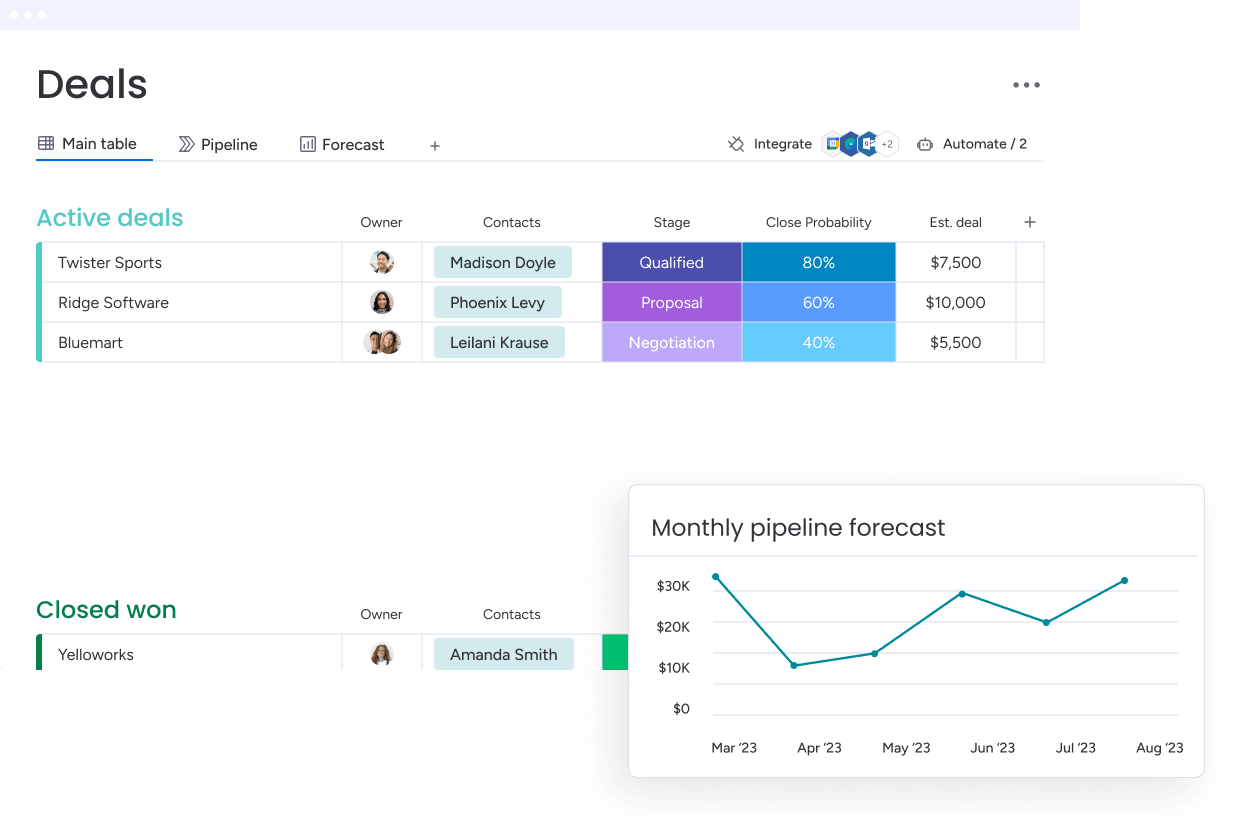
Understanding your lead types enables more strategic time allocation and resource management. Different prospects require varying levels of immediate attention: some warrant immediate engagement, while others benefit from systematic nurturing before direct sales contact.
Proper lead classification helps teams optimize their efforts, as the four main lead categories each require distinct approaches and timing strategies.
Marketing Qualified Leads (MQLs)
These prospects have engaged with your marketing content but are not quite ready for a sales conversation. For example, A prospect lead downloading three resources in two weeks shows high interest but likely needs more educational content rather than a direct pitch.
Because they are still in the research phase, focus on providing value through webinars and solution-focused resources to move them down the funnel.
Sales Qualified Leads (SQLs)
SQLs are vetted prospects that your team has confirmed are ready for direct engagement. These leads meet specific criteria regarding budget, authority, and timeline, and they are often actively evaluating solutions.
When a prospect requests a demo or asks for a custom price quote, they have transitioned into an SQL and require immediate, personalized outreach from a sales representative.
Product Qualified Leads (PQLs)
These prospects have used your product through trials or demos and shown buying signals through usage. PQL indicators include:
PQL indicators include:
- Deep feature exploration: actively testing advanced capabilities.
- Team expansion: inviting multiple colleagues to the platform.
- Usage threshold: hitting limits during trial periods.
A user who activates advanced features and adds multiple teammates demonstrates strong PQL signals.
Hot, warm, and cold leads
In addition to their “type,” lead temperature helps your team prioritize their daily follow-up schedule:
- Hot leads: show immediate buying intent with specific timelines.
- Warm leads: express interest but need nurturing over weeks or months.
- Cold leads: sit in early awareness stages, requiring education before evaluation.
The sales lead generation process
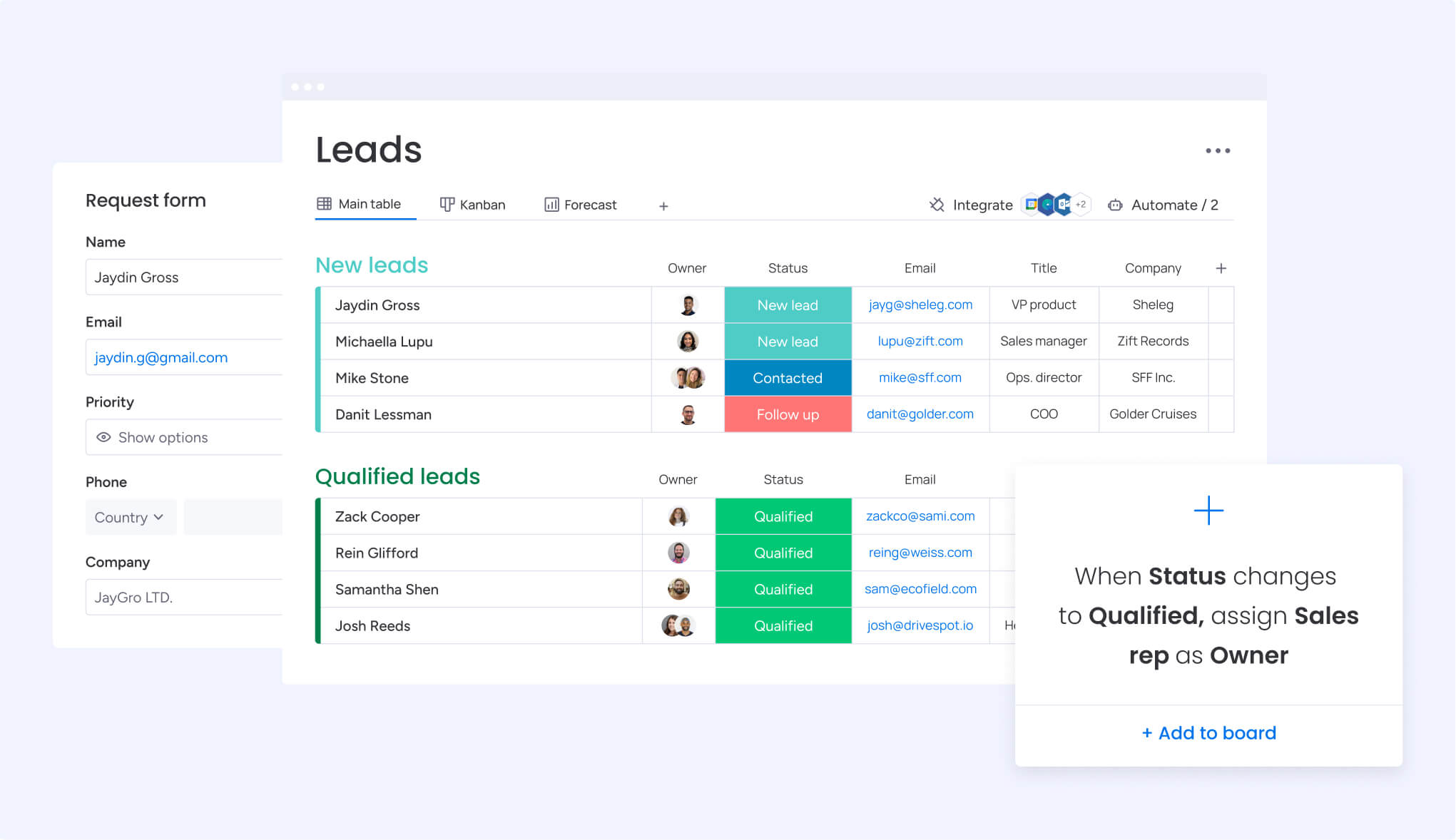
Want lead generation that actually works? You need a system, not a bunch of random tactics. This five-step framework creates predictable pipeline growth and focuses your team on pursuing high-potential prospects. Each step connects to the next, giving you a complete process that grows as you do.
Step 1: define your ideal customer profile
Creating detailed buyer personas requires collaboration between sales and marketing teams. Effective ideal customer profiles (ICPs) include specific data points that predict success:
- Company demographics: employee count, revenue range, industry specifics.
- Decision-maker details: roles, titles, budget authority levels.
- Technology environment: current stack and integration needs.
- Primary challenges: specific pain points your solution addresses.
Analyze your best current customers — those who bought quickly, implemented successfully, and stayed long-term — to spot patterns in firmographics and behaviors. Interview sales reps about easiest wins and difficult deals to identify qualifying characteristics, then update ICPs quarterly based on actual results versus initial assumptions.
Step 2: choose your lead generation channels
Once your ideal customer profile is defined, pick channels where your buyers actually hang out, not where it’s easiest for you to post. Different channels do different jobs in your lead gen mix.
Inbound channels attract prospects actively researching:
- Content marketing and SEO: organic discovery.
- Social media: community building.
- Webinars: educational engagement.
Outbound channels proactively reach potential buyers:
- Email outreach: direct engagement.
- Cold calling: immediate connection.
- LinkedIn prospecting: professional networking.
Start by testing multiple channels simultaneously. After 60-90 days, analyze which generate the highest volume of qualified leads at the lowest cost. Double down on top performers while maintaining experimental budget for new approaches.
Step 3: create your lead capture system
Your lead capture technology should gather the right information while providing a smooth, user-friendly experience. Every extra field or click loses you prospects. Make sure your system includes:
- Landing pages: optimized for conversion with compelling value propositions.
- Forms: balanced between gathering qualification data and maintaining simplicity.
- Lead magnets: valuable resources that provide immediate utility.
- CRM integration: automatic routing to appropriate sales reps.
Revenue teams using CRM for lead generation automate this entire process. The system captures leads from any source, triggers confirmation emails, assigns based on territory, and initiates nurture sequences. Well-designed systems capture essential qualification information without overwhelming prospects with lengthy forms.
Step 4: qualify and score leads
Lead scoring assigns point values based on demographic fit and behavioral engagement. A comprehensive scoring model creates clear prioritization for your sales team:
| Scoring Category | Point Range | Example Criteria |
|---|---|---|
| Company fit | 10-30 points | Industry match, company size, budget range |
| Role fit | 5-20 points | Decision-maker level, department alignment |
| Engagement level | 5-15 points | Content downloads, email opens, page visits |
| Buying signals | 15-25 points | Demo requests, pricing views, trial usage |
Leads reaching 75+ points automatically become SQLs for immediate follow-up. Review scoring models quarterly based on which behaviors actually predict closed deals.
Step 5: nurture through the sales funnel
Nurture sequences provide value while moving prospects toward purchase decisions. Effective nurturing combines educational content, social proof, and timely calls-to-action matched to readiness levels.
Someone who downloads a beginner’s guide sits at a completely different stage than someone requesting a product demo. Smart nurturing means triggering the right messages based on what people actually do and who they are. The trick is balancing automation with genuine human connection: your sales reps should jump in with personalized videos at the moments that matter most.
Here’s something that’ll make you rethink response times: Lead Response Management found that following up within five minutes of a form submission can boost conversion rates by up to 900% compared to waiting just 30 minutes. That’s the difference between a hot lead and a cold one.
12 proven sales lead generation strategies
The highest-performing revenue teams implement multiple approaches that work together. These twelve strategies represent the most effective methods for 2026, combining established techniques with AI-powered approaches. Each strategy addresses different stages of the buyer journey and can be customized to match your specific market and customer needs.
Strategy 1: create high-value content that attracts buyers
Content is your primary tool for building authority and attracting prospects. To be effective, your assets must address the specific challenges buyers face at each stage of the funnel:
- Industry trend reports: data-driven insights on market shifts.
- Educational guides: foundational knowledge for beginners.
- Problem-identification articles: content that surfaces pain points.
Middle-funnel content helps evaluation:
- Comparison guides: side-by-side solution analysis.
- ROI calculators: quantifiable value projections.
- Implementation frameworks: practical deployment roadmaps.
Bottom-funnel content provides proof:
- Case studies with measurable results: real-world success stories.
- Customer testimonials: authentic user experiences.
- Technical specifications: detailed product capabilities.
High-converting content includes in-depth whitepapers, interactive calculators, and practical templates. Distribution matters as much as creation: promote through email, social media, paid advertising, and SEO optimization.
Strategy 2: master social selling on LinkedIn
LinkedIn has become the primary B2B sales prospecting channel. Decision-makers actively engage with content and build professional networks. Effective LinkedIn strategies start with profile optimization — treat your profile as a landing page communicating who you help and how.
Share valuable content consistently (three to five times weekly) addressing prospect challenges. Comment thoughtfully on posts from prospects and industry leaders. LinkedIn Sales Navigator provides advanced sales prospecting tools with lead recommendations based on your criteria, account insights and company updates, and InMail credits for direct outreach.
Connection requests should reference specific commonalities. Follow-up messages provide value through relevant articles or helpful introductions.
Strategy 3: personalize email outreach at scale
Modern email sequences must feel personal while remaining scalable. True personalization involves data-driven insights that prove you understand the prospect’s world.
- Reference recent company news: funding rounds, expansions, leadership changes.
- Acknowledge specific challenges: industry trends affecting their business.
- Offer relevant insights: specific solutions to their situation.
Subject lines dramatically impact open rates. Test questions, personalization, and value propositions. Tuesday through Thursday mornings generate the highest response rates. Follow-up cadences should include five to seven touches over two to three weeks with varied approaches.
Strategy 4: optimize for search with SEO
Buyer-intent keywords reveal what prospects search when researching solutions. High-intent keywords capture prospects further along their buying journey:
- “Best [solution] for [use case]”: captures prospects comparing specific options.
- “[Problem] solution”: targets buyers actively seeking fixes.
- “[Product category] comparison”: reaches evaluators weighing alternatives.
Creating SEO-optimized content requires addressing search intent comprehensively, structuring for featured snippets, and building authoritative backlinks. Technical considerations include:
- Fast load times: improved user experience.
- Mobile optimization: on-the-go searchers.
- Schema markup: helping search engines understand your content.
Strategy 5: run targeted paid campaigns
Paid advertising accelerates lead generation by immediately reaching ideal prospects. Different platforms serve different purposes based on your target audience:
- Google Ads: captures active searchers.
- LinkedIn Ads: targets specific job titles.
- Facebook/Instagram: works for broader B2B audiences.
Effective campaigns require tight audience targeting. Broad audiences waste budget on unqualified clicks. Ad creative should speak directly to pain points with strong calls-to-action. Landing pages must align perfectly with ad messaging. Start with small tests across platforms, then scale investment into highest performers.
Strategy 6: host engaging webinars and virtual events
Webinars are high-conversion events because they require a significant time investment from attendees. To maximize ROI, partner with industry experts and follow a rigorous promotion schedule.
- Start promoting three to four weeks in advance: build anticipation and maximize registration.
- Use email, social media, and paid advertising: reach prospects across multiple touchpoints.
- Send reminders at strategic intervals: keep your webinar top-of-mind for registrants.
- Follow up immediately with recordings: capture interest while engagement is highest.
Follow-up determines conversion; segment attendees from no-shows, and have sales reps personally contact engaged attendees within 24 hours.
Strategy 7: build free tools and resources
Valuable free tools capture leads while providing immediate utility. These resources create positive first impressions that warm prospects toward paid offerings:
- ROI calculators: quantify potential value for prospects.
- Assessment tools: benchmark performance against industry standards.
- Templates: save time on common workflows.
- Interactive platforms: solve specific problems immediately.
The key lies in providing genuine value without requiring purchase. Promote through SEO-optimized landing pages, social campaigns, and email signatures. Gate tools behind simple forms collecting essential qualification information.
Strategy 8: develop strategic partnerships
Partner with complementary businesses and you’ll both win more deals. Smart co-marketing lets you reach new audiences while optimizing your marketing spend:
- Joint webinars: combine audiences and expertise.
- Shared content: co-create valuable resources.
- Cross-promotion: access each other’s email lists.
- Bundled offerings: provide combined value.
Referral programs formalize partnerships with clear incentives and processes. Effective agreements specify qualification criteria, compensation structures, and communication protocols. Successful partnerships require regular communication and genuine commitment to mutual value.
Strategy 9: implement account-based marketing
Account-based marketing (ABM) flips traditional lead generation by identifying target accounts first, then creating personalized campaigns for decision-makers. This approach works particularly well for enterprise sales with significant deal sizes.
Start by identifying 10-50 target accounts matching your ideal profile. Research involves:
- Business priorities: understanding recent initiatives and strategic direction.
- Organizational structure: mapping decision-makers and reporting lines.
- Current challenges: identifying pain points and growth plans.
Multi-channel engagement coordinates touchpoints across email, LinkedIn, direct mail, and targeted advertising. Measure success through account engagement scores and meeting conversion rates rather than overall volume.
Strategy 10: deploy conversational marketing
Conversational marketing uses chatbots and live chat to capture leads in real-time. This eliminates the friction of traditional forms and captures intent while a prospect is still on your site.
- AI qualification: use platforms like monday CRM to automatically score leads based on chat interactions and route them to reps.
- Balanced design: automate simple questions while ensuring qualified prospects can escalate to a live human instantly.
Strategy 11: leverage video for engagement
Video content generates higher engagement rates across every channel. Different video types serve different purposes in lead generation:
- Personalized video messages: create memorable first impressions. Recording 30-second videos addressing prospects by name dramatically increases response rates.
- Product demo videos: help prospects understand solutions without requiring calls.
- Educational video content: addresses challenges and builds authority.
Distribution strategies include:
- Embedding in emails: higher open rates.
- Sharing on LinkedIn and YouTube: organic reach.
- Adding to landing pages: better conversion.
Video analytics show exactly how much prospects watch, helping prioritize follow-up based on genuine interest.
Strategy 12: build communities around your brand
Online communities attract prospects and build relationships over time. Successful communities might take form as LinkedIn groups, Slack channels, or dedicated platforms. The key lies in facilitating valuable peer connections rather than constant promotion.
Community management requires:
- Consistent engagement: regular participation and content sharing.
- Content curation: highlighting valuable resources and discussions.
- Quality moderation: maintaining a professional, helpful environment.
Share resources, facilitate introductions, and highlight member success stories. Communities generate leads organically as members recognize your expertise and build trust through repeated interactions.
Try monday CRMHow does AI transform the lead generation process?
AI flips lead generation from ‘wait and see’ to ‘know and act.’ Revenue teams now spot patterns across thousands of signals, find the best prospects before competitors even notice them, and hit each lead with the right message at the perfect moment. It’s not just incremental improvement. AI completely changes what’s possible in personalization and efficiency.
AI-powered lead scoring
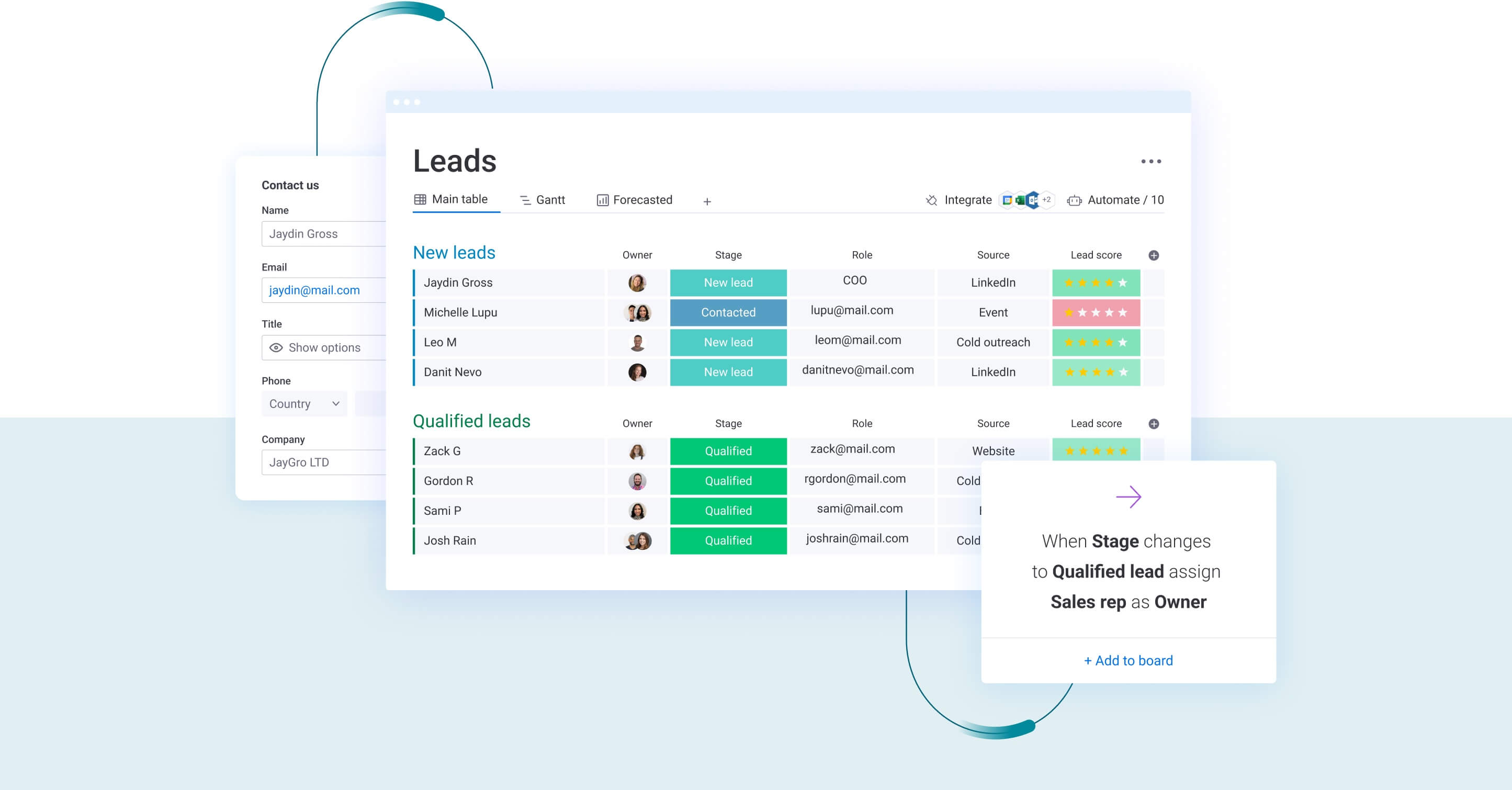
AI sales lead generation tools analyze multiple data points simultaneously to predict lead quality more accurately than traditional methods. Machine learning identifies non-obvious patterns humans miss:
- Behavioral combinations: specific page visits plus email timing.
- Engagement patterns: content consumption sequences.
- Historical correlations: what actually predicts revenue.
Models learn from every conversion and lost opportunity, automatically adjusting scoring criteria. Revenue teams using AI scoring report significant improvements in SQL conversion rates.
Organizations leveraging AI capabilities provided by solutions like monday CRM automatically score leads based on behavior patterns, ensuring sales teams prioritize the right opportunities in their lead generation efforts.
Automated personalization at scale
AI enables personalized communication across thousands of prospects simultaneously. Rather than broad segmentation, AI creates individual profiles informing unique strategies:
- Message customization: optimal content topics for each prospect.
- Timing optimization: best outreach moments.
- Channel selection: preferred communication methods.
AI suggests relevant case studies, determines ideal timing, and generates personalized email copy addressing specific challenges. Teams using platforms like monday CRM leverage AI to compose emails that feel genuinely personal while maintaining lead generation automation efficiency.
Predictive analytics for targeting
AI identifies patterns in successful conversions to predict which prospects will likely buy. Predictive models analyze historical data revealing that certain characteristics and behaviors convert at dramatically higher rates.
These insights inform targeting across all channels: which accounts to prioritize, which prospects to call first, and which opportunities to disqualify early. Revenue operations teams use predictive analytics to forecast pipeline development and allocate resources to highest-value opportunities.
Digital workers for 24/7 engagement
AI-powered digital workers handle lead qualification and nurturing around the clock. These intelligent agents understand context, remember interactions, and escalate appropriately.
A prospect visiting your website at 2 AM can have meaningful conversations, get answers, and schedule meetings for the next business day. This responsiveness dramatically improves conversion rates. Revenue teams report significant increases in qualified conversations and improvements in response time when implementing digital workers.
Lead generation ideas for B2B success
B2B lead generation requires specialized tactics for longer sales cycles and multiple decision-makers. These strategies address unique B2B challenges including extended evaluation periods and committee-based decisions. Knowledge about these nuances helps you craft approaches that resonate with business buyers and navigate complex organizational structures.
Industry-specific approaches demonstrate deep understanding of unique challenges and regulations:
- Healthcare organizations: prioritize compliance and patient outcomes.
- Manufacturing companies: focus on operational efficiency.
- Financial services: emphasize security and regulatory requirements.
Create industry-specific content addressing these concerns. Participate in associations and contribute to industry publications.
Multi-touch engagement strategies recognize that B2B buyers require 7-13 touches before converting. Comprehensive engagement might include:
- LinkedIn connection: personalized message establishing relevance.
- Value-driven email: relevant insights addressing their challenges.
- Content sharing: resources that solve specific problems.
- Personalized video: explaining tailored solutions.
- Phone call: direct conversation building relationship.
- Webinar invitation: educational content demonstrating expertise.
Sequence touchpoints strategically to maintain presence without overwhelming.
Try-before-you-buy offers reduce buying risk while generating qualified leads:
- Structure trials strategically: showcase core value quickly.
- Guide initial setup: ensure trial users set up dashboards in their first session if your platform improves visibility.
- Provide implementation support: maximize success during trials.
- Gather qualification signals: track usage patterns indicating buying intent.
Executive-level targeting requires different approaches than individual contributors:
- Executive briefings: focus on business outcomes rather than features.
- Thought leadership: position your company strategically in business publications.
- Peer networking: facilitate relationship building through roundtables or executive dinners.
How to do B2B lead generation right?
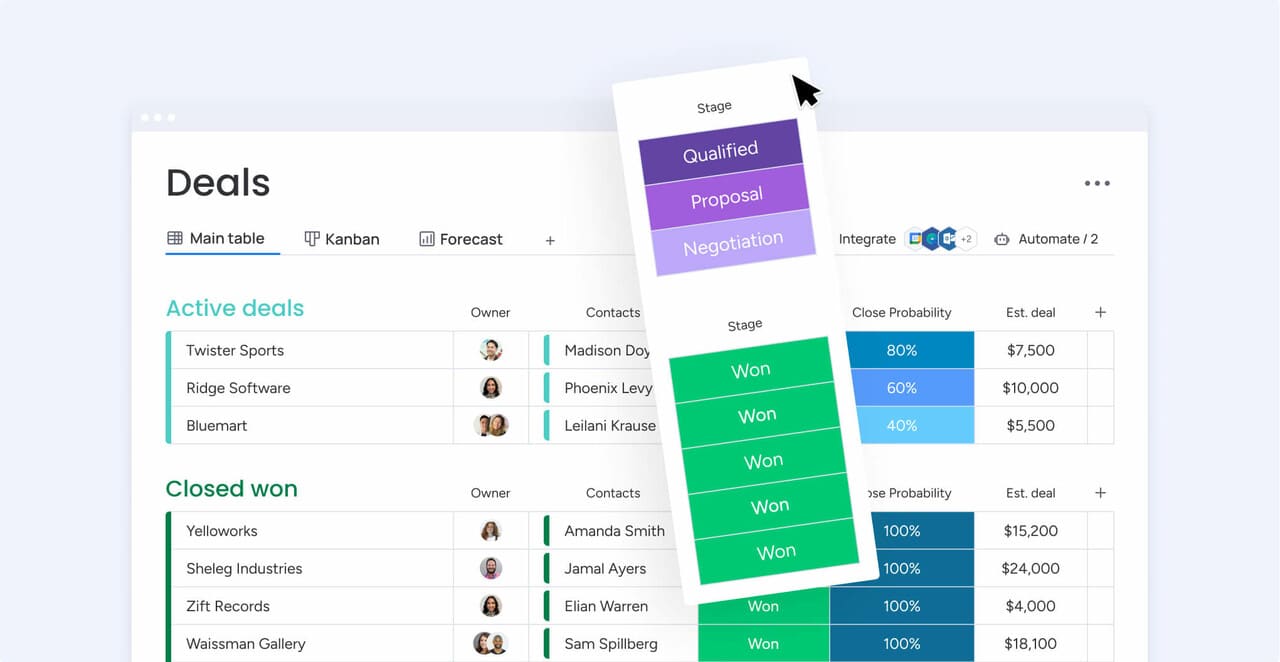
Even the best strategy falls apart without solid execution. The difference between ‘sometimes we hit our numbers’ and ‘we consistently crush it’ comes down to operational foundations. Therefore, get your infrastructure and processes right, and your lead gen machine will scale without breaking down when you need it most.
Step 1: align sales and marketing teams
Sales and marketing alignment starts with shared definitions of qualified leads. Both teams must agree on MQL versus SQL criteria to avoid friction. Service level agreements formalize commitments:
- Marketing commits to: specific quantity and quality of leads.
- Sales commits to: follow-up timeframes and feedback.
Regular communication through weekly pipeline reviews and monthly strategy sessions keeps teams coordinated. Establish clear handoff processes specifying when and how leads transfer. Automated workflows route SQLs appropriately while notifying both teams. Feedback loops close the circle with sales providing input on lead quality and marketing sharing campaign performance.
Step 2: build your tech stack
Essential technology components create seamless lead generation workflows. Your tech stack foundation should include:
- CRM system: central database for all lead data.
- Marketing automation: nurture campaigns and lead scoring.
- Lead intelligence: company and contact enrichment.
- Analytics platforms: performance measurement across channels.
Integration between platforms creates seamless workflows. Leads captured through forms automatically enter the CRM, trigger nurture sequences, get scored, and route to sales without manual intervention. Evaluate platforms based on integration capabilities, ease of use, and scalability rather than feature checklists.
Step 3: create scalable processes
Documenting and systematizing lead generation ensures consistency and enables growth. Process mapping visualizes lead flow from capture through conversion. Identify bottlenecks, manual steps for automation, and handoffs where leads get lost.
Standard operating procedures codify best practices for team consistency. Process optimization requires regular review as what works at 100 leads monthly may break at 1,000. Build feedback mechanisms surfacing issues quickly through:
- Weekly metrics reviews: track performance trends and spot issues early.
- Monthly retrospectives: identify what’s working and what needs adjustment.
- Quarterly process audits: ensure systems scale with growing lead volume.
Balance standardization with flexibility for unique situations.
Step 4: focus on lead quality metrics
Shift your focus from lead count to the metrics that truly drive revenue. These quality indicators tell you far more about ROI than just how many leads you grabbed:
| Metric category | Volume metrics | Quality metrics | Revenue metrics |
|---|---|---|---|
| Lead stage | Total leads captured | MQL to SQL conversion rate | Average deal size by source |
| Channel performance | Leads per channel | Lead score distribution | Customer acquisition cost |
| Sales efficiency | SQLs generated | Time to conversion | Customer lifetime value |
| Team productivity | Activities per rep | Meeting conversion rate | Revenue per lead source |
Attribution modeling shows which touchpoints contribute to conversions. Set up proper tracking through UTM parameters and CRM integration. Review metrics weekly to spot trends and make data-driven decisions about resource allocation.
Build a lead generation system that actually works
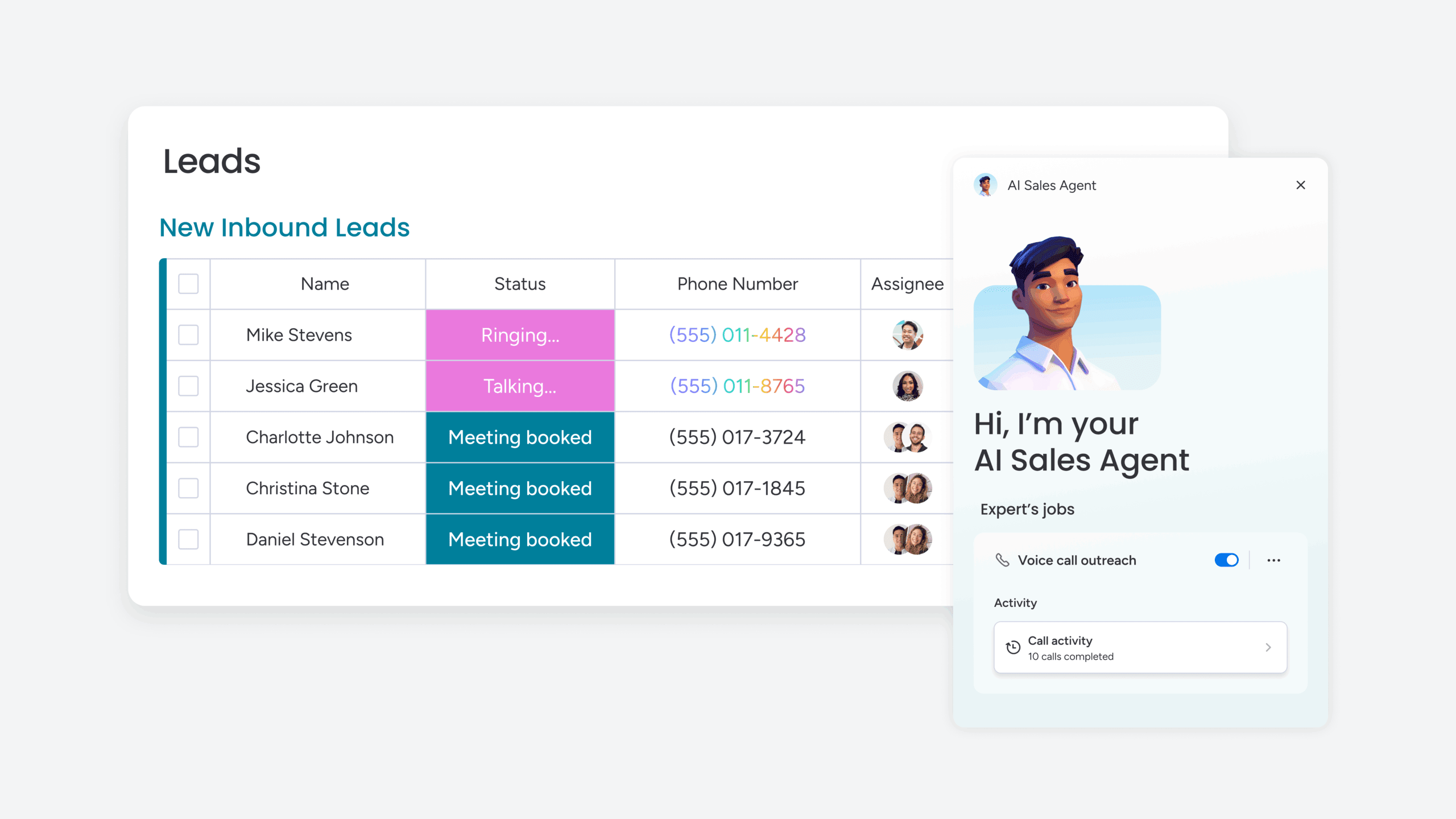
Your lead generation system should work as hard as your team does: capturing every opportunity, qualifying prospects instantly, and moving the right leads to sales without manual busywork. Advanced solutions like monday CRM turn this vision into reality with a platform that combines intelligent automation with the flexibility your revenue team actually needs.
The system captures leads from every source, scores them using AI that learns from your actual conversions, and routes high-intent prospects to the right rep at exactly the right moment. No disconnected tools. No manual data entry. No leads slipping through the cracks. Just a streamlined process that scales with your growth while keeping the human touch that closes deals.
Capture and score leads automatically
Leads flow in from every source, including web forms, LinkedIn, email, chat, and third-party platforms, with platforms like monday CRM automatically creating records with complete information. Form builders integrate directly with landing pages, ensuring every submission flows into your pipeline without manual entry.
Lead enrichment automatically appends firmographic data, social profiles, and company insights to every record. AI-powered scoring analyzes dozens of signals simultaneously to predict which leads will convert. The scoring model learns continuously from your conversion data, automatically adjusting criteria as buyer behaviors evolve.
Build custom workflows without code
The no-code workflow builder enables revenue teams to create sophisticated lead nurturing sequences and qualification processes without technical expertise. Visual automation recipes combine triggers with actions to build complex logic traditionally requiring developers.
Templates provide starting points for common workflows:
- Demo request follow-up sequences: immediate engagement with prospects showing high intent.
- Webinar attendee nurturing: educational content that builds on event insights.
- Trial engagement campaigns: guided experiences that showcase core value.
- Cold outreach cadences: multi-touch sequences that warm up new prospects.
Customize templates to match your processes, adding steps, adjusting timing, and personalizing messaging. The visual interface makes workflows transparent and easy to modify as strategies evolve.
Track performance with AI-powered insights
AI-powered analytics automatically surface insights about lead generation performance. The platform tracks conversion rates, lead source performance, rep activity, and forecast accuracy through intuitive dashboards updating in real-time.
Custom dashboards let each team member view relevant metrics:
- Marketing leaders: track campaign ROI.
- Sales managers: monitor conversion rates.
- Individual reps: see personal pipelines.
The system identifies which sources generate the highest-quality opportunities, enabling data-driven strategy optimization.
Scale your efforts across teams
Through shared visibility and integrated communication, monday CRM enables seamless collaboration between sales, marketing, and customer success. Marketing creates campaigns while sales manages follow-up, all within the same platform.
Permission settings control access while enabling collaboration. Sales reps see complete lead histories including marketing interactions. Marketing tracks how leads progress through the pipeline. The platform scales from small teams to enterprise organizations, maintaining performance as lead volume grows.
The content in this article is provided for informational purposes only and, to the best of monday.com’s knowledge, the information provided in this article is accurate and up-to-date at the time of publication. That said, monday.com encourages readers to verify all information directly.
Frequently asked questions
What is the most effective B2B lead generation strategy for 2026?
The most effective B2B lead generation strategy for 2026 combines AI-powered personalization with multi-channel engagement. This means using AI to score leads, personalize outreach at scale, and predict which prospects are most likely to convert, while coordinating touchpoints across email, LinkedIn, content, and conversational marketing channels.
How can AI improve lead quality and volume simultaneously?
AI improves lead quality by analyzing behavioral patterns to predict conversion likelihood, while increasing volume through automated lead enrichment, 24/7 chatbot engagement, and personalized outreach at scale. Machine learning models continuously refine scoring criteria based on actual conversion data, ensuring teams focus on genuinely qualified prospects.
What are the essential steps for building a scalable lead generation process?
Building a scalable lead generation process requires five essential steps: define your ideal customer profile with specific qualifying criteria, select and test multiple channels to find top performers, create automated capture and scoring systems, implement nurture sequences matched to buyer readiness, and establish clear handoff processes between marketing and sales teams.
Which CRM features matter most for lead generation success?
The most important CRM features for lead generation include automated lead capture from multiple sources, AI-powered lead scoring and enrichment, customizable workflows without coding requirements, real-time dashboards for performance tracking, and seamless integration with your existing tech stack.
How quickly can teams adapt lead generation workflows to changing market conditions?
Teams using flexible, no-code platforms can adapt lead generation workflows in minutes rather than weeks. This includes adjusting qualification criteria, modifying nurture sequences, changing lead routing rules, and updating scoring models — all without requiring IT support or technical expertise.
What's the typical cost range for B2B lead generation?
B2B lead generation costs vary widely by channel and strategy, ranging from $50-500 per qualified lead depending on industry and target market. Paid advertising and events typically cost more per lead but generate faster results, while content marketing and SEO require upfront investment but produce lower long-term costs through automation and efficiency improvements.

 Get started