

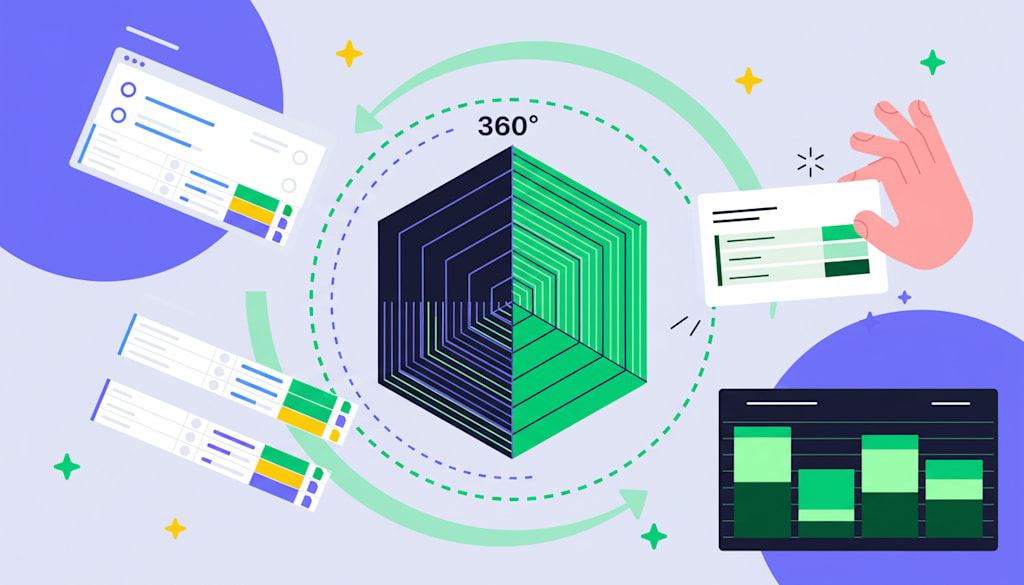
Performance rarely looks the same from every angle. Someone may appear highly effective in leadership meetings, yet teammates experience unclear direction day to day. Others consistently support colleagues but receive little visibility beyond their immediate team. When feedback comes from only one perspective, important context is often missed, and growth opportunities stay hidden.
A 360 assessment helps uncover how work is experienced across real interactions — communication, collaboration, accountability, and leadership. Instead of relying on a single viewpoint, it creates a fuller picture of strengths and development areas based on how people actually work together.
This forward-looking guide explores how to design a 360 assessment approach that fits naturally into everyday workflows, generates meaningful insights, and supports continuous growth. When structured well, feedback becomes part of how teams improve, adapt, and perform over time, not just something revisited once a year.
Key takeaways
- Multi source feedback improves accuracy and reduces bias: Gathering input from managers, peers, and direct reports creates a more complete and reliable view of performance than single source reviews.
- Behavior focused questions drive actionable insights: Assessments should measure observable actions, such as communication clarity or meeting deadlines, rather than vague traits that cannot be improved effectively.
- Structured processes ensure meaningful outcomes: A clear framework that includes participant selection, data collection, analysis, and follow up planning is essential for turning feedback into real development.
- Continuous feedback accelerates growth: Moving from annual reviews to ongoing or milestone based feedback helps employees adjust in real time and supports faster skill development.
- Workflow tools enable scalable and efficient programs: Platforms like monday work management help automate participant selection, reminders, and reporting, making it easier to manage assessments and connect insights to development plans.
What is a 360 assessment?

A 360 assessment is a structured way to gather feedback about an employee from the people they work with every day. Instead of relying only on a manager’s opinion, it brings in input from peers, direct reports, and sometimes external partners.
In 2026 this really matters because many staff still go long periods without meaningful feedback, with 26% of employees reporting they received none in the past year.
By collecting feedback from different directions, you can start to see patterns that would otherwise stay hidden. Each group interacts with the employee in a different way, so their input highlights unique strengths and blind spots.
Here’s how each group contributes to that broader view:
- Managers: Assess strategic thinking, goal achievement, and how well priorities are managed over time.
- Peers: Evaluate collaboration, communication, and day to day reliability within the team.
- Direct reports: Share insights into leadership style, support, and how safe and engaged they feel.
- External stakeholders: Measure professionalism, responsiveness, and the quality of service delivery.
Understanding 360 degree feedback
The idea behind “360 degree” feedback is simple, you are looking at performance from every angle around an employee. Instead of a single viewpoint, you capture how someone shows up across different relationships and situations. This essentially helps you spot consistent behaviors rather than one off impressions.
The process itself is usually structured and confidential. Organizations send out questionnaires through secure platforms, collect responses anonymously, and then combine the results into a report. That report highlights strengths, areas for improvement, and any gaps between how someone sees themselves and how others experience them.
To make the feedback useful, questions need to focus on specific actions. For instance, saying someone “meets project deadlines consistently” gives clear direction, whereas calling them a “hard worker” does not offer much to act on. The more concrete the feedback, the easier it is to turn it into improvement.
360 vs traditional performance reviews
To understand the value of a 360 assessment, it helps to compare it with a traditional review. The table below breaks down the key differences.
| Aspect | Traditional review | 360 assessment |
|---|---|---|
| Feedback sources | Manager only | Multiple stakeholders |
| Perspective | Single viewpoint | Comprehensive, multi-angle view |
| Frequency | Annual or bi-annual | Quarterly or continuous |
| Focus | Evaluation and rating | Development and growth |
| Blind spots | High risk of bias | Minimized through triangulation |
Traditional reviews tend to reflect one perspective, which can miss important details. In contrast, a 360 approach balances different viewpoints, which leads to more accurate and fair insights. Because of this, employees receive feedback they can actually use, not just a score.
Key components of 360 assessments
For a 360 assessment to work well, you need a few core elements in place. Each one plays a role in making sure the feedback is reliable and actionable.
- Competency framework: Defines what you are measuring, such as leadership, communication, or role specific skills. When everyone uses the same criteria, feedback becomes more consistent and meaningful.
- Participant selection: Focuses on choosing the right mix of people. A typical group includes one manager, several peers, a few direct reports, and internal customers to ensure balanced input.
- Question design: Uses clear, behavior based questions with rating scales and open responses. This combination adds both structure and context, helping you understand not just what is happening, but why.
By collecting feedback from different directions, you can start to see patterns that would otherwise stay hidden. Each group interacts with the employee in a different way, so their input highlights unique strengths and blind spots.
How 360 degree assessments work
Running a 360 assessment takes more than just sending out surveys. You need a clear plan so the feedback stays reliable, people feel safe sharing it, and the results actually lead to growth. When done right, the process turns scattered opinions into structured insights you can act on.
Each step outlined below builds on the last, so skipping or rushing any part weakens the outcome. That’s why a well defined process helps you move from collecting feedback to creating meaningful development plans.
The complete 360 feedback process
To get the most value while keeping the process manageable, you can break it into clear steps:
- Preparation and planning: Start by setting clear goals and choosing the right competencies for each role. At this stage, you also set up the platform so it aligns with how your organization communicates and operates.
- Participant identification: Then, select people from different working relationships to keep perspectives balanced. You should consider who works closely with the employee and who can observe their behavior consistently.
- Communication and launch: Further, it’s now time to explain the purpose to everyone involved. Make it clear that feedback is confidential and meant for development, not judgment, so participants feel comfortable sharing honest input.
- Data collection: After that, send out questionnaires and monitor responses as they come in. Automated reminders help you maintain momentum without adding manual work.
- Analysis and reporting: Once responses are in, compile them into reports that highlight trends, strengths, and gaps between self perception and external feedback.
- Feedback delivery: Next, share results in structured sessions. Often, a facilitator helps the employee understand the feedback and process it constructively.
- Development planning: From there, turn insights into clear and measurable actions. This step ensures feedback leads to real improvement instead of sitting unused.
- Follow up and tracking: Finally, track progress through regular check ins and future assessments. This keeps development ongoing and visible over time.
In addition, monday work management helps reduce the manual effort across several of these steps. It can assign participants based on roles, send reminders automatically, and track completion through real time dashboards. Because of this, you spend less time managing logistics and more time focusing on development.
Who participates in 360 evaluations?
A strong 360 assessment depends on including the right mix of people. Each group brings a different perspective, which helps you build a more accurate and balanced view of performance.
Here’s what each group typically focuses on:
- Direct supervisor: They assess how well goals are met, how decisions are made, and how effectively resources are managed.
- Peers and colleagues: They observe daily collaboration, communication style, and how reliable the person is in team settings.
- Direct reports: They provide insight into leadership style, delegation, and whether the work environment feels supportive and safe.
- Internal customers: They evaluate responsiveness, problem solving, and how smoothly cross functional work happens.
- External stakeholders: When included, they share an outside perspective on professionalism and the value delivered.
To keep feedback both useful and anonymous, you should aim for three to four people in each group. This balance ensures enough input without making individuals feel exposed.
Timeline and frequency considerations
A typical 360 assessment runs over a few weeks, so timing plays an important role. Data collection usually takes two to three weeks, while analysis and reporting need another one to two weeks. It’s important to share results soon after, so the feedback still feels relevant.
While many organizations still rely on annual reviews, shorter cycles are becoming more common. Quarterly or project based assessments help you stay aligned with ongoing work and make adjustments faster.
When feedback becomes part of your regular workflow, improvement happens more naturally. As a result, employees can respond quickly, build better habits, and stay engaged in their own development.
5 key benefits of 360 degree feedback
360 feedback supports both individual growth and team alignment. It gives you clear insights into how people work together, while also helping leaders make better decisions about development.
1. Enhanced self-awareness for individuals
When feedback comes from multiple sources, it highlights gaps between how someone sees themselves and how others experience them. For example, someone may believe they communicate clearly, yet their team might find their instructions rushed or unclear.
Because responses are anonymous, people are more open and honest. As patterns appear across different raters, the feedback becomes harder to ignore and easier to act on.
2. Stronger team collaboration
Feedback on collaboration helps teams address issues that often stay unspoken. It brings attention to communication gaps, missed expectations, or inconsistent reliability within the group.
The anonymity of the process creates psychological safety, making it easier for individuals to accept difficult input without becoming defensive. When similar themes show up across multiple perspectives, it carries more weight than a single opinion.
In addition, intelligent solutions such as monday work management allow you to connect feedback with team goals and track progress through shared dashboards. This visibility helps teams stay aligned and improve how they work together over time.
3. Accelerated leadership development
360 feedback helps you identify leadership potential early. It shows how individuals influence others, even before they step into formal leadership roles, especially through how they collaborate with their team.
For current leaders, the insights help focus coaching efforts on what matters most. You can also track progress by linking feedback to strategic goals and measuring improvement over time.
4. Improved organizational culture
Regular feedback shifts the focus from evaluation to growth. It encourages open conversations and builds a culture where feedback is seen as part of everyday work.
When employees feel heard and see their input leading to change, engagement naturally increases. As a result, people are more likely to stay and contribute actively.
5. Data-driven talent decisions
When you combine feedback across teams, you start to see broader patterns. These insights highlight skill gaps, training needs, and areas where teams perform well.
With powerful and modern platforms like monday work management, you can visualize this data through dashboards and connect it to business outcomes. This helps you make decisions based on evidence instead of assumptions.
Try monday work managementWhen feedback comes from multiple sources, it highlights gaps between how someone sees themselves and how others experience them. For example, someone may believe they communicate clearly, yet their team might find their instructions rushed or unclear.
Essential elements of effective 360 assessments
For a 360 assessment to deliver real value, the design needs to be thoughtful and practical. You want enough detail to generate useful insights, while still keeping the process manageable for everyone involved.
Core competencies to measure
Your competencies should reflect what actually drives success in your organization. When they are clearly defined, feedback becomes more focused and easier to apply.
Leadership competencies often include:
- Strategic thinking: Ability to plan ahead and align actions with long term goals.
- Decision making: Confidence in making timely choices, even with limited information.
- Change management: Ability to adapt and guide others through uncertainty.
- Team guidance: Supporting teams through challenges while maintaining direction.
Communication competencies typically cover:
- Presentation skills: Clarity in both verbal and written communication.
- Facilitation: Ability to lead discussions and encourage participation.
- Active listening: Understanding others before responding.
- Alignment building: Reducing misunderstandings and keeping everyone on the same page.
Collaboration competencies focus on:
- Teamwork: Contribution to shared goals and group success.
- Cross functional work: Ability to work across departments smoothly.
- Conflict resolution: Addressing disagreements constructively.
- Influence: Guiding outcomes without relying on authority.
Behavioral indicators for leadership
To make feedback useful, questions should focus on specific behaviors rather than general traits. This helps raters give accurate and fair input based on real situations.
The table below shows how vague ideas can be turned into clear, measurable behaviors:
| Vague concept | Specific behavioral indicator |
|---|---|
| "Good communicator" | Adapts communication style to different audiences and checks for understanding |
| "Strong leader" | Sets expectations and holds the team accountable for results |
| "Decisive" | Makes decisions promptly even when information is incomplete |
| "Supportive" | Recognizes and celebrates team achievements publicly |
Selecting the right number of raters
Choosing the right number of participants is key to getting reliable feedback. Too few responses can make people hesitant, while too many can make the process harder to manage.
A typical setup includes:
- One supervisor: Provides overall performance context and direction.
- Three to four peers: Offer insights into collaboration and daily work habits.
- Three to four direct reports: Share perspectives on leadership and support.
- Two to three internal customers: Add feedback on service and cross team work.
This range keeps feedback balanced and anonymous, while still capturing enough detail to be meaningful.
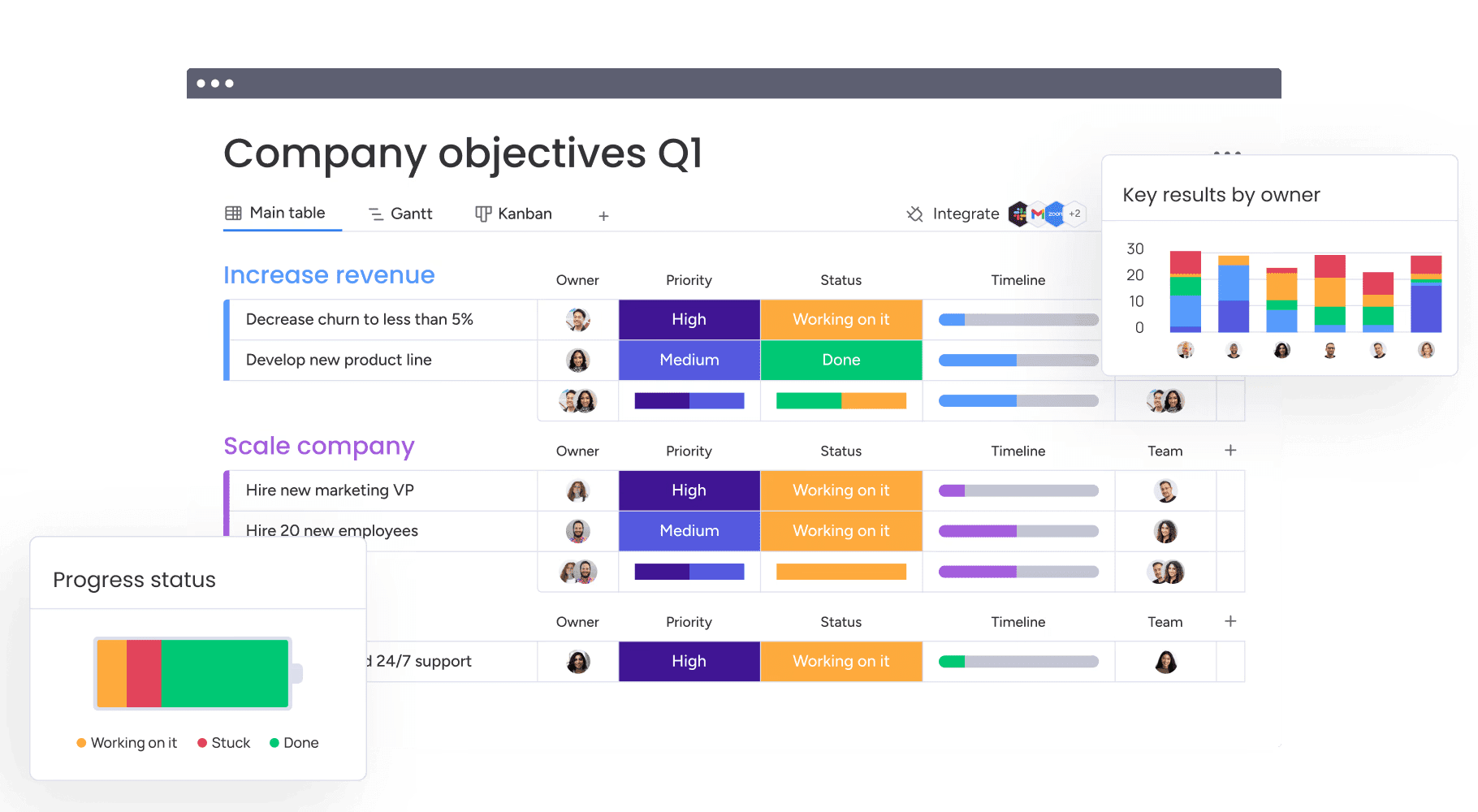
7 steps to build your 360 assessment program
A strong program builds step by step, starting with clear goals and ending with measurable improvement. Each stage supports the next, which keeps the process focused and effective.
1. Define objectives
Before you think about platforms or surveys, start with clarity on what you want to achieve. This step sets the tone for everything that comes next, so it is worth taking the time to get it right.
Your objectives might include leadership development, succession planning, cultural change, or performance improvement. At the same time, using SMART metrics keeps your goals measurable and grounded in real outcomes. This way, your program stays focused on growth instead of becoming a routine checkbox exercise.
2. Choose your 360 assessment platform
Once your goals are clear, you can select a platform that supports them effectively. It is important to balance ease of use with strong data protection and integration capabilities so everything runs smoothly.
monday work management stands out because it connects feedback with everyday workflows. In addition, it offers automation, real time tracking, and clear data visualization. As a result, you are not just collecting feedback, you are actively managing progress and outcomes.
3. Design targeted questions
Well designed questions make a big difference in the quality of feedback you receive. You want a mix of structured ratings and open responses so you capture both measurable data and meaningful context.
To keep things effective and easy to complete, focus on a few key principles:
- Logical flow: Questions should follow a clear sequence and use consistent rating scales so respondents do not get confused.
- Role relevance: Templates should match specific roles, which makes the feedback more useful and actionable.
- Balanced length: Keep surveys concise to avoid fatigue, while still covering essential competencies.
- Open input: Include space for written feedback, since numbers alone rarely tell the full story.
4. Select participants and raters
Choosing the right people is just as important as asking the right questions. You need a mix of perspectives to get a well rounded view of each participant.
To make this process fair and transparent, keep these points in mind:
- Clear criteria: Define who gives and receives feedback, ensuring a diverse set of voices.
- Conflict awareness: Avoid situations where bias or personal dynamics could affect responses.
- Open communication: Explain how and why people are selected, which helps build trust early on.
When participants understand the purpose behind the process, they are more likely to engage honestly.
5. Launch your assessment
A smooth launch depends on how well you prepare your participants. Clear communication reduces uncertainty and helps people feel more comfortable taking part.
Explain that the goal is development, not evaluation. In addition, provide simple guidance on how to complete the assessment. Automated reminders within monday work management help maintain strong participation without creating extra work for your team.
6. Analyze and interpret results
Once responses come in, the real value lies in how you interpret them. Patterns and gaps often reveal more than individual comments, so it is important to look at the bigger picture.
Here are a few insights to focus on:
- Hidden strengths: Areas where others rate someone higher than they rate themselves.
- Blind spots: Consistent gaps that highlight opportunities for immediate improvement.
- Recurring themes: Trends that appear across multiple raters, pointing to clear development areas.
This stage turns raw feedback into meaningful direction.
7. Create action plans from feedback
Feedback only matters if it leads to action: that’s why the final step focuses on turning insights into structured development plans.
Set clear goals, assign resources, and define timelines so progress can be tracked. In addition, coaching and regular check ins help maintain momentum. Over time, this ensures that feedback leads to real behavioral change, not just temporary awareness.
How to build continuous 360 feedback workflows
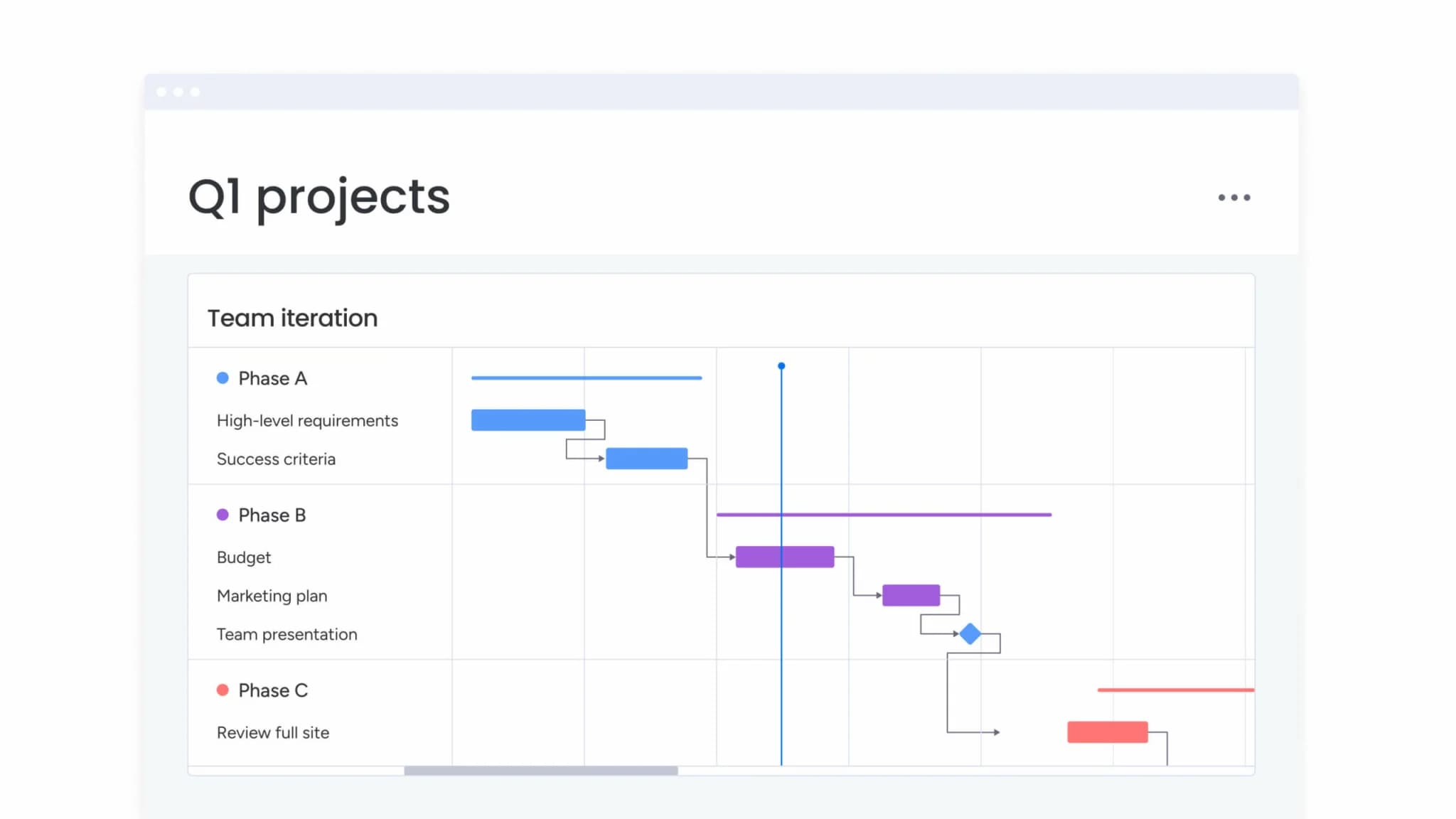
Organizations are moving away from one time assessments toward ongoing feedback cycles. This shift makes development more responsive and better aligned with how work actually happens.
Instead of waiting months for insights, you can create a steady flow of feedback that supports continuous improvement.
Moving from annual to ongoing feedback
Annual reviews often suffer from recency bias and delayed insights. By the time feedback is shared, the moment has already passed.
Continuous feedback changes that. Short, frequent check ins provide timely guidance, which helps people adjust in real time. As a result, feedback becomes part of everyday work rather than a once a year event.
Automating feedback collection points
Feedback is most useful when it connects directly to real work. Automation helps trigger requests at the right moments, making feedback feel timely rather than forced.
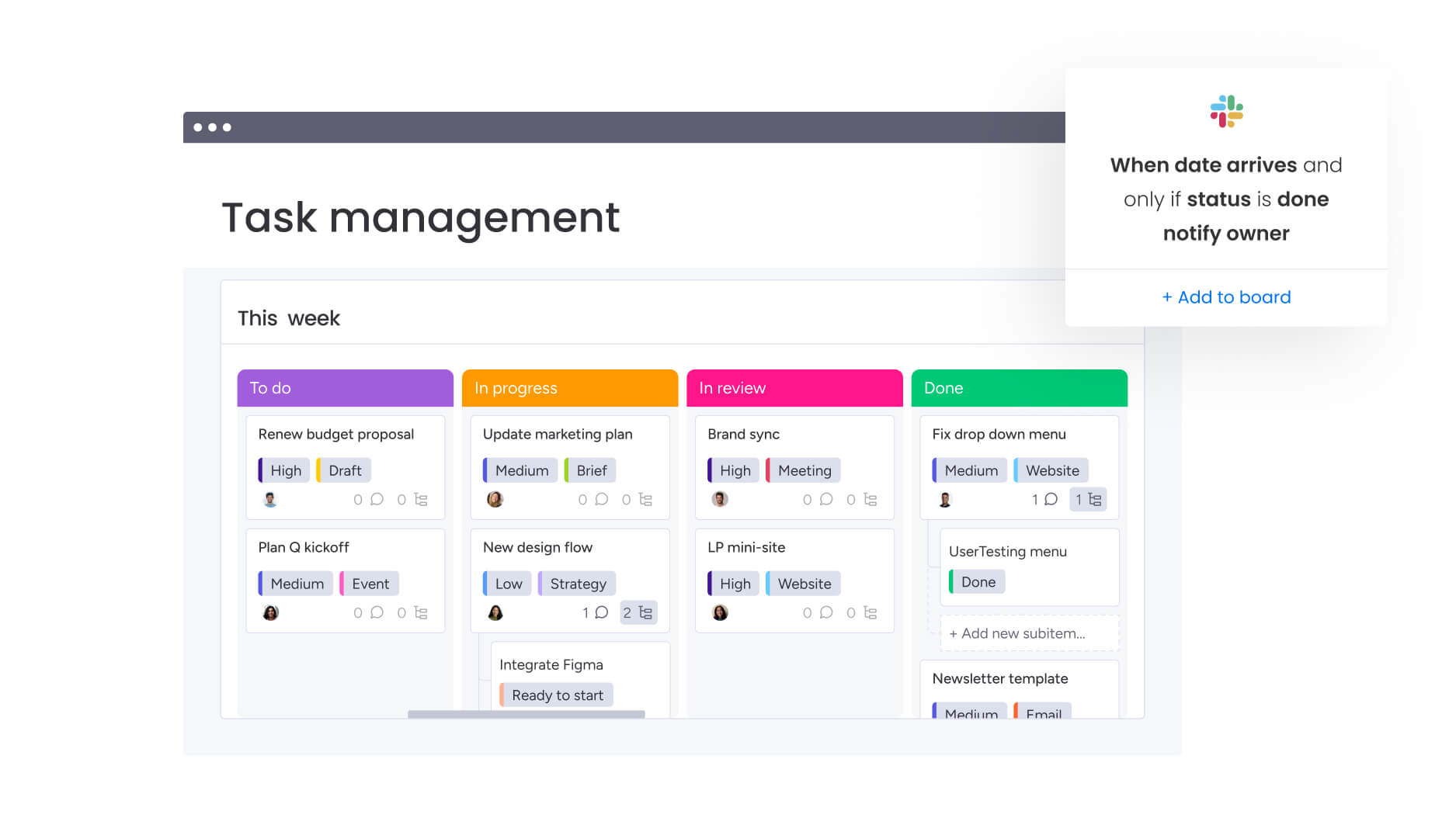
For example, automation in monday work management can send feedback requests after key milestones or task completion. This keeps responses specific and easier to recall, improving both relevance and quality.
Integrating with project milestones
Connecting feedback to real work makes it more meaningful. When feedback is tied to specific deliverables, it reflects actual performance rather than general impressions.
This approach allows teams to apply insights immediately. Then, as new projects begin, employees can adjust their behavior based on recent feedback, creating a continuous improvement loop.
Try monday work managementLeveraging AI for 360 assessment analysis
As feedback volume grows, reviewing responses manually becomes time-consuming and inconsistent. AI helps streamline analysis by organizing large amounts of feedback into clear themes, making it easier to identify patterns, prioritize development areas, and act on insights faster.
The following capabilities show how AI supports more efficient and consistent interpretation of 360 feedback data:
AI-powered feedback categorization
AI can group feedback into themes automatically, which saves time and improves consistency. Instead of manually sorting through comments, you get organized insights right away.
Within monday work management, AI Blocks can categorize responses, summarize key points, and highlight priorities. This makes it easier to move from raw data to clear action steps.
Automated theme and sentiment detection
Beyond categorization, AI can detect tone and sentiment within responses. This helps you understand not just what is being said, but how people feel.
For instance, it can highlight signs of burnout or flag consistently positive trends. Because of this, HR teams can respond quickly before issues grow larger.
Privacy controls in AI analysis
Even with advanced technology, privacy remains a top priority. Strong anonymization and data protection measures ensure that feedback stays confidential.
In addition, ethical use of AI means insights support human decisions rather than replace them. This balance helps maintain trust while still benefiting from automation.
Overcoming common 360 assessment challenges
Running a 360 program is not just about design, it is also about handling the friction that comes with it. When you plan for common roadblocks early, execution becomes smoother and more predictable. As a result, participants feel more confident in the process, which directly improves the quality of feedback you collect.
Ensuring anonymity and trust
Trust is essential for honest feedback, and strong confidentiality practices help create that confidence. Participants need reassurance that individual responses cannot be traced back to them. Minimum response thresholds, typically three to four per group, help protect identities and encourage more open input.
Clear communication also plays an important role. When people understand how feedback is collected, stored, and shared, they are more likely to provide thoughtful and candid responses. Even small doubts about anonymity can reduce participation quality and limit the value of the assessment.
Managing feedback at scale
As your organization grows, coordination quickly becomes more complex. Without a structured approach, managing multiple assessments at once can overwhelm even experienced HR teams. That is why breaking the rollout into phases helps you stay in control while maintaining consistency.
In addition, automation takes a lot of pressure off manual coordination. monday work management helps you manage large volumes of assessments by tracking participation and progress in real time: this allows employees to focus more on insights and less on chasing completions.
Preventing survey fatigue
Even the best designed assessments can lose engagement if they feel too long or too frequent. So, keeping surveys focused and meaningful becomes essential to maintaining participation. When people see value in the process, they are far more willing to stay involved.
To keep engagement steady, you can focus on a few practical actions:
- Focused questions: Keep the number of questions tight while still covering key competencies that matter.
- Visible impact: Show how feedback leads to real changes, which helps participants feel their input matters.
- Closed loop: Share outcomes and next steps so people know their feedback was heard and acted on.
Over time, when employees see actual improvements, their willingness to contribute increases naturally.
Transform your 360 program with monday work management

“monday.com has been a life-changer. It gives us transparency, accountability, and a centralized place to manage projects across the globe".
Kendra Seier | Project Manager
“monday.com is the link that holds our business together — connecting our support office and stores with the visibility to move fast, stay consistent, and understand the impact on revenue.”
Duncan McHugh | Chief Operations OfficerMany organizations invest time collecting feedback but struggle to turn insights into consistent action. Without structure, visibility, and clear ownership, feedback often sits in reports instead of shaping everyday decisions. When development activities connect directly to workflows, feedback becomes part of how teams improve continuously rather than a one-off exercise.
monday work management supports this shift by embedding feedback into operational processes, enabling teams to coordinate actions, track progress, and maintain accountability across the full development cycle.
- Limited visibility across feedback processes: Teams often lack a clear view of participation, progress, and outcomes, making it difficult to monitor effectiveness or identify gaps in real time.
- Disconnected feedback and daily work: Feedback is frequently collected in isolation, which prevents teams from linking insights to actual tasks, projects, and performance outcomes.
- Manual coordination and administrative burden: Managing participants, reminders, and timelines manually creates inefficiencies and increases the risk of incomplete or delayed assessments.
- Unclear ownership of development actions: Without defined accountability, feedback does not consistently translate into structured action plans or measurable improvement.
- Delayed insights and slow decision making: Static reports limit the ability to respond quickly, reducing the relevance and impact of feedback on ongoing work.
Bringing feedback, tracking, and follow up into one shared system helps teams keep development visible, maintain accountability, and ensure insights lead to meaningful progress over time.
Try monday work managementFrequently asked questions
What is the difference between 360 and 180 degree feedback?
A 360 degree approach gathers input from managers, peers, direct reports, and sometimes external stakeholders. In contrast, 180 degree feedback focuses only on managers and peers, which limits the overall perspective.
How many questions should a 360 assessment include?
Effective 360 assessments typically include 40-60 questions to balance comprehensive coverage with participant engagement. The optimal length depends on the competencies being measured and whether open-ended feedback sections are included.
Can 360 feedback remain anonymous?
Yes, anonymity is maintained through response thresholds and aggregated data handling. monday work management ensures that individual responses remain confidential and cannot be traced back to specific participants.
How often should organizations run 360 assessments?
Many organizations run them once or twice a year. That said, some are moving toward quarterly or continuous feedback tied to project work.
What makes an effective 360 assessment question?
Strong questions focus on observable behaviors, use clear language, and connect directly to job performance. This makes the feedback easier to understand and act on.
Who should not participate in 360 feedback?
New employees with less than six months of experience may not have enough context to provide useful feedback. In addition, roles with strict confidentiality requirements may need a different approach.

 Get started