


Every marketing team has experienced it. You launch something you are genuinely proud of. The strategy makes sense, the creative looks strong, and the rollout feels coordinated. But when performance data starts to come in, the momentum just is not there. Engagement stalls. Conversions underperform. Not because the work was poor, but because the message was built to appeal to everyone instead of resonating deeply with someone.
STP marketing brings clarity and confidence back into the process. By segmenting your market, choosing the audiences you can serve best, and positioning your offer with precision, you move from broadcasting messages to shaping conversations that actually connect. It forces sharper decisions, stronger focus, and far more relevant communication.
What follows is a practical breakdown of how to apply segmentation, targeting, and positioning in a way that strengthens campaigns, and drives measurable growth in 2026.
Key takeaways
- Focus your efforts: Divide your market into specific customer groups, choose the segments you can serve best, and craft messages that speak directly to their needs instead of trying to reach everyone.
- Use data to guide your segmentation decisions: Combine demographic, behavioral, and psychographic insights to create segments that are measurable, accessible, and large enough to be profitable rather than relying on assumptions.
- Choose targeting strategies that match your resources: Concentrate on one segment if you’re smaller, pursue multiple segments if you have the budget, or customize for individual customers when you have sophisticated data capabilities.
- Build positioning that differentiates you from competitors: Answer who it’s for, what it does, and why customers should choose you over alternatives, then align all communications around that clear value proposition.
- Connect strategy to execution: Visualize customer segments on customizable boards, automate campaign triggers based on segment criteria, and track positioning effectiveness through real-time dashboards that turn strategic insights into measurable results.
What is STP marketing?
STP marketing stands for segmentation, targeting, and positioning. It’s a three-step framework that helps organizations identify specific customer groups, decide which groups to pursue, and craft messages that resonate with those audiences.
It’s helpful to picture STP as your marketing compass. Instead of broadcasting the same message to everyone, you divide your market into meaningful segments, choose the ones most aligned with your business goals, and position your product or service to speak directly to those customers’ needs.
The framework transforms marketing from product-focused to customer-focused. Rather than asking “how do we sell what we make,” STP asks “who needs what we offer, and how do we reach them?”.
Here’s how the three components work together:
- Segmentation: Dividing your total market into distinct groups based on shared characteristics like demographics, behaviors, or needs.
- Targeting: Evaluating each segment and selecting the ones your organization can serve most effectively.
- Positioning: Crafting a value proposition and messaging strategy that differentiates your offering in the minds of your target segments.
The framework transforms marketing from product-focused to customer-focused. Rather than asking “how do we sell what we make,” STP asks “who needs what we offer, and how do we reach them?”.
Why is STP marketing important?
Teams using STP marketing consistently beat competitors who still blast generic messages to everyone.
For example, companies with a single, customer-oriented C-suite role can realize up to 2.3× more growth than others with multiple overlapping roles, demonstrating the power of aligned, customer-focused strategies.
The reason for this is relatively simple: focused efforts generate stronger results than scattered ones.
Knowing exactly who you’re talking to means your marketing dollars work harder. This ensures your marketing dollars are invested in audiences with the highest potential for conversion. Sales teams receive higher-quality leads because marketing attracts prospects who actually fit your ideal customer profile.
How does your organization currently decide which customers to pursue? If the answer involves guesswork or assumptions, STP provides a structured alternative.
STP does way more than save money too — it helps you stand out. In today’s world, the reality is that nobody pays attention to generic messaging: customers instead gravitate toward brands that understand their specific challenges and speak directly to their situation. Positioning gives you that voice.
Finally, the framework also improves organizational alignment. When marketing, sales, product, and customer success teams share a common understanding of target segments, everyone works toward the same goals.
Understanding market segmentation fundamentals
Market segmentation is the process of dividing a broad market into smaller, more defined groups of customers who share similar characteristics. These groups, called segments, allow organizations to tailor their marketing efforts rather than treating all potential customers the same way.
You can’t segment effectively without solid data. To spot the patterns that matter, you’ll need to gather customer insights from sources like your CRM, surveys, purchase histories, website analytics, and third-party research.
Don’t go crazy creating endless segments. Focus on finding groups that are different enough to need unique marketing and big enough to be worth your time and money.
What criteria should guide your segmentation decisions? The answer depends on your business model, but the most useful segments share these qualities:
- Measurable: You can quantify the segment’s size and purchasing power.
- Accessible: You can reach the segment through available marketing channels.
- Substantial: The segment is large enough to be profitable.
- Differentiable: The segment responds differently to marketing efforts than other segments.
- Actionable: You can design effective programs to attract and serve the segment.
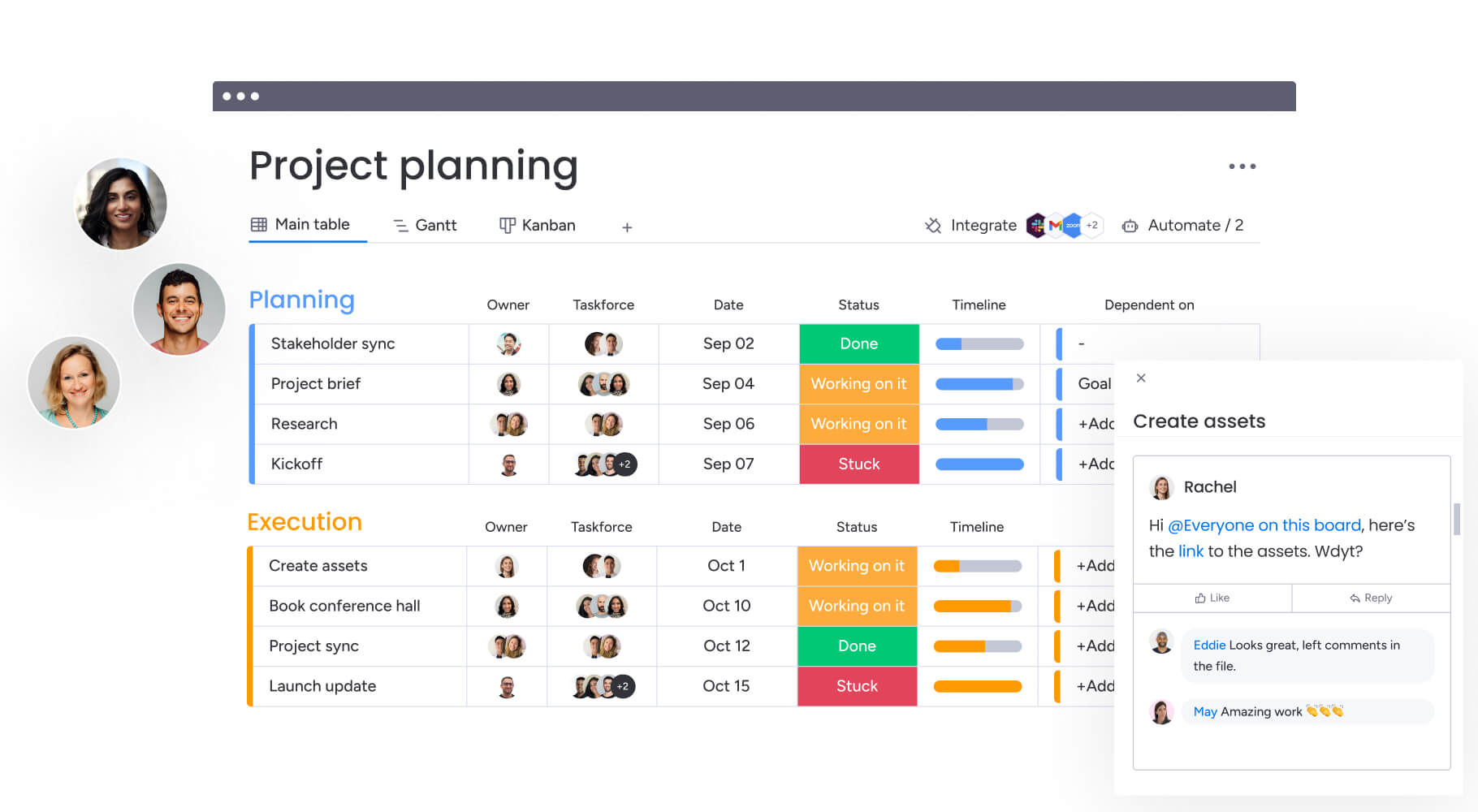
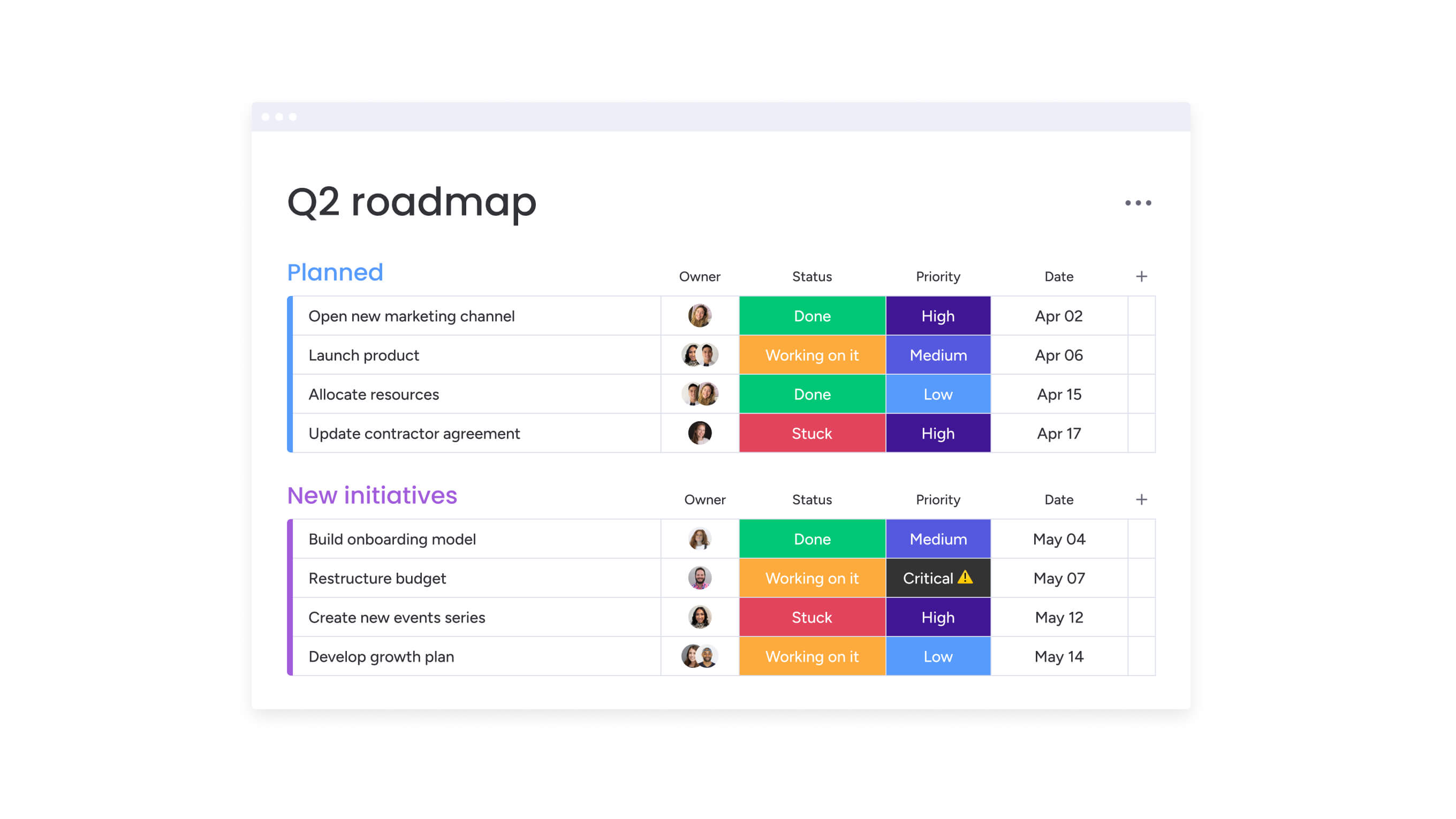
Organizations often struggle with segmentation because the data lives in multiple systems and formats. Teams can spend hours manually compiling information from spreadsheets, databases, and reports. However, when customer segment data is centralized on customizable boards with a single view of segment characteristics, behaviors, and insights, teams can move from analysis to action much faster.
Choosing the right segmentation approach
There’s no one-size-fits-all way to segment your market. Smart teams mix and match different approaches to nail their targeting. Each segmentation type (outlined in the table) offers unique advantages depending on your industry, customer base, and strategic objectives.
| Segmentation type | Criteria used | Best for | Example |
|---|---|---|---|
| Demographic | Age, income, education, occupation, family size | B2C products with broad appeal | A financial services firm targeting high-income professionals aged 35-50 |
| Geographic | Location, climate, urban/rural, region | Businesses with location-dependent offerings | A retail chain adjusting inventory by regional preferences |
| Psychographic | Values, attitudes, interests, lifestyle | Brands building emotional connections | An outdoor apparel company targeting adventure enthusiasts |
| Behavioral | Purchase history, usage rate, brand loyalty, benefits sought | Organizations with rich customer data | A software company segmenting by feature usage patterns |
| Firmographic (B2B) | Company size, industry, revenue, location | B2B organizations | A consulting firm targeting mid-market manufacturing companies |
The five main segmentation types each serve different strategic purposes too:
- Demographic segmentation Uses statistical characteristics to group customers. It’s straightforward to implement because demographic data is widely available and easy to collect.
- Geographic segmentation Divides markets by location. This approach works well when customer needs vary by region or when your distribution capabilities differ across areas. For example, personal consumption expenditures in 2024 varied significantly by state, with growth ranging from 7.0% in Florida to 4.3% in Mississippi, illustrating clear regional market differences.
- Psychographic segmentation Examines why customers make decisions. It considers values, beliefs, interests, and lifestyle choices. This type requires more research but often yields the most actionable insights for positioning.
- Behavioral segmentation Focuses on how customers interact with your product or service. It looks at purchase patterns, usage frequency, loyalty status, and the benefits customers seek. Consumer behavior patterns reveal significant opportunities — for instance, 58.9% of total U.S. food expenditures in 2024 went to food-away-from-home, representing a record-high share that indicates shifting consumption behaviors.
As touched on above, successful segmentation strategies combine multiple types. For example, a B2B software company might segment by firmographics (company size and industry) and behavior (current technology stack and purchase readiness).
This multi-criteria approach becomes especially powerful when teams can track various segmentation attributes in one workspace like monday work management.

“monday.com has been a life-changer. It gives us transparency, accountability, and a centralized place to manage projects across the globe".
Kendra Seier | Project Manager
“monday.com is the link that holds our business together — connecting our support office and stores with the visibility to move fast, stay consistent, and understand the impact on revenue.”
Duncan McHugh | Chief Operations OfficerHow to apply effective targeting criteria
Once you’ve identified your market segments, targeting determines which ones to pursue. Not every segment deserves equal attention. Targeting is about making strategic choices that align with your organization’s capabilities and goals.
The following factors will help you assess segment attractiveness:
- Size and growth potential: Is the segment large enough to be profitable? Is it growing, stable, or declining?
- Profitability: What margins can you expect from this segment? What’s the customer lifetime value?
- Accessibility: Can you reach this segment through your existing channels and resources?
- Competitive intensity: How many competitors already serve this segment? Can you differentiate effectively?
- Strategic fit: Does pursuing this segment align with your organization’s mission, capabilities, and long-term goals?
After evaluating segments, organizations typically choose one of four targeting strategies:
- Undifferentiated targeting: Treats the entire market as one segment. This approach works for products with universal appeal but offers limited differentiation.
- Differentiated targeting: Pursues multiple segments with tailored strategies for each. This approach requires more resources but captures a larger market share.
- Concentrated targeting: Focuses all efforts on a single segment. Smaller organizations often use this approach to build deep expertise and strong positioning in a niche market.
- Micromarketing: Customizes offerings for individual customers or very small groups. Technology has made this approach increasingly feasible for organizations with sophisticated data capabilities.
How to develop top positioning strategies
Positioning is the mental shortcut people use to understand you. It is the clear association that forms when they hear your name. When it is defined well, your targeting decisions turn into a value proposition that feels obvious and relevant to the right audience.
Strong positioning answers three questions: who is this for, what does it do, and why choose it over the alternatives? Those answers shape your positioning statement and guide every message you put into the market.
What matters is not what you say about yourself, but what customers believe. That perception influences whether they engage, compare, or move on.
Brands typically position themselves in one of three ways:
- Functional positioning: Emphasizes what the product does and the practical benefits it delivers.
- Symbolic positioning: Connects the product to customers’ identity, values, or aspirations.
- Experiential positioning: Highlights the feeling or experience of using the product.
Clear positioning requires an honest look at both your audience and your competitors. When you map players against the attributes customers care about most, gaps become visible and opportunities to stand apart are easier to claim.
How to navigate common STP implementation challenges
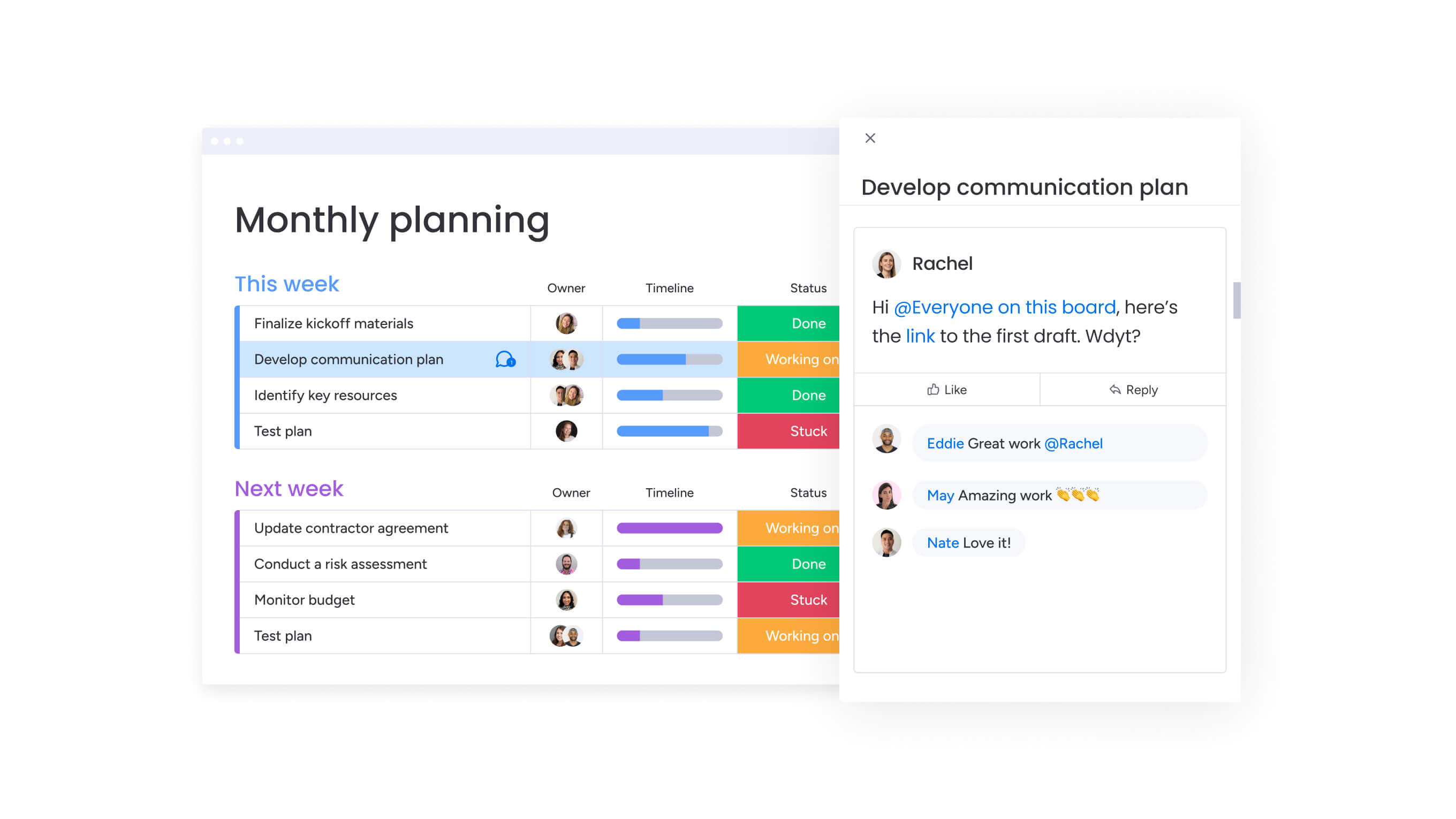
STP looks clean and simple on paper. The reality? Even the best-planned strategies hit roadblocks that can throw everything off track. Understanding these challenges and their solutions helps you anticipate roadblocks and maintain momentum throughout your STP implementation.
Data quality and availability
This present the first challenge. Segmentation requires accurate, comprehensive customer data. Many organizations have data scattered across systems, outdated records, or gaps in critical fields. The solution involves:
- Consolidating data sources into unified systems.
- Establishing data governance practices.
- Investing in ongoing data maintenance.
Cross-functional alignment
This often breaks down during implementation. Marketing develops segmentation insights, but product, sales, and customer success teams don’t receive or act on them. Creating shared workspaces where all teams access the same segment data, campaign plans, and performance metrics helps bridge these silos.
Resource constraints
force difficult trade-offs. Organizations may identify five attractive segments but only have budget to pursue two effectively, this can cause difficult trade-offs. The solution requires honest assessment of capabilities and disciplined prioritization.
Measuring effectiveness
How do you know if your segmentation is accurate? Is your positioning resonating? Traditional metrics tell part of the story, but connecting STP decisions to business outcomes requires more sophisticated tracking. Segment-level performance data helps teams identify which targeting and positioning choices drive results.
Market evolution
This means STP isn’t a one-time exercise. Customer needs shift, competitors enter and exit, and new segments emerge. Organizations need systems that support continuous refinement rather than annual planning cycles.
Try monday work management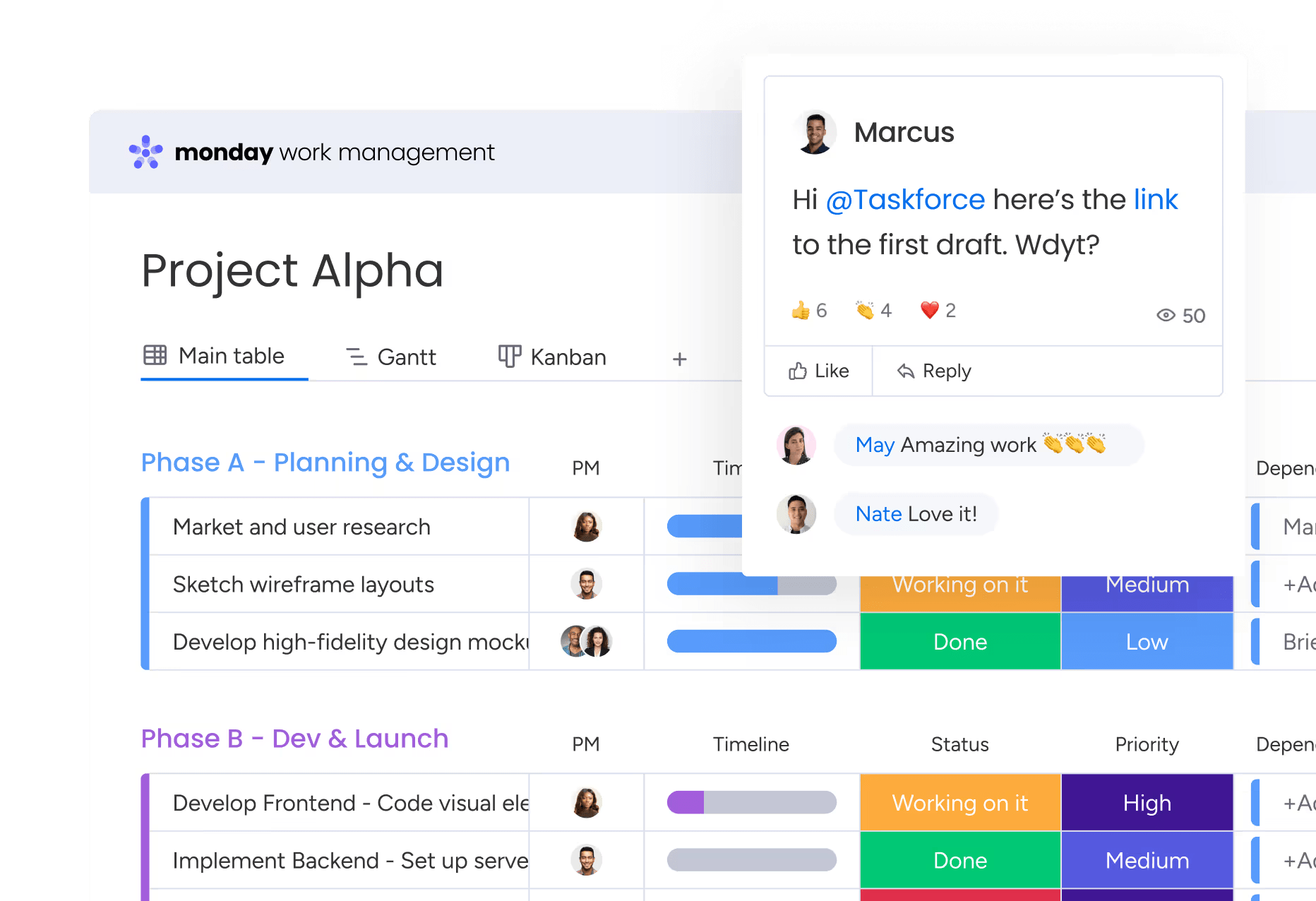
How to operationalize your STP strategy for maximum impact
STP delivers results only when it’s embedded into daily execution, not left in strategy documents. Use the steps below to turn segmentation, targeting, and positioning into repeatable action.
1. Audit your current STP foundations
Assess whether your strategy is based on evidence or assumption.
- Customer segments are clearly defined and data-backed.
- Target segments are explicitly prioritised, not broadly grouped.
- Positioning clearly differentiates you in ways customers care about.
If any of these are unclear, performance will suffer downstream.
2. Fix gaps in the right order
STP is sequential — each step depends on the one before it.
- Start with segmentation by validating patterns in customer data.
- Apply targeting criteria to focus effort where you can win.
- Finalise positioning once segment needs and competitive context are clear.
Skipping steps or doing them out of order weakens the entire framework.
3. Translate strategy into execution
STP should directly shape how marketing work gets done.
- Segmentation informs campaign structure and audience logic.
- Targeting guides budget, channel focus, and resource allocation.
- Positioning aligns messaging across every customer touchpoint.
When STP decisions influence workflows, not just plans, strategy becomes operational.
4. Treat STP as a living system
Markets change, and STP must evolve with them.
- Review segment performance regularly.
- Adjust targeting as resources and results shift.
- Refine positioning based on customer response and competition.
Put your STP strategy into action with monday work management
A strong STP strategy loses impact when it lives in scattered spreadsheets and slide decks. To drive results, segmentation, targeting, and positioning need to shape daily decisions, not sit in planning documents.
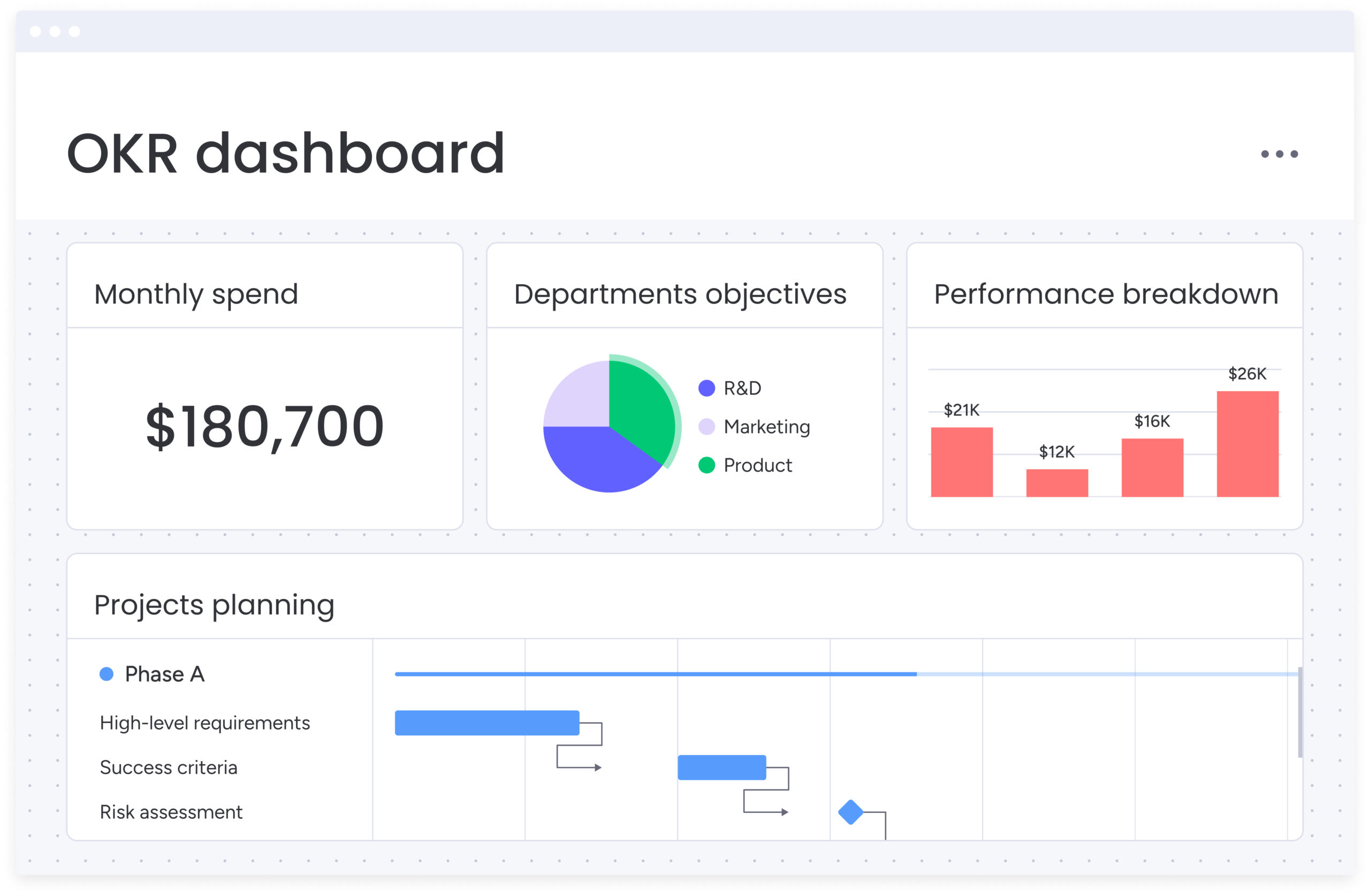
monday work management brings your strategy into one connected workspace. Teams can organize customer segments on customizable boards, monitor targeting performance in real time through dashboards, and collaborate on positioning with shared visibility across marketing, sales, and product.
AI Blocks help categorize data, summarize insights, and analyze sentiment, so segmentation stays current without hours of manual work. Automated workflows can trigger campaigns based on segment criteria, while Digital Workers track performance and highlight areas to improve.
With 200+ integrations across CRM, marketing automation, and analytics platforms, your STP data stays aligned and actionable. Strategy becomes part of execution, and execution becomes measurable.
Frequently asked questions
What does STP stand for in marketing?
STP stands for segmentation, targeting, and positioning. These three steps form a strategic framework that helps organizations identify customer groups, select which groups to pursue, and craft differentiated messaging for those audiences.
What is an example of STP marketing?
An example of STP marketing is a fitness apparel company that segments its market by activity type (runners, yoga practitioners, weightlifters), targets serious runners aged 25-45 with disposable income, and positions itself as the performance brand for dedicated athletes who prioritize quality over price.
What is the difference between STP and the 4Ps of marketing?
STP and the 4Ps serve different purposes. STP is a strategic framework for identifying and reaching target customers, while the 4Ps (product, price, place, promotion) are tactical elements of the marketing mix that you adjust based on your STP decisions.
How do you create a positioning statement?
You create a positioning statement by defining your target segment, identifying the key benefit you provide, specifying your product category, and articulating what differentiates you from competitors. The statement should be concise, specific, and grounded in customer insights.
Why is market segmentation important?
Market segmentation is important because it allows organizations to focus resources on customers most likely to buy, tailor messages that resonate with specific needs, and differentiate from competitors pursuing different segments. Without segmentation, marketing efforts lack precision and efficiency.
How often should you update your STP strategy?
You should update your STP strategy when market conditions change significantly, such as new competitor entry, shifts in customer behavior, or changes in your product offering. Most organizations benefit from quarterly reviews with more comprehensive annual assessments.

 Get started