


A strong idea is not enough to get a project approved. Decision-makers want clarity. They want to understand what the project will deliver, why it matters, how much it will cost, and what risks come with it. If those answers are unclear, even promising initiatives stall.
That’s why the project description matters. It’s often the first serious test of whether an idea becomes funded work or fades out in a planning meeting. A clear, structured description shows that the thinking is solid, the scope is realistic, and the value is worth the investment.
This practical guide explains what a project description should include, how it differs from other project documents, and how to write one that earns approval. It also shines a light on practical formats, a step-by-step writing process, and explores how modern platforms can turn static documents into living plans.
Key takeaways
- Approval depends on clarity, not just good ideas: Projects gain approval when objectives, scope, value, risks, and success metrics are clearly articulated upfront.
- Eight core components form the foundation of strong descriptions: Effective project descriptions consistently cover objectives, scope, timelines, resources, roles, KPIs, and risk mitigation.
- A structured writing process improves stakeholder confidence: Following a seven-step approach ensures descriptions address decision-maker priorities and reduce ambiguity before submission.
- Different audiences require different formats: Executive summaries, detailed implementation documents, and quick pitch versions maximise impact across leadership, teams, and early discussions.
- Connecting descriptions to live workflows strengthens execution: Platforms like monday work management turn static project descriptions into living documents that stay aligned with real-time progress and changes.
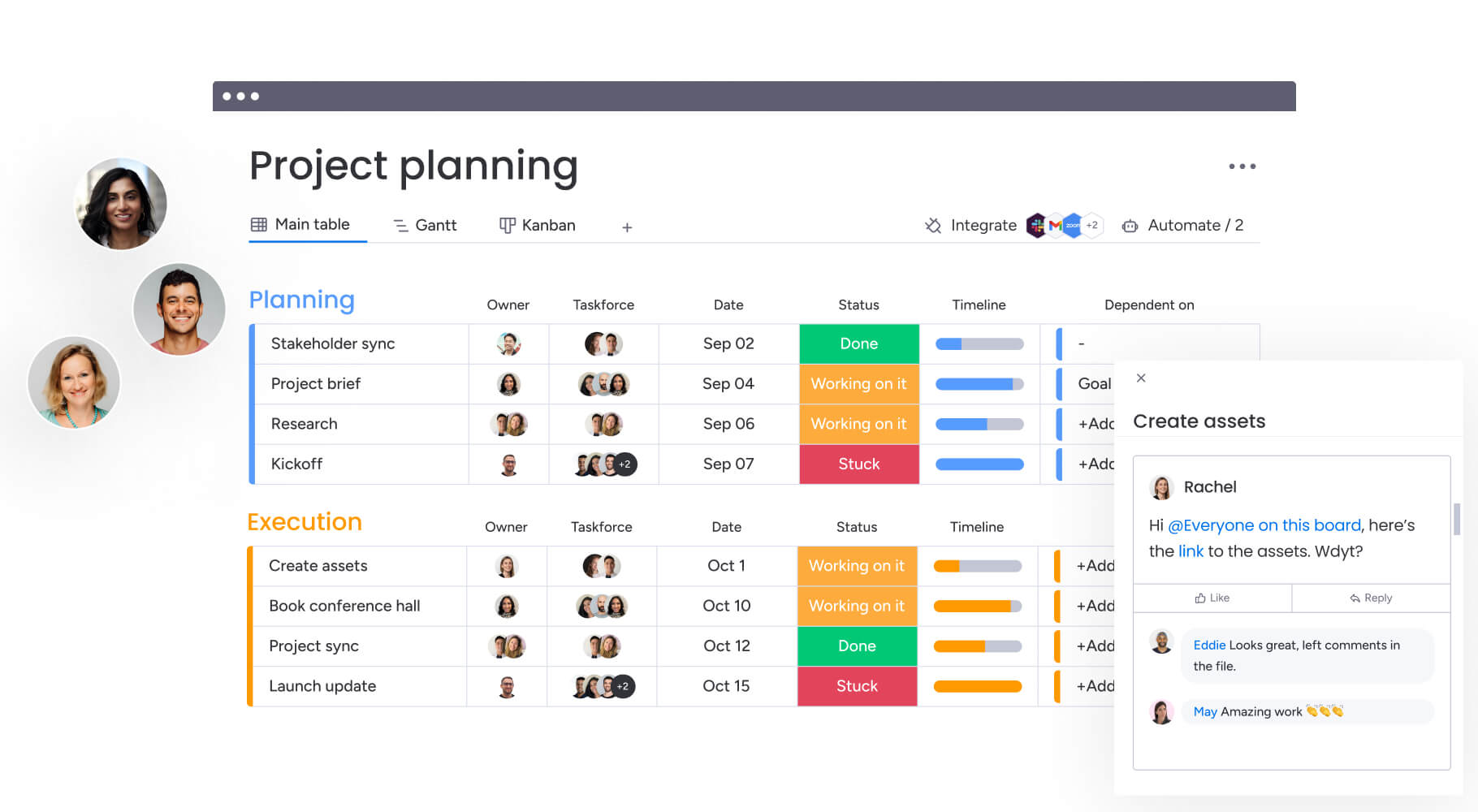
What is a project description?
A project description is a comprehensive document that outlines what a project will achieve, why it matters, and how the team will execute it. It’s the foundational agreement between project teams and stakeholder: everyone gets aligned on scope, objectives, and expected outcomes.
Think of it as your project’s strategic blueprint. Unlike a quick email or casual conversation, a project description creates the formal record that guides decisions throughout the project. It answers critical questions about resource needs, timelines, deliverables, and success metrics before work begins.
Project descriptions typically emerge during project initiation, often accompanying funding requests or portfolio reviews. They provide decision-makers with the context needed to evaluate whether a proposed initiative aligns with organizational priorities and justifies investment.
Unlike a quick email or casual conversation, a project description creates the formal record that guides decisions throughout the project.
How project descriptions drive approval success
Well-written project descriptions build confidence among stakeholders by demonstrating structured thinking and preparation. When executives see evidence of a well-considered approach, they trust that teams can navigate complexities without constant oversight.
In 2026, this is absolutely vital given that fewer than half of major projects meet their on-time, on-budget delivery goals.
These documents also justify resource allocation. Every project competes for limited budget, personnel, and time. A strong project description explicitly connects requested resources to tangible business outcomes, making the investment case before financial questions arise.
Additionally, risk mitigation becomes visible through detailed project descriptions. When you identify challenges, dependencies, and constraints upfront, you show proactive planning instead of last-minute scrambling.
It’s been proven that organizations that adopt clear owner-led delivery models have reduced change-order volumes by 30–40% through better upfront planning and defined stakeholder responsibilities.
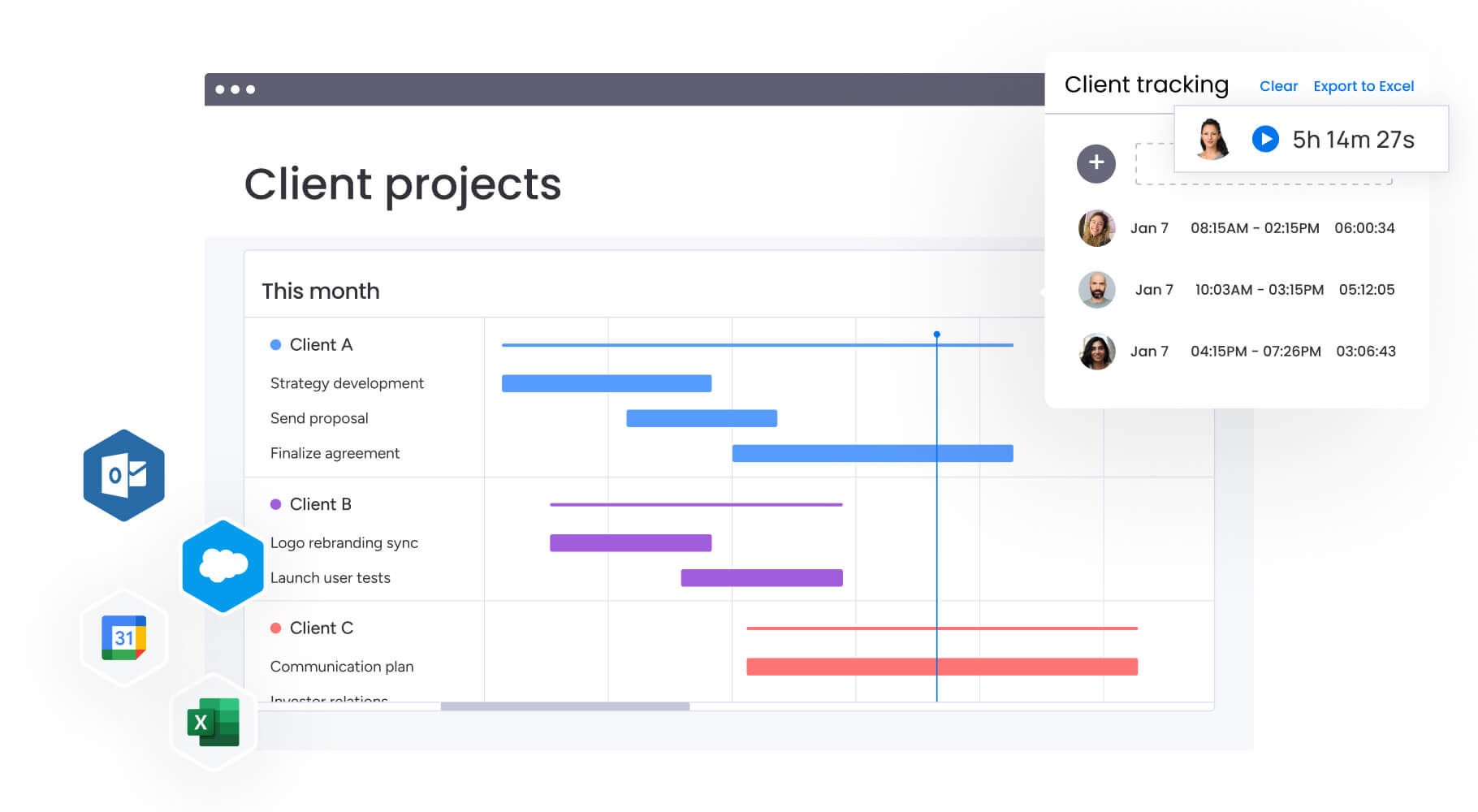
Project description vs other project documents
It’s easy to confuse a project description with a charter, brief, or executive summary. They often cover similar ground, but they’re written for different moments and different readers.
A project description goes deeper than a summary and earlier than a status report. It explains what the project is, why it matters, and how it will be delivered — in enough detail for stakeholders to make an informed decision. Other documents either formalize approval, condense information for quick review, or support specific audiences like creative partners.
The table below shows how these documents compare and where each one fits in the lifecycle.
| Document type | Primary purpose | Key audience | Timing |
|---|---|---|---|
| Project description | Defines the what, why, and how in detail to secure understanding and approval | Stakeholders, project team, approvers | Project initiation/planning |
| Project charter | Formally authorizes the project and grants project manager authority to use resources | Project sponsor, senior leadership | Project initiation (pre-planning) |
| Executive summary | Provides high-level overview of value proposition and status for quick consumption | C-suite, executives, investors | Ongoing/periodic reviews |
| Project brief | Offers condensed summary of goals and requirements for creative or agency partners | External partners, creative teams | Project kick-off |
In most cases, the project description becomes the anchor document. It provides the substance that other materials draw from, while still staying clear enough for decision-makers to understand the value and direction of the work.
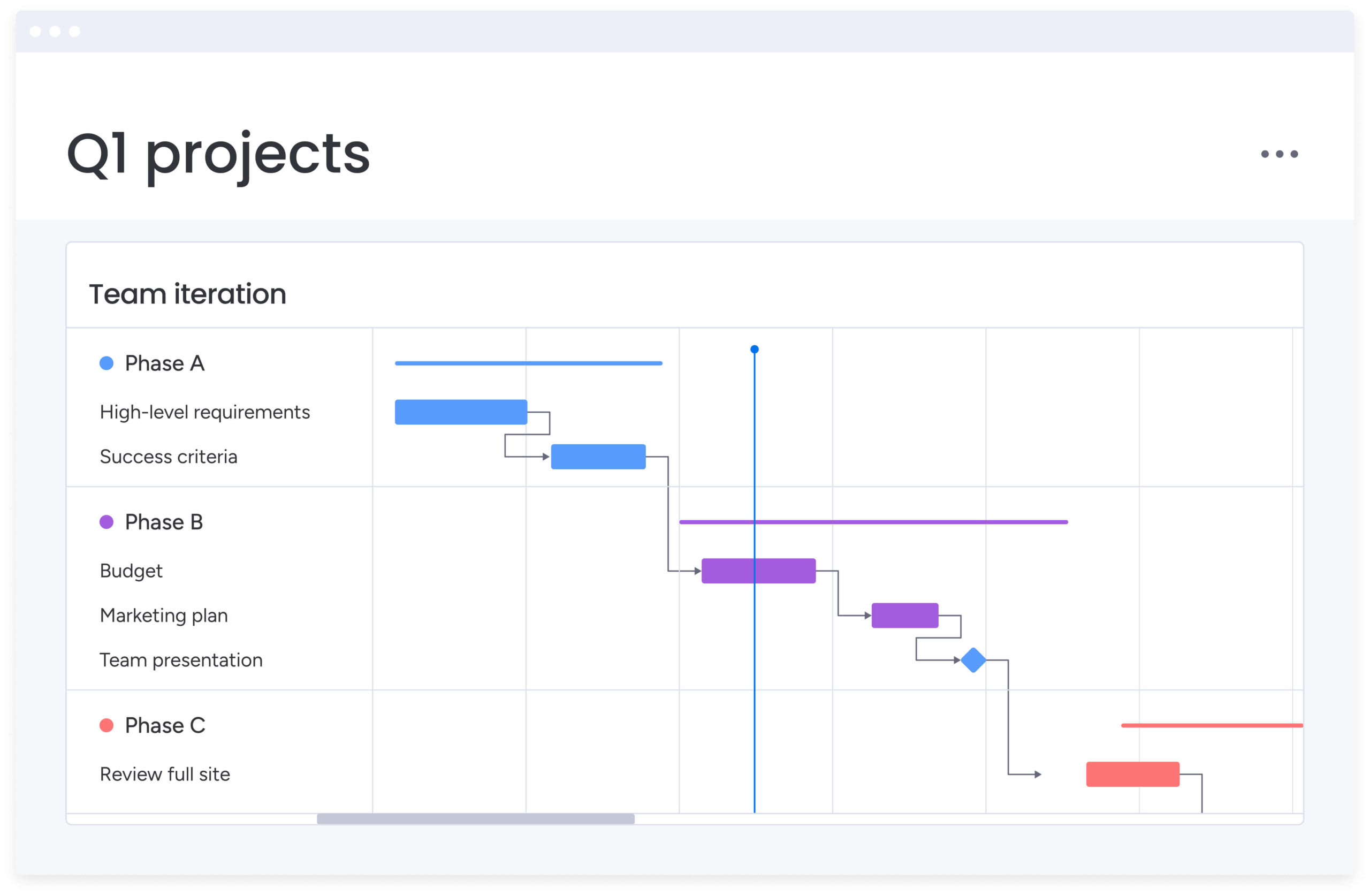
8 essential components of great project descriptions
A brilliant project description hits eight core components that address what approvers care about most. Each element strengthens your case and answers stakeholder questions before they ask.
Together, the following components build a narrative that shows both strategic value and operational readiness.
- Project title and overview: The title sets expectations, while the overview introduces the project’s purpose in clear, value-driven language that is accessible across functions.
- Measurable objectives and outcomes: Goals should follow the SMART framework, clearly defining what success looks like through specific, measurable targets rather than broad ambitions.
- Defined scope and boundaries: Outlining what is included and excluded establishes realistic expectations and protects teams from unplanned expansion.
- Realistic timeline and milestones: Timelines should reflect phases, dependencies, and review cycles, providing a credible path from start to completion.
- Detailed resource requirements: Budget, staffing, technology, and equipment needs should be transparent and tied directly to delivery requirements.
- Stakeholder roles and responsibilities: Clearly defined ownership, often structured using RACI, clarifies accountability and decision-making authority.
- Success metrics and KPIs: Predefined indicators allow teams and stakeholders to track progress objectively and identify when adjustments are needed.
- Risk mitigation strategies: Potential risks should be acknowledged alongside practical contingency plans to demonstrate preparedness.

“monday.com has been a life-changer. It gives us transparency, accountability, and a centralized place to manage projects across the globe".
Kendra Seier | Project Manager
“monday.com is the link that holds our business together — connecting our support office and stores with the visibility to move fast, stay consistent, and understand the impact on revenue.”
Duncan McHugh | Chief Operations OfficerHow to write a project description
A strong project description is not written in one sitting. It takes deliberate thinking, refinement, and a clear structure that guides stakeholders from context to confidence.
Following a step-by-step approach keeps the document focused and prevents gaps that can slow approval. Each stage builds on the last, turning a rough idea into a proposal decision-makers can evaluate quickly and support with clarity.
Step 1: Research stakeholder priorities
Identify key decision-makers and understand their strategic goals before writing. This research ensures you address the specific concerns of decision-makers. What matters most to your CFO differs significantly from your operations director’s priorities.
Step 2: Define objectives
Translate business needs into specific project goals. Describe the desired end-state with measurable objectives that contribute to your company’s mission. Transform vague goals into specific targets like “reduce processing time by 20%.”
Step 3: Map scope and deliverables
Draw clear project boundaries by listing concrete project deliverables, the actual items, software, or reports you’ll produce. Call out what’s out of scope to manage expectations and prevent misalignment.
Step 4: Create realistic timelines
Estimate work duration and sequence it logically. Build a high-level schedule with buffers for unexpected delays, it shows stakeholders you’ve planned for the real world.
Step 5: Calculate resource needs
Translate scope and timeline into resource requirements. Figure out the budget, headcount, and capabilities you need, make sure your request covers the work without padding.
Step 6: Establish success criteria
Define metrics that validate the project’s impact. Pick trackable, relevant KPIs that let stakeholders evaluate ROI.
Step 7: Feview and optimize for approval
Finally, refine your description based on feedback from trusted peers or mentors. Check tone, alignment with approval criteria, and completeness before you submit.
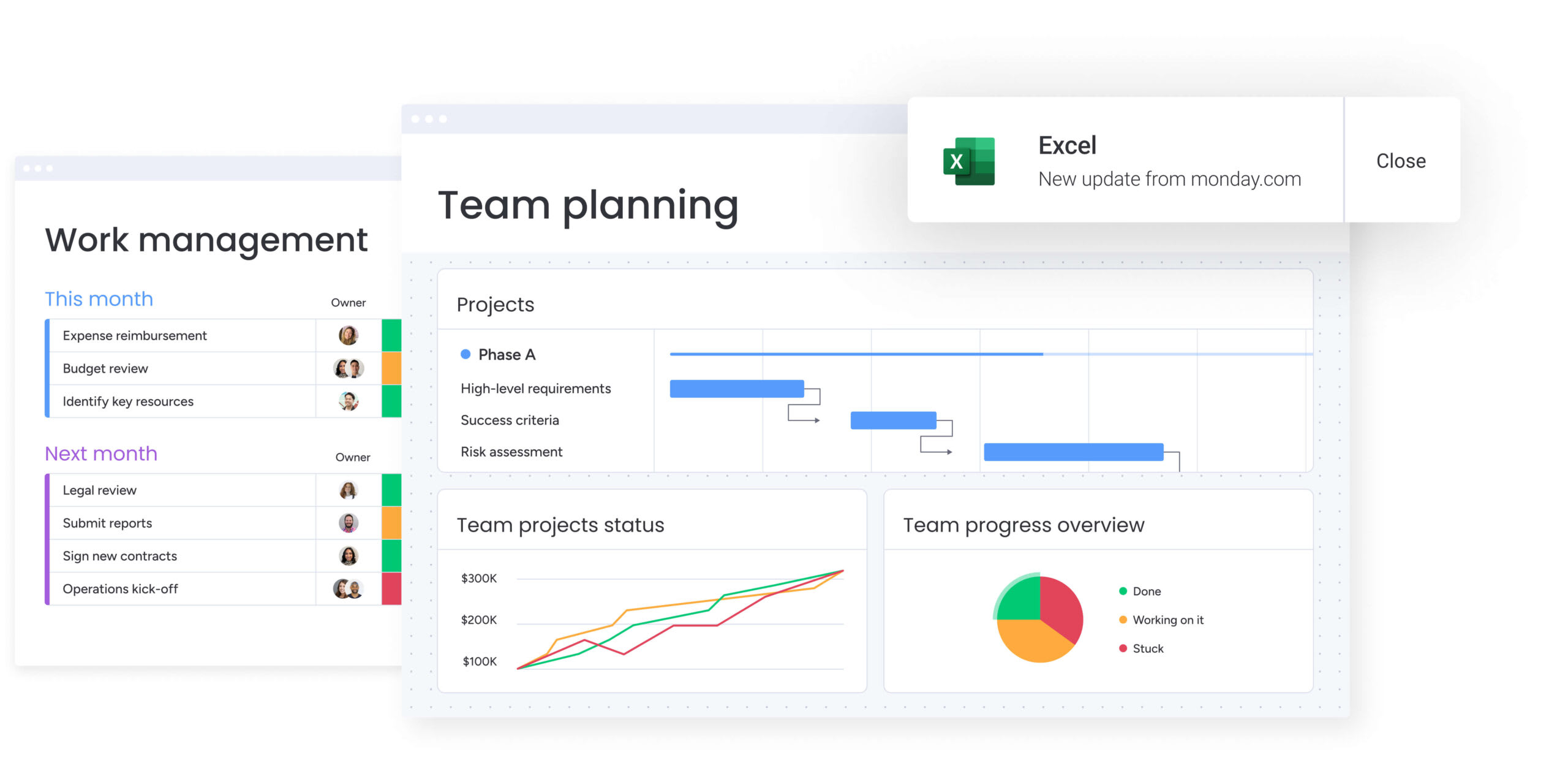
Project description formats for maximum impact
Not every stakeholder needs the same level of detail. A senior executive scanning for ROI will read differently than a project team preparing for execution. The core message stays the same, but the format should adapt to the audience and the moment.
Below are three common ways to structure a project description, depending on who needs it and how it will be used.
Executive summary format
Built for busy senior leaders, this 1-2 page format focuses on strategic value, ROI, and high-level outcomes. Keep the language business-focused, emphasize financial impact and market positioning, not operational details.
Detailed implementation format
This comprehensive version serves project teams, operational managers, and technical stakeholders. It includes:
- Full technical specifications.
- Granular timelines with dependencies.
- Detailed resource breakdowns.
- Step-by-step implementation plans.
This becomes your team’s daily execution guide.
Quick pitch format
Used for initial discussions or informal approvals, this condensed format delivers an elevator pitch. It highlights the problem, solution, and value in a concise narrative, cutting non-essential details to grab initial interest.
Try monday work managementAI-powered project description creation
Creating a strong project description usually involves three time-consuming tasks: gathering information, structuring it into a coherent draft, and tailoring the language for different stakeholders. AI accelerates each of these steps.
Rather than replacing strategic thinking, AI supports it. It helps surface the right inputs, organize them into a usable structure, and refine the language so the final document is clear, focused, and ready for review.
Extract key information automatically
AI workflow automation capabilities scan existing documents, meeting notes, and project artifacts to pull relevant data points. Instead of manually gathering information from scattered sources, AI identifies objectives, dates, and requirements to auto-populate your description.
Generate professional first drafts
Using defined inputs such as project type, goals, and timelines, AI generates structured first drafts that follow established best practices. These drafts provide a strong baseline, allowing teams to refine content instead of building from scratch.
This approach improves consistency across documentation while giving project leaders more time to focus on strategy, decision-making, and stakeholder engagement.
Optimize language for stakeholders
AI analyzes text to adjust tone and complexity for specific audiences. It simplifies jargon for executives or adds detail for engineers, keeping language precise and audience-appropriate.
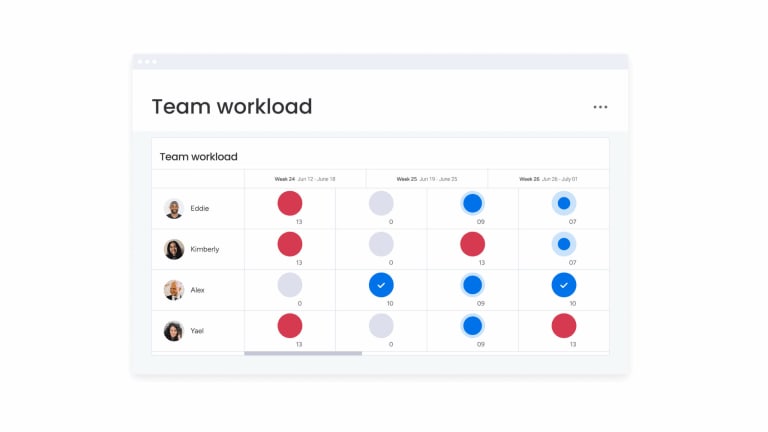
5 ways to strengthen your project description for approval
Even strong ideas can face rejection when key elements are missing or unclear. Identifying common approval blockers early (detailed below) allows teams to address them proactively and improve approval outcomes.
- Avoid vague or unmeasurable objectives: Unclear goals leave stakeholders without criteria for evaluation. Replacing them with quantifiable targets creates a shared understanding of success.
- Missing budget justification: Costs must be presented in context. Strong descriptions connect requested resources directly to deliverables and measurable business value.
- Undefined success metrics: When outcomes are not clearly tracked, risk perception increases. Clearly defined KPIs demonstrate control and accountability.
- Overlooked dependencies: Projects rely on systems, teams, and vendors beyond their immediate scope. Acknowledging dependencies shows foresight and realistic planning.
- Inadequate risk assessment: Optimism without contingency planning raises concerns. Effective descriptions identify potential challenges and outline mitigation strategies.
Turn project descriptions into living workflows with monday work management
Project descriptions often start strong and then fade into the background. Once execution begins, the document lives in a shared folder while timelines shift, budgets change, and ownership evolves. Over time, the plan and the reality drift apart.
monday work management keeps project descriptions connected to the work itself. Instead of acting as static references, they become active, visible parts of the workflow. Planning and execution stay aligned because the description reflects what is happening in real time.
Living project descriptions that update automatically
In monday work management, project descriptions can connect to live data fields. When timelines move, budgets adjust, or responsibilities change, that context updates alongside the work. Strategic intent remains visible while teams manage daily tasks.
Descriptions can also be embedded into dashboards, giving teams constant access to objectives, scope, and success metrics without toggling between systems.
AI-powered description generation
Creating and maintaining project descriptions becomes faster and more consistent with AI Blocks. Instead of manually rewriting or restructuring content, teams can extract, summarize, categorize, and refine information directly within the platform.
The table below shows how AI capabilities support different parts of the project description lifecycle and how each one strengthens clarity and execution.
| AI capability | What it does | How it helps project descriptions |
|---|---|---|
| Extract info | Analyzes uploaded documents, briefs, and meeting notes | Automatically populates relevant sections, saving hours of manual entry |
| Summarize | Condenses detailed project plans into concise summaries | Highlights key objectives and status for executive reporting |
| Categorize | Tags and categorizes projects based on description content | Organizes projects by department, priority, or strategic pillar |
| Suggest action items | Reads project descriptions and suggests concrete next steps | Bridges the gap between written plans and active workflows |
Real-time collaboration and approval workflows
Project descriptions become shared working spaces rather than attachments sent back and forth. Stakeholders leave contextual comments, suggest refinements, and review updates in one place.
Automated approval workflows route descriptions to the right decision-makers, notify stakeholders when feedback is required, and update project status after sign-off. This reduces delays and removes ambiguity around ownership.
Portfolio-level description management
At the portfolio level, individual project descriptions feed into consolidated dashboards. Leaders gain standardized visibility into progress, risk exposure, and resource allocation across initiatives.
Resource planning tools connect proposed requirements with actual team capacity, helping identify overloads or budget constraints early. Standardized templates and automation rules keep documentation consistent across projects, making the transition from planning to execution smoother and more controlled.
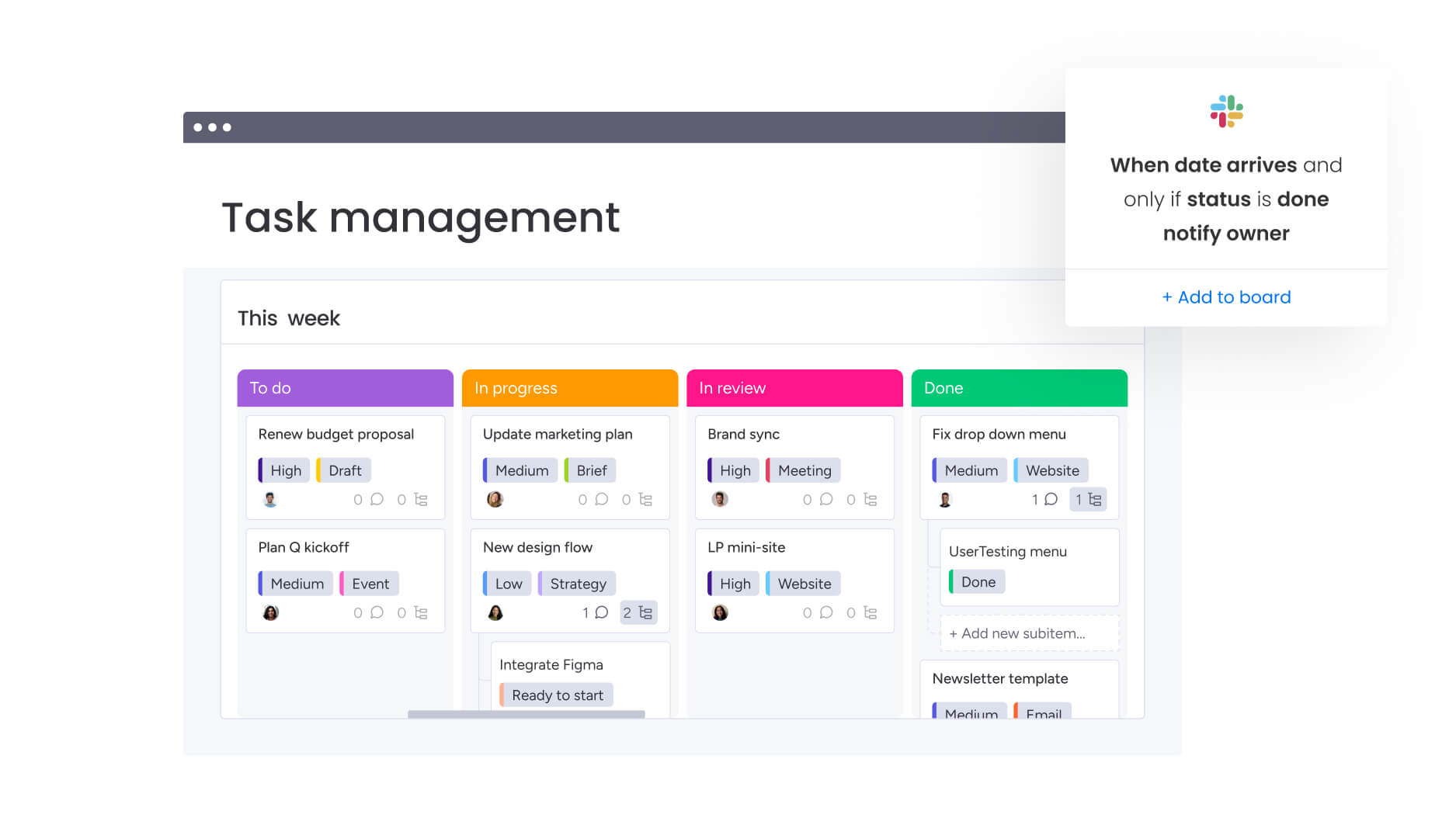
Build project descriptions that drive results today
Teams often struggle with scattered documentation, unclear ownership, and static plans that quickly fall out of sync with execution. These gaps slow approvals, create misalignment, and make it harder to translate strategy into day-to-day progress.
monday work management helps solve these challenges by turning project descriptions into connected, living assets that evolve alongside the work. Instead of separate documents and manual updates, teams gain a single system that links planning, execution, and oversight.
- Centralized project context: Keep objectives, scope, timelines, and ownership in one place, always aligned with live work.
- AI-powered drafting and updates: Generate, summarize, and refine project descriptions faster while maintaining consistency and clarity.
- Real-time collaboration and approvals: Streamline reviews with in-context comments, automated approval workflows, and clear accountability.
- Portfolio-level visibility: Connect individual project descriptions to dashboards that show progress, risks, and resource impact across initiatives.
- Seamless transition from planning to execution: Link descriptions directly to workflows, tasks, and KPIs so plans stay actionable.
By embedding project descriptions directly into everyday workflows, monday work management helps teams move faster, stay aligned, and execute with confidence, delivering strategic impact without adding complexity.
Frequently asked questions
What is the ideal length for a project description?
The ideal length for a project description ranges from one to three pages depending on project complexity. Concise descriptions maintain reader engagement while comprehensive ones ensure all critical information gets covered.
How often should project descriptions be updated during a project?
Project descriptions should be updated whenever significant changes occur in scope, timeline, or resources. Regular reviews at key milestones ensure the document remains accurate and relevant throughout the project lifecycle.
Can one project have multiple project descriptions for different audiences?
Yes, having different versions is common practice. Create a detailed technical description for implementation teams and a high-level executive summary for leadership to ensure each audience receives appropriate information.
Who typically needs to approve a project description before work begins?
Approval usually requires sign-off from the project sponsor, key stakeholders, and budget holder. Some organizations also require PMO or steering committee review depending on project size and impact.
What is the difference between a project description and a project brief?
The difference between a project description and a project brief is the level of detail. A project brief is a short, high-level summary focusing on the what and why, while a project description provides more detail, covering scope, risks, resources, and technical requirements comprehensively.
How do you write project descriptions for agile environments?
Project descriptions in agile environments focus on vision, user value, and high-level themes rather than rigid plans. They leave specific implementation details flexible for sprint planning while maintaining clear objectives.

 Get started