


Your marketing team just delivered a campaign that hit every deadline and stayed within budget. The creative was solid, the targeting felt right, and the launch went smoothly. But three weeks later, the results are underwhelming. Sound familiar? The gap between execution and impact often comes down to skills that weren’t part of the original marketing playbook.
Today’s marketing playbook isn’t just about ads and brand guidelines: you’ll need to interpret data, apply AI tools, set up automation, and collaborate across teams to truly succeed. The professionals advancing fastest combine technical capabilities with strategic thinking, using platforms that connect campaign work to measurable business outcomes.
As AI reshapes how campaigns get built and audiences get reached, the marketers who understand both the technology and the strategy behind it gain significant advantages.
This guide breaks down the essential marketing skills that drive career growth in 2026, from data analysis and AI literacy to automation proficiency and stakeholder management. You’ll discover which capabilities matter most for different roles, how to develop them strategically, and why combining technical skills with business acumen creates the foundation for sustained marketing success.
Key takeaways
- Master data analysis to prove marketing ROI: connect campaign activities to business outcomes with specific metrics that demonstrate value to leadership and secure future resources.
- Combine multiple skills for campaign success: real marketing work requires orchestrating data analysis, content creation, automation, and collaboration simultaneously throughout the campaign lifecycle.
- Track skill development alongside active projects on monday work management: make capability-building visible by connecting learning goals to real business impact within your existing workflows.
- Focus on AI application over AI awareness: use AI for content drafting, data synthesis, and campaign optimization while maintaining human oversight for strategic decisions.
- Prioritize adaptability as your meta-skill: the ability to learn quickly and adjust workflows underlies success in every other marketing capability as the landscape continues evolving.
Why do I need to develop and learn marketing skills?
Marketing skills are the capabilities that enable professionals to plan, execute, measure, and optimize campaigns across channels. These skills encompass technical proficiency, strategic thinking, and interpersonal abilities that drive business outcomes in an increasingly digital and data-driven landscape.
Marketing looks nothing like it did five years ago. AI and automation have completely changed the game — from campaign launches to audience engagement to performance measurement. The capabilities that secured your first marketing role may not sustain your next career move.
Companies aren’t just hiring for marketing skills — they’re looking for people who can read data, work across teams, and pivot quickly when priorities change. Developing marketing skills transforms you from someone who completes assigned work to someone who connects strategy to execution.
Make learning part of your daily work, not a separate checkbox. You’ll pick up new skills faster, and what’s good for your growth will naturally align with what your company needs.
Teams using modern platforms such as monday work management track skill development alongside active projects, making progress visible and connecting capability-building to real business impact.
What skills are the most in demand in marketing right now?
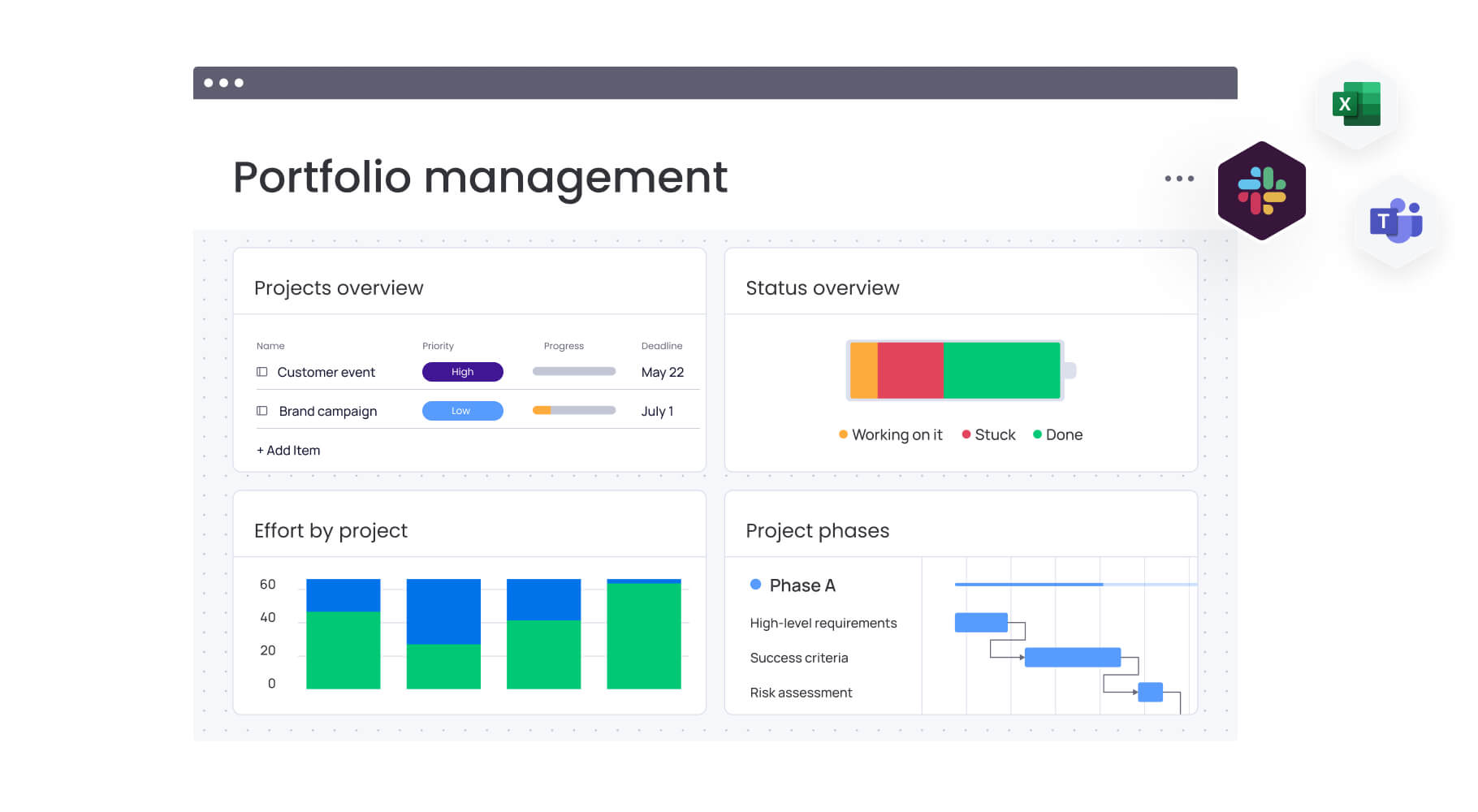
Marketing skills fall into three buckets: technical know-how, strategic thinking, and people skills. Know which skills matter most for your specific role and industry — so you can focus your time on learning skills that will move the needle. This breakdown reveals how different skill categories contribute to marketing success and business outcomes.
The following table breaks down the most sought-after marketing skills by category, showing how each contributes to marketing success:
| Skill category | Key skills | Business impact |
|---|---|---|
| Digital and technical | SEO, paid media, marketing automation, CRM management | Drive measurable traffic, leads, and conversions |
| Data and analytics | Google Analytics four, attribution modeling, A/B testing | Enable evidence-based decisions and ROI tracking |
| AI and automation | Prompt engineering, AI content generation, workflow automation | Accelerate output and reduce manual work |
| Creative and content | Copywriting, video production, brand storytelling | Build audience connection and differentiation |
| Strategic and leadership | Campaign planning, budget management, cross-functional collaboration | Align marketing work with business objectives |
| Interpersonal | Communication, stakeholder management, adaptability | Ensure smooth execution across teams |
These skill categories don’t exist in silos. Data skills help you create sharper content. Automation expertise lets you scale your best ideas. The marketers who get promoted fastest? They’re the ones who blend these capabilities to deliver real business impact.
Try monday work managementTop essential marketing skills for 2026 and beyond
What makes a great marketer today won’t be the same next year — tech keeps changing, and so do the ways people buy and engage with brands. These capabilities separate high-performing marketers from the rest, organized by how they contribute to business outcomes. Each skill represents a critical component of modern marketing excellence.
Skill 1: data analysis and interpretation
Data only becomes valuable when you can make sense of it. You need to spot trends in your dashboards and turn those numbers into recommendations your boss can actually use.
Mastering data analysis requires a few core competencies. Focus on developing these skills to turn raw numbers into strategic actions.
- Platform proficiency: working with analytics platforms like Google Analytics 4 (GA4).
- Attribution understanding: connecting marketing activities to business outcomes.
- Stakeholder communication: translating technical findings for non-technical audiences.
Teams using monday work management connect campaign data directly to project boards, making performance metrics visible alongside active work. Dashboards pull real-time information from multiple sources, so marketers spend less time gathering data and more time acting on it.
Skill 2: AI literacy and application
AI has become a fundamental requirement for competitive marketing teams. If you can craft effective prompts, judge AI outputs, and weave these tools into your daily work, you’ll run circles around your competition. This skill focuses on amplifying what you can accomplish, not replacing human judgment.
AI Blocks within intelligent platforms like monday work management let marketers categorize feedback at scale, summarize campaign results instantly, and extract insights from documents without manual review.
The Digital Workforce also includes specialized workers like the Campaign Manager, which analyzes marketing performance and recommends budget allocation based on historical success.
Skill 3: marketing automation proficiency
Your automation skills directly impact how much your team can get done when budgets are tight. Master this, and you’ll spend less time on busywork and more time on the strategic stuff that actually moves the needle.
Key automation areas include:
- Email sequences: building nurture campaigns that respond to user behavior.
- Triggered campaigns: setting up automatic responses based on specific actions.
- Approval workflows: creating systematic review processes for content and campaigns.
- System integration: connecting platforms so data flows without manual intervention.
Skill 4: content strategy and creation
Content remains the foundation of most marketing efforts. Skills here include understanding audience needs, creating compelling narratives, optimizing for search and social algorithms, and adapting content across formats and channels. Strong content marketers balance creativity with strategic intent to deliver messages that resonate and drive action.
Skill 5: SEO and organic acquisition
Search visibility drives sustainable traffic. SEO skills include keyword research, technical optimization, content planning, and link building. As search engines incorporate AI-generated results, understanding how to maintain visibility becomes even more valuable for long-term growth.
Skill 6: paid media management
Paid advertising requires analytical thinking, creative testing, and budget optimization. The ability to connect paid efforts to broader marketing goals separates tactical execution from strategic impact.
Essential paid media capabilities:
- Platform expertise: mastering Google Ads, Meta, and LinkedIn advertising.
- Audience targeting: identifying and reaching the right prospects.
- Bid strategy: optimizing spend for maximum return.
- Performance analysis: measuring and improving campaign effectiveness.
Skill 7: cross-functional collaboration
Marketing doesn’t happen in isolation. Campaigns require coordination with sales, product, customer success, and leadership. Collaboration skills include communicating across different working styles, managing stakeholder expectations, and maintaining alignment when priorities shift.
Organizations using monday work management create shared boards that give cross-functional teams visibility into marketing work without requiring constant status meetings. Automations notify the right people at the right time, reducing coordination overhead.
Skill 8: project and campaign management
Delivering campaigns on time and within budget requires planning, resource allocation, and progress tracking. These capabilities ensure smooth execution even as complexity increases.
Core project management elements:
- Work breakdown: breaking campaigns into manageable phases.
- Dependency mapping: identifying what needs to happen when.
- Resource allocation: ensuring the right people work on the right tasks.
- Plan adjustment: adapting when circumstances change.
Skill 9: customer understanding and empathy
Effective marketing starts with knowing your audience. This includes conducting research, building personas, mapping customer journeys, and translating insights into messaging that resonates. Empathy skills help marketers create work that connects rather than just broadcasts.
Skill 10: adaptability and continuous learning
The marketing landscape shifts constantly. New platforms emerge, algorithms change, and audience behaviors evolve. The real superpower? Being able to pick up new skills fast, change how you work on the fly, and keep projects moving forward while you’re figuring things out.
What skills do you use in marketing?
Individual skills are important, sure. But real marketing work isn’t about doing one thing well — it’s about juggling multiple capabilities at once to deliver results that matter. Top marketers know exactly which skills to tap at each stage of a campaign — from planning to execution to measurement.
Consider launching a product campaign. In this example you need strategic planning to define objectives and timelines. Data analysis helps identify target segments and set benchmarks, content creation produces the assets, automation handles distribution and follow-up, collaboration keeps sales, product, and leadership aligned. Finally, project management ensures everything happens on schedule.
How do you keep all these moving parts connected? Teams using monday work management build campaign boards that track every phase from planning through execution. Custom statuses show where each deliverable stands. Timeline views reveal dependencies and potential bottlenecks. Dashboards aggregate performance data so stakeholders see results without requesting manual reports.
How can AI improve digital marketing strategies?
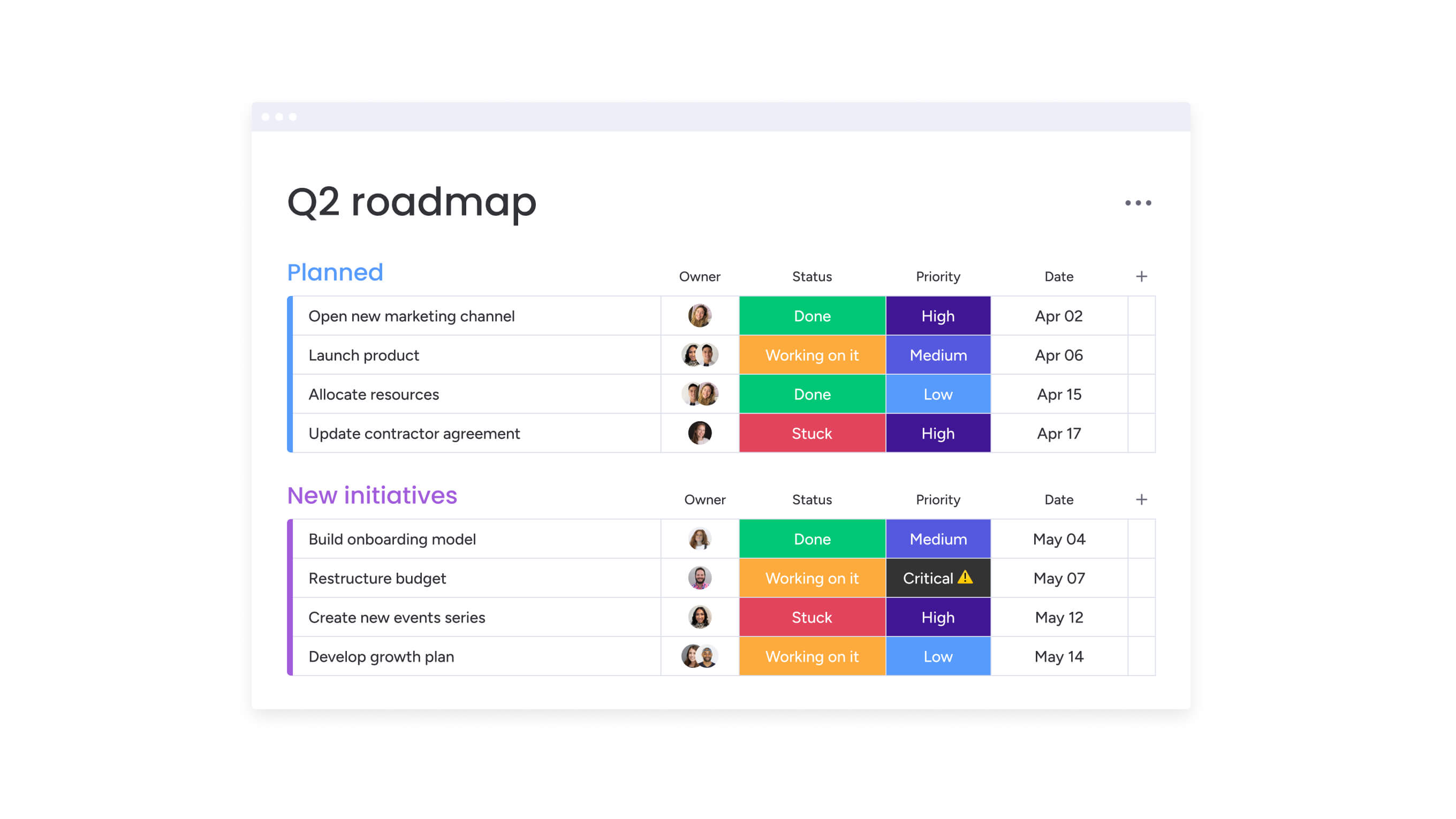
AI isn’t just a shiny object anymore — it’s a practical part of your platform for getting work done. Teams that know how to use AI in their daily marketing tasks are pulling ahead of those still figuring it out. The key is identifying where AI adds the most value while maintaining human oversight for strategic decisions.
AI excels at tasks that involve pattern recognition, data synthesis, and content generation at scale. Here’s how marketers apply AI capabilities to real challenges:
- Content ideation and drafting: AI generates initial concepts, outlines, and rough drafts that human marketers refine and improve.
- Data analysis and reporting: AI summarizes large datasets, identifies anomalies, and surfaces insights that might take hours to find manually.
- Personalization at scale: AI enables dynamic content that adapts to individual user characteristics without creating thousands of manual variations.
- Campaign optimization: AI analyzes performance patterns and recommends adjustments to targeting, timing, and creative elements.
Think of AI as your teammate, not your replacement. Let it handle the grunt work while you tackle the parts that need human judgment: strategy, creative thinking, and building relationships.
Organizations leveraging monday work management integrate AI Blocks directly into workflows. Marketers can automatically categorize incoming requests, summarize meeting notes into action items, or extract key information from campaign briefs.
The platform’s Digital Workforce also includes specialized workers that monitor projects, flag potential issues, and suggest next steps based on your specific business context.
Try monday work managementWhy is expertise in data analysis crucial for digital marketers in 2026?
Data literacy isn’t a nice-to-have anymore — it’s expected. Even if you’re in a creative role, you’ll need to make sense of performance data to prove your work matters. This transformation reflects the increasing complexity of marketing measurement and the need for accountability in campaign performance.
Privacy regulations and the deprecation of third-party cookies have made first-party data more valuable than ever. Marketers who understand how to collect, analyze, and activate their own data gain advantages over those relying on third-party sources.
Essential data analysis capabilities include:
- Platform proficiency: working effectively with Google Analytics four and other analytics tools.
- Attribution modeling: understanding how different touchpoints contribute to conversions.
- Measurement frameworks: designing systems that connect marketing activities to business outcomes.
Data skills enable accountability. When you can demonstrate the ROI of your campaigns with specific metrics, you earn trust from leadership and secure resources for future initiatives. Marketers who speak the language of business outcomes rather than vanity metrics advance faster and influence more strategic decisions.
What are the career benefits of mastering marketing automation and personalization?
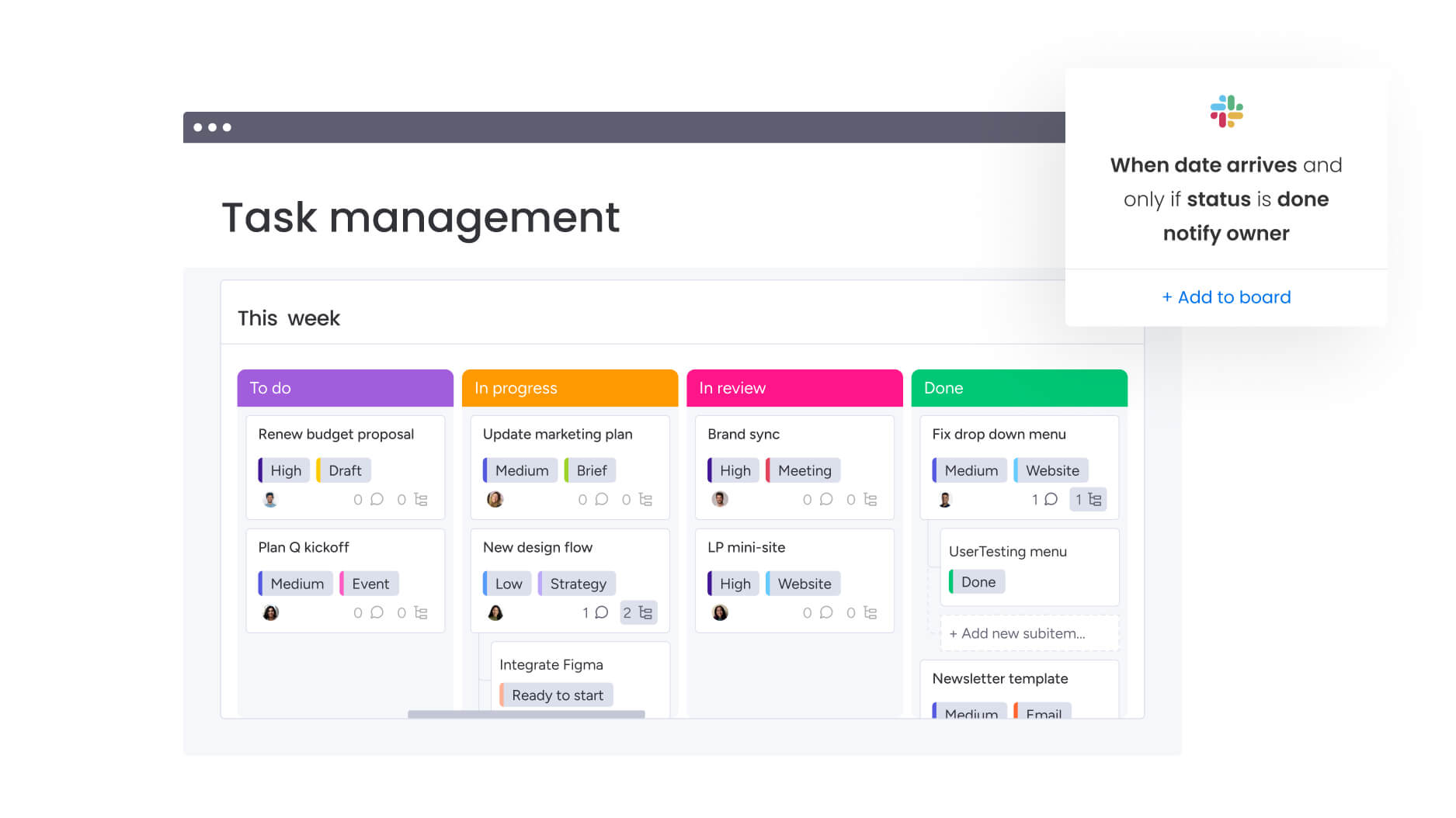
Automation and personalization skills create compounding returns throughout a marketing career. These capabilities let you accomplish more with the same resources while delivering experiences that audiences actually value. The combination of efficiency and effectiveness makes these skills particularly valuable for career advancement.
Marketers who master automation become force multipliers for their teams. Instead of manually sending follow-up emails, they build sequences that nurture leads automatically. Instead of creating individual reports, they set up dashboards that update in real-time. This efficiency creates space for strategic work that drives career advancement.
Personalization skills translate directly into campaign performance. Audiences respond to relevant messaging. Marketers who can segment audiences, create dynamic content, and optimize based on behavioral data consistently outperform those using one-size-fits-all approaches.
Finally, organizations increasingly seek marketers who can implement these capabilities, not just understand them conceptually. Demonstrating hands-on experience with automation platforms and personalization strategies differentiates candidates in competitive job markets.
What marketing resume skills are most in-demand in 2026?
Hiring managers look for specific capabilities when reviewing marketing candidates. Understanding what employers prioritize helps you position your experience effectively and stand out in competitive job markets. The most valuable skills combine technical proficiency with strategic thinking and measurable results.
The following skills consistently appear in marketing job postings across industries and seniority levels:
- Platform proficiency: specific experience with marketing platforms signals immediate productivity.
- Analytics capabilities: demonstrated ability to measure, analyze, and optimize based on data.
- AI application: experience using AI within marketing workflows, not just awareness of AI concepts.
- Cross-functional collaboration: evidence of working effectively with sales, product, and leadership teams.
- Project delivery: track record of completing campaigns on time and within budget.
When describing skills on your resume, focus on outcomes rather than activities. Instead of “managed social media accounts,” specify “increased organic engagement by building a content calendar aligned with product launches.” Quantifiable results demonstrate that you can apply skills to achieve business objectives.
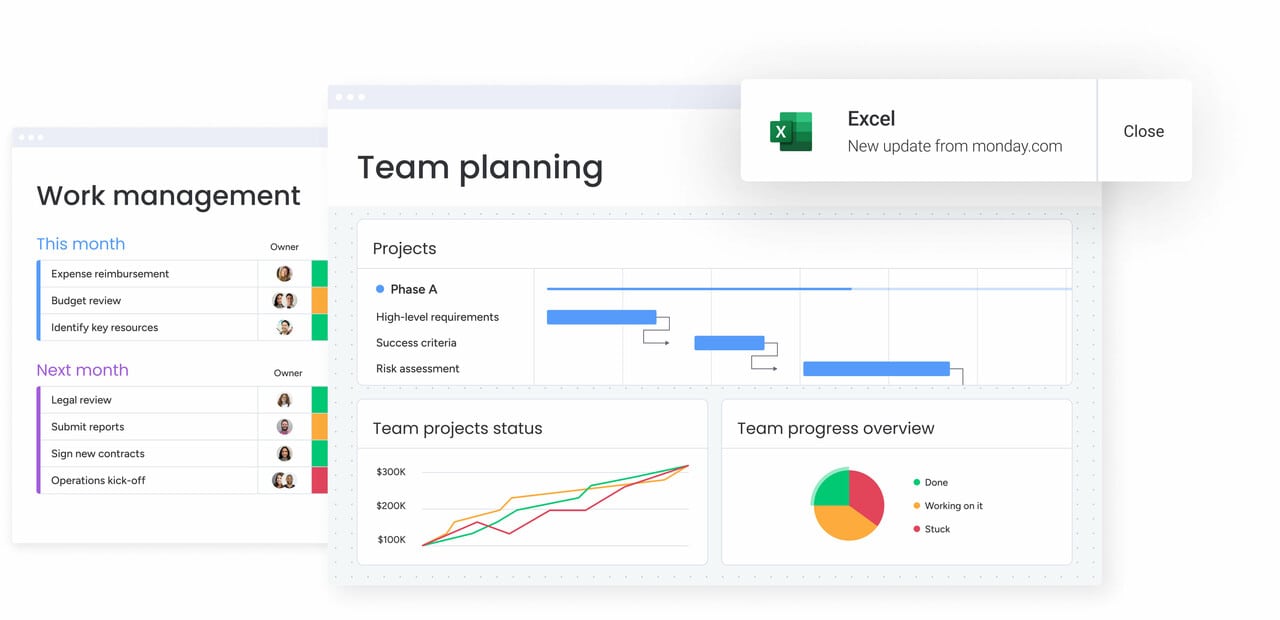
How to build marketing skills that drive career growth: leverage monday work management
Don’t just learn random marketing skills because they sound cool. Get strategic about it — balance what you need for your current job with what will set you up for that dream role down the road. The most successful marketers combine continuous learning with practical application, ensuring new capabilities translate into measurable business impact.
Start off by identifying the skills most relevant to your current role and industry. Focus on capabilities that complement your existing strengths while addressing clear gaps in your toolkit. Combine structured learning through courses and certifications with hands-on practice through real projects.
The marketing landscape will continue evolving, but professionals who master foundational skills while staying adaptable to new technologies position themselves for long-term success.
Organizations using monday work management support this growth by connecting skill development to active projects, making progress visible and ensuring capability-building drives real business outcomes.
The content in this article is provided for informational purposes only and, to the best of monday.com’s knowledge, the information provided in this article is accurate and up-to-date at the time of publication. That said, monday.com encourages readers to verify all information directly.
Try monday work management
Frequently asked questions
What are the 7 Ps of marketing?
The seven Ps of marketing are product, price, place, promotion, people, process, and physical evidence. These elements form a framework for developing comprehensive marketing strategies that address all aspects of bringing products or services to market.
What are hard skills in marketing?
Hard skills in marketing include technical capabilities like SEO, data analysis, marketing automation, paid media management, and platform proficiency that can be measured and demonstrated through certifications or portfolio work.
What are soft skills in marketing?
Soft skills in marketing include communication, collaboration, adaptability, creativity, and stakeholder management that determine how effectively you work with others and navigate organizational dynamics.
How do I start learning marketing skills?
Start learning marketing skills by identifying one or two capabilities most relevant to your current role or career goals, then combine structured learning through courses with hands-on practice through real projects.
What is the most important skill in marketing?
The most important skill in marketing is adaptability, as the ability to learn new capabilities and adjust to changing conditions underlies success in every other marketing skill area.
How long does it take to learn marketing?
Learning marketing fundamentals takes three to six months of focused study and practice, while developing expertise in specific areas typically requires one to two years of hands-on experience.
What marketing skills are most valuable for career advancement?
The most valuable marketing skills for career advancement combine technical proficiency with strategic thinking, including data analysis, automation, cross-functional collaboration, and the ability to connect marketing activities to business outcomes.
How do I demonstrate marketing skills on my resume?
Demonstrate marketing skills on your resume by focusing on quantifiable outcomes rather than activities, using specific metrics to show how your capabilities drove business results like increased engagement, lead generation, or revenue growth.

 Get started