


Launching a marketing campaign often feels straightforward—until it isn’t. Weeks into a product launch, social assets may still be awaiting legal approval, email sequences can be missing key messaging, and landing pages might go live with outdated information. Meanwhile, leadership is asking why the launch feels scattered and when results will be measurable.
This scenario is all too common across marketing teams. The challenge rarely lies in creativity or strategy—it’s managing the operational complexity of multiple channels, stakeholders, and deadlines while keeping brand consistency intact and measuring real impact. Marketing project management (MPM) provides the structure to navigate this complexity, giving teams clarity over workflows, visibility across campaigns, and alignment between creative execution and business objectives.
In this guide, we’ll explore what makes marketing project management effective—from strategic planning to performance tracking and provide actionable steps for building a system that reduces chaos, supports creativity, and ensures every campaign delivers measurable value.
Key takeaways
- Structured workflows improve creative output: marketing project management provides repeatable processes that balance standardization with creative flexibility.
- Alignment with business goals drives impact: connecting campaigns to measurable objectives ensures marketing work delivers real value.
- Centralized platforms enhance visibility: using a unified work management system allows teams to coordinate resources, approvals, and multi-channel campaigns efficiently.
- Data-driven insights enable optimization: tracking performance metrics and ROI throughout the campaign lifecycle supports continuous improvement.
- Gradual implementation supports adoption: phased rollout, templates, and change management help teams integrate new processes without disrupting creativity.
What is marketing project management?
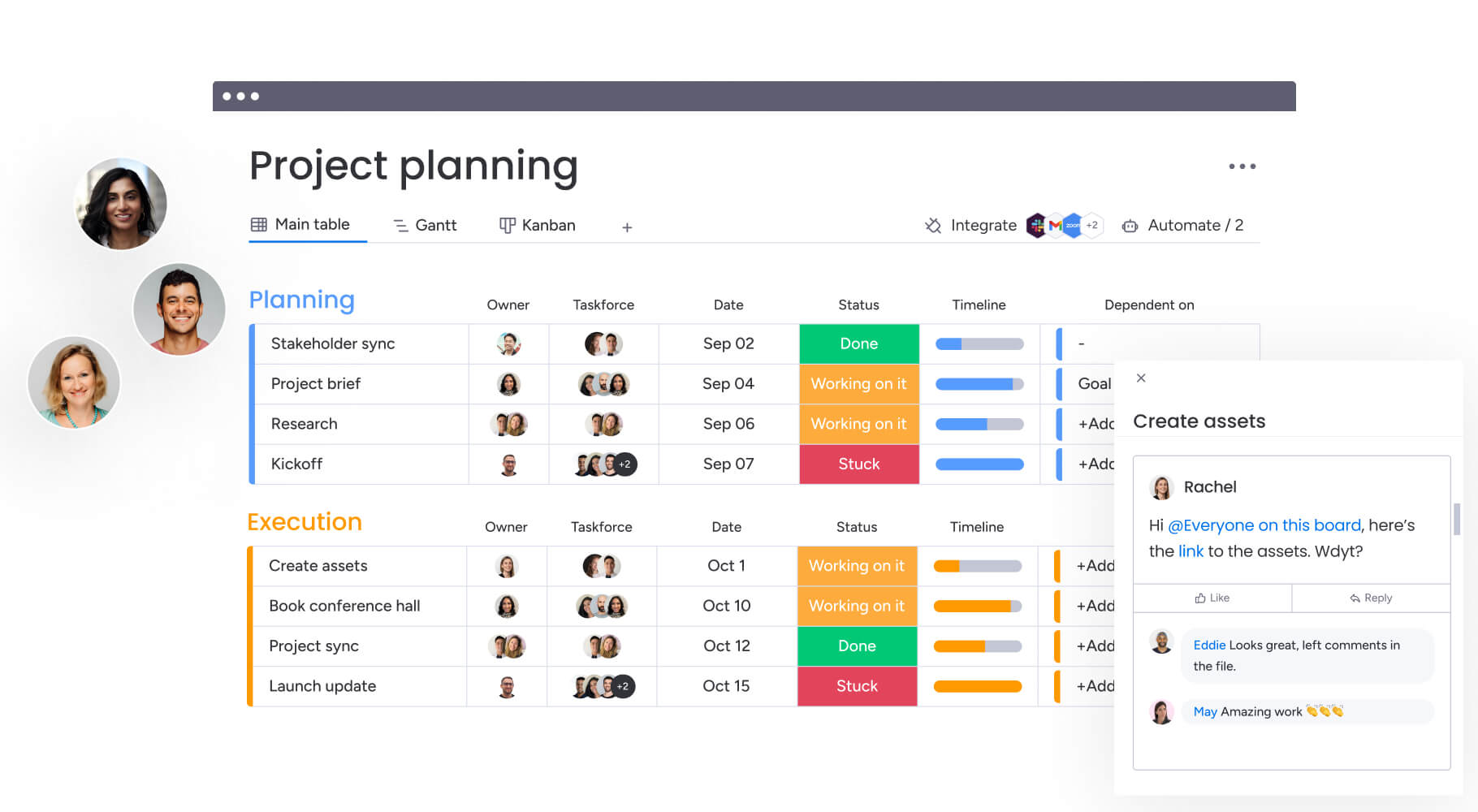
Marketing project management brings order to the complexity of campaign creation. It is how teams plan, execute, and track creative workflows while balancing brand compliance and multichannel distribution. Think of it as the crucial bridge connecting creative vision with market delivery.
So, what sets marketing project management apart? Three defining characteristics shape how these teams operate:
- Creative subjectivity: marketing handles subjective feedback on design and copy, translating broad opinions into actionable edits without stalling progress.
- External dependencies: teams coordinate across internal groups and a network of agencies, freelancers, and media vendors operating on different schedules.
- Hard deadlines: marketing revolves around immovable launch dates such as holidays or product releases, where a single delayed asset can disrupt an entire campaign.
Why marketing teams need specialized project management
Marketing teams face pressures that general project management methods cannot fully address. Specialized project management provides the structure necessary to handle high-volume creative production while maintaining alignment with executive priorities. Understanding these challenges highlights why traditional approaches often fall short in creative environments.
Campaign complexity demands structure
A single product launch requires synchronized email sequences, social media content, paid advertising, PR outreach, and sales enablement materials. Standard project management treats work as linear steps, but specialized marketing management accommodates creative iteration.
When copy is delayed, the system automatically notifies design and web teams to adjust schedules, ensuring brand consistency and launch integrity.
Cross-channel coordination challenges
Marketing teams align timing, messaging, and resources across email, social media, content marketing, events, and advertising simultaneously. A premature social post before a landing page goes live can disrupt customer experience and revenue.
Specialized project management provides a unified view of the entire media mix, keeping messaging aligned across channels and ensuring assets deploy in the correct sequence to maximize impact.
Stakeholder alignment across departments
Marketing projects involve legal, sales, product, design, and executive marketing teams. Managing distinct approval processes requires a robust framework.
A campaign may need legal review for compliance, sales input for messaging accuracy, and executive approval for budget allocation. Without a centralized system, feedback can get lost in email threads, causing bottlenecks and increasing the risk of publishing unapproved content.
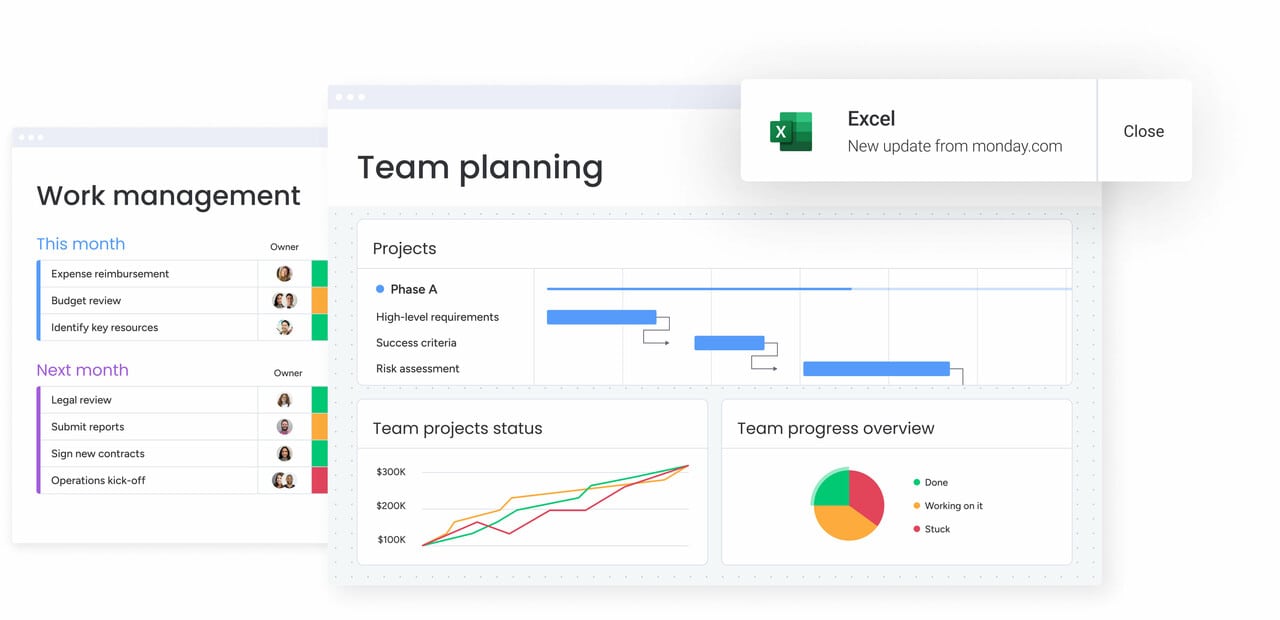
5 core components of marketing project management
A comprehensive marketing project management system depends on five interconnected components that drive both efficiency and measurable impact. Understanding these components helps marketing leaders build a foundation that scales as the organization grows. Each component addresses operational challenges while contributing to the overall success of campaigns.
1. Strategic planning and goal alignment
Every marketing project should tie directly to business objectives and specific marketing goals. Defining success metrics, target audiences, and key messages before execution prevents scope creep and ensures resources focus on high-impact work.
Strategic planning aligns the team on why each initiative matters. This ensures campaigns deliver measurable business value instead of simply generating activity. Modern platforms like monday work management can support this alignment by providing visibility into goals, timelines, and responsibilities in a centralized workspace.
2. Resource allocation and workload management
Marketing teams juggle creative talent, budget constraints, and tight deadlines. Effective resource management requires insight into both internal team capacity and external vendor availability.
Proper resource planning prevents burnout by balancing workload across designers, copywriters, and other contributors during peak periods. It also ensures high-quality deliverables are ready when campaigns launch. Tools like monday work management allow teams to visualize capacity, adapt assignments quickly, and maintain consistent quality.
3. Campaign workflow standardization
Standardized processes for content creation, webinar launches, and performance reviews are essential for scalable operations. Repeatable workflows remove the burden of reinventing procedures for every new project.
Workflow templates make certain critical steps—such as legal review or brand compliance checks are never missed, while still allowing room for creative flexibility. This approach improves efficiency and ensures consistency across campaigns.
4. Performance tracking and reporting
Marketing project management should include mechanisms for tracking campaign performance against predefined objectives. Real-time visibility into project status, budget utilization, and deliverable completion empowers leaders to make data-driven decisions mid-campaign.
Linking operational data to performance metrics is crucial, as research shows only 30% of CMOs report having a clearly defined view of marketing ROI. Centralized dashboards simplify reporting, support executive communication, and help justify resource allocation.
5. Stakeholder communication systems
Marketing projects often face complex communication challenges, particularly around creative feedback loops and approvals. Centralized communication systems capture feedback, maintain version control, and make comments actionable.
This approach prevents confusion caused by conflicting input and ensures the final asset reflects consensus across cross-functional teams. Platforms like monday work management integrate these processes in one workspace, keeping teams aligned and reducing delays.
Try monday work managementWhat does a marketing project manager do?
The marketing project manager serves as the conductor of the marketing orchestra, ensuring strategy translates into execution seamlessly. This role combines creative understanding with operational discipline. Clarifying responsibilities helps organizations set expectations and hire the right talent for success.
Daily responsibilities
Marketing project managers keep campaigns moving while juggling multiple priorities. Core activities include:
- Coordinating creative reviews: consolidating stakeholder feedback to provide designers and writers with clear, actionable instructions rather than conflicting opinions.
- Managing campaign timelines: monitoring progress of campaign assets, adjusting schedules and dependencies in real time to protect launch dates.
- Facilitating stakeholder communication: acting as the central contact point to keep legal, product, and sales teams informed and aligned on project requirements.
- Resource balancing: managing team bandwidth, reassigning work, or bringing in freelancers when internal capacity is limited.
Key deliverables
Marketing project managers produce documentation that ensures departmental efficiency. This includes detailed project plans mapping every campaign step, status reports providing transparency to leadership, and comprehensive campaign briefs aligning the creative team on objectives. Post-campaign analyses document lessons learned and ROI to guide future strategies.
Cross-functional collaboration
Marketing project managers bridge gaps between departments and external partners. They collaborate with legal teams to establish compliance workflows, coordinate with sales leadership for lead handoff processes before launch, and manage external agencies to ensure on-time, on-brand delivery.
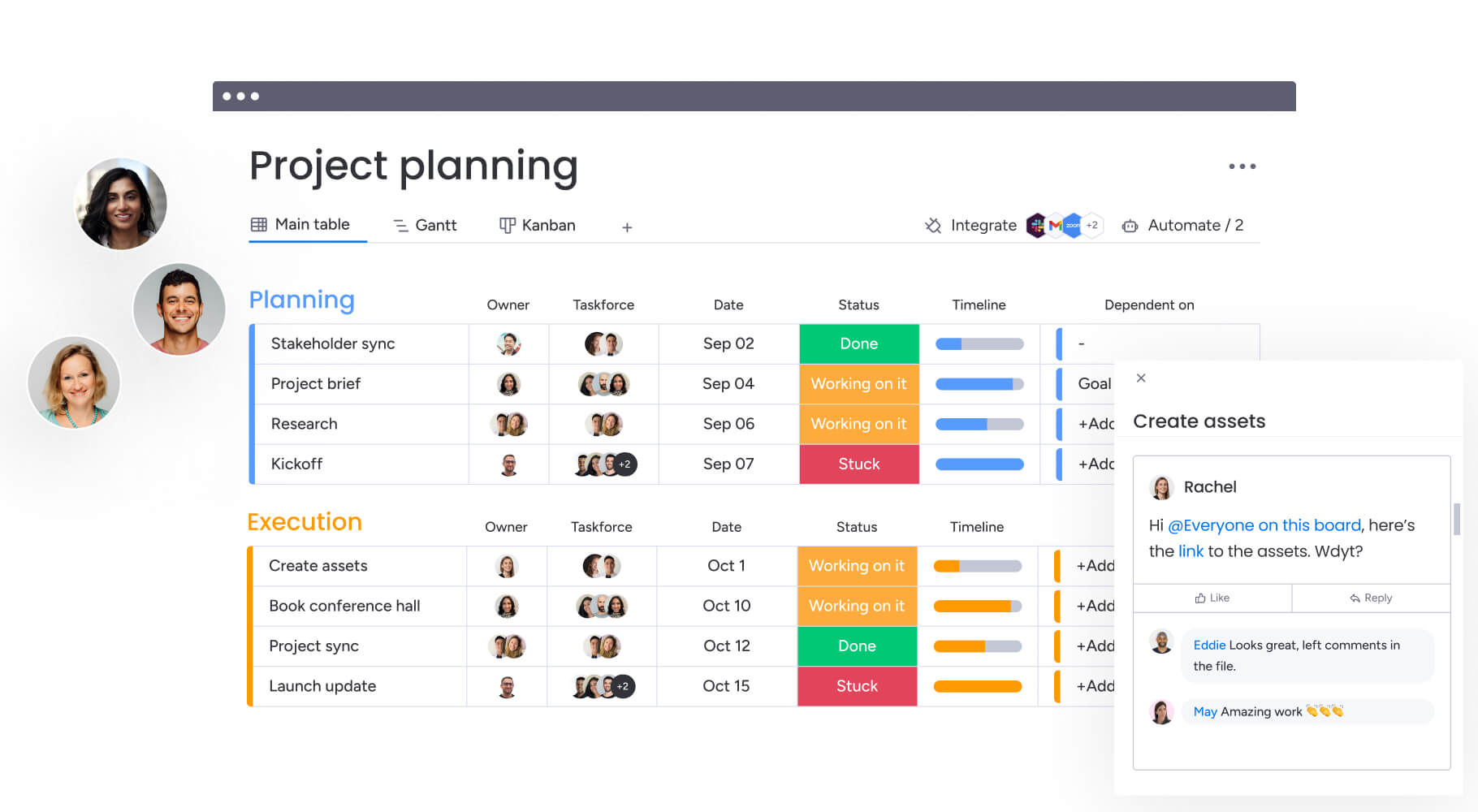
How to implement marketing project management in 6 steps
A structured approach helps teams trade chaos for coordination. The six steps below create a strong foundation for marketing excellence.
Step 1: assess your current marketing operations
Evaluate processes to identify bottlenecks and pain points. Document workflows and ask targeted questions about campaign planning, resource allocation, and success measurement. A simple audit highlights stalled approvals, lost assets, and wasted administrative effort.
Step 2: define your workflows and processes
Map standardized processes for marketing activities. Outline the ideal path for creative briefs, content creation, approvals, and launches. The goal is to balance standardization with creative flexibility so processes support rather than hinder work.
Step 3: choose your technology stack
Select a platform based on integration needs, scalability, and team adoption. Ensure it connects with existing systems, including CRM systems, marketing automation, and creative software, to create a single source of truth. The right platform provides visual project views, automation, and ecosystem connectivity.
Step 4: create templates and standardize procedures
Develop reusable templates for campaigns, creative briefs, and timelines. Templates accelerate project initiation and ensure consistency, embedding best practices directly into workflows and preventing skipped steps.
Step 5: train your team and establish ownership
Implementation requires change management. Train teams on software and processes while clarifying roles. Demonstrating how the new system frees creative teams for high-impact work encourages adoption.
Step 6: monitor, measure, and optimize
Measure progress with metrics like project completion rates, time-to-market, and campaign ROI. Regularly review results to optimize workflows, eliminate redundant steps, and improve marketing operations continuously.
Essential skills for marketing project management success
Marketing project management requires a hybrid skill set that combines operational discipline with marketing agility. The following skill areas distinguish great project managers from good ones.
Technical project management expertise
The foundation rests on core project management competencies. These skills ensure campaigns stay on track and resources are used effectively:
- Timeline and dependency management: understanding critical path analysis to know which delays will push launch dates and which can be absorbed.
- Risk assessment: identifying potential pitfalls like vendor delays or legal compliance issues before they become crises.
- Resource leveling: balancing workload across teams to maximize output without causing burnout.
Marketing strategy knowledge
A marketing project manager must understand the discipline they serve. This knowledge enables smarter decisions when trade-offs between time, budget, and scope become necessary:
- Customer journey mapping: understanding the funnel helps prioritize assets that drive the most impact at different stages.
- Campaign strategy: knowledge of marketing principles allows informed decision-making when constraints force difficult choices.
- Channel nuances: knowing the difference between a tweet and a whitepaper ensures realistic timelines and resource allocations.
Communication and leadership abilities
The role requires influencing outcomes without direct authority over contributors. Strong interpersonal skills make the difference between projects that stall and those that succeed:
- Translation skills: converting business requirements into creative specifications and vice versa for alignment.
- Conflict resolution: managing conflicting feedback with negotiation and leadership skills.
- Influence without authority: driving progress across teams without direct management.
Data analysis and reporting skills
Marketing project managers must connect operational effort to business outcomes. This requires comfort with data and the ability to communicate findings to leadership:
- Metric interpretation: reviewing campaign data to assess project health.
- Reporting: creating meaningful updates that connect operational effort to business outcomes.
- ROI focus: using data to guide decisions, ensuring resources deliver maximum return.
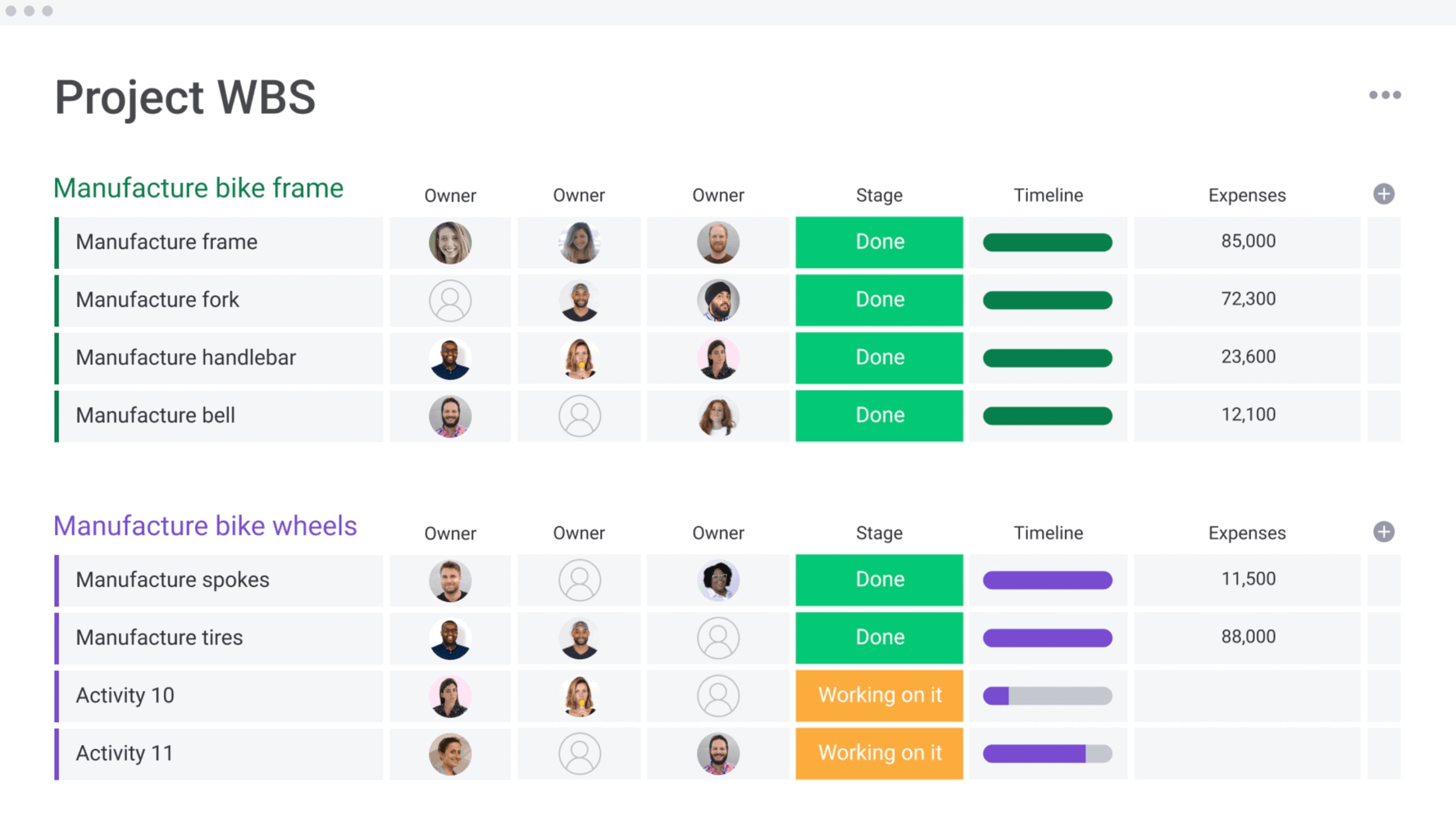
7 common marketing project management challenges and solutions
Even well-organized teams encounter obstacles. Recognizing common challenges allows leaders to implement proactive solutions that keep marketing operations running efficiently. The table below highlights frequent issues and practical strategies to address them.
| Challenge | Root cause | Solution |
|---|---|---|
| Managing creative workflows at scale | Feedback loops spiral out of control as volume increases | Implement structured creative request forms and strict proofing workflows |
| Balancing flexibility with standardization | Over-rigid processes stifle creativity; too much freedom leads to chaos | Adopt freedom within a framework with standardized administrative steps |
| Proving ROI and campaign impact | Project management is disconnected from performance data | Integrate project management platforms with analytics for direct work-to-results connection |
| Coordinating external agencies | External partners work in silos, creating visibility gaps | Grant guest access to the central project management platform |
| Handling rapid strategy pivots | Rigid project plans break under pressure | Use agile marketing methodologies with sprint-based planning |
| Breaking down department silos | Marketing, sales, and product operate with different goals | Create cross-functional project teams and shared dashboards |
| Maintaining brand consistency | Assets spread across channels create inconsistent messaging | Centralize digital asset management integrated into the workflow |
How AI transforms marketing project management
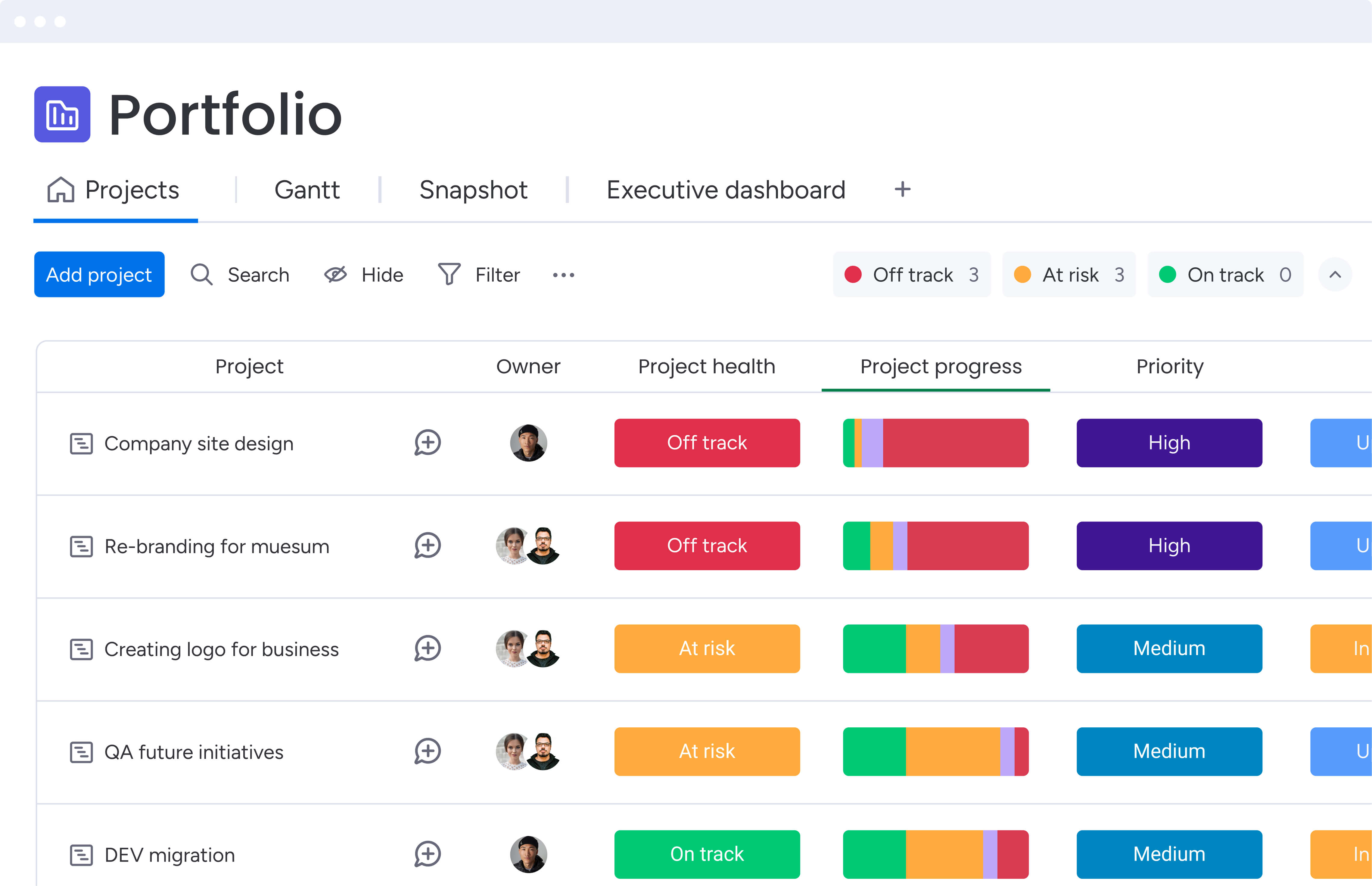
AI is no longer just a buzzword. It has become a key driver for streamlining marketing operations. It handles administrative work and identifies trends humans may miss, giving teams more time to focus on strategy instead of spreadsheets. Understanding these applications helps leaders uncover opportunities to optimize workflows and results.
AI-powered content production workflows
AI accelerates the content supply chain by automating early creation stages. As organizations increasingly deploy generative AI, 21% report they have fundamentally redesigned at least some workflows to capture value. Platforms can generate blog outlines, draft social media copy, and optimize email subject lines based on historical performance.
Teams using monday work management leverage AI Blocks to summarize lengthy creative briefs into actionable items or categorize content requests, reducing blank page time for creatives.
Automated campaign categorization and routing
AI removes manual triage of incoming requests. Intelligent systems analyze new campaigns, identify required deliverables, and automatically route them to the appropriate team members.
This ensures video requests go directly to the multimedia team while press releases go to PR, without a manager acting as traffic coordinator.
Predictive resource allocation
AI evaluates historical project data to forecast future resource needs and identify potential bottlenecks. By understanding typical task durations, the system flags overbooked team members or at-risk deadlines. Managers can adjust staffing proactively rather than reactively, keeping projects on track.
Real-time performance insights
AI provides instant analysis of campaign results, shifting reporting from monthly summaries to real-time insights. Algorithms flag underperforming assets or budget overruns, suggesting optimization opportunities while campaigns are active.
Marketing project management platforms and software evaluation
Selecting the right platform affects the entire marketing organization. Evaluation should focus on how well a platform supports marketing workflows, ensuring it enhances creativity and operational visibility.
Key features to look for
Marketing teams have unique requirements that general project management software often does not address. Essential capabilities include:
- Visual proofing: annotating images and videos directly within the platform streamlines creative review.
- Multiple views: teams need Gantt charts for timelines, Kanban boards for workflow, and calendar views for publishing schedules.
- Forms and intake: robust request forms standardize how work enters the department, ensuring all necessary details are captured upfront.
Integration requirements
A marketing project management platform must act as a connector, not an isolated system. Deep integrations with CRM systems, marketing automation platforms, and creative software prevent silos and eliminate manual data entry across applications.
Scalability considerations
The platform must grow with the organization, supporting increased users, complex permission structures, and enterprise-grade security. Scalable solutions handle simple social media calendars for startups as well as global, multi-language campaigns for large enterprises.
Transform your marketing operations with the right foundation
Investing in marketing project management is not just an operational improvement — it transforms how teams work. Structured workflows enable faster launches, higher-impact campaigns, and a more enjoyable process. Success relies on platforms that support creativity while offering visibility executives need.
Modern platforms like monday work management combine visual project management, AI-powered automation, and deep integrations, allowing teams to focus on strategy and creativity rather than administrative tasks.
Successful implementations begin with assessing current processes and gradually rolling out the platform with strong change management support. This ensures adoption while maintaining the creative energy essential for effective marketing.
Try monday work managementFrequently asked questions
What is the average salary for a marketing project manager?
The average salary for a marketing project manager typically ranges between $80,000 and $130,000 per year, depending on factors such as geographic location, years of experience, and the size of the organization. Compensation may also vary based on industry and the complexity of marketing campaigns managed.
How long does it take to implement marketing project management?
A basic setup of a new marketing project management system usually takes two to four weeks. Achieving full organizational adoption and optimizing workflows generally requires two to three months of consistent training, monitoring, and iterative improvement.
What size marketing team needs project management?
Formal marketing project management becomes valuable once a team exceeds five to seven members or when the volume of campaigns creates visibility gaps and missed deadlines. Teams of this size often benefit from structured workflows and centralized tracking to improve efficiency.
What's the difference between marketing project management and general project management?
Marketing project management focuses on creative workflows, iterative feedback loops, and multi-channel campaign distribution. In contrast, general project management emphasizes linear task completion and dependency tracking, often suited to construction or operational projects.
Which industries benefit most from marketing project management?
Industries with high-volume content needs or strict compliance requirements—such as technology, retail, finance, and agencies—gain the most from marketing project management. These sectors see a strong return on investment by streamlining approvals, scheduling, and cross-team collaboration.
Can marketing project management work for both B2B and B2C teams?
Yes, marketing project management principles apply to both B2B and B2C teams. B2B teams typically use it to manage lead generation, client communications, and sales enablement. B2C teams focus on high-velocity campaigns, consumer engagement, and multi-channel brand initiatives.

 Get started