

Marketing metrics look impressive in reports. Traffic climbs. Engagement improves. Subscriber counts grow.
Then leadership asks a harder question: how much revenue did marketing generate?
That is where many measurement frameworks fall apart. Activity increases, but the connection to revenue, profitability, and long-term growth remains unclear. When surface-level indicators replace outcome-based metrics, marketing impact becomes difficult to defend and even harder to scale.
In 2026, marketing metrics are no longer just reporting tools. They are decision drivers. The right measurements clarify what works, where budgets should shift, and how marketing contributes to pipeline and revenue.
This breakdown explains which marketing metrics actually matter, how to distinguish signal from noise, and how to structure performance tracking across the entire customer journey so every number supports a business objective.
Key takeaways
- Actionable marketing metrics drive decisions, not vanity indicators: Focusing on conversion rates, acquisition costs, and revenue attribution provides clearer insight than impressions or follower counts.
- Revenue alignment determines marketing credibility: Connecting campaigns to pipeline contribution and closed revenue strengthens executive confidence and budget justification.
- Organizing marketing metrics by funnel stage improves visibility: Structuring measurement around awareness, engagement, conversion, revenue, and retention reveals gaps and optimization opportunities.
- Centralized metric management supports cross-team alignment: Unified platforms such as monday work management help consolidate performance data and reduce reporting friction across teams.
- Focused measurement frameworks outperform broad tracking: Selecting two to three core metrics per business objective prevents analysis paralysis while maintaining strategic clarity.
What are marketing metrics?
Marketing metrics indicate whether marketing efforts deliver measurable outcomes. They transform raw analytics data into clear signals that show whether campaigns generate revenue, strengthen brand visibility, or attract qualified leads that progress through the sales funnel.
Rather than reporting activity alone, marketing metrics provide context: they show how performance connects to business outcomes, helping teams understand what works, what needs improvement, and where resources should be allocated.
Three fundamental marketing metrics illustrate this concept:
- Website traffic: Measures how many visitors arrive at your site, indicating reach and brand awareness.
- Conversion rate: Tracks the percentage of visitors who complete desired actions, revealing campaign effectiveness.
- Customer acquisition cost (CAC): Calculates the total expense of gaining a new customer, determining marketing efficiency and profitability.
Marketing teams use these measurements to answer critical business questions. Which campaigns generate the highest return? Where should budget flow for maximum impact? How does marketing contribute to revenue growth?
The difference between metrics and vanity metrics
Not every metric carries strategic value. Vanity metrics often look impressive in reports but fail to connect to revenue or business objectives. These measurements create the appearance of progress without providing insight into performance or opportunities for improvement.
Vanity metrics also tend to emphasize scale over substance. While they may signal visibility or activity, they rarely explain whether marketing investments generate meaningful returns or support growth.
Common vanity metrics that mislead teams include:
- Total social media followers without engagement context.
- Raw page views without conversion tracking.
- Email list size without open or click rates.
- App downloads without active usage data.
The table below highlights how these surface-level indicators compare to metrics that tie directly to pipeline, revenue, and growth.
| Vanity metric | Actionable alternative |
|---|---|
| Total website visitors | Qualified leads from website traffic |
| Social media followers | Engagement rate and social-attributed revenue |
| Email list size | Email conversion rate and revenue per subscriber |
| Content views | Content-attributed pipeline and closed deals |
| Brand impressions | Share of voice and brand sentiment scores |
When measurement shifts from activity to outcomes, reporting becomes more than a presentation exercise. It becomes a tool for smarter decisions.
How marketing metrics drive business growth
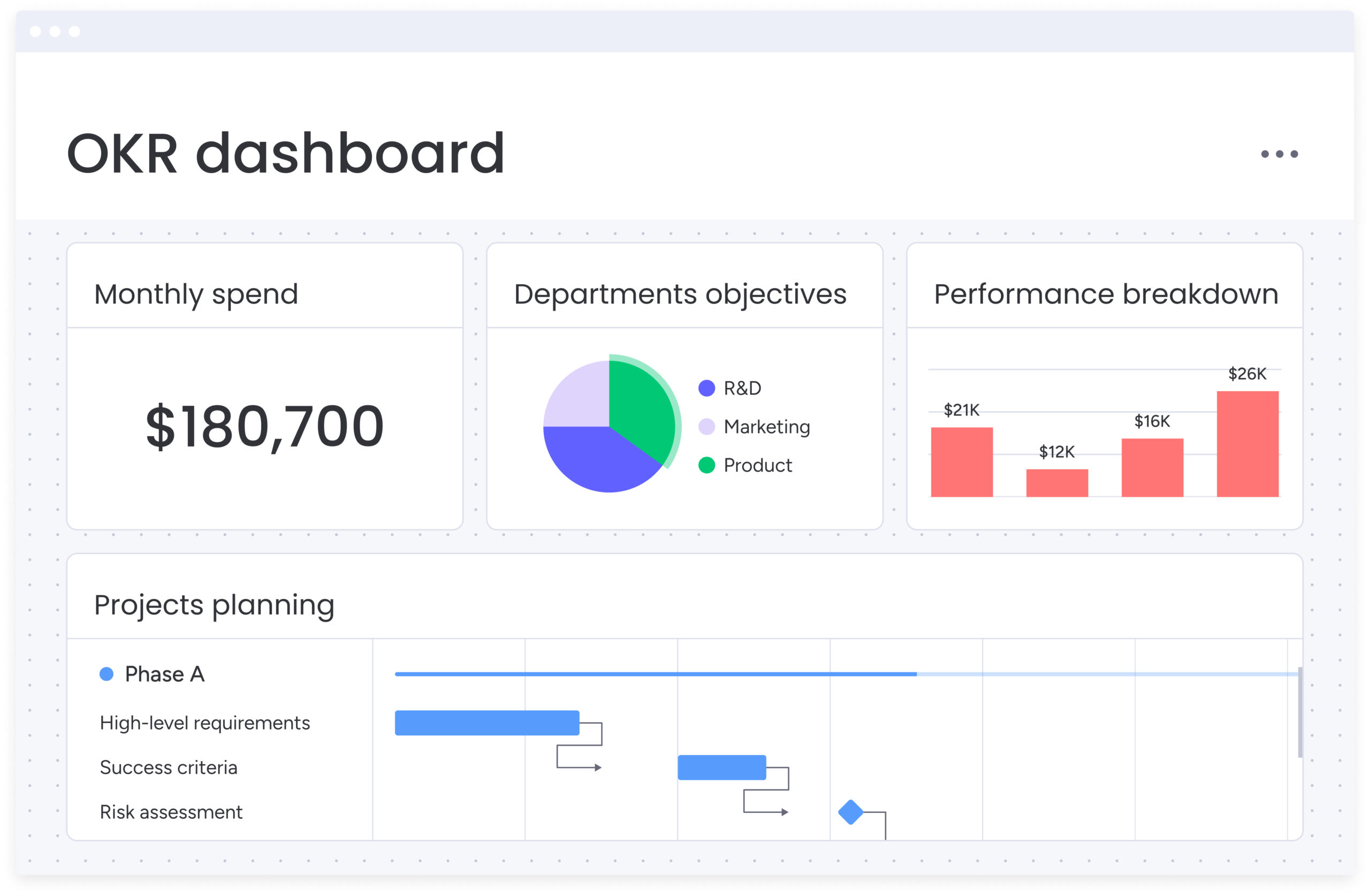
The right metrics reshape how organizations view marketing. Instead of being perceived as a cost center, marketing becomes a function that demonstrates revenue contribution and growth potential with clarity.
Effective measurement does more than track performance: it supports better decisions, strengthens alignment with leadership, and reinforces marketing’s role as a profit driver rather than a support function.
- Proving marketing ROI to leadership: When marketing directors present quarterly results to the C-suite, metrics demonstrate exactly how marketing investments generated pipeline, revenue, and customer growth. Instead of defending the budget based on activity, metrics show outcomes.
- Enabling data-driven optimization: Campaign managers use metrics to identify what works and double down on high-performing tactics. Real-time conversion data reveals which ad creative, messaging, or targeting generates qualified leads. Attribution metrics show which channels deserve increased investment versus those delivering poor returns.
- Connecting activities to financial outcomes: Metrics bridge the gap between marketing activities and financial outcomes that matter to leadership. Marketing-influenced revenue shows how campaigns contribute to deals throughout the customer journey, not just at the final touchpoint. Customer lifetime value calculations prove that marketing builds long-term customer relationships that drive sustainable growth.
Effective measurement does more than track performance: it supports better decisions, strengthens alignment with leadership, and reinforces marketing’s role as a profit driver rather than a support function.
Marketing metrics vs KPIs and why it matters
Some numbers help you understand what happened. Others determine what happens next. Knowing the difference between a general metric and a true KPI shapes how strategy is set, how performance is evaluated, and how confidently results are presented to leadership.
- Marketing metrics defined: Marketing metrics represent any measurable data point generated by marketing activity. Website sessions, email open rates, social reach, impressions, and form submissions all fall into this category. These measurements exist regardless of whether they are actively reviewed.
- KPIs defined: KPIs, or Key Performance Indicators, are selected metrics tied directly to strategic objectives. Organizations identify KPIs based on growth priorities and track them consistently to measure success. The designation “key” signals relevance to leadership and business outcomes.
Consider website traffic as an example. Monthly website visitors represent a metric. When leadership defines a goal to increase qualified traffic by a specific percentage to support inbound lead generation, that same metric becomes a KPI.
The shift from metric to KPI requires three elements:
- Strategic alignment: The metric supports a business priority such as revenue growth, market expansion, or retention.
- Specific target: The KPI includes a measurable objective with defined thresholds.
- Accountability: Ownership is assigned, and progress is reviewed regularly.
Metrics support analysis and insight. KPIs guide priorities, decision-making, and executive reporting.

Organizing marketing metrics across the customer journey
Looking at metrics in isolation makes performance harder to interpret.
When measurement follows the customer journey, patterns become clearer. You can see how awareness turns into engagement, how engagement converts into pipeline, and how revenue connects to long-term retention. Structuring metrics this way creates a complete performance narrative instead of disconnected data points.
Here’s how that framework breaks down:
1. Awareness and reach metrics
Measure how many people discover your brand through various channels. These top-of-funnel measurements track impressions, website traffic, social media reach, and search visibility. Awareness metrics answer whether marketing efforts expand brand recognition and attract potential customers into the consideration process.
2. Engagement and interaction metrics
Track how audiences respond to marketing content and messaging. Time on page, social media engagement rates, email click-through rates, and content downloads reveal whether marketing resonates with target audiences. High engagement indicates message-market fit and audience interest that can convert into business opportunities.
3. Conversion and pipeline metrics
Monitor how prospects become leads and qualified opportunities. Form submission rates, marketing qualified leads (MQLs), sales qualified leads (SQLs), and pipeline contribution show marketing’s ability to generate business opportunities. These mid-funnel metrics directly connect marketing activities to sales team success.
4. Revenue and ROI metrics
Connect marketing activities to financial outcomes that matter most to leadership. Customer acquisition cost, marketing-attributed revenue, return on ad spend, and customer lifetime value demonstrate whether marketing investments generate profitable returns. These bottom-line measurements prove marketing’s strategic business value.
5. Retention and loyalty metrics
Measure long-term customer relationships beyond the initial sale. Customer retention rates, repeat purchase frequency, net promoter scores, and customer satisfaction metrics show whether marketing builds lasting value. Retaining existing customers often costs less and generates more profit than constantly acquiring new ones.
25 essential marketing metrics to track
The following metrics provide comprehensive coverage of marketing performance from awareness through retention. Each metric serves specific business decisions and connects to strategic objectives that matter for growth.
Traffic and website performance metrics
These foundational metrics reveal how effectively your digital presence attracts and engages visitors. Website performance data guides content strategy, user experience improvements, and channel optimization decisions.
1. Website sessions: The number of individual visits to your website within a specific timeframe. Sessions measure overall site traffic and brand reach. Track sessions by source to understand which channels drive the most traffic and deserve increased investment.
2. Unique visitors: The count of individual people who visit your website, regardless of how many times they return. Growing unique visitors indicates expanding brand awareness, while stagnant numbers suggest marketing needs to reach new audiences.
3. Bounce rate: The percentage of visitors who leave your website after viewing only one page without taking any action. High bounce rates signal that landing pages don’t match visitor expectations or fail to engage audiences effectively.
4. Average session duration: The mean time visitors spend on your website during a single session. Longer session durations typically indicate higher engagement and content relevance.
5. Pages per session: The average number of pages visitors view during a single website visit. Higher pages per session suggests strong content engagement and effective internal navigation.
Lead generation and qualification metrics
Lead metrics bridge the gap between marketing activities and sales opportunities. These measurements help teams optimize conversion paths and improve lead quality for better sales outcomes.
6. Conversion rate: The percentage of visitors who complete a desired action. Calculate conversion rate by dividing conversions by total visitors and multiplying by 100. Test different offers, messaging, and page designs to optimize conversion rates continuously.
7. Cost per lead (CPL): The average expense to generate one lead through marketing activities. Track CPL by channel and campaign to identify the most cost-effective lead sources.
8. Marketing qualified leads (MQLs): leads that meet specific criteria indicating higher purchase intent and sales readiness based on demographic information, behavior, and engagement. Define MQL criteria collaboratively with sales teams to ensure alignment.
9. Sales qualified leads (SQLs): Leads that sales teams have vetted and confirmed as ready for direct sales engagement. The MQL-to-SQL conversion rate reveals lead quality and marketing-sales alignment.
10. Lead velocity rate: The month-over-month growth rate of qualified leads entering your pipeline. Positive lead velocity indicates growing marketing effectiveness.
Revenue and business impact metrics
Revenue metrics directly connect marketing activities to financial outcomes that matter most to executives. These measurements prove marketing’s contribution to business growth and guide budget allocation decisions.
11. Customer acquisition cost (CAC): The total expense to acquire one new customer, including all marketing and sales costs. Compare CAC to customer lifetime value. Healthy businesses maintain an LTV: CAC ratio of at least 3:1.
12. Customer lifetime value (LTV): The total revenue a customer generates throughout their entire relationship with your business. Higher LTV allows more aggressive customer acquisition spending.
13. Marketing-attributed revenue: The total revenue directly connected to marketing activities through attribution modeling. Use multi-touch attribution to credit all marketing touchpoints in the customer journey.
14. Return on marketing investment (ROMI): The revenue generated for every dollar spent on marketing. Calculate ROMI by subtracting marketing costs from marketing-attributed revenue, dividing by marketing costs, and multiplying by 100.
15. Pipeline contribution: The percentage of total sales pipeline that marketing influenced or generated. Strong pipeline contribution positions marketing as a strategic revenue driver.
Campaign performance and optimization metrics
Campaign metrics enable real-time optimization and budget reallocation based on performance data. These measurements help teams identify winning strategies and eliminate underperforming tactics.
16. Click-through rate (CTR): The percentage of people who click on a link after seeing it in ads, emails, or search results. Compare performance within channels rather than across them.
17. Cost per click (CPC): The average amount paid for each click on paid advertising. Balance CPC with conversion rates.
18. Return on ad spend (ROAS): The revenue generated for every dollar spent on paid advertising. A 4:1 ROAS means every ad dollar generates $4 in revenue.
19. Quality score: Platform-specific ratings that measure ad relevance, landing page experience, and expected click-through rate. Higher quality scores reduce costs and improve ad placement.
20. Attribution accuracy: The reliability and completeness of tracking which marketing touchpoints influence conversions. Regularly audit tracking implementation to ensure data reliability.
Customer success and retention metrics
User retention metrics measure long-term customer relationships and satisfaction beyond the initial purchase. These measurements guide customer success strategies and identify opportunities for expansion revenue.
21. Customer retention rate: The percentage of customers who continue purchasing over a specific period. High retention rates indicate strong product-market fit and customer satisfaction.
22. Churn rate: The percentage of customers who stop doing business with you during a specific period. High churn signals product, service, or customer success problems requiring immediate attention.
23. Net promoter score (NPS): A customer loyalty metric measuring how likely customers are to recommend your business to others. Scores above 50 indicate strong customer loyalty.
24. Customer satisfaction score (CSAT): A direct measurement of customer satisfaction with products, services, or interactions. Track CSAT by touchpoint to pinpoint improvement opportunities.
25. Repeat purchase rate: The percentage of customers who make multiple purchases over a specific timeframe. This metric directly correlates with customer lifetime value.
Digital marketing metrics for maximum impact
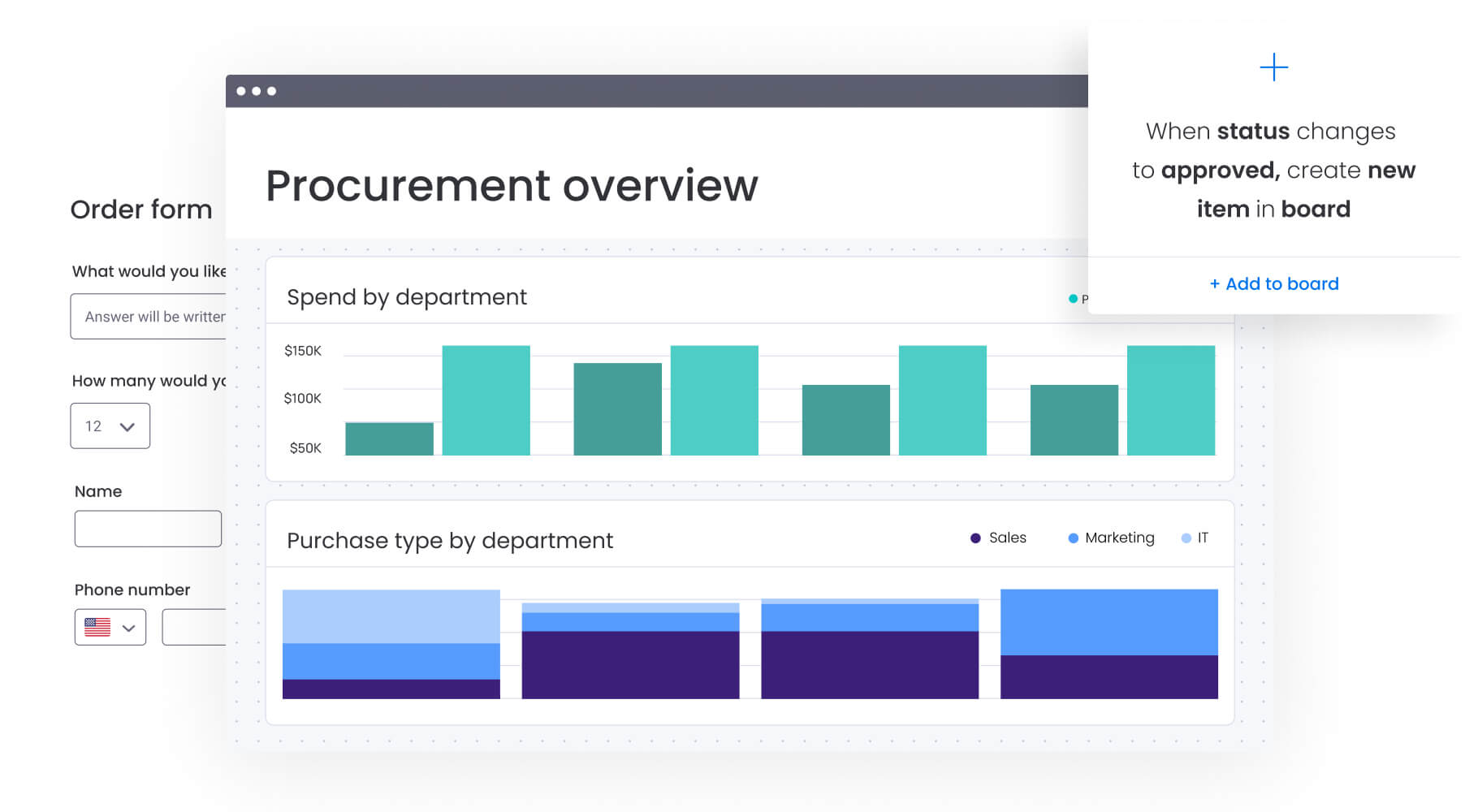
Digital channels generate extensive data. The value lies in focusing on metrics that inform decisions and connect performance to outcomes.
Three digital marketing metric categories deserve close attention for teams managing multi-channel campaigns.
Search engine performance metrics
These reveal how effectively organic and paid search drive qualified traffic. Key measurements include:
- Organic search rankings: Track positions for target keywords that indicate SEO effectiveness and content relevance.
- Impression share: Measures the percentage of available impressions your paid search ads capture.
- Search conversion rates: Shows which keywords drive the most valuable traffic.
Paid advertising effectiveness metrics
The metrics determine whether ad investments generate profitable returns across platforms. Essential measurements include:
- Quality scores: Google Ads and Facebook relevance scores that directly impact costs and placement.
- Cost per acquisition by platform: Reveals which channels deliver the most cost-effective customer acquisition.
- Ad creative performance: Identifies which messaging and visuals drive the highest engagement.
Landing page optimization metrics
Finally, these measure how effectively pages convert traffic into leads and customers. Critical measurements include:
- Conversion rate by traffic source: Identifies which channels deliver the most qualified visitors.
- Form abandonment rates: Shows where visitors lose interest during the conversion process.
- Page load speed: Directly impacts conversion rates and user experience.
Centralizing these metrics in unified dashboards connects digital performance to broader business outcomes and enables faster optimization cycles through real-time visibility.
Content marketing metrics that demonstrate value
Content marketing is notoriously tricky to measure. A blog post might influence a sale six months after someone reads it, and customers typically consume multiple pieces before they’re ready to buy. Three metric categories prove content marketing ROI and guide strategic decisions.
Engagement metrics
Helpful for revealing whether content resonates with target audiences and holds attention. These measurements help teams understand content effectiveness and audience preferences:
- Time on page: Measures content quality and relevance.
- Social shares: Demonstrates content value through voluntary distribution.
- Scroll depth: Reveals which content sections capture attention versus where readers lose interest.
Brand awareness indicators
These measure content’s impact on market presence and reputation. Share of voice compares your content mentions and visibility against competitors across search, social media, and industry publications. Brand mention sentiment analyzes whether online conversations about your brand skew positive, negative, or neutral.
Content-attributed pipeline
These metrics connects content consumption to business outcomes, proving ROI to leadership. Track leads and opportunities that engaged with specific content pieces before converting, connecting to B2B sales metrics. Multi-touch attribution models reveal which content types contribute most effectively at different funnel stages.
Email marketing metrics for higher returns
Email remains one of the highest-ROI marketing channels when measured and optimized effectively. Four metric categories determine email marketing success and guide optimization efforts.
Deliverability and list health metrics
These metrics ensure emails reach intended recipients and maintain sender reputation through proper email marketing analytics. Key measurements include:
- Delivery rate: The percentage of sent emails that reach inboxes.
- Spam complaint rates: Rates above 0.1% damage sender reputation and reduce future deliverability.
- List growth rate: Tracks how quickly your subscriber base expands.
Engagement performance metrics
These track how recipients interact with email content. Critical measurements include:
- Open rate: Shows the percentage of recipients who open emails.
- Click-to-open rate: Reveals content effectiveness independent of subject line performance.
- Unsubscribe rate: Indicates content relevance and frequency appropriateness.
Conversion and revenue metrics
Connect email marketing to business outcomes. Email-attributed revenue measures sales directly connected to email campaigns through attribution tracking. Revenue per subscriber calculates the average value generated by each email list member.
List segmentation effectiveness
Determines whether targeted messaging outperforms generic broadcasts. Segmented emails typically generate significantly higher engagement than unsegmented blasts.
Social media metrics that build brand power
Social media measurement requires distinguishing between vanity metrics that look impressive and actionable metrics that drive business decisions. Focus on measurements that connect social activities to business outcomes rather than surface-level engagement numbers.
Reach and impression metrics
Key measurements include:
- Reach: Counts unique users who see your content.
- Impressions: Tracks total views including repeat views.
- Follower growth rate: Monitors audience expansion over time.
Engagement rate calculations
These reveal content resonance and audience interest. Calculate engagement rate by dividing total engagements by reach or impressions. Platform algorithms reward high engagement rates with increased organic distribution.
Social media ROI and attribution
Connect social activities to business outcomes with these metrics. Track social-attributed website traffic using UTM parameters. Monitor social-generated leads by tracking form submissions and conversions from social referrals.
Executive-level metrics that secure buy-in
Executives do not need channel-level detail. They need proof that marketing drives revenue, growth, and competitive advantage.
To secure budget and long-term support, reporting must center on business impact rather than campaign activity. The following metrics consistently resonate at the C-suite level:
- Marketing pipeline contribution: Shows the percentage of total sales pipeline influenced by marketing at any stage. Present this alongside sales quotas to demonstrate direct support of revenue targets.
- Multi-touch attribution: Maps the complete customer journey instead of crediting only the final touchpoint. This reveals how campaigns and channels work together to generate conversions.
- Marketing-influenced revenue: Calculates revenue from closed deals where marketing engaged the customer at any point. This connects marketing efforts directly to financial outcomes.
When reporting focuses on these metrics, marketing is positioned as a revenue driver rather than a support function.
AI-powered marketing metric analysis
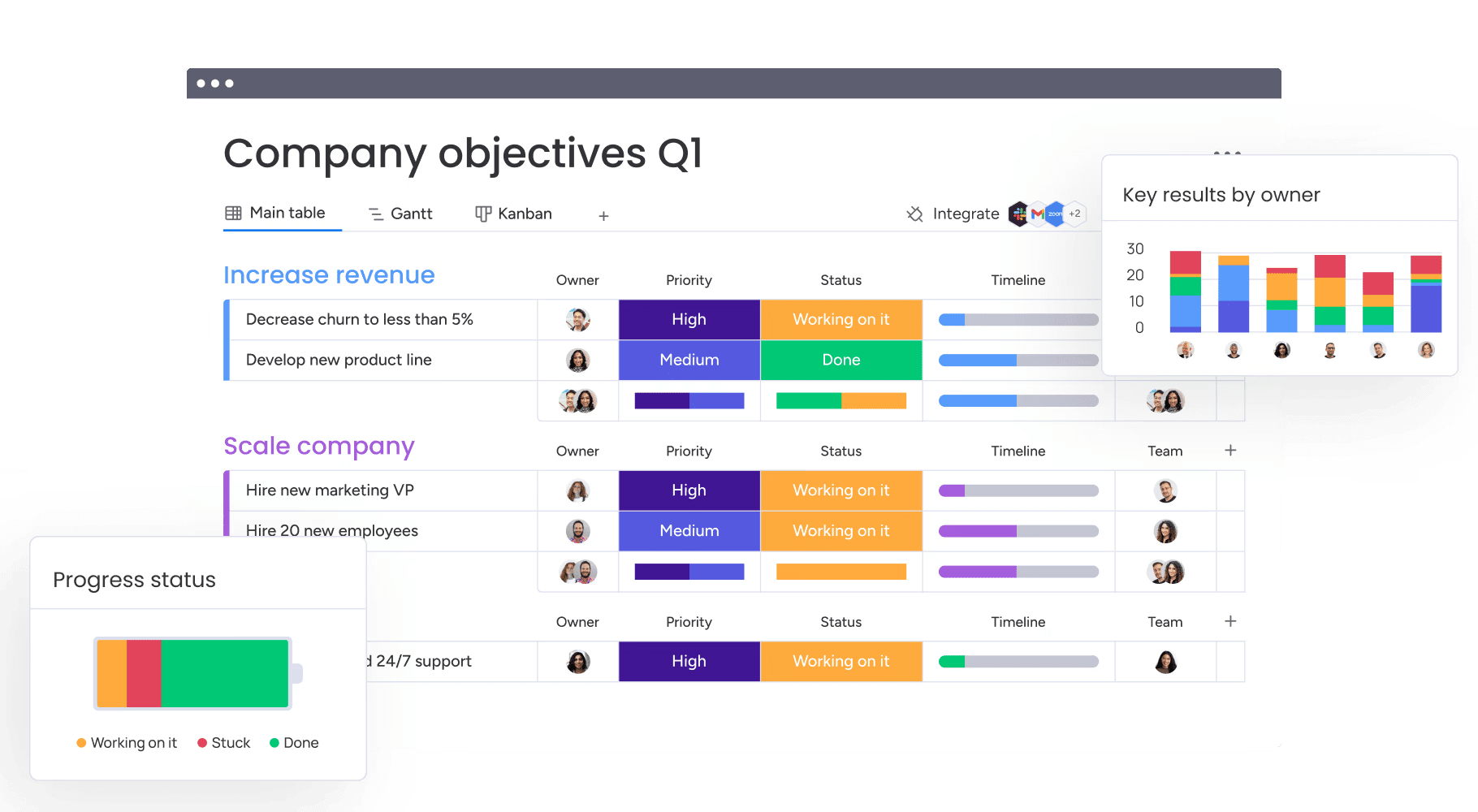
Artificial intelligence transforms marketing measurement by automating data collection, surfacing hidden insights, and predicting future performance. AI capabilities enable teams to focus on strategy rather than manual reporting tasks.
Automated data collection eliminates manual reporting that consumes hours of marketing team time.
Key capabilities include:
- AI-powered integrations: Pull data from multiple platforms into unified dashboards without manual exports.
- Real-time synchronization: Ensures dashboards always reflect current performance.
- Automated report generation: Creates consistent stakeholder updates without manual effort.
Further, predictive analytics forecast trends and identify opportunities before they become obvious in historical data. Lead scoring models use machine learning to identify which prospects are most likely to convert. Budget optimization algorithms recommend spending allocation across channels based on predicted ROI.
Finally, AI-driven insights surface patterns and opportunities that humans might miss in complex datasets. For example, AI-powered blocks within a work management platform can categorize campaign data automatically, extract key insights from performance reports, and detect sentiment in customer feedback without manual analysis.
How to build a solid metrics system
Ready to build a metrics system that actually works? Follow these easy-to-follow steps:
Step 1: Define business objectives and measurable outcomes
Start with company-level goals and translate these strategic objectives into specific marketing outcomes.
Document three-five primary business objectives and connect each to measurable marketing outcomes. For example, if the business goal is “increase market share by 15%,” the marketing outcome might be “generate 40% more qualified leads from target accounts.”
Step 2: Map metrics to strategic goals using category framework
Use the five metric categories to select measurements for each business objective. Select two-three key metrics per objective rather than tracking everything available. This focused approach prevents analysis paralysis while ensuring comprehensive coverage of the customer journey.
Create a mapping document that connects each business objective to specific metrics from awareness, engagement, conversion, revenue, and retention categories. This framework guides metric selection and helps teams understand how different measurements work together.
Step 3: Select integrated measurement platforms that avoid data silos
Choose platforms that connect to each other through native integrations or APIs. Unified measurement platforms centralize metrics from multiple sources, eliminating the need to manually compile data from disparate systems.
Evaluate platforms based on integration capabilities, real-time data synchronization, and collaborative features that enable cross-team visibility. Avoid solutions that create new data silos or require extensive manual data entry.
Step 4: Create automated tracking systems that reduce manual work
Set up comprehensive tracking infrastructure that captures data automatically without ongoing manual effort. Essential automation includes:
- UTM parameters: implement consistent tagging for all marketing links.
- Conversion tracking pixels: configure tracking on key pages and conversion events.
- Marketing automation workflows: build systems that score leads and track progression through the funnel.
Step 5: Design real-time dashboards for different stakeholder needs
Build role-specific dashboards that surface relevant metrics without overwhelming users. Marketing managers need operational dashboards showing daily campaign performance. Executives need strategic dashboards showing marketing-attributed revenue and progress toward quarterly objectives.
Design dashboards with clear visual hierarchy and actionable insights. Include trend lines, benchmarks, and alerts that help users quickly identify what requires attention.
Step 6: Establish regular review rhythms and accountability processes
Create structured review processes that ensure metrics drive decisions rather than just generating reports. Marketing teams should review operational metrics daily or weekly for tactical adjustments. Executive business reviews happen quarterly to assess strategic progress.
Assign ownership for each metric and establish escalation processes when performance falls below thresholds. Regular reviews ensure metrics remain relevant and actionable.
Step 7: Continuously optimize based on performance insights
Quarterly, review whether tracked metrics still align with company objectives and drive valuable decisions. Analyze which metrics influence actions versus those that get reviewed but never impact strategy.
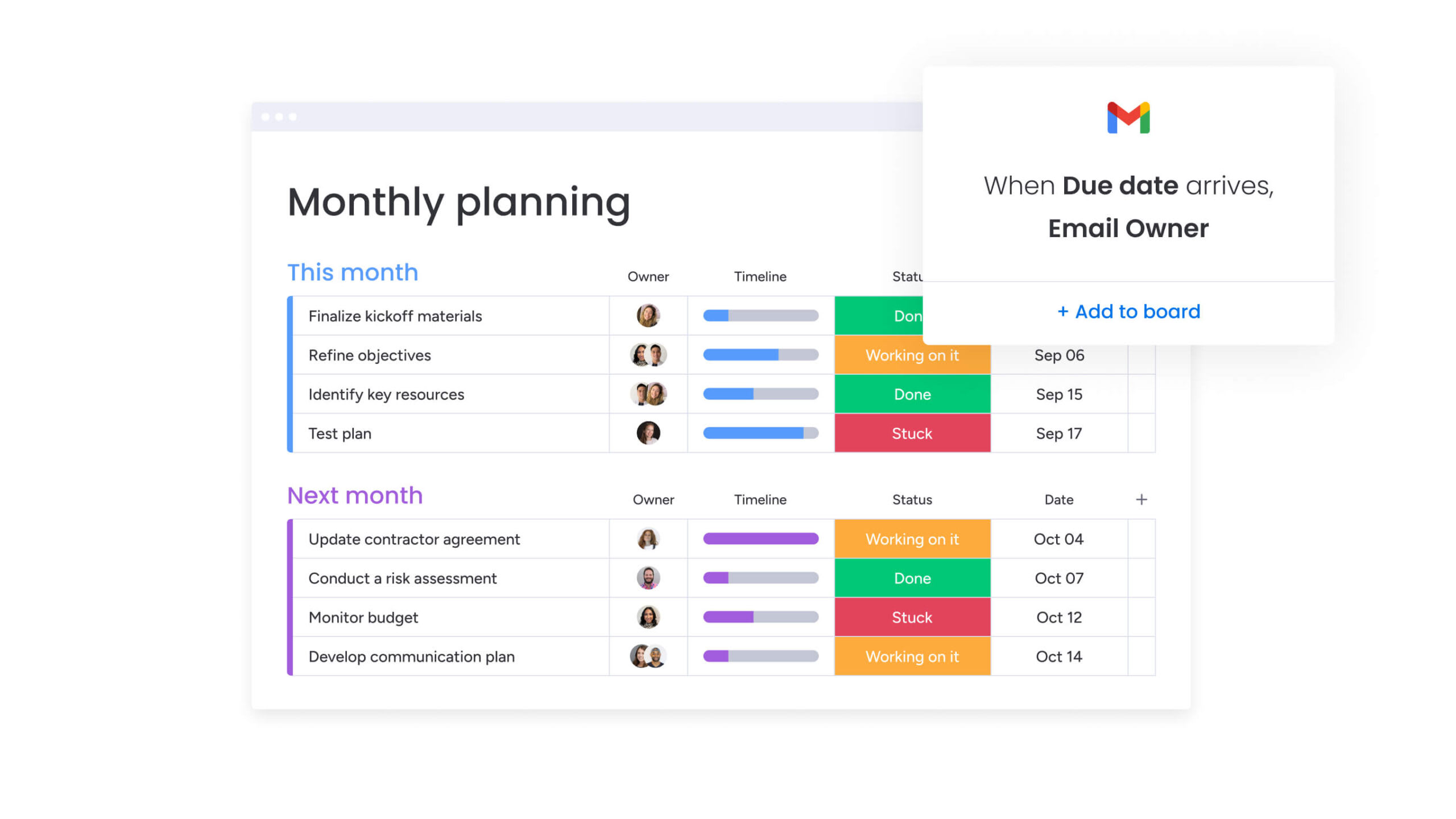
Break down silos with unified metric management
When metrics live in separate spreadsheets and dashboards, blind spots form quickly. One team optimizes for engagement. Another focuses on downloads. A third tracks pipeline. Without alignment, no one sees whether those efforts actually translate into revenue.
Unified metric management brings clarity. It connects teams around shared goals and consistent definitions so performance is measured the same way across the organization.
This alignment happens in three critical ways:
- Cross-departmental alignment: Marketing may prioritize lead volume while sales focuses on lead quality. Unified metrics such as “marketing-qualified leads that convert to opportunities” bridge that gap by measuring outcomes both teams care about.
- Shared definitions and standards: Documenting how each key metric is calculated prevents conflicting reports and inconsistent dashboards. A single source of truth eliminates duplicate spreadsheets and internal debates about whose numbers are correct.
- End-to-end customer visibility: Marketing often loses insight once leads move into the sales pipeline. Connecting awareness, conversion, pipeline, and renewal data reveals the complete journey from first interaction to long-term value.
Platforms like monday work management support this visibility by centralizing metrics in shared workspaces where marketing, sales, and leadership operate from the same performance data.

“monday.com has been a life-changer. It gives us transparency, accountability, and a centralized place to manage projects across the globe".
Kendra Seier | Project Manager
“monday.com is the link that holds our business together — connecting our support office and stores with the visibility to move fast, stay consistent, and understand the impact on revenue.”
Duncan McHugh | Chief Operations OfficerTransform marketing performance with data-driven insights
Modern marketing teams manage growing data volumes, fragmented channels, and increasing pressure to prove revenue impact. When metrics live across disconnected tools and reports, performance tracking becomes reactive, slow, and difficult to align with business goals. Turning metrics into decision-making assets requires structure, visibility, and consistency.
monday work management helps teams centralize marketing metrics, connect daily execution to strategic objectives, and reduce the operational friction that slows performance reviews.
- Marketing teams struggle to connect activity to revenue: Unified dashboards link campaigns, leads, and pipeline contribution in one workspace.
- Reporting often consumes time without driving action: Automated data updates and scheduled reports reduce manual work and keep insights current.
- Teams lack shared visibility across functions: Real-time access ensures marketing, sales, and leadership work from the same performance data.
- Optimization is delayed by scattered insights: AI-powered summaries and alerts surface risks and opportunities early.
- Growth creates coordination and capacity challenges: Workload views align performance goals with realistic team capacity.
By bringing metrics, execution, and collaboration into a single system, monday work management enables faster decisions, clearer accountability, and measurable business impact without adding operational complexity.
Frequently asked questions
What is the difference between marketing metrics and KPIs?
The difference between marketing metrics and KPIs is that marketing metrics are any measurable data points from marketing activities, while KPIs are specific metrics chosen to track progress toward strategic business goals with defined targets and accountability.
How often should marketing teams review performance metrics?
Marketing teams should review key metrics weekly for tactical campaign adjustments and monthly for strategic planning, with real-time monitoring for active campaigns requiring quick optimization.
Which marketing metrics matter most for small businesses?
Small businesses should prioritize customer acquisition cost, customer lifetime value, conversion rates, and revenue attribution to maximize limited marketing budgets and prove ROI.
How do you calculate marketing ROI accurately?
Calculate marketing ROI by dividing revenue attributed to marketing efforts by total marketing costs, then multiply by 100 for a percentage.
What are the best approaches for tracking marketing metrics?
The most effective approaches integrate multiple data sources, provide real-time dashboards, enable team collaboration, and offer automation capabilities that centralize metrics across marketing channels.
How many marketing metrics should your team monitor?
Focus on five-ten core metrics that directly connect to business objectives rather than tracking everything available, avoiding analysis paralysis while maintaining strategic focus.

 Get started