

The difference between an average marketing manager and a high-impact one isn’t creativity — it’s business alignment.
Modern marketing leaders are expected to operate at the intersection of data, technology, and revenue strategy. They must interpret complex performance metrics, manage AI-driven workflows, optimize budgets in real time, and communicate results in financial terms executives understand. At the same time, they’re responsible for building resilient teams, breaking down silos between sales and product, and ensuring every initiative contributes to measurable growth.
Marketing management is no longer about launching campaigns. It’s about designing systems that consistently turn strategy into revenue.
This guide outlines the technical, human, and strategic skills that define effective marketing managers in 2026 — and explains how to develop them in a way that directly improves business performance.
Key takeaways
- Revenue-first mindset: High-performing marketing managers align campaigns, budgets, and technology decisions directly to ROI and pipeline impact rather than vanity metrics.
- Systems thinking over task management: Modern marketing leadership requires designing repeatable workflows that scale execution without increasing complexity.
- AI as a force multiplier: Managers who integrate AI into analytics, automation, and campaign orchestration increase output while protecting strategic focus.
- Cross-functional influence drives growth: Aligning marketing, sales, and product around shared KPIs reduces friction and accelerates revenue recognition.
- Operational visibility with monday work management: Centralized dashboards, workload views, and automated workflows enable marketing leaders to connect daily execution with measurable business outcomes in real time.
Key skill dimensions that define modern marketing leadership
Marketing management is no longer just about running campaigns. Today, it requires linking daily activities directly to revenue goals that impact the entire organization. The most effective marketing managers think like business leaders who happen to oversee marketing, connecting creative strategy with the technical execution that delivers measurable results.
That shift demands more than channel expertise. Success now depends on balancing data fluency with emotional intelligence, long-term strategy with daily execution, and growth with efficiency. Every initiative must contribute to revenue performance, not just impressions or engagement.
To make this shift practical, marketing leadership can be viewed across three core skill dimensions. Each one represents a tension modern managers must actively manage to deliver consistent business impact. The table below outlines these dimensions, the focus of each, and how they translate into real-world value.
| Skill category | Core focus | Business value | Real-world example |
|---|---|---|---|
| Technical vs. human | Balancing data fluency with interpersonal leadership | Ensures data informs decisions while leadership drives team adoption | Using SQL to query customer data, then using storytelling to present those insights to the board |
| Strategic vs. operational | Aligning long-term vision with daily execution | Prevents "busy work" by ensuring every task serves a larger goal | Designing a three-year market penetration strategy while managing weekly sprints |
| Revenue vs. cost | Driving growth while optimizing efficiency | Maximizes ROI by increasing income and reducing waste simultaneously | Launching a new acquisition channel while automating manual reporting to save 10 hours per week |
The most effective marketing managers think like business leaders who happen to oversee marketing, connecting creative strategy with the technical execution that delivers measurable results.
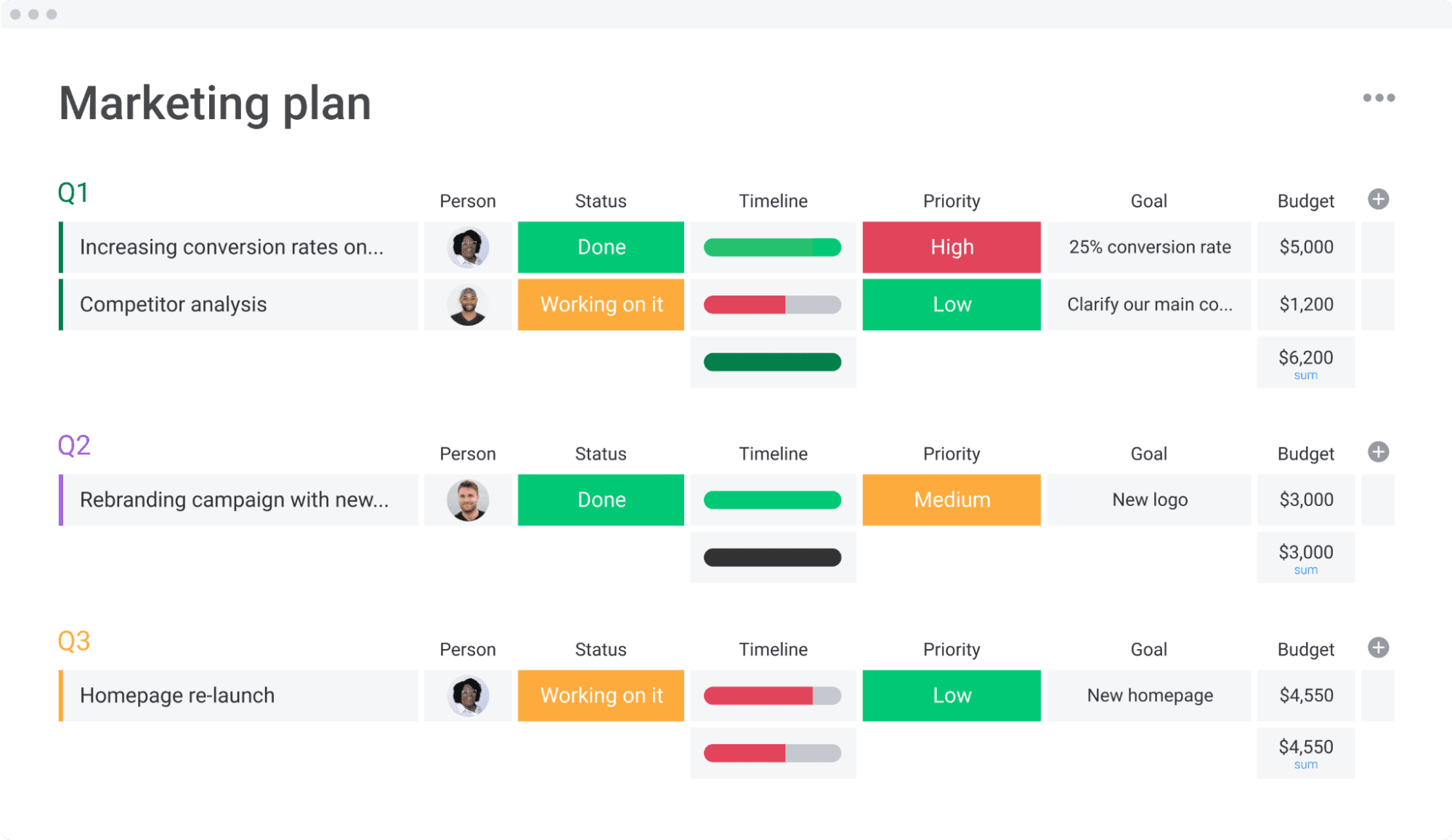
Top technical skills every marketing manager should master
Technical skills distinguish managers who rely on data from those who guess. These capabilities replace assumptions with evidence, ensuring decisions are measurable and strategic.
Mastering these seven technical skills also allows marketing managers to demonstrate value, scale initiatives efficiently, and minimize team burnout.
Advanced data analytics and ROI measurement
True analytics mastery goes beyond vanity metrics like “likes” or “views.” You’re interpreting complex data to calculate CAC and LTV across every channel.
Marketing managers use these insights to:
- Reallocate budget in real time: Moving funds from underperforming ads to high-yield campaigns.
- Identify profitable customer segments: Focusing resources on audiences with highest conversion potential.
- Predict campaign performance: Using historical data to forecast ROI before launch.
Marketing technology stack integration
Fragmented technology stacks create data silos that undermine decision-making. Marketing managers must integrate CRMs, automation platforms, and analytics solutions, via APIs or native connections, to create seamless workflows.
Integration ensures:
- Seamless data flow: From lead capture to closed deals.
- Single source of truth: Unified reporting across platforms.
- Automated handoffs: Between marketing, sales, and customer success teams.
AI prompt engineering and automation management
AI extends team capabilities beyond content creation. Skilled managers design complex prompts for strategic planning and establish automated workflows that deliver results.
For example, a Work OS platform allows managers to:
- Automate handoffs: Between creative and legal teams.
- Reduce administrative drag: through custom automation recipes.
- Scale content production: While maintaining quality and brand consistency.
Multi-channel campaign orchestration
Delivering consistent messaging across email, social media, paid search, and events requires precise coordination so that the brand voice remains uniform, regardless of where audiences engage.
Key components include:
- Message synchronization: Ensuring consistent brand voice across all touchpoints.
- Timing coordination: Launching campaigns simultaneously across channels.
- Performance tracking: Measuring impact across the entire customer journey.
SEO strategy and content optimization
Modern SEO goes beyond keyword stuffing. Marketing managers focus on site architecture, core web vitals, and search intent to generate steady, low-cost traffic that converts.
Key areas include:
- Technical optimization: Site speed, mobile responsiveness, and crawlability.
- Content strategy: Creating valuable resources that answer customer questions.
- Performance monitoring: Tracking rankings, traffic, and conversion metrics.
Real-time performance dashboard creation
Executives require live insights to make timely decisions. Marketing managers select relevant KPIs and visualize them clearly, allowing leadership to act quickly.
Dashboards should:
- Highlights bottlenecks instantly: Allowing for course correction before a quarter is lost.
- Displays actionable metrics: Focusing on data that drives decisions.
- Updates automatically: Providing real-time insights without manual intervention.
Marketing attribution modeling
Correctly attributing conversions is essential for optimizing budgets. Managers differentiate between first-touch, last-touch, and multi-touch attribution to avoid undervaluing awareness campaigns.
Attribution modeling helps:
- Justify marketing spend: By showing true channel contribution.
- Optimize budget allocation: Based on actual performance data.
- Protect long-term investments: Like brand awareness campaigns.
5 critical human skills that AI cannot replace
Technology amplifies execution, but it does not replace judgment.
While AI can analyze patterns and automate workflows, it cannot navigate internal politics, interpret unspoken tension in a boardroom, or make high-stakes decisions when data is incomplete.
For marketing managers, these interpersonal and cognitive skills are not “soft.” They are force multipliers that determine whether strategy gains organizational buy-in, whether teams stay aligned under pressure, and whether revenue goals are achieved sustainably.
The following human skills separate operational managers from true marketing leaders.
Strategic business thinking
AI predicts based on past data. Humans innovate by connecting intuition with signals from everywhere. Strategic thinking involves connecting marketing activities to broader business objectives, such as entering a new vertical or preparing for an IPO, requiring advanced marketing skills.
This requires:
- Making high-stakes decisions: With incomplete information.
- Connecting disparate signals: From market trends, customer feedback, and competitive intelligence.
- Balancing short-term performance: With long-term strategic goals.
Cross-functional team leadership
Marketing success is deeply connected to other business functions. Success depends on cross-functional collaboration with sales, product, and customer success. Leadership here means getting things done without formal authority, smoothing over conflicts between departments, and rallying different personalities around one deadline.
Effective cross-functional leadership involves:
- Building consensus: Among stakeholders with different priorities.
- Resolving conflicts: Between departments with competing objectives.
- Creating shared accountability: For collective outcomes.
Creative problem-solving under pressure
When a campaign tanks or a PR crisis explodes, algorithms can’t handle the emotional mess or protect your reputation. You read the situation, pivot fast, and find creative solutions that protect your brand and keep your team intact.
This skill manifests in:
- Rapid strategy pivots: When market conditions change unexpectedly.
- Crisis management: Protecting brand reputation during challenging situations.
- Resource optimization: Finding creative solutions within budget constraints.
Emotional intelligence for team development
Your best teams need to feel safe enough to take risks and speak up. Emotional intelligence shows up when you read the room in tense meetings, spot burnout before someone quits, and adjust your feedback to how each person learns.
Key applications include:
- Recognizing team dynamics: Understanding unspoken tensions and motivations.
- Preventing burnout: Identifying stress signals before they impact performance.
- Customizing communication: Adapting leadership style to individual team members.
Executive-level stakeholder communication
C-suite execs care about finance and risk, not impressions and engagement rates. You’re translating marketing speak into business impact, showing how brand awareness shortens sales cycles or how content cuts support costs.
Effective executive communication requires:
- Financial fluency: Understanding how marketing impacts revenue and costs.
- Risk assessment: Communicating potential downsides and mitigation strategies.
- Strategic alignment: Connecting marketing initiatives to company objectives.
How to develop marketing manager skills while working full-time
Professional development usually gets pushed aside by daily fires. Smart managers build learning right into their regular work. Here’s how to develop new skills without your current work suffering.
These strategies turn your daily work into chances to learn something new.
Step 1: Integrate microlearning into daily workflows
Spend 15 minutes every day on one specific skill. When you review weekly reports, dig into a metric you normally skip. Give it ten minutes. If learning automation, build one simple recipe each Friday to solve a minor annoyance.
This approach:
- Compounds into significant expertise: Over a quarter.
- Requires minimal time investment: Just 15 minutes daily.
- Applies immediately: To current work challenges.
Step 2: Join cross-functional project teams
Volunteer for a product launch or sales project and you’ll learn how other departments measure success, and how they talk about it. You’ll build empathy and see the bigger picture, going from a siloed marketer to someone who gets how the whole business works.
Benefits include:
- Exposure to new perspectives: Understanding how other departments operate.
- Skill diversification: Learning project management and stakeholder coordination.
- Network expansion: Building relationships across the organization.
Step 3: Build skills through real campaign execution
Turn every campaign into an experiment. Allocate a portion of a campaign budget to test a new channel, format, or technology. Documenting the hypothesis and results turns routine execution into a structured learning event, regardless of the campaign’s financial outcome.
This method:
- Provides real-world application: Of new skills and techniques.
- Creates learning documentation: For future reference and team sharing.
- Minimizes risk: By testing with small budget allocations.
Step 4: Create personal performance dashboards
Build a private dashboard to track your own leadership metrics, such as “time to approval” or “budget variance.” Designing this dashboard sharpens technical dashboarding skills while simultaneously providing data to improve personal management efficiency.
Key metrics to track:
- Project delivery times: Identifying bottlenecks in your workflow.
- Budget accuracy: Measuring planning and execution precision.
- Team satisfaction: Gathering feedback on leadership effectiveness.
Step 5: Leverage internal mentorship programs
Finally, identify a senior leader outside of marketing, perhaps in finance or operations, and request quarterly mentorship sessions focused on business strategy. This provides insight into how other departments view marketing’s value and how to communicate more effectively with the wider organization.
Mentorship benefits:
- Strategic perspective: Understanding business priorities beyond marketing.
- Communication skills: Learning to speak the language of other departments.
- Career guidance: Receiving advice from experienced leaders.

The financial skills modern marketing leaders must master
Marketing can no longer operate as a reporting function focused on activity metrics. In high-performing organizations, it is directly accountable for revenue contribution, cost efficiency, and long-term value creation. That shift requires a different set of competencies — ones tied explicitly to financial outcomes.
The skills below are not tactical optimizations. They influence cash flow, pipeline velocity, margin protection, and customer lifetime value. In other words, they determine whether marketing is viewed as an expense line or a growth engine.
The table that follows connects each capability to the financial metric it impacts and the broader business outcome it supports. Together, these form the core revenue-driving competencies of modern marketing leadership.
| Skill | Financial impact metric | Business outcome |
|---|---|---|
| Portfolio risk management | Wasted ad spend % | Reduces losses from failed experiments |
| Budget optimization | Return on ad spend (ROAS) | Generates more revenue from the same budget |
| Sales alignment | Lead-to-close velocity | Shortens sales cycles, recognizing revenue faster |
Portfolio risk management across campaigns
High-performing managers treat campaigns like an investment portfolio. They identify underperforming assets early and cut losses quickly. This involves setting strict “kill criteria” for campaigns.
Effective risk management includes:
- Setting clear thresholds: If a specific ROI threshold isn’t met by day 14, funds are automatically reallocated.
- Diversifying campaign types: Balancing high-risk, high-reward experiments with proven strategies.
- Regular performance reviews: Weekly assessments of campaign health and trajectory.
Real-time budget optimization
Static quarterly budgets leave money on the table. Dynamic optimization requires monitoring spend efficiency daily and shifting allocations to capitalize on market trends.
For instance:
- Competitive opportunities: If a competitor goes offline, immediately increase bids to capture cheap traffic.
- Seasonal adjustments: Reallocating budget based on changing consumer behavior.
- Performance-based scaling: Increasing spend on high-performing campaigns while reducing underperformers.
Resource allocation for maximum impact
This skill involves assigning the best talent and platforms to the highest-potential opportunities. It requires saying “no” to low-impact requests to preserve capacity for revenue-generating work.
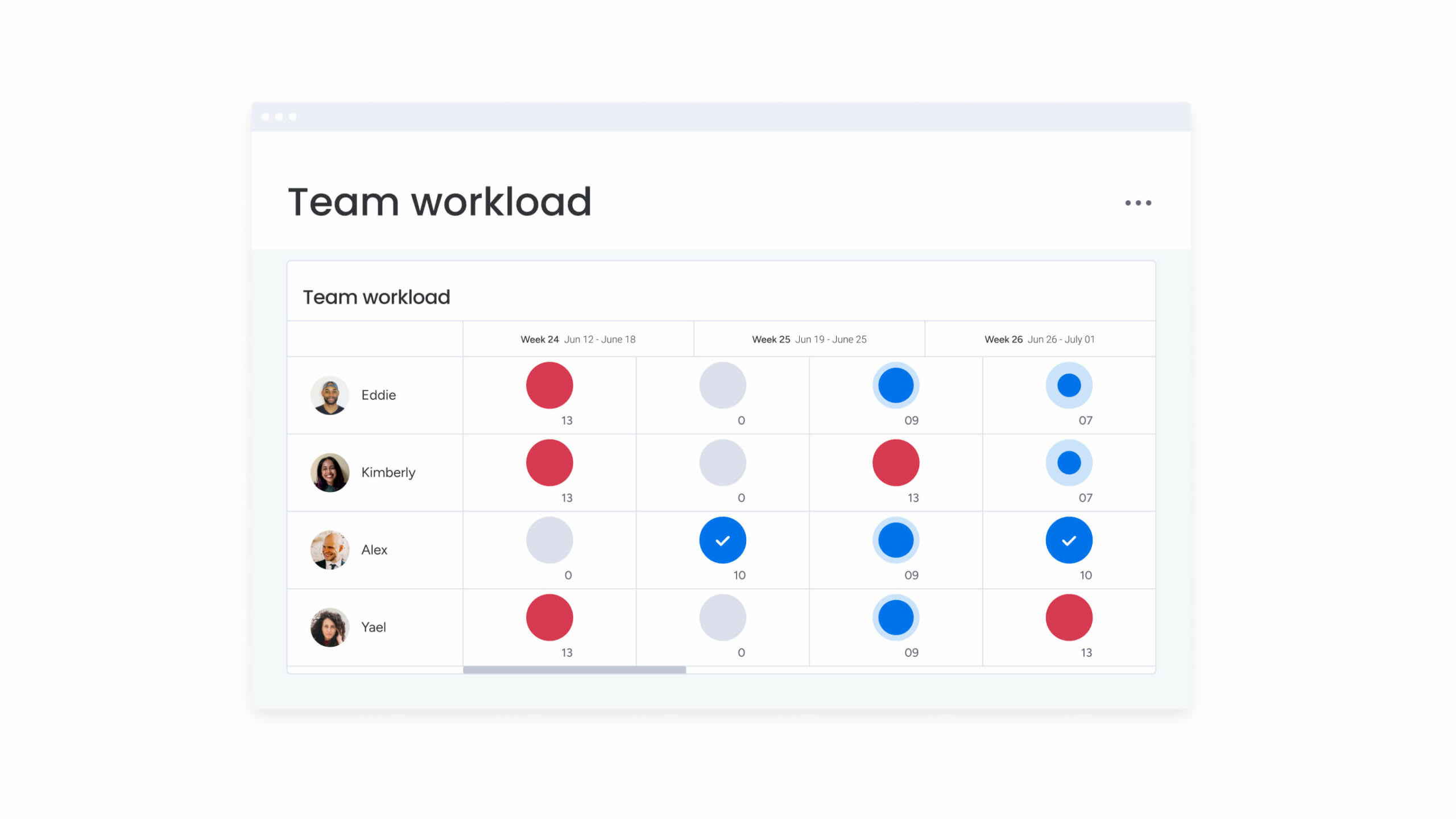
The Workload View on monday work management aids this by:
- Visualizing team capacity: Against project potential.
- Identifying bottlenecks: Before they impact delivery.
- Optimizing resource distribution: Across multiple initiatives.
Customer Lifetime Value enhancement
Acquisition is expensive; retention is profitable. Managers drive ROI by designing lifecycle marketing programs that increase repeat purchase rates and average order value.
This shifts focus from:
- “Getting the lead” to “growing the account”.
- One-time transactions to long-term relationships.
- Acquisition metrics to retention and expansion metrics.
Marketing-sales alignment strategies
Misalignment costs revenue. Managers drive ROI by establishing shared definitions of “lead quality” and creating service level agreements for lead follow-up.
Coordinated efforts:
- Accelerate deal velocity: Through consistent messaging and handoffs
- Improve close rates: By delivering qualified leads with proper context
- Reduce friction: Between marketing and sales teams

Cross-functional leadership: turning alignment into competitive advantage
Marketing does not operate in isolation. It sits at the center of product innovation, revenue generation, and customer retention. When these functions operate in silos, performance slows, messaging fragments, and opportunities are missed. When they operate in sync, growth accelerates.
The sections below outline the practical ways marketing leaders can break down silos, lead distributed teams effectively, align closely with product development, and unify performance measurement across the organization.
Breaking down organizational silos
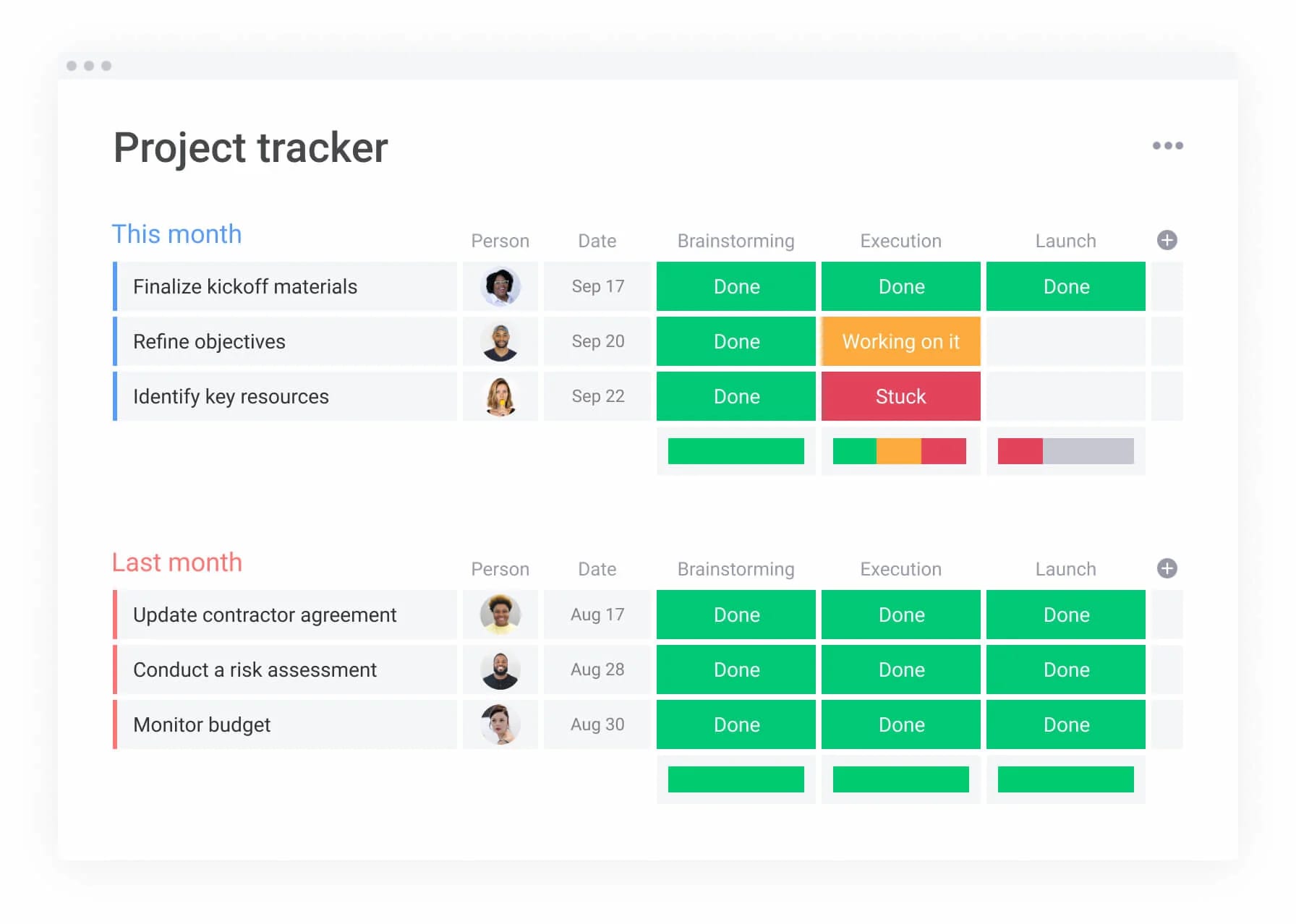
Silos occur when departments lack visibility into each other’s priorities. Marketing managers dismantle these by establishing shared workspaces where all stakeholders can view project status and dependencies.
Effective silo-breaking strategies include:
- Shared digital workspaces: Where all stakeholders can view project status and dependencies.
- Cross-functional syncs: Focused on solving shared customer problems rather than reporting departmental news.
- Unified project tracking: Using common tools and metrics across departments.
Leading hybrid and remote marketing teams
Proximity bias can derail distributed teams. Effective leadership relies on asynchronous communication protocols and transparent documentation.
Using a central platform ensures that:
- Remote team members: Have equal access to information and context.
- Communication flows smoothly: Across time zones and work schedules.
- Documentation remains current: And accessible to all team members.
Aligning marketing with product development
Strong alignment ensures the product team builds what marketing can successfully sell, and marketing has a deep understanding of what the product team delivers. Managers bridge this gap by embedding themselves in the product roadmap process.
This alignment ensures:
- Customer feedback informs feature development: From marketing channels.
- Launch timelines are realistic: Based on marketing capacity and market readiness.
- Go-to-market strategies align: With product capabilities and limitations.
Creating unified performance metrics
Friction arises when sales is measured by revenue and marketing by leads. Leaders establish shared KPIs, such as “marketing-sourced revenue,” that align incentives.
A unified dashboard that displays these shared metrics:
- Creates a single source of truth: Eliminating debates over data validity.
- Focuses conversation on performance improvement: Rather than departmental blame.
- Aligns incentives: Across marketing and sales teams.
Marketing manager career progression
Marketing careers don’t progress by tenure alone. Advancement happens when responsibility shifts from executing campaigns to shaping business strategy.
Each stage — manager, director, executive — demands a broader scope of impact, deeper financial accountability, and stronger cross-functional influence. Understanding what changes at every level allows you to develop the right skills before you need them.
| Career stage | Primary focus | Key competency | Typical responsibility |
|---|---|---|---|
| Manager | Execution and team ops | Project management | Delivering campaigns on time and budget |
| Director | Strategy and resource design | Financial planning | Allocating annual budget across channels |
| Executive | Business growth and vision | Organizational design | Aligning marketing strategy with company valuation goals |
Skills needed for marketing manager roles
At this foundational management level, the focus is on team coordination and campaign execution. Success requires mastering project management, basic budget handling, and the ability to critique creative work constructively.
Core competencies include:
- Project coordination: Managing timelines, resources, and deliverables.
- Budget management: Tracking spend and optimizing allocation within campaigns.
- Team leadership: Providing feedback and maintaining team productivity.
- Quality control: Ensuring campaigns meet brand standards and objectives.
The primary metric is the efficient delivery of campaigns on time and on budget.
Advancing from manager to director
The leap to director requires shifting focus from “how we do it” to “why we do it.” Directors must master long-term resource planning, multi-million dollar budget architecture, and talent development.
Key transition areas:
- Strategic planning: Moving from campaign execution to channel strategy.
- Financial management: Handling larger budgets with greater accountability.
- Team development: Building capabilities rather than just managing tasks.
- Cross-functional influence: Negotiating resources with other department heads.
They are responsible for the marketing engine’s design, not just its operation.
Executive leadership competencies
At the executive level, marketing skills become secondary to business strategy. VPs and CMOs must understand corporate finance, board governance, and organizational design.
Executive requirements include:
- Business strategy: Understanding market dynamics and competitive positioning.
- Financial acumen: Managing P&L responsibility and ROI accountability.
- Organizational leadership: Building and scaling marketing organizations.
- Stakeholder management: Communicating with board members and investors.
Three future-proof marketing manager skills for 2027
As the marketing landscape shifts, staying relevant requires anticipating the intersection of technology and human behavior. These three skills will define the next generation of marketing leadership.
Keep in mind that forward-thinking managers who develop these capabilities now will have a significant competitive advantage as the industry evolves.
AI-human workflow orchestration
The future is about managers designing workflows where AI and humans collaborate effectively. It’s managers designing workflows where AI handles volume and humans handle value. This skill involves auditing processes to identify where AI agents can autonomously handle workflows and creating “human-in-the-loop” checkpoints for quality control and strategic alignment.
Key components include:
- Process auditing: Identifying tasks suitable for AI automation.
- Quality checkpoints: Ensuring AI output meets brand and strategic standards.
- Strategic oversight: Maintaining human control over high-value decisions.
Examples of AI automation:
- Data entry and initial research: Letting AI handle routine information gathering.
- Content drafting: using AI for first drafts with human refinement.
- Performance monitoring: Automated alerts for campaign anomalies.
Agile marketing operations management
Annual planning cycles are becoming obsolete. Future-proof managers adopt agile methodologies, including sprints, stand-ups, and retrospectives, to adapt to market changes in real time.
This requires:
- Mindset shift: From “perfect planning” to “rapid iteration”.
- Flexible systems: Utilizing work operating systems that allow teams to pivot without administrative chaos.
- Continuous improvement: Regular retrospectives and process optimization.
Agile marketing benefits:
- Faster response times: To market opportunities and threats.
- Improved team morale: Through increased autonomy and feedback loops.
- Higher success rates: By testing and iterating quickly.
Digital ecosystem partnership building
The era of the standalone brand is fading. Success in 2027 relies on orchestrating complex webs of partnerships with influencers, technology vendors, and complementary brands.
Managers must develop:
- Legal skills: Understanding partnership agreements and compliance requirements.
- Technical skills: Managing API integrations and data sharing protocols.
- Relational skills: Building trust and alignment with external partners.
This involves treating partners as extensions of their internal team, requiring:
- Shared goals and metrics: Aligning incentives across organizations.
- Communication protocols: Maintaining coordination across multiple entities.
- Performance management: Monitoring and optimizing partnership outcomes.
Turn marketing strategy into measurable execution with monday work management
Modern marketing leaders are accountable for more than campaign delivery. They must connect daily activity to revenue, manage cross-functional workflows, and maintain full visibility into performance — all while keeping teams focused and aligned.
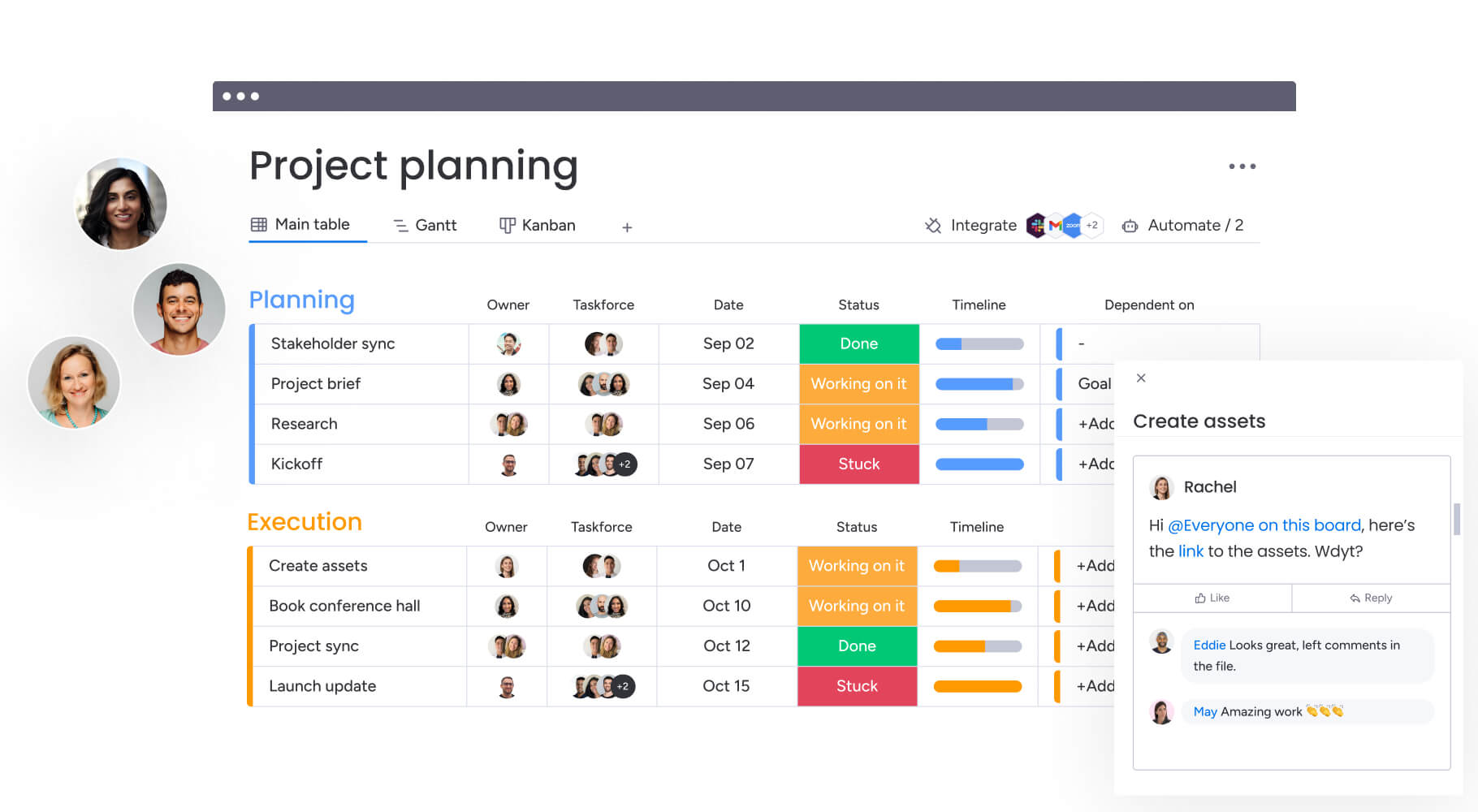
monday work management provides the operational foundation to make that possible. It brings strategy, execution, and reporting into a single system, helping marketing teams move faster without losing control.
Key benefits include:
- Centralized workflow visibility: View projects, dependencies, and ownership in one shared workspace to eliminate silos and blind spots.
- Automation of repetitive processes: Reduce manual admin so teams can focus on strategy and revenue-generating initiatives.
- Cross-functional alignment: Coordinate marketing, sales, and product through shared dashboards and transparent execution plans.
- Real-time performance tracking: Monitor KPIs, budgets, and campaign health with live dashboards that support faster decisions.
- Scalable operational structure: Standardize processes that grow with your team and adapt as priorities evolve.
With the right systems in place, marketing shifts from managing activity to driving measurable business outcomes.

“monday.com has been a life-changer. It gives us transparency, accountability, and a centralized place to manage projects across the globe".
Kendra Seier | Project Manager
“monday.com is the link that holds our business together — connecting our support office and stores with the visibility to move fast, stay consistent, and understand the impact on revenue.”
Duncan McHugh | Chief Operations OfficerAccelerate your marketing leadership journey today
Marketing leadership today is defined by accountability. It is no longer enough to deliver campaigns on time or increase engagement metrics. High-impact marketing managers are responsible for revenue contribution, operational efficiency, and cross-functional alignment.
The difference lies in how they operate. Strong leaders design systems, not just initiatives. They connect data to decision-making, align teams around shared financial outcomes, and build processes that scale without creating complexity.
Developing these capabilities is not about mastering one discipline. It requires strengthening technical expertise, financial fluency, and human leadership in parallel. When those dimensions work together, marketing becomes a predictable growth engine rather than a reactive function.
The organizations that win will be led by marketing managers who think like business operators and execute like performance strategists.
Frequently asked questions
What salary can marketing managers expect?
Marketing manager salaries vary significantly by region and industry, but experienced marketing managers in the US typically earn between $90,000 and $140,000 annually, with directors often exceeding $170,000.
Do you need an MBA to become a marketing manager?
An MBA is not required to become a marketing manager. Practical experience, a strong portfolio of successful campaigns, and demonstrated leadership skills are generally valued more highly than formal graduate education.
How long does it take to develop marketing manager skills?
Developing foundational marketing manager proficiency usually takes three to five years of hands-on experience, though accelerated learning is possible through mentorship and intensive cross-functional project work.
What certifications help marketing managers advance?
Certifications in Google Analytics, HubSpot Inbound Marketing, PMP (Project Management Professional), and platform-specific credentials like monday.com product certifications are highly regarded for marketing managers.
Can you transition to marketing management from another field?
Yes, professionals often transition to marketing management from sales, product management, or journalism by leveraging transferable skills like communication, data analysis, and project organization.
What distinguishes marketing manager from director skills?
Marketing managers focus on the execution and optimization of specific campaigns, while directors focus on long-term strategy, budget allocation, and organizational structure.

 Get started