

You’re staring at your screen, calculating the hours until 5 PM, while a colleague nearby looks genuinely energized. Meanwhile, you’re struggling to care about a spreadsheet that has been open for an hour. The work isn’t bad, but a fundamental shift has occurred: tasks that once felt meaningful now feel like mere checklist items.
When engagement splits from effort, your motivation is waving a red flag. Staying motivated requires understanding your personal drivers and building an environment that supports natural engagement. It involves identifying the friction points draining your energy and implementing targeted strategies to restore your sense of purpose and progress.
In this guide, you will discover seven techniques to reignite your drive by connecting daily tasks to meaningful outcomes. We will cover how to spot early warning signs of motivation loss and create team environments that energize rather than exhaust. You will also learn how modern platforms eliminate the mundane work that kills enthusiasm.
Key takeaways
- Connect your daily work to bigger goals: Link every project to company objectives so you see how your spreadsheet updates or design reviews actually move the business forward.
- Automate repetitive work to reclaim mental energy: Use AI-powered automations provided by modern platforms like monday work management to handle status updates and data entry, freeing your brain for creative problem-solving.
- Break massive projects into visible progress points: Turn overwhelming three-month initiatives into daily wins that build momentum and provide regular dopamine hits.
- Build systems that sustain motivation long-term: Create consistent workflows, feedback loops, and team rituals rather than relying on willpower to carry you through tough days.
- Track progress with visual dashboards: Use real-time data to see concrete evidence of your impact instead of guessing whether your efforts actually matter.
Understanding why you feel stuck at work

Feeling stuck at work is rarely a personal failing; rather, it indicates that your current environment is no longer serving your needs. Usually, “energy leaks” — such as unclear goals, repetitive tasks, and a lack of feedback — drain your focus and block professional progress.
When success metrics are undefined, you spend valuable mental energy guessing what “good” looks like rather than executing high-value work. This mental weight often leads to hesitation; you might avoid starting complex projects simply because the destination feels foggy.
Without a visible roadmap, assignments feel like risks rather than opportunities. Research shows 26% of employees lack formal feedback, creating uncertainty that fuels disengagement. Centralizing objectives, owners, and deadlines eliminates this guesswork. Recognizing that environmental uncertainty, not laziness, is stalling your progress is the first step toward renewed motivation.
Your work feels disconnected from purpose
Your engagement tanks when you can’t see how your spreadsheet rows connect to the company’s mission. Spending 40 hours a week on isolated assignments turns work into a paycheck transaction, not a contribution to something bigger.
This disconnect transforms critical operations into “busy work.” You need to see that finishing your project directly moves a company goal forward. When companies connect individual work to bigger goals through clear systems, teams get the context they need to stay engaged.
Daily activities blur into repetitive patterns
Your brain craves novelty and challenge. When your day is all manual admin, boredom kicks in to protect you. This isn’t laziness — it’s your brain telling you your skills are wasted.
Repetition without variation puts you on autopilot, physically present but mentally checked out. However, automation is the fix, clearing out the mundane to make room for work that actually engages your mind.
Growth opportunities seem out of reach
Stagnation occurs when the path forward is invisible, with 40% of entry-level women reporting they haven’t received a promotion, stretch assignment, or leadership training in the past two years. If you can’t see a path to grow your skills or advance your career, why push yourself in your current role?
Motivation looks forward, as it runs on the promise of future rewards and growth. When the corporate ladder feels like a closed loop, you stop trying. You need visible milestones and challenging stretch assignments to reignite your drive.
When success metrics are undefined, you spend valuable mental energy guessing what “good” looks like rather than executing high-value work. This mental weight often leads to hesitation; you might avoid starting complex projects simply because the destination feels foggy.
Signs your motivation needs attention
Catching a drop in engagement early stops a temporary dip from turning into full burnout. These signs usually show up as small behavior shifts before they hit your performance numbers. Spotting these warning signs lets you step in before motivation issues tank your performance.
Recognizing the warning signals
You don’t lose motivation overnight. It drains away through small shifts in how you approach your workday. Watch for these signs that your engagement needs attention:
- Procrastination on important work: You delay high-impact assignments you previously enjoyed, filling time with low-value administrative items to avoid mental effort.
- Decreased participation: You remain silent during brainstorming sessions where you once contributed ideas, feeling your input won’t change outcomes.
- Clock-watching behavior: You frequently check the time, mentally calculating exactly how many minutes remain until you can log off.
- Reduced quality standards: You accept “good enough” on deliverables where you previously pursued excellence, rationalizing that extra effort won’t be recognized.
Distinguishing between temporary slumps and deeper issues
Not every bad week signals a crisis. The difference between a temporary slump and a systemic motivation problem determines whether you need a quick reset or structural changes to your work environment. The table below breaks down the key distinctions so you can diagnose what you’re actually dealing with and respond accordingly.
| Feature | Temporary slump | Deeper motivation issue |
|---|---|---|
| Duration | Lasts days to two weeks | Persists for a month or longer |
| Trigger | Tied to specific events like a failed project | No single trigger; feels like general malaise |
| Recovery | Resolves with rest or a new assignment | Rest doesn't help; dread returns immediately |
| Impact | Performance stable but effort feels harder | Performance metrics noticeably decline |
| Emotional state | Frustrated but still care about work | Apathetic or completely detached from outcomes |
7 proven strategies to reignite your work motivation
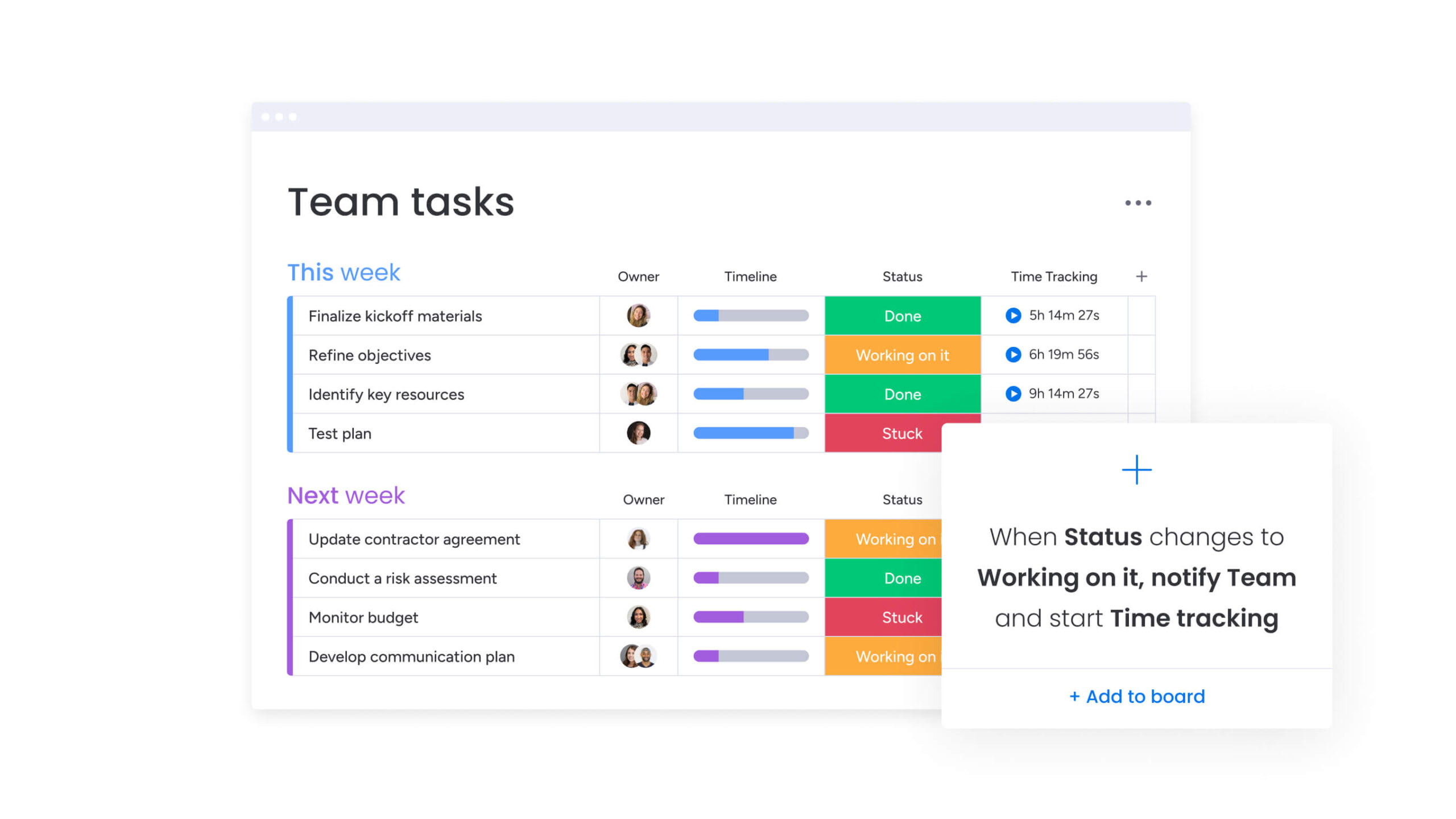
Reclaiming your drive takes action. These strategies move you from waiting around to actively reshaping your workday. Each approach tackles a specific part of motivation, from personal meaning to how you set up your workspace.
1. Connect your goals to something meaningful
Motivation needs to connect to your personal values. For instance, if you value creativity, frame your administrative assignments as “designing efficient workflows.” If you value connection, view your reporting as “communicating value to the team.”
Rewriting how you see your job aligns what drives you with what your role requires. This reframing turns obligations into choices that serve your career goals.
2. Break big projects into visible progress points
A massive 3-month initiative feels impossible to start, so you procrastinate. However, slicing that mountain into daily, bite-sized tasks creates wins that fuel momentum.
Checking off small items gives you a dopamine hit that powers you through the next assignment. When teams visualize progress through boards and status updates, they see tangible evidence of advancement. Moving cards from “Doing” to “Done” builds momentum in real time.
3. Design a morning routine that energizes you
Your first hour sets the tone for the whole day. Instead of diving straight into inbox chaos, create a morning ritual that grounds you.
This might involve 15 minutes of strategic planning, reviewing yesterday’s wins, or organizing your workspace. A consistent morning routine tells your brain it’s time to work, cutting down on mental drag and saving energy for what matters most.
4. Identify and leverage your natural strengths
Work feels effortless when it matches how your brain naturally works. Take stock of which assignments energize you and which drain you.
Communicate these findings to leadership. Smart managers want you working on what you do best. Shifting even 20% of your workload toward your strengths can dramatically boost your engagement.
5. Build regular feedback into your workflow
Working alone with no feedback breeds doubt. Therefore, you need regular feedback to confirm you’re on the right track.
Schedule brief syncs with peers or managers to review work in progress. This isn’t about seeking praise — it’s about making sure you’re headed in the right direction. Knowing you’re on track kills the anxiety, while quick corrections prevent wasted effort.
6. Create boundaries to protect your energy
Being always available drains your motivation. You can’t perform at your best without regular breaks.
Set firm boundaries around focused work time and off-hours. Turning off notifications during focus time prevents the mental drain of constant task-switching. Protecting your downtime means you come back refreshed, not resentful.
7. Track and celebrate small victories daily
Your brain downplays progress and zooms in on what’s missing. Fight this by writing down your daily wins.
Before signing off, write down three things you accomplished. This practice rewires your perception from “I didn’t finish everything” to “I moved these key items forward.” Celebrating small wins gives you the confidence to tackle bigger challenges.
Motivation needs to connect to your personal values. For instance, if you value creativity, frame your administrative assignments as “designing efficient workflows.” If you value connection, view your reporting as “communicating value to the team.”
Building systems that sustain motivation
Willpower runs out, but systems don’t. Self-discipline fails you when stress spikes. Instead, build systems that make motivation automatic. These systems remove friction and create environments where engagement happens naturally.
Eliminate energy-draining repetitive work
Manual data entry, recurring email updates, and file management eat up your mental energy without requiring any real thinking. These activities drain the brainpower you need for problem-solving work that actually engages you.
Auditing your workflow helps you spot every task that could be automated or cut. Key areas to examine include:
- Status reporting: Replace manual updates with automated progress tracking.
- Data transfer: Use integrations to eliminate copy-paste between systems.
- Approval routing: Set up automatic workflows for standard requests.
- Meeting scheduling: Deploy calendar solutions that handle coordination.
Automate workflows to focus on meaningful work
Once you identify them, hand those repetitive tasks over to software. Automation isn’t just about speed — it frees you from remembering and executing routine activities.
Setting up triggers that auto-assign work or send deadline reminders takes logistics off your plate. Teams using monday work management can automate crucial workflow elements, including creating templated project boards and sending approval notifications. When you sit down to work, you focus on the actual work, not the logistics.
Create visibility into your real impact
Motivation needs visibility. Therefore, dashboards and real-time reporting show you exactly what your effort accomplishes, turning abstract work into concrete results.
When you see how your work moves a project forward or improves a team metric, it suddenly matters more. This visibility connects what you do to what happens, making every task feel more meaningful.
Staying motivated as a team
Motivation spreads through teams like energy through a circuit, and a disengaged team will inevitably drag even high performers down while an energized culture lifts everyone up. You stay motivated by building an environment where everyone shares the same purpose and feels connected to collective outcomes.
Team motivation requires deliberately shaping how you communicate, align on goals, and work together to create sustained engagement.
Foster genuine connection across distances
In hybrid and remote setups, purely transactional communication kills trust. You need to create space for real connection beyond status updates.
Dedicate time in meetings for non-work interaction. Also use collaboration platforms to celebrate wins, not just share project updates. Personal connection makes you want to show up for your teammates. Isolation kills motivation. Community keeps it alive.
Establish shared goals and mutual accountability
When your team pulls in different directions, everything feels harder and more frustrating. But shared goals align everyone so your efforts build on each other instead of clashing.
Accountability isn’t about policing; it’s about support. Knowing teammates count on your output, and that you can count on theirs, creates positive social pressure that drives performance without anxiety.
Develop energizing team rituals and rhythms
Predictability saves energy by reducing the mental load of constant decision-making. Establishing consistent rituals creates psychological rhythm that anchors the week and provides regular injection points for energy and alignment.
Consider implementing these team practices:
- Monday kickoffs: Focus on opportunities and priorities for the week ahead.
- Friday wrap-ups: Highlight wins and lessons learned.
- Mid-week check-ins: Quick syncs to address blockers and maintain momentum.
- Monthly retrospectives: Deeper dives into process improvements.
How managers sustain team motivation

Management architects the employee experience. Leaders have the power to design workflows that naturally generate engagement or create bottlenecks that stifle it. Effective motivation management requires understanding the environmental factors that either energize or drain your team members.
Provide crystal-clear context for every initiative
The most motivating phrase a manager can use is “because.” Therefore, never assign work without explaining the strategic rationale behind it.
Context transforms an order into a mission. When teams understand the downstream impact of their work on customers or the company, they make intelligent decisions and feel ownership over outcomes.
Master the art of continuous coaching
Annual reviews are insufficient for motivation. Great managers act as coaches, providing real-time feedback that helps employees improve in the moment.
This continuous dialogue signals investment in the employee’s growth. It shifts the dynamic from judgment to development, making the manager a partner in success rather than just an evaluator.
Optimize workloads to prevent team burnout
As motivation collapses under the weight of burnout, managers must proactively monitor capacity using data to spot overload before crashes occur.
Balancing the load isn’t just about fairness; it’s about sustainability. Workload management features in platforms like monday work management allow leaders to visualize bandwidth and redistribute assignments, ensuring teams run at a maintainable pace.
Using data to drive your motivation forward
Data empowers rather than surveils. Objective metrics provide evidence of progress that feelings often obscure. When you track the right indicators, data becomes a motivational tool that shows concrete evidence of your impact and growth.
Visualize progress with dynamic dashboards
To turn abstract effort into tangible wins, move away from demoralizing static lists. Dynamic dashboards provide immediate gratification by visualizing your journey through charts, burn-down graphs, and real-time status bars.
- Gamify the experience: Use visual representations of your velocity and completion rates to make the workday more engaging.
- Build a feedback loop: Simply seeing a progress bar move toward completion triggers a psychological response that encourages further effort.
Schedule strategic check-ins and reviews
Once you have the data, you must use it to inform your perspective. Regular strategic reviews allow you to move beyond the vague feeling of “working hard” and instead examine objective work trends.
- Analyze the “why”: Identify where you are moving quickly, where you are getting stuck, and what you have actually achieved.
- Plan for improvement: Use your objective history to remove current bottlenecks, turning past performance into a roadmap for future success.
Measure metrics that fuel engagement
However, not all metrics matter equally. Focus on tracking leading indicators of success rather than just lagging indicators.
Priority metrics to track include:
- Milestones hit: Progress markers that show forward movement.
- Collaborative exchanges: Team interaction frequency and quality.
- Cycle time: Speed from task start to completion.
- Capacity utilization: Balance between workload and available time.
Transform your motivation with monday work management
Reigniting motivation requires more than mindset shifts. It demands a platform that aligns daily actions with organizational goals. Provided by monday work management operating system turns scattered activities into cohesive, meaningful strategy.
Link every activity to strategic objectives
The platform bridges the gap between high-level vision and ground-level execution. With Goals & OKRs features, you map individual items directly to company-wide objectives.
You instantly see how a single design asset or code update contributes to quarterly key results. This hierarchy ensures no activity feels isolated, providing the context necessary to maintain high engagement levels even during routine work.
Automate the mundane to amplify the meaningful
monday work management aggressively removes friction that causes boredom. Through robust automations and AI Blocks, the platform handles repetitive logistics automatically.
The Categorize AI block sorts incoming requests, automated status updates keep stakeholders informed without email chains, and Custom Blocks allow you to script solutions for specific bottlenecks. By offloading robotic parts of your job to the platform, you reclaim your day for creative and strategic thinking.
Create visibility that sustains your drive
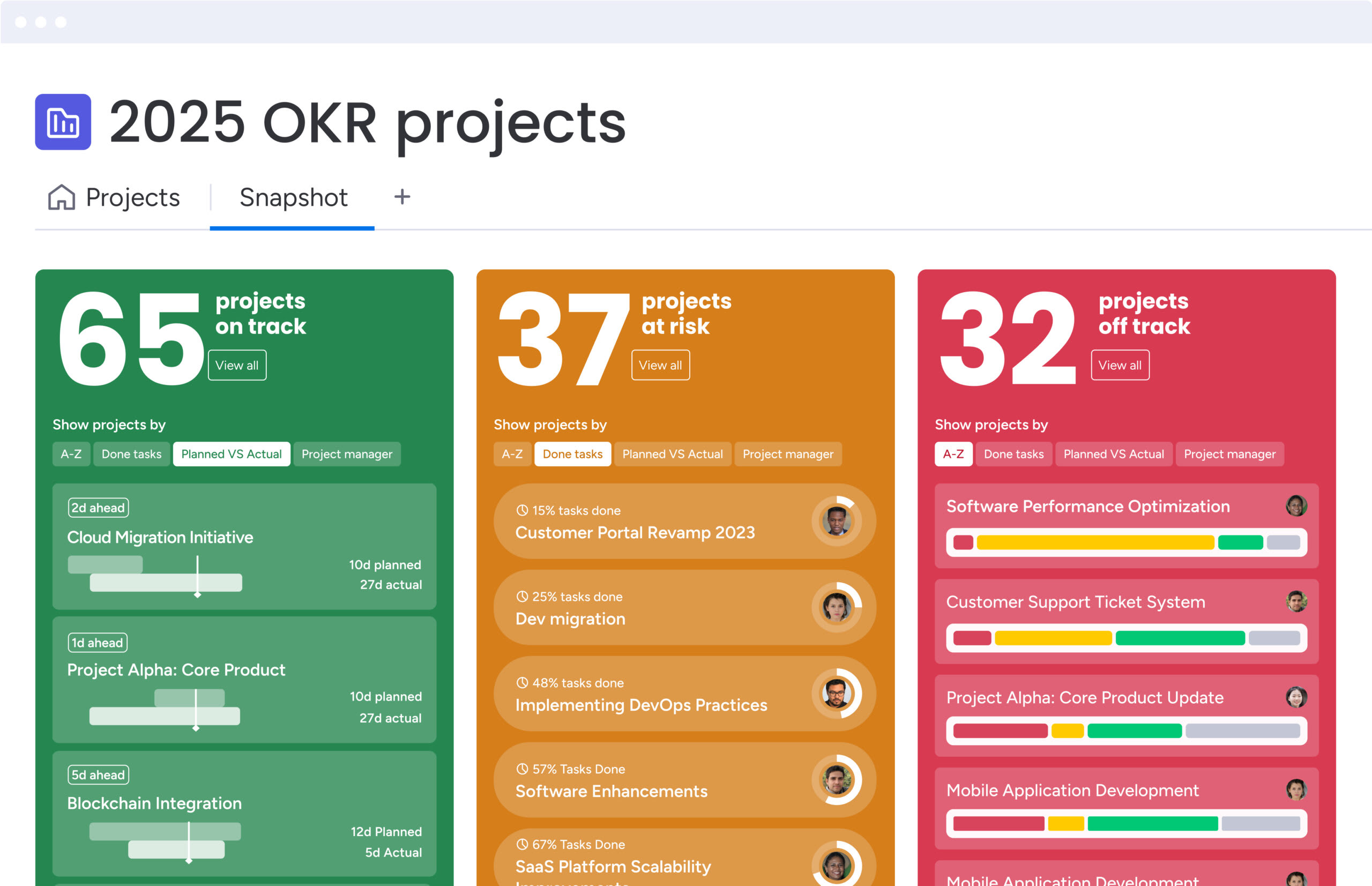
Uncertainty drains energy, while visibility restores it by providing the clarity needed to move forward with confidence. The platform’s dashboards offer real-time insights into project health and personal impact, ensuring you always know where you stand.
Portfolio Risk Insights spot and solve bottlenecks before they become frustrations. Workload management features ensure no team member silently drowns, keeping collective motivation sustainable. You operate with full awareness of where you stand and where you’re going.

“monday.com has been a life-changer. It gives us transparency, accountability, and a centralized place to manage projects across the globe".
Kendra Seier | Project Manager
“monday.com is the link that holds our business together — connecting our support office and stores with the visibility to move fast, stay consistent, and understand the impact on revenue.”
Duncan McHugh | Chief Operations OfficerSustaining motivation for long-term success
Motivation isn’t a one-time fix; it’s an ongoing practice that requires consistent attention and adjustment. The strategies outlined here work best when implemented as part of a comprehensive approach to work design. By combining personal techniques with systematic improvements and team-level changes, you create an environment where motivation naturally thrives.
The key is recognizing that motivation stems from meaningful work, visible progress, and genuine connection to outcomes. When you address these fundamental needs through both individual actions and organizational systems, you build resilience against the inevitable challenges that could otherwise derail your drive.
Start with one or two strategies that resonate most with your current situation, then gradually expand your approach as these become habitual. Remember that sustainable motivation comes from aligning your daily activities with your values and seeing tangible evidence of your impact on the work that matters most.
Frequently asked questions
What are the 4 R's of motivation?
The four R's of motivation are Relevance, Relationships, Recognition, and Responsibility. These pillars suggest motivation thrives when work matters to you personally, connects you to others meaningfully, receives acknowledgment from leaders, and allows you ownership over outcomes.
What is the 3-2-1 motivation method?
The 3-2-1 motivation method is a focus technique where you commit to working on a dreaded activity for just three minutes, wait two minutes to reflect, then decide whether to continue for one minute more. Breaking inertia in that first three-minute window often sustains momentum much longer.
Why do I struggle with motivation at work?
Struggles with motivation usually stem from systemic issues like undefined goals, lack of feedback, repetitive low-value activities, or burnout rather than personal laziness. It indicates misalignment between your efforts and the rewards or impact you perceive.
Why have I lost motivation for everything?
Total loss of motivation across all life areas may signal burnout or deeper mental health concerns rather than just workplace issues. Professional support is often necessary alongside workplace adjustments to restore balance.
How long does it take to rebuild work motivation?
Rebuilding motivation takes anywhere from a few weeks to several months depending on burnout severity. It requires consistent application of new habits and often changes in workflow or environment to see lasting results.
How does monday work management help maintain workplace motivation?
The platform sustains motivation by automating draining repetitive activities, providing visual progress on goals, and connecting individual work to company strategy. This system removes friction that causes frustration and highlights the impact of your contributions.

 Get started