


When every decision needs approval, momentum fades quickly. Work slows, capable people hesitate, and opportunities pass while teams wait for direction. In fast-moving environments, that gap between knowing what to do and being able to act creates frustration for employees and real risk for organizations.
Employee empowerment helps close that gap by giving people the clarity, trust, and support needed to take ownership of their work. When expectations are clear and information is accessible, decisions happen faster, problems get solved earlier, and teams feel more confident in how they contribute.
This article shines a light on what employee empowerment really looks like in practice, why it has become essential for modern organizations, and how to make it work without losing alignment or accountability. From core principles and measurable benefits to practical strategies and real-world applications, the sections ahead show how stronger ownership leads to faster decisions, better collaboration, and more resilient teams.
Key takeaways
- Shift from control to ownership: Empowerment replaces approval-heavy workflows with clear authority, enabling employees to make decisions and take responsibility for outcomes in real time.
- Pair autonomy with structure: Clear boundaries, accountability frameworks, and access to resources ensure employees can act confidently without creating misalignment.
- Invest in transparency and skills: Real-time data access, open communication, and continuous skill development are essential for informed decision-making and sustained autonomy.
- Focus on measurable business impact: Empowerment improves decision speed, innovation, customer satisfaction, and retention, making it a performance strategy rather than a cultural initiative alone.
- Leverage enabling platforms for scale: Tools like monday work management support empowerment by providing visibility, automated workflows, and cross-functional alignment, helping teams operate independently with shared context.
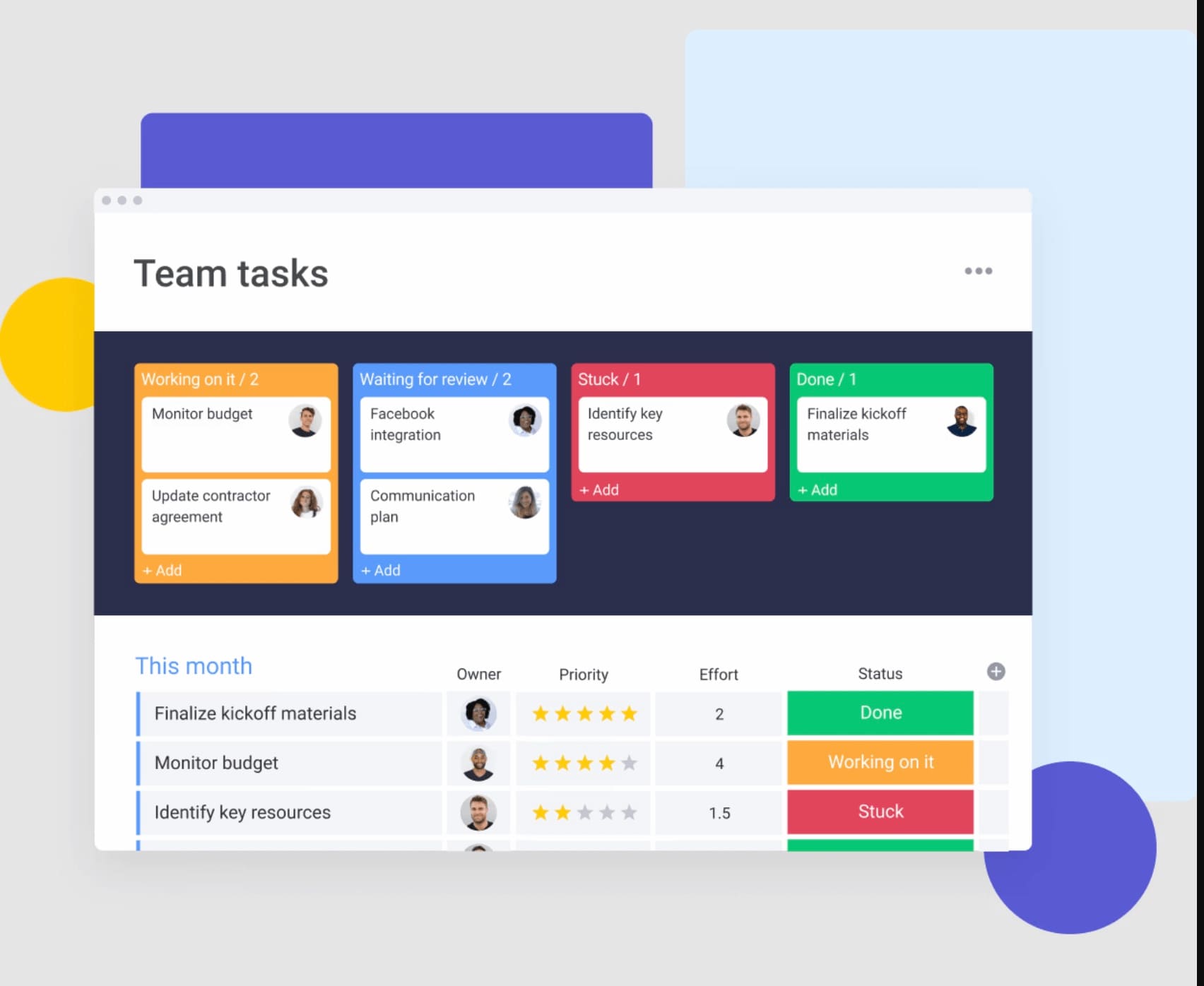
What is employee empowerment?
Employee empowerment means giving your team the authority, resources, and confidence to make decisions and own their work. Instead of waiting for approvals, people act based on what they know and what the business needs. This shift moves organizations away from permission based cultures toward accountability and trust.
It’s really important to separate empowerment from delegation. Delegation assigns tasks, while empowerment gives ownership of outcomes. So rather than simply completing instructions, employees solve problems, improve workflows, and drive meaningful results.
Defining employee empowerment in the workplace
In practice, empowerment shows up in everyday decisions. Employees take action in real time without waiting for layers of approval. As a result, work moves faster and problems are resolved where they actually occur.
For example, a customer service agent resolves an issue instantly instead of escalating it. Similarly, a marketing specialist adjusts campaign spend based on live data without needing sign off. Because of this, teams stay responsive and aligned with current conditions.
For empowerment to work effectively, a few structural elements need to be in place:
- Decision making authority: Employees have the right to make choices about how work gets done and how challenges are handled.
- Resource access: Teams have access to budgets, data, and systems needed to act on their decisions.
- Accountability framework: Clear expectations ensure employees take responsibility while operating within defined limits.

Core elements of workforce empowerment
Empowerment is not a one time initiative, it needs a strong foundation to last. Without the right environment, autonomy can quickly turn into confusion. That is why organizations must build systems that support confident decision making.
Here are the core elements that make empowerment work over time:
- Psychological safety: Employees feel comfortable taking risks without fear of blame for honest mistakes.
- Defined boundaries: Clear limits help teams understand where they can act independently.
- Skill development: Ongoing learning ensures employees can handle increased responsibility.
- Information transparency: Access to goals, data, and context helps teams make informed decisions.
Without the right environment, autonomy can quickly turn into confusion. That is why organizations must build systems that support confident decision making.
Employee empowerment vs employee engagement
While often used together, empowerment and engagement serve different purposes. Understanding the difference helps you apply each where it matters most.
This table breaks down how they compare:
| Feature | Employee empowerment | Employee engagement |
|---|---|---|
| Primary focus | Authority and capability to act | Emotional connection and commitment |
| Measurement | Decision speed, autonomy levels, innovation rate | eNPS, retention, survey sentiment |
| Outcome | Operational efficiency and agility | Discretionary effort and loyalty |
| Timeline | Immediate operational impact | Long-term cultural health |
In short, engagement makes people care about their work. Empowerment ensures they can act on that motivation. You need both working together to see real results.
Try monday work managementWhy employee empowerment matters today
Work environments have changed, and slow decision making is no longer sustainable. Traditional hierarchies create delays that hold teams back. Because of this, organizations need faster, more flexible ways to operate.
Empowerment removes bottlenecks by pushing decisions closer to where work happens. This becomes even more important in hybrid and distributed teams, where waiting for approvals can slow everything down. As a result, companies that empower employees respond faster and stay competitive.
How empowerment improves performance and innovation
When employees are trusted to act, performance improves across multiple areas. Small issues get resolved before they grow, and new ideas can be tested quickly. This creates a more dynamic and responsive organization.
Here’s how that impact shows up in daily operations:
- Faster problem resolution: Issues are handled immediately instead of being escalated through layers.
- Increased innovation: Employees test ideas without being blocked by approvals.
- Better customer response: Teams adapt quickly to customer needs, improving overall experience.
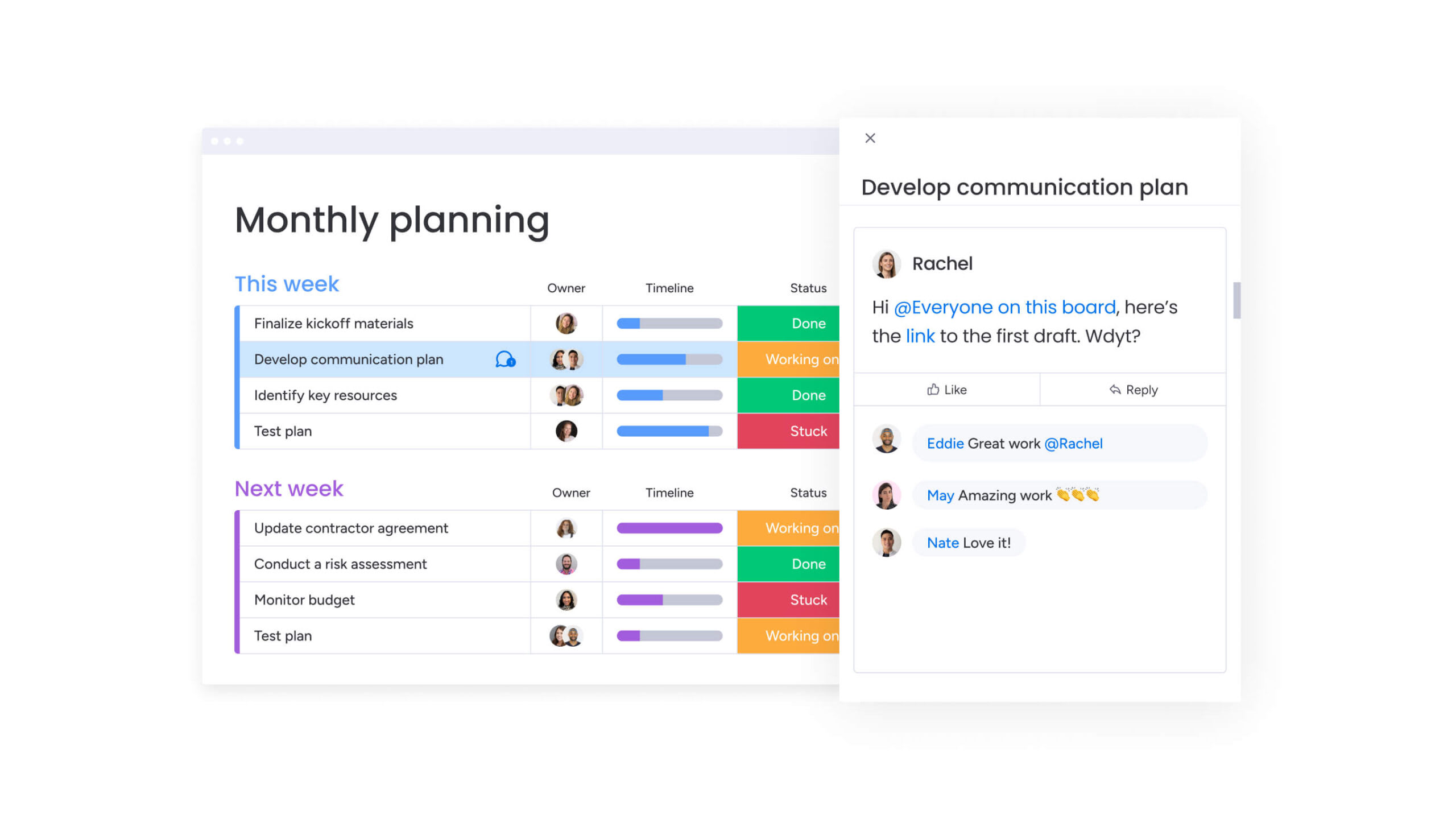
How empowerment helps retain top talent
High-performing employees want to grow, contribute, and see the impact of their work. When decisions are constantly delayed or ownership is unclear, motivation drops quickly. Empowerment changes this by giving people the authority to act and improve outcomes directly. That sense of trust makes work more meaningful and strengthens commitment over time.
Empowerment also supports continuous development. As employees take on more responsibility, they build confidence, problem-solving skills, and leadership capability through real experience. This creates clear growth pathways inside the organization, reducing the need to look elsewhere for opportunity.
Remember, when people feel trusted and challenged, they are far more likely to stay.
When decisions are constantly delayed or ownership is unclear, motivation drops quickly. Empowerment changes this by giving people the authority to act and improve outcomes directly.
6 key benefits of employee empowerment
Empowerment drives measurable outcomes across teams and operations. It is not just about culture, it directly affects performance, efficiency, and retention. Here are six benefits you can expect when empowerment is done right.
1. Increased motivation and job satisfaction
When employees have control over their work, motivation comes naturally. They feel responsible for outcomes, not just tasks. As a result, satisfaction increases because their contributions feel meaningful.
2. Faster decision making and problem solving
Empowerment removes delays caused by approvals. Teams can act immediately, which improves efficiency. For instance, engineering teams fixing issues without waiting can reduce downtime significantly.
3. Higher productivity and efficiency
Less bureaucracy means more time spent on actual work. Employees organize their workflows in ways that suit their strengths. Because of this, output improves both in speed and quality.
4. Improved retention rates
Employees stay where they feel trusted and challenged. Empowerment creates growth opportunities within daily work. That is why organizations see lower turnover when autonomy is part of the culture.
5. Stronger customer satisfaction
Frontline employees can solve problems instantly. This leads to faster resolutions and better experiences. As a result, customers feel valued and are more likely to stay loyal.
6. Greater organizational adaptability
Empowered teams adjust quickly to changes. Instead of waiting for direction, they respond in real time. This flexibility helps organizations stay ahead in competitive markets.
Try monday work managementWhat needs to be in place for empowerment to succeed?
Empowerment does not work without the right support system. Organizations must align leadership, culture, and infrastructure to make it effective. Otherwise, it can lead to inconsistency and confusion.
Here are the critical factors that support successful empowerment:
Leadership commitment and trust
Leaders must actively step back and trust their teams. This means allowing different approaches and avoiding unnecessary control. Over time, this builds confidence and ownership across the organization.
Organizational culture and values
A culture focused on learning rather than blame encourages risk taking. Employees feel safer experimenting and improving processes. Because of this, innovation becomes part of everyday work.
Technology infrastructure and access
Employees need access to real time data and systems to make informed decisions. A platform like monday work management provides visibility into projects, resources, and goals. This ensures teams act with the same context as leadership.
Communication and transparency
Clear communication helps employees understand priorities and constraints. When teams know the bigger picture, their decisions stay aligned with business goals. This reduces confusion and improves consistency.
Skills development and growth pathways
Empowerment works best when employees are prepared for it. Training in decision making, strategy, and financial awareness builds confidence. Over time, this creates a strong pipeline of future leaders.

7 proven strategies to empower employees
Organizations move toward empowered execution when they build the right structures and habits, not just intent. These strategies help you create an environment where people can act with confidence and clarity. Each one supports a different layer of how autonomy works in practice.
Step 1: build transparent information systems
When people have access to the right information, they can act without waiting. That’s why visibility sits at the core of empowerment. You reduce dependency by making data accessible where decisions actually happen.
For example, dashboards showing real time goals, performance metrics, and budgets let teams adjust quickly. Sales teams, for instance, can shift outreach mid quarter based on live numbers instead of waiting for reports.
Step 2: delegate authority with clear boundaries
Autonomy works best when it has structure. People need to know where they can act freely and where alignment is required. Clear boundaries give them that confidence.
You can define limits such as spending up to $1,000 to resolve issues or adjusting timelines by three days. Because of this clarity, teams make decisions faster without second guessing.
Step 3: provide tools and resources for autonomy
Even the most capable teams struggle without the right support. So, giving them flexible platforms is essential for independent work. This ensures they can manage processes without constant oversight.
Teams using monday work management create their own workflows, automations, and reports. In addition, features like Workload View help balance resources, so teams can adjust priorities without relying on managers.
Step 4: create continuous feedback mechanisms
Empowerment improves when people can learn from their decisions. Regular feedback helps teams refine how they think and act over time. It also builds confidence in handling new situations.
Instead of relying on annual reviews, ongoing conversations and project retrospectives keep learning active. As a result, teams develop stronger judgment with each cycle.
Step 5: invest in skill development and growth
Autonomy requires more than permission, it requires capability. Skills like critical thinking, negotiation, and risk awareness directly support better decisions.
Development plans should connect skill growth with increased responsibility. Over time, as people demonstrate capability, their decision scope expands naturally.
Step 6: establish decision making frameworks
Too much freedom without guidance can slow teams down. Structured frameworks help people decide faster while staying aligned.
- Clarity of roles: Define who is responsible, accountable, consulted, and informed for each decision.
- Consistency in approach: Use decision trees or similar models to guide choices across teams.
- Reduced friction: Clear frameworks prevent confusion and keep collaboration smooth.
Step 7: recognize and reward initiative
People repeat what gets acknowledged. So, recognition should highlight ownership and proactive thinking, not just outcomes.
- Celebrate initiative: Acknowledge when employees take action independently.
- Reward ownership: Tie recognition to decision making, not just results.
- Reinforce behavior: Public recognition builds a culture where autonomy feels safe and valued.
AI-powered employee empowerment
Empowerment becomes easier to sustain when employees have the right support to make informed decisions quickly. AI helps by reducing the effort required to analyze information, prioritize work, and identify next steps. Instead of adding complexity, it removes friction, giving teams clearer direction and more confidence to act independently.
The following examples show how AI supports decision making, reduces routine workload, and helps employees operate with greater clarity and ownership.
Using AI to support smarter decisions
AI can process large amounts of data quickly and surface insights that matter. This allows you to focus on decisions instead of analysis.
For instance, monday work management AI Blocks can categorize feedback or summarize risks instantly. As a result, teams gain a clearer view and act with more confidence.
Automating routine work to free focus
Administrative tasks often slow down meaningful work. AI removes repetitive steps like updates, scheduling, and data entry.
Because of this, teams have more time for problem solving and strategy. This shift helps autonomy feel manageable instead of overwhelming.
Supporting growth through skills intelligence
AI can identify patterns in how people work and where they perform best. This gives employees a clearer sense of their strengths and next steps.
In addition, it can recommend training or projects that align with growth paths. So, development becomes something you actively shape, not something assigned.
Keeping human control at the center
Even with AI support, decisions should remain human led. The goal is to assist, not replace.
AI can suggest actions or draft responses, however you remain responsible for reviewing and approving. This balance keeps accountability intact.
Try monday work management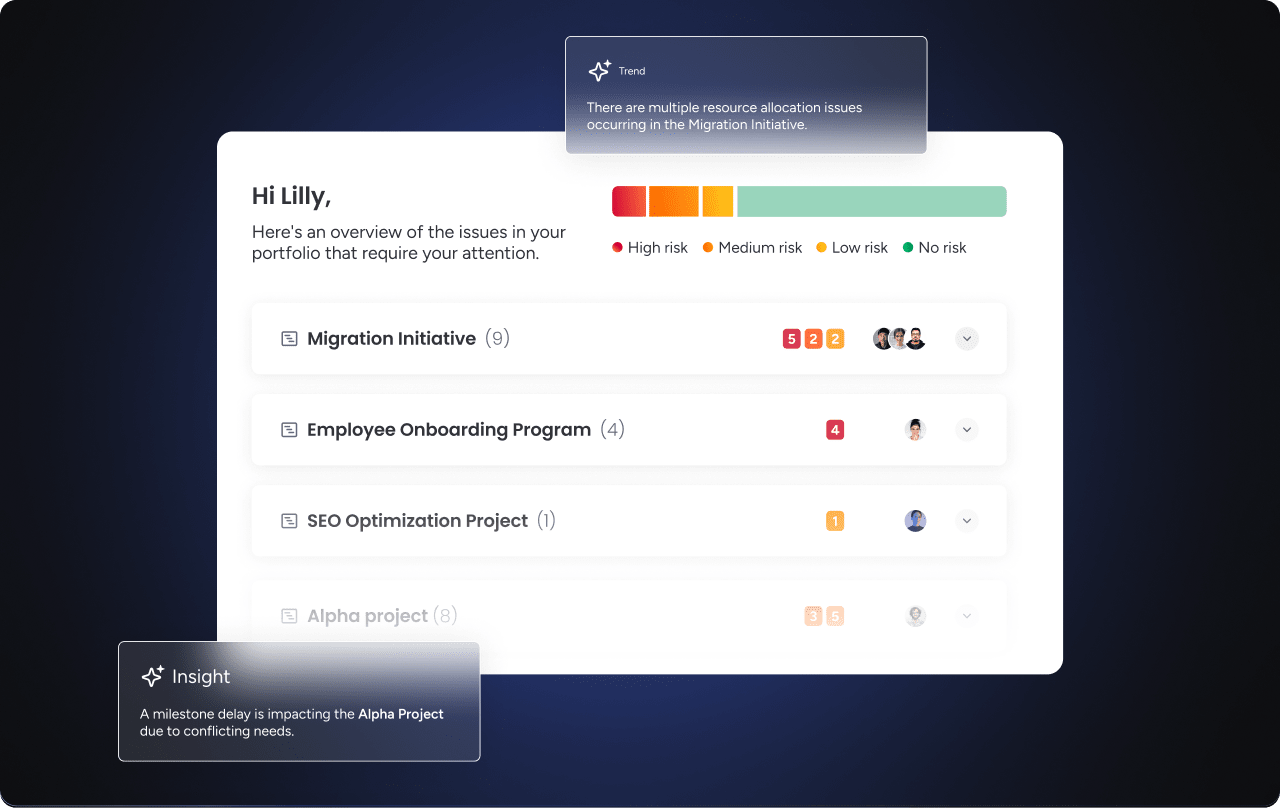
How to empower distributed and hybrid teams
Remote and hybrid setups require a different approach to empowerment. Without physical presence, you need stronger systems to maintain clarity and trust. The right setup ensures distance does not slow decision making.
Build infrastructure for flexible work
Cloud based platforms act as shared workspaces where everyone stays aligned. They ensure access to files, updates, and context regardless of location.
Mobile access also supports decision making on the go. So, flexibility does not come at the cost of connection.
Enable collaboration without micromanagement
It can be tempting to monitor more when teams are remote. However, empowerment depends on trust, not constant checking.
Shared boards and status updates show progress clearly. Because of this, managers can stay informed without interrupting workflows.
Maintain connection across locations
Strong relationships support independent work. Without them, autonomy can feel isolating.
Video calls help with complex discussions, while chat channels keep informal communication alive. Over time, this builds trust that supports confident decision making.
Use real time visibility to stay aligned
Distributed teams rely on shared visibility instead of physical cues. Everyone needs access to the same information at the same time.
Dashboards, timelines, and automated updates provide that clarity. As a result, teams coordinate smoothly without extra meetings.

Measuring employee empowerment effectively
To improve empowerment, you need to see how it shows up in day-to-day work. Clear signals help reveal whether employees feel confident making decisions and taking ownership. The metrics below highlight how autonomy influences performance, speed, and overall effectiveness.
Key metrics that indicate empowerment
Before reviewing performance, it helps to understand what signals strong empowerment. These metrics give you that view.
- Decision speed: Tracks how quickly teams move from problem to solution.
- Employee satisfaction: Reflects how much trust and autonomy people feel.
- Innovation levels: Measures how often employees initiate improvements.
- Customer satisfaction: Shows how frontline autonomy impacts outcomes.
- Retention rates: Indicates whether people feel supported to grow.
Real time tracking versus annual surveys
Annual surveys often capture outdated sentiment. Real time feedback gives you a more accurate picture.
In addition, workflow data reveals where decisions slow down. This helps you identify exactly where autonomy breaks.
Connect empowerment to business results
Empowerment should show up in performance. So, linking it to revenue, delivery speed, or margins makes its impact clear.
When teams with higher autonomy perform better, it becomes easier to justify continued investment.
Use data to improve continuously
Data only matters if you act on it. Leadership should use insights to identify where support is needed.
For example, if one team shows slower decisions, you can adjust leadership style, tools, or clarity. This keeps improvement focused and practical.

“monday.com has been a life-changer. It gives us transparency, accountability, and a centralized place to manage projects across the globe".
Kendra Seier | Project Manager
“monday.com is the link that holds our business together — connecting our support office and stores with the visibility to move fast, stay consistent, and understand the impact on revenue.”
Duncan McHugh | Chief Operations OfficerSupport empowered teams with monday work management
monday work management provides the powerful operating system making empowerment scalable, visible, and safe. It transforms abstract autonomy concepts into practical daily reality by giving teams structure to run their own business within the business.
Creating organizational transparency at scale
monday work management eliminates information asymmetry that kills empowerment. Through customizable dashboards, every team member gains high-level views of objectives, progress, and resource allocation.
Marketing teams utilize budget tracking dashboards to make independent spending decisions, confident they align with quarterly caps. This transparency ensures autonomy exercises with full context.
Automating workflows to enable autonomy
The platform’s automation engine removes manual approval friction and handoffs. Workflows route decisions based on criteria automatically, allowing standard requests to proceed immediately while flagging only exceptions for review.
AI Blocks within the platform support autonomy by summarizing complex data or suggesting next steps, giving employees confidence to act. Customer service teams use these automations to instantly categorize and resolve tickets, bypassing constant managerial oversight needs.
Breaking silos with cross-functional visibility
Empowerment often fails at department intersections. monday work management connects disparate functions into single, unified workspaces.
Cross-functional boards let product developers see exactly what sales promises and marketing promotes. This visibility empowers developers to make product decisions accounting for entire value chains, fostering holistic ownership culture.
Real-world empowerment success with monday
Empowerment often stalls when everyday work still relies on approvals, scattered tools, and unclear ownership. Teams may be encouraged to take initiative, yet the systems around them still slow decisions down.
A structured work management platform helps remove these barriers by making responsibilities visible and workflows easier to move through.
- Approval bottlenecks slowing execution: Automated workflows allow routine decisions to move forward without delays, escalating only when needed.
- Limited ownership at the execution level: Clear boards and defined responsibilities help individuals understand what they own and where they can act independently.
- Lack of real-time project visibility: Shared dashboards give teams immediate context, helping them make informed decisions without waiting for updates.
- Cross-functional disconnects impacting decisions: Connected workspaces allow teams to see how their work affects others, improving alignment across departments.
- Time lost on coordination instead of execution: Centralized updates and notifications reduce manual follow-ups, freeing time for meaningful work.
When structure supports autonomy, teams feel more confident making decisions and moving work forward. Over time, this creates faster execution, clearer accountability, and stronger alignment between strategy and daily work. Employee empowerment becomes part of how work happens, not just an idea discussed in leadership meetings.
Try monday work managementFrequently asked questions
How long does it take to see results from employee empowerment?
You may notice quicker decisions and fewer delays within a few weeks. However, stronger outcomes like improved retention and engagement usually take three to six months. This is because trust and behavior change need time to develop.
What is the difference between empowerment and delegation?
Delegation assigns tasks, while decision control stays with managers. Empowerment gives you the authority to make decisions and own outcomes. Because of this, employees move from execution to accountability.
Can you have too much employee empowerment?
Yes, without clear boundaries, autonomy can lead to confusion. Teams may lose alignment if expectations are not defined. So, structure and visibility are key to keeping empowerment effective.
How do you empower remote employees differently?
Remote teams need clear processes, shared visibility, and strong communication. Since in person oversight is limited, systems must provide context and direction. This helps teams act confidently from anywhere.
What technology best supports employee empowerment?
Platforms that offer real time data, workflow visibility, and automation work best. They reduce delays and give you the information needed to act independently. In addition, they help maintain alignment across teams.
How does monday work management enable employee empowerment?
monday work management gives you access to real time updates, shared workflows, and clear dashboards. This allows you to make decisions without waiting for approvals. As a result, teams work faster while staying aligned.

 Get started