


Launching a marketing campaign can feel like a high-stakes performance. The creative looks sharp, messaging aligns with your audience, and budgets seem carefully planned—but even the best campaigns can quickly fall into chaos. Emails go out with outdated offers, social posts go live before landing pages are ready, and team members scramble to find the latest assets or brand guidelines.
These challenges aren’t usually caused by lack of talent or budget. The real issue is campaign management—the systematic approach that transforms scattered marketing activities into coordinated, measurable business growth. Effective campaign management connects strategy to execution through structured workflows that align teams, timelines, and resources across every channel.
This insightful article explores the fundamentals of campaign management, from strategic planning to real-time optimization. You’ll learn the essential components that drive results, a step-by-step process for building repeatable workflows, and how technology and AI can help marketing teams coordinate complex campaigns while maintaining visibility into performance.
Key takeaways
- Campaign management connects strategy to execution: structured workflows align teams, timelines, and resources to ensure marketing initiatives deliver measurable business outcomes.
- Cross-functional coordination improves efficiency: centralizing planning, approvals, and communication reduces bottlenecks and ensures consistent messaging across channels.
- Performance tracking enables real-time optimization: monitoring KPIs continuously allows teams to adjust budgets, messaging, and tactics while campaigns are active.
- AI and automation enhance campaign effectiveness: using AI for analytics, optimization, and digital task management streamlines operations and supports data-driven decisions.
- Work management platforms support scalable campaign coordination: platforms like monday.com unify planning, execution, and reporting, providing visibility and control across complex marketing initiatives.
What is campaign management?
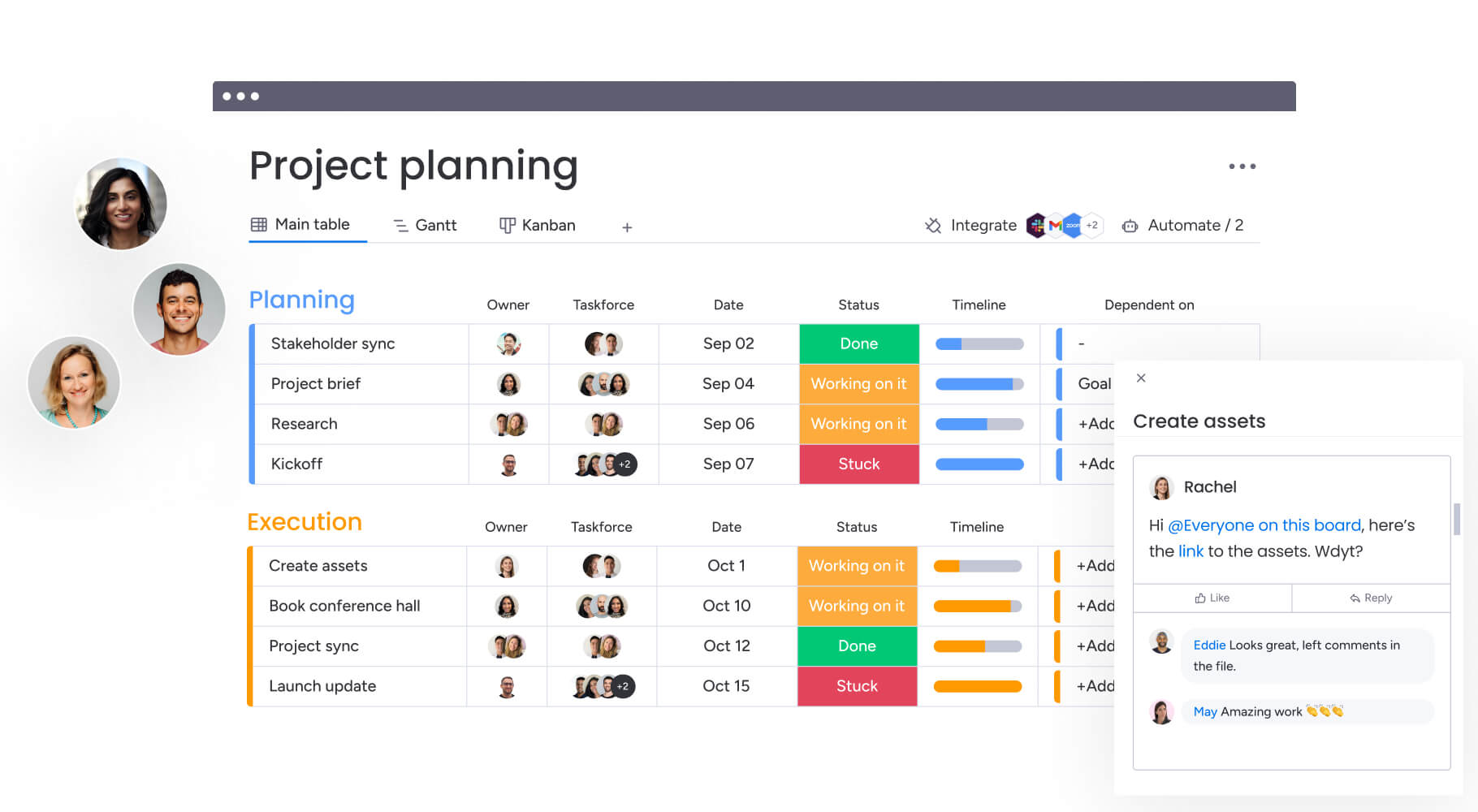
Campaign management turns marketing strategy into coordinated action—connecting teams, timelines, and resources across channels to deliver measurable results. It provides the operational framework that ensures creative ideas translate into business growth.
Effective campaign management prevents product launches from becoming chaotic. Instead of fragmented efforts, social teasers, email sequences, and paid ads form a unified narrative that builds momentum and engagement.
Understanding campaign management fundamentals
Four key components must align for campaigns to succeed—not as separate checkboxes. When these elements work together, you see the difference between teams completing tasks and campaigns driving meaningful results.
These core components form the foundation for effective campaign execution:
- Strategic planning: establishes your foundation by defining objectives, target audiences, and core messaging. this phase determines the “why” and “who” guiding every creative asset and channel decision.
- Resource coordination: synchronizes budget, time, and talent so teams have what they need when they need it. designers, copywriters, and media buyers collaborate efficiently rather than waiting on each other.
- Timeline management: manages dependencies between activities beyond simple deadlines. your media schedule stays on track even with production delays because all dependencies are mapped.
- Performance tracking: creates a continuous improvement loop through real-time monitoring against KPIs. campaign management becomes an evolving cycle where insights drive immediate adjustments.
Marketing campaigns vs campaign management
Understanding the difference between campaigns and campaign management clarifies scope and responsibilities. A marketing campaign is temporary; campaign management is the ongoing infrastructure enabling these initiatives.
| Aspect | Marketing campaign | Campaign management |
|---|---|---|
| Scope | Specific initiative (e.g., "Black Friday Sale") | Operational discipline across all initiatives |
| Timeline | Fixed start and end date | Continuous, ongoing process |
| Focus | External audience engagement | Internal efficiency and workflow |
| Deliverables | Ads, emails, content pieces | Plans, schedules, reports, workflows |
How campaign management differs from project management
Campaign management applies project management principles but emphasizes market impact rather than just deliverables. This distinction shapes priorities, success metrics, and adaptability.
| Dimension | Project management | Campaign management |
|---|---|---|
| Purpose | Delivering outputs on time and budget | Driving engagement and business growth |
| Success metrics | Completion rate, schedule adherence | ROI, conversion rates, engagement metrics |
| Stakeholders | Internal teams and clients | Teams, agencies, and target market |
| Flexibility | Follows rigid scope | Pivots based on live market data |
| Duration | Ends at delivery | Continues through optimization |
How campaign management drives business success
Systematic campaign management creates measurable impact across the organization. Teams that move from ad-hoc execution to coordinated management see improvements in revenue, efficiency, and brand consistency.
Specific outcomes address key concerns for executives and department leaders:
- Revenue growth through alignment: coordinated campaigns with consistent messaging across touchpoints increase conversion rates. prospects encounter the same value proposition across ads, emails, and landing pages, building trust faster.
- Resource optimization: visibility into team capacity prevents burnout while reducing wasted spend. high-ROI channels are identified, and budgets reallocated from underperforming areas instantly.
- Brand consistency: centralized management ensures all assets adhere to guidelines across channels, strengthening brand equity over time.
- Improved ROI visibility: unified tracking shows which campaigns drive revenue. guesswork in budget planning is eliminated, allowing marketing spend to be justified with clear data.
Essential components of campaign management
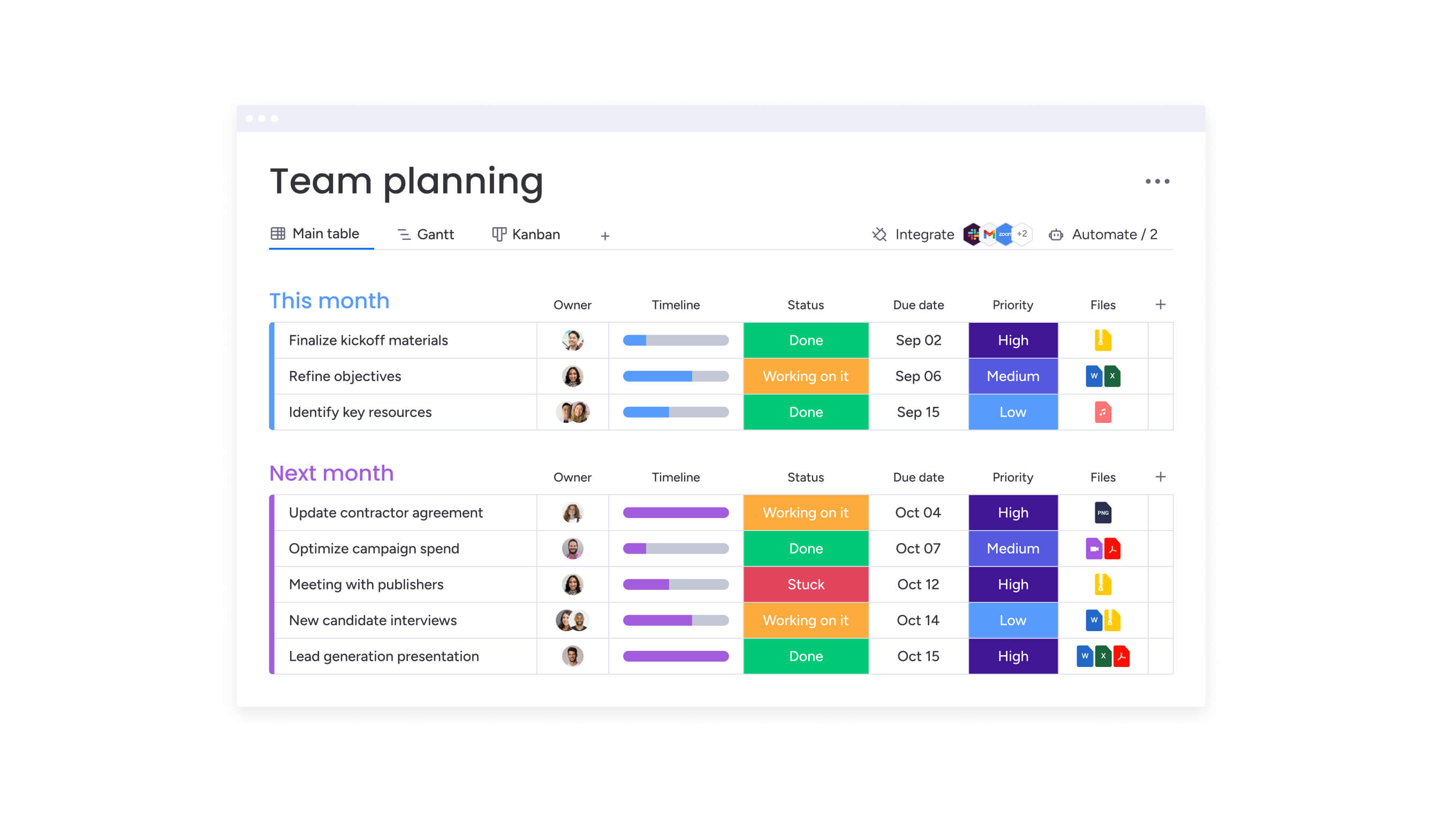
Four interconnected components work together to drive campaign success. Each builds on the others to create a cohesive management system that scales with organizational needs.
Understanding these components helps teams create campaigns that deliver measurable results rather than just creative output.
Strategic planning and goal setting
Effective campaigns begin with objectives that align directly with business goals. This involves defining specific targets, such as increasing market share by 5% or generating one thousand qualified leads, rather than setting vague aspirations.
Teams establish measurable KPIs and develop messaging frameworks tailored to defined personas. With the right platform, teams can link each campaign activity to company goals, ensuring every creative asset serves a strategic purpose rather than simply filling a content calendar.
Budget and resource allocation
Smart distribution of financial and human resource allocation separates profitable campaigns from costly experiments. This component includes detailed budget planning across channels, balancing media spend against production costs, and assigning team members based on skills and availability.
Contingency planning for market shifts is equally important. Modern platforms like monday.com provide leaders with visibility into team workloads, enabling balanced allocation of creative and administrative tasks without overextending staff or missing opportunities.
Campaign execution and coordination
Execution transforms strategy into action through the orchestration of cross-functional teams. Designers, copywriters, media buyers, and analysts must collaborate effectively, even when working under different timelines and priorities.
Success relies on strict schedules and consistent branding across all assets. When teams follow the same playbook, updates propagate instantly — a revised creative brief reaches all contributors immediately, preventing wasted effort on outdated work.
Performance measurement and optimization
Campaign management requires ongoing monitoring and adjustment after launch. This component captures real-time performance data to reveal what resonates with audiences and what requires refinement.
Regular reporting cadences and clear protocols for pivoting tactics keep campaigns agile. Teams can visualize complex data streams instantly using reporting software, enabling data-driven decisions while campaigns remain active rather than waiting for post-mortem analysis.
Try monday.com7 steps to build your campaign management process
This structured approach helps catch mistakes before they occur and keeps teams moving efficiently. As campaigns grow more complex, these steps provide guardrails that prevent costly oversights and maintain focus on high-impact activities.
Step 1: define campaign objectives and KPIs
Start by establishing SMART goals that specify what success looks like. Identify whether the primary objective is brand awareness, lead generation, or customer retention, as this decision shapes the entire approach.
Select corresponding KPIs immediately:
- Cost per acquisition: for lead generation campaigns.
- Share of voice: for awareness campaigns.
- Customer lifetime value: for retention initiatives.
This ensures performance is measured against meaningful business outcomes rather than just activity metrics.
Step 2: research and segment target audiences
Campaigns fail when they try to speak to everyone. Instead, analyze customer data to build precise segments with distinct needs, such as enterprise IT directors prioritizing security versus startups seeking quick deployment.
Examine pain points, preferences, and behaviors to understand motivators for each segment. Map messaging strategies so executives receive different value propositions than technical end-users, improving relevance and response rates.
Step 3: develop integrated campaign strategy
Cohesive strategy through marketing planning ensures all channels work together rather than competing for attention. Select the optimal channel mix based on audience engagement and design timing sequences to maximize impact.
Create a central campaign theme and visual identity that persist across touchpoints. The customer experience remains seamless as they move from social media to your website, building trust through consistency.
Step 4: plan resources and timeline
Practical logistics determine whether strategy becomes reality. Build detailed workback schedules using project management approaches that account for every dependency, from copy approval to legal review.
Key planning elements include:
- Budget allocation: to each channel.
- Activity assignment: to individual contributors.
- Buffer time: for creative production delays.
- Approval workflows: for compliance requirements.
Step 5: execute across channels
The go-live phase requires careful coordination to ensure assets reach the right channels at the correct times. Quality control is critical during this transition.
Verify links, proofread copy, and test rendering across devices before launch. Maintain momentum through constant communication between content creators and distribution teams, ensuring a steady flow of campaign materials.
Step 6: track real-time performance
Monitoring begins immediately at launch. Review key metrics daily to catch issues early, whether a broken landing page or misconfigured ad audience.
Establish a reporting rhythm where stakeholders evaluate performance against initial benchmarks. This early warning system identifies underperformance before budgets are depleted, allowing prompt adjustments.
Step 7: optimize based on data insights
Continuous improvement based on real data maximizes campaign ROI. Conduct A/B tests on headlines, images, and calls to action to systematically increase conversion rates.
Analyze performance trends and implement improvements. Reallocate budget from lower-performing channels to higher-performing ones. This cycle of analysis and adjustment continues throughout the campaign lifecycle.
Intuitive platforms like monday.com centralize campaign planning, execution, and analysis, giving teams visibility into workflows, enabling collaboration, and supporting data-driven decisions at every stage.
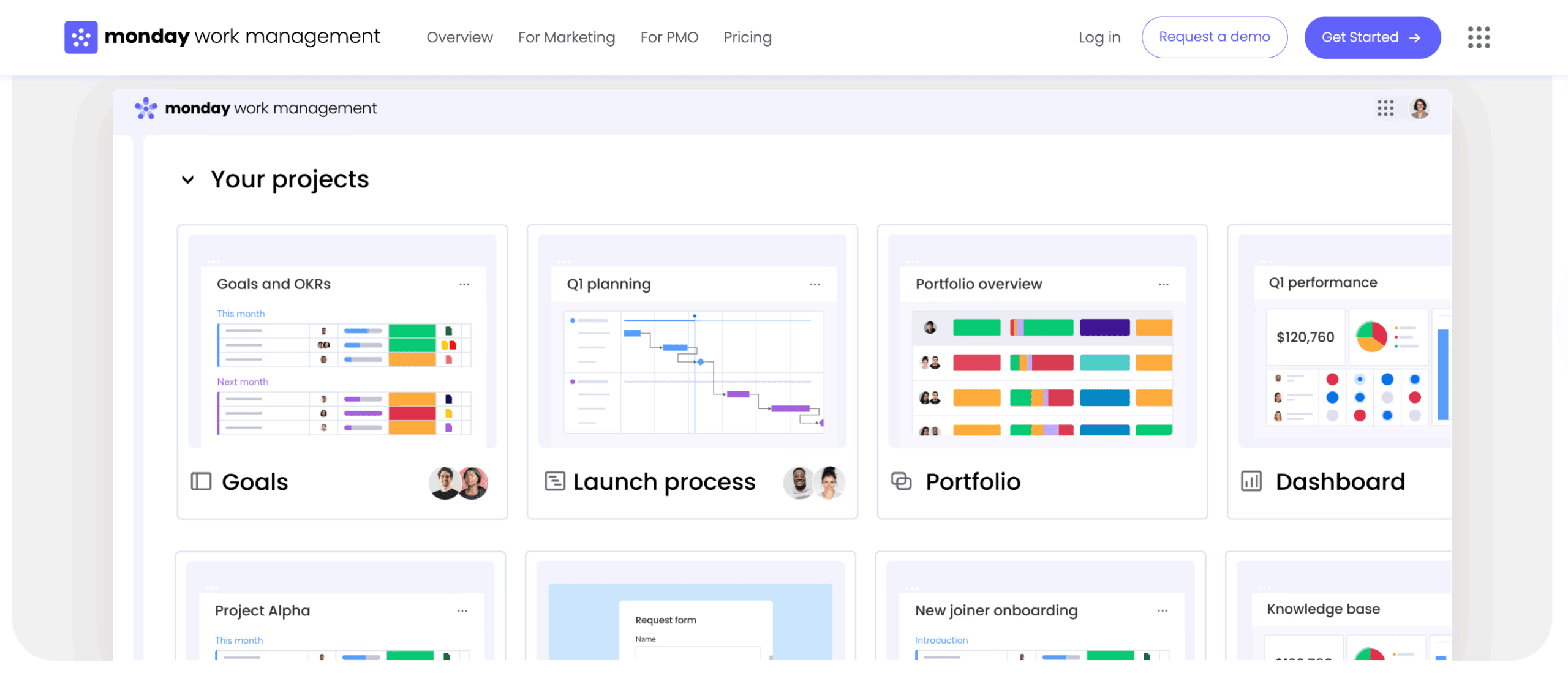
5 types of marketing campaigns to manage
Not all campaigns follow the same rules: email sequences require different handling than social media blitzes. However, a core management process should connect all efforts while keeping them measurable.
Each campaign type presents unique challenges that need tailored management approaches and specific success metrics. Understanding these distinctions ensures teams optimize performance across channels.
Email marketing campaigns
Email campaigns rely on clean lists, precise segmentation, and automated sequences. Success depends on testing subject lines, messaging, and send times to maximize engagement.
Monitor deliverability metrics closely to protect domain reputation. Complex drip campaigns trigger follow-up messages based on user behavior, requiring detailed workflow mapping and ongoing optimization.
Social media campaigns
Social campaigns require agility and real-time interaction across platforms. Management involves coordinating high-volume content calendars while adapting posts to each platform’s format requirements.
Teams collaborate with influencers, manage community responses, and optimize visuals for mobile devices. Crisis response protocols are essential because feedback is immediate and visible to the public.
Content marketing campaigns
Content campaigns demand long-term planning and consistent execution. Management focuses on editorial calendars that align blog posts, videos, and whitepapers with SEO objectives.
Coordination is complex, involving subject matter experts, writers, designers, and SEO specialists all contributing across the marketing team. Success is measured over months, emphasizing organic traffic growth, domain authority, and sustained audience engagement.
Digital advertising campaigns
Paid campaigns require precise budget control and continuous optimization. Focus areas include audience targeting, bid strategy, and creative testing to maximize return on investment.
Teams balance spend across platforms such as Google Ads and LinkedIn, making daily adjustments. Creative collaboration ensures visuals stay fresh and prevents ad fatigue that can reduce performance.
Cross-channel integrated campaigns
These campaigns combine multiple channels into a single initiative. Management prioritizes consistent messaging and timing across every touchpoint.
For example, a user seeing an ad on LinkedIn should receive a follow-up email reinforcing the same value proposition in integrated campaigns. Accurate attribution tracking is critical to understand how each channel contributes to conversions.
Core software categories that power modern campaign execution
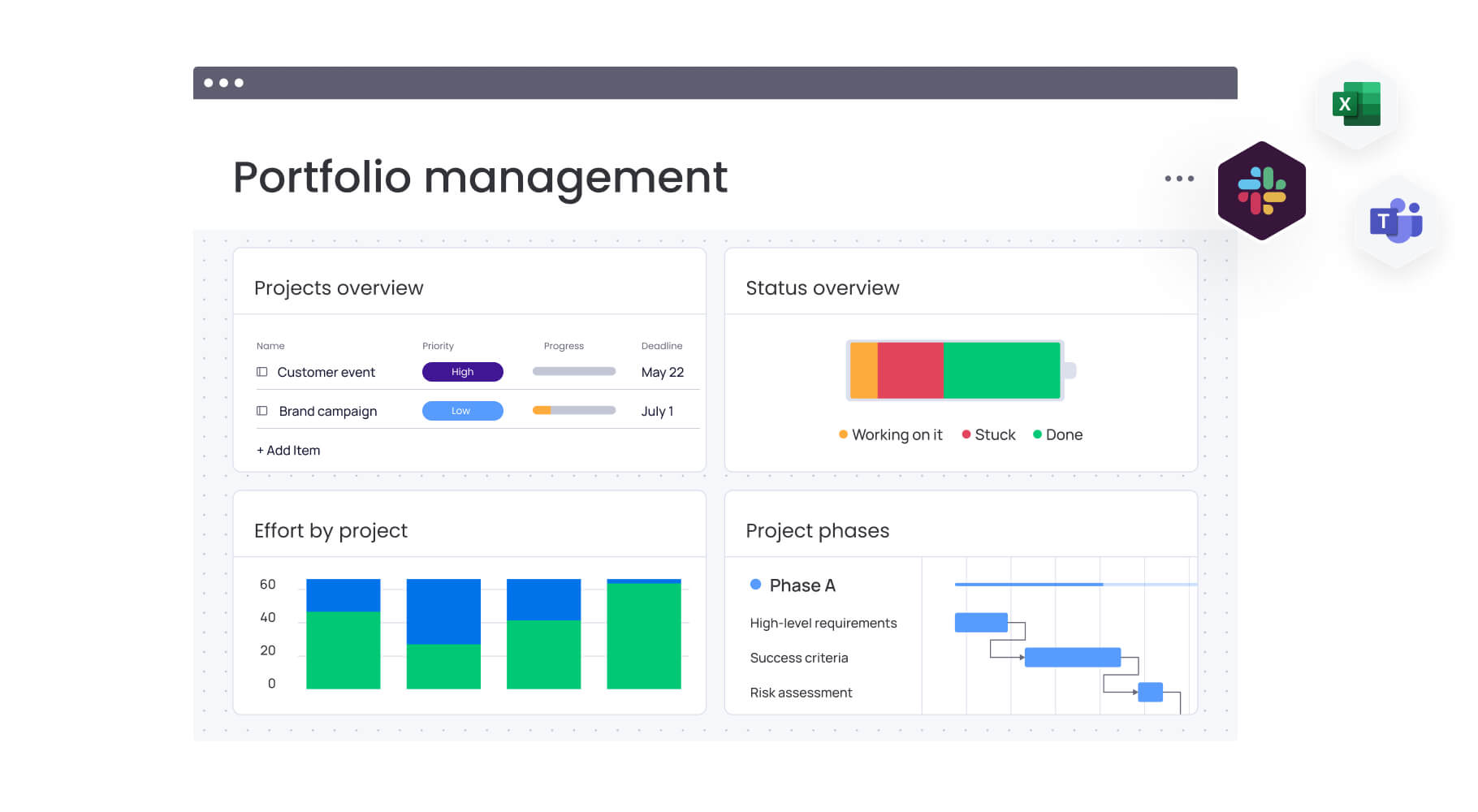
Effective campaign management rarely lives in a single tool. High-performing teams rely on a connected ecosystem of platforms, each designed to handle a specific part of campaign planning, execution, and measurement. When these tools work together, teams gain clarity, reduce manual effort, and maintain momentum across complex, multi-channel campaigns.
The table below breaks down the core categories of campaign management software, what each is responsible for, and how they typically support marketing teams in practice. Understanding these roles makes it easier to evaluate platforms and identify gaps in your current campaign stack.
| Platform category | Primary function | Typical example |
|---|---|---|
| Project management platforms | Workflow tracking, collaboration, timeline management | Planning campaign roadmaps, assigning activities, tracking deadlines |
| Marketing automation | Executing repetitive activities and lead nurturing | Sending email sequences, scoring leads, triggering user actions |
| Analytics software | Data visualization and performance measurement | Tracking website traffic, conversion rates, calculating ROI |
| Collaboration platforms | Real-time communication and file sharing | Discussing creative concepts, sharing assets, getting approvals |
How AI enhances campaign management
AI is transforming how teams manage campaigns. It automates repetitive tasks, uncovers hidden trends, and personalizes content—all while freeing team members to focus on strategy.
AI enables teams to anticipate opportunities rather than react, improving overall campaign performance and efficiency.
AI-powered campaign analytics
AI improves performance analysis through predictive modeling and anomaly detection. Algorithms reveal patterns humans might miss, such as correlations between external factors and ad performance.
Platforms like monday.com use AI to organize unstructured campaign performance data. Features like Categorize and Summarize extract actionable insights from reports instantly, helping teams adjust strategy without manual analysis.
Automated campaign optimization
AI performs granular adjustments to improve efficiency. Real-time bid management shifts spend based on conversion probability without human intervention.
The platform can automatically pause underperforming ads or reallocate budgets to high-performing channels. Content optimization algorithms suggest headline or image variations likely to resonate with specific audience segments.
Digital Workers for campaign execution
Digital Workers act as specialized AI assistants, handling key campaign management tasks. A Campaign Manager Digital Worker analyzes historical performance to recommend optimal budget allocations.
These AI agents answer complex questions such as “Where should I focus budget based on our best-performing campaigns?” They deliver instant, data-backed recommendations, accelerating decision-making and reducing manual analysis time.

8 campaign management best practices
These proven tactics help marketing teams build resilient campaigns that consistently succeed. They address the real-world challenges that emerge even when your strategy looks perfect on paper.
Successful campaign management requires applying these fundamentals consistently across every initiative:
- Maintain consistent brand messaging: every asset should follow a central style guide to build trust and recognition across channels.
- Establish approval processes: define exactly who signs off on creative and media assets to prevent bottlenecks and compliance issues.
- Create reusable campaign templates: standardized templates for recurring campaign types reduce setup time and maintain consistency.
- Implement regular performance reviews: schedule weekly standups to evaluate data and pivot tactics while campaigns are active.
- Centralize asset management: store all creative files in a single, accessible location to avoid version control errors.
- Set realistic timelines: include buffer time for unexpected delays in creative production, media approvals, or stakeholder reviews.
- Prioritize data hygiene: regularly clean email lists and CRM data to ensure campaigns reach valid, engaged targets.
- Align sales and marketing: brief the sales team on campaign messaging so they can follow up effectively with leads.
Transform campaign chaos with monday.com
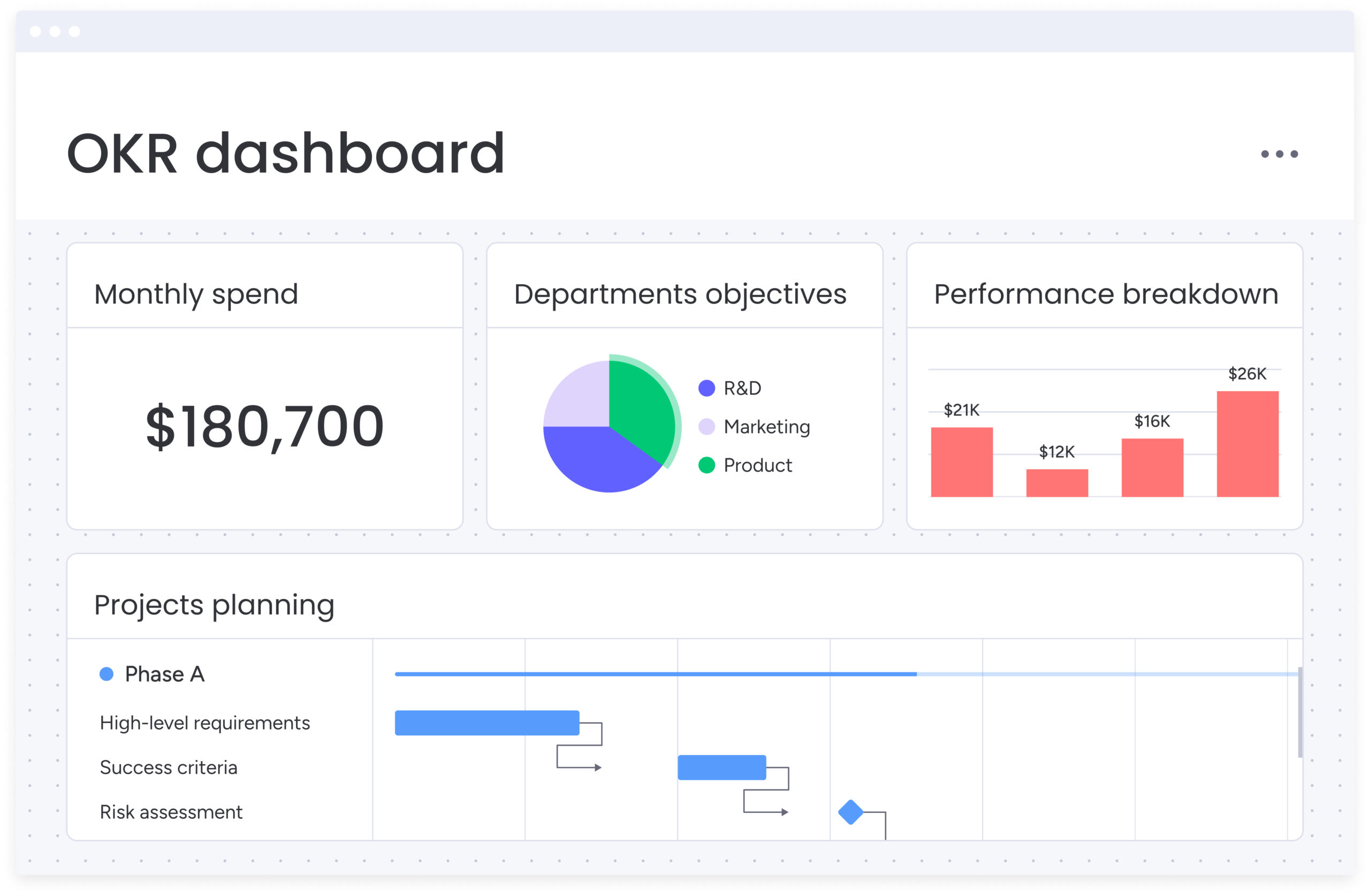
Marketing teams often struggle to manage campaigns that span multiple channels, stakeholders, and platforms. Modern platforms like monday.com address these challenges by providing a flexible, unified system that adapts to any campaign workflow.
The intelligent platform brings all campaign elements into a single place — tasks, team assignments, and performance results — so marketing can collaborate effectively with sales, design, and product teams while maintaining visibility into responsibilities and progress.
| Aspect | Spreadsheets/email | Basic project platforms | monday work management |
|---|---|---|---|
| Campaign visibility | Fragmented and siloed | Limited to activity lists | Real-time dashboards across portfolios |
| Cross-team collaboration | Disconnected threads | Comments on activities | Contextual communication and guest access |
| Resource management | Manual and error-prone | Basic assignment features | Workload view for capacity planning |
| Scalability | Breaks with complexity | Rigid structure limits growth | Custom workflows adapt to enterprise scale |
| Integration | Non-existent | Limited connectors | Deep integrations with marketing platforms |
| Automation | None | Simple reminders | Multi-step automations accelerate workflows |
Organizations choose monday.com for its advantages that address core campaign coordination challenges:
- High user adoption: the intuitive interface ensures teams engage with the platform, maintaining accurate data and real-time visibility.
- Customization capabilities: create workflows that match processes without code, from creative requests to media buying.
- Enterprise-grade security: protect sensitive campaign data and customer information with advanced security protocols and compliance standards.
- Speed to value: templates and intuitive setup allow teams to launch complex campaigns in days, not months.
- AI-powered insights: built-in AI helps summarize data, generate content ideas, and optimize workflows automatically.
Marketing operations teams use the platform to manage request intake, coordinate approvals, and track campaign ROI in one place. By connecting strategy to execution, teams run their business, not just individual activities.
Scale your campaign management success
Stop managing campaigns as a series of disconnected tasks. Building repeatable systems enables better conversion rates, faster execution, and a cohesive brand story.
Start with clear objectives, establish proper workflows, and use technology that adapts to your unique needs instead of forcing rigid templates. When these elements align, campaigns become scalable, measurable, and effective.
The content in this article is provided for informational purposes only and, to the best of monday.com’s knowledge, the information provided in this article is accurate and up-to-date at the time of publication. That said, monday.com encourages readers to verify all information directly.
Frequently asked questions
What is campaign management in CRM?
Campaign management within a CRM focuses on customer relationship activities such as lead nurturing, retention, and upsell initiatives. It uses customer data to personalize interactions and tracks the direct impact of marketing on sales pipelines.
What does a campaign manager do?
A campaign manager oversees the end-to-end lifecycle of marketing initiatives, including strategy development, team coordination, timeline management, and performance analysis. They bridge creative teams, agencies, and business stakeholders to meet objectives.
How do you measure campaign ROI?
Campaign ROI is calculated by subtracting marketing costs from revenue, dividing the result by marketing costs, and multiplying by 100. Key metrics include conversion rates, cost per lead, and customer lifetime value.
Can small businesses use campaign management systems?
Campaign management principles and platforms scale to any organization size, organizing efforts and maximizing limited budgets. Platforms like monday.com offer flexible solutions that grow with a team, making professional campaign oversight accessible to smaller companies.
What's the difference between campaign management and marketing automation?
Campaign management is the strategic process of planning and overseeing marketing initiatives, while marketing automation is technology that executes repetitive tasks within that process. Automation supports the broader discipline of campaign management.
How do campaign management platforms handle data privacy?
Reputable platforms comply with regulations such as GDPR and CCPA, providing features for consent management and secure storage. Enterprise-grade solutions like monday.com include advanced security measures to safeguard sensitive campaign and customer data.

 Get started