

Marketing teams often spend weeks developing campaign strategies with clear positioning, effective pricing, and messaging that resonates. However, when it comes time to execute, plans can fragment into spreadsheets, emails, and isolated team efforts.
What starts as a cohesive strategy can quickly become a collection of disconnected activities, leaving teams unsure whether efforts are driving results.
A marketing mix template addresses this challenge by organizing the 4Ps of marketing: Product, Price, Place, and Promotion. This creates a structured framework that connects strategy to daily work. Instead of abstract goals, teams gain visibility into concrete projects with defined owners, timelines, and measurable outcomes.
This very useful guide demonstrates how to build, customize, and execute marketing mix templates that match organizational needs. It covers essential template components, adaptation for different business models, and methods for translating strategic plans into actionable, trackable work that generates measurable results.
Key takeaways
- Marketing mix templates turn strategy into actionable work: Breaking down high-level marketing goals into specific projects with owners and deadlines ensures consistent execution.
- The 4Ps must be interconnected: Product, price, place, and promotion should adjust together to maintain alignment and competitive advantage.
- Collaborative, dynamic templates outperform static documents: Real-time updates, integrated analytics, and centralized workflows reduce version control issues and improve cross-team visibility.
- Customization drives effectiveness: Templates should reflect business model, market type (B2B vs B2C), product lifecycle, geographic scope, and seasonal campaigns for maximum relevance.
- Centralizing marketing mix planning on monday work management enhances performance: The platform connects strategy to daily execution, provides AI-powered insights, and flags risks before they impact launches.
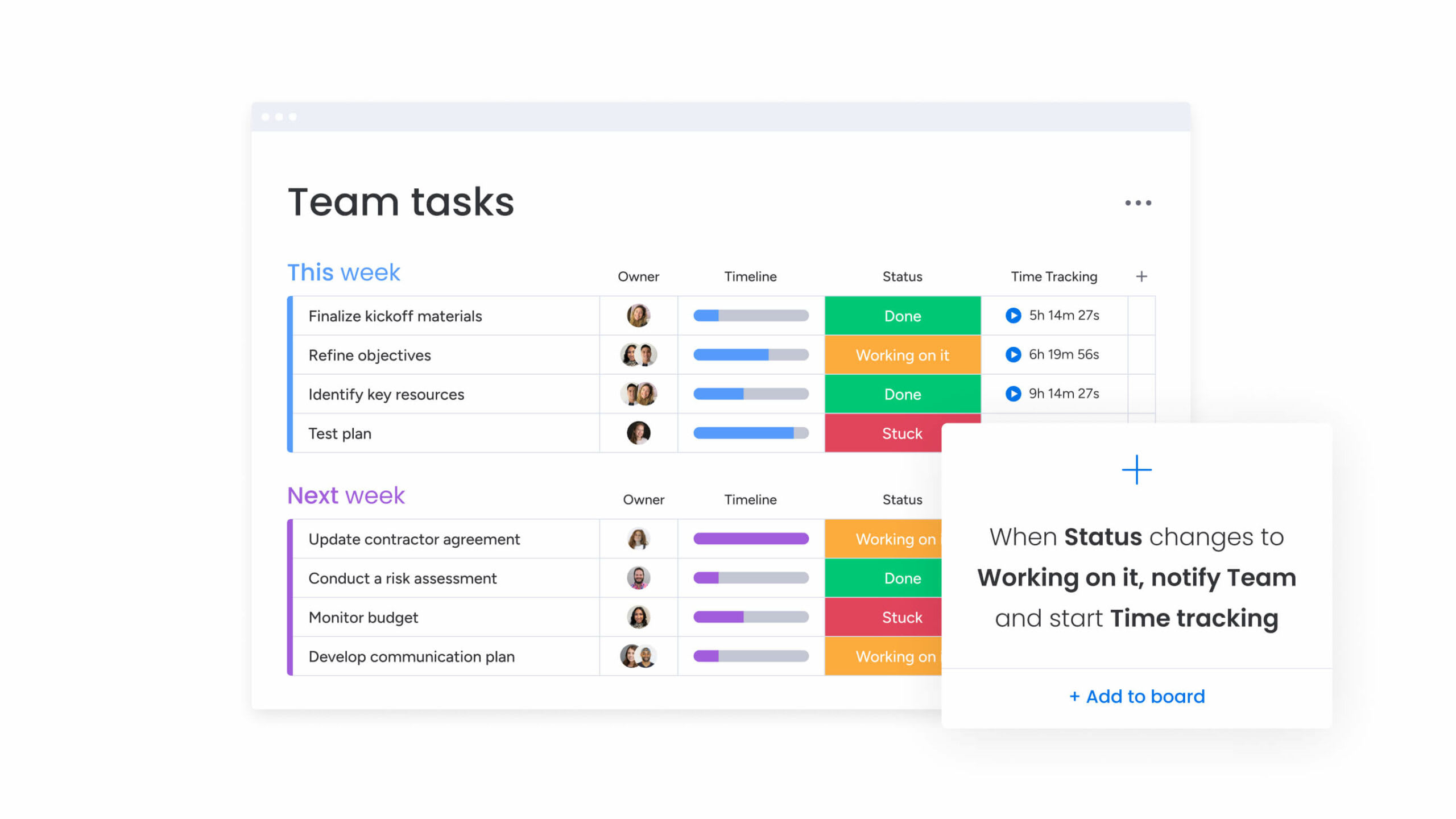
What is a marketing mix tempalte?
A marketing mix template organizes the levers you control to shape how customers engage with your product. It turns broad marketing goals into actionable plans by showing how product, price, place, and promotion work together.
While a marketing strategy defines the “why” and “who,” a marketing mix template maps the “how,” translating high-level objectives into specific actions that teams can execute. For organizations coordinating across departments, this template serves as the single source of truth, keeping product, sales, marketing, and operations aligned.
The best marketing mix templates include these core sections to ensure nothing is overlooked:
- Product strategy section: Defines the value proposition and positioning, clarifying the problem solved and how the product differs from competitors.
- Pricing framework: Links competitive analysis with financial goals to prevent misalignment between perceived value and actual cost.
- Distribution planning: Maps the path for customers, from initial awareness through purchase.
- Promotion coordination: Aligns messaging across channels so customers experience consistency whether interacting with ads, sales teams, or the website.
Why marketing teams need structured frameworks
Without a unified framework, execution can drift away from strategy. Departments often make independent decisions, causing a single plan to fragment across spreadsheets, decks, and email threads.
Structured frameworks connect the dots. When pricing changes, messaging and distribution plans can be updated efficiently. Teams using these templates experience faster planning cycles and stronger cross-team alignment: successful strategies from one product launch can then be applied to the next without rebuilding the plan from scratch.
Executives can also gain insight into strategic progress, while teams maintain control over daily execution.
Modern collaborative templates vs static documents
Static documents create version control challenges. Once a spreadsheet or presentation is saved, it can already be outdated. Changes made in other copies can make it unclear which version is correct.
Collaborative templates function as live workspaces where strategy and execution coexist.
| Feature | Static documents | Collaborative templates |
|---|---|---|
| Data accuracy | Outdated after saving | Real-time updates |
| Access control | File-based sharing | Role-based permissions |
| Feedback | Scattered email chains | Contextual comments |
| Visibility | Limited to file holders | Organization-wide transparency |
| Execution link | Manual transfer needed | Integrated workflows |
Intuitive platforms like monday work management enable real-time updates across the organization in a shared workspace, eliminating version control issues and reducing reliance on email.
Essential components every template must include
A strong marketing mix template encourages thorough planning and cross-team collaboration. Core components provide a complete view of the marketing strategy.
- Target audience profiles: Include detailed demographics, psychographics, and behavioral data to guide decisions based on real customer insights.
- Competitive landscape analysis: Provides a live view of competitors, including positioning maps to highlight opportunities for differentiation.
- Additional critical elements include:
- SWOT analysis integration: Links strengths, weaknesses, opportunities, and threats to decisions in each marketing mix element.
- Budget allocation framework: Distributes resources across the mix to align strategy with financial goals.
- Timeline and milestone tracking: Integrates schedules showing dependencies between product development and promotional launches.
- Success metrics definition: Establishes pre-defined KPIs for each element, enabling measurable outcomes before execution begins.
- Risk assessment section: Identifies potential issues, from supply chain disruptions to negative PR, and outlines mitigation strategies.
- Review and update schedule: Provides governance for revisiting strategy, ensuring the marketing mix remains responsive to market changes.
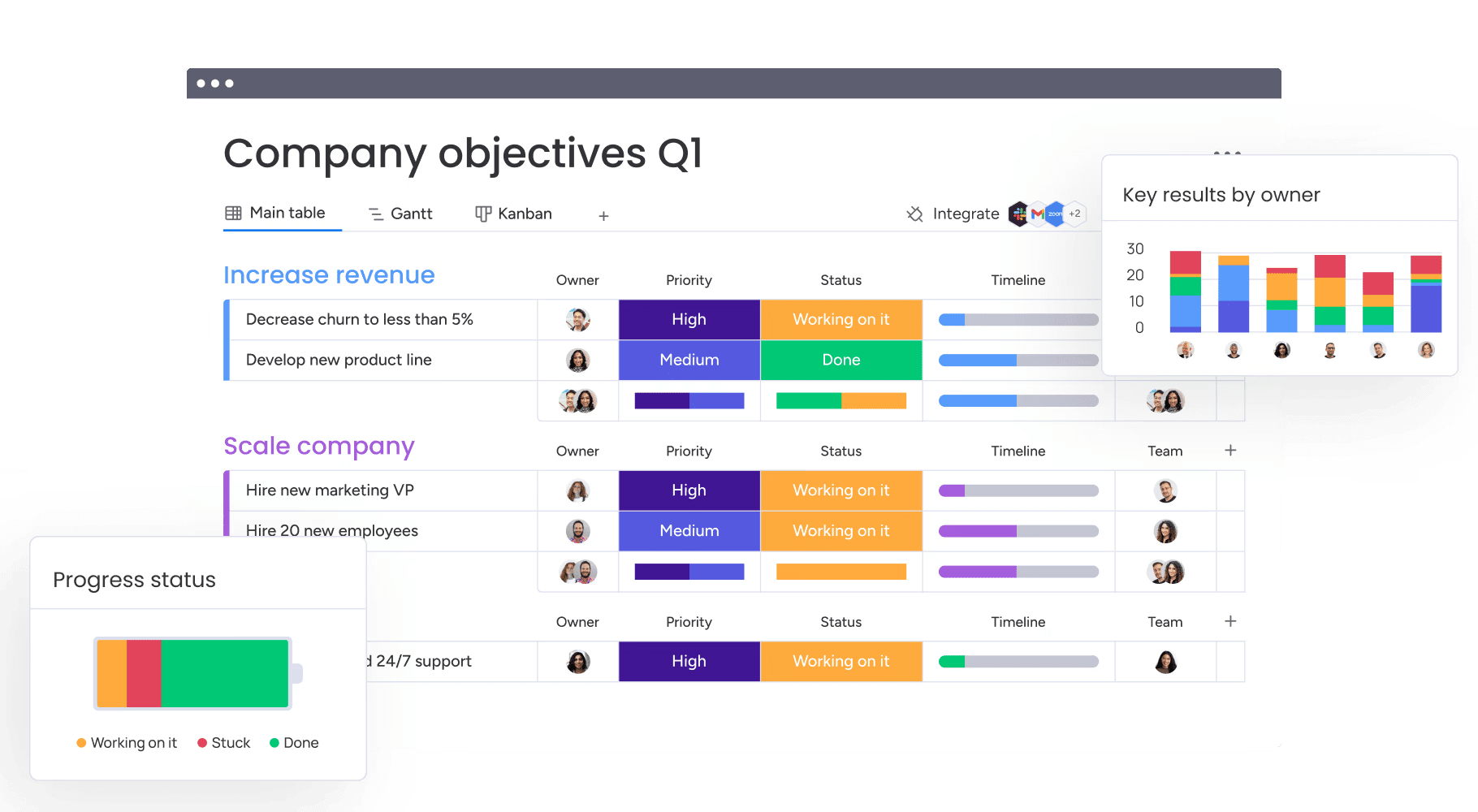
Understanding the 4Ps of the marketing framework
The 4Ps framework — Product, Price, Place, and Promotion — forms the foundation of marketing strategy because it addresses the key levers businesses use to influence demand. These four elements are interconnected; changing one often requires adjusting the others to maintain strategic alignment and achieve business objectives.
Product strategy fundamentals
Product strategy defines what a business offers and why it matters. This includes the core benefit, tangible features and design, and augmented elements such as support and warranties. Every decision in product strategy shapes what is possible across the rest of the marketing mix.
Additional strategic considerations include:
- Core value proposition: Defines the specific problem the product solves — if this is unclear, promotion alone cannot sustain success.
- Product differentiation: Highlights unique features or attributes that distinguish the product and serve as anchors for messaging.
- Product lifecycle stage: Guides marketing tactics depending on whether the product is in introduction, growth, maturity, or decline.
- Feature prioritization: Identifies which capabilities to highlight in marketing materials, ensuring alignment between development and promotion.
- Quality standards: Sets performance benchmarks that support positioning and pricing decisions.
- Brand integration: Ensures each product contributes to broader brand equity and portfolio strategy.
Pricing for competitive advantage
Pricing generates revenue while signaling value and brand positioning. Strategic pricing balances internal cost considerations with market psychology to attract the right customers and sustain profitability.
Key pricing considerations include:
- Pricing model selection: Choosing between one-time purchases, subscriptions, or freemium models affects cash flow and customer lifetime value.
- Competitive positioning: Pricing communicates whether a brand is luxury, mid-market, or economy, helping define the target audience.
- Geographic variations: Adjusting prices based on regional purchasing power and market expectations supports global strategies.
- Promotional pricing: Discounts and bundles should be calculated into margins upfront to maintain brand value.
- Value-based pricing: Aligns price with customer-perceived value rather than relying solely on cost-plus calculations.
- Dynamic pricing capabilities: Technology-enabled adjustments respond to demand, inventory, or competitor actions.
Distribution channel selection
Distribution determines how customers access a product, including both physical logistics and digital pathways. The goal is to reduce friction between interest and purchase.
Effective channel strategy balances reach with control, ensuring accessibility while protecting margins and brand integrity.
Key distribution considerations include:
- Channel mix: Balancing direct-to-consumer channels (higher margin, greater control) with third-party retail or marketplaces (broader reach, lower margin).
- Geographic coverage: Choosing regional or international reach impacts logistics and localized marketing needs.
- Channel partner requirements: Providing partners with training and assets ensures they can sell effectively.
- Customer journey mapping: Understanding preferred discovery and purchase behaviors ensures distribution aligns with actual needs.
- Omnichannel integration: Creating seamless experiences across online and offline touchpoints enhances customer satisfaction.
Integrated promotion planning
Promotion communicates value and justifies pricing. It encompasses all marketing communications, ensuring advertising, sales, PR, and digital efforts convey a consistent story.
Effective promotion requires integration across channels. Content marketing delivers educational and inspirational material to build trust throughout the customer journey. Social media strategies address each platform’s unique language while maintaining messaging consistency.
Key promotional elements include:
- Influencer and partnership marketing: Leveraging third-party credibility to reach audiences that may be skeptical of direct advertising.
- Marketing automation: Using tech to deliver personalized communication at scale based on behavior and lifecycle stage.
- Public relations integration: Combining earned media strategies with paid and owned channels to strengthen overall messaging.
- Sales enablement: Providing tools and training that help sales teams communicate value propositions effectively.
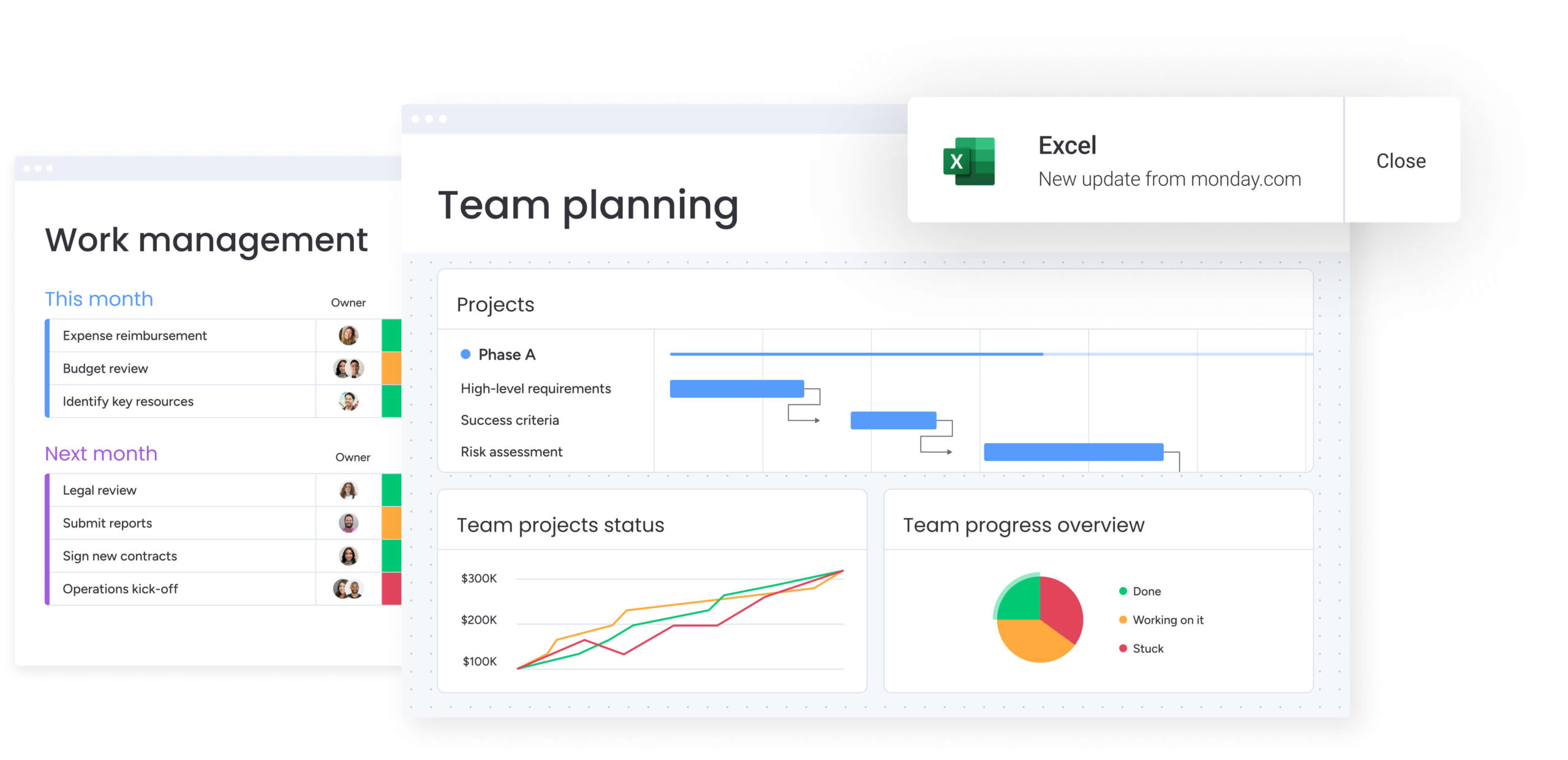
Why modern teams choose dynamic marketing mix templates
Static planning documents cannot keep pace with today’s market speed. What happens when competition shifts mid-quarter but your marketing mix lives in a PDF that no one has opened in weeks?
Dynamic templates solve this problem by uniting strategy and performance data in one environment. Teams can pivot tactics immediately based on live results instead of waiting for quarterly reviews. This real-time approach transforms how organizations respond to market changes and competitive threats.
These templates deliver several advantages that traditional planning methods cannot match:
- Cross-functional visibility: Stakeholders from finance, product, and sales view current strategy status instantly, eliminating status update meetings.
- Faster decision making: Strategy and performance data in one place enable immediate tactical pivots based on live results.
- Reduced planning cycles: Reusable templates and standardized workflows significantly cut time to launch new initiatives.
- Improved accountability: Dynamic templates assign ownership to every mix element, ensuring work does not fall between departments.
- Scalable processes: Standardized digital frameworks allow organizations to manage complex portfolios across markets without adding administrative overhead.
Build your marketing mix strategy in 5 steps
An effective marketing mix starts with clarity. Clear audience insight, realistic financial goals, and defined positioning turn abstract strategy into coordinated action. When each decision is rooted in research, teams can move fast without losing alignment.
Step 1: Define your target audience
Audience definition drives all subsequent decisions. Without understanding customers, product features may miss the mark and pricing may misalign with willingness to pay.
Build comprehensive audience understanding through multiple research methods. Primary research via surveys and interviews provides qualitative insights. Secondary research through industry reports and competitor analysis offers macro-level context.
Essential audience research activities include:
- Data analysis: Historical purchase patterns reveal actual preferences versus stated preferences.
- Persona development: Detailed profiles humanize data, helping creative teams craft resonant messages.
- Behavioral segmentation: Understanding how different customer groups interact with your category.
- Journey mapping: Identifying touchpoints and decision factors throughout the purchase process.
Position your product value
Positioning defines the space your product occupies relative to alternatives and serves as a north star for communication and development efforts.
Establish strong positioning by conducting competitive analysis to map the landscape and identify white space where your brand can claim ownership. Value proposition creation articulates unique benefits that explain why customers should choose your product.
Key positioning activities include:
- Positioning statement development: Create a concise internal statement that guides messaging consistency.
- Message hierarchy: Establish primary and secondary messages to ensure critical benefits communicate first.
- Differentiation mapping: Visual representation of how you compare to competitors across key attributes.
- Proof point collection: Evidence that supports positioning claims and builds credibility.
Develop strategic pricing
Strategic pricing aligns financial goals with customer value perception and requires input from finance, marketing, and sales.
Price strategically through comprehensive cost analysis to understand cost of goods sold and customer acquisition, establishing the pricing floor. Value assessment determines economic value for customers, establishing the ceiling.
Critical pricing development steps include:
- Competitive benchmarking: Analyzing competitor pricing to reveal market standards and disruption opportunities.
- Pricing psychology: Leveraging triggers like anchoring or charm pricing to influence conversion rates.
- Elasticity testing: Understanding how price changes affect demand to optimize revenue.
- Margin modeling: Ensuring pricing supports profitability goals across different volume scenarios.
Map distribution channels
Channel selection balances reach against control, ensuring customers find your product while preserving brand integrity and margins.
Optimize distribution by starting with audience accessibility — be present where target customers already shop or search. Channel economics analysis reveals each channel’s costs and margin implications.
Distribution mapping considerations include:
- Control vs reach: Direct channels offer data ownership and brand control; indirect channels provide scale and speed.
- Channel partner capabilities: Evaluate partners on reach and their ability to represent your brand and support customers.
- Technology requirements: Digital channels require different infrastructure than physical distribution.
- Performance metrics: Establish KPIs for each channel to measure effectiveness and ROI.
Create your promotion strategy
Promotion activates your marketing mix, driving traffic to channels and communicating your value proposition.
Build effective promotion by adapting core messages for different formats and channels. Select channels based on audience concentration and expected impact.
Promotional strategy development includes:
- Content planning: Align assets with the customer journey from awareness to decision.
- Campaign coordination: Ensure paid, earned, and owned media work together for a multiplier effect.
- Budget allocation: Distribute promotional spending based on channel effectiveness and audience reach.
- Performance tracking: Establish measurement frameworks to optimize campaigns in real time.
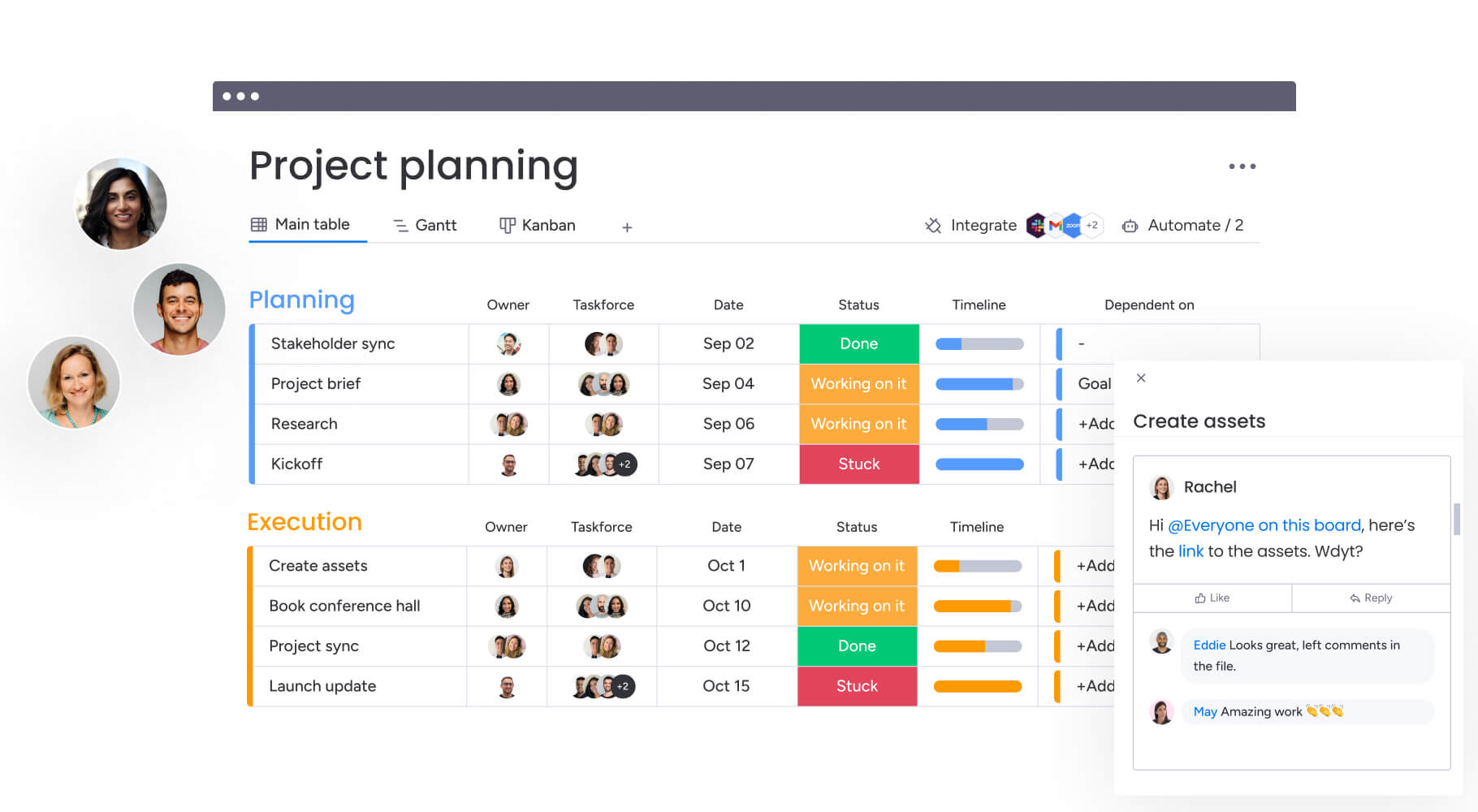
Marketing mix models for different business needs
The 4Ps framework gives you structure, but structure alone is not enough. How you apply each element depends on what you sell, how customers experience it, and how revenue is generated. A product-led brand will prioritize different decisions than a service business or digital platform. Understanding those differences is what turns the 4Ps from a theory into a practical planning model.
Classic 4Ps marketing framework
The classic 4Ps model works best for businesses selling tangible goods. Its simplicity and comprehensive scope make it suitable for physical product lifecycles.
This framework delivers reliable value through a universally understood structure that eases onboarding and fosters cross-department alignment. It addresses the fundamental exchange of goods for money at specific locations, providing a strong foundation for strategic planning.
Key advantages include:
- Proven effectiveness: Decades of application across retail, manufacturing, and CPG demonstrate reliability.
- Cross-industry applicability: Serves as a baseline for product-based businesses, from automotive to electronics.
- Strategic clarity: Simple structure prevents analysis paralysis while ensuring thorough planning.
- Stakeholder alignment: Common language facilitates communication across departments and levels.
Extended 7Ps for service businesses
Service businesses benefit from the extended 7Ps framework, which adds People, Process, and Physical Evidence to address intangible offerings.
These additional elements capture essential service delivery factors that the original 4Ps do not. People are particularly critical, as staff interactions directly represent the brand. Training, culture, and engagement protocols become key marketing considerations.
The extended framework emphasizes:
- Process: Service delivery mechanisms shape customer perceptions of quality and value.
- Physical evidence: Tangible cues, such as facility design or report quality, help customers evaluate intangible services.
- People integration: Human elements differentiate experiences and foster strong relationships.
- Service quality standards: Consistent processes ensure reliable customer experiences.
Choosing the right model for your industry
Selecting the right framework ensures strategies address all critical success factors. Consider the following guidelines based on business model and market context.
- Product-focused businesses: Start with 4Ps and add People or Process if customer service creates differentiation.
- Service-focused businesses: Use 7Ps to capture service delivery nuances and customer experience.
Additional industry considerations include:
- Hybrid businesses: Weight the Ps according to revenue contribution from products and services.
- Digital businesses: Adapt Place to focus on platform accessibility and user experience as Process.
- B2B organizations: Prioritize relationship-building and account for longer sales cycles.
- Global companies: Select frameworks that accommodate regional variations and cultural differences.
A product-led brand will prioritize different decisions than a service business or digital platform. Understanding those differences is what turns the 4Ps from a theory into a practical planning model.
7 ways to customize your marketing mix template
Generic templates provide a foundation, but customization improves effectiveness. Tailoring templates to organizational needs ensures strategic relevance and higher adoption.
1. Adapt for your specific industry
Industry-specific nuances dictate which mix elements need the most focus. Templates should reflect these differences to address sector challenges and opportunities.
Examples include:
- Technology companies: Emphasize product roadmaps, feature releases, and integration capabilities.
- Healthcare organizations: Prioritize regulatory compliance, patient privacy, and provider education.
- Financial services: Focus on trust-building, risk disclosure, and long-term relationship management.
- Retail businesses: Detail inventory turnover, seasonality, and visual merchandising.
- Manufacturing: Emphasize supply chain management, quality control, and distributor relationships.
- Professional services: Highlight expertise demonstration, client testimonials, and thought leadership.
2. Configure for B2B or B2C markets
Decision-making differs between businesses and consumers, requiring tailored approaches.
- Purchase complexity: B2B strategies require detailed competitive analysis and ROI justification.
- Buying cycles: B2C strategies emphasize impulse triggers, while B2B focuses on relationship building.
- Decision makers: B2B requires mapping multiple stakeholders; B2C targets individual psychology.
- Communication style: B2B messaging emphasizes logic and proof; B2C balances emotion with reason.
3. Integrate digital marketing channels
Modern templates should treat digital channels as central, not supplementary.
- Data-driven pricing: Incorporate dynamic pricing models and A/B testing protocols.
- Digital product features: Track UX and UI design as core product attributes.
- Marketing automation: Workflows that personalize experiences at scale.
- Analytics integration: Real-time performance tracking across all digital touchpoints.
4. Scale for multiple geographic markets
Global organizations need templates that allow consistency while supporting local adaptation.
- Distribution differences: Plan logistics for varied infrastructure and retailer dominance.
- Promotional localization: Incorporate translation workflows and regional media strategies.
- Regulatory compliance: Account for local legal requirements that affect marketing.
- Cultural sensitivity: Align campaigns with local customs and preferences.
5. Adjust for product lifecycle stages
Marketing mixes evolve as products mature. Templates should include lifecycle transition triggers.
- Introduction stage: Invest in promotion and distribution to build awareness and trial.
- Growth stage: Focus on differentiation and market share with competitive pricing.
- Maturity stage: Emphasize retention and efficiency with loyalty programs and product updates.
- Decline stage: Manage value harvesting and minimize costs across the mix.
- Revival strategies: Extend product life through repositioning or feature enhancements.
- Portfolio transitions: Guide customer migration from declining to growing products.
6. Plan seasonal marketing campaigns
Cyclical businesses require templates that anticipate demand fluctuations.
- Promotional timing: Schedule campaigns with milestones months in advance.
- Resource allocation: Adjust budget and staffing during peak periods to maximize opportunity.
- Supply chain coordination: Align production and logistics with seasonal demand.
- Performance benchmarking: Use year-over-year comparisons that account for seasonality.
7. Manage multi-product portfolios
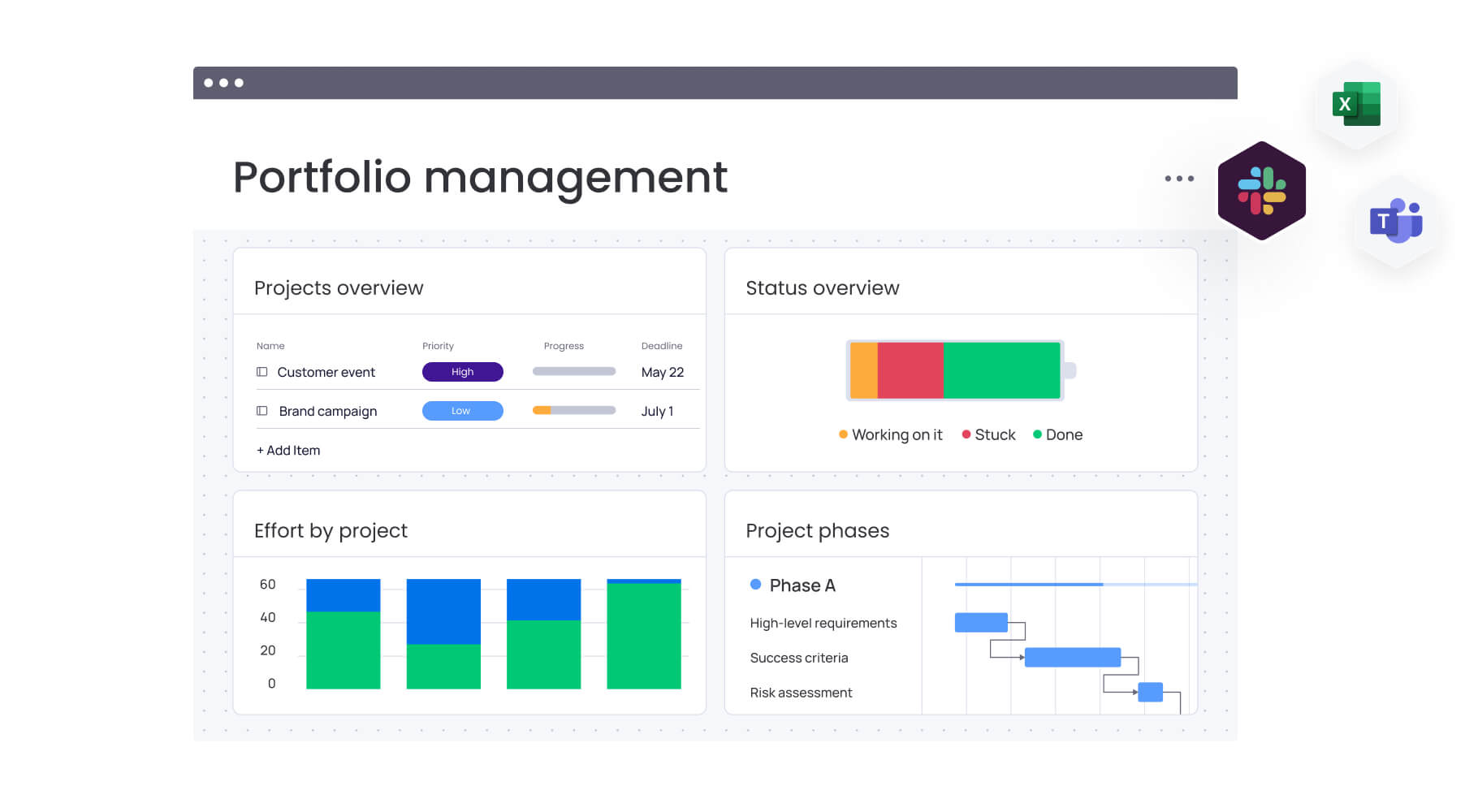
Portfolio management requires seeing individual mixes within the broader business context.
- Brand architecture: Ensure product branding reinforces overall brand equity.
- Resource coordination: Manage shared services to prevent bottlenecks across products.
- Cannibalization analysis: Understand how new products may affect existing offerings.
- Portfolio optimization: Balance investment across products to maximize total returns.
Key principles for successful marketing mix execution
Even the strongest strategies can fail when processes break down. Avoiding common pitfalls is as important as strategy itself.
Teams often treat templates as one-time exercises: this approach leads to outdated strategies. Successful teams review and adjust quarterly, keeping the marketing mix responsive to market trends and performance data.
Creating templates in isolation is another critical mistake: strategies developed without sales or product input often fail because they lack practical insights from customer-facing teams.
Common pitfalls include:
- Overcomplicating template structure: If templates are difficult to update, teams abandon them — simplicity ensures adherence.
- Ignoring implementation tracking: Strategy without monitoring mechanisms is just wishful thinking — progress must be tracked.
- Failing to align with business objectives: Marketing mix goals should directly support revenue and growth targets, not just vanity metrics.
- Neglecting competitive monitoring: Markets evolve quickly — failing to adjust strategy in response to competitor actions can result in lost market share.
- Underestimating resource requirements: Ambitious strategies without sufficient budget or staffing inevitably disappoint.
- Skipping stakeholder buy-in: Templates succeed when all departments understand and support the strategic direction.
How to connect marketing mix planning to daily execution
Strategy only delivers impact when it shows up in daily work. Big-picture plans mean little if they are not broken down into clear responsibilities, timelines, and measurable actions. Connecting high-level direction with individual assignments is what turns ambition into execution and keeps teams aligned from planning to launch.
Convert strategy into assigned work
Strategy must break down into actionable work units, transforming abstract goals into tangible project plans that teams can execute effectively.
The conversion process requires systematic breakdown of objectives. For example, a goal to increase awareness can be divided into blog posts, ad campaigns, and PR outreach. Assigning ownership ensures accountability and eliminates ambiguity.
Essential conversion elements include:
- Timeline development: Deadlines set according to realistic capacity and dependencies ensure achievable launch dates.
- Resource allocation: Budgets and capabilities assigned to work items ensure teams have what they need.
- Dependency mapping: Understanding how work streams connect prevents bottlenecks.
- Progress tracking: Regular check-ins keep strategic work on schedule.
Teams using modern work management platforms can convert each marketing mix element into trackable workflows, with automations handling updates, approvals, and notifications. This keeps focus on strategy rather than administrative tasks.
Automate marketing approval workflows
Manual approvals are a common cause of campaign delays. Automation maintains governance without slowing work.
Effective automation begins with standardized approval criteria, defining what requires approval and what does not. Parallel approval processes allow assets to move simultaneously to legal and brand teams, saving days.
Automation capabilities include:
- Automated routing: Logic-based workflows send requests to the right approvers instantly.
- Escalation procedures: Automated alerts notify managers if approvals stall.
- Version control: Automated tracking ensures teams work from approved assets.
- Compliance monitoring: Automated checks confirm content meets brand and legal standards.
Enable real-time team collaboration
Collaboration must occur where work is managed. Centralized communication keeps strategy aligned with execution.
Real-time collaboration involves scheduled data reviews to ensure teams stay focused on goals. Cross-functional communication uses tagging of product or sales members in workspaces, keeping them informed without extra meetings.
Collaboration features include:
- Shared documentation: Storing assets and guidelines within projects ensures everyone uses the latest versions.
- Feedback integration: Comments and market insights captured on work boards create records of decisions.
- Status transparency: Visibility into project progress prevents miscommunication.
- Knowledge sharing: Centralized repositories capture lessons learned and best practices.
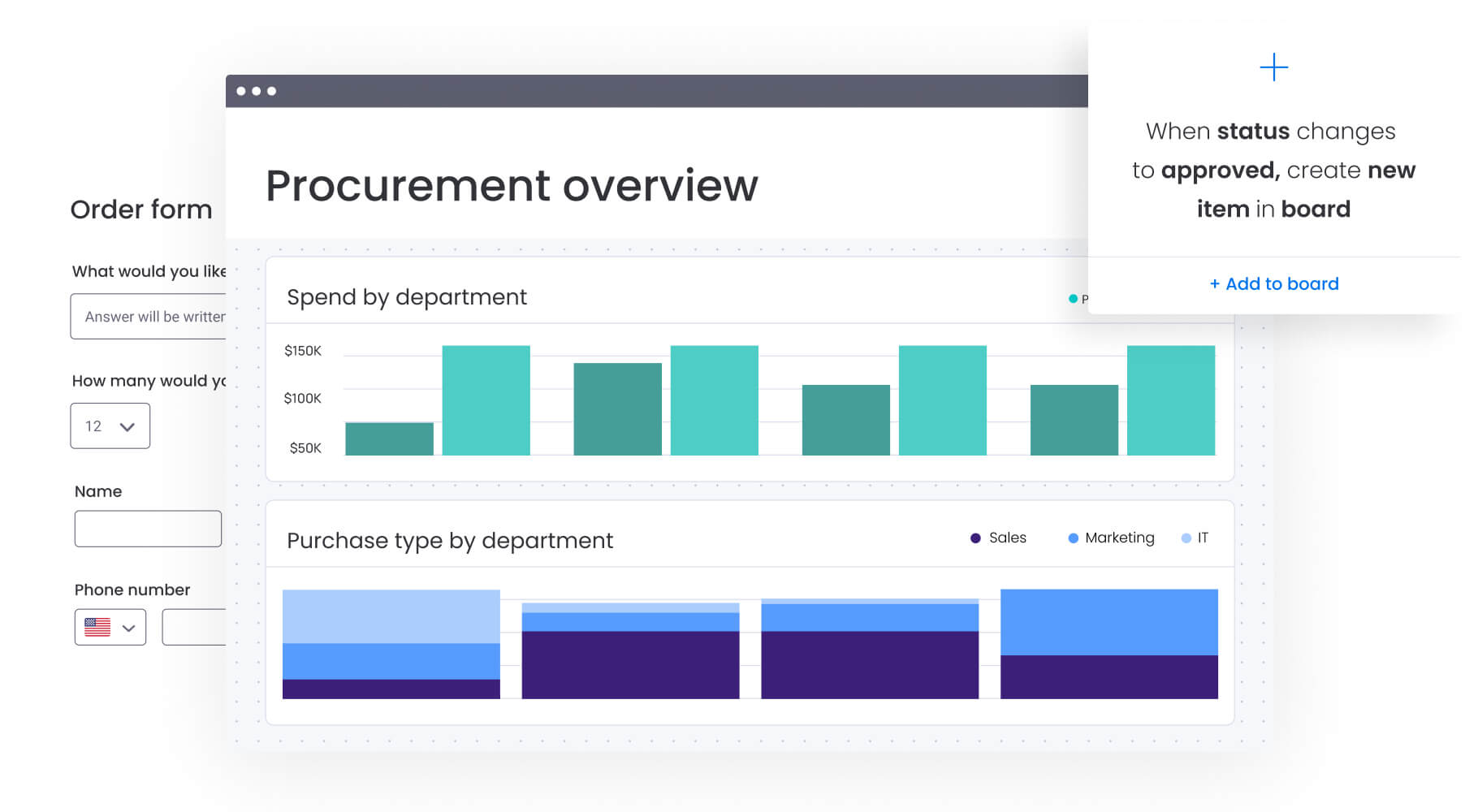
Measure performance across your marketing mix
A marketing mix only improves when you measure it properly. Real-time data replaces guesswork with clarity, showing what is driving growth and what needs adjustment.
Each element of the mix should have defined performance signals. Product performance can be tracked through sales velocity and adoption rates. Pricing effectiveness shows up in margin performance and conversion shifts at different price points.
Focus on metrics that connect activity to outcomes:
- Distribution channel performance: Channel profitability and volume trends reveal where to scale investment or reduce exposure.
- Promotional ROI: Cost per acquisition and return on ad spend guide smarter budget allocation.
- Customer lifetime value: Long-term revenue contribution validates marketing mix investments beyond short-term wins.
- Market share trends: Competitive movement indicates whether your overall strategy is strengthening or slipping.
When these indicators are visible in one place, optimization becomes continuous rather than reactive.
Use AI to optimize your marketing resource allocation
AI adds a new layer of intelligence to marketing mix planning. Instead of reacting to results after the fact, teams can anticipate performance and adjust before resources are committed.
Predictive analytics forecast demand and campaign outcomes using historical data. Budget optimization models recommend where spend will likely generate the highest return. That shift moves planning from static allocation to continuous refinement.
Key AI-driven capabilities include:
- Personalization: Machine learning segments audiences dynamically, allowing you to tailor elements of the mix to micro-segments.
- Competitive intelligence: Continuous monitoring of competitor pricing and messaging surfaces risks early.
- Performance prediction: Forecast models estimate campaign outcomes before launch, guiding smarter resource allocation.
- Anomaly detection: Automated pattern recognition flags unusual trends that may signal opportunity or emerging issues.
When AI is embedded into planning workflows, decisions become faster, sharper, and grounded in evidence rather than instinct.
Manage your marketing mix in one connected platform
A marketing mix should not live in a slide deck that gets reviewed once a quarter. It needs to sit at the center of how teams plan, execute, and measure work every day. When product decisions, pricing updates, distribution planning, and promotion all connect in one environment, strategy stops drifting and starts driving real results.
Centralize your 4Ps in a shared workspace
A unified platform reduces fragmentation by bringing every element of the marketing mix into a single environment. Product updates, pricing decisions, distribution planning, and promotional campaigns stay connected instead of scattered across files and tools.
Core capabilities include:
- Real-time collaboration: Stakeholders contribute simultaneously, with full context and decision history preserved.
- Automated workflows: Routine handoffs and updates run automatically so teams stay focused on strategic priorities.
- Integrated analytics: Built-in reporting connects activity across the mix to measurable business outcomes.
- Scalable architecture: The system supports growth across products, markets, and regions without rework.
- Security controls: Enterprise-grade permissions protect sensitive pricing and product strategy data.
Customize your marketing mix template for execution
Pre-built marketing mix templates give teams structure from day one, while flexible configuration allows adaptation to different models and workflows. Visual tools such as Gantt charts clarify dependencies between product readiness and promotional launches, reducing last-minute surprises.
Advanced features support operational control:
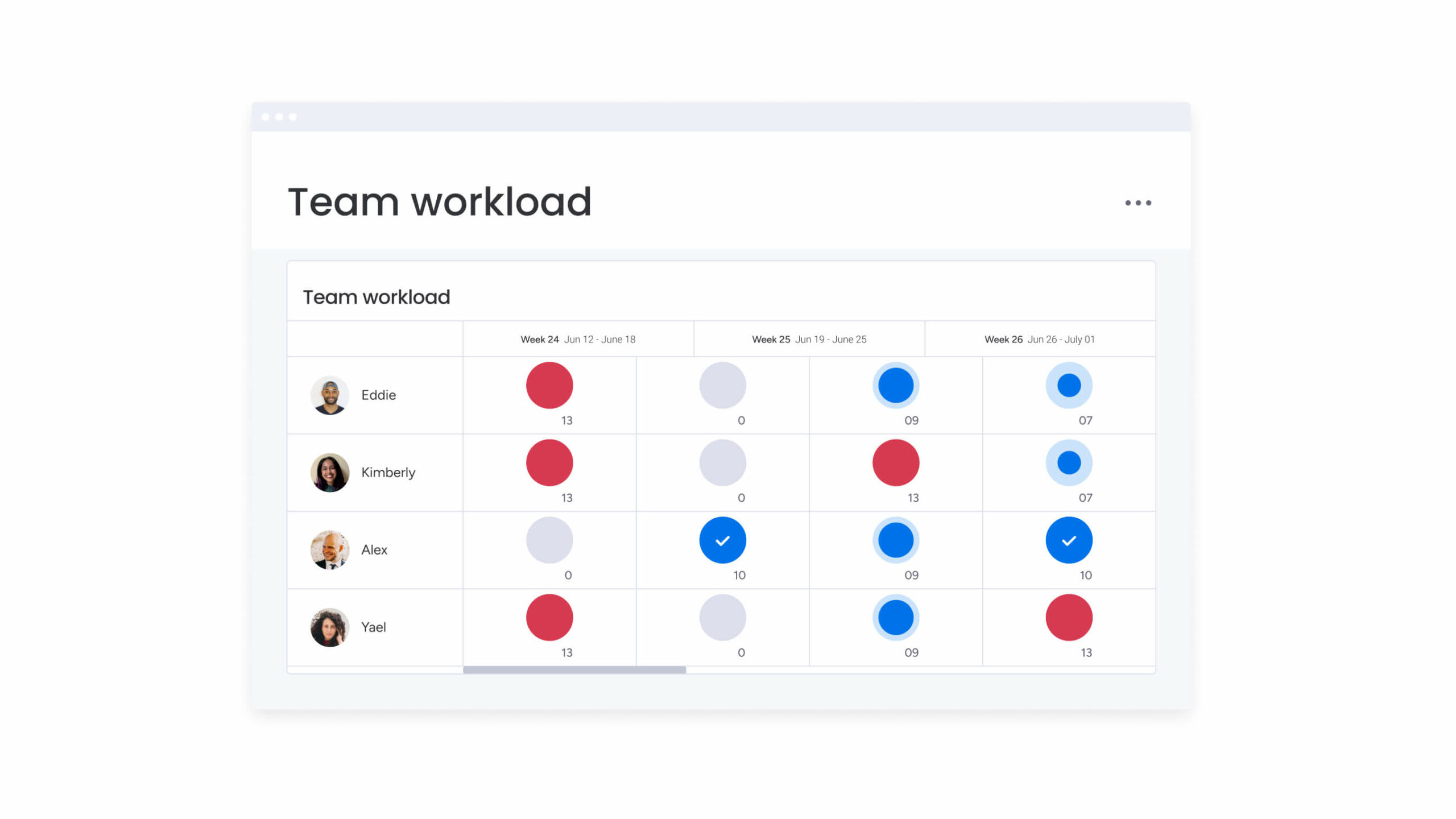
- Workload management: Resource views highlight capacity gaps before they delay campaigns.
- Dashboard analytics: Custom widgets provide a consolidated view of performance across the 4Ps.
- Automation recipes: Logic-based triggers handle approvals, notifications, and status updates automatically.
- Integration capabilities: Connections to CRM, marketing automation, and design platforms keep data flowing.
- Granular permissions: Role-based access ensures sensitive product or pricing information is visible only to authorized stakeholders.
Enhance planning with AI-powered insights
AI strengthens execution by identifying risks and opportunities early. Instead of waiting for issues to surface, teams receive proactive signals that support smarter decisions across the marketing mix.
AI-driven enhancements include:
- Automated categorization: Incoming feedback and market signals are organized without manual tagging.
- Predictive analytics: Historical patterns inform scenario planning and forecast likely campaign outcomes.
- Smart notifications: High-priority updates surface automatically so critical tasks do not stall.
- Pattern recognition: Machine learning highlights successful strategies that can be replicated across products.
Compare digital platforms with traditional approaches
Choosing the right system affects how effectively your marketing mix performs. The comparison below outlines how modern collaborative platforms differ from static templates and disconnected tools, especially in areas like visibility, AI support, and execution tracking.
| Feature | monday work management | Traditional templates | Other platforms |
|---|---|---|---|
| Real-time collaboration | Full team collaboration with context | Version control issues | Limited collaboration |
| AI-powered insights | Portfolio Risk Insights and optimization | No AI capabilities | Basic analytics only |
| Customizable frameworks | Flexible adaptation to any model | Static document formats | Rigid structures |
| Integrated execution | Direct strategy-to-work conversion | Separate execution required | Basic management |
| Cross-functional visibility | Organization-wide access and permissions | Siloed planning | Department-specific views |

“monday.com has been a life-changer. It gives us transparency, accountability, and a centralized place to manage projects across the globe".
Kendra Seier | Project Manager
“monday.com is the link that holds our business together — connecting our support office and stores with the visibility to move fast, stay consistent, and understand the impact on revenue.”
Duncan McHugh | Chief Operations OfficerTurn your marketing mix into a growth engine
A marketing mix template is not a document to complete and archive. It is a working system that connects strategic intent with everyday decisions. When product, pricing, distribution, and promotion are reviewed consistently and adjusted with real data, the mix becomes a lever for sustained growth rather than a one-time exercise.
The real advantage comes from integration. When your template lives inside daily workflows, progress is visible, ownership is clear, and performance feedback informs every adjustment. That is how strategy stays relevant in fast-moving markets.
Platforms like monday work management make that connection practical. Strategy, execution, and measurement coexist in one environment, giving teams the structure to move quickly and the visibility to improve continuously
Try monday work managementFrequently asked questions
What is the best marketing mix template format for collaboration?
A digital platform with real-time updates, automated workflows, and integrated analytics ensures strategy is part of daily operations, allowing all stakeholders to contribute simultaneously while maintaining version control.
How often should teams review and update their marketing mix?
Quarterly reviews are a baseline to maintain alignment. Rapidly changing markets may require monthly or bi-weekly reviews to pivot based on real-time data.
Can one marketing mix template work for multiple product lines?
Yes, when the template allows product-specific customization through individual boards. Shared templates maintain portfolio consistency while enabling product-level adaptation.
What's the difference between a marketing mix and marketing strategy?
Strategy defines the "who" (target audience) and "why" (value proposition), while the marketing mix is the "how" — the tactical execution using the 4Ps.
How do you measure marketing mix effectiveness?
Define KPIs for each P: sales volume for product, margin and conversion for price, channel velocity for place, and ROI/CPA for promotion. Attribution modeling isolates individual element impact.
Which marketing mix framework works best for digital businesses?
Digital businesses can start with the 4Ps, expanding "place" to include user experience and platform accessibility. Some use the 7Ps to account for service-heavy operations in SaaS or digital support.

 Get started