

Product launches rarely fail because of bad ideas. More often, things quietly fall apart in the final stretch, messaging feels slightly off, teams work in parallel instead of together, and decisions get delayed at the worst possible moment. Everything looks ready on the surface, yet behind the scenes, small gaps begin to compound, and results never quite match expectations.
Success hinges on bridging the gap between strategic ambition and daily execution. By unifying messaging, a defined audience, and clear calls to action into a single shared plan, organizations ensure that marketing’s promise aligns with what sales converts and what product delivers.
The following guide explores how marketing campaigns actually come together when they work well. It breaks down practical ways to plan, execute, and measure campaigns without the usual confusion or last-minute scrambling. Along the way, it connects strategy with day-to-day execution, so every effort moves in the same direction and delivers outcomes that are clear, measurable, and worth the investment.
Key takeaways
- Start with clear goals and measurable KPIs: Every campaign performs better when each activity ties directly to outcomes like revenue, leads, or retention, making it easier to track what is actually working.
- Keep teams aligned through shared workflows: When marketing, sales, and operations stay connected with defined roles and steady communication, campaigns move faster and avoid last-minute confusion.
- Use a centralized platform for campaign management: Solutions like monday work management bring planning, execution, and tracking into one place, so progress stays visible, and teams remain aligned.
- Prioritize consistency across channels: Messaging should feel connected across email, social, and paid campaigns, even as content adapts to fit each platform’s format and audience behavior.
- Track performance in real time and adjust early: Monitoring metrics like conversion rates and cost per acquisition helps spot issues quickly and refine campaigns before results are affected.
What is a marketing campaign?
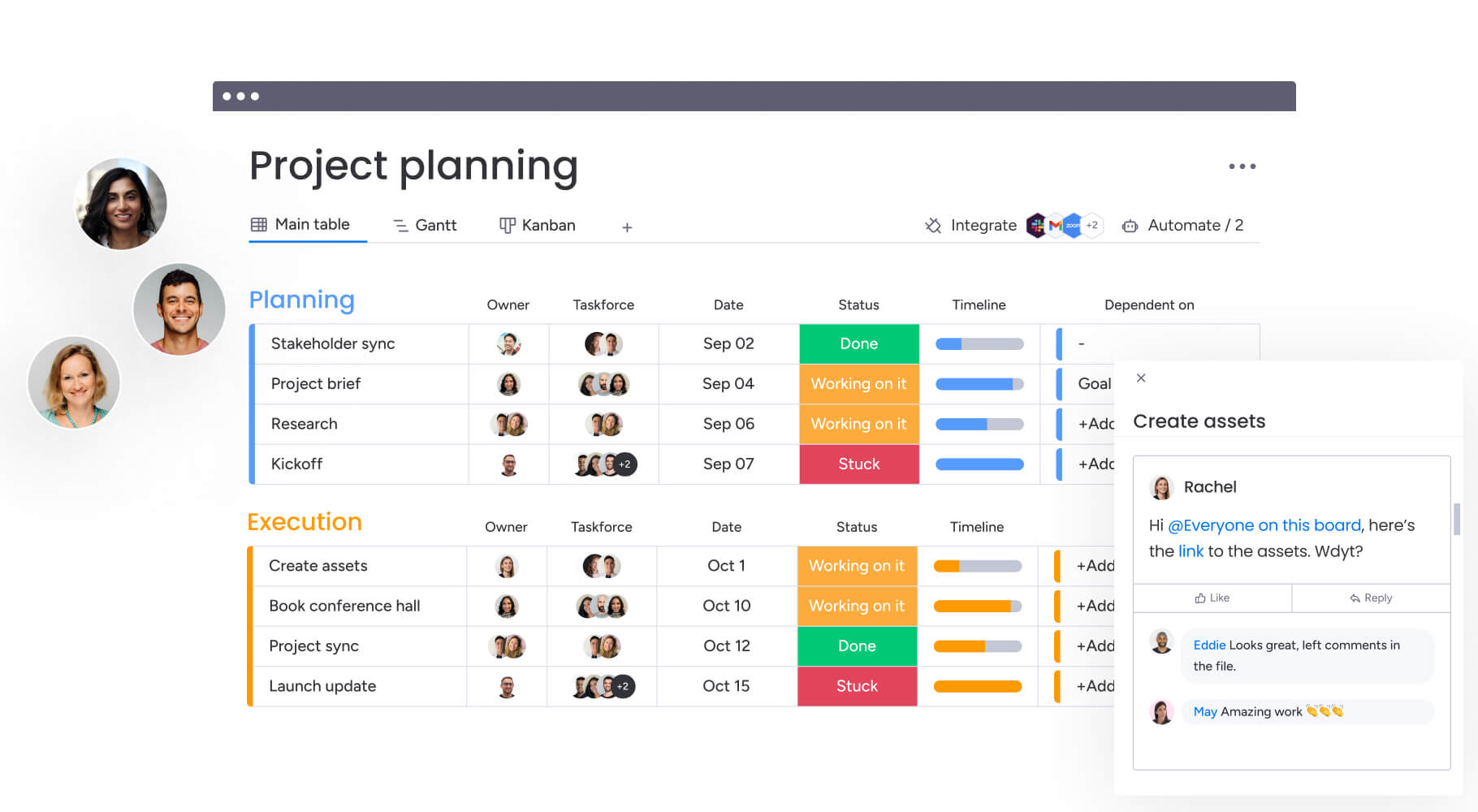
A marketing campaign is a structured set of activities built to achieve a specific business goal within a clear timeframe. It brings together channels like email, social media, paid ads, content, and events, so everything moves in the same direction. Each touchpoint carries the same message, making it easier to guide prospects toward a measurable outcome.
Unlike always-on marketing, campaigns are more intentional and time-bound. The goal is to influence what customers think or do by a certain point, not just stay visible. Because of that, campaigns need sharper planning, tighter coordination, and more focused measurement than day-to-day marketing efforts.
Three elements hold a campaign together:
- Unified messaging: Your core value proposition stays consistent across every touchpoint.
- Defined audience: You know exactly who you’re targeting and what problems they face.
- Clear call to action: Every piece guides prospects toward your desired outcome.
Whether launching a feature or entering a new market, a campaign acts as a shared plan for execution. It shapes what audiences experience while keeping teams aligned on priorities. With monday work management, teams bring planning and execution into one connected workspace, so responsibilities stay clear and nothing slips through.
Marketing campaigns vs advertising campaigns
Even though marketing campaigns and advertising campaigns often overlap, they serve different roles. Therefore it is essential to know how they differ to allocate the budget more effectively and measure results with clarity.
While a marketing campaign covers the full customer journey, from awareness to retention, advertising, focuses only on paid placements designed to capture attention at specific moments.
The table below demonstrates differences in both:
| Feature | Marketing campaign | Advertising campaign |
|---|---|---|
| Scope | Comprehensive customer journey and brand experience | Focused on paid media and creative placement |
| Channels | Mix of paid, earned, shared, and owned media | Strictly paid channels (Google Ads, TV, sponsored posts) |
| Primary objective | Broad business goals: brand equity, retention, revenue | Specific metrics: impressions, clicks, ROAS |
| Duration | Runs for quarters or years | Short bursts to maximize budget efficiency |
| Measurement | Holistic KPIs: Customer Lifetime Value, Net Promoter Score | Direct response: Cost Per Click, Click-Through Rate |
In practice, advertising sits inside a larger campaign. For example, a product launch campaign may include research, PR, sales enablement, and email nurturing, while ads simply drive traffic to those assets.
5 essential components of a marketing campaign
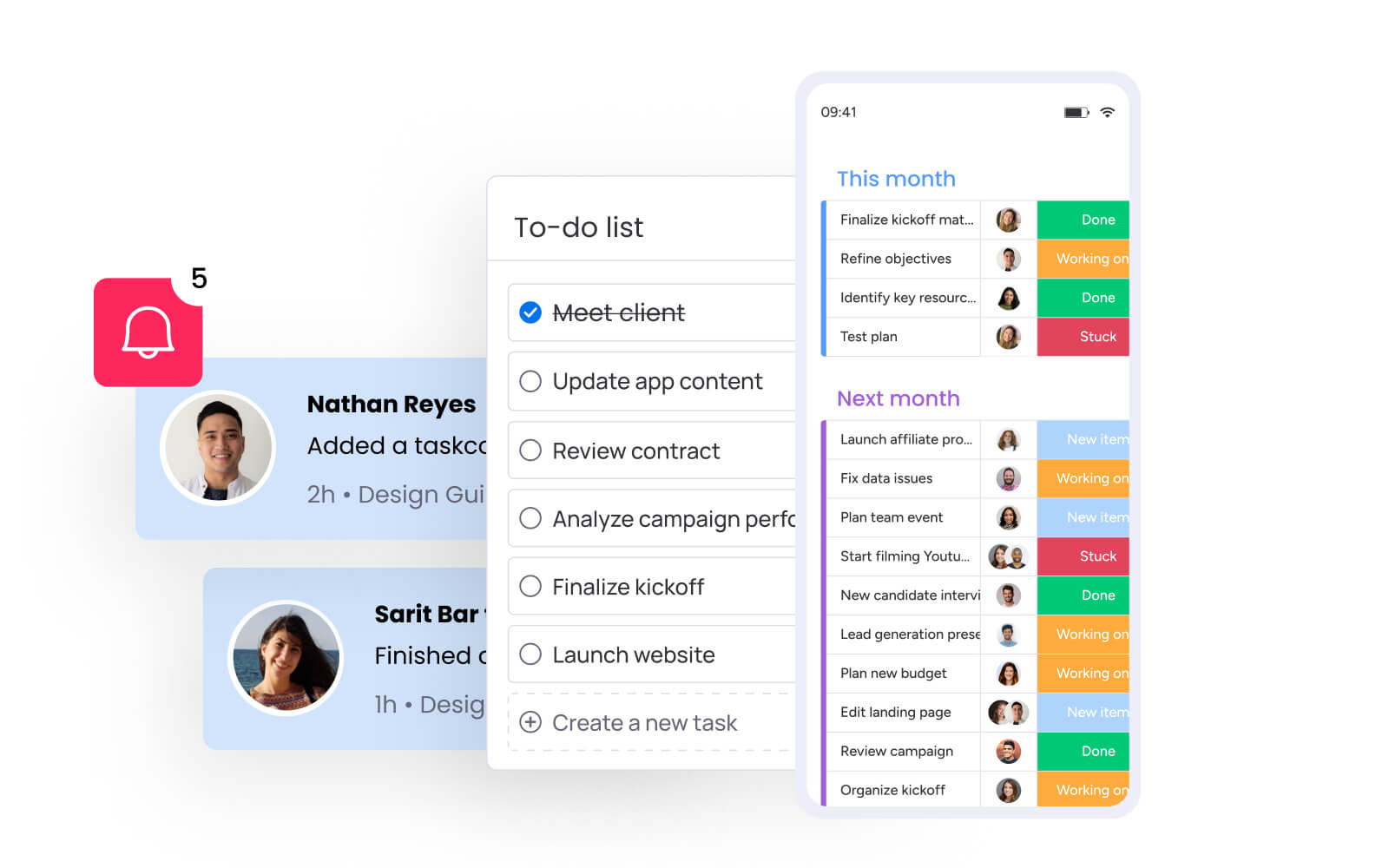
Every successful campaign needs five components that keep teams aligned and make sure your work creates real value instead of just noise. These components work together so you can track results and grow over time.
1. Campaign goals and KPIs
Clear goals set direction, while KPIs show whether progress is real. Without defined objectives, campaigns tend to expand without control, making ROI difficult to prove. Strong goals connect directly to business outcomes like revenue growth or reduced churn.
Different objectives require different measurements:
- Brand awareness: Share of voice, impressions, organic search volume.
- Lead generation: Marketing qualified leads, cost per lead.
- Customer retention: Renewal rates, upsell revenue, usage metrics.
2. Target audience definition
Defining your audience goes beyond demographics. Strong campaigns target specific psychographic profiles, pain points, and where customers are in their journey.
These segmentation approaches turn broad data into actionable insights to sharpen your focus:
- Behavioral segmentation: Target users based on previous product interactions.
- Psychographics: Address specific values and lifestyle choices aligned with your brand.
- Journey stage: Tailor messages differently for cold prospects versus loyal customers.
3. Budget and resource allocation
Resource planning covers both budget and team bandwidth. Your campaign budget needs to cover media spend, production costs, software subscriptions, and agency fees.
Organizations using monday work management effectively capture internal time spent on campaign tasks, providing the granular data needed to build accurate marketing campaign template for future projects.
- Media spend: Direct costs for social, search, or display networks.
- Production costs: Video production, graphic design, and copywriting expenses.
- Personnel hours: Internal time from cross-functional teams.
4. Multi-channel strategy
Most customers interact with a brand multiple times before making a decision. A strong multi-channel approach keeps messaging consistent while adapting it for each platform.
Consistency does not mean duplication. It means the core idea stays intact while the format adjusts:
- Channel integration: Email offers match landing pages and social creative.
- Cross-promotion: Low-cost channels amplify high-cost channels.
- Platform specificity: Core messages adapt to each platform’s format and expectations.
5. Campaign timeline and milestones
Structured timelines protect campaign quality by creating a predictable and organized workflow. Break your campaign into phases: pre-launch prep, active launch, and post-campaign analysis.
Organizations visualize their entire campaign roadmap with Gantt charts and timeline views on campaign management software, making dependencies visible to all stakeholders. Critical timeline elements include:
- Critical path: Identify dependencies where delays stall your entire launch.
- Milestone tracking: Set check-in points for asset delivery and stakeholder sign-off.
- Phase management: Visualize timelines and adjust for bottlenecks in real time.
Without defined objectives, campaigns tend to expand without control, making ROI difficult to prove. Strong goals connect directly to business outcomes like revenue growth or reduced churn.
7 types of marketing campaigns
Campaign types should match business goals, not just channels. Choosing the right type ensures resources are used where they create the most impact.
1. Product launch campaigns
Product launch campaigns introduce new offerings through tight coordination between product, marketing, sales, and support teams. Development cycles create rigid timelines focused on quick market entry and user adoption.
2. Brand awareness campaigns
These campaigns keep your brand top of mind. Success shows up over time through brand sentiment, direct traffic, and share of voice instead of immediate sales.
3. Email marketing campaigns
Email campaigns nurture leads or retain customers through direct communication. Strong segmentation and ROI make them perfect for automated sequences like abandoned cart recovery or onboarding flows.
4. Content marketing campaigns
In contrast, content campaigns create value through education instead of direct selling. Creating and distributing whitepapers, webinar series, or blog hubs builds authority and trust while establishing your brand as an expert.
5. Social media campaigns
Social campaigns leverage organic community building and paid amplification on platforms like LinkedIn, Instagram, or TikTok. They create two-way conversations and user-generated content by staying nimble and responding quickly to audience feedback.
6. Customer retention campaigns
Retention campaigns target existing customers to increase lifetime value and reduce churn. Education, loyalty rewards, and community building matter most for subscription businesses where revenue depends on long-term relationships.
7. Account-based marketing campaigns
ABM treats each high-value prospect account as its own unique market. Marketing and sales teams collaborate to create highly personalized campaigns for specific decision-makers within target organizations.
How to plan a marketing campaign?
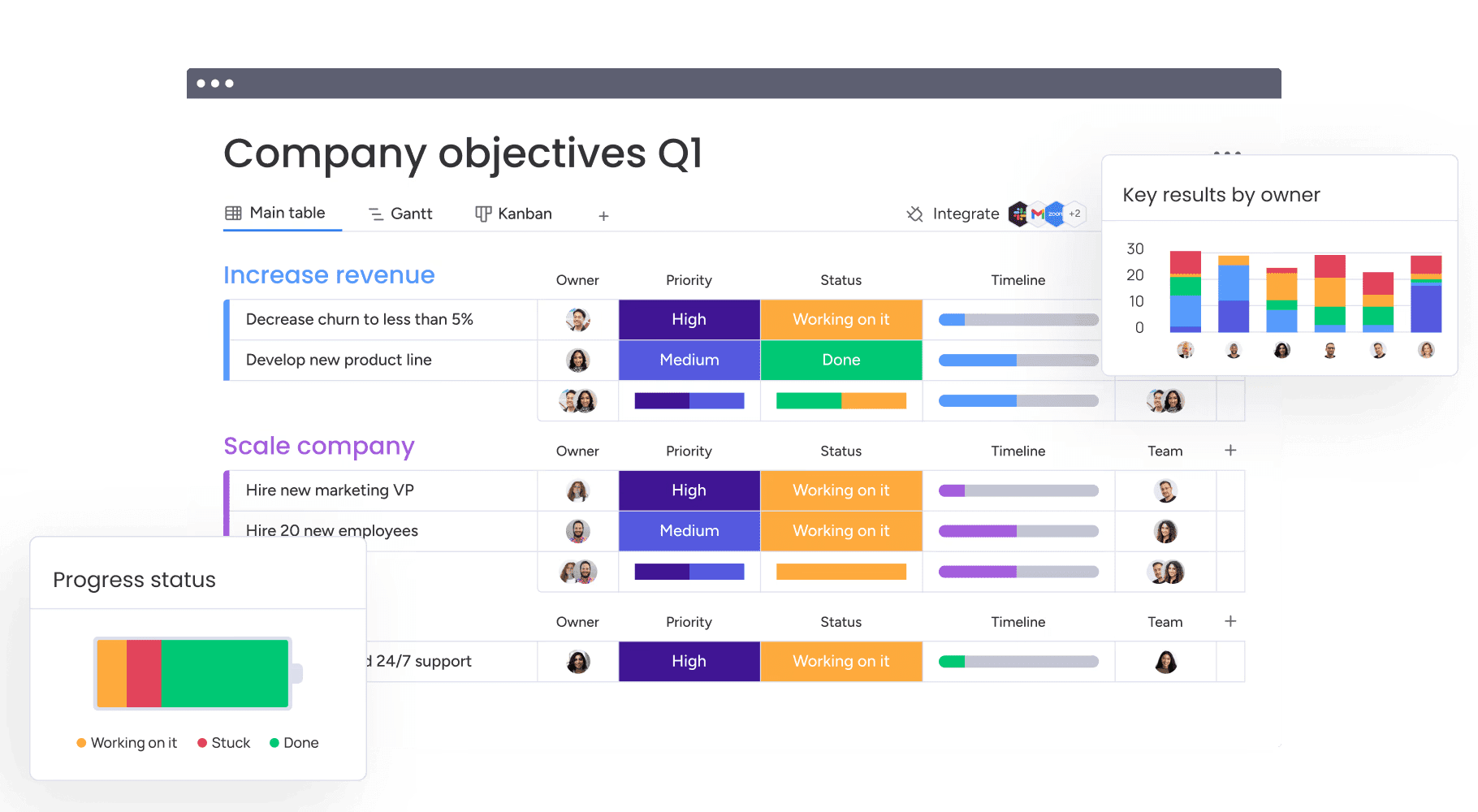
Planning creates the strategic foundation that determines whether campaigns succeed. Well-executed plans minimize risk, align stakeholders, and focus resources on high-impact activities that drive measurable business outcomes through a marketing campaign template.
Step 1: set strategic campaign objectives
Objectives tie campaign work to your company’s bottom line. The SMART framework (Specific, Measurable, Achievable, Relevant, Time-bound) helps you set realistic, actionable goals.
Consider these alignment factors:
- Strategic alignment: Campaign goals support quarterly OKRs.
- Stakeholder buy-in: Sales and product leadership agree on success definitions.
Step 2: conduct audience research and segmentation
Deep research informs your campaign’s “who” and “where.” Look at CRM data, talk to customers, and check out competitor strategies.
Teams centralize research findings and persona documentation in WorkDocs on monday work management, making insights accessible to everyone involved in the campaign template. Essential research activities include:
- Persona development: Create detailed ideal buyer profiles, including roles, challenges, and goals.
- Segmentation strategy: Divide audiences into distinct groups for hyper-relevant messaging.
Step 3: develop campaign messaging
Your campaign message articulates the value proposition in ways that resonate with target audiences through an effective creative strategy. Establish an information hierarchy, ensuring the most compelling benefit appears first in your creative strategy.
Key messaging components are:
- Core value proposition: The single most important reason audiences should care.
- Message adaptation: Adjust tone and format for different channels while maintaining consistency.
Step 4: select and integrate channels
Pick channels based on where your target audiences spend time and how they like to consume information. Integration creates a smooth experience as users move from ads to landing pages to sales calls.
Strategic channel considerations include:
- Channel mix: Balance high-volume channels with high-intent channels.
- Consistency: Maintain visual and tonal consistency across touchpoints.
10 steps to execute a marketing campaign
Execution turns strategy into action. It takes discipline, flexibility, and strong coordination across teams to deliver campaigns that hit their targets.
Step 1: build campaign infrastructure
Before any work officially starts, you must build your technical and operational foundation. This involves setting up project workspaces, communication channels, and file storage protocols. Strong infrastructure provides the operational stability needed for a smooth launch.
Step 2: create campaign assets
Once the foundation is set, creative teams can begin building visual and written content, such as ad copy, banner designs, video scripts, and landing pages. Version control makes sure only approved assets move forward.
Step 3: configure tracking systems
Simultaneously, you should set up the data infrastructure required to measure performance. Build UTM parameters, conversion pixels, and analytics dashboards. Track every click and conversion back to the right source.
Step 4: align internal teams
As assets and tracking come together, hold kickoff meetings to get everyone on the same page about timelines, responsibilities, and goals. At this stage, it is vital to update sales teams on incoming leads and prep support teams for potential customer questions.
Step 5: launch campaign channels
With the team aligned, your campaign can go live all at once or in stages. Time email sends, ad activation, and social posts to hit hardest.
Step 6: monitor live performance
Real-time monitoring catches issues right away. By looking for broken links, low engagement, or irregular ad spend patterns early, you can fix problems before they affect your budget.
Step 7: manage campaign workflows
While the campaign is live, daily management keeps the project moving forward. Track progress against deadlines, shift resources when needed, and make sure nothing falls through the cracks.
Step 8: coordinate team activities
In addition to daily tracking, conduct regular check-ins to keep cross-functional teams aligned. Clear up dependencies between design and development or marketing and sales so information flows freely.
Step 9: optimize campaign elements
Adjustments based on data improve performance while campaigns run. For example, you might test new headlines, tweak bid strategies, or move budget toward the channels that are performing best.
Step 10: analyze campaign results
Finally, once the campaign concludes, conduct through post-mortems to measure success against your original KPIs. By documenting what you learned and analyzing the final ROI, you can spot specific opportunities to improve your next initiative.
Campaign coordination across teams

Marketing campaigns fail when teams work in silos. Success needs alignment across your entire organization so marketing’s promise matches what sales converts and product delivers. Strong coordination turns individual work into real business results.
Connecting marketing with sales and operations
When marketing and sales move in sync, results tend to follow. Marketing brings in leads, while sales adds context on quality and conversion patterns, creating a steady feedback loop that improves performance over time.
A few coordination points keep things running smoothly:
- Lead handoff: Define processes for when marketing leads become sales opportunities.
- Capacity planning: Operations teams verify bandwidth for projected customer increases.
Establishing campaign ownership
Every campaign needs one person with authority to make final calls on creative direction, budget shifts, and timeline changes.
Ownership frameworks include:
- RACI model: Define who is Responsible, Accountable, Consulted, and Informed for deliverables.
- Decision authority: Specify veto power to avoid late-stage changes derailing timelines.
Building real-time feedback systems
Centralized feedback loops accelerate approvals and keep projects on track. Teams need feedback loops where comments and approvals happen right on assets or in project management platforms.
Organizations using campaign management software benefit from contextual communication directly on files and boards, eliminating the need to chase feedback across disconnected channels. Feedback mechanisms include:
- Contextual feedback: Comment directly on design files or video drafts.
- Issue escalation: Define paths for raising critical blockers to leadership immediately.
AI-powered campaign management
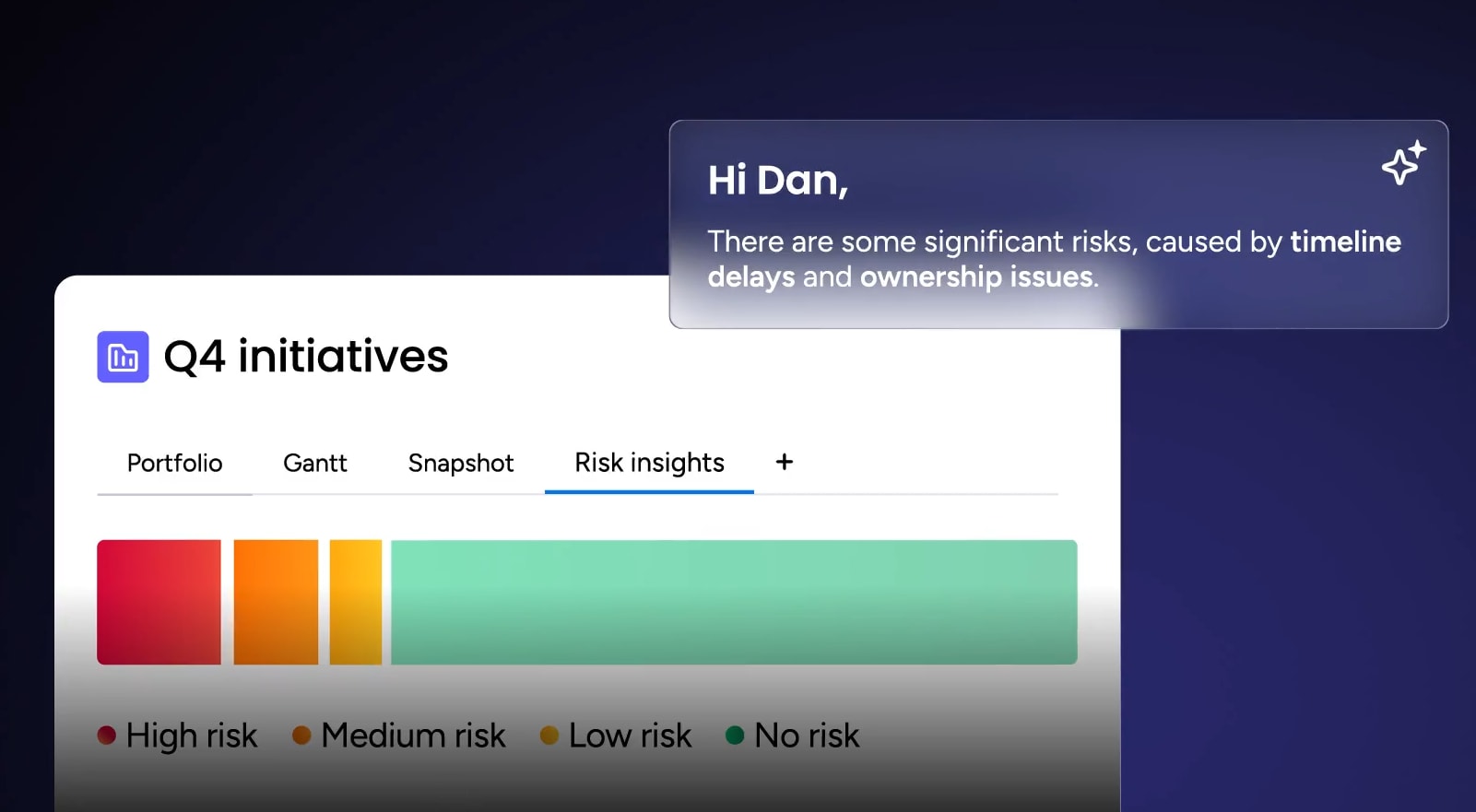
As campaigns grow more complex, managing them manually becomes harder to sustain. AI helps reduce that pressure by handling repetitive work and offering insights that support better decisions.
Rather than replacing teams, AI supports execution by improving speed, accuracy, and consistency across tasks.
Automating campaign operations
AI automates repetitive admin work that slows you down. It handles status updates, notifications, and dependencies, freeing teams to focus on strategy and creative work.
AI blocks provided by monday work management enable teams to categorize incoming requests at scale, summarize campaign insights, and suggest action items based on meeting notes. Practical automation applications:
- Workflow triggers: Notify copywriters when designs are ready for text.
- Process standardization: Ensure campaigns follow compliance and approval steps without manual oversight.
Personalization at scale
AI enables hyper-personalization impossible to do manually. Analyzing user behavior serves dynamic content, ensuring each prospect sees messages most likely to convert them.
Personalization capabilities:
- Dynamic content: Change email subject lines or landing page headlines based on user industry.
- Behavioral triggers: Send specific follow-ups based on how users interact with previous content.
Predictive campaign optimization
Predictive AI analyzes historical data to forecast future performance. Teams allocate budget more efficiently by predicting which channels or creatives yield the best results.
Optimization applications:
- Performance forecasting: Estimate lead volume based on current trends.
- Proactive adjustments: Identify declining trends early so teams pivot strategy before campaigns underperform.
AI automates repetitive admin work that slows you down. It handles status updates, notifications, and dependencies, freeing teams to focus on strategy and creative work.
5 ways to maximize campaign impact
High-performing marketing teams distinguish themselves through operational excellence. Maximizing impact requires disciplined approaches to data, workflows, and decision-making that transform good campaigns into exceptional business drivers.
1. Real-time campaign visibility
Weekly reports make teams reactive. Real-time dashboards provide instant visibility into performance across channels, allowing leaders to make decisions based on current data.
For example, monday work management dashboards automatically display live project data for insights on budget, goals, schedules, and resources. Leaders customize views with drag-and-drop widgets to see exactly what they need.
2. Streamlined approval workflows
Approval bottlenecks cause missed deadlines. Therefore, streamlining involves setting service-level agreements for review times and using automated notifications to remind stakeholders when input is required.
3. Unified data across channels
A single source of truth enables accurate attribution and provides a holistic view of the customer journey. Maximizing impact requires a single source of truth where social, email, and web analytics consolidate. This enables accurate attribution and holistic customer journey views.
4. Performance-based decision making
Decisions must be grounded in data, not intuition. Teams establish objective success and failure criteria, removing emotional attachment to specific creative ideas or channels.
5. Agile campaign adjustments
Markets change fast, and rigid plans fail. Agile teams build flexibility into campaigns, reserving budget for testing and maintaining operational ability to pivot messaging or tactics mid-campaign based on performance data.
How to measure campaign success?

Measurement serves as both an accountability mechanism and a learning opportunity. Effective measurement assesses true business impact beyond vanity metrics, providing insights that inform future campaign strategy and resource allocation.
Campaign performance dashboards
Dashboards translate raw data into actionable insights. Different stakeholders require different views: executives need high-level ROI summaries while campaign managers need granular channel performance data.
Dashboard best practices:
- Visual presentation: Use charts and heatmaps to make trends immediately obvious.
- Automated reporting: Eliminate manual data entry to ensure reports stay current.
Key metrics and KPIs
Selecting appropriate metrics depends on campaign type. Leading indicators predict future success while lagging indicators confirm past performance.
Essential campaign metrics:
- Cost per acquisition: Total cost to acquire paying customers.
- Conversion rate: Percentage of users taking desired actions.
- Return on ad spend: Revenue generated per dollar spent on advertising.
Calculating campaign ROI
ROI represents the ultimate efficiency measure. Calculate by subtracting marketing cost from revenue generated, then dividing by marketing cost. Accurate ROI calculation requires robust attribution models, understanding which touchpoints contributed to sales.

“monday.com has been a life-changer. It gives us transparency, accountability, and a centralized place to manage projects across the globe".
Kendra Seier | Project Manager
“monday.com is the link that holds our business together — connecting our support office and stores with the visibility to move fast, stay consistent, and understand the impact on revenue.”
Duncan McHugh | Chief Operations OfficerMake campaign execution easier with monday work management
Even well-planned campaigns tend to break down in execution. Teams lose visibility, priorities shift mid-way, and small delays quietly affect results. What starts as a strong strategy often turns into a scattered effort, making it harder to connect daily work with actual business outcomes.
This is where a connected approach makes the difference. Organizations can rely on monday work management to bring campaign planning, execution, and tracking into one place, ensuring teams stay aligned and progress remains visible at every stage.
- Centralized campaign visibility: All campaign activities, assets, and timelines live in one workspace, reducing confusion and keeping everyone on the same page.
- Automated workflows and approvals: Repetitive tasks like status updates, handoffs, and approvals move automatically, helping campaigns stay on schedule.
- Real-time performance tracking: Live dashboards provide instant insights into campaign progress, budgets, and results, making it easier to act quickly.
- Cross-team collaboration: Marketing, sales, and operations work together within the same environment, improving communication and reducing delays.
- Scalable campaign execution: Flexible workflows adapt as campaigns grow in complexity, without adding operational friction.
When execution becomes structured and visible, campaigns move faster and deliver stronger results. Teams spend less time managing processes and more time driving outcomes that actually impact growth.
The content in this article is provided for informational purposes only and, to the best of monday.com‘s knowledge, the information provided in this article is accurate and up-to-date at the time of publication. That said, monday.com encourages readers to verify all information directly.
Frequently asked questions
What is the difference between a campaign and a marketing strategy?
A marketing strategy is the long-term game plan to achieve company goals, while a campaign is a specific, time-bound initiative executed within that strategy. The strategy defines the "why" and "who," whereas the campaign defines the "what" and "when."
How long should a marketing campaign run?
Campaign duration depends on the objective and buying cycle. Brand awareness campaigns may run for months, while sales promotions might last only two weeks. A typical comprehensive campaign often runs for four to six weeks to allow enough time for reach and frequency without causing audience fatigue.
What budget do I need for a marketing campaign?
Budget requirements vary significantly based on industry, channels, and goals. Small businesses might start with a few thousand dollars, while enterprise campaigns often run into the millions. A common benchmark allocates five to 10% of projected revenue to marketing.
How many campaigns should I run simultaneously?
Teams should only run as many campaigns as they can effectively resource and measure without cannibalizing attention. Running two to three complementary campaigns is common, provided there is coordination to avoid overwhelming the audience.
What makes a marketing campaign successful?
Success is defined by the alignment of goals, a defined audience, compelling creative, and flawless operational execution. A successful campaign meets or exceeds its primary KPIs, whether that is revenue, leads, or engagement.
How do I choose the right channels for my campaign?
Channel selection should be dictated by where the target audience is most active and receptive. B2B campaigns often prioritize LinkedIn and email, while B2C campaigns may focus on Instagram, TikTok, and search advertising.

 Get started