

Traditional advertising often interrupts rather than inspires. While a campaign may capture attention momentarily, it rarely creates a lasting emotional connection. In an environment where attention spans are limited and consumer skepticism is high, this presents a significant challenge. Impressions alone do not consistently translate into genuine interest or brand loyalty.
In contrast, experiential marketing transforms this dynamic by converting audiences into active participants. Rather than passively consuming another advertisement, consumers engage directly with brands through interactive experiences that create memorable moments and meaningful connections.
The following sections examine why experiential marketing is essential for modern marketing strategies, how interactive experiences outperform passive messaging, and practical approaches to designing campaigns that drive deep engagement and deliver measurable business results.
Key takeaways
- Experiential marketing drives deeper engagement: Active participation and multi-sensory experiences create stronger emotional connections and long-lasting brand recall compared to traditional advertising.
- Emotions outperform features: Campaigns that prioritize joy, surprise, or curiosity make brands more memorable, as emotional responses are encoded more deeply than logical messages.
- Measurement focuses on impact, not reach: Success is determined by interaction time, sentiment, and behavioral outcomes rather than impressions or passive exposure.
- Cross-functional coordination is essential: Platforms like monday work management help align teams, vendors, and campaign logistics, enabling synchronized execution across multiple locations and ensuring consistent brand experiences.
- Experiential strategies generate measurable ROI: From increased purchase intent to organic social amplification, high-touch activations provide quantifiable business outcomes that justify investment.
What is experiential marketing?
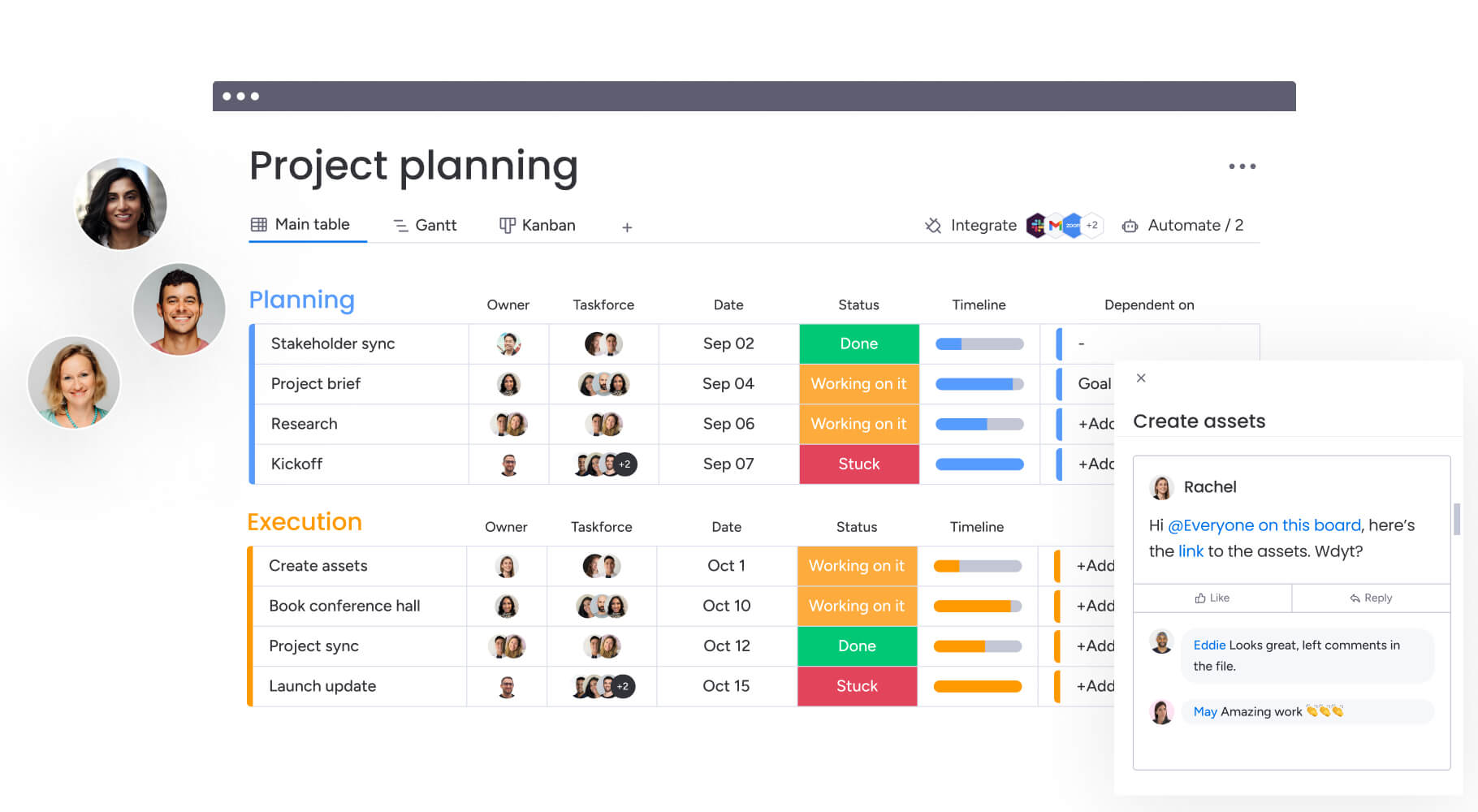
Experiential marketing is all about creating meaningful, hands-on interactions between consumers and a brand. Rather than broadcasting a message, it invites people to engage directly with a product, service, or brand story. This two-way approach allows audiences to experience value firsthand, making the connection more memorable and personal.
Modern campaigns focus on a few core principles to stand out. These characteristics help brands craft experiences that feel genuine rather than like another advertisement.
- Active participation: Consumers take part in the narrative, whether through physical interaction or co-created experiences.
- Tangible value: The interaction delivers immediate utility, entertainment, or education, beyond simply promoting a product.
- Multi-sensory engagement: Sight, sound, touch, and sometimes taste or smell are used to make the experience stick in memory.
From passive advertising to active engagement
Traditional advertising often interrupts a consumer’s day, a TV ad breaks a show, and a banner interrupts an article. People usually aim to tune these interruptions out.
In contrast, experiential marketing flips that dynamic by becoming part of the content itself. Whether through pop-up events, workshops, or virtual reality demos, audiences choose to engage because the experience offers real value.
As a result, success is measured differently. Instead of counting impressions, marketers track interactions and behavioral shifts. Fewer people might attend a live event than see a billboard, but those participants become advocates who amplify the brand naturally.
Core traits of successful experiential marketing
Experiential marketing stands apart from other strategies because it focuses on engagement that lasts. Below are the traits that make campaigns effective and measurable:
- Interactivity: Attendees do more than watch; they touch, play, or co-create. Passive observation doesn’t qualify.
- Emotional connection: Experiences are designed to trigger joy, curiosity, trust, or surprise, creating stronger, longer-lasting impressions.
- Shareability: Activations encourage attendees to post or share their experience, giving brands organic reach and credibility.
- Measurability: Every interaction, registration, or social share provides data to evaluate ROI and optimize future campaigns.

Experiential marketing vs traditional marketing
Experiential marketing and traditional advertising operate on fundamentally different models. Traditional campaigns prioritize reach, getting a message in front of as many eyes as possible. In contrast, experiential campaigns prioritize depth, creating fewer but more meaningful interactions that drive loyalty and advocacy.
As these differences help marketing leaders allocate resources strategically, below is a quick snapshot of the operational and strategic contrasts:
| Feature | Traditional marketing | Experiential marketing |
|---|---|---|
| Primary approach | Broadcasting messages to a passive audience (one-to-many) | Inviting participation in an active dialogue (one-to-one) |
| Audience role | Viewer, listener, or reader | Participant, creator, or user |
| Duration of impact | Short-term attention (seconds to minutes) | Long-term memory (days to years) |
| Measurement | Impressions, reach, clicks, GRPs | Engagement time, sentiment, interaction rates, LTV |
| Operational needs | Creative production and media buying | Logistics, venue management, staffing, and real-time coordination |
Why do experiences outperform traditional advertising?
Experiential marketing works because the brain remembers experiences differently from facts. Episodic memory, which recalls specific events, is far more durable than semantic memory, which stores general information.
When people interact physically with a product or environment, the experience forms a multi-sensory memory file. Emotional involvement and active participation trigger the endowment effect, making people value the brand more.
Allowing consumers to test or personalize an experience also reduces hesitation. Once they have a brief hands-on encounter, the perceived risk of purchase drops significantly.
How have consumer expectations changed?
The digital age has done something unexpected: it’s made people crave physical connection even more. As screen time dominates daily life, consumers increasingly value IRL (in real life) moments. They expect brands to be more than logos; they expect them to be facilitators of culture and community.
Social media has also shifted expectations toward personalization and grammability. Consumers curate their lives online, and they look for brands that provide aesthetic, exclusive, or interesting backdrops for their personal narratives. An experience is not just about what the brand says; it’s about what the experience allows the consumer to say about themselves.
Try monday work managementTraditional campaigns prioritize reach, getting a message in front of as many eyes as possible. In contrast, experiential campaigns prioritize depth, creating fewer but more meaningful interactions that drive loyalty and advocacy.
Why experiential marketing delivers results?
Experiential marketing moves business metrics by bypassing skepticism. In an era of low trust in corporate messaging, a direct experience serves as proof. It allows the product or service to speak for itself, removing the need for persuasive copy.
Science behind memorable brand experiences
Experiential campaigns work because of how the brain reacts to novelty. New, enjoyable experiences trigger dopamine, reinforcing pleasure and memory. A positive encounter leaves a chemical imprint that’s difficult for competitors to replicate with traditional ads or price cuts.
Social proof amplifies this effect. When people see others actively engaging, mirror neurons fire, creating a sense of FOMO and desire to join. A single participant can influence a wider audience, turning an event into a self-propagating marketing engine.
Proven ROI of experience-based strategies
Successful campaigns turn engagement into revenue through clear funnels. Immediate revenue comes from on-site sales or trial conversions, but the longer tail of ROI is often more significant. Customers acquired through events tend to have a higher lifetime value because their initial relationship with the brand was high-touch and positive.
Organizations that invest in experiential strategies see a clear return on their investment through several key outcomes. These benefits prove why creating high-touch experiences is a powerful driver of both brand equity and revenue.
- Brand recall: Post-event surveys consistently show significantly higher recall rates for experiential participants compared to control groups exposed only to digital ads.
- Purchase intent: Sampling and demonstrations remove the risk of purchase, directly increasing conversion rates at the point of sale.
- Social amplification: The cost-per-impression drops dramatically when factoring in the organic reach generated by attendees posting content.
Experiential campaigns work because of how the brain reacts to novelty. New, enjoyable experiences trigger dopamine, reinforcing pleasure and memory. A positive encounter leaves a chemical imprint that’s difficult for competitors to replicate with traditional ads or price cuts.
7 key benefits of experiential marketing
Experiential marketing offers unique advantages that digital or broadcast channels can’t match. These benefits impact both revenue and brand equity.
1. Builds stronger emotional connections
Direct interaction humanizes a corporation. When a consumer laughs, plays, or learns during a brand activation, they associate those positive emotions with the logo. A bank offering a relaxing lounge with free coffee and financial advice shifts its perception from a cold institution to a helpful partner, an approach that works equally well in B2B marketing contexts.
2. Generates authentic word-of-mouth
Furthermore, people inherently trust friends more than traditional advertisements. A truly memorable experience compels participants to share their stories, not because they were paid, but because the interaction was remarkable — as demonstrated in successful marketing examples that achieved viral reach through authenticity.
As a result, this authentic advocacy cuts through algorithmic noise and reaches niche networks that paid media often misses.
3. Captures valuable first-party data
Beyond engagement, live events serve as prime opportunities for consensual data collection. Through registration forms, RFID wristbands, or interactive quizzes, brands can gather granular data on preferences and behaviors. This information then informs broader marketing management decisions and reduces a firm’s reliance on increasingly volatile third-party cookies.
4. Accelerates purchase decisions
Hesitation often stems from uncertainty. Experiential marketing allows consumers to test, taste, or try before they buy. By letting a user edit photos on a new tablet, for example, a technology company removes performance doubts, moving the customer from mere consideration to a final decision instantly.
5. Creates lasting brand loyalty
Moreover, long-term loyalty is built on shared history. A positive brand experience becomes a shared memory between the company and the customer. These customers are less likely to churn because switching brands means abandoning a company they actually know and like.
6. Provides measurable business impact
From foot traffic sensors to QR code redemptions, every aspect of the campaign can be quantified. This allows marketing leaders to attribute revenue directly to specific activations and optimize spend based on performance.
7. Fuels content across all channels
A single event provides content for weeks. Professional photos, attendee testimonials, behind-the-scenes videos, and live streams can be repurposed for email, social, and web as part of an integrated promotion strategy. The physical event becomes a content studio, lowering the overall cost of content production.
5 experiential marketing strategies
There’s no one-size-fits-all approach to experiential marketing. The strategy you choose should reflect your brand’s goals, budget, and audience. Each type serves a different purpose and delivers value in unique ways.
1. Immersive brand experiences
This strategy focuses on total sensory engagement. By creating a physical or digital environment that reflects the brand’s identity, companies allow consumers to “step inside” their world. These activations often prioritize storytelling and atmosphere over direct sales, aiming to leave a lasting psychological impression on the participant.
2. Interactive product demonstrations
This strategy focuses on utility and education. Instead of a salesperson talking, the customer uses the product in a real-world scenario. A vacuum brand might scatter different types of debris for customers to clean up, proving the suction power in a satisfying, gamified way.
3. Pop-up shops and retail activations
Pop-ups leverage scarcity and exclusivity. By appearing for a limited time, they create urgency – a core tactic in an effective promotion strategy. These are particularly effective for digital-native brands looking to test physical markets or for established brands launching limited-edition collections.
4. Virtual and augmented reality campaigns
Technology lets brands engage consumers without physical travel. AR filters might allow users to try on makeup or visualize furniture at home, while VR can transport participants to a charity site or immersive scene. Moreover, these approaches extend the reach of experiential campaigns, making them accessible from anywhere.
5. Community-focused events
These events prioritize the connection between users. A fitness apparel brand hosting a free morning yoga run is less about selling leggings and more about facilitating a lifestyle – a powerful brand awareness strategy. The brand becomes the host of the community, strengthening the bond between customers who share similar values.
4 key elements of effective experiential campaigns
Even great ideas fail without solid infrastructure. Successful campaigns rely on four operational pillars that ensure the vision translates into reality. Master these elements, and you’ll build campaigns that deliver memorable experiences and measurable business outcomes.
1. Strategic audience targeting
Because engagement costs more than digital impressions, targeting must be precise. Brands need to go beyond demographics and understand psychographics, where the audience spends time, what they value, and how they behave. This ensures activations reach the right people and resonate deeply.
2. Consistent cross-channel integration
An experience works best when it complements other marketing channels. Visuals, messaging, and offers at the activation should align with social media, email campaigns, and digital promotions. This alignment keeps the story consistent and reinforces the brand across touchpoints.
3. Real-time data and feedback systems
Waiting until an event concludes to evaluate its success is a strategic mistake. Effective campaigns utilize dynamic dashboards to monitor attendance, engagement levels, and social media sentiment in real time. Consequently, this data allows field teams to adjust instantly if logistical bottlenecks appear or if certain content isn’t resonating with the crowd.
4. Scalable operational workflows
While managing a single event is challenging, coordinating a multi-city tour adds exponential complexity. Long-term scalability relies on standardized workflows, clear approval processes, and centralized brand assets. By maintaining these systems, you ensure that experiences in different geographic locations maintain consistent quality and brand integrity without constant oversight.
6 steps to launch an experiential marketing campaign

Launching a campaign requires a structured approach that balances creative freedom with logistical rigor. Use these steps as a repeatable framework to execute successful experiential marketing campaigns, no matter your team size.
Step 1: define objectives and KPIs
Every campaign measures success differently. Whether the goal is distributing ten thousand samples or generating five hundred qualified leads, setting clear metrics up front guides the budget, location, and design decisions.
Step 2: map the complete customer journey
The experience starts before anyone arrives and continues long after they leave. Mapping the journey involves planning the pre-event hype, the arrival experience, the core interaction, the data capture moment, and the post-event follow-up sequence.
Step 3: assemble your cross-functional team
Experiential marketing forces teams to work across departments. The team must include creatives for design, operations for logistics, legal for permits, and tech for data integration. Using a centralized work management platform keeps these diverse groups aligned on timelines and deliverables through shared workflows and real-time visibility.
Step 4: design for data capture and measurement
Measurement should feel effortless and enjoyable. Offering incentives like digital badges or personalized videos in exchange for registration or data entry encourages participation without interrupting the experience.
Step 5: execute with precision across locations
Launch day requires flawless coordination. Staff training is crucial because ambassadors represent the brand, and real-time communication allows teams to solve problems instantly. This ensures weather, technical, or logistical issues don’t derail the experience or compromise attendee satisfaction.
Step 6: analyze results and optimize
Post-event review goes beyond attendance numbers. Sentiment analysis, cost-per-acquisition calculations, and operational feedback inform future campaigns. Documenting lessons learned makes the next activation smoother, more engaging, and more impactful.
Run coordinated experiential campaigns with monday work management

“monday.com has been a life-changer. It gives us transparency, accountability, and a centralized place to manage projects across the globe".
Kendra Seier | Project Manager
“monday.com is the link that holds our business together — connecting our support office and stores with the visibility to move fast, stay consistent, and understand the impact on revenue.”
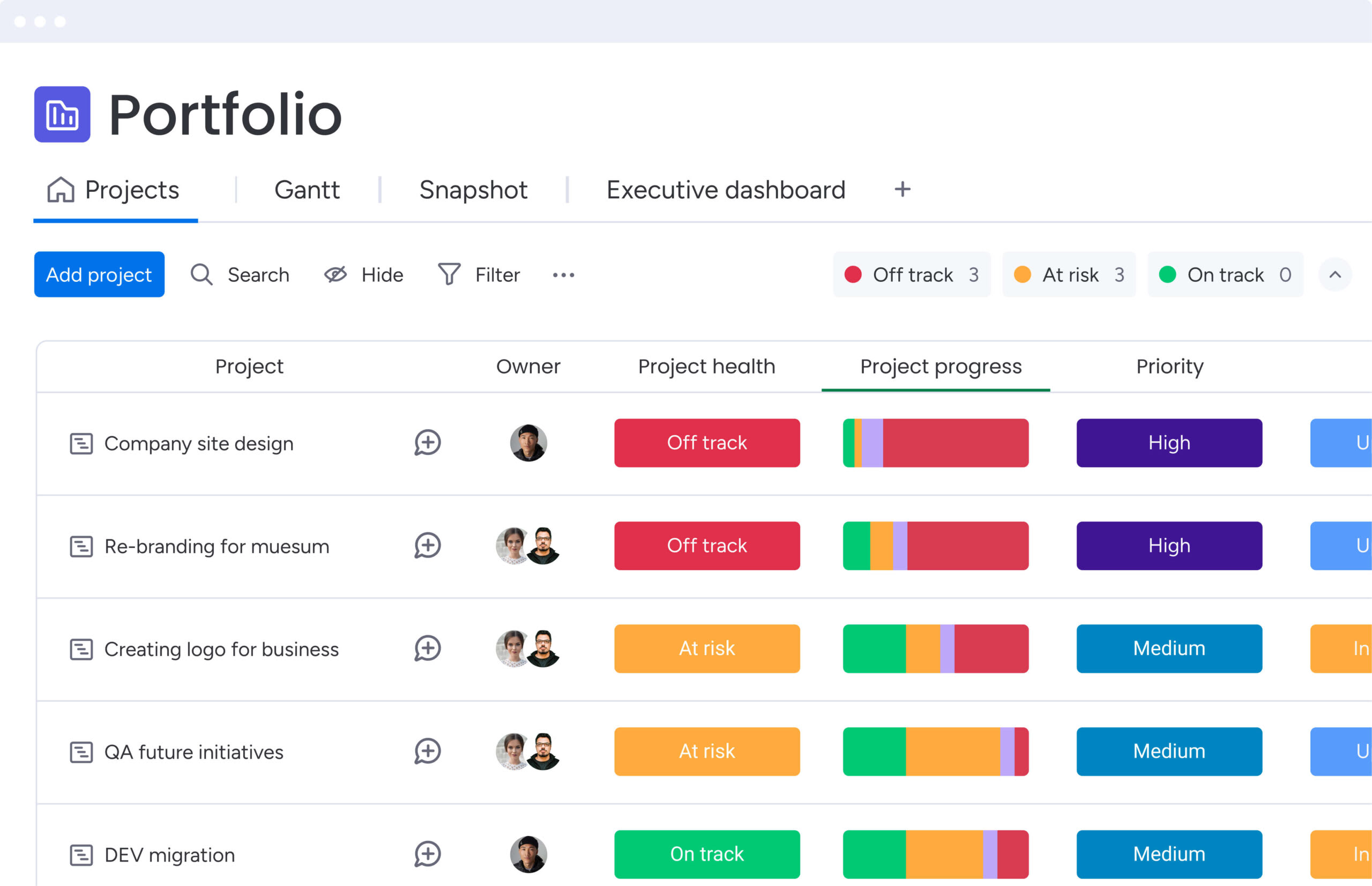
Duncan McHugh | Chief Operations OfficerExperiential marketing involves complex logistics, cross-functional coordination, and real-time adjustments. Teams stay aligned, track progress, and ensure every activation drives measurable results with monday work management.
- Managing complex campaigns efficiently: Streamlines multi-location planning, timelines, and dependencies so nothing falls through the cracks.
- Centralizing communication and assets: Keeps internal teams, vendors, and partners on the same page with shared visibility and secure permissions.
- Tracking performance in real time: Provides dashboards and AI-powered insights to spot bottlenecks, analyze engagement, and pivot quickly.
- Scaling campaigns without friction: Allows teams to replicate successful activations across regions with consistent quality and workflow templates.
- Aligning daily assignments with strategic outcomes: Connects each action to KPIs, ensuring creative work translates into measurable business impact.
By integrating planning, execution, and insights in one solution, teams gain clarity, alignment, and efficiency, turning complex experiential campaigns into impactful, repeatable business successes.
Frequently asked questions
What are the 5 Cs of experiential marketing?
The five Cs of experiential marketing are Connection, Control, Content, Currency, and Conversion. This framework ensures a campaign builds a relationship (Connection), manages the user journey (Control), generates shareable assets (Content), provides value (Currency), and drives business results (Conversion).
What is an example of experiential marketing?
A famous example of experiential marketing is Red Bull's Stratos jump. Instead of advertising the drink directly, the brand sponsored a record-breaking skydive from the edge of space, creating an immersive event that embodied its "gives you wings" ethos on a global scale.
What are the 4 Es of experiential marketing?
The four Es of experiential marketing are Experience, Exchange, Evangelism, and Everyplace. This framework focuses on creating a memorable brand Experience, offering a clear value Exchange, turning participants into brand Evangelists, and engaging audiences Everyplace (across multiple channels).
How much does experiential marketing typically cost?
The cost of experiential marketing varies widely depending on the campaign's scale. A small, local guerrilla activation might cost a few thousand dollars, while a multi-city global tour with complex fabrication and technology could cost millions.
What is the difference between event marketing and experiential marketing?
The difference between event marketing and experiential marketing is one of logistics versus strategy. Event marketing focuses on the logistics of hosting a gathering, while experiential marketing is the strategy used to actively engage the audience within that gathering to create a memorable, participatory brand moment.
How do you measure the success of experiential marketing?
You can measure the success of experiential marketing by tracking a combination of metrics. These include engagement metrics (like attendance, interaction time, and sentiment) and business outcomes (like leads generated, sales attribution, social amplification, and customer lifetime value).

 Get started