

Most marketing doesn’t fall apart because of a lack of effort. It usually unravels in the “messy middle,” where campaigns are live and content is flowing, but nothing truly connects. While everything looks productive on the surface, teams often struggle to explain what is actually driving their results.
This gap between high-speed activity and measurable business impact is where strategy often fails. In 2026, the digital landscape demands a shift from simply broadcasting messages to sparking meaningful, two-way conversations. Success now depends on how well you can synchronize multiple channels into a single, cohesive ecosystem.
By reading this article, you will learn how to bridge these gaps and turn digital noise into proven ROI. We explore the foundational components and management strategies needed to align your efforts, simplify complex workflows, and drive sustainable growth.
Key takeaways
- Digital marketing bridges effort and impact: Effective campaigns connect multiple channels and touchpoints to turn audience attention into measurable business results.
- Multi-channel coordination drives results: Combining SEO, social media, email, and paid advertising ensures consistent messaging and maximizes reach across the customer journey.
- Data-driven decisions outperform guesswork: Tracking KPIs like conversion rates, cost per acquisition, and customer lifetime value allows teams to optimize campaigns and prove ROI.
- AI enhances content and customization: Generative AI and predictive analytics enable faster content creation, real-time budget optimization, and dynamic personalization for audiences.
- Centralized campaign management improves efficiency: Platforms like monday work management streamline multi-channel execution, automate workflows, and provide real-time visibility into campaign performance.
What is digital marketing?
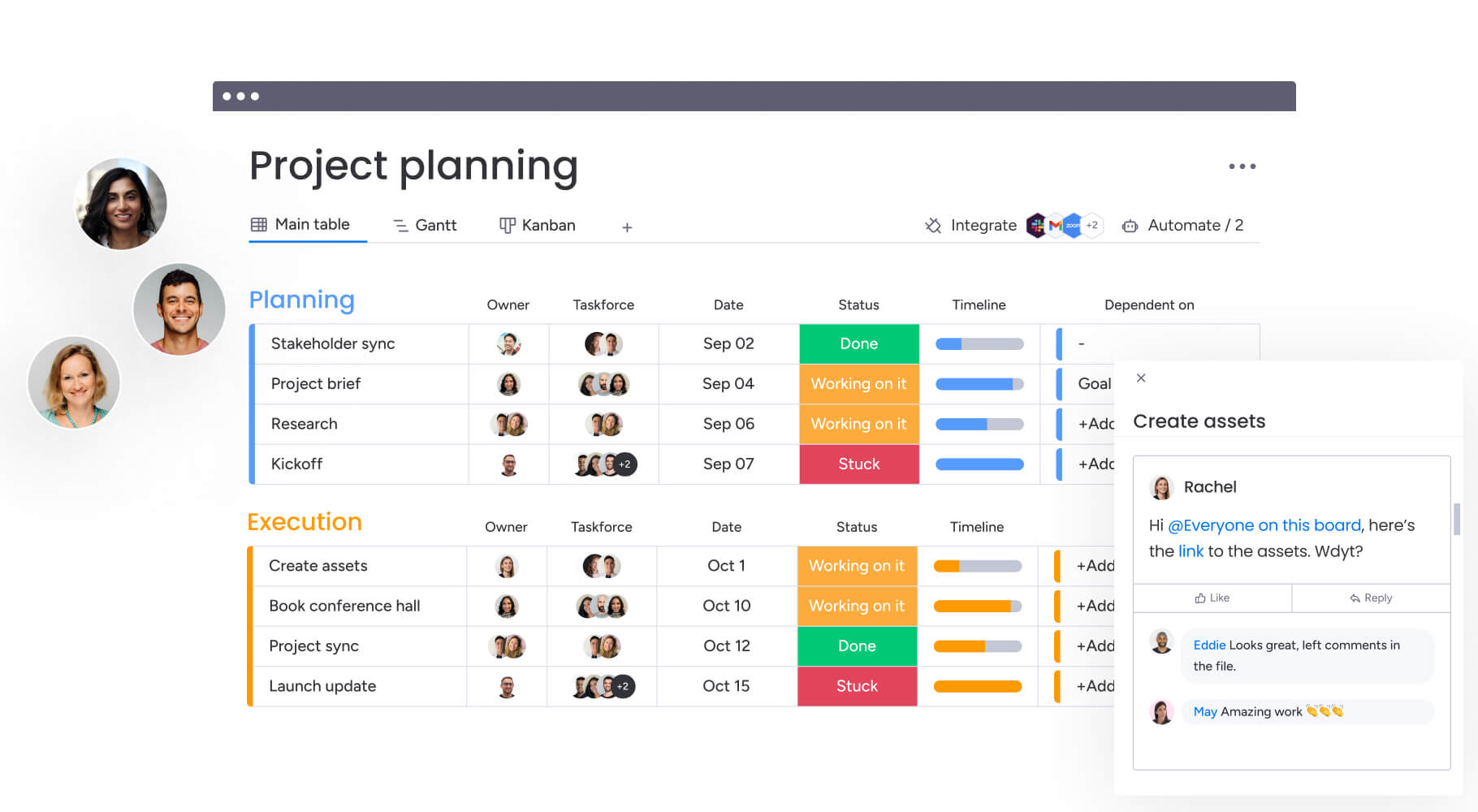
At its core, digital marketing is the strategic practice of promoting brands, products, or services through an interconnected web of online channels, including search engines, social media, email, and mobile applications. While traditional marketing relies on a “broadcast” model to reach a passive audience, digital marketing functions as a dynamic, two-way conversation between a brand and its customers.
You get immediate feedback, clear insights, and the flexibility to adjust campaigns as you go. Notably, 66% of marketing and sales teams using generative AI reported higher revenue over the past year, showing how measurable and impactful digital efforts can be.
Digital marketing vs traditional marketing
Understanding how digital marketing differs from traditional methods helps you spend smarter and measure results more accurately. The table below highlights key differences:
| Feature | Traditional marketing | Digital marketing |
|---|---|---|
| Cost | High barrier to entry (TV, print, radio) | Flexible; scales from zero to enterprise budgets |
| Targeting | Broad, demographic-based | Precise, behavioral, and intent-based |
| Measurement | Difficult to track; relies on estimates | Real-time, granular analytics and attribution |
| Speed | Long lead times for production | Instant execution and real-time optimization |
| Interaction | Passive consumption (one-way) | Active engagement (two-way communication) |
Digital channels are faster and more agile than traditional media. Budgets can shift from underperforming campaigns to high-performing ones in hours instead of weeks. This responsiveness is increasingly important as e-commerce grows 5.1% year over year, outpacing total retail growth of 4.1%.
5 key components of digital marketing
Effective digital marketing depends on five essential elements. Ignoring even one can weaken the rest:
- Content creation: Developing valuable, relevant information like blogs, videos, and whitepapers that attract audiences and solve their problems.
- Channel management: Strategic selection and optimization of platforms where your audience is most active.
- Audience targeting: Using data to identify and reach specific customer segments based on demographics, interests, and online behavior.
- Performance measurement: Continuous tracking and analysis of campaign results to understand what drives conversions and revenue.
- Campaign optimization: The iterative process of improving strategy based on data insights to maximize return on investment.
How does digital marketing work?
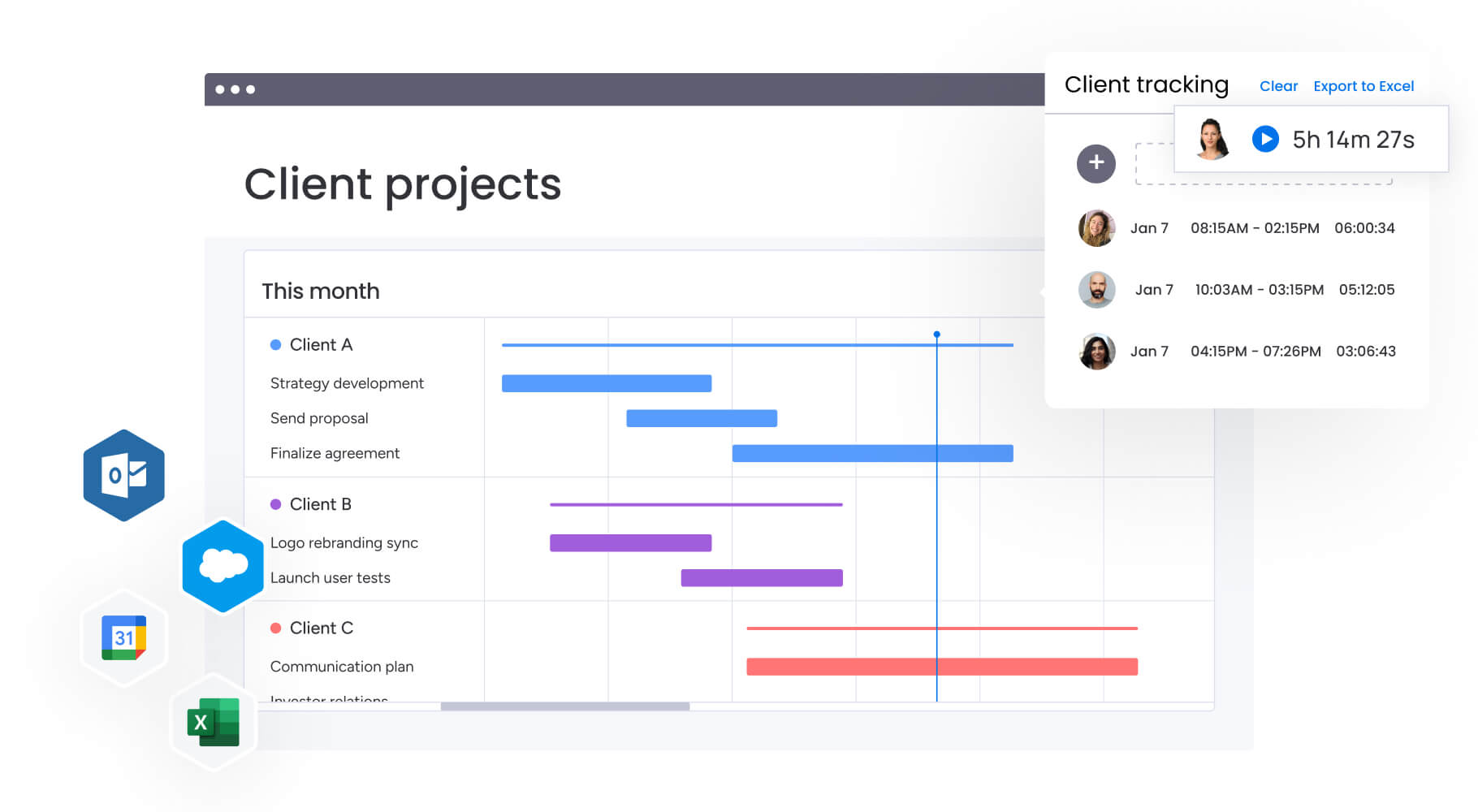
Digital marketing moves people from hearing about your brand to making a purchase and then sharing their experience. It’s not a single interaction but a series of coordinated touchpoints across multiple channels. Moreover, when every stage is mapped clearly, teams know exactly what they are responsible for, ensuring no opportunity is lost along the way.
The digital marketing funnel
The funnel maps out how customers typically move through your marketing. Real customer journeys are messy, but the funnel gives you a way to organize campaigns and split up the work:
- Awareness: Potential customers discover a problem or need through SEO, social media ads, and viral content.
- Interest: The audience actively seeks solutions via newsletters, blogs, and educational videos.
- Consideration: Prospects evaluate specific products using comparison guides, case studies, and webinars.
- Purchase: The transaction occurs through streamlined checkout experiences, retargeting ads, and promotional offers.
- Retention: Post-purchase focus on loyalty through email nurturing, support content, and community building.
Customer journey mapping
Customer journey mapping helps you see every touchpoint your audience interacts with, and highlights where leads may drop off. It captures the real path: an Instagram ad, a third-party review, a pricing page visit, and more.
That said, teams using monday work management can clearly assign ownership at each stage. Marketing handles awareness, sales manages consideration, and support focuses on retention. This way, leads never fall through the cracks, and every department knows its responsibilities.
B2B vs B2C digital marketing approaches
B2B and B2C use the same channels, but their strategies, tone, and timing look completely different. The table below breaks down how these two approaches diverge across key dimensions:
| Dimension | B2B approach | B2C approach |
|---|---|---|
| Decision process | Multi-stakeholder, logic-driven | Individual, emotion-driven |
| Sales cycle | Long (months to years) | Short (minutes to days) |
| Content type | Educational, technical, whitepapers | Entertaining, visual, product-focused |
| Messaging tone | Professional, expertise-focused | Relatable, urgent, fun |
| Primary goal | Lead generation and nurturing | Brand awareness and direct sales |
8 key digital marketing channels
Successful teams use a mix of channels that complement each other, ensuring consistent messaging across touchpoints. Each channel plays a unique role in advancing customers along the journey.
1. Search engine optimization (SEO)
SEO gets your content ranking in search results so you can drive traffic without paying for ads. It breaks into three areas:
- Technical SEO: Backend website structure, site speed, and mobile responsiveness to ensure search engines can crawl your site.
- On-page SEO: Optimizing individual web pages with relevant keywords, meta tags, and high-quality content that answers user intent.
- Off-page SEO: Building domain authority through backlinks from reputable sites, signaling trust and credibility to search algorithms.
2. Pay-per-click advertising (PPC)
PPC gives instant visibility by paying only when someone clicks your ad. Platforms like Google Ads and Microsoft Ads let you bid on keywords so your message appears when users are actively searching. At the same time, dashboards allow teams to monitor bids, quality scores, and ROI in real time.
3. Social media marketing
Social media connects your brand with audiences through both organic content and paid campaigns. Different platforms serve distinct purposes:
- LinkedIn: Builds B2B thought leadership and professional networking.
- Instagram: Powers B2C visual storytelling and engagement.
- X: Enables real-time conversation and customer support.
Consistency across platforms is critical to avoid confusing your audience.
4. Email marketing
Email remains one of the most direct ways to reach customers. Effective email campaigns rely on:
- List building: Gathering contacts through signup forms and lead magnets.
- Segmentation: Grouping recipients based on behavior or demographics.
- Automation: Sending pre-written sequences triggered by actions.
- Personalization: Customizing subject lines and content to each recipient.
5. Content marketing
Content marketing provides valuable, relevant information that keeps your audience engaged. Blogs, whitepapers, podcasts, and infographics support SEO, social, and email campaigns. A clear calendar and approval workflow ensure consistent production and quality.
6. Video and streaming marketing
Video has become the dominant digital format by combining visual, auditory, and emotional cues into a high-impact experience. Consequently, savvy teams now deploy video across every stage of the customer journey to build trust and simplify information.
To maximize engagement, you can leverage these specific formats:
- Educational tutorials: Show audiences how to solve problems.
- Brand storytelling: Build emotional connections.
- Product demonstrations: Highlight features and benefits.
- Live streaming: Engage audiences in real time.
7. Affiliate and influencer marketing
This channel leverages trust and reach from external partners. Affiliates earn commissions for promoting products, while influencers collaborate with brands to reach dedicated audiences. Tracking links and maintaining transparency is key to successful partnerships.
8. Retail media networks
Retail media networks let brands buy ad space directly on retailer sites. This combines digital reach with purchase intent, allowing precise targeting at the moment of purchase. With 55% of advertisers planning to expand budgets here, this channel is growing rapidly.
Why does digital marketing drive business growth?
Digital marketing is precise, fast, and scalable. These advantages change how brands reach audiences, measure results, and grow revenue.
Precise targeting and personalization
Digital platforms let you target audiences with serious precision. You can filter by age, location, job title, purchase history, and even real-time browsing behavior.
That means you can personalize content for thousands of people at once:
- Returning customers: See loyalty offers and product recommendations.
- New visitors: Receive introductory videos and welcome sequences.
- Cart abandoners: Get targeted reminders with incentives.
Greater relevance leads to higher conversion rates and more efficient ad spend.
Cost-effective customer acquisition
Digital marketing levels the playing field. Small businesses can go head-to-head with big companies by targeting niche keywords or local audiences.
With Cost-Per-Click and Cost-Per-Acquisition, you only pay for actual results. Unlike a billboard that costs the same whether it works or not, digital campaigns start small and scale only when they’re working.
Real-time performance tracking
Digital marketing provides instant feedback by allowing you to monitor traffic, clicks, and conversions as they happen. Consequently, real-time performance tracking shifts your strategy from monthly reviews to active, hourly optimization.
This immediate data access empowers teams to:
- Kill underperforming ads instantly: Stop wasting budget on ineffective creative.
- Reallocate budget to high-performing creatives: Maximize spend efficiency on the fly.
- Adjust targeting parameters: Refine audience segments based on performance data.
With monday work management, you can pull all those metrics into one place so leadership sees campaign performance instantly through automated, real-time dashboards.
Global reach with local relevance
Digital channels erase borders; you can sell worldwide from anywhere. At the same time, geo-targeting lets global brands customize messaging by location.
One campaign can have dozens of versions, each one tailored to local language, culture, and currency.
Digital platforms let you target audiences with serious precision. You can filter by age, location, job title, purchase history, and even real-time browsing behavior.
How to build your digital marketing strategy in 7 steps?
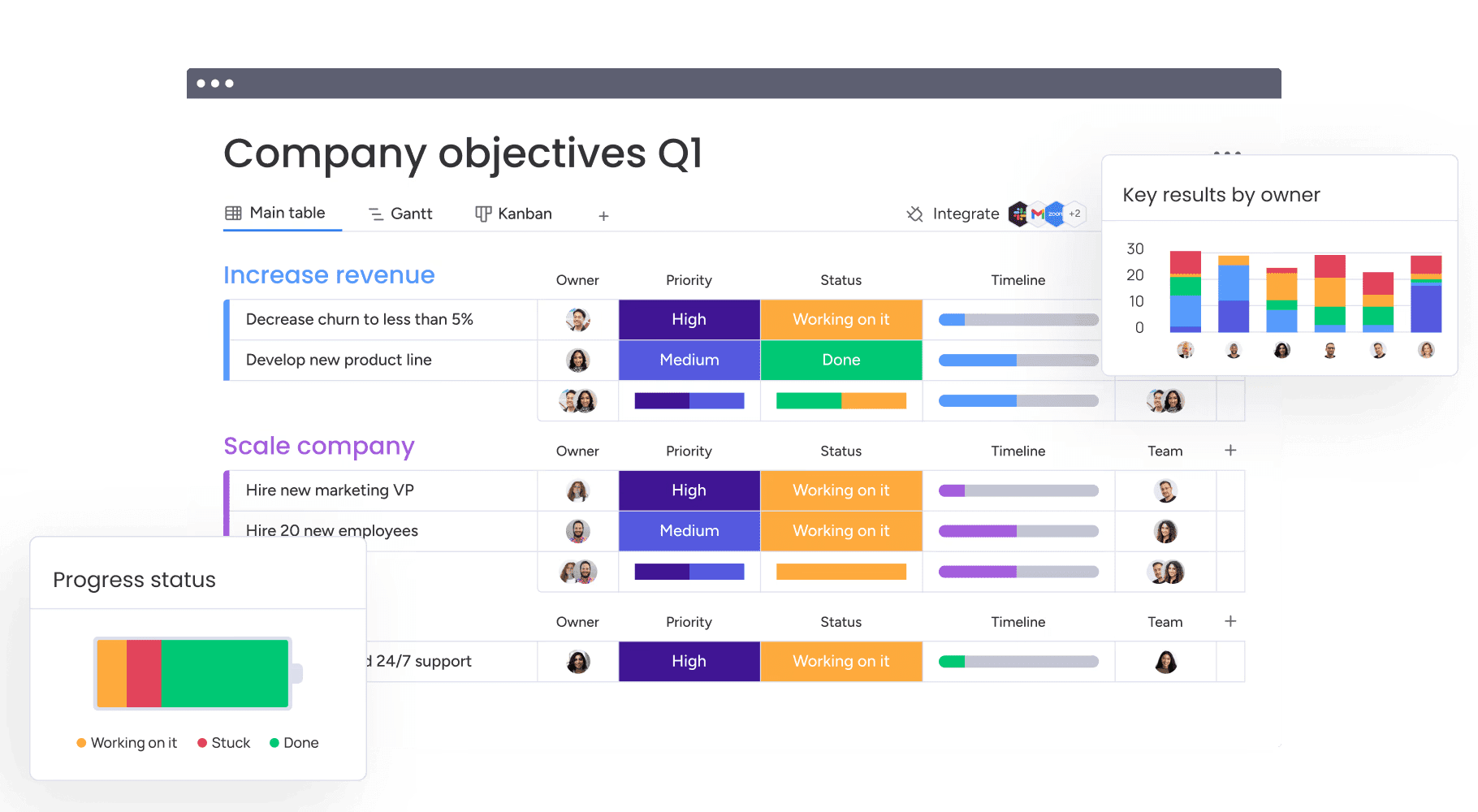
A strong strategy turns random marketing activities into measurable business outcomes. Project management platforms help teams organize every step efficiently.
Step 1: define business goals
Success starts with your end goal. At the same time, you should make every objective SMART: Specific, Measurable, Achievable, Relevant, and Time-bound.
To maximize clarity, replace vague goals like “get more traffic” with more specific ones like “increase organic traffic by 20% in Q3 to generate 500 new qualified leads.” These targets guide every subsequent decision regarding your budget and channel selection.
Step 2: identify your target audience
Know your customer, and you’ll know where and how to reach them. Therefore, build detailed buyer personas that cover more than demographics, include pain points, motivations, and what content they like.
Research methods include:
- Analyzing current customer data: Review purchase patterns and demographics.
- Conducting surveys: Ask existing customers about their preferences.
- Reviewing social media insights: See where your ideal audience spends time online.
Step 3: audit your current digital presence
Before you build anything new, check where you stand now. This review shows you what’s working and what’s missing.
The audit includes:
- Technical review: Website speed and mobile usability assessment.
- Social media analysis: Engagement rates and follower quality evaluation.
- Content gap analysis: Identifying missing information in your content library.
This highlights quick wins like broken links and bigger areas needing attention.
Step 4: select your channel mix
Not every channel works for every business. Pick channels based on where your audience hangs out and what you can actually manage.
A B2B software company might prioritize LinkedIn and SEO, while a fashion brand focuses on Instagram and TikTok. Master 2-3 channels instead of spreading yourself too thin.
Step 5: create your content plan
A content plan tells you what to publish, when, and where. With monday work management, you can track every deliverable, deadline, and owner in one place.
Your plan should include:
- Content themes: Core topics your brand will own.
- Content formats: Types of assets required for each channel.
- Publishing schedule: Distribution cadence to maintain visibility.
- Resource allocation: Assignment of writers, designers, and approvers to each piece.
Step 6: set budgets and allocate resources
Effective budgeting involves strategically splitting financial resources between paid advertisements and the talent required to execute campaigns. To balance stability with growth, a common approach is to allocate:
- 70% to proven channels: Ensure stability and predictable returns.
- 20% to safe bets with growth potential: Test promising opportunities.
- 10% to experimental channels: Allow for innovation and discovery.
Step 7: establish your measurement framework
Define KPIs before launching campaigns. Set weekly and monthly reporting to optimize performance and track revenue impact. Dashboards allow teams to monitor results continuously and make adjustments in real time.
Success starts with your end goal. At the same time, you should make every objective SMART: Specific, Measurable, Achievable, Relevant, and Time-bound.
Measuring success with digital marketing KPIs
Without measurement, digital marketing becomes guesswork. Marketing dashboards turn data into actionable insights, showing campaign performance, customer behavior, and ROI.
Traffic and engagement metrics
These metrics tell you how your funnel and user experience are doing:
- Website traffic: Total unique visitors and page views indicating reach.
- Bounce rate: Percentage of visitors leaving after viewing only one page, signaling relevance issues.
- Time on site: Average session duration serving as a proxy for content quality.
- Social media engagement: Volume of likes, shares, and comments measuring community resonance.
- Email open rates: Percentage of recipients opening messages, testing subject line effectiveness.
- Click-through rates: Percentage of users taking desired actions, measuring persuasive impact.
Conversion and revenue metrics
These metrics tie marketing efforts directly to the bottom line:
- Conversion rate: Percentage of visitors completing a goal.
- Cost per acquisition: Total marketing spend divided by new customers acquired.
- Return on ad spend: Revenue generated for every dollar spent on advertising.
- Customer lifetime value: Total predicted revenue from a customer, justifying higher acquisition costs.
- Lead quality scores: Ranking leads based on likelihood to purchase, helping sales teams prioritize.
How is AI reshaping digital marketing?
AI is no longer a futuristic concept; it’s actively changing how marketing teams work. By automating repetitive tasks and analyzing massive datasets, AI uncovers insights that guide smarter strategies. Teams now leverage AI to speed up content creation, optimize budgets instantly, and deliver highly personalized experiences at scale.
AI for content creation and personalization
Generative AI significantly accelerates production speed, allowing marketers to use AI writing assistants to draft blog posts, social captions, and ad copy in seconds. To complement this, AI image generators produce unique visual assets without the need for traditional stock photography.
Beyond creation, AI enables dynamic personalization:
- Website headlines: Automatically adjust based on visitor behavior.
- Email product recommendations: Customize for millions of individual users simultaneously.
- Ad creative: Test thousands of variations to find the highest-performing combinations.
This personalization happens in real-time based on unique behavior profiles.
Predictive analytics and budget optimization
AI moves analytics from hindsight to foresight. Algorithms analyze past performance to forecast campaign outcomes, letting teams adjust strategies proactively.
Moreover, budget allocation becomes smarter too. AI continuously shifts spend across channels, focusing on the most effective conversion paths without manual intervention. This real-time optimization ensures maximum return on ad spend.
AI agents and digital workers in marketing
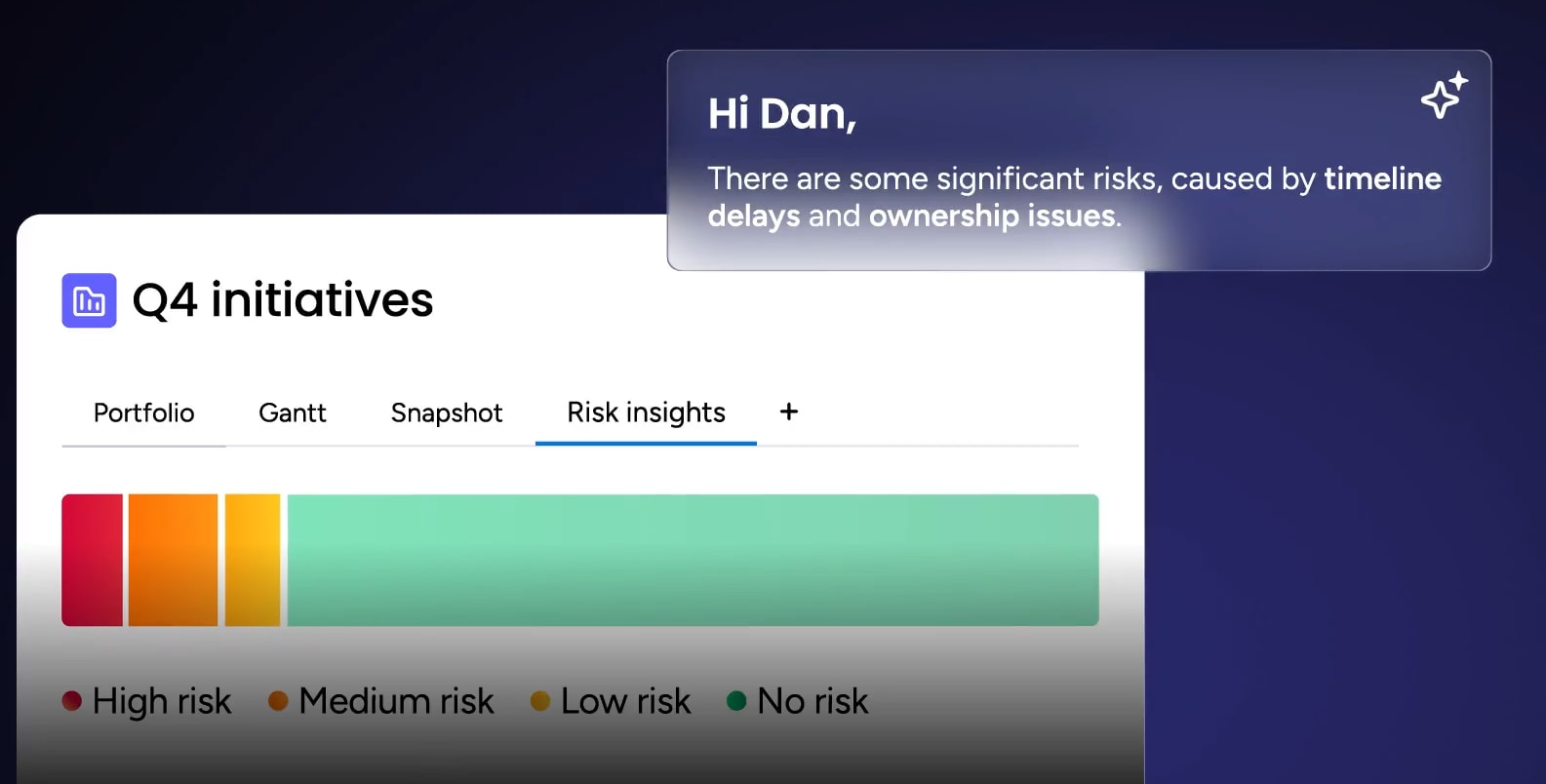
The next wave involves autonomous AI agents embedded in work management platforms. For instance, on monday work management, a Campaign Manager digital worker can review campaign performance, spot underperforming areas, and recommend budget adjustments to the human team.
Furthermore, these AI agents handle data-heavy tasks, freeing marketers to focus on creative strategy and building emotional connections with audiences.
Simplifying digital marketing with monday work management


“monday.com has been a life-changer. It gives us transparency, accountability, and a centralized place to manage projects across the globe".
Kendra Seier | Project Manager
“monday.com is the link that holds our business together — connecting our support office and stores with the visibility to move fast, stay consistent, and understand the impact on revenue.”
Duncan McHugh | Chief Operations OfficerMarketing teams often face the challenge of connecting daily tasks to broader business outcomes. Campaigns involve multiple channels, tight deadlines, and cross-functional collaboration, and it’s easy for work to get fragmented.
monday work management provides a clear structure that brings all moving pieces together, making execution smoother and more strategic:
- Fragmented workflows slow progress: Central boards unify tasks across social, email, paid, and web channels.
- Unclear ownership creates bottlenecks: Assign responsibilities at every stage so no deliverables fall through the cracks.
- Manual approvals delay campaigns: Automation handles review cycles, notifications, and task assignments.
- Limited visibility hides performance gaps: Dashboards track campaign progress, budget spend, and team capacity in real time.
- Difficulty connecting work to results: Real-time analytics show how individual tasks contribute to conversions, ROI, and overall business growth.
By aligning daily execution with strategic goals, teams save time, reduce errors, and focus more on creative strategy. Marketing teams can work smarter, not harder, using monday work management to turn complex campaigns into measurable results without adding unnecessary complexity.
Frequently asked questions
What budget do I need to start digital marketing?
The budget you need to start digital marketing is scalable. Organizations can begin with zero budget by focusing on organic content and social media, while paid advertising campaigns can start effectively with as little as $100-500 per month depending on the industry.
How long does it take to see results from digital marketing?
Paid advertising channels like PPC can generate traffic immediately, whereas organic strategies like SEO and content marketing typically require 3-6 months to build momentum and show significant ROI.
Can small businesses compete with larger companies in digital marketing?
Small businesses effectively compete by leveraging precise targeting to reach niche audiences and using authentic storytelling that often resonates more deeply than broad corporate messaging.
Which digital marketing channel should I start with first?
The strongest starting point is usually a combination of content marketing to build authority and email marketing to capture leads, as these channels provide long-term asset value and direct audience ownership.
How do I know if my digital marketing is working?
You determine success by tracking specific KPIs that align with business goals, such as conversion rates, cost per acquisition, and revenue attribution, rather than vanity metrics like likes or impressions.
How does monday work management help coordinate digital marketing campaigns?
The platform serves as a centralized operating system that connects strategy to execution, allowing teams to plan multi-channel campaigns, automate approval workflows, and track real-time performance in a single collaborative workspace.

 Get started