

Many teams struggle when leads flow in but deals fail to close, often leaving marketing and sales wondering why their efforts aren’t translating into revenue. This issue usually stems from a lack of strategic clarity; without a defined path from the first touchpoint to a signed contract, potential opportunities inevitably get lost in the shuffle.
B2B purchasing involves multiple stakeholders and complex approval processes that require consistent trust and guidance at every stage. A well-structured funnel transforms scattered interest into a predictable growth engine by delivering the right information at the right time, ensuring prospects move naturally through their journey without feeling forced.
The following sections provide a step-by-step roadmap to building a high-converting funnel by aligning your content, workflows, and follow-up sequences. This integrated approach ensures that marketing and sales move in lockstep, reinforcing your value proposition so that no prospect slips through the cracks.
Key takeaways
- B2B buying involves multiple stakeholders: Successful funnels address the needs and concerns of diverse decision-makers, from technical leads to executives, ensuring content resonates with the entire buying committee.
- Content must align with funnel stages: Top-of-funnel content educates, middle-funnel resources build trust, and bottom-funnel assets like ROI calculators help buyers make confident purchase decisions.
- Relationship-building drives long-term success: B2B funnels prioritize nurturing prospects over quick wins, supporting extended sales cycles and fostering enduring partnerships.
- Data and metrics enable continuous optimization: Tracking conversion rates, sales velocity, and funnel drop-offs helps identify bottlenecks and systematically improve revenue performance.
- Centralized workflows improve funnel efficiency: Platforms like monday work management unify marketing and sales activities, providing visibility, automation, and AI-driven insights that keep complex funnels running smoothly.
What is a B2B marketing funnel?

A B2B marketing funnel is a strategic framework that guides potential buyers through their journey from initial awareness to purchase and advocacy. Unlike traditional sales models focused on closing deals, marketing funnels prioritize education and trust-building that works across hundreds of prospects.
It adapts to real buyer behavior, delivering the right information to the right person at the right time. This flexibility ensures prospects move naturally through their journey without feeling forced along a rigid checklist.
Why modern B2B funnels drive predictable revenue?
Funnels built on data replace guesswork with proof, turning leads into revenue you can actually forecast. By tracking engagement at every step, you can forecast pipeline health and put resources into channels that actually deliver.
Modern AI-powered marketing systems are already delivering measurable results, with marketing leaders reporting a 10.8% reduction in marketing overhead costs while increasing sales productivity.
This approach also reduces acquisition costs by identifying poor-fit prospects early. When buyers understand your value before speaking with sales, teams align more effectively, making handoffs smoother and faster.
Real-time dashboards provide visibility into lead progress. Teams can see exactly where prospects accelerate or stall, enabling proactive adjustments to nurture and conversion strategies.
Core components that make B2B funnels work
Successful B2B funnels rely on five interconnected elements that keep prospects moving forward. Each component ensures engagement feels personalized rather than automated.
- Buyer persona research: Deep insights into pain points, decision-making processes, and preferred channels, not just job titles.
- Content mapping: Tailored content for different stages, ensuring executives, technical users, and managers get what matters to them.
- Lead scoring: Assign points to prospect actions and highlight readiness for sales engagement.
- Nurture sequences: Automated workflows that deliver the right content at the right time.
- Performance analytics: Metrics like conversion rates and attribution data that pinpoint areas for improvement.
Funnels built on data replace guesswork with proof, turning leads into revenue you can actually forecast. By tracking engagement at every step, you can forecast pipeline health and put resources into channels that actually deliver.
B2B vs B2C funnels: key differences
While B2B and B2C funnels may look similar on paper, the buyer journey differs fundamentally. B2B buyers operate in longer cycles, with higher stakes and multiple stakeholders, requiring more in-depth education and relationship building.
| Feature | B2B marketing funnel | B2C marketing funnel |
|---|---|---|
| Decision maker | Buying committee (6-10 stakeholders) | Single individual or household |
| Sales cycle | Long (3-18 months) | Short (minutes to days) |
| Primary driver | Logic, ROI, and risk mitigation | Emotion, desire, and convenience |
| Content focus | In-depth education and validation | Entertainment and quick solutions |
| Relationship | Long-term partnership | Transactional |
B2B marketing must address the needs of diverse roles, from CFOs evaluating budgets to CTOs assessing security. Success depends on delivering the right information to each person at the right time.
Relationship-building vs transactional sales
B2B funnels focus on long-term partnerships rather than one-off deals. Switching providers is costly, so buyers prioritize vendors who offer reliable guidance and ongoing support.
Marketing and sales need to coordinate closely, creating a seamless handoff that maintains trust. This approach positions your team as a trusted advisor rather than just a vendor.
ROI-driven decision-making
Every B2B purchase requires justification. Buyers look for measurable outcomes, efficiency gains, or revenue impact before signing off.
The funnel supports these decisions with case studies, ROI calculators, and proof-of-concept materials. Unlike B2C strategies that rely on emotional triggers, B2B funnels build confidence through data and tangible results.
5 stages of a B2B marketing funnel that converts
The B2B funnel extends beyond purchase, similar to an inbound marketing funnel, maximizing customer lifetime value by guiding buyers through retention and advocacy. Each stage has a specific job: build relationships and grow revenue.
1. Awareness
Capture attention where buyers already seek information. SEO-optimized content, social media engagement, and targeted advertising help prospects recognize a problem or opportunity without feeling pressured.
2. Consideration
Help buying groups evaluate options with detailed resources like whitepapers, webinars, and comparison guides. Automated sequences ensure each stakeholder gets the content relevant to their role.
3. Decision
Reduce perceived risk and provide the final validation your leads need to sign a contract. You can offer high-intent assets like live product demos, ROI calculators, and customer references to help your internal champions justify the investment to their leadership.
4. Retention
Shift your focus to driving rapid adoption and consistent usage. By providing educational newsletters, feature updates, and exclusive webinars, you help your customers realize the full value of your platform, which prevents churn and protects your hard-earned revenue.
5. Advocacy
Turn satisfied customers into growth drivers. Encourage referrals, reviews, and case studies while identifying upsell and cross-sell opportunities that expand account value.
How to build a B2B marketing funnel in seven steps?
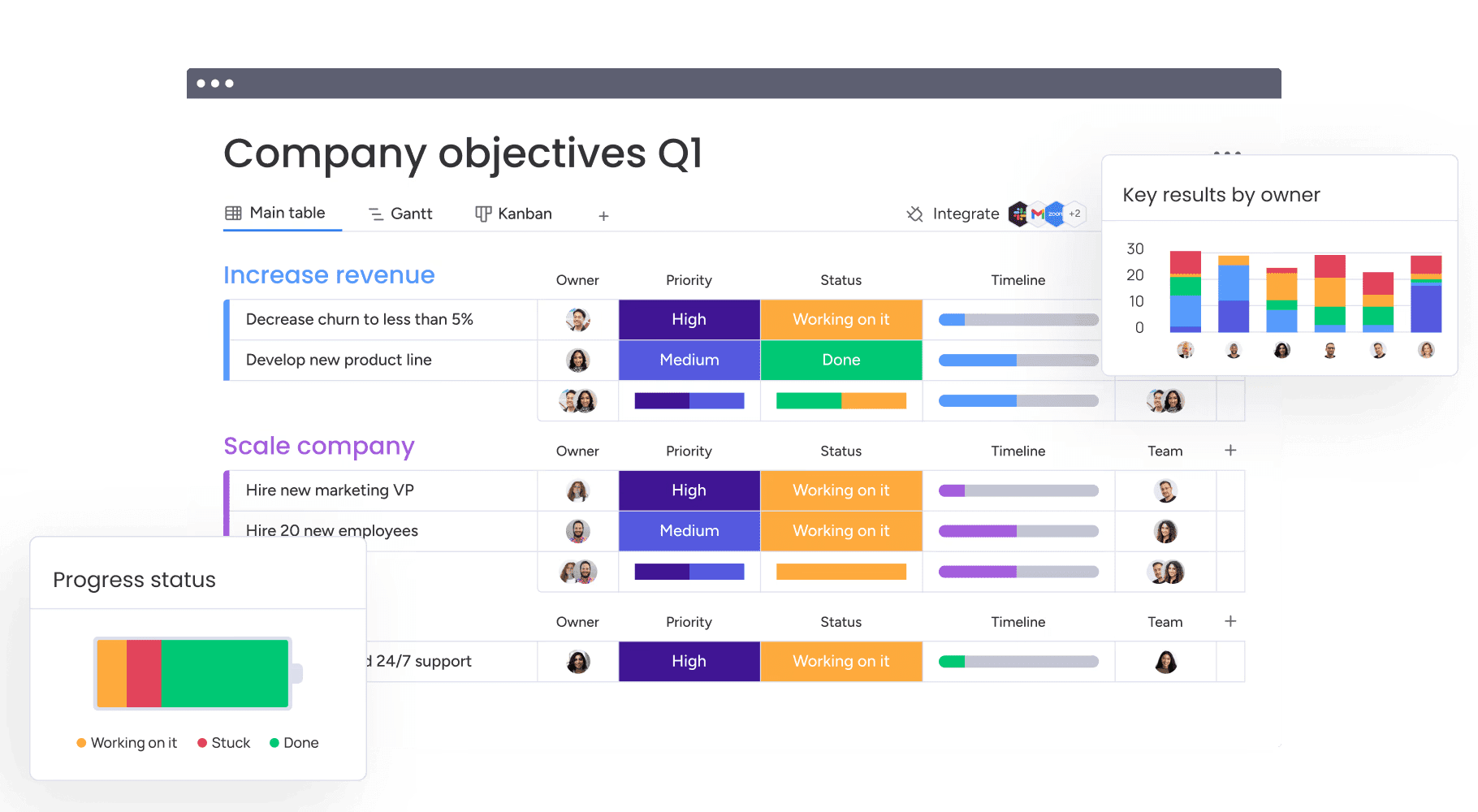
Creating a B2B marketing funnel that converts requires careful planning and precise execution. It’s not just about producing content; it’s about building systems that measure results, adapt, and improve over time. These seven steps provide a clear roadmap to structure your funnel and drive meaningful outcomes.
Step 1: map buyer journeys and identify buying groups
Start by mapping how prospects go from realizing they have a problem to buying. Research and write down the specific questions buyers ask at each stage.
Key activities include:
- Interview existing customers: Understand their decision-making process.
- Analyze website behavior: Track how prospects navigate your content.
- Survey sales teams: Capture common objections and questions.
Figure out everyone in the buying committee: users, managers, and executives. Build personas for each one, capturing what they care about and what holds them back. This way, your funnel speaks to everyone who has a say.
Step 2: set conversion goals and success metrics
Every funnel stage needs clear, measurable goals. Pick the metrics that actually matter for your business:
- Traffic volume: Visitors entering your funnel.
- Lead generation numbers: Contacts captured at each stage.
- Conversion rates: Movement between stages.
- Sales velocity: Time from first touch to close.
Set benchmarks using your past performance and industry standards. Track leading indicators (what predicts the future) and lagging indicators (what confirms your strategies worked).
Step 3: develop a stage-specific content strategy
Content is what moves people through your funnel. Therefore, match specific content to what buyers need at each stage, then build an editorial calendar so you’re consistently publishing.
Mix high-level educational content with product-specific features that help people decide. Each piece of content should nudge prospects to the next step, like linking blog posts to guides that introduce your solution.
Step 4: build your marketing technology foundation
Funnels need connected tech to run smoothly. You’ll need a centralized lead database to manage relationships, marketing automation to execute campaigns, and analytics to measure results.
These systems need to connect so you can see everything prospects do in one place. Teams using monday work management centralize their work in a single workspace where marketing and sales collaborate seamlessly. It integrates with Salesforce, HubSpot, and Gmail, allowing you to manage all your work from one location.
Step 5: create automated lead nurture workflows
Automation scales relationship-building through effective lead nurture workflows. Email sequences and automated messages guide prospects based on what they actually do.
Trigger-based automation keeps messages relevant. Someone checking your pricing page gets a different follow-up than someone reading a blog post. Mix automation with personal outreach, set up alerts so high-value actions get a human follow-up.
Step 6: implement lead scoring and routing rules
Lead scoring assigns points to behaviors and characteristics, objectively identifying sales-readiness as part of B2B sales lead generation. Set clear thresholds for when leads move from marketing to sales, and create routing rules so leads reach the right rep right away.
Alignment on definitions prevents sales from ignoring marketing leads and marketing from sending unqualified prospects.
Step 7: test, measure, and optimize performance
Funnels require ongoing optimization. A/B test landing pages, analyze conversion drop-offs, and review performance data regularly.
Cross-team reviews help marketing and sales identify bottlenecks and adjust strategies. Scale successful tactics across the funnel while refining or replacing underperforming elements.
Start by mapping how prospects go from realizing they have a problem to buying. Research and write down the specific questions buyers ask at each stage.
B2B content marketing funnel strategies by stage
Strategic content is the engine that moves buyers through your funnel. Because different stages require distinct formats and depth to address changing mindsets, careful content mapping ensures you deliver the right information at exactly the right time.
Top-of-funnel content that drives discovery
Top-of-funnel content attracts prospects aware of problems but not specific solutions. These formats perform well for initial engagement:
- Blog posts: SEO-optimized articles addressing industry pain points.
- Industry reports: Original research establishing authority.
- Infographics: Visual data summaries are highly shareable on social media.
- Social media content: Short insights driving traffic to deeper resources.
Middle-of-funnel resources that build trust
Middle-of-funnel content nurtures interest and demonstrates expertise. Often gated to capture lead information, these formats help prospects evaluate credibility:
- Ebooks and whitepapers: Comprehensive guides diving deep into methodologies.
- Webinars: Live or on-demand sessions allowing direct engagement.
- Case studies: Success stories showing how similar companies solved problems.
- Email courses: Drip campaigns delivering value over several days.
Bottom-of-funnel assets that accelerate decisions
Bottom-of-funnel content supports final purchase decisions and equips champions to sell internally. These assets reduce perceived risk:
- Product demos: Walkthroughs tailored to specific use cases.
- ROI calculators: Interactive features quantifying investment value.
- Comparison guides: Honest evaluations against competitors.
- Customer testimonials: Direct quotes and video interviews providing social proof.
Optimizing B2B sales funnel performance
Mature funnels require rigorous optimization to extract maximum value from existing traffic. This shifts focus from adding leads to improving system efficiency. Systematic optimization drives compound improvements that significantly impact revenue over time.
Key metrics to track at every stage
Tracking the right metrics reveals funnel health. Monitor these indicators to understand performance and identify improvement areas.
| Funnel stage | Key metrics | Definition |
|---|---|---|
| Awareness | Traffic, impressions, CTR | Volume of potential prospects entering |
| Consideration | Engagement rate, lead gen rate | Percentage interacting with content |
| Decision | MQL to SQL conversion | Efficiency of handoffs and qualification |
| Purchase | Win rate, sales cycle length | Effectiveness of closing strategies |
| Retention | Churn rate, expansion revenue | Long-term value and customer health |
Testing strategies for continuous growth
Systematic testing drives incremental improvements that compound over time. A/B testing compares page or email versions to determine winners. Multivariate testing examines multiple variables simultaneously for high-traffic assets.
Build an experimentation culture where teams test hypotheses about messaging, design, and offer structure, ensuring decisions rely on data rather than opinion.
Take your B2B marketing funnel to the next level with monday work management


“monday.com has been a life-changer. It gives us transparency, accountability, and a centralized place to manage projects across the globe".
Kendra Seier | Project Manager
“monday.com is the link that holds our business together — connecting our support office and stores with the visibility to move fast, stay consistent, and understand the impact on revenue.”
Duncan McHugh | Chief Operations OfficerB2B marketing teams face complex challenges: long sales cycles, multiple stakeholders, and the need to turn scattered data into predictable revenue. monday work management helps connect daily work to these broader business goals, making it easier to track progress, collaborate efficiently, and optimize every stage of the funnel.
- Centralized visibility: See campaigns, leads, and performance metrics in one unified workspace, reducing missed opportunities and siloed data.
- Automation that scales: Streamline repetitive tasks like lead routing, follow-ups, and content workflows without losing a personal touch.
- AI-powered insights: Prioritize high-value leads and make informed decisions based on real-time data.
- Cross-team alignment: Coordinate marketing and sales activities seamlessly, ensuring handoffs feel natural and trust is maintained.
- Performance tracking: Monitor key metrics, measure ROI, and optimize campaigns to turn engagement into predictable revenue.
By connecting strategy, execution, and analysis in one platform, teams gain efficiency, maintain alignment, and create measurable business impact, all without adding unnecessary complexity.
Frequently asked questions
What are the main stages of a B2B marketing funnel?
The five main stages of a B2B marketing funnel are awareness, consideration, decision, retention, and advocacy. These stages guide prospects from identifying problems to becoming loyal customers and brand promoters.
How long does a typical B2B marketing funnel take to show results?
Initial results typically appear within three to six months. A fully mature, optimized funnel generally takes twelve to 18 months to deliver peak performance.
What's the difference between B2B marketing funnels and sales funnels?
Marketing funnels focus on generating awareness, educating prospects, and nurturing leads until purchase-ready. Sales funnels manage the specific opportunity, negotiation, and closing process.
How do you measure B2B marketing funnel effectiveness?
Effectiveness is measured through conversion rates between stages, cost per lead, sales velocity, and customer lifetime value. These metrics reveal where improvements are needed.
What resources are essential for B2B funnel management?
Essential components include a centralized lead database for data management, marketing automation for execution, analytics for measurement, and a work management platform like monday work management to orchestrate the entire process.
How does monday work management improve B2B funnel performance?
The platform improves performance by providing a unified workspace that breaks down silos between sales and marketing, automating manual workflows, and offering AI-powered insights to identify and fix bottlenecks.

 Get started