


Sales teams face a daily challenge: identifying which prospects are genuinely interested in buying. Hundreds of leads flow through pipelines every day including some completely cold, others ready to sign contracts, and many sitting somewhere in between. That middle group represents both the biggest opportunity and the biggest challenge.
Warm leads are prospects who have raised their hand by downloading content or visiting pricing pages but haven’t yet committed to a purchase. Unlike cold contacts who are unaware of your brand, these individuals have moved into the consideration stage. Because they sit between initial awareness and a final decision, your approach determines whether they progress or stall.
The sections ahead break down exactly how to spot these high-value prospects and convert their interest into revenue. By understanding lead “temperature,” you can stop guessing and start investing your time where it delivers the highest return.
Key takeaways
- Focus on warm leads for 3x higher conversion rates: warm leads convert at 5-15% compared to 1-3% for cold leads, making them your highest-value prospects worth immediate attention.
- Track specific behaviors that signal real interest: look for prospects who visit pricing pages, download content, attend events, and engage with emails; these actions separate genuine interest from casual browsing. Solutions like monday CRM help teams track these behaviors across every touchpoint, giving you a complete picture of each lead’s engagement journey.
- Respond fast but don’t rush the sale: follow up within 24 hours of warm lead actions, but focus on personalized nurturing rather than immediate sales pitches to build trust.
- Use AI and automation to scale personal attention: AI detects sentiment in communications and automates follow-ups based on behaviors, ensuring every warm lead gets timely attention while maintaining a human connection.
- Avoid generic messaging that kills momentum: reference specific actions like downloaded content or attended webinars in your outreach to prove you’re paying attention and treating prospects as individuals.
What are warm leads?
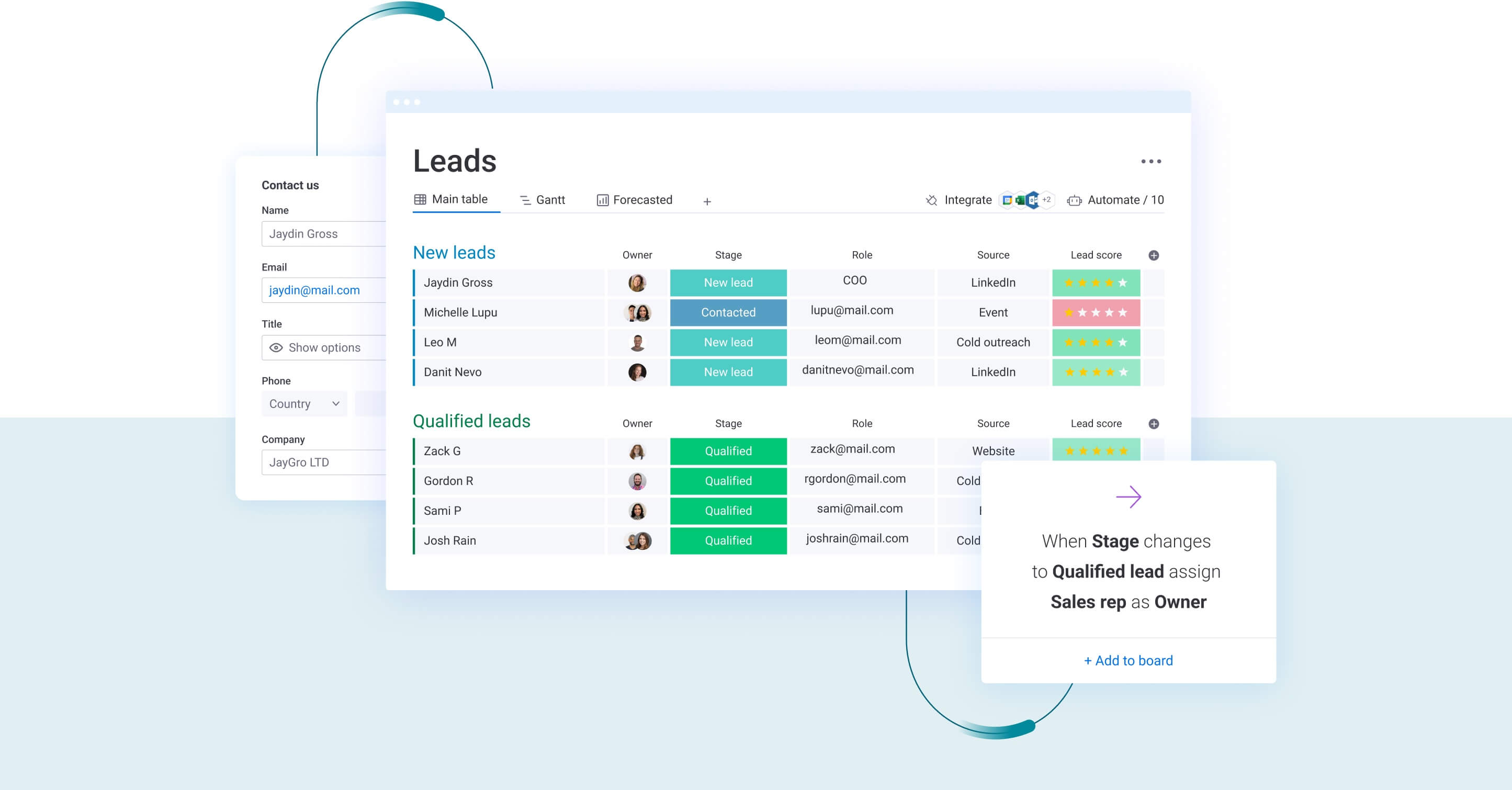
A warm lead is a prospect who has shown genuine interest, such as downloading content or visiting pricing, but hasn’t yet committed to a purchase. Because they have moved beyond initial awareness but haven’t reached the decision stage, they sit in the middle of your sales funnel.
Since these prospects are more engaged than cold leads, they signal intent through specific actions like attending webinars or multiple website visits. The key difference is the combination of timing and fit: a warm lead typically interacts with you within 30–90 days and matches your ideal customer profile.
For instance, a director who checks your pricing after reading a case study is a high-value warm lead, whereas a cold lead may not even recognize your brand.
Cold leads vs warm leads vs hot leads
Matching your sales approach to lead temperature ensures you invest energy where it yields the highest return. Since cold, warm, and hot leads each require a distinct strategy, success depends on delivering educational content to newcomers while saving high-touch demos for those ready to buy.
The three lead types stack up like this:
| Lead type | Engagement level | Conversion rate | Sales approach | Timeline to close |
|---|---|---|---|---|
| Cold leads | Little to no interaction | 1-3% | Educational content, broad nurturing | six to 18 months |
| Warm leads | Multiple touchpoints, recent activity | 5-15% | Personalized outreach, targeted content | three to six months |
| Hot leads | Active communication, specific requests | 20-40% | Immediate response, detailed demos | two to eight weeks |
Cold leads: starting from zero
Because cold leads have had little to no interaction with your brand, they often don’t even know your solution exists. These prospects appear in your database through list purchases, trade show scans, or broad prospecting efforts, but they haven’t taken any action showing interest.
Converting cold leads requires patience and education. You’re looking at 1-3% conversion rates because these prospects need extensive nurturing before they’re ready for sales conversations. By focusing on broad awareness campaigns rather than a hard pitch, you can gradually move them toward interest.
Warm leads: showing genuine interest
Warm leads have engaged with your brand through measurable actions. They’ve downloaded your buyer’s guide, attended your webinar, or visited key pages on your website multiple times. These behaviors show they know about your solution and are potentially evaluating whether it fits their needs.
Therefore, your approach should balance automated nurturing with personalized outreach that references their specific engagement history. This strategy capitalizes on their 5–15% conversion rate by providing the targeted value they need to move forward.
Hot leads: ready to buy
Because hot leads have moved into active consideration, they often initiate contact or request specific pricing details. These prospects are typically working within defined purchase timelines and are actively evaluating how your solution fits their specific requirements.
With 20-40% conversion rates, hot leads deserve immediate, personalized attention. A prospect filling out a demo request form needs a response within hours, not days. Your approach focuses on rapid response, detailed product demonstrations, and addressing specific objections to move quickly through remaining sales stages.
3 steps to identify warm leads in your pipeline
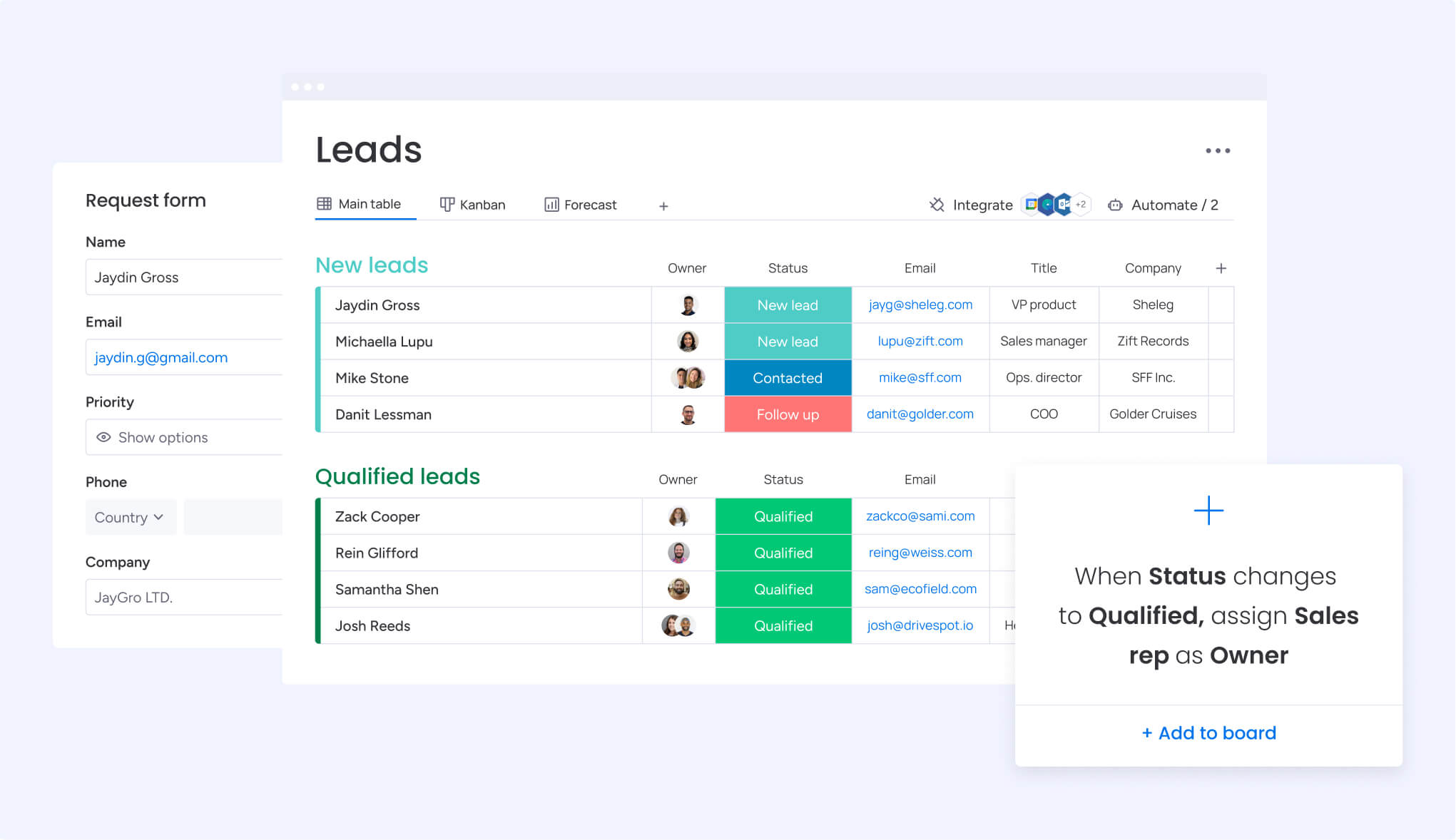
Spotting warm leads in your pipeline prevents wasted effort on cold prospects while ensuring interested leads get proper attention. But the challenge isn’t just identifying who’s warm, but doing it systematically so nothing falls through the cracks. By focusing on a structured lead management process., you can ensure no high-value opportunities fall through the cracks.
Step 1: track behavioral signals that matter
Website behavior reveals sustained interest beyond initial curiosity. Someone checking your homepage once shows curiosity, whereas someone who visits pricing, reads case studies, and explores integrations over two weeks is actively researching.
Email engagement provides direct insight into interest levels. These patterns separate engaged prospects from passive recipients:
- Opening 50% or more emails: shows consistent attention to your messages.
- Clicking through twice or more: demonstrates the desire to learn more.
- Forwarding to colleagues: indicates team evaluation.
- Replying with questions: signals active consideration.
Furtermore, content downloads represent deliberate engagement where prospects exchange their information for your content and invest effort to learn more about your solution. The type matters because someone downloading a beginner’s guide shows different intent than someone grabbing your ROI calculator or implementation checklist.
Step 2: build effective lead scoring
Simple behavioral scoring assigns points to actions: ten for email opens, 25 for downloads, 50 for pricing visits, 75 for demo requests. Leads accumulating 100+ points within 30 days qualify as warm. This straightforward approach works well for smaller teams needing clear thresholds without complex calculations.
However, weighted scoring is more precise as it combines behaviors with demographic fit. A download from a director at your target company scores higher than the same action from a junior employee at a poor-fit organization, since not all engagement carries equal weight.
By using advanced platforms like monday CRM, teams can leverage AI to analyze hundreds of data points simultaneously and identify patterns predicting conversion.
Step 3: implement technology for tracking engagement
Website tracking platforms monitor how prospects interact with your site: which pages they view, how long they stay, what content they consume. When anonymous visitors fill out forms or click email links, these platforms connect their browsing history to known contacts, building complete engagement pictures.
Email platforms track opens, clicks, replies, and forwards to measure prospect interaction with your messages. Advanced systems detect patterns like consistent opening times or progressive engagement with detailed content, signaling warming interest that might not be obvious from individual metrics.
5 indicators that identify a warm lead
Recognizing warm lead signals helps you invest time and resources in prospects showing genuine interest through concrete actions rather than relying on gut feelings. These five indicators consistently predict higher conversion potential and warrant immediate attention from your sales team.
Sign 1: they’ve downloaded your content
Content downloads signal prospects value your expertise enough to identify themselves. However, different content types indicate different stages:
- Blog posts: suggest early interest.
- Buyer’s guides and ROI calculators: show active evaluation.
- Implementation checklists or technical specifications: indicate serious consideration.
Someone downloading implementation checklists or technical specifications is seriously considering your solution and needs detailed information for decision-making.
Sign 2: they fit your ideal customer profile
When someone fits your ideal profile and shows interest, they enter “instant warm” territory. For example, a director at your target mid-market company who checks out your site twice is worth your attention, whereas the same clicks from someone who’ll never buy are much less significant.
Profile fit amplifies engagement significance: the same download generating mild interest from a poor-fit prospect becomes a strong signal from your ideal customer.
Sign 3: they’ve requested information
Information and demo requests signal explicit interest. The specificity of their questions reveals their stage:
- General questions: “can you send more information?” suggest early-stage warming.
- Specific questions: “how does your solution integrate with our existing stack?” or “What’s the implementation timeline for our size team?” demonstrate deeper evaluation.
Sign 4: they engage on social media
Since social engagement represents a public association with your brand, each level of interaction provides a clear window into a prospect’s increasing interest.
- Following: shows basic interest.
- Liking: indicates passive approval.
- Commenting: demonstrates active engagement.
- Sharing: represents endorsement.
Consistency matters more than individual actions; weekly engagement over a month shows sustained interest that cold leads won’t maintain.
Sign 5: they’ve attended your events
Event attendance requires time investment. Therefore, registering for webinars, workshops, or conferences signals prospects value your expertise enough to dedicate 30-90 minutes to learning from you.
Furthermore, post-event behavior amplifies the signal because attendees who ask questions, download resources, or visit your website immediately after show strong interest worth pursuing.

“With monday CRM, we’re finally able to adapt the platform to our needs — not the other way around. It gives us the flexibility to work smarter, cut costs, save time, and scale with confidence.”
Samuel Lobao | Contract Administrator & Special Projects, Strategix
“Now we have a lot less data, but it’s quality data. That change allows us to use AI confidently, without second-guessing the outputs.”
Elizabeth Gerbel | CEO
“Without monday CRM, we’d be chasing updates and fixing errors. Now we’re focused on growing the program — not just keeping up with it."
Quentin Williams | Head of Dropship, Freedom Furniture
“There’s probably about a 70% increase in efficiency in regards to the admin tasks that were removed and automated, which is a huge win for us.“
Kyle Dorman | Department Manager - Operations, Ray White
"monday CRM helps us make sure the right people have immediate visibility into the information they need so we're not wasting time."
Luca Pope | Global Client Solutions Manager at Black Mountain
“In a couple of weeks, all of the team members were using monday CRM fully. The automations and the many integrations, make monday CRM the best CRM in the market right now.”
Nuno Godinho | CIO at VelvHow to convert warm leads into customers?
Converting warm leads requires acknowledging their interest while respecting they’re not ready to buy. Push too hard and they’ll go cold. Wait too long and competitors engage first or interest naturally fades. By following these steps, you can guide warm leads toward a purchase decision without applying unnecessary pressure.
Step 1: use personalized outreach to build trust
Because specificity proves you are treating prospects as individuals rather than database entries, you should reference specific behaviors like webinars they attended or case studies they downloaded.
Effective personalization addresses likely pain points based on their industry, role, and engagement pattern. As a marketing director downloading lead generation content faces different challenges than a sales operations manager viewing integration documentation, you should tailor your message to their specific situation to demonstrate understanding and position your solution as relevant.
Step 2: create urgency without pressure
Natural urgency comes from demonstrating the cost of inaction, meaning you should show warm leads what they are losing, such as missed revenue or wasted time, by not solving their problem.
- Missed revenue opportunities: quantify what they’re losing by not acting now.
- Wasted time on manual processes: show the hours they could reclaim with your solution.
- Competitive disadvantage: demonstrate how competitors are pulling ahead.
Quantifying that loss creates urgency without artificial deadlines or pressure tactics.
External factors create authentic urgency. Regulatory changes, competitive movements, or economic shifts give prospects real reasons to act now. A warm lead evaluating sales automation might accelerate their timeline when you show how competitors gain advantage through increased efficiency.
Step 3: leverage social proof and success stories
Customer testimonials from similar companies build credibility and help prospects visualize success. A mid-market software company wants to see how other mid-market software companies achieved results, not how enterprise organizations use your product.
Remember that quantified results matter more than general praise. “Increased sales efficiency by 40% and closed 25% more deals in Q1” provides concrete evidence prospects can use to justify investment. Present social proof strategically: early conversations might reference broad satisfaction while later discussions introduce specific case studies matching the prospect’s situation.
Step 4: implement multi-channel nurturing sequences
Coordinated campaigns use email, phone, social media, and direct mail to maintain presence without overwhelming prospects. Each channel serves different purposes:
- Email: delivers detailed content.
- Phone: enables real-time conversation.
- Social media: maintains visibility.
By varying message types, from case studies to webinar invites, you keep engagement fresh across every touchpoint. Since modern platforms like monday CRM automate these triggers based on real-time actions, your team can instantly respond to downloads or pricing visits without manual effort.
Step 5: time your follow-up strategically
Jump on warm lead actions fast. Hit those demo requests within an hour, content downloads within a day. Quick responses show you value their time and catch them while your solution is still on their mind.
Behavioral triggers should adjust timing dynamically. When warm leads take new actions including visiting pricing, downloading more content, engaging with emails, reset your sequence timing to capitalize on renewed interest. Modern CRM platforms automate these adjustments based on real-time behavior, ensuring follow-up matches current interest levels.
How to maintain momentum with warm leads?
Even experienced teams make errors that turn warm leads cold or push them toward competitors. Understanding these pitfalls helps you avoid them and maintain momentum with interested prospects. Below you’ll find the most damaging mistakes and how to prevent them.
Mistake 1: using generic messaging
Because generic messages ignore the specific behaviors making each lead unique, they often fail to resonate. A prospect downloading your pricing guide needs different information than one attending your product webinar. Therefore, sending identical follow-ups to both wastes the opportunity to address their specific needs.
Effective segmentation divides warm leads by:
- Industry and company size: tailor messaging to specific sectors and organization types.
- Role and seniority level: address challenges relevant to each decision-maker’s position.
- Engagement type and recency: reference specific actions and timing of interactions.
- Content consumption patterns: align follow-up with the types of resources they’ve engaged with.
Each segment receives messaging tailored to their situation: referencing their specific engagement, addressing role-relevant challenges, and offering appropriate next steps.
Mistake 2: poor timing that kills momentum
Pushing for sales conversations too early creates resistance. That’s because a prospect downloading one piece of content doesn’t want an immediate demo pitch because they’re still researching and need time to evaluate whether your solution fits.
At the same time, waiting too long lets interest cool naturally or gives competitors time to engage. Warm leads taking high-intent actions expect rapid follow-up. Delays beyond 24-48 hours signal you don’t prioritize their interest and cool enthusiasm or prompt them to engage more responsive competitors.
Mistake 3: ignoring lead scores
Lead scores provide objective data about engagement and fit. While a warm lead with a score of 150 deserves more immediate attention than one scoring 60, teams ignoring scoring data treat both identically.
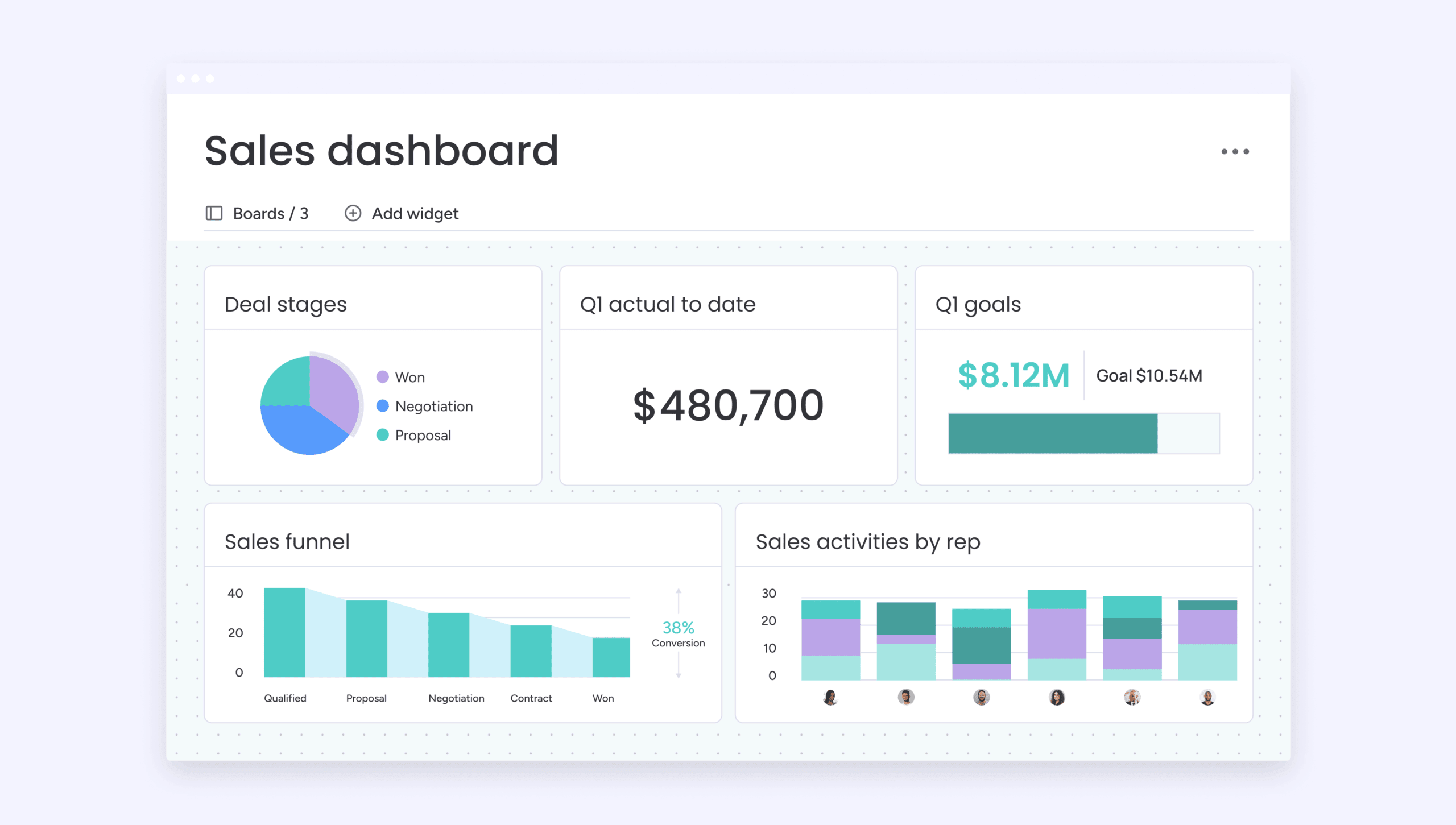
Score changes trigger action. When scores jump significantly from 75 to 150 in a week due to multiple high-intent actions, sales teams should respond immediately with personalized outreach. Platforms like monday CRM combine behavioral signals, demographic data, and engagement patterns to calculate conversion probability, with scores updating automatically as leads take new actions.
Mistake 4: weak handoffs that lose context
Marketing generates warm leads through content, campaigns, and events, but critical details about what prospects consumed or questions they asked often don’t transfer to sales. This forces sales to start conversations from scratch rather than building on established interest.
Effective handoffs include:
- Complete engagement histories: every interaction the lead has had with your brand.
- Specific content consumed: which resources they downloaded, webinars they attended, and pages they visited.
- Questions asked during interactions: concerns or interests they’ve expressed in conversations.
- Demographic data and fit scores: how well they match your ideal customer profile.
- Lead scores with contributing factors: their overall score and which behaviors drove it.
- Recommended next steps: suggested actions based on their engagement pattern and stage.
This information lets sales personalize initial outreach and continue conversations naturally.
Mistake 5: inconsistent follow-up
Some warm leads receive immediate attention while others wait weeks for responses. This unpredictability makes prospects feel unimportant and suggests your team lacks organization.
Systematic processes define exactly when and how warm leads receive touchpoints based on behaviors and stage. CRM automation ensures consistency by triggering emails, creating tasks, sending alerts, and updating records automatically based on lead behaviors.
This ensures every warm lead receives consistent attention, freeing up your team to focus on strategic moments that require a personal touch.
AI strategies for warm lead management
AI flips warm lead management on its head – you’re no longer just reacting to who clicked what. Now you can predict who’s about to buy, spot patterns humans miss, nail perfect timing, and personalize messages to hundreds of leads at once. Here’s how modern AI capabilities enhance every aspect of warm lead management.
Strategy 1: automated scoring and identification
AI analyzes hundreds of signals simultaneously to calculate conversion probability more accurately than manual models. Traditional scoring assigns fixed points, but AI recognizes context — the same action carries different weight depending on other behaviors and characteristics.
Machine learning identifies which behavior combinations most reliably predict conversion in your specific business. Revenue teams using monday CRM benefit from AI that analyzes communication sentiment, extracts key information from emails and calls, and assigns labels categorizing leads based on characteristics and behaviors.
Strategy 2: personalization at scale
AI enables personalized communication with hundreds of warm leads simultaneously. Natural language processing analyzes which messaging resonates with different segments, continuously optimizing effectiveness.
AI personalization extends beyond email to website experiences and conversation flows. Warm leads see content tailored to their industry and role. Email sequences automatically adjust based on which content types each prospect engages with most.
Strategy 3: predictive timing optimization
AI predicts optimal outreach timing by analyzing when prospects are most likely to engage. These predictions consider:
- Historical engagement patterns: when prospects typically open emails and engage with content.
- Industry norms and trends: typical buying cycles and decision-making timelines for specific sectors.
- Real-time signals indicating current attention: immediate behaviors showing active interest right now.
Predictive models identify when warm leads are ready for sales conversations versus needing more nurturing. The AI capabilities in platforms like monday CRM help teams understand optimal follow-up timing by analyzing engagement patterns and alerting sales when leads take actions historically predicting conversion.
Strategy 4: AI-generated nurturing content
AI creates personalized nurturing content by generating emails, messages, and communications tailored to individual characteristics. These messages reference specific behaviors, address industry challenges, and adapt tone based on recipient role and seniority.
Quality depends on training data and parameters. Teams providing AI with effective messaging examples, brand voice guidelines, and specific value propositions get results that enhance human creativity rather than replacing strategic thinking.
Accelerate warm lead conversions with monday CRM
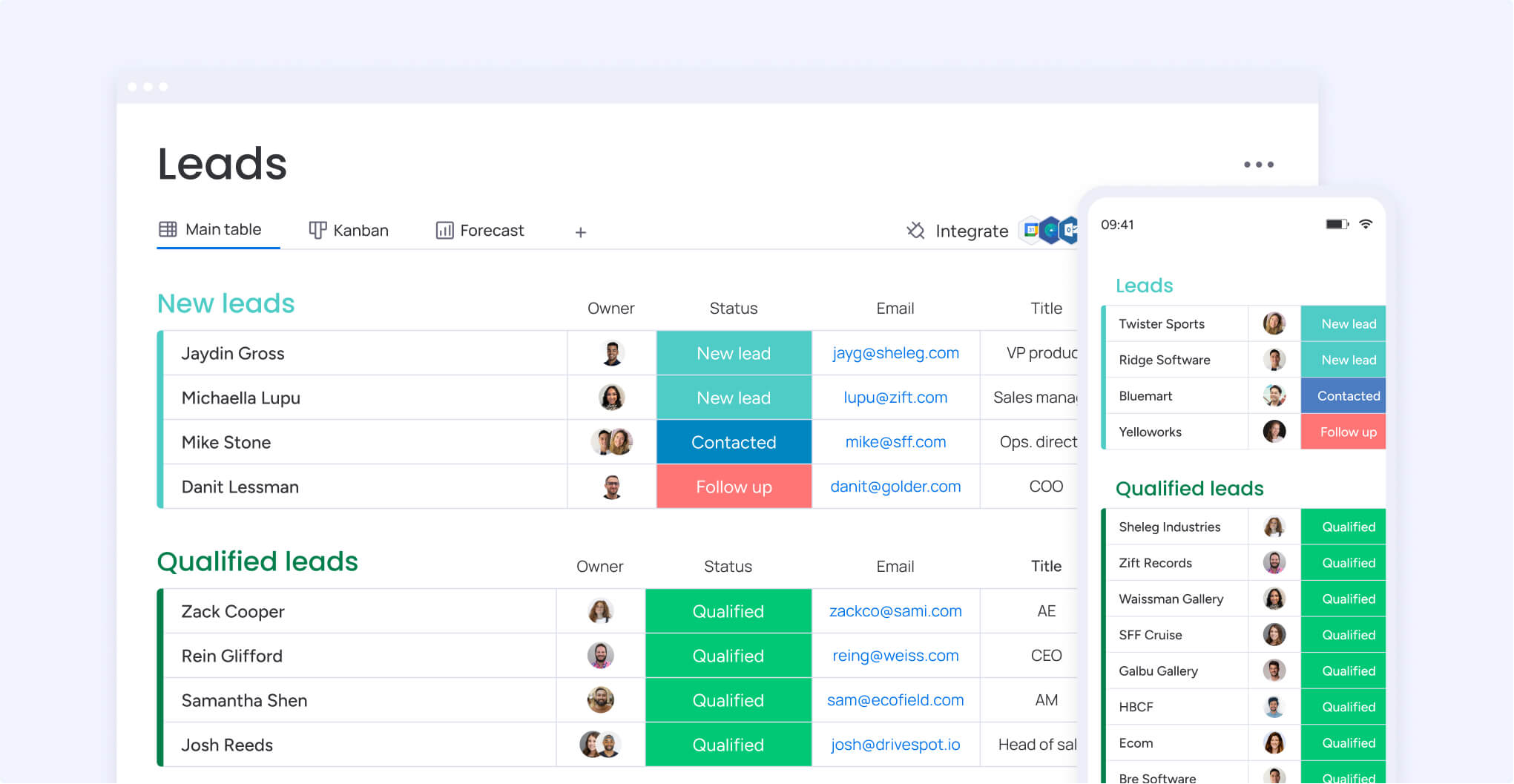
Modern CRM platforms have evolved beyond contact databases to become sophisticated warm lead management systems combining visual pipeline management, AI insights, automated nurturing, and team collaboration.
Since success depends on speed and precision, using monday CRM allows teams to centralize these functions into a single, high-performance workspace.
Visual pipelines show every opportunity
With monday CRM, you get a visual pipeline that shows every warm lead exactly where they stand. Need to update their status? Just drag and drop them into the next stage as they move toward purchase.
Moreover, color-coded cards indicate deal health, priority levels, and required actions, giving you an at-a-glance understanding of where each lead stands and which need attention.
AI identifies and scores automatically
The AI capabilities in monday CRM detect sentiment in communications, categorizing emails, calls, and messages as positive, negative, or neutral. This helps sales teams understand lead temperature without manually reading every interaction.
The platform’s AI assigns labels based on behaviors and characteristics, analyzing industry, company size, and engagement patterns to categorize leads automatically.
Automation prevents leads from cooling
Automation capabilities trigger actions based on custom conditions. The platform automatically:
- Sends follow-ups: when leads download content.
- Creates tasks: when leads visit pricing pages.
- Alerts managers: when high-value warm leads go quiet.
- Tracks engagement: across personalized campaigns.
Mass email capabilities with tracking let teams send personalized campaigns while monitoring engagement for each recipient.
Real-time collaboration keeps teams aligned
All warm lead interactions live in one timeline where sales, marketing, and customer success teams see every email, call, meeting, and note. Collaboration features let teams @mention colleagues, assign tasks for specific leads, and share updates in real-time. Information lives in one place, creating seamless handoffs that improve prospect experiences and increase conversion rates.
Scaling success with warm leads
Warm leads represent your most valuable prospects because they have shown genuine interest, but they need strategic support to convert. Success comes from systematically identifying warm behaviors, responding with personalized contact at the optimal time, and avoiding common mistakes that dampen interest.
Therefore, building processes that scale personal engagement is key. Leverage AI-based lead scoring and implement automation that ensures consistency while maintaining interpersonal relationships. Since teams that master warm lead management experience conversion rates three to five times higher than those that treat all leads identically, the ROI on these processes is clear.
Ready to transform the way your team manages warm leads? The visual sales channels, AI analytics, and automation capabilities within monday CRM transform warm lead management from guesswork into a predictable revenue engine.
Frequently asked questions
What's an example of a warm lead in B2B sales?
An example of a warm lead in B2B is a sales operations director at a 200-person software company who downloaded your CRM comparison guide, visited your pricing page twice this week, and opened your last three nurturing emails.
How long do leads typically stay warm before cooling off?
Most warm leads stay hot for 30-90 days, depending on your sales cycle and how often they engage. Keep them interacting regularly and they might stay warm for months. Let them sit without contact? Watch them cool off in just 30-45 days. Regular nurturing touchpoints and new engagement actions extend the warm period.
What percentage of warm leads typically convert to customers?
Warm leads convert at 5-15% rates on average, though rates vary significantly by industry, sales cycle length, and lead quality. B2B software warm leads typically convert at 10-12%, while complex enterprise sales might see 5-7% conversion. The key is tracking your specific conversion rates to establish benchmarks.
Can a hot lead become warm again?
Hot leads can cool to warm status when they lose urgency, encounter internal obstacles like budget freezes, or decide they need more evaluation time. A prospect who requested a demo but went silent for three weeks has cooled from hot to warm. Sales teams should acknowledge the change and adjust their approach to re-nurture rather than close.
What's the difference between warm leads and qualified leads?
Warm leads have shown interest through engagement behaviors, while qualified leads have been vetted against specific criteria confirming they have budget, authority, need, and timeline to purchase. A prospect can be warm but not qualified if they're engaged but lack budget, or qualified but not warm if they fit all criteria but haven't shown engagement.
How many touchpoints do warm leads need before converting?
Warm leads typically require six to twelve touchpoints before converting to customers. The exact number varies based on sales cycle complexity, price point, and lead quality. Simple, low-cost solutions might convert warm leads in four to six touches, while complex enterprise sales might require 15-20 touchpoints across multiple stakeholders.

 Get started