


When every rep on your team follows a different playbook, your pipeline becomes impossible to read and your forecast turns into guesswork. A sales methodology gives your entire team a shared framework for qualifying prospects, running discovery, and moving deals forward — creating the consistency that makes coaching effective and forecasts reliable.
This guide covers 12 proven sales methodologies, from BANT and SPIN Selling to MEDDIC and Challenger, plus a practical framework for choosing the right one based on your deal complexity and sales cycle. You’ll also learn how to embed your chosen methodology directly into your CRM workflows so it actually gets used, not just trained on and forgotten.
Key takeaways
- Simple, fast deals need lightweight frameworks like BANT, while complex, multi-stakeholder deals need rigorous ones like MEDDIC.
- When qualification criteria live inside your pipeline, reps follow the process naturally without extra effort.
- Managers can pinpoint exactly where deals stall and give reps targeted feedback instead of vague advice.
- Objective checkpoints replace rep optimism, so your pipeline reflects reality and forecast accuracy improves.
- Reps follow the framework as part of their workflow with monday CRM, so qualification stays consistent without extra effort.
What is a sales methodology?
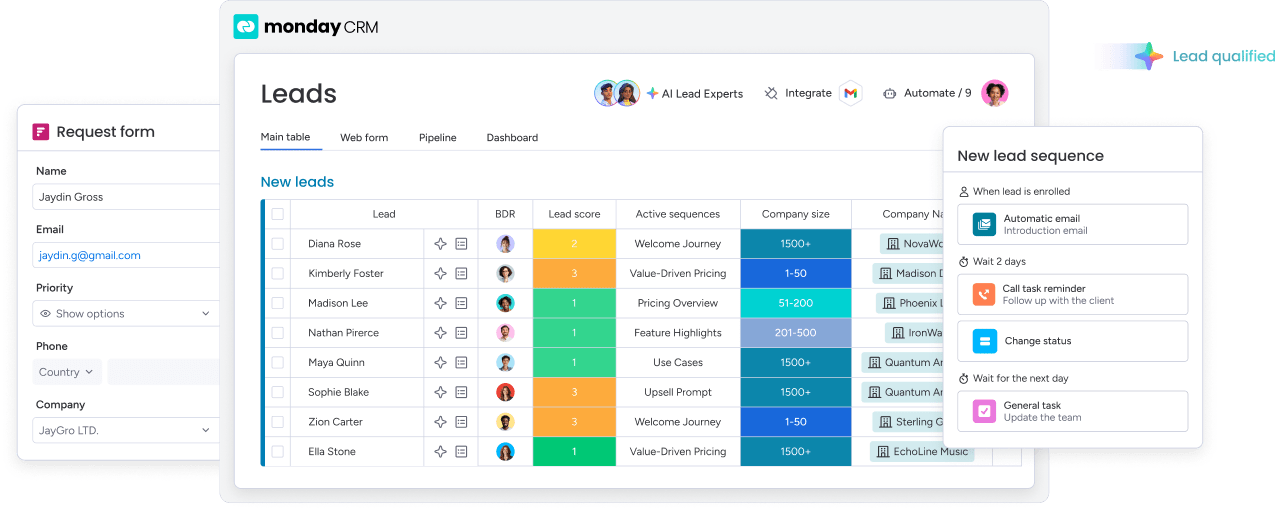
A sales methodology is a structured framework that guides how sales teams qualify prospects, conduct discovery, handle objections, and move deals through the pipeline. It provides the repeatable “how” behind selling, telling reps which questions to ask, when to ask them, and how to advance opportunities through each stage.
Instead of every rep inventing their own tactics, methodologies give your entire revenue team a common language and shared process. This foundation makes coaching consistent, forecasting accurate, and improvement continuous — because everyone’s working from the same playbook.
When you embed methodology into daily selling, managers see exactly where deals stall, new hires ramp faster, and you can scale what top performers do across the whole team.
What a sales methodology looks like in practice
In practice, a methodology turns selling from something every rep does differently into something you can teach, measure, and improve. Here’s how that plays out:
- Structured discovery: Methodologies tell reps which questions to ask and in what order — so they uncover pain, budget, authority, and timeline every time. Instead of each rep winging it, everyone follows a proven sequence that gets you the info you need to move deals forward.
- Qualification criteria: Rather than subjective assessments like “this deal feels good,” methodologies provide objective checkpoints that determine whether an opportunity is worth pursuing. These criteria remove the guesswork and help reps invest time in deals that can actually close.
- Stage-specific actions: Methodologies tie specific activities and outcomes to each pipeline stage, so reps know exactly what needs to happen before they move a deal forward. Moving from discovery to proposal isn’t about how much time has passed. It’s about completing specific actions and getting the info you need.
The big win? Predictability. Managers forecast more accurately when every deal gets qualified the same way. Reps receive coaching to a standard because there’s a benchmark for what “good” looks like. New hires ramp faster because they’re following a proven process instead of figuring it out as they go.
Sales frameworks vs. sales methodologies
People often use the terms “framework” and “methodology” interchangeably, but they have important differences worth understanding. Here’s how they compare:
| Characteristic | Framework | Methodology |
|---|---|---|
| Scope | Narrow, focused on a specific stage | Broad, covers the entire sales cycle |
| Example | BANT (qualification questions) | Sandler Selling System (full process) |
| Usage | Modular, can be embedded in broader systems | Standalone, comprehensive approach |
| Training depth | Hours to learn | Days or weeks to master |
A sales framework gives you a high-level structure, including qualification criteria or key questions. It’s a lens you use at key moments in the sales process.
A sales methodology is a more comprehensive, end-to-end process that guides reps through the entire sales cycle, from sales prospecting through sales closing, including how to handle objections, control conversations, and qualify opportunities. It’s a complete playbook, not just a set of questions.
Most teams use these terms interchangeably, and some frameworks actually work as full methodologies. The key difference is scope. Frameworks are modular — you can plug them into broader methodologies. Methodologies give you the complete system.
Sales process vs. sales methodology
Another common confusion point is the difference between a sales methodology and a sales process. These work together but serve different purposes. Distinguishing each helps your team sell with more consistency and confidence.
- Sales process: The “what” and “when” define the stages a deal moves through in your pipeline, from Prospecting → Discovery → Proposal → Negotiation → Close. Your CRM pipeline stages typically reflect your sales process.
- Sales methodology: The “how” defines the specific techniques, questions, and behaviors reps use at each stage to move deals forward. It’s the actions and criteria within each stage that tell you whether a deal’s ready to move forward.
Here’s the simplest way to see it: Your sales process is the roadmap from point A to point B. Your sales methodology is the driving technique: how you take the turns, when to speed up, and how to handle what’s in your way.
Why sales methodologies matter for revenue teams
Without a methodology, sales gets inconsistent, hard to coach, and impossible to predict. With a methodology, revenue teams see what’s working, control how deals move, and scale what top performers do across the whole org.
Learn more: Sales growth strategies
Top performer instincts become repeatable team behaviors
Methodologies capture what top performers do instinctively and make it teachable across the entire team. A methodology creates a shared playbook. Every rep follows the same qualification framework, asks similar discovery questions, and uses consistent language when discussing deals.
This sets a baseline of best practices that lifts the whole team: New hires ramp faster, managers pinpoint exactly where struggling reps need help, and top performers focus on advanced techniques instead of reinventing basics.
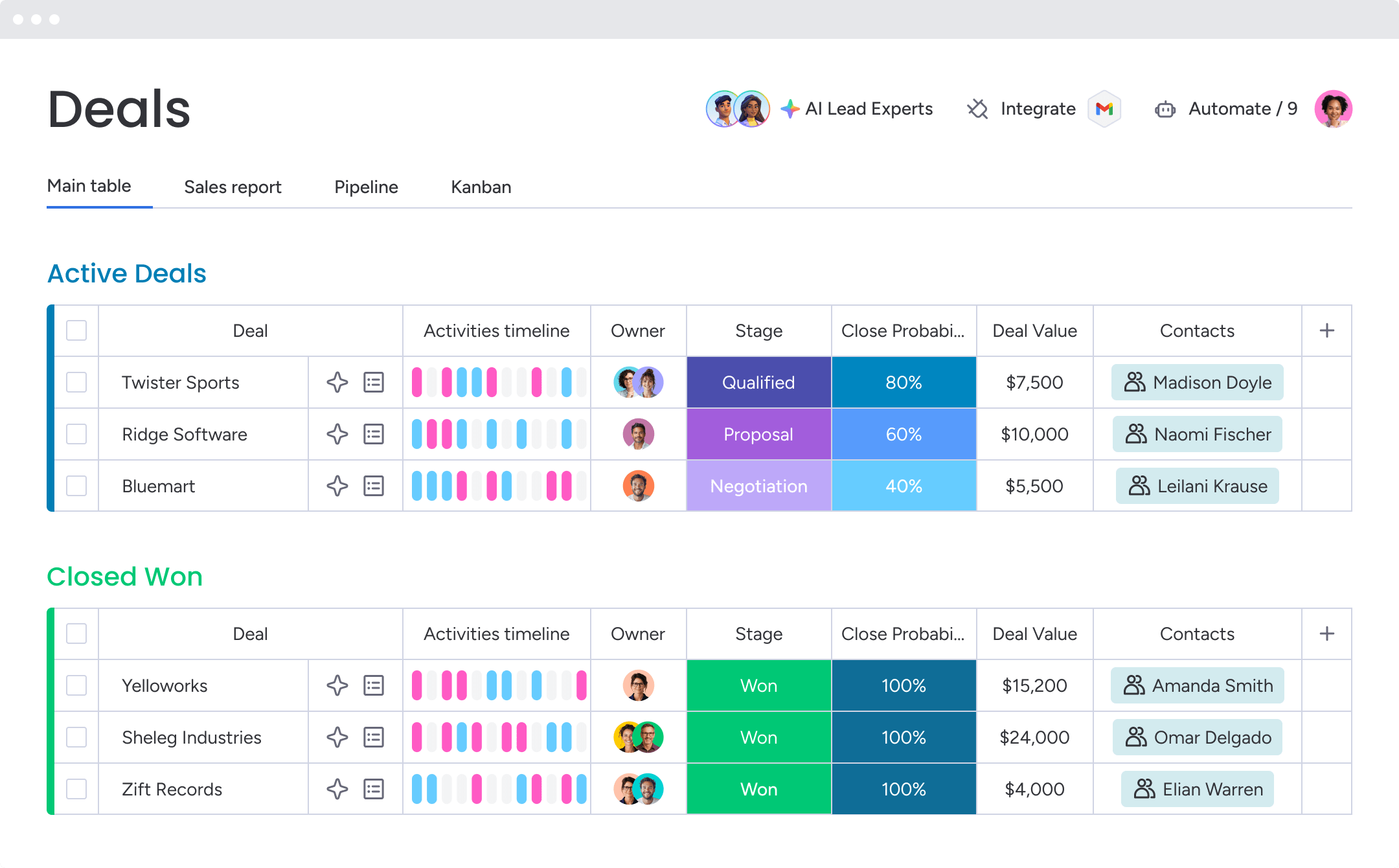
Pipeline guesswork is replaced with objective deal health data
Without a methodology, reps say deals are “looking good” or “almost there,” but managers have no objective way to assess deal health. Methodologies give you objective qualification criteria and stage-specific checkpoints.
When you evaluate every deal against the same framework, managers quickly see which opportunities are real and which are stalled or at risk. Pipeline reviews become data-driven conversations, and forecasts improve because stage progression is based on objective criteria rather than optimism.
Scalable training paths accelerate ramp time
Without a methodology, new hires shadow different reps and pick up different habits. A methodology provides a structured training path where new hires learn the framework step by step — qualification, discovery, objection handling.
Training materials, role-plays, and certifications are all built around the methodology, ensuring everyone learns the same foundational skills in the same sequence.
Coaching conversations become specific and actionable
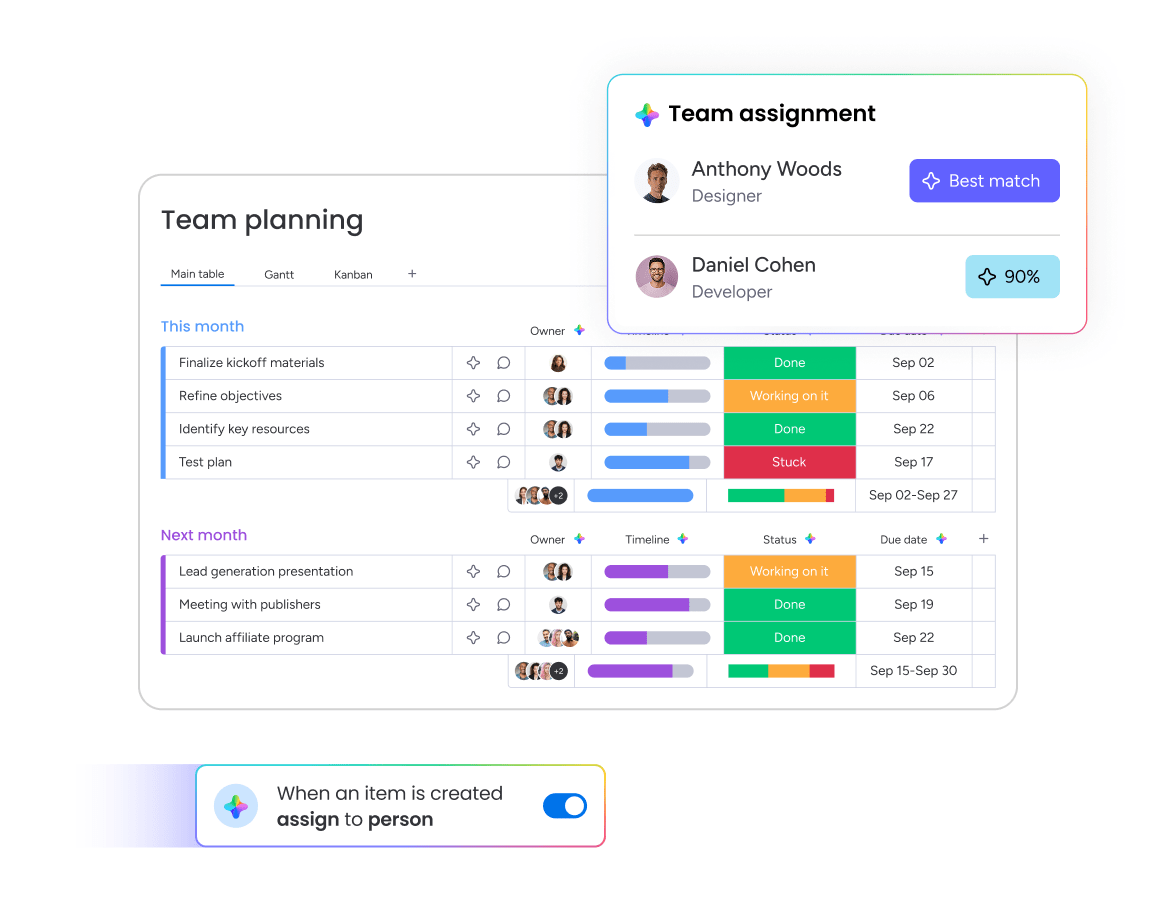
Without a framework, managers struggle to pinpoint exactly what’s going wrong. Methodologies give managers a diagnostic framework. If a rep is struggling, the manager can review the deal against specific criteria: Are they qualifying properly? Did they identify the decision-making process?
12 proven sales methodologies and frameworks
There are dozens of sales methodologies, each designed for different sales motions, deal complexities, and buyer behaviors. The following 12 represent the most widely adopted and proven frameworks used by successful revenue teams — from fast transactional deals to complex enterprise cycles.
Use this table to compare popular sales methodologies by ideal use case, deal complexity, and typical sales cycle length.
| Methodology | Best for | Complexity | Typical sales cycle |
|---|---|---|---|
| BANT | Transactional sales with straightforward qualification needs | Low | Under 30 days |
| SPIN Selling | Consultative sales where buyers need help define and prioritize problems | Medium | 30–90 days |
| MEDDIC/MEDDPICC | Enterprise deals with multiple stakeholders and formal buying processes | High | 6+ months |
| Challenger Selling | Competitive markets where insight-led selling creates differentiation | High | 3–6 months |
| Sandler Selling System | Teams focused on mutual qualification and stronger process control | Medium | 30–90 days |
| Solution Selling | Customizable products that require tailored recommendations | Medium | 30–90 days |
| Consultative Selling | Relationship-driven sales with long-term customer partnerships | High | 3–6 months |
| Value Selling | ROI-focused buyers who require a strong business case | High | 3–6 months |
| Gap Selling | Buyers who understand their challenges but underestimate the impact | Medium | 30–90 days |
| SNAP Selling | Fast-moving buyers with limited time and attention | Low | Under 60 days |
| SPICED | SaaS and subscription businesses focused on customer outcomes | Medium | 30–90 days |
| Target Account Selling | Strategic account growth and land-and-expand motions | High | 6+ months |
1. BANT: Fast qualification for transactional sales
BANT is a straightforward qualification framework focused on 4 criteria that work best for transactional or mid-complexity sales where deals move quickly and qualification needs to be fast and efficient.
- Budget: Does the prospect have the financial resources to buy?
- Authority: Are you speaking with the decision-maker?
- Need: Does the prospect have a problem your solution solves?
- Timeline: When does the prospect need to make a decision?
BANT is simple, fast, and easy to teach. It prevents reps from wasting time on unqualified opportunities and ensures they focus on deals with a real path to close.
2. SPIN Selling: Structured discovery for complex conversations
SPIN Selling is a discovery methodology built around 4 types of questions designed to help prospects self-diagnose their problems and recognize the urgency of solving them.
- Situation: Questions about the prospect’s current state
- Problem: Questions that uncover difficulties or dissatisfactions
- Implication: Questions that explore the consequences of not solving the problem
- Need-Payoff: Questions that get the prospect to articulate the value of a solution
SPIN is ideal for consultative, complex sales where the buyer may not fully understand their problem or the cost of inaction. By asking the right questions in the right order, reps help prospects articulate what’s not working and build urgency around solving it.
3. MEDDIC and MEDDPICC: Deep qualification for enterprise deals
MEDDIC is a qualification and deal management framework designed for complex, enterprise sales. The core components include:
- Metrics: Quantifiable measures of success
- Economic Buyer: The person with budget authority
- Decision Criteria: How the buyer will evaluate solutions
- Decision Process: The steps and timeline for making a decision
- Identify Pain: The specific problems driving the purchase
- Champion: Your internal advocate who sells for you
MEDDPICC adds Paper Process (contracting steps) and Competition (competitive landscape) for additional rigor. This framework forces reps to deeply qualify deals and understand the internal dynamics of the buyer’s organization, reducing surprises and increasing win rates.
4. Challenger Selling: Leading with insight in competitive markets
Challenger Selling is built around teaching prospects something new about their business, tailoring the message to their specific needs, and taking control of the sales conversation. It’s ideal for competitive, commoditized markets where differentiation is hard and buyers are skeptical.
Challenger reps don’t just respond to buyer needs — they shape them. By leading with insight and challenging the status quo, they differentiate themselves from competitors who simply pitch features. This approach works particularly well when buyers think they know what they need but haven’t considered all angles.
Try monday CRM5. Sandler Selling System: Mutual qualification and process control
Sandler is a methodology focused on mutual qualification, upfront contracts, and maintaining control of the sales process by setting clear expectations at every stage. It flips traditional selling by putting qualification and honesty at the center of every interaction.
Instead of chasing prospects, reps qualify rigorously and walk away from bad-fit opportunities. This saves time, increases win rates, and builds trust because prospects appreciate the honesty and transparency.
6. Solution Selling: Diagnosing and solving buyer-specific problems
Solution Selling focuses on diagnosing the prospect’s unique problem and positioning your offering as the tailored solution to that specific need. It’s ideal for complex, customizable products or services where the buyer’s needs vary significantly from one prospect to another.
Solution Selling builds trust by demonstrating that you understand the prospect’s world. It differentiates you from competitors who deliver generic pitches and helps buyers see your solution as uniquely suited to their situation.
7. Consultative Selling: Building long-term trusted advisor relationships
Consultative Selling is a relationship-first methodology where the rep acts as a trusted advisor, prioritizing the prospect’s long-term success over short-term sales. It’s best for high-touch, relationship-driven sales with long buying cycles and ongoing customer relationships.
This approach positions you as a partner, not a vendor. By focusing on the buyer’s success rather than your quota, you build deeper relationships that lead to larger deals, longer retention, and more referrals.
8. Value Selling: Quantifying ROI for outcome-focused buyers
Value Selling focuses on quantifying and communicating the financial and strategic value your solution delivers. It shifts the conversation from “what does it do?” to “what’s it worth?”
When prospects see a quantified ROI, price objections diminish and deals move faster. It also makes it easier for champions to sell internally because they have a compelling business case with real numbers.
9. Gap Selling: Making the cost of inaction tangible
Gap Selling focuses on identifying the gap between the prospect’s current state and their desired future state, then positioning your solution as the bridge. It creates urgency by making the cost of inaction tangible.
This methodology works well when buyers know they have a problem but haven’t fully grasped its impact or the path to solving it. By defining the gap, you help them see both the problem and the solution with greater precision.
10. SNAP Selling: Reducing friction for fast-moving, busy buyers
SNAP Selling is designed for busy, overwhelmed buyers who need to make decisions quickly. The 4 principles are:
- Keep it Simple: Remove complexity from the buying process
- Be iNvaluable: Demonstrate immediate value
- Always Align: Match your approach to their priorities
- Raise Priorities: Help them see why this matters now
SNAP respects the buyer’s time and cognitive load. By making it easy to say yes and demonstrating immediate value, reps can accelerate deals and reduce friction.
11. SPICED: Driving customer outcomes in SaaS and subscription sales
SPICED is a qualification framework designed for customer-centric sales, particularly in SaaS and subscription businesses where expansion and retention matter as much as new logos.
- Situation: Current state and context
- Pain: Specific problems to solve
- Impact: Measurable outcomes from solving the problem
- Critical Event: Deadline or trigger driving urgency
- Decision: Process, criteria, and stakeholders
SPICED shifts the focus from closing a deal to delivering customer outcomes. This builds trust, increases retention, and creates more opportunities for expansion.
12. Target Account Selling: Landing and expanding strategic accounts
Target Account Selling is designed for landing and expanding within high-value, strategic accounts where the sales cycle is long and the deal involves multiple stakeholders across different departments.
TAS ensures you’re investing time and resources in the accounts that matter most. By deeply understanding the account and building relationships across the organization, you increase win rates, deal sizes, and long-term account value.
How to choose the right sales methodology for your team
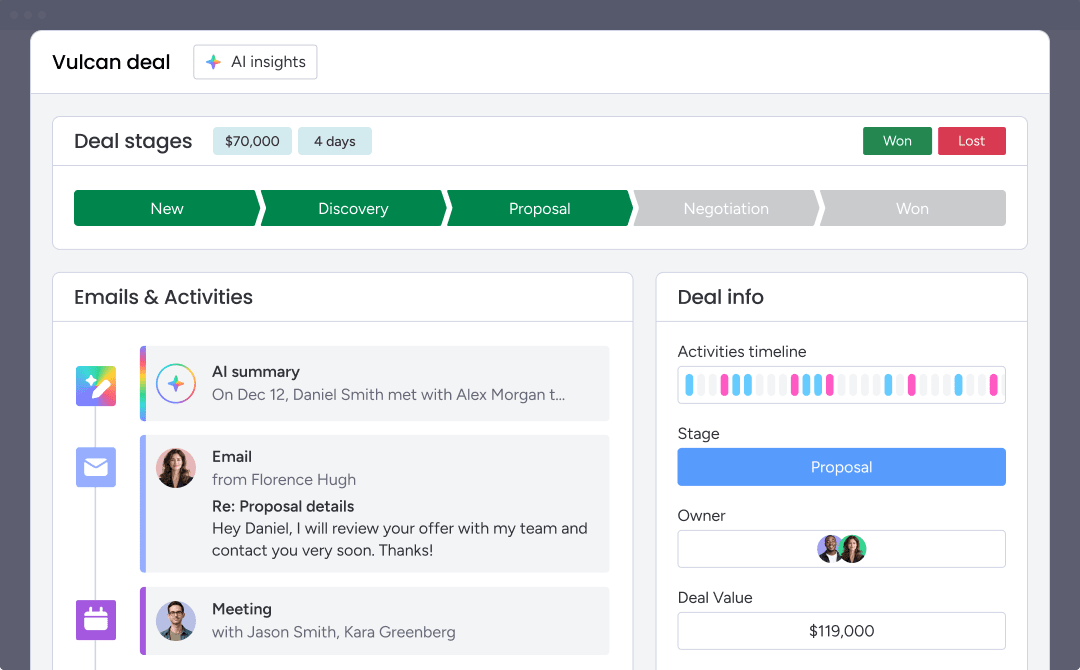
Choosing the right methodology requires evaluating your specific context: deal complexity, buyer journey, team size, sales goals, and revenue model. No single methodology is universally “best” — the right choice depends on your situation. The sections below walk through the 5 most important factors to consider.
Match methodologies to deal complexity
Deal complexity is one of the most important factors in choosing a methodology. Use the table below as a starting point based on your typical deal profile.
For example, if your average deal size is under $10K and closes in under 30 days, start with low-complexity methodologies. If your deals involve multiple stakeholders, technical evaluations, and 6+ month cycles, you need a high-complexity framework.
Align your methodology to the buyer journey stage
Different methodologies excel at different stages of the buyer journey. Knowing where your team struggles most helps you pick the right fit.
- Early-stage discovery: SPIN Selling and Challenger Selling, when buyers are still defining their problem
- Mid-stage qualification: BANT and MEDDIC, when you need to assess deal viability
- Late-stage closing: Value Selling and Sandler, when you need to overcome final objections and build business cases
If deals stall during discovery, focus on conversation methodologies. If you lose deals at the finish line, prioritize closing-focused frameworks.
Factor in team size and experience level
Small teams need simple, easy-to-implement frameworks like BANT and SNAP Selling that don’t require extensive training or infrastructure. Large teams benefit from rigorous frameworks like MEDDIC that create consistency across regions and segments and enable coaching at scale.
Also consider your team’s experience level. New reps need straightforward methodologies they can learn quickly. Experienced sellers can handle more sophisticated frameworks that require nuanced judgment.
Match methodologies to deal complexity
| Deal complexity | Recommended methodologies | Best for |
|---|---|---|
| Low (transactional) | BANT, SNAP Selling | Deals under $10K, cycles under 30 days |
| Medium (consultative) | SPIN Selling, Solution Selling, Gap Selling | $10K–$100K deals, 30–90 day cycles |
| High (enterprise) | MEDDIC/MEDDPICC, Challenger Selling, Target Account Selling | $100K+ deals, cycles of 6+ months |
Take your revenue model into account
Your revenue model shapes which methodology will stick long-term.
- Subscription businesses need methodologies that emphasize customer outcomes and long-term relationships because retention and expansion drive revenue.
- Enterprise businesses need methodologies that handle complexity and long cycles.
- Transactional businesses need speed and efficiency above all else.
How to implement a sales methodology in your CRM
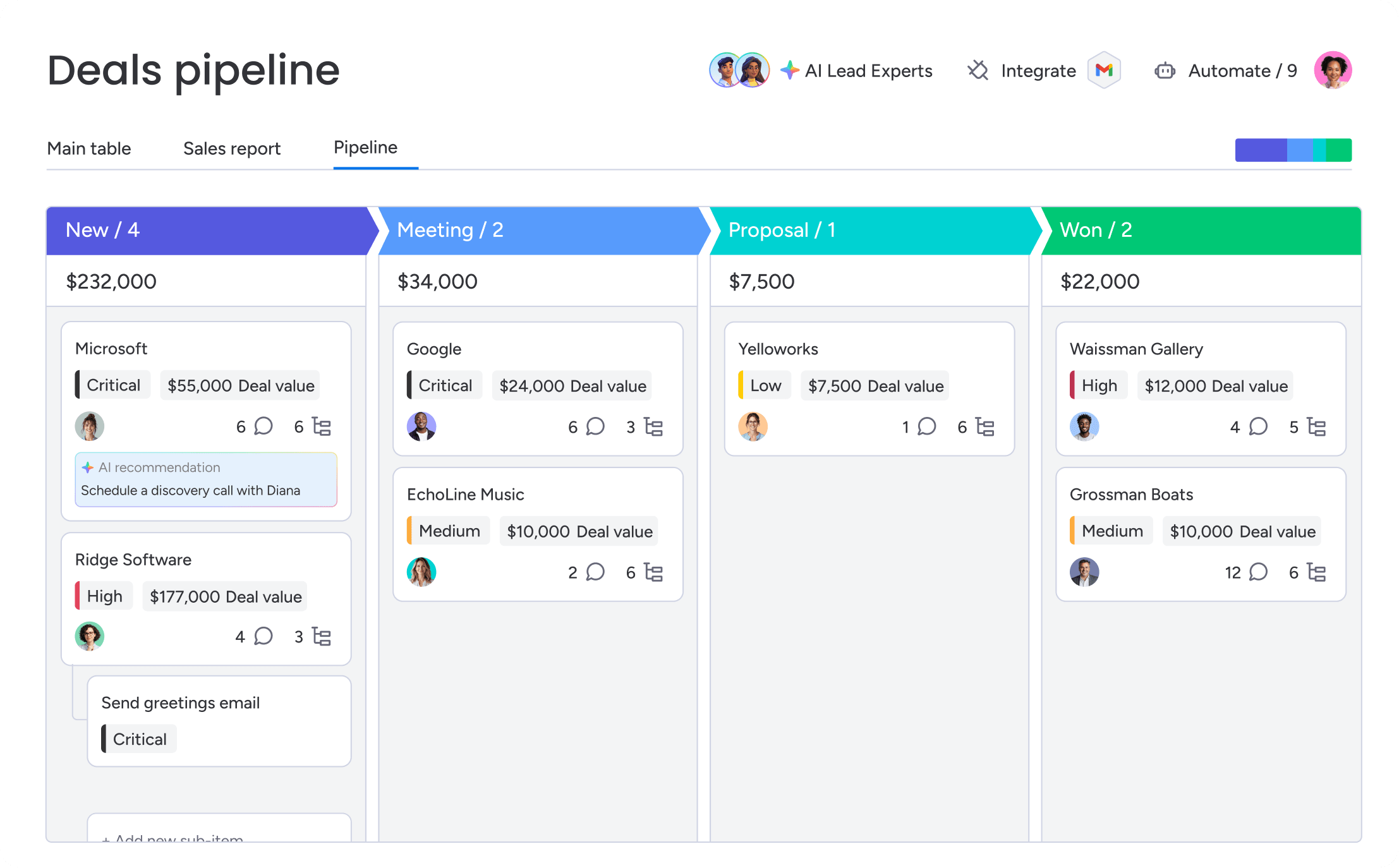
A methodology only works if your team actually follows it. The key to adoption is embedding the methodology directly into your CRM workflows, making it part of how reps work rather than an additional burden. Here’s a step-by-step approach to getting it right.
- Map methodology checkpoints to pipeline stages: For BANT, create a qualification stage that requires budget, authority, need, and timeline fields to be completed. For MEDDIC, build stages that align with each component of the framework.
- Create custom fields for methodology-specific criteria: Track MEDDIC fields like Metrics, Economic Buyer, and Decision Criteria as required fields that must be filled before advancing deals. Use dropdown menus and standardized options to ensure consistency.
- Set up automations to reinforce methodology adherence: Alert managers when deals advance without required fields, and automatically assign tasks based on methodology milestones. Highlight deals missing key criteria for review.
- Build dashboards that show methodology health at a glance: Track what percentage of deals have complete qualification data, which stages have the highest drop-off rates, and which reps consistently follow the framework. This visibility helps managers coach to specific gaps rather than generic issues.
Measuring methodology success
Knowing whether your methodology is working requires tracking the right signals over time. These 5 metrics give you a complete picture of adoption, execution, and impact — and help you spot where to iterate.
- Win rate changes: Compare close rates before and after implementation.
- Sales cycle length: Measure whether deals move faster through stages.
- Forecast accuracy: Track how often forecasted deals actually close.
- Qualification completeness: Monitor what percentage of deals have all required fields.
- Stage conversion rates: Identify where deals get stuck or fall out.
Look for patterns across these metrics. If win rates improve but cycles lengthen, you may be qualifying better but need to optimize execution. If forecast accuracy improves but win rates stay flat, your methodology is working for pipeline visibility but may need refinement for closing.
Review methodology performance quarterly and be willing to iterate. What works for one segment may not work for another. Some teams successfully blend methodologies — using BANT for initial qualification, SPIN for discovery, and MEDDIC for deal inspection. The most successful implementations treat methodology as a living system that evolves with your business, not a rigid framework set in stone.
Modern CRM platforms can also use AI to identify missing qualification data, surface at-risk deals, and recommend next actions based on your chosen methodology.
How monday CRM helps teams implement and succeed with sales methodologies
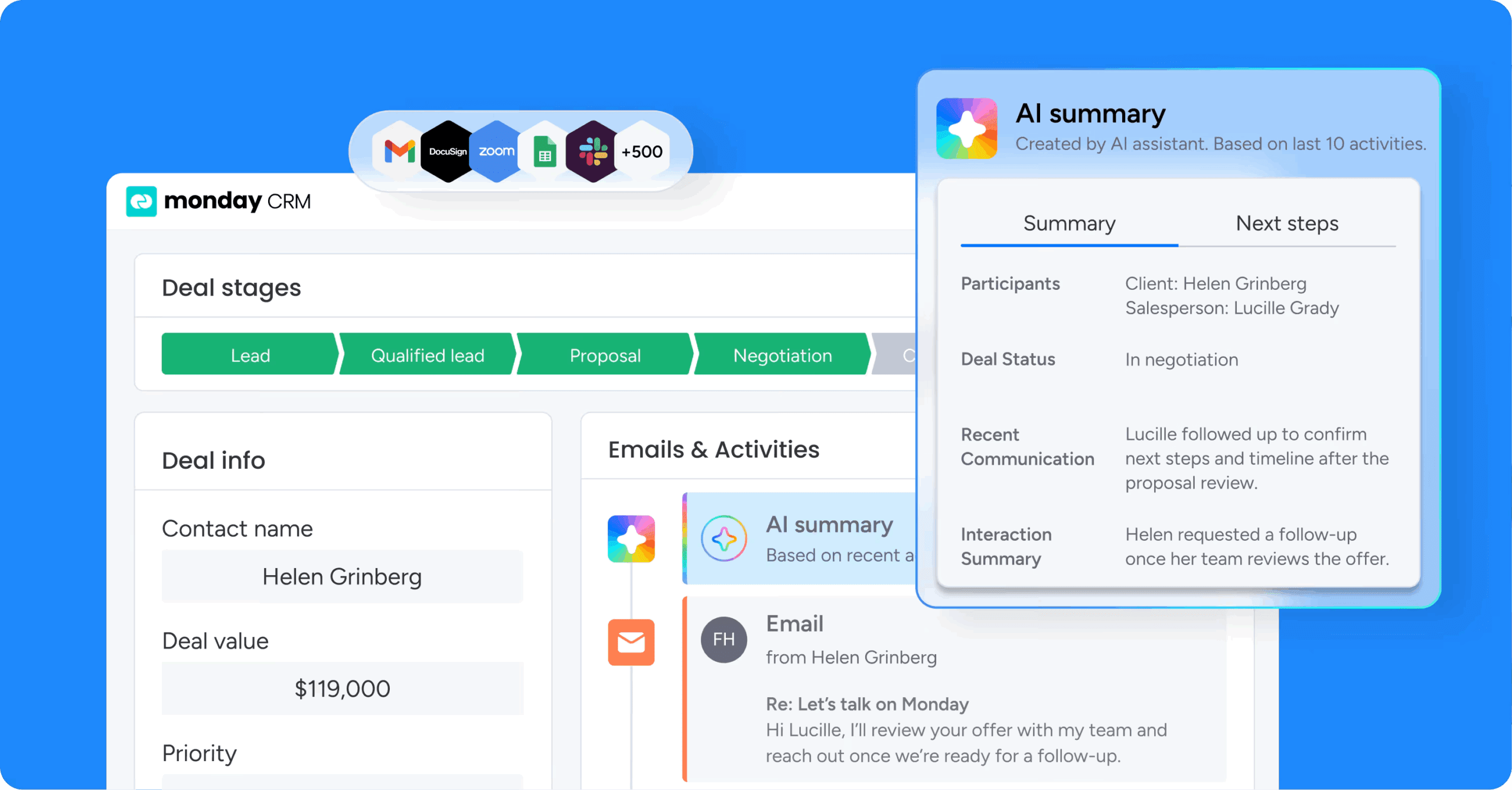
The gap between choosing a methodology and actually using it comes down to workflow integration. When qualification criteria live outside your CRM, reps treat them as optional checkpoints rather than essential steps. monday CRM closes that gap by letting you build your chosen methodology directly into your pipeline — turning abstract frameworks into concrete actions that happen naturally as part of daily selling.
You can map MEDDIC fields, BANT criteria, or SPIN questions into custom deal stages, set required fields that prevent deals from advancing without key information, and automate reminders when qualification steps are skipped. Managers get real-time visibility into which deals have complete qualification data and which are missing critical inputs, making coaching conversations specific and data-driven instead of generic.
The result is a methodology that actually sticks. Reps follow the framework because it’s embedded in their workflow, not bolted on as extra admin. Managers coach to objective gaps instead of gut feelings. And revenue leaders forecast with confidence because every deal in the pipeline has been qualified the same way.
Turning your sales methodology into measurable revenue growth
The right sales methodology gives your team a repeatable path to qualify deals, coach to objective standards, and forecast with confidence — but only if it’s embedded into daily workflows instead of treated as a one-time training exercise. When your methodology lives directly in your CRM pipeline, reps follow it naturally, managers coach to specific gaps, and your forecast reflects reality instead of optimism.
monday CRM makes that integration practical by letting you map methodology criteria into custom fields, automate stage progression rules, and surface qualification gaps in real time. Try monday CRM to turn your chosen framework into measurable revenue growth.
Try monday CRMFrequently asked questions
What is the difference between a sales methodology and a sales process?
A sales process defines the stages deals move through (like Discovery → Proposal → Close), while a sales methodology provides the specific techniques and behaviors reps use at each stage. The process is your roadmap; the methodology is how you navigate it.
Which sales methodology is best for B2B sales?
The best B2B methodology depends on your deal complexity. MEDDIC and Challenger work well for complex enterprise deals, while BANT and SPIN are effective for mid-market consultative sales.
Can you use multiple sales methodologies at once?
Yes, many successful teams blend methodologies. You might use BANT for early qualification, SPIN for discovery conversations, and MEDDIC for enterprise deal inspection.
How long does it take to implement a sales methodology?
Basic implementation typically takes 30–60 days, but full adoption can take 3–6 months. Success depends on training quality, management reinforcement, and CRM integration.
How do you get reps to actually follow a sales methodology?
Embed the methodology in your CRM workflows, make it part of deal reviews, track only essential fields, and use automation to reduce manual work. Consistent coaching and management reinforcement are critical.
What's the most important factor in choosing a sales methodology?
Deal complexity and sales cycle length are the most important factors. Match your methodology to how your buyers actually purchase and the resources your team has available.
