


Most sales teams face a persistent challenge: converting website visitors into qualified opportunities without wasting resources on dead-end leads or losing promising prospects. Organizations often struggle to find a balance, either drowning in low-quality inquiries or implementing restrictive criteria that accidentally exclude high-potential customers.
An effective sales lead generation funnel solves this by systematically attracting, educating, and qualifying prospects before sales engagement begins. By prioritizing relationship building over immediate conversion, this methodology establishes trust and ensures prospects are genuinely sales-ready the moment your team reaches out.
In the following guide, we provide a comprehensive framework for building a lead generation funnel that consistently converts visitors into high-value opportunities. We will explore how to integrate smart automation, leverage predictive data insights, and align your marketing and sales efforts to create a scalable system that transforms anonymous traffic into loyal, long-term customers.
Key takeaways
- Build your funnel around three distinct stages: awareness content attracts prospects, consideration content educates them, and decision content removes final objections to close deals.
- Focus on lead quality over quantity with smart scoring systems: track behaviors like email opens and content downloads to identify which prospects are actually ready for sales conversations.
- Map every touchpoint in your prospect’s journey: understand exactly how leads discover, evaluate, and engage with your brand to eliminate gaps where they might drop off.
- Centralize lead data and automate workflows: platforms like monday CRM consolidate leads from all sources into visual pipelines with AI-powered scoring and automated follow-ups that keep prospects moving forward.
- Test and optimize continuously using real performance data: A/B test everything from email subject lines to landing page headlines, then double down on what actually drives conversions.
What is a lead generation sales funnel?
At its core, a lead generation funnel is your step-by-step playbook for turning strangers into qualified leads. Unlike traditional sales funnels that focus on immediate purchases, this approach prioritizes relationship building and education, transforming strangers into prospects who actively want to engage with your sales team.
The funnel works by creating meaningful connections at key moments, drawing in ideal prospects, and building trust through helpful content until they’re ready for sales conversations.
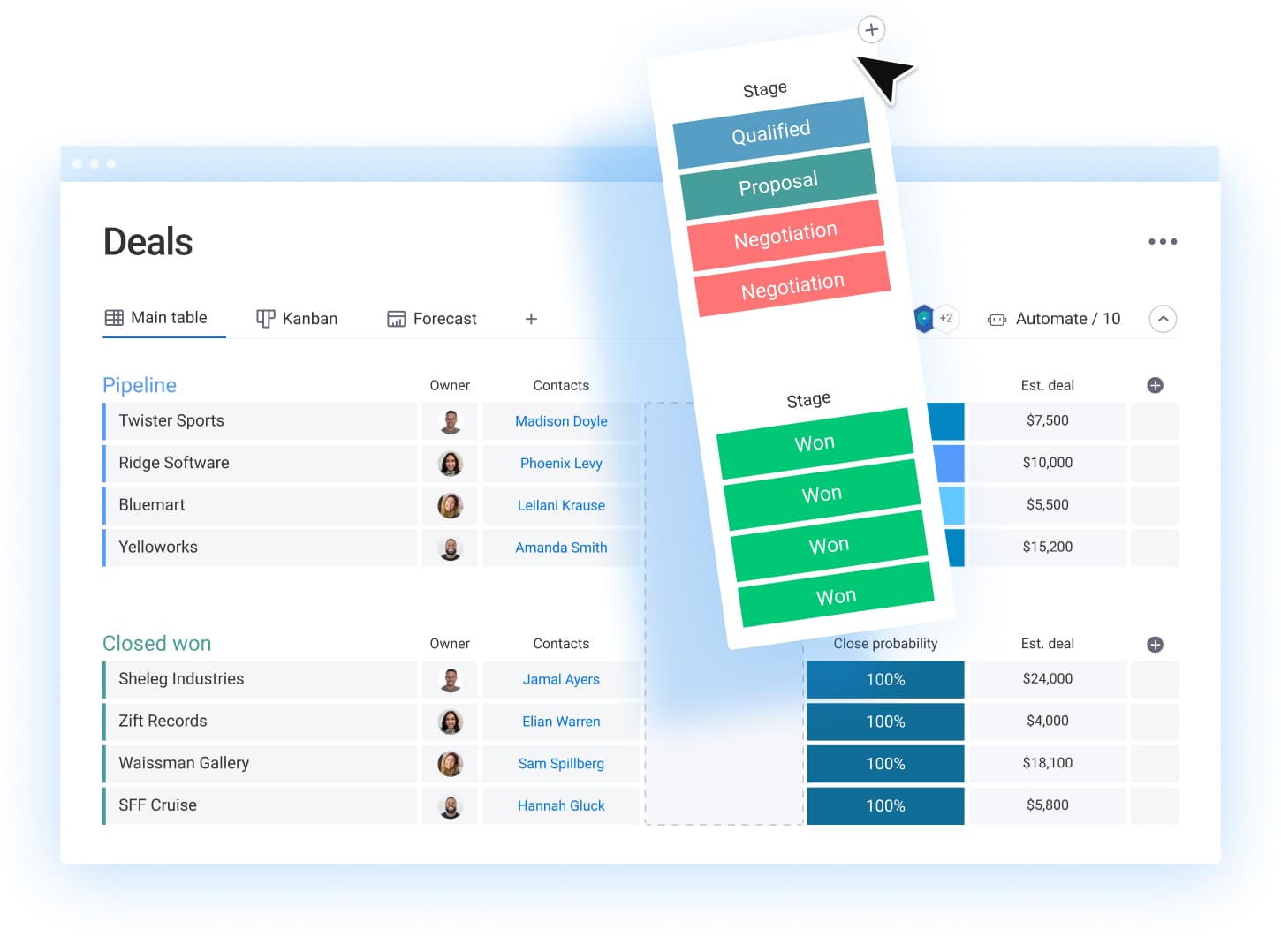
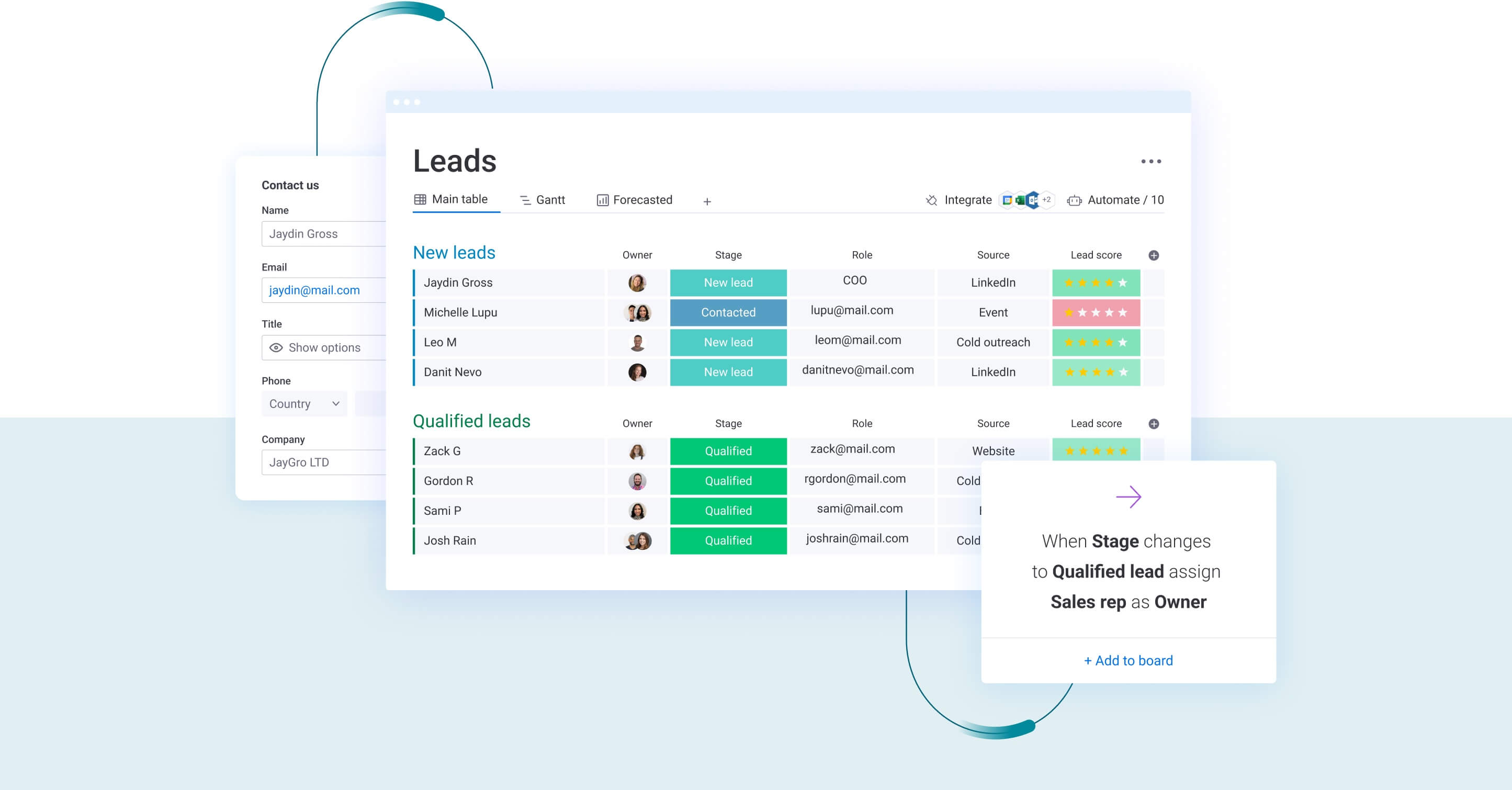
Modern platforms like CRM for lead generation centralize these processes, providing teams with visual pipelines and lead generation automation capabilities that eliminate manual tracking and ensure no lead falls through the cracks.
Understanding the lead generation funnel framework
Lead generation funnels consist of interconnected components that work together to move prospects toward sales readiness. Each element plays a specific role in building trust, demonstrating value, and qualifying interest levels before valuable sales resources engage with prospects.
The following components form the foundation of an effective lead generation funnel:
- Lead magnets: valuable resources offered in exchange for contact information, positioning your brand as a helpful authority while capturing prospect details.
- Landing pages: dedicated pages optimized for conversion with focused value propositions and forms designed to capture essential qualification information.
- Email sequences: automated series of educational messages that deliver value over time, gradually building trust and demonstrating expertise.
- Scoring systems: point-based frameworks that assign values to prospect behaviors, helping teams identify which leads warrant immediate attention.
- Handoff processes: structured transitions from marketing to sales that include complete context about lead interactions.
These elements create a cohesive system where each component reinforces the others. A compelling lead magnet drives landing page conversions, captured leads enter email sequences that provide value while tracking engagement, scoring systems identify sales-ready prospects, and handoff processes ensure smooth transitions.
Key differences between lead generation and sales funnels
Understanding the distinction between lead generation and sales funnels helps teams allocate resources effectively and set appropriate expectations for each stage of the customer journey. While both aim to drive revenue, they operate with different objectives, timelines, and success metrics.
| Dimension | Lead generation funnel | Sales funnel |
|---|---|---|
| Primary objective | Build relationships and qualify prospects through education | Convert qualified leads into paying customers through persuasion |
| Target audience stage | Early awareness and consideration phases | Decision stage where prospects are ready to purchase |
| Content focus | Educational resources and problem-focused content | Product demonstrations, pricing information, and case studies |
| Success metrics | Lead volume, engagement rates, and lead quality scores | Sales-qualified lead conversion and revenue generated |
| Timeline | Weeks to months of nurturing | Days to weeks from first sales contact |
Lead generation funnels concentrate on building awareness and trust. They attract a broader audience and educate them about their problems and your solutions. Sales funnels, by contrast, take over once a prospect demonstrates clear buying intent, focusing on product-specific value and facilitating the final purchase decision.
The 3 critical stages of lead generation funnels
Effective lead generation follows a three-stage progression that mirrors how prospects naturally move from problem awareness to solution evaluation. Each stage requires distinct strategies, content types, and measurement approaches because prospects’ needs and mindsets evolve as they progress through the funnel.
1. Top of funnel lead generation — building awareness
The awareness stage captures prospects who are just discovering they have a problem or opportunity worth addressing. At this point, they’re researching broad topics, seeking education rather than solutions, and may not even know your company exists. The primary goals are attracting the right audience, establishing credibility as a trusted resource, and capturing initial interest without pushing for commitment.
Successful top-of-funnel tactics focus on providing value through education and insight. These approaches help prospects understand their challenges while, at the same time, positioning your brand as a knowledgeable guide:
- Content marketing: blog posts addressing common industry challenges and educational resources that position your brand as a helpful authority.
- SEO optimization: targeting informational keywords that prospects use when researching problems.
- Social media presence: building community through valuable insights and participating in industry conversations.
- Paid advertising: broad targeting campaigns that reach new audiences with educational content.
Success at this stage is measured through volume and engagement metrics. You’ll want to track website traffic from target audiences, content engagement rates, social media reach and interactions, and the percentage of visitors who consume multiple pieces of content. The goal isn’t immediate conversion but rather establishing your brand as a resource prospects want to follow.
2. Mid funnel leads — nurturing consideration
The consideration stage engages prospects who understand their problem and are actively evaluating potential solutions. They’re comparing approaches, researching vendors, and determining which solution best fits their needs. Therefore, the goal shifts from awareness to education and relationship building, demonstrating why your approach solves their specific challenges more effectively than alternatives.
Nurturing strategies for this stage balance education with gradual introduction of your solution’s unique advantages. The focus remains on helping prospects make informed decisions:
- Email sequences: automated series delivering progressively detailed content based on prospect interests.
- Webinars and demos: interactive experiences that showcase your expertise while allowing prospects to ask questions.
- Case studies: social proof demonstrating how similar companies solved comparable challenges.
- Comparison guides: objective resources helping prospects evaluate different approaches.
Lead scoring becomes critical during consideration. Systems track engagement signals like email opens, content downloads, webinar attendance, website visits, assigning points that indicate growing interest. When scores reach predetermined thresholds, prospects transition from marketing nurturing to sales engagement as warm leads.
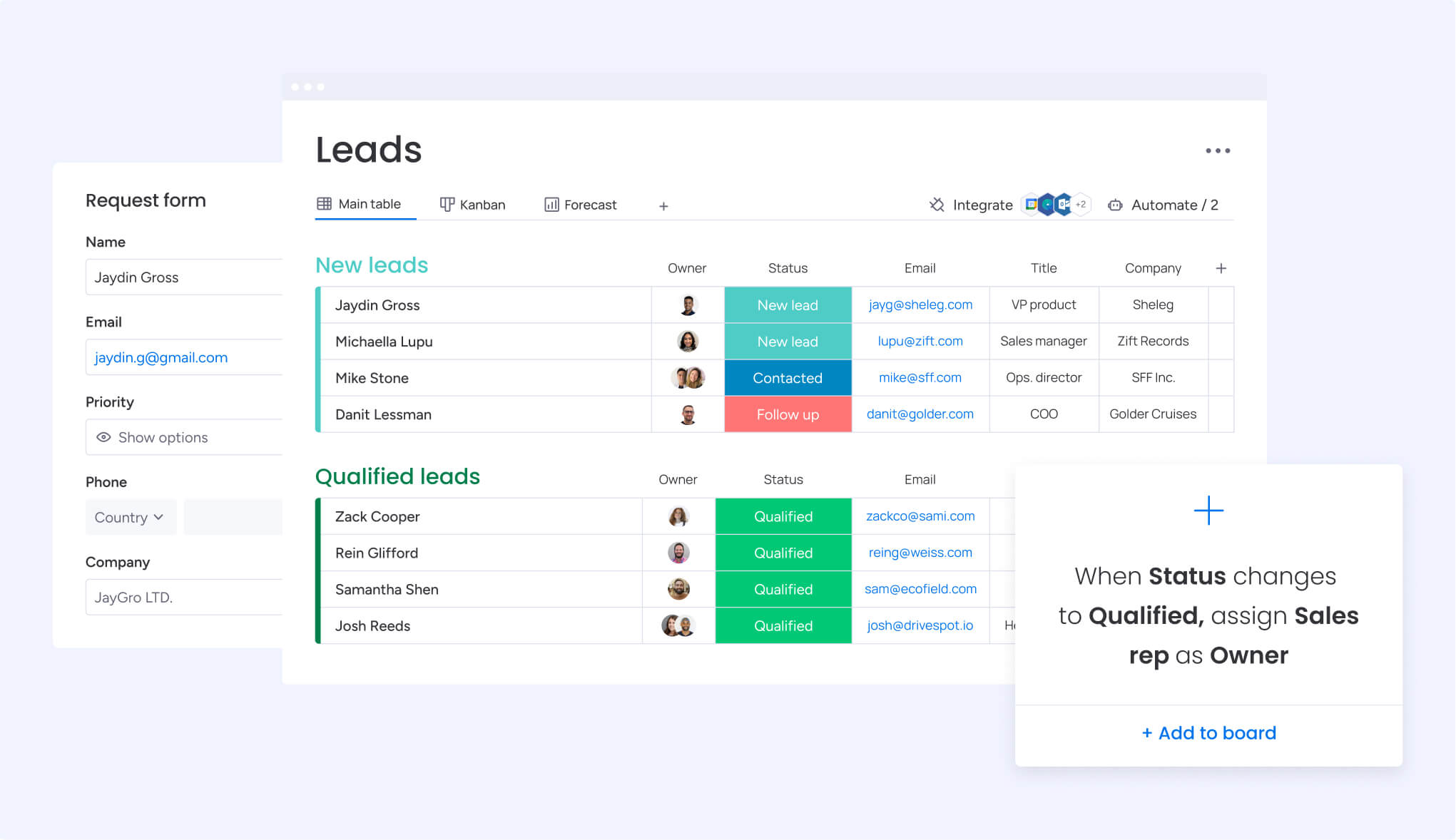
Modern CRM platforms automate this scoring and trigger notifications when leads demonstrate sales readiness, ensuring timely follow-up.
3. Bottom of funnel leads — driving decisions
The decision stage involves qualified prospects ready for direct sales engagement. They’ve educated themselves, narrowed their options, and need specific information to make final purchase decisions. It means that, this stage focuses on removing remaining objections, demonstrating specific value for their situation, and facilitating the buying process.
Decision-stage tactics provide the detailed information and personalized attention prospects need to move forward confidently:
- Consultations and assessments: personalized conversations exploring specific challenges and demonstrating how your solution addresses their unique requirements.
- Free trials or demos: hands-on experience allowing prospects to validate solution fit before committing.
- Proposal development: customized solutions and pricing that address specific needs.
- Objection handling: proactive addressing of concerns about implementation, pricing, or capabilities.
The handoff between marketing and sales teams is critical at this stage. Sales representatives need complete context about lead interactions — which content they’ve consumed, questions they’ve asked, pain points they’ve expressed — to continue conversations naturally. Centralized platforms ensure this context transfers seamlessly, allowing sales to build on relationships marketing has established.

“With monday CRM, we’re finally able to adapt the platform to our needs — not the other way around. It gives us the flexibility to work smarter, cut costs, save time, and scale with confidence.”
Samuel Lobao | Contract Administrator & Special Projects, Strategix
“Now we have a lot less data, but it’s quality data. That change allows us to use AI confidently, without second-guessing the outputs.”
Elizabeth Gerbel | CEO
“Without monday CRM, we’d be chasing updates and fixing errors. Now we’re focused on growing the program — not just keeping up with it."
Quentin Williams | Head of Dropship, Freedom Furniture
“There’s probably about a 70% increase in efficiency in regards to the admin tasks that were removed and automated, which is a huge win for us.“
Kyle Dorman | Department Manager - Operations, Ray White
"monday CRM helps us make sure the right people have immediate visibility into the information they need so we're not wasting time."
Luca Pope | Global Client Solutions Manager at Black Mountain
“In a couple of weeks, all of the team members were using monday CRM fully. The automations and the many integrations, make monday CRM the best CRM in the market right now.”
Nuno Godinho | CIO at Velv5 steps to build a high-converting lead generation sales funnel
Building an effective lead generation system requires systematic planning and execution across five core areas. The framework below provides a proven approach for creating funnels that consistently convert prospects into qualified opportunities.
Step 1: define your target audience and lead qualification criteria
Successful lead generation begins with a precise audience definition. Buyer personas document the specific characteristics of ideal customers: demographics, pain points, goals, buying behaviors, and decision-making processes. These personas guide every subsequent decision about content, messaging, and qualification criteria.
Furthermore, lead qualification criteria establish the standards for determining which prospects warrant sales engagement. These criteria help teams prioritize efforts on prospects most likely to convert:
- Demographic qualifiers: company size, industry, geographic location, and job roles that indicate fit.
- Behavioral indicators: content engagement patterns and interaction frequency that demonstrate genuine interest.
- Intent signals: specific actions like downloading pricing information or requesting demos.
- Budget and timeline: purchase authority, available budget, and implementation timeline.
Lead scoring models assign point values to different qualification criteria, creating objective measures of lead quality for any lead management process. When cumulative scores reach predetermined thresholds, leads qualify for sales engagement. This scoring approach helps teams prioritize follow-up efforts, focusing energy on prospects most likely to convert.
Step 2: map the lead journey funnel across all touchpoints
Customer journey mapping documents every interaction prospects have with your brand, from initial awareness through sales engagement. This exercise reveals gaps where prospects might disengage and identifies optimization opportunities that improve conversion rates.
The mapping process involves comprehensive analysis of how prospects discover, evaluate, and engage with your company:
- Touchpoint identification: cataloging every place prospects encounter your brand.
- Content audit: reviewing what prospects see at each touchpoint to ensure messaging is consistent and relevant.
- Experience gaps: identifying where prospects might drop off due to missing information or confusing navigation.
- Optimization opportunities: pinpointing specific improvements that could increase conversion rates.
As a result, visual journey maps show the progression from awareness to qualified lead. By using CRM platforms, you gain visibility into actual timelines, turning theoretical maps into data-driven insights about real behavior.
Step 3: create magnetic content for each funnel stage
Content fuels lead generation funnels, attracting prospects, educating them about challenges and solutions, and demonstrating expertise that builds trust. Each funnel stage requires different content types that match prospect needs and mindset.
| Funnel stage | Content types | Primary goals | Distribution channels |
|---|---|---|---|
| Awareness | Blog posts, industry guides, research reports | Attract target audience, establish credibility | SEO, social media, paid ads |
| Consideration | Webinars, case studies, comparison guides | Educate about solutions, build relationships | Email nurturing, LinkedIn, YouTube |
| Decision | Product demos, ROI calculators, testimonials | Remove objections, prove value | Sales conversations, targeted email |
Content strategy for each stage requires different approaches and focus areas:
- Awareness content: educational and problem-focused with broad appeal, answering questions prospects are asking.
- Consideration content: solution-oriented and comparative, demonstrating expertise through detailed explanations.
- Decision content: specific and personalized, addressing unique concerns and showing exactly how your solution solves challenges.
Remember, quality matters more than quantity. One comprehensive guide that thoroughly addresses prospect questions generates more qualified leads than ten superficial blog posts. Repurposing content across multiple channels maximizes the value of each piece created.
Step 4: build smart lead capture and nurturing systems
The technical infrastructure for capturing and nurturing leads determines how effectively funnels convert prospects into opportunities. This infrastructure includes lead capture mechanisms and nurturing automation that work together to move prospects through the funnel.
Lead capture mechanisms collect prospect information at various touchpoints throughout their journey:
- Landing pages: dedicated pages optimized for conversion with focused value propositions and forms.
- Forms: strategic field selection that balances information needs with conversion rates.
- Lead magnets: valuable resources like templates or research reports that provide immediate value.
- Website integration: pop-ups triggered by specific behaviors and embedded forms within high-value content.
Nurturing automation transforms captured leads into qualified opportunities through systematic engagement and education. These systems deliver personalized experiences at scale without manual intervention. Email sequences deliver relevant content based on prospect behaviors, lead scoring automatically assigns points based on engagement actions, and segmentation groups leads based on characteristics for targeted messaging.
Modern CRM systems automate these processes while maintaining personalization at scale. Visual automation builders allow teams to create sophisticated workflows without coding: automatically routing leads to appropriate team members, triggering follow-up sequences based on behaviors, and updating lead information as prospects engage with content.
Step 5: set up lead funnel management and analytics
Measurement and optimization are critical for funnel success. Without visibility into performance, teams can’t identify what’s working, what needs improvement, or where to focus optimization efforts.
Essential metrics for lead generation funnels provide insights into both quantity and quality of leads generated:
- Volume metrics: lead generation rate, source performance, and funnel stage distribution.
- Quality metrics: lead-to-opportunity conversion rate, lead scoring accuracy, and source quality.
- Velocity metrics: time in stage, progression rates, and total funnel duration.
- Revenue metrics: cost per lead, cost per opportunity, and customer lifetime value.
Finally, reporting and analysis turn raw data into actionable insights. By using real-time dashboards and A/B testing, you can shift resources toward the highest-converting channels. Ultimately, data-driven decision-making replaces guesswork, allowing you to optimize your funnel for maximum efficiency.
Advanced lead funnel optimization strategies
Beyond foundational implementation, advanced techniques can significantly improve funnel performance. These strategies require more sophisticated implementation but deliver substantial returns for teams ready to move beyond basics.
Implement AI-powered lead scoring
Artificial intelligence improves lead scoring accuracy beyond traditional rule-based systems by analyzing patterns in successful conversions to identify high-value prospects. While conventional scoring assigns fixed point values to predetermined actions, AI systems continuously learn which combinations of behaviors and characteristics best predict conversion.
AI scoring delivers multiple advantages over traditional approaches:
- Pattern recognition: identifying subtle behavioral indicators that humans might miss.
- Predictive analytics: forecasting conversion probability based on historical data.
- Dynamic adjustment: continuously improving scoring models as more conversion data becomes available.
- Reduced manual effort: automated qualification processes that free teams from constantly reviewing scoring rules.
Consequently, leading CRM platforms incorporate AI capabilities that analyze lead behaviors and characteristics to predict conversion likelihood. These systems identify which leads warrant immediate sales attention versus continued nurturing, helping teams prioritize efforts for maximum impact.
Master A/B testing for lead conversion
A/B testing removes guesswork from funnel optimization by systematically comparing variations to identify what drives improved results. Rather than relying on opinions about what might work, testing provides data-based evidence about what actually improves conversion rates.
A comprehensive testing framework ensures reliable results and continuous improvement:
- Test planning: developing hypotheses about why a change might improve performance.
- Element selection: prioritizing tests based on potential impact.
- Statistical significance: ensuring tests run long enough to produce reliable results.
- Implementation: rolling out winning variations while documenting learnings.
Specific testing ideas vary by funnel stage. Awareness stage tests might compare blog post headlines or social media ad creative. Consideration stage tests could evaluate email sequence timing or webinar formats. Decision stage tests might examine demo scheduling processes or proposal formats.
Personalize the lead generation marketing funnel
Personalization moves beyond broad segmentation by tailoring journeys to individual prospect behaviors. While segmentation categorizes groups, personalization adapts messaging to specific circumstances, creating a more engaging path to conversion.
To execute this, use dynamic content to serve different messaging to executives versus technical leads. Additionally, behavioral triggers ensure follow-ups are perfectly timed, while progressive profiling collects data over multiple interactions rather than overwhelming prospects with long forms.
Ultimately, the goal is to balance relevance with privacy. By focusing on providing value instead of simply showcasing your data, you create a tailored experience that builds trust and accelerates the sale.
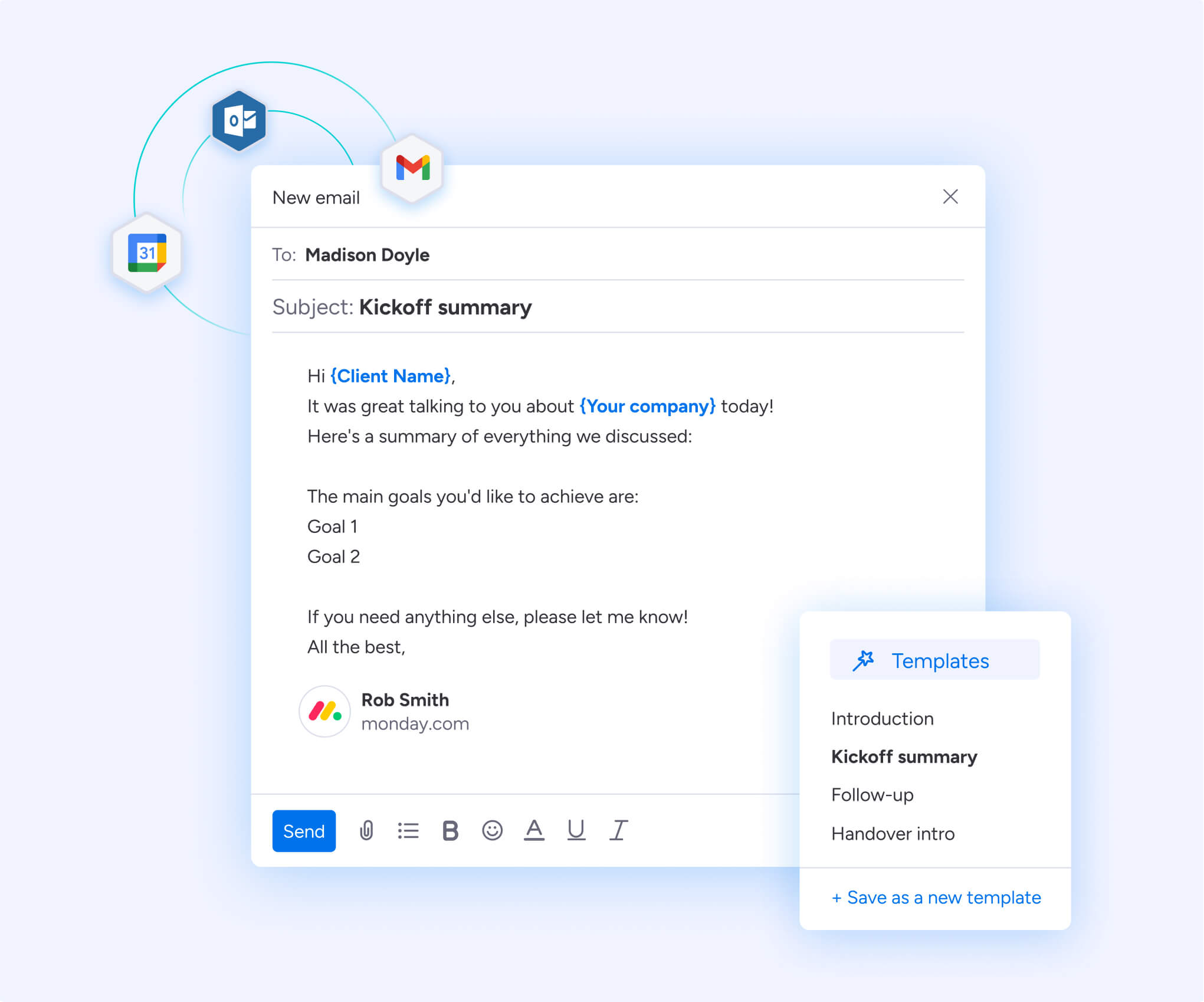
Turn leads into revenue with monday CRM
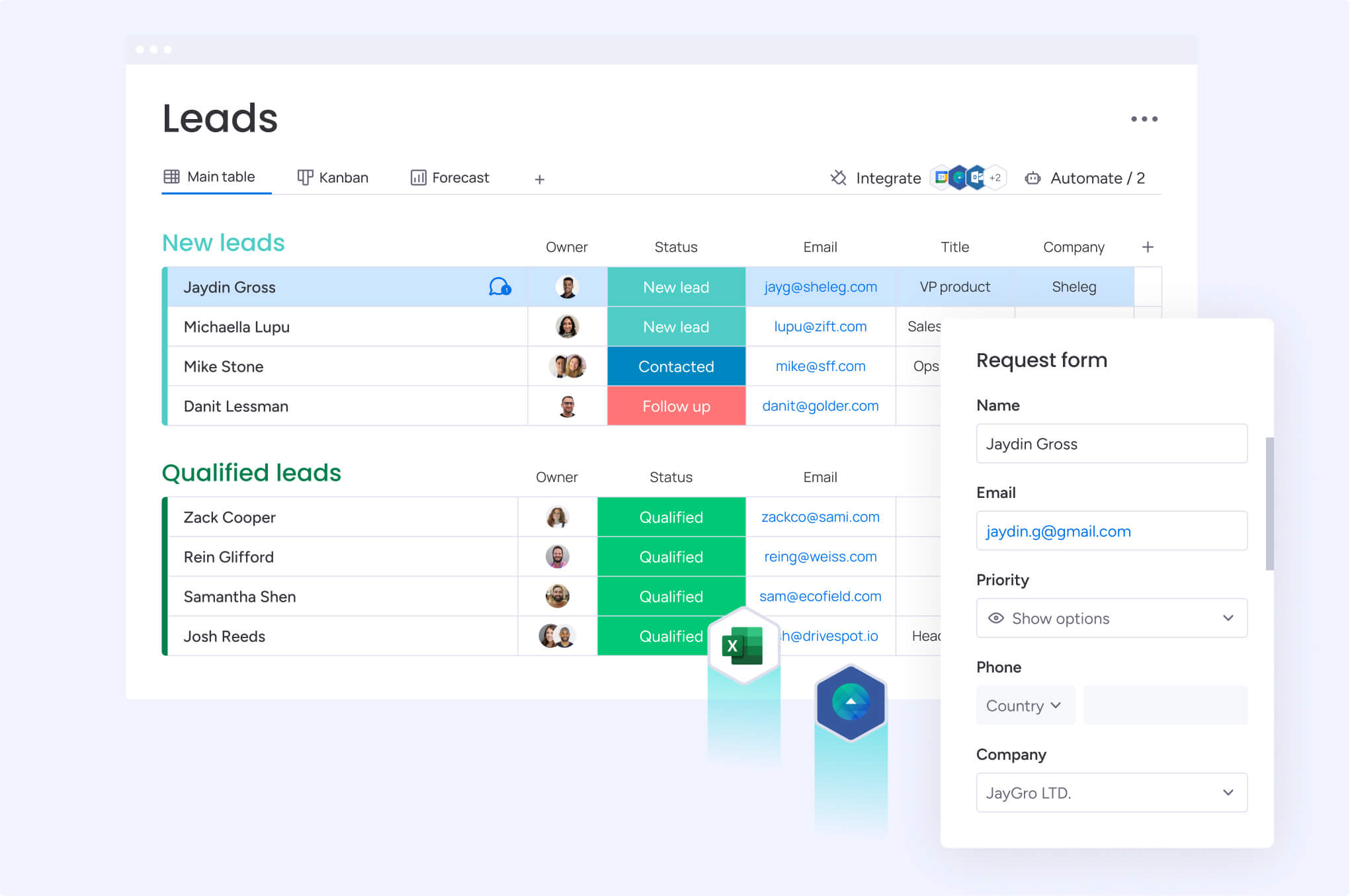
Cross-functional visibility and automated workflows are essential for modern lead generation success. Teams can transform how they capture, nurture, and convert leads by using monday CRM to centralize prospect data and automate the repetitive tasks that slow down sales cycles.
- Centralize and automate workflows: consolidate leads from forms, social media, and email into one visual pipeline. Automations handle assignments and follow-up reminders, allowing your team to focus on relationships instead of spreadsheets.
- Leverage AI for lead management: use AI to craft personalized outreach in seconds and generate instant interaction summaries. Automated lead scoring identifies sales-ready prospects, ensuring your team prioritizes high-value opportunities.
- Track performance with dashboards: gain real-time visibility into funnel health with automated analytics. Monitor conversion rates and lead velocity via customizable dashboards that instantly highlight bottlenecks or top-performing sources.
- Enable seamless team collaboration: ensure smooth handoffs between marketing, sales, and success with shared activity timelines and mentions. When a lead is qualified, the entire team has full context of the prospect’s journey.
Make lead generation a competitive advantage
The difference between a lead generation funnel that drives predictable revenue and one that leaks opportunities isn’t complexity — it’s having the right combination of strategy, process, and technology working together seamlessly.
Your lead generation funnel succeeds when three elements align. First, visibility into every stage of the prospect journey, from initial touchpoint to closed deal. Second, automation that eliminates manual work while maintaining personalization at scale. Third, adoption across your entire team, with everyone using the same system consistently.
The most sophisticated funnel strategy fails if your team won’t use the tools supporting it. Similarly, the best technology can’t overcome a poorly designed sales lead generation process. Success comes from building a funnel that matches how your team actually works, then supporting it with technology that makes execution effortless.
As you evaluate your current lead generation approach, consider where friction exists today. Where do leads fall through the cracks? How much time does your team spend on manual data entry versus selling? Can you accurately forecast revenue based on current pipeline health?
Keep in mind that tools that only serve one function are giving way to unified platforms that support the entire revenue cycle: your funnel needs to be flexible enough to adapt to these changes while maintaining the fundamentals that drive consistent results.
Frequently asked questions
What's the difference between a lead generation funnel and a sales funnel?
A lead generation funnel focuses on attracting and qualifying prospects through education and nurturing, while a sales funnel handles prospects who are already qualified and ready for purchase conversations. A sales funnel handles prospects who are already qualified and ready for purchase conversations, focusing on conversion rather than education.
How do you build a lead generation funnel for B2B?
To build a B2B lead generation funnel, you start by defining your ideal customer profile and qualification criteria. Then you map the customer journey, create stage-appropriate content, and implement capture and nurturing systems. Finally, map the customer journey, create stage-appropriate content, implement capture and nurturing systems, and establish analytics to track performance and optimize continuously.
What tools are best for creating a lead generation funnel?
The best tools for lead generation funnels combine CRM capabilities, marketing automation, analytics, and collaboration features in one platform. Look for solutions that offer visual pipeline management, no-code automation, AI-powered features, and seamless integrations with your existing tech stack.
Do lead generation funnel templates actually work?
Lead generation funnel templates work as starting frameworks but require customization for your specific business. They provide structure and best practices to accelerate setup, but you'll need to adapt stages, content, and workflows to match your unique sales cycle and customer journey.
Should I hire a B2B lead generation agency?
Hiring a B2B lead generation agency makes sense when you lack time or specialized expertise for strategy development. However, if you want control over your process and have the right platform to enable execution, building your funnel in-house often provides better long-term results and organizational knowledge.
What's the best sales funnel software to use?
The best sales funnel software combines ease of use with powerful automation capabilities. Look for platforms that offer visual pipeline management, no-code customization, AI-powered features, and strong collaboration tools that your entire team will actually adopt and use daily.

 Get started