


Strong objection handling starts long before you respond. It starts with listening. When a prospect raises a concern, they’re still engaged — and they’re telling you what they need to understand before they can say yes.
In this guide, you’ll learn the 5 most common objection types, a repeatable 5-step process to handle them with confidence, and practical response frameworks for what your team hears most often. Plus: how to build team-wide consistency and use CRM data to coach better and forecast smarter.
Key takeaways
- When a prospect pushes back, they’re engaged — your job is to uncover the real concern behind the surface-level hesitation.
- Listen fully, acknowledge the concern, respond with evidence, and always confirm a concrete next step before ending the call.
- Review past deals, know the common objections in your prospect’s space, and have 2–3 proof points ready before every call.
- A shared objection library and regular role-play exercises mean every rep responds with confidence, not guesswork — regardless of experience level.
- Track which objections come up most, at which deal stages, and for which reps — then use monday CRM’s AI summaries and dashboards to turn that data into targeted coaching.
What is a sales objection?
A sales objection is a specific concern or hesitation a prospect raises during the sales process. It’s their way of saying something needs addressing before they can move forward. Objections often indicate genuine interest. The prospect is engaged enough to voice what’s holding them back.
Knowing the difference between an objection and a brush-off changes how you respond. An objection is specific and addressable, giving you something concrete to work with. A brush-off is vague and non-committal, signaling disengagement rather than concern.
Knowing the difference keeps you from chasing dead-end conversations. Here’s how to tell them apart:
| Signal type | Characteristics | Example | What it means |
|---|---|---|---|
| Objection | Specific, discussable, shows engagement | “It’s too expensive for our current budget” | Prospect wants to understand value before committing |
| Brush-off | Vague, low-energy, non-committal | “Just send me some information” | Prospect isn’t engaged enough to have a real conversation |
Why objection handling matters for revenue teams
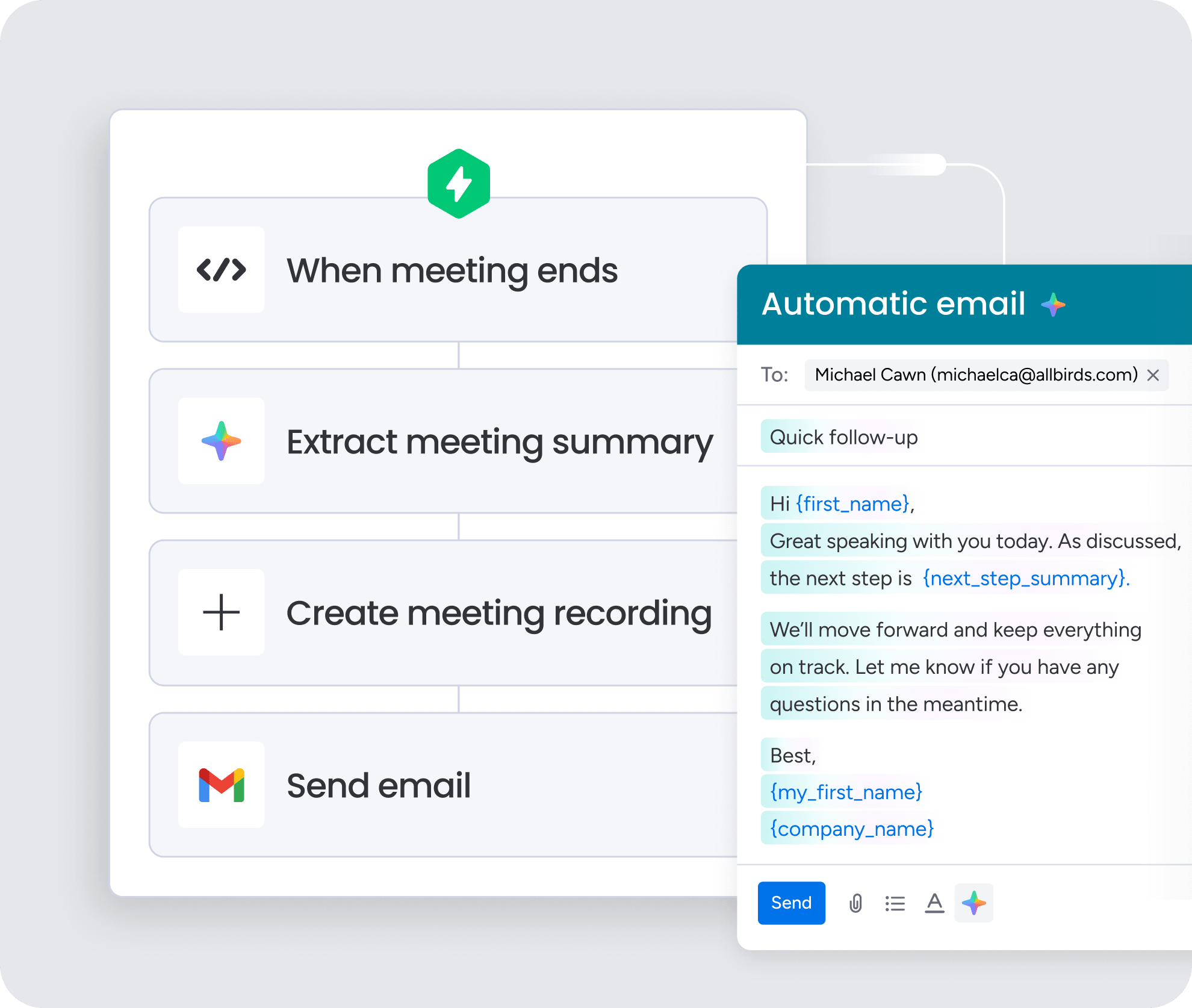
Objection handling isn’t just a rep skill — it’s a revenue lever that affects forecast accuracy, pipeline velocity, and team performance. Here’s why it matters at every level:
- Predictability improves when objections don’t derail deals. Reps who respond confidently to common concerns keep deals moving forward without stalls. Leaders forecast revenue more accurately because fewer deals stall at late stages. Without consistency, win rates fluctuate and forecasting becomes guesswork.
- Pipeline velocity increases when reps focus on the right opportunities. Reps who handle objections well stop chasing deals that won’t close. They qualify faster, address concerns earlier, and move high-potential opportunities forward without unnecessary back-and-forth.
- Team alignment reduces performance variability. A shared approach means every rep responds with confidence — whether they’ve been here 2 weeks or 2 years. New hires get up to speed faster because they’re not reinventing responses from scratch. Experienced reps stay consistent because they’re working from the same playbook.
- Visibility enables targeted coaching. Track objection handling in a CRM and managers can spot patterns: which objections come up most, at which stages, and for which reps. The right CRM provides this visibility through dashboards and sales analytics — turning gut feelings into targeted coaching. Instead of generic training, managers can address specific gaps and refine messaging based on real pipeline data.
5 common sales objections and how to handle them
Most objections fall into 5 predictable categories: price, timing, authority, need, and trust. Recognize the type and reps can prepare responses in advance instead of scrambling in the moment. Here’s a quick-look table at the most common sales objections:
| Objection type | Common objection | What it usually means | Best response angle |
|---|---|---|---|
| Price | “It’s too expensive.” / “We don’t have budget right now.” | The prospect doesn’t yet see enough value, or budget timing is the real blocker. | Reframe around ROI, clarify budget timing, and show measurable value. |
| Timing | “Now is not a good time.” | There may be a real constraint, competing priority, or lack of urgency. | Clarify what’s driving the delay and quantify the cost of waiting. |
| Authority | “I need to talk to my boss.” | The buyer needs internal approval or stakeholder alignment. | Help them build the internal business case with proof points or a one-pager. |
| Need/value | “I don’t see the value.” / “I’m not sure this solves our problem.” | The pain point, priority, or business impact is unclear. | Return to discovery and connect the solution to their specific challenge. |
| Trust/competitor | “We’re already using a competitor.” / “We’ve been burned before.” | The prospect needs proof that your solution is credible, low-risk, or worth switching to. | Uncover gaps, address risk, and respond with case studies, references, demos, or implementation details. |
Here are the objections you’ll hear repeatedly, what they usually mean, and response frameworks reps can adapt to their own conversations.
1. Price objections
Price objections are concerns about cost, budget, or return on investment. When a prospect says “It’s too expensive,” they’re rarely objecting to the actual number. They’re signaling that they don’t yet see enough value to justify the investment.
Price objections often mask deeper concerns:
- Uncertainty about ROI
- Lack of understanding about what’s included
- Internal pressure to cut costs
- No budget allocated for this quarter or cycle
The surface-level objection is about money, but the real question is usually: “Is this worth it?”
Common objections: “It’s too expensive.” | “We don’t have budget right now.”
How to respond: Acknowledge the concern, clarify what they’re comparing against, and reframe the conversation around ROI. If the issue is timing, ask when their next budget cycle opens or whether a phased implementation could spread costs across quarters. Share a case study showing how a similar company achieved measurable results, and quantify the value so the price becomes context, not the barrier.
2. Timing objections
Timing objections are about when to buy, implement, or commit. When a prospect says “Now is not a good time,” they’re often signaling that they don’t feel urgency or don’t see the cost of waiting.
Timing objections can be legitimate. Budget cycles, internal projects, or organizational changes may genuinely prevent a decision. They can also be a polite delay tactic. Your job is figuring out whether it’s a real constraint or just low urgency.
Common objection: “Now is not a good time.”
How to respond: Acknowledge the timing concern, clarify what’s driving the delay, and create urgency by highlighting the cost of inaction. Ask what would need to change for this to become a priority, then quantify how much revenue, productivity, or momentum they may be losing each month by waiting.
3. Authority objections
Authority objections happen when the person you’re talking to can’t make the final call. In complex B2B sales, multiple stakeholders are often involved, including procurement, legal, finance, or executive leadership.
Authority objections aren’t bad news. They usually mean the prospect is interested but needs buy-in from others. Your job is keeping the deal moving while they get internal alignment.
Common objection: “I need to talk to my boss.”
How to respond: Acknowledge the need for buy-in, offer to help with the internal sell, and confirm the next step. Ask: “What does your boss typically need to see to approve a decision like this?” Then offer to create a one-pager, ROI summary, or business case they can share internally.
4. Need and value objections
Need objections are about whether the solution is relevant, necessary, or a priority. When a prospect says “I don’t see the value” or “I’m not sure this solves our problem,” they’re signaling a disconnect: they don’t yet understand how your solution solves their specific problem.
Need objections mean you need more discovery. The prospect might not see the pain points your solution addresses, or they haven’t connected those pain points to measurable business impact.
Common objections: “I don’t see the value.” | “I’m not sure this solves our problem.”
How to respond: Acknowledge the concern, ask discovery questions to uncover the real pain point, and tie your response directly to their situation. Use a customer story that mirrors their challenge to make the value tangible. If the objection is still vague, ask: “What would need to be true for this to feel like a priority?”
5. Trust and competitor objections
Trust objections are about credibility, reliability, or risk. When a prospect says “We’ve been burned before,” they’re expressing skepticism about your company, your product, or the category as a whole.
Competitor objections are closely related. When a prospect says they’re already using another solution, it doesn’t mean the conversation is over. It means they have a baseline for comparison, and you need to understand what’s working, what’s missing, and where there may be room for improvement.
Trust objections often arise when the prospect:
- Doesn’t know your company
- Has had bad experiences with similar vendors
- Is worried about implementation and support
- Already has a tool in place and doesn’t see a reason to switch
Common objections: “We’re already using a competitor.” | “We’ve been burned before.”
How to respond: Acknowledge the concern, uncover gaps or frustrations, and respond with proof. Ask: “What would you change about your current solution if you could?” or “What happened last time that you want to avoid this time?” Then use case studies, customer references, demos, implementation timelines, or guarantees to reduce perceived risk.
What if it’s actually a brush-off? “Just send me an email” usually isn’t a true objection. It’s often a sign that the prospect isn’t engaged enough to continue the conversation. Instead of treating it like a buying concern, acknowledge the request and ask a specific follow-up question, such as: “Happy to send something over. What would be most useful for you to see?”
Their answer will help you decide whether there’s a real opportunity to pursue or whether it’s time to move on.
5 steps to handle sales objections and close more deals
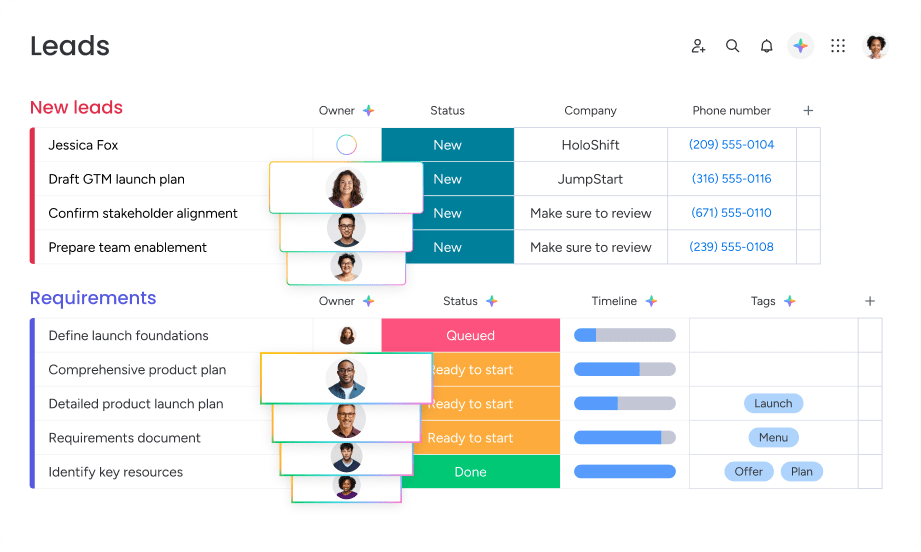
A repeatable sales methodology turns objection handling from improvisation into a consistent skill. Follow these 5 steps and you’ll turn objections into opportunities to demonstrate value and close deals.
Step 1: Prepare before the call
Preparation is everything when it comes to objection handling. Reps who anticipate objections respond with confidence instead of scrambling in the moment.
- Research the prospect’s context. Before every call, strong sales prospecting includes reviewing the prospect’s industry, company, and role. What objections are common in their space? Are they likely to face budget constraints, competitive alternatives, or timing concerns?
- Review past deals and CRM notes. Look at similar deals in your pipeline or closed-won history. What objections came up? How were they handled? Teams using a centralized CRM can access an activity timeline to review prior conversations, ensuring reps walk into calls with full account context.
- Prepare 2–3 proof points. Have case studies, ROI data, or customer references ready that address the most common objections. If price objections are likely, prepare a story about a customer who achieved measurable ROI.
Learn more: AI deal prep briefing agent
Step 2: Listen fully and pause before responding
The biggest mistake reps make is jumping in too quickly with a response. When you interrupt or rush to answer, you risk missing the real concern behind the objection.
- Let the prospect finish speaking completely. Even if you think you know where they’re going, wait until they’ve fully articulated their concern. Interrupting signals impatience and can make the prospect feel dismissed.
- Pause for 2–3 seconds after they finish. Silence feels uncomfortable, but it shows you’re considering their concern thoughtfully. It also gives the prospect space to add more context. Often, the most important information comes after the initial objection.
- Resist the urge to defend immediately. Your first job is to understand, not to persuade. Jumping into defense mode puts the prospect on the opposite side of the table. Listening keeps you on the same side, working toward a shared understanding.
Step 3: Acknowledge and clarify the real concern
Acknowledging the objection shows empathy and validates the prospect’s concern. Clarifying ensures you’re addressing the real issue, not just the surface-level objection.
- Acknowledge with a simple, non-defensive statement. Phrases like “I understand that budget is a concern” or “That’s a fair question” signal that you’ve heard them. Avoid defensive language like “Actually…” or “But…”
- Ask a clarifying question to uncover the real concern. The first objection a prospect raises often isn’t the real issue — it’s a symptom of a deeper concern. Try questions like: “When you say it’s too expensive, are you comparing it to a specific alternative, or is it a matter of budget timing?” or “What would need to change for this to become a priority?”
- Paraphrase the objection back to confirm understanding. Restating the objection in your own words ensures you’re on the same page: “So if I’m hearing you correctly, you’re concerned about whether this will integrate with your current systems. Is that right?”
Step 4: Respond with value and evidence
Once you’ve clarified the real concern, your response should focus on value and proof. The goal is to show the prospect how your solution addresses their specific concern, backed by evidence they can trust.
- Tie your response directly to the clarified concern. If they’re worried about ROI, share a case study with measurable results. If they’re concerned about implementation, walk through the onboarding process and timeline. Generic responses don’t land. Specific responses do.
- Frame your response in terms of outcomes, not features. “Here’s how this helped a similar company reduce churn by 20%” is more compelling than “Here’s a feature that tracks customer health.”
- Use proof points to reduce perceived risk. Customer stories, data, and testimonials are more persuasive than assertions. Prospects are skeptical of claims; they trust evidence from people like them.
| Objection type | Proof point to use |
|---|---|
| Price/ROI | Case study with quantified results |
| Trust/risk | Customer reference in same industry |
| Implementation | Timeline walkthrough with milestones |
| Need/value | Before/after comparison from similar customer |
| Timing | Cost-of-waiting calculation |
Step 5: Confirm the answer and lock in next steps
Handling the objection isn’t enough. You need to confirm that the prospect is satisfied with your response and then move the deal toward closing with a specific next step.
- Ask a confirmation question. Don’t assume the objection is resolved. Check directly: “Does that address your concern about timing?” or “Do you feel confident that this will work for your team?”
- If the objection is resolved, propose a specific next step immediately. Momentum matters. Don’t let the conversation end without a concrete action item: “Great. Let’s schedule a demo for your team next week. Does Tuesday or Thursday work?”
- If the objection isn’t fully resolved, dig deeper. Sometimes one response isn’t enough. If the prospect still seems hesitant, ask another clarifying question: “It sounds like there’s still something on your mind. What else would help you feel confident moving forward?”
6 best practices for stronger objection handling
Objection handling isn’t just about what you say — it’s about how you approach the conversation. These 6 principles will help you respond with confidence and keep deals moving forward.
1. Talk less and listen more
Reps often talk too much when they encounter objections. They rush to explain, defend, or persuade. But the most effective objection handlers listen more than they talk, because listening uncovers the real concern and builds trust.
The 70/30 rule: Let the prospect talk 70% of the time, and you talk 30%. This ratio keeps you in discovery mode rather than pitch mode.
2. Lead with value — not features
When reps encounter objections, they often default to listing features. Prospects are focused on outcomes, not just features.
- Feature language: “We have automated workflows.”
- Value language: “This could save your team 10 hours a week on manual follow-ups.”
3. Use proof points and customer stories
Prospects are skeptical of claims. They trust evidence. Keep a library of 3–5 customer stories that address common objections, organized by objection type.
4. Reframe objections as questions
Objections often sound like statements, but they’re really questions in disguise. “It’s too expensive” really means “How do I justify this investment?” Respond to the underlying question, not the surface-level objection.
5. Match the buyer’s communication style
Effective objection handling requires adapting your communication style to match the buyer’s preferences:
- Analytical buyers want data and ROI models.
- Relationship-focused buyers want customer stories and references.
- Executive buyers want high-level outcomes and strategic impact.
6. Know when to walk away
Not every objection can or should be overcome. Sometimes the prospect isn’t a good fit, the timing genuinely isn’t right, or the objection reveals a fundamental misalignment. Walking away protects your time and keeps your pipeline focused on high-potential opportunities.
How to train your team to handle objections consistently
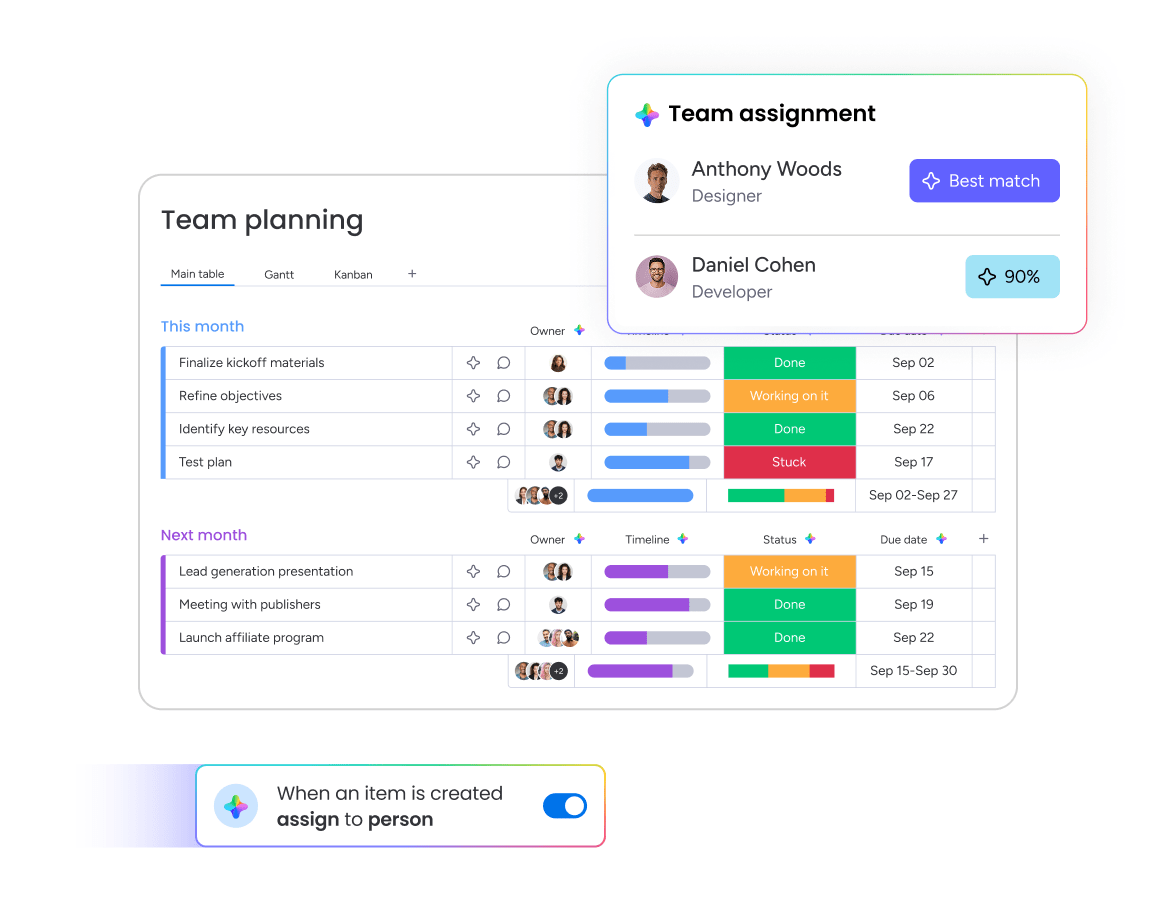
Objection handling isn’t just an individual skill — it’s a team capability. When every rep handles objections consistently, win rates improve, onboarding accelerates, and managers gain visibility into what’s working. Here’s how to build that consistency across your team.
- Create a shared objection library. Build a centralized repository of common objections and approved responses that every rep can access. Organize the library by objection type and include example responses, proof points, and customer stories for each. A shared CRM allows teams to centralize this information alongside deal data, so reps can access objection responses without leaving their workflow.
- Role-play objections in team meetings. Practice handling objections in low-stakes environments. Role-playing builds muscle memory so reps can respond confidently when objections arise in real deals.
- Review call recordings and CRM notes. Use call recordings or CRM notes to identify patterns in how reps handle objections. Highlight what’s working and coach on areas for improvement.
- Track objections by deal stage and rep. Use your CRM to track which objections come up most often, at which stages, and for which reps. monday CRM’s dashboards and sales analytics help managers identify coaching opportunities and refine messaging across the team.
How AI and CRM data make objection handling easier
CRM platforms and AI capabilities make objection handling faster, more consistent, and more visible across the team. Instead of relying on individual rep memory or scattered notes, teams can centralize objection data, automate responses, and coach reps with real-time insights. Here’s what that looks like in practice.
Track objections by deal, rep, and pipeline stage
Tracking objections in your CRM gives managers visibility into which objections come up most often, at which stages, and for which reps. This data helps teams identify patterns, refine messaging, and coach reps on specific gaps.
A manager might notice that “price” objections spike at the proposal stage for a specific rep — a signal that value articulation needs to happen earlier in the process. monday CRM’s sales funnel widget and leaderboard widget help leaders spot these patterns and connect coaching to outcomes.
Use AI to prep for calls and draft responses
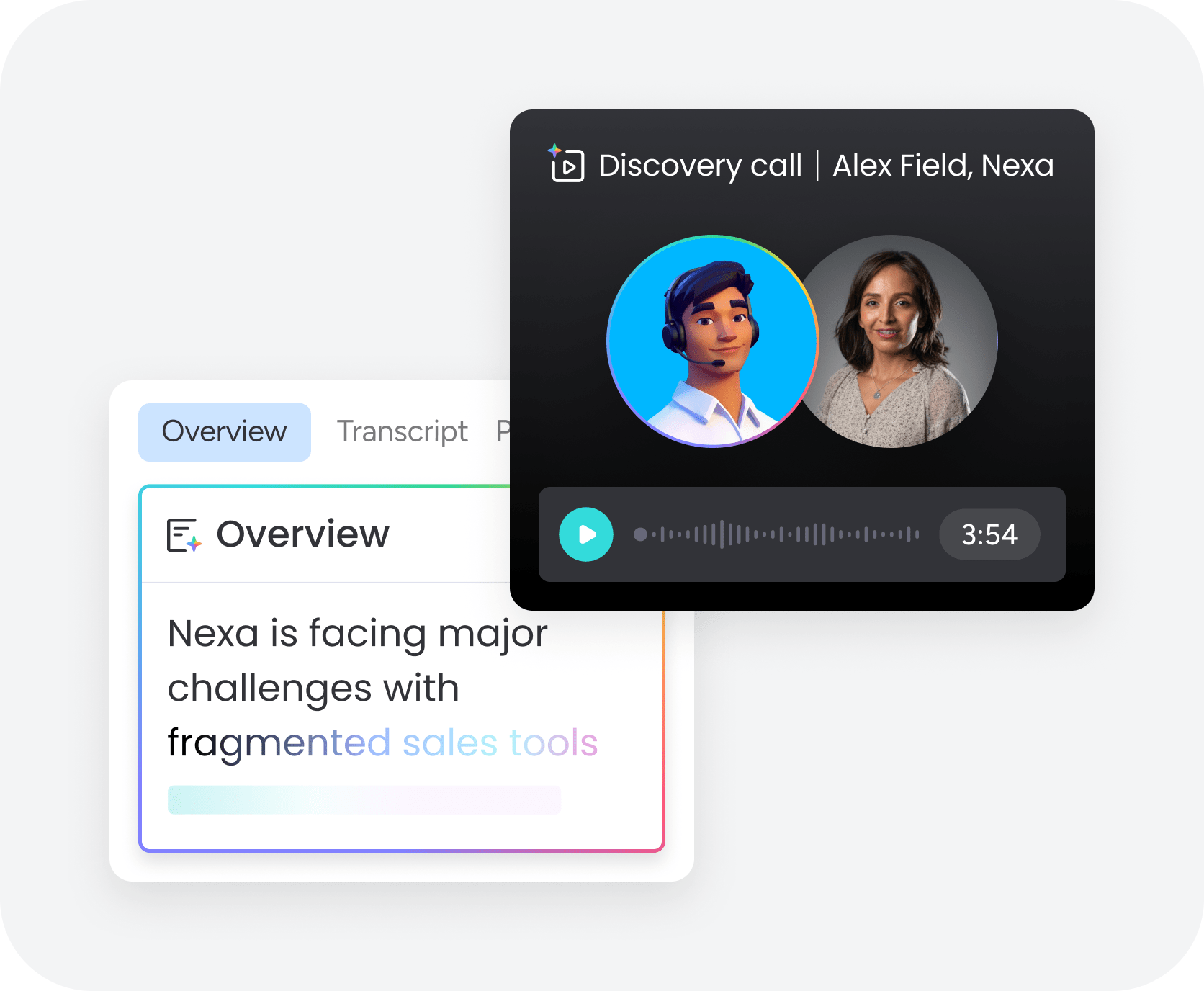
AI capabilities can help reps prepare for calls by surfacing relevant objection responses, customer stories, and proof points based on the prospect’s industry or past interactions. AI can also draft email responses to objections, saving reps time and ensuring consistency.
- monday CRM’s AI timeline summary creates a short summary of communication history so reps can review account context fast before a call.
- The AI email assistant helps reps draft thoughtful objection follow-ups without starting from zero.
Coach reps with insights from every call
AI-powered analysis can identify objections and highlight how reps responded. This gives managers a scalable way to coach reps on objection handling without listening to every call manually.
For example, AI might flag a call where a rep rushed through a price objection without uncovering the real concern. The manager uses this as a coaching opportunity, walking through how to ask probing questions before responding.
Build a shared library of approved responses
CRMs can centralize objection responses, customer stories, and proof points in a shared library that every rep can access. This ensures consistency, speeds up onboarding, and gives reps confidence that their responses are aligned with company messaging.
A new rep encounters a “competitor” objection, searches the shared library for approved responses, finds a response framework and a relevant customer story, and is ready to respond confidently — no guesswork required.
Turn objections into your competitive advantage
Objections aren’t roadblocks. They’re signals — and the teams that treat them that way close more deals, coach more effectively, and forecast with greater confidence. A repeatable approach to objection handling, backed by the right data and tools, is what separates high-performing revenue teams from those stuck in reactive mode.
Building that consistency starts with visibility. When you can see which objections come up most often, at which stages, and for which reps, you stop guessing and start coaching with purpose. That’s where a CRM becomes more than a record-keeping system — it becomes a performance engine for your entire team.
Try monday CRMFAQs
What is the difference between a sales objection and a rejection?
The difference between a sales objection and a rejection is that an objection is a concern that signals engagement, while a rejection is a definitive "no." Objections are addressable opportunities to provide more information; rejections are final.
How do you handle price objections without discounting?
Handle price objections by reframing the conversation around value and ROI rather than cost. Acknowledge the concern, clarify what the prospect is comparing to, and demonstrate return on investment through case studies and cost-of-inaction calculations.
What are the most common sales objections in B2B sales?
The most common B2B sales objections fall into five categories: price objections, timing objections, authority objections, need objections, and trust objections. Understanding these categories helps reps prepare responses in advance.
How can sales managers help reps improve objection handling?
Sales managers can help reps improve by creating shared objection libraries, conducting regular role-play exercises, reviewing call recordings for coaching opportunities, and tracking objections by deal stage and rep in the CRM.
When should a salesperson walk away from an objection?
Walk away when the prospect isn't a good fit, the timing genuinely isn't right, or the objection reveals a fundamental misalignment. Red flags include unrealistic expectations, lack of budget or authority with no path to resolution, and repeated delays with no reason.
How does a CRM help with objection handling?
A CRM helps with objection handling by tracking which objections come up most often, at which stages, and for which reps. This visibility enables managers to identify patterns, coach on specific gaps, and centralize approved responses in a shared library.
